
Find & Share Quotes with Friends
Mi Kmaq Quotes
Quotes tagged as "mi-kmaq"
Showing 1-5 of 5
“This final chapter is neither a criticism nor an attempt to be negative and it is nothing more than a vision for the future. One of my many valued mentors and longtime friends once said to me, “Nation building is the greatest challenge to all mankind, for if you don’t salvage as much as possible from the past there will never be enough material to make it legitimate.” Through a collective perspective woven in Mi’kmaw communities in Newfoundland, I believe that the Mi’kmaw Nation in Newfoundland can continue to reclaim its roots in the land that it has called home for generations. We need to continue to challenge officials, leaders and governments to ensure Indigenous ways of knowing are included in conversation, and to ensure our people are not further assimilated. Always be truthful. Understand your past, family history and connections to the Mi’kmaw community, and represent nothing about us without us. We will be judged not by what we say, but by what we do.”
― One Man's Journey: The Mi’kmaw Revival in Ktaqmkuk
― One Man's Journey: The Mi’kmaw Revival in Ktaqmkuk

“My best friend was Annie Mae Aquash, a young, stronghearted woman from the Micmac Tribe with beautiful children. It is not always wise for an Indian woman to come on too strong. Annie Mae was found dead in the snow at the bottom of a ravine on the Pine Ridge Reservation. The police said that she had died of exposure, but there was a .38 caliber slug in her head. The FBI cut off her hands and sent them to Washington for fingerprint identification, hands that had helped my baby come into the world.”
― Lakota Woman
― Lakota Woman
“They won't let Indians like me live. That's alright. I don't want to grow up to be an old woman. -Annie Mae Aquash”
― Lakota Woman
― Lakota Woman
“Annie Mae was a Micmac Indian, born and raised on a tiny reservation in Nova Scotia, not far from Halifax. Though she lived in Canada, two thousand miles from Rosebud, her life was almost a copy of mine, or of that of thousands of other young Indian girls and women. Instead of on a reservation, she lived on a reserve. Instead of a Bureau of Indian Affairs regulating and interfering with her existence, it was a department. The white boss lording it over the Micmacs was an agent, not a superintendent. The men who harassed her were mounties, not state troopers. Otherwise everything was the same north of the border. She lived in the same kind of tar paper shack that I did. She too had to do without electricity, indoor plumbing, central heating, running water, and paved roads. She too was often hungry, down to one meal a day, eating anything she could find. Her mother had the same name as I-Mary Ellen.”
― Lakota Woman
― Lakota Woman
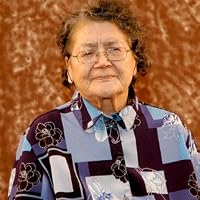
“It is hard to follow the white man's way. We Native people must use our own way, use what our own hearts tell us, no matter what we talk about - welfare, housing, problems in marriage, spirituality.”
― Song of Rita Joe: Autobiography of a Mi'kmaq Poet
― Song of Rita Joe: Autobiography of a Mi'kmaq Poet
All Quotes
|
My Quotes
|
Add A Quote
Browse By Tag
- Love Quotes 102.5k
- Life Quotes 81k
- Inspirational Quotes 77.5k
- Humor Quotes 45.5k
- Philosophy Quotes 32k
- Inspirational Quotes Quotes 28.5k
- God Quotes 27k
- Wisdom Quotes 25k
- Romance Quotes 25k
- Truth Quotes 25k
- Poetry Quotes 24.5k
- Life Lessons Quotes 23k
- Quotes Quotes 21.5k
- Death Quotes 21k
- Happiness Quotes 19k
- Hope Quotes 19k
- Faith Quotes 18.5k
- Inspiration Quotes 18k
- Relationships Quotes 16k
- Spirituality Quotes 16k
- Motivational Quotes 16k
- Religion Quotes 15.5k
- Life Quotes Quotes 15.5k
- Writing Quotes 15k
- Love Quotes Quotes 15k
- Success Quotes 14.5k
- Motivation Quotes 14k
- Time Quotes 13k
- Science Quotes 12.5k
- Motivational Quotes Quotes 12k