
Jane Austen's Books & Adaptations discussion

This topic is about
Tea with Jane Austen
Books/Adaptations of the Month
>
September & October 2022 Group Read: Tea With Jane Austen by Kim Wilson
date newest »
newest »
 Mod
Mod
Tea drinking became more widespread after 1700 when Queen Anne first set the mode of drinking tea for her morning meal. A traditional old-fashioned English breakfast had been ale and beef (hee!).
A usual Regency breakfast consisted of a cup of tea and a toast. Could be supplemented by muffins or buns.
Jane Austen was in charge of preparing breakfast in their Chawton household. She had the key to the dining room cupboard holding their tea and sugar. Tea and sugar were both quite expensive so needed to be under lock. Sugar was molded into large cone-shaped loaves weighing several pounds each that had to be broken up or grated before the sugar could be used. It was broken into irregular lumps with special tools called sugar nippers. Tea was held in a tea caddy. Caddies were generally divided into two sections holding two different sorts of tea (usually green and black). A brass or silver tea laddle was used to measure out the tea leaves.
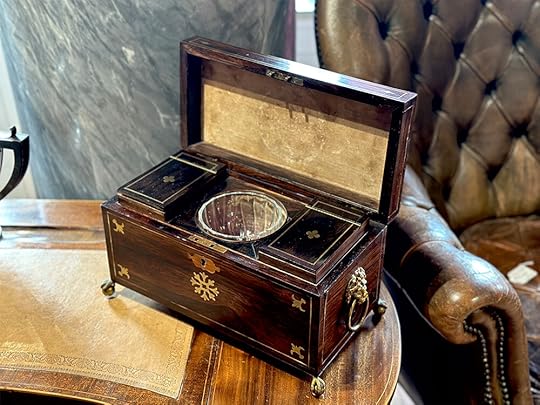
[A Tea Caddy]
Jane probably would have boiled the water in a large copper tea kettle right in the dining room , on the black hob grate set into the fireplace. The tea was then made in a china teapot. Surprisingly it was usual to take your morning tea with sugar without milk.
The bread was probably baked and sliced by a cook, but again the toasts were roasted by the lady of the house over the open fire using either long-handled toasting fork or a hearth toaster (a metal rack). Toasts were served with butter and sometimes jam. Mrs Austen prefered her toast dry. Austen ladies ate their breakfast at about 9 o'clock though it was fashionable in higher society to start later at 10 or even 11.
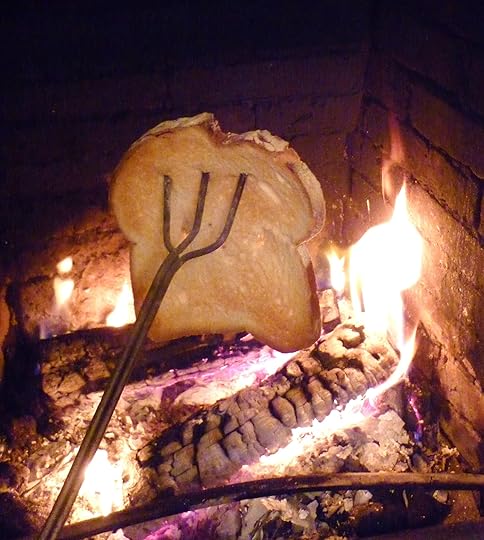
[Use of a toasting fork]
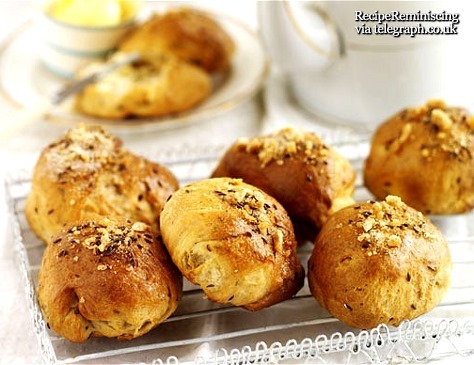
A recipe for a Bath hot bun, Jane liked those though she could indulge mostly only when visiting her richer relatives: https://recipereminiscing.wordpress.c...
 Mod
Mod
Tea and Shopping
Tea Away from Home
Tea and Health
Tea in the Evening
Making the Perfect Cup
Mod
The brand of china Austens used: Wedgwood (Wedgwood is an English fine china, porcelain and luxury accessories manufacturer that was founded on 1 May 1759 by the potter and entrepreneur Josiah Wedgwood)
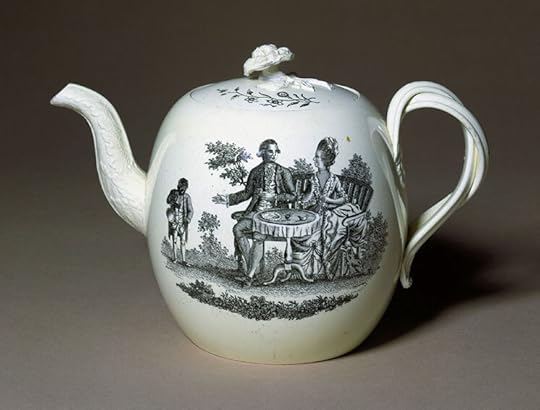
[Wedgwood Teapot, c.1775 - 1780 - The pale cream colour and the Wedgwood mark on the bottom of this teapot identify it as an example of Queensware from the late 1770s, so named after Queen Charlotte, the wife of George III, who had ordered a tea set made from the material in the 1760s.]
"In JA's time, tea in England sold for 6 shillings or so a pound for the cheapest sorts, up to 20 shillings a pound or more for the finest (more than double a week's wage for an unskilled worker)." Tea was much cheaper in Holland, hence smugglers. Smuggled tea was cheaper but also not as good as legally taxed tea. It was packed in large oilskin bags to keep sea water out. Then it was repacked in sacks and slung over horses for the trip inland. In short, smuggled tea smelled and sometimes tasted a bit off.
Tea gardens: Some tea gardens started as pleasure gardens or spas, but when tea became fashionable, its addition to the fare offered at the gardens contributed greatly to their popularity. Unlike coffee houses, where only men were allowed, tea gardens permitted men and women to enjoy each other's company and tea, too.
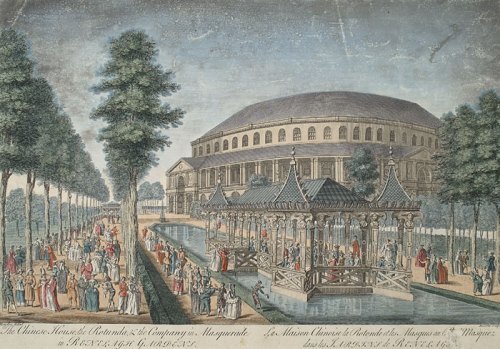
[Ranelagh Gardens, 1754]
Mod
In JA's time, tea was always served AFTER dinner, usually 1 to 3 hours after. Men stayed in the dining room and discussed business (while getting drunk). In the meantime, women entertained themselves sewing or reading. When men joined them, then it was time to serve tea.
"Afternoon tea" is a Victorian invention! (I had no idea.)
It became fashionable (and was much cheaper) to invite guests for "tea and cards" - it was an after-dinner party. Meant that guests came after they had dined at home.
Mod


Tea with Jane Austen by Kim Wilson
"Who would not want to sit down with Jane Austen and join her in a cup of tea? Here for the first time is a book that shares the secrets of one of her favorite rituals.
Tea figures prominently in Jane Austen's life and work. At the center of almost every social situation in her novels one finds tea. In Emma, does Miss Bates drink coffee? Of course not: "No coffee, I thank you, for me never take coffee. A little tea if you please." In Pride and Prejudice, what is one of the supreme honors Mr. Collins can envision Lady Catherine bestowing on Elizabeth Bennet and her friends? Why, drinking tea with her, naturally.
Tea with Jane Austen begins with tea drinking in the morning and ends with tea in the evening, at balls and other gatherings. Each chapter includes a description of how tea was taken at a particular place or time of day, along with history, recipes, excerpts from Austen's novels and letters and illustrations from the time."
First published in 2004.