
Discover new books on Goodreads
Meet your next favorite book

represents war in such a variety of ways and thereby tests whatever understanding of war we may bring to it.


“It ain't worth livin' forever if you're just livin' for yourself.”
― The Speaker
― The Speaker

“Without words, without writing and without books there would be no history, there could be no concept of humanity.”
―
―

“You came out like you were already grown-up, Esme McCauley, even though you were half as big as a minute.”
― Finding Esme
― Finding Esme
“If a church represents the efforts of the devout to invite God to join them in a place created by people, then a forest is a place where God already resides, and people can choose to recognize or ignore his presence.”
― Eruption: The Untold Story of Mount St. Helens
― Eruption: The Untold Story of Mount St. Helens
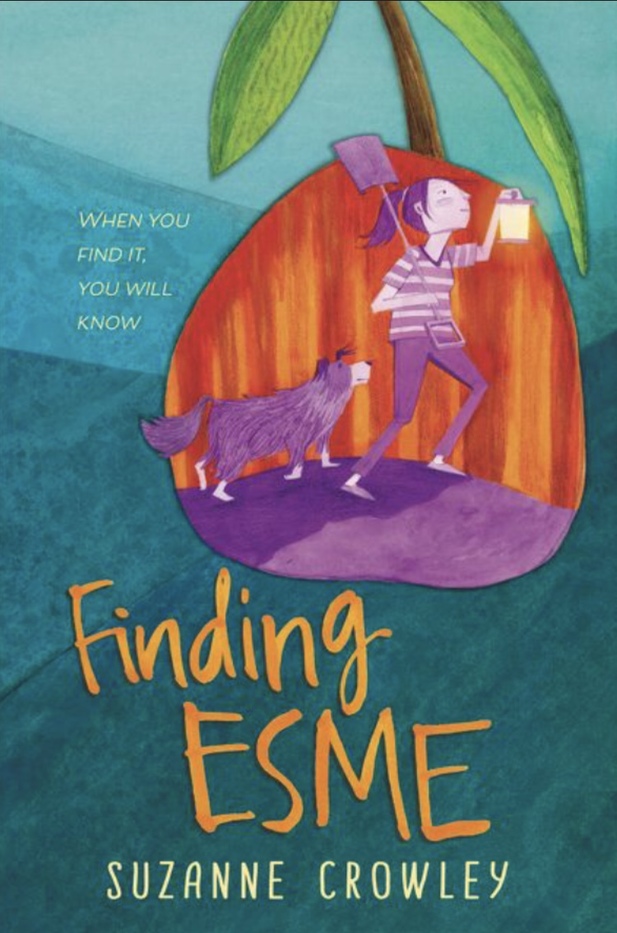
“Our sorrows are linked together like our honeycombs; deep and caverness, full of lonely hollows.”
― Finding Esme
― Finding Esme
 BYU English Society
— 6 members
— last activity Mar 23, 2016 04:29PM
BYU English Society
— 6 members
— last activity Mar 23, 2016 04:29PM
Group for those studying English at BYU to post book reviews, engage in discussion about awesome literature, and generally geek out about all things E ...more
High School English Teachers
— 717 members
— last activity Oct 30, 2024 02:06PM
A group for high school English teachers to talk about books they love reading, and books they love teaching
 Brandon Sanderson Community
— 5143 members
— last activity Oct 15, 2026 04:35PM
Brandon Sanderson Community
— 5143 members
— last activity Oct 15, 2026 04:35PM
Your go-to community for people who love the works of Brandon Sanderson (Cosmere, Reckoners, Rithmatist, Legion, Skyward, etc.) The 17th Shard, the of ...more
 Advanced Copies for Review & Book Giveaways
— 16757 members
— last activity 0 minutes ago
Advanced Copies for Review & Book Giveaways
— 16757 members
— last activity 0 minutes ago
A place to help authors and reviewers come together to get the word out about new books as well as a group for anyone to post or enter listings for bo ...more
 Goodreads Reviewers' Group
— 14073 members
— last activity 11 minutes ago
Goodreads Reviewers' Group
— 14073 members
— last activity 11 minutes ago
This group helps to bring Reviewers and Authors together! Reviewers can make their own thread to post their reviews in, or post their reviews in the r ...more



Leah’s 2025 Year in Books
Take a look at Leah’s Year in Books, including some fun facts about their reading.

85 books
|
10 friends

6,165 books
|
154 friends

1,701 books
|
101 friends

3,545 books
|
59 friends

68 books
|
58 friends

475 books
|
471 friends

1,170 books
|
32 friends

4,500 books
|
79 friends
More friends…


Favorite Genres
Polls voted on by Leah
Lists liked by Leah