
Discover new books on Goodreads
Meet your next favorite book



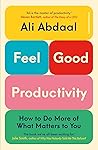



Broadly speaking, the human brain is a collection of software hacks compiled into a single, somehow-functional unit. Each “feature” was added as a random mutation that solved some specific problem to increase our odds of survival. In short,
...more


“It is audacious to believe that the city might build happiness just by changing its shape. But it is foolish not to chase the thought, because around the world, and especially amid the sprawlscapes of modern North America, the evidence shows that cities do indeed design our lives.”
― Happy City: Transforming Our Lives Through Urban Design
― Happy City: Transforming Our Lives Through Urban Design
“Cities have been blown out of proportion, as though we were designing them for giants. What we were doing, of course, was designing for the scale of cars,’ she said. ‘Now we are returning cities to a human scale. We are returning the balance of life to neighbourhoods.”
― Happy City: Transforming Our Lives Through Urban Design
― Happy City: Transforming Our Lives Through Urban Design
“We think it’s totally normal in developing-country cities that we spend billions of dollars building elevated highways while people don’t have schools, they don’t have sewers, they don’t have parks. And we think this is progress, and we show this with great pride, these elevated highways!”
― Happy City: Transforming Our Lives Through Urban Design
― Happy City: Transforming Our Lives Through Urban Design

“The weight of evidence is clear that we do not need more growth in order to achieve our social goals. And yet growthist narratives nonetheless have remarkable staying power. Why? Because growth serves the interests of the richest and most powerful factions in our society.”
― Less is More: How Degrowth Will Save the World
― Less is More: How Degrowth Will Save the World
“In his Inquiry into the Nature and Causes of the Wealth of Nations, Bentham’s contemporary Adam Smith warned that it was a deception to believe that wealth and comfort alone would bring happiness. But this didn’t stop his followers or the governments they advised from increasingly relying on the crude measures of income when measuring human progress over the next two centuries. As long as economic numbers grew, economists insisted that life was getting better and people were getting happier. Under this peculiar analysis, our estimation of well-being is actually inflated by divorces, car crashes and wars, as long as those calamities produce new spending on goods and services.”
― Happy City: Transforming Our Lives Through Urban Design
― Happy City: Transforming Our Lives Through Urban Design

Nicolò’s 2025 Year in Books
Take a look at Nicolò’s Year in Books, including some fun facts about their reading.

351 books
|
23 friends

1,201 books
|
135 friends

69 books
|
6 friends

113 books
|
50 friends

63 books
|
4 friends

4 books
|
9 friends

195 books
|
34 friends
32 books
|
2 friends
More friends…


Favorite Genres
Polls voted on by Nicolò
Lists liked by Nicolò