
Discover new books on Goodreads
Meet your next favorite book


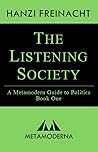
Fundamentally, you will be cured of two very serious kinds of intellectual blindness: Developmental blindness—meaning that you consistently fail to see the developmental stages of human beings, animals and societies. Inner dimensions
...more


“Some things are believed because they are demonstrably true, but many other things are believed simply because they have been asserted repeatedly and repetition has been accepted as a substitute for evidence.”
―
―

“Personally I take more satisfaction in understanding people than in passing judgement on them.”
― Chess Story
― Chess Story

“We need to evangelize technological progress with every word and action. To recognize that the purpose of technology is to transcend our limits and to motivate everything we do with this sense of purpose. To take the winnings from our web apps and put them toward Mars. To feel no hesitation to start small and no shame in dreaming big. To tell the world it is possible to cure the deaf, restore sight, and end death itself.”
― The Anthology of Balaji: A Guide to Technology, Truth, and Building the Future
― The Anthology of Balaji: A Guide to Technology, Truth, and Building the Future

“Historians have a word for Germans who joined the Nazi party, not because they hated Jews, but out of a hope for restored patriotism, or a sense of economic anxiety, or a hope to preserve their religious values, or dislike of their opponents, or raw political opportunism, or convenience, or ignorance, or greed.
That word is "Nazi." Nobody cares about their motives anymore.
They joined what they joined. They lent their support and their moral approval. And, in so doing, they bound themselves to everything that came after. Who cares any more what particular knot they used in the binding?”
―
That word is "Nazi." Nobody cares about their motives anymore.
They joined what they joined. They lent their support and their moral approval. And, in so doing, they bound themselves to everything that came after. Who cares any more what particular knot they used in the binding?”
―
“Distinguishing social consensus from truth is really important because they’re not the same.”
― The Anthology of Balaji: A Guide to Technology, Truth, and Building the Future
― The Anthology of Balaji: A Guide to Technology, Truth, and Building the Future
 Science and Inquiry
— 4540 members
— last activity 7 hours, 19 min ago
Science and Inquiry
— 4540 members
— last activity 7 hours, 19 min ago
This Group explores scientific topics. We have an active monthly book club, as well as discussions on a variety of topics including science in the new ...more


Isak’s 2025 Year in Books
Take a look at Isak’s Year in Books, including some fun facts about their reading.


Favorite Genres
Polls voted on by Isak
Lists liked by Isak