
Discover new books on Goodreads
Meet your next favorite book



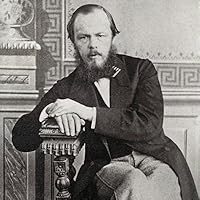
“Do you understand, sir, do you understand what it means when you have absolutely nowhere to turn?" Marmeladov’s question came suddenly into his mind "for every man must have somewhere to turn...”
― Crime and Punishment
― Crime and Punishment

“I'm sick of just liking people. I wish to God I could meet somebody I could respect.”
― Franny and Zooey
― Franny and Zooey

“And those who were seen dancing were thought to be insane by those who could not hear the music.”
―
―
“Above all, don't lie to yourself. The man who lies to himself and listens to his own lie comes to a point that he cannot distinguish the truth within him, or around him, and so loses all respect for himself and for others. And having no respect he ceases to love.”
― The Brothers Karamazov
― The Brothers Karamazov
“It is not a lack of love, but a lack of friendship that makes unhappy marriages.”
―
―
 Turkish Books in GoodReads.com
— 3389 members
— last activity Jul 18, 2026 11:53PM
Turkish Books in GoodReads.com
— 3389 members
— last activity Jul 18, 2026 11:53PM
Bu sitenin amacı; her türlü Türk Edebiyatı ile ilgili kitapları goodreads.com sitesine eklemek ve Türk Edebiyatı'nın zenginliğini dünyanın her yerinde ...more
 Munich Girls Book Club
— 11 members
— last activity Sep 03, 2024 11:07PM
Munich Girls Book Club
— 11 members
— last activity Sep 03, 2024 11:07PM
Munich Girls Book Club is a community fostering love for literature and face-to-face connections of women in Munich. We will cover a new book every mo ...more


Pelin’s 2025 Year in Books
Take a look at Pelin’s Year in Books, including some fun facts about their reading.

399 books
|
26 friends

100 books
|
39 friends

571 books
|
99 friends

438 books
|
74 friends

298 books
|
13 friends

1,048 books
|
360 friends

227 books
|
20 friends

688 books
|
7 friends
More friends…


Favorite Genres
Polls voted on by Pelin
Lists liked by Pelin