
Discover new books on Goodreads
Meet your next favorite book




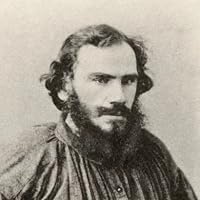
“A quiet secluded life in the country, with the possibility of being useful to people to whom it is easy to do good, and who are not accustomed to have it done to them; then work which one hopes may be of some use; then rest, nature, books, music, love for one's neighbor — such is my idea of happiness.”
― Семейное счастие
― Семейное счастие

“And how we burned in the camps later, thinking: What would things have been like if every Security operative, when he went out at night to make an arrest, had been uncertain whether he would return alive and had to say good-bye to his family? Or if, during periods of mass arrests, as for example in Leningrad, when they arrested a quarter of the entire city, people had not simply sat there in their lairs, paling with terror at every bang of the downstairs door and at every step on the staircase, but had understood they had nothing left to lose and had boldly set up in the downstairs hall an ambush of half a dozen people with axes, hammers, pokers, or whatever else was at hand?... The Organs would very quickly have suffered a shortage of officers and transport and, notwithstanding all of Stalin's thirst, the cursed machine would have ground to a halt! If...if...We didn't love freedom enough. And even more – we had no awareness of the real situation.... We purely and simply deserved everything that happened afterward.”
― The Gulag Archipelago 1918–1956
― The Gulag Archipelago 1918–1956

“Reading list (1972 edition)[edit]
1. Homer – Iliad, Odyssey
2. The Old Testament
3. Aeschylus – Tragedies
4. Sophocles – Tragedies
5. Herodotus – Histories
6. Euripides – Tragedies
7. Thucydides – History of the Peloponnesian War
8. Hippocrates – Medical Writings
9. Aristophanes – Comedies
10. Plato – Dialogues
11. Aristotle – Works
12. Epicurus – Letter to Herodotus; Letter to Menoecus
13. Euclid – Elements
14. Archimedes – Works
15. Apollonius of Perga – Conic Sections
16. Cicero – Works
17. Lucretius – On the Nature of Things
18. Virgil – Works
19. Horace – Works
20. Livy – History of Rome
21. Ovid – Works
22. Plutarch – Parallel Lives; Moralia
23. Tacitus – Histories; Annals; Agricola Germania
24. Nicomachus of Gerasa – Introduction to Arithmetic
25. Epictetus – Discourses; Encheiridion
26. Ptolemy – Almagest
27. Lucian – Works
28. Marcus Aurelius – Meditations
29. Galen – On the Natural Faculties
30. The New Testament
31. Plotinus – The Enneads
32. St. Augustine – On the Teacher; Confessions; City of God; On Christian Doctrine
33. The Song of Roland
34. The Nibelungenlied
35. The Saga of Burnt Njál
36. St. Thomas Aquinas – Summa Theologica
37. Dante Alighieri – The Divine Comedy;The New Life; On Monarchy
38. Geoffrey Chaucer – Troilus and Criseyde; The Canterbury Tales
39. Leonardo da Vinci – Notebooks
40. Niccolò Machiavelli – The Prince; Discourses on the First Ten Books of Livy
41. Desiderius Erasmus – The Praise of Folly
42. Nicolaus Copernicus – On the Revolutions of the Heavenly Spheres
43. Thomas More – Utopia
44. Martin Luther – Table Talk; Three Treatises
45. François Rabelais – Gargantua and Pantagruel
46. John Calvin – Institutes of the Christian Religion
47. Michel de Montaigne – Essays
48. William Gilbert – On the Loadstone and Magnetic Bodies
49. Miguel de Cervantes – Don Quixote
50. Edmund Spenser – Prothalamion; The Faerie Queene
51. Francis Bacon – Essays; Advancement of Learning; Novum Organum, New Atlantis
52. William Shakespeare – Poetry and Plays
53. Galileo Galilei – Starry Messenger; Dialogues Concerning Two New Sciences
54. Johannes Kepler – Epitome of Copernican Astronomy; Concerning the Harmonies of the World
55. William Harvey – On the Motion of the Heart and Blood in Animals; On the Circulation of the Blood; On the Generation of Animals
56. Thomas Hobbes – Leviathan
57. René Descartes – Rules for the Direction of the Mind; Discourse on the Method; Geometry; Meditations on First Philosophy
58. John Milton – Works
59. Molière – Comedies
60. Blaise Pascal – The Provincial Letters; Pensees; Scientific Treatises
61. Christiaan Huygens – Treatise on Light
62. Benedict de Spinoza – Ethics
63. John Locke – Letter Concerning Toleration; Of Civil Government; Essay Concerning Human Understanding;Thoughts Concerning Education
64. Jean Baptiste Racine – Tragedies
65. Isaac Newton – Mathematical Principles of Natural Philosophy; Optics
66. Gottfried Wilhelm Leibniz – Discourse on Metaphysics; New Essays Concerning Human Understanding;Monadology
67. Daniel Defoe – Robinson Crusoe
68. Jonathan Swift – A Tale of a Tub; Journal to Stella; Gulliver's Travels; A Modest Proposal
69. William Congreve – The Way of the World
70. George Berkeley – Principles of Human Knowledge
71. Alexander Pope – Essay on Criticism; Rape of the Lock; Essay on Man
72. Charles de Secondat, baron de Montesquieu – Persian Letters; Spirit of Laws
73. Voltaire – Letters on the English; Candide; Philosophical Dictionary
74. Henry Fielding – Joseph Andrews; Tom Jones
75. Samuel Johnson – The Vanity of Human Wishes; Dictionary; Rasselas; The Lives of the Poets”
― How to Read a Book: The Classic Guide to Intelligent Reading
1. Homer – Iliad, Odyssey
2. The Old Testament
3. Aeschylus – Tragedies
4. Sophocles – Tragedies
5. Herodotus – Histories
6. Euripides – Tragedies
7. Thucydides – History of the Peloponnesian War
8. Hippocrates – Medical Writings
9. Aristophanes – Comedies
10. Plato – Dialogues
11. Aristotle – Works
12. Epicurus – Letter to Herodotus; Letter to Menoecus
13. Euclid – Elements
14. Archimedes – Works
15. Apollonius of Perga – Conic Sections
16. Cicero – Works
17. Lucretius – On the Nature of Things
18. Virgil – Works
19. Horace – Works
20. Livy – History of Rome
21. Ovid – Works
22. Plutarch – Parallel Lives; Moralia
23. Tacitus – Histories; Annals; Agricola Germania
24. Nicomachus of Gerasa – Introduction to Arithmetic
25. Epictetus – Discourses; Encheiridion
26. Ptolemy – Almagest
27. Lucian – Works
28. Marcus Aurelius – Meditations
29. Galen – On the Natural Faculties
30. The New Testament
31. Plotinus – The Enneads
32. St. Augustine – On the Teacher; Confessions; City of God; On Christian Doctrine
33. The Song of Roland
34. The Nibelungenlied
35. The Saga of Burnt Njál
36. St. Thomas Aquinas – Summa Theologica
37. Dante Alighieri – The Divine Comedy;The New Life; On Monarchy
38. Geoffrey Chaucer – Troilus and Criseyde; The Canterbury Tales
39. Leonardo da Vinci – Notebooks
40. Niccolò Machiavelli – The Prince; Discourses on the First Ten Books of Livy
41. Desiderius Erasmus – The Praise of Folly
42. Nicolaus Copernicus – On the Revolutions of the Heavenly Spheres
43. Thomas More – Utopia
44. Martin Luther – Table Talk; Three Treatises
45. François Rabelais – Gargantua and Pantagruel
46. John Calvin – Institutes of the Christian Religion
47. Michel de Montaigne – Essays
48. William Gilbert – On the Loadstone and Magnetic Bodies
49. Miguel de Cervantes – Don Quixote
50. Edmund Spenser – Prothalamion; The Faerie Queene
51. Francis Bacon – Essays; Advancement of Learning; Novum Organum, New Atlantis
52. William Shakespeare – Poetry and Plays
53. Galileo Galilei – Starry Messenger; Dialogues Concerning Two New Sciences
54. Johannes Kepler – Epitome of Copernican Astronomy; Concerning the Harmonies of the World
55. William Harvey – On the Motion of the Heart and Blood in Animals; On the Circulation of the Blood; On the Generation of Animals
56. Thomas Hobbes – Leviathan
57. René Descartes – Rules for the Direction of the Mind; Discourse on the Method; Geometry; Meditations on First Philosophy
58. John Milton – Works
59. Molière – Comedies
60. Blaise Pascal – The Provincial Letters; Pensees; Scientific Treatises
61. Christiaan Huygens – Treatise on Light
62. Benedict de Spinoza – Ethics
63. John Locke – Letter Concerning Toleration; Of Civil Government; Essay Concerning Human Understanding;Thoughts Concerning Education
64. Jean Baptiste Racine – Tragedies
65. Isaac Newton – Mathematical Principles of Natural Philosophy; Optics
66. Gottfried Wilhelm Leibniz – Discourse on Metaphysics; New Essays Concerning Human Understanding;Monadology
67. Daniel Defoe – Robinson Crusoe
68. Jonathan Swift – A Tale of a Tub; Journal to Stella; Gulliver's Travels; A Modest Proposal
69. William Congreve – The Way of the World
70. George Berkeley – Principles of Human Knowledge
71. Alexander Pope – Essay on Criticism; Rape of the Lock; Essay on Man
72. Charles de Secondat, baron de Montesquieu – Persian Letters; Spirit of Laws
73. Voltaire – Letters on the English; Candide; Philosophical Dictionary
74. Henry Fielding – Joseph Andrews; Tom Jones
75. Samuel Johnson – The Vanity of Human Wishes; Dictionary; Rasselas; The Lives of the Poets”
― How to Read a Book: The Classic Guide to Intelligent Reading


KM’s 2025 Year in Books
Take a look at KM’s Year in Books, including some fun facts about their reading.
KM hasn't connected with his friends on Goodreads, yet.

Favorite Genres
Business, Christian, Classics, Fiction, History, Non-fiction, Philosophy, Poetry, Religion, Science fiction, and Travel
Polls voted on by KM
Lists liked by KM