
Discover new books on Goodreads
Meet your next favorite book


“In earlier times, one had an easier conscience about being a person than one does today. People were like cornstalks in a field, probably more violently tossed back and forth by God, hail, fire, pestilence, and war than they are today, but as a whole, as a city, a region, a field, and as to what personal movement was left to the individual stalk – all this was clearly defined and could be answered for. But today responsibility’s center of gravity is not in people but in circumstances. Have we not noticed that experiences have made themselves independent of people? They have gone on the stage, into books, into the reports of research institutes and explorers, into ideological or religious communities, which foster certain kinds of experience at the expense of others as if they are conducting a kind of social experiment, and insofar as experiences are not actually being developed, they are simply left dangling in the air. Who can say nowadays that his anger is really his own anger when so many people talk about it and claim to know more about it than he does? A world of qualities without a man has arisen, of experiences without the person who experiences them, and it almost looks as though ideally private experience is a thing of the past, and that the friendly burden of personal responsibility is to dissolve into a system of formulas of possible meanings. Probably the dissolution of the anthropocentric point of view, which for such a long time considered man to be at the center of the universe but which has been fading away for centuries, has finally arrived at the “I” itself, for the belief that the most important thing about experience is the experiencing, or of action the doing, is beginning to strike most people as naïve. There are probably people who still lead personal lives, who say “We saw the So-and-sos yesterday” or “We’ll do this or that today” and enjoy it without its needing to have any content of significance. They like everything that comes in contact with their fingers, and are purely private persons insofar as this is at all possible. In contact with such people, the world becomes a private world and shines like a rainbow. They may be very happy, but this kind of people usually seems absurd to the others, although it is still not at all clear why.
And suddenly, in view of these reflections, Ulrich had to smile and admit to himself that he was, after all, a character, even without having one.”
― The Man Without Qualities: Volume I
And suddenly, in view of these reflections, Ulrich had to smile and admit to himself that he was, after all, a character, even without having one.”
― The Man Without Qualities: Volume I

“Kulno oli vait ja laskis Lutveid rääkida. Oli, nagu kuulaks ta iseennast, seda ennast, kes elas, patustas, kannatas ja kaebas aastate eest.
Või ei kannatanud ega kaevanud tema sugugi nõnda? Ehk ei oska tema Lutvei kaebehelides muid toone tabada, kui aga ainuüksi neid, mida ta millalgi iseenese rinnas uulatanud? Võib-olla meie ei tea ilmast üldse muud, kui aga seda põrmukest, mis leidub vähemalt idunagi meis enestes? Kõik muu on ehk sealpool meie ilma läve, kõik muu on hauatagune, surnute riik, kuigi ta oleks elavaid täis. Nõnda mõistaksime teiste kannatusi ainult kannatades ja teiste valudele kaasa tundes tunneksime tõepoolest ainult iseenestele kaasa. Meid huvitab teiste kannatus ainult sel määral, kui palju nad meie viisil kannatavad. Kes kõigele kannatusele tahavad kaasa tunda, need peavad võima kogumi kannatusi maitsta, peavad võima kannatada kui ussike, kui rohulajuke, kui lõhnav lill, kui pakatavalt muhelev maa, kui liivaterake.”
― Kärbes
Või ei kannatanud ega kaevanud tema sugugi nõnda? Ehk ei oska tema Lutvei kaebehelides muid toone tabada, kui aga ainuüksi neid, mida ta millalgi iseenese rinnas uulatanud? Võib-olla meie ei tea ilmast üldse muud, kui aga seda põrmukest, mis leidub vähemalt idunagi meis enestes? Kõik muu on ehk sealpool meie ilma läve, kõik muu on hauatagune, surnute riik, kuigi ta oleks elavaid täis. Nõnda mõistaksime teiste kannatusi ainult kannatades ja teiste valudele kaasa tundes tunneksime tõepoolest ainult iseenestele kaasa. Meid huvitab teiste kannatus ainult sel määral, kui palju nad meie viisil kannatavad. Kes kõigele kannatusele tahavad kaasa tunda, need peavad võima kogumi kannatusi maitsta, peavad võima kannatada kui ussike, kui rohulajuke, kui lõhnav lill, kui pakatavalt muhelev maa, kui liivaterake.”
― Kärbes
“Sõnade teed on mõnikord imelikud, nende teed on kõige imelikumad teed, mida inimvaim käinud. Sõnades on ikka palju seda, mida rääkija sugugi ei mõtle, sõna toob sagedasti vastuse, mida mõtleja kõige vähem aimanud. Nõnda ka täna, kui keegi joomisel hakkas rääkima mingisugusest inimlikust tõest.
„Kõik tõed on inimlikud,“ vastati kõikteadvalt.
„Mis tähendab inimlik?“
„Inimlik tähendab humaanlik.“
„Aga humaanlik?“
„Et on olemas inimlikud asjad, aga mitte inimest.“
„On olemas inimlik tõde, inimlik õigus, inimlik vagadus, inimlik kurjus ja muud niisugused asjad, aga inimest ennast ei ole.“
„Aga kes siis on?“
„On hiinlased, jaapanlased, neegrid, venelased, türklased, sakslased, inglased, on isegi lätlased ja eestlased; on ametnikud, professorid, üliõpilased, kodanikud, ajakirjanikud, kirjanikud ja poepoisid, aga inimest ei ole.”
― Kärbes
„Kõik tõed on inimlikud,“ vastati kõikteadvalt.
„Mis tähendab inimlik?“
„Inimlik tähendab humaanlik.“
„Aga humaanlik?“
„Et on olemas inimlikud asjad, aga mitte inimest.“
„On olemas inimlik tõde, inimlik õigus, inimlik vagadus, inimlik kurjus ja muud niisugused asjad, aga inimest ennast ei ole.“
„Aga kes siis on?“
„On hiinlased, jaapanlased, neegrid, venelased, türklased, sakslased, inglased, on isegi lätlased ja eestlased; on ametnikud, professorid, üliõpilased, kodanikud, ajakirjanikud, kirjanikud ja poepoisid, aga inimest ei ole.”
― Kärbes

“Ma olen maalt, kus päike on haruldane teemant, uskumatu kuldmünt, mida uuritakse tule paistel ja katsutakse hambaga, enne kui tihatakse silma usaldada. Sügisel pannakse päike koos kartulite ja kaalidega koopasse varjule; ja kui ta kevadel sealt välja tuuakse, õue tuulduma, siis on tal valgete kartuliidude mürgine lõhn; seda lõhna on täis terve õu kuni metsani välja.”
― Piiririik
― Piiririik
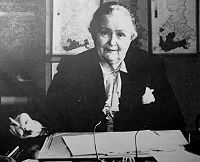
“Olime rahutu rahvas ja hoidsime vanemaid pideva pinge all. Alates ajast, mil sain kümneaastaseks, juhtus meie peres alati midagi, ütles mu ema, kui mitte muud, siis mõni põgenemiskatse. Oma esimesest internaatkoolist põgenesin nimelt kaks korda - see oli vanaisa-kodus veedetud metsiku vabaduse tagajärg. Ka teised õed ja vend olid alati valmis omapead maailma minema. Kui ei läinud läbi põgenemine, siis õpiti suvel salaja, et mõnest klassist üle järgmisse hüpata, või kirjutati kas või kedagi ärritav nöökav näitemäng.”
― Koolitüdrukuna Tartus aastail 1901-1904
― Koolitüdrukuna Tartus aastail 1901-1904

Mirjam’s 2025 Year in Books
Take a look at Mirjam’s Year in Books, including some fun facts about their reading.

391 books
|
223 friends

747 books
|
177 friends

934 books
|
83 friends

573 books
|
159 friends

4,144 books
|
83 friends

979 books
|
119 friends

3,101 books
|
114 friends

2,783 books
|
397 friends
More friends…


Polls voted on by Mirjam
Lists liked by Mirjam