
Discover new books on Goodreads
Meet your next favorite book

to-read
(1011)
currently-reading (3)
read (627)
did-not-finish (0)
nonfiction (94)
luca-and-leo (69)
childrens-books (55)
favorites (48)
2016 (45)
book-to-reread (42)
2014 (40)
american-lit (33)
currently-reading (3)
read (627)
did-not-finish (0)
nonfiction (94)
luca-and-leo (69)
childrens-books (55)
favorites (48)
2016 (45)
book-to-reread (42)
2014 (40)
american-lit (33)
plays
(31)
2013 (29)
2015 (26)
2020 (19)
2026 (19)
english-lit (19)
2017 (16)
2022 (15)
2023 (15)
2024 (15)
parenting (15)
2021 (13)
2013 (29)
2015 (26)
2020 (19)
2026 (19)
english-lit (19)
2017 (16)
2022 (15)
2023 (15)
2024 (15)
parenting (15)
2021 (13)



“It's not that we haven't had our own activists and friends in the public-health community in the United States working diligently to increase rates of breastfeeding; it's that we have allowed a health-care industry responsible only to corporate boards of directors and stockholders to take the place of what should be a health-care system designed for the benefit of all of our people. A profit-driven health-care industry has no reason to care about increasing breastfeeding rates (or doing anything else to promote health, for that matter), as doing so will do nothing to boost anyone's profits. I consider it a national embarrassment that our Department of Health and Human Services (DHHS) has never been able to collect solidly accurate statistics on breastfeeding rates for the first year of our babies' lives through any of its agencies.”
― Ina May's Guide to Breastfeeding: From the Nation's Leading Midwife
― Ina May's Guide to Breastfeeding: From the Nation's Leading Midwife

“What is the soul? What color is it? I suspected my soul, being mischievous, might slip away while I was dreaming and fail to return. I did my best not to fall asleep, to keep it inside of me where it belonged.”
― Just Kids
― Just Kids
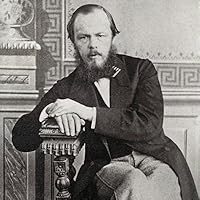
“The meanest and most hateful thing about money is that it even gives one talent.”
―
―
“I understood that what matters is the work: the string of words propelled by God becoming a poem, the weave of color and graphite scrawled upon the sheet that magnifies His motion. To achieve within the work a perfect balance of faith and execution. From this state of mind comes a light, life-changed.”
― Just Kids
― Just Kids
“The goals set by Stanton, Truth, and Anthony that were achieved during the twentieth-century long after their deaths were audacious. Because of these pioneers and the activists who followed them, women can now own property; divorce an abusive husband; vote; be elected to public office; be professors, executives, or astronauts; fly planes; and wear clothes that would have shocked everyone who lived in the nineteenth century (when women's ankles weren't supposed to be seen).
All of these are solid and necessary gains, but today, even in states whose laws declare that breastfeeding cannot be considered "indecent exposure," the harassment of mothers for breastfeeding their babies when they leave their homes continues to a degree that is simply unacceptable.
This rudeness to strangers and their babies can and must be stopped. In the nineteenth century, most U.S. mothers—if their health was good— nursed their babies, and people took it for granted that this elemental, nurturing act would have to take place as women traveled. I think it would have been hard for people in the nineteenth century to anticipate that advertising and marketing campaigns by infant formula companies would become the dominant factor in parents' decisions about infant feeding and that infant formula companies could so easily convince the medical profession to become the first promoters of their products.”
― Ina May's Guide to Breastfeeding: From the Nation's Leading Midwife
All of these are solid and necessary gains, but today, even in states whose laws declare that breastfeeding cannot be considered "indecent exposure," the harassment of mothers for breastfeeding their babies when they leave their homes continues to a degree that is simply unacceptable.
This rudeness to strangers and their babies can and must be stopped. In the nineteenth century, most U.S. mothers—if their health was good— nursed their babies, and people took it for granted that this elemental, nurturing act would have to take place as women traveled. I think it would have been hard for people in the nineteenth century to anticipate that advertising and marketing campaigns by infant formula companies would become the dominant factor in parents' decisions about infant feeding and that infant formula companies could so easily convince the medical profession to become the first promoters of their products.”
― Ina May's Guide to Breastfeeding: From the Nation's Leading Midwife


E.M.’s 2025 Year in Books
Take a look at E.M.’s Year in Books, including some fun facts about their reading.

409 books
|
37 friends

2,516 books
|
219 friends

1,228 books
|
198 friends

3,320 books
|
145 friends

1,266 books
|
29 friends

664 books
|
92 friends

6,561 books
|
47 friends

341 books
|
22 friends
More friends…


Polls voted on by E.M.
Lists liked by E.M.