
Discover new books on Goodreads
Meet your next favorite book



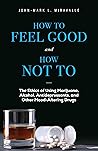


“The propensity of the marijuana user for inactivity, then, doesn’t derive from rest, because it isn’t the fruit of a recognition of the goodness of things. Weed can sedate, but it can’t bring peace. It can tranquilize, but it can’t give tranquility. Tranquility comes only when things are the way they’re supposed to be. If things aren’t right, why should we be all right with everything? And that means, if our peace is to be more than an illusion, we have to be able to (a) see the rightness of things and (b) establish that rightness within ourselves.”
― How to Feel Good and How Not To: The Ethics of Using Marijuana, Alcohol, Antidepressants, and Other Mood-Altering Drugs
― How to Feel Good and How Not To: The Ethics of Using Marijuana, Alcohol, Antidepressants, and Other Mood-Altering Drugs
“what would we think if a man said he needed five beers in order to find a certain woman attractive? It’s pretty obvious that we’d infer that the guy didn’t really think the woman was attractive. His bogus attraction would be due to the chemical manipulation, as opposed to an actual perception of her objectively attractive qualities. By the same token, what should we think when someone smokes weed in order to appreciate reality? Again, I think in such a case we’d be justified in concluding that the person didn’t actually think reality was all that great; otherwise, he wouldn’t have recourse to a drug in order to feel good about existence, whether his own or the world’s.”
― How to Feel Good and How Not To: The Ethics of Using Marijuana, Alcohol, Antidepressants, and Other Mood-Altering Drugs
― How to Feel Good and How Not To: The Ethics of Using Marijuana, Alcohol, Antidepressants, and Other Mood-Altering Drugs
“Alcoholic drinks, as we’ve said, can be drunk simply for their nutritional or health benefits. But if they’re really going to be recreational, if they’re going to be vehicles for beauty, then they can’t become habitual or excessive. Habit will nullify the power of beer or wine or whiskey to surprise us. We’ll get used to them, and when we do, they won’t bring us any significant enjoyment. We won’t be startled at the goodness of what we’re drinking; we’ll take our drinking for granted, and then what will be the point? Whereas drinking to excess, drinking ourselves into inanity and degradation, will potentially spoil everything. We might escape our normal, everyday lives, but the new normal of sodden imbecility will be hideous.”
― How to Feel Good and How Not To: The Ethics of Using Marijuana, Alcohol, Antidepressants, and Other Mood-Altering Drugs
― How to Feel Good and How Not To: The Ethics of Using Marijuana, Alcohol, Antidepressants, and Other Mood-Altering Drugs
“To summarize: alcohol may chemically alter your feelings, but that’s not the typical reason why people drink, whereas cannabis may provide an opportunity for aesthetic appreciation of the substance itself, but that’s not the typical reason why people smoke pot. The normal use of alcohol is geared toward nutrition, hydration, and appreciative enjoyment. Recreational use of marijuana is geared toward emotional intoxication. So it turns out that there is a fundamental distinction between the two.”
― How to Feel Good and How Not To: The Ethics of Using Marijuana, Alcohol, Antidepressants, and Other Mood-Altering Drugs
― How to Feel Good and How Not To: The Ethics of Using Marijuana, Alcohol, Antidepressants, and Other Mood-Altering Drugs

Fr.’s 2025 Year in Books
Take a look at Fr.’s Year in Books, including some fun facts about their reading.

Favorite Genres
Polls voted on by Fr.
Lists liked by Fr.