
Discover new books on Goodreads
Meet your next favorite book
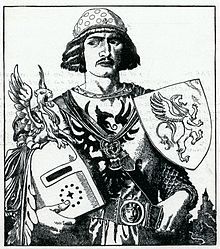






“But there was a time when each of us stood naked before the world, confronting life as a serious problem with which we were intimately and passionately concerned. There was a time when it was of vital interest to us to find out whether there was a God or not. Obviously the existence or otherwise of a future life must be of the very first importance to somebody who is going to live her present one, because her manner of living it must hinge on the problem. There was a time when Free Love versus Catholic Morality was a question of as much importance to our hot bodies as if a pistol had been clapped to our heads.
Further back, there were times when we wondered with all our souls what the world was, what love was, what we were ourselves.”
― The Once and Future King
Further back, there were times when we wondered with all our souls what the world was, what love was, what we were ourselves.”
― The Once and Future King
“There is a thing called knowledge of the world, which people do not have until they are middle-aged. It is something which cannot be taught to younger people, because it is not logical and does not obey laws which are constant. It has no rule. Only, in the long years which bring women to the middle of life, a sense of balance develops. You can’t teach a baby to walk by explaining the matter to her logically – she has to learn the strange poise of walking by experience. In some way like that, you cannot teach a young woman to have the knowledge of the world. She has to be left to the experience of the years. And then, when she is beginning to hate her used body, she suddenly finds that she can do it. She can go on living – not by principle, not by deduction, not by knowledge of good and evil, but simply by a peculiar and shifting sense of balance which defies each of these things often. She no longer hopes to live by seeking the truth – if women ever do hope this – but continues henceforth under the guidance of a seventh sense. Balance was the sixth sense, which she won when she first learned to walk, and now she has the seventh one – knowledge of the world.”
― The Once and Future King
― The Once and Future King
“Was it the wicked leaders who led innocent populations to slaughter, or was it wicked populations who chose leaders after their own hears? On the face of it, it seemed unlikely that one Leader could force a million Englishmen against their will. If, for instance, Mordred had been anxious to make the English wear petticoats, or stand on their heads, they would surely not have joined his party -- however clever or persuasive or deceitful or even terrible his inducements? A leader was surely forced to offer something which appealed to those he led? He might give the impetus to the falling building, but surely it had to be toppling on its own account before it fell? If this were true, then wars were not calamities into which amiable innocents were led by evil men.They were national movements, deeper, more subtle in origin. And, indeed, it did not feel to him as if he or Mordred had led their country to its misery. If it was so easy to lead one's country in various directions, as if she was a pig on a string, why had he failed to lead her into chivalry, into justice, and into peace? He had been trying.
Then again -- this was the second circle -- it was like the Inferno -- if neither he nor Mordred had really set the misery in motion, who had been the cause? How did the fact of war begin in general? For any one war seemed so rooted in its antecedents. Mordred went back to Morgause, Morgause to Uther Pendragon, Uther to his ancestors. It seemed as if Cain had slain Abel, seizing his country, after which the men of Abel had sought to win their patrimony again for ever. Man had gone on, through age after age, avenging wrong with wrong, slaughter with slaughter. Nobody was the better for it, since both sides always suffered, yet everybody was inextricable. The present war might be attributed to Mordred or to himself. But also it was due to a million Thrashers, to Lancelot, Guenever, Gawaine, everybody. Those who lived by the sword were forced to die by it. It was as if everything would lead to sorrow, so long as man refused to forget the past. The wrongs of Uther and of Cain were wrongs which could have been righted only by the blessing of forgetting them.”
― The Once and Future King
Then again -- this was the second circle -- it was like the Inferno -- if neither he nor Mordred had really set the misery in motion, who had been the cause? How did the fact of war begin in general? For any one war seemed so rooted in its antecedents. Mordred went back to Morgause, Morgause to Uther Pendragon, Uther to his ancestors. It seemed as if Cain had slain Abel, seizing his country, after which the men of Abel had sought to win their patrimony again for ever. Man had gone on, through age after age, avenging wrong with wrong, slaughter with slaughter. Nobody was the better for it, since both sides always suffered, yet everybody was inextricable. The present war might be attributed to Mordred or to himself. But also it was due to a million Thrashers, to Lancelot, Guenever, Gawaine, everybody. Those who lived by the sword were forced to die by it. It was as if everything would lead to sorrow, so long as man refused to forget the past. The wrongs of Uther and of Cain were wrongs which could have been righted only by the blessing of forgetting them.”
― The Once and Future King

Bria’s 2025 Year in Books
Take a look at Bria’s Year in Books, including some fun facts about their reading.

332 books
|
38 friends

214 books
|
18 friends

700 books
|
19 friends

612 books
|
15 friends

177 books
|
1 friend

1,012 books
|
40 friends


Favorite Genres
Polls voted on by Bria
Lists liked by Bria