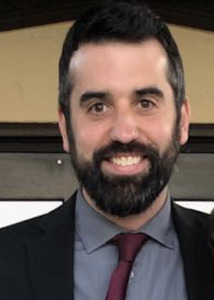
Derek Harmening
https://www.goodreads.com/derekharmening
“If what's always distinguished bad writing--flat characters, a narrative world that's clichéd and not recognizably human, etc.--is also a description of today's world, then bad writing becomes an ingenious mimesis of a bad world. If readers simply believe the world is stupid and shallow and mean, then [Bret] Ellis can write a mean shallow stupid novel that becomes a mordant deadpan commentary on the badness of everything. Look man, we'd probably most of us agree that these are dark times, and stupid ones, but do we need fiction that does nothing but dramatize how dark and stupid everything is? In dark times, the definition of good art would seem to be art that locates and applies CPR to those elements of what's human and magical that still live and glow despite the times' darkness. Really good fiction could have as dark a worldview as it wished, but it'd find a way both to depict this world and to illuminate the possibilities for being alive and human in it.
Postmodern irony and cynicism's become an end in itself, a measure of hip sophistication and literary savvy. Few artists dare to try to talk about ways of working toward redeeming what's wrong, because they'll look sentimental and naive to all the weary ironists. Irony's gone from liberating to enslaving. There's some great essay somewhere that has a line about irony being the song of the prisoner who's come to love his cage… The postmodern founders' patricidal work was great, but patricide produces orphans, and no amount of revelry can make up for the fact that writers my age have been literary orphans throughout our formative years.
We enter a spiritual puberty where we snap to the fact that the great transcendent horror is loneliness, excluded encagement in the self. Once we’ve hit this age, we will now give or take anything, wear any mask, to fit, be part-of, not be Alone, we young. The U.S. arts are our guide to inclusion. A how-to. We are shown how to fashion masks of ennui and jaded irony at a young age where the face is fictile enough to assume the shape of whatever it wears. And then it’s stuck there, the weary cynicism that saves us from gooey sentiment and unsophisticated naïveté. Sentiment equals naïveté on this continent.
You burn with hunger for food that does not exist.
A U. S. of modern A. where the State is not a team or a code, but a sort of sloppy intersection of desires and fears, where the only public consensus a boy must surrender to is the acknowledged primacy of straight-line pursuing this flat and short-sighted idea of personal happiness.”
―
Postmodern irony and cynicism's become an end in itself, a measure of hip sophistication and literary savvy. Few artists dare to try to talk about ways of working toward redeeming what's wrong, because they'll look sentimental and naive to all the weary ironists. Irony's gone from liberating to enslaving. There's some great essay somewhere that has a line about irony being the song of the prisoner who's come to love his cage… The postmodern founders' patricidal work was great, but patricide produces orphans, and no amount of revelry can make up for the fact that writers my age have been literary orphans throughout our formative years.
We enter a spiritual puberty where we snap to the fact that the great transcendent horror is loneliness, excluded encagement in the self. Once we’ve hit this age, we will now give or take anything, wear any mask, to fit, be part-of, not be Alone, we young. The U.S. arts are our guide to inclusion. A how-to. We are shown how to fashion masks of ennui and jaded irony at a young age where the face is fictile enough to assume the shape of whatever it wears. And then it’s stuck there, the weary cynicism that saves us from gooey sentiment and unsophisticated naïveté. Sentiment equals naïveté on this continent.
You burn with hunger for food that does not exist.
A U. S. of modern A. where the State is not a team or a code, but a sort of sloppy intersection of desires and fears, where the only public consensus a boy must surrender to is the acknowledged primacy of straight-line pursuing this flat and short-sighted idea of personal happiness.”
―
“To the well-organized mind, death is but the next great adventure.”
― Harry Potter and the Sorcerer's Stone
“The most important things are the hardest to say. They are the things you get ashamed of, because words diminish them -- words shrink things that seemed limitless when they were in your head to no more than living size when they're brought out. But it's more than that, isn't it? The most important things lie too close to wherever your secret heart is buried, like landmarks to a treasure your enemies would love to steal away. And you may make revelations that cost you dearly only to have people look at you in a funny way, not understanding what you've said at all, or why you thought it was so important that you almost cried while you were saying it. That's the worst, I think. When the secret stays locked within not for want of a teller but for want of an understanding ear.”
―
―
“No one who is young is ever going to be old.”
― East of Eden
― East of Eden
“What really knocks me out is a book that, when you're all done reading it, you wish the author that wrote it was a terrific friend of yours and you could call him up on the phone whenever you felt like it. That doesn't happen much, though.”
― The Catcher in the Rye
The book you like most
— 48477 members
— last activity 1 hour, 31 min ago
This group (ranked in the TOP 100 most popular groups on Goodreads) is dedicated to the "Vision and Story" project. Additionally, the group THE BOOK ...more
Derek’s 2025 Year in Books
Take a look at Derek’s Year in Books, including some fun facts about their reading.
More friends…
Polls voted on by Derek
Lists liked by Derek