
Discover new books on Goodreads
Meet your next favorite book

F. Dum
https://www.goodreads.com/fdum


to-read
(150)
currently-reading (6)
read (275)
did-not-finish (0)
sci-fi-fantasy (100)
owned (80)
psychology-sociology (69)
english-literature (66)
german-literature (62)
currently-reading (6)
read (275)
did-not-finish (0)
sci-fi-fantasy (100)
owned (80)
psychology-sociology (69)
english-literature (66)
german-literature (62)
5-star
(60)
other-literature (41)
philosophy-religion (40)
history (37)
non-fiction (30)
biography (25)
old-literature (25)
children-youth (20)
film (15)
other-literature (41)
philosophy-religion (40)
history (37)
non-fiction (30)
biography (25)
old-literature (25)
children-youth (20)
film (15)
F. Dum
rated a book it was amazing
 F. Dum said:
"
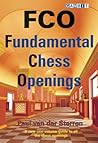
One of my favourite chess books. I have checked out a few similar overviews of openings, and this is by far the best, in my opinion. I've always been looking for a book that covers all openings and doesn't just give the lines (there's opening databas
...more
"
F. Dum said:
"
One of my favourite chess books. I have checked out a few similar overviews of openings, and this is by far the best, in my opinion. I've always been looking for a book that covers all openings and doesn't just give the lines (there's opening databas
...more
"

F. Dum
is currently reading
bookshelves:
currently-reading,
5-star,
english-literature,
sci-fi-fantasy,
philosophy-religion,
psychology-sociology
F. Dum said:
"
haven't finished this but after reading about 5 or 6 of his stories i feel confident to say that i am incredibly glad i finally read this author after 50 years. Harlan was an incredibly original and deep person, and his stories always offer a plethor
...more
"


“As for literary criticism in general: I have long felt that any reviewer who expresses rage and loathing for a novel or a play or a poem is preposterous. He or she is like a person who has put on full armor and attacked a hot fudge sundae or a banana split.”
― Palm Sunday: An Autobiographical Collage
― Palm Sunday: An Autobiographical Collage

“Clinton lied. A man might forget where he parks or where he lives, but he never forgets oral sex, no matter how bad it is.”
―
―

“Be yourself; everyone else is already taken.”
―
―

“Never put off till tomorrow what may be done day after tomorrow just as well.”
―
―
“All happy families are alike; each unhappy family is unhappy in its own way.”
― Anna Karenina
― Anna Karenina

F.’s 2025 Year in Books
Take a look at F.’s Year in Books, including some fun facts about their reading.

3,254 books
|
35 friends

1,343 books
|
24 friends

1,061 books
|
7 friends

1,594 books
|
244 friends

599 books
|
32 friends

436 books
|
202 friends

593 books
|
24 friends

553 books
|
48 friends
More friends…


Favorite Genres
Polls voted on by F.
Lists liked by F.