
 Sign in with Facebook




“Excerpt from Ursula K Le Guin's speech at National Book Awards
Hard times are coming, when we’ll be wanting the voices of writers who can see alternatives to how we live now, can see through our fear-stricken society and its obsessive technologies to other ways of being, and even imagine real grounds for hope. We’ll need writers who can remember freedom – poets, visionaries – realists of a larger reality.
Right now, we need writers who know the difference between production of a market commodity and the practice of an art. Developing written material to suit sales strategies in order to maximise corporate profit and advertising revenue is not the same thing as responsible book publishing or authorship.
Yet I see sales departments given control over editorial. I see my own publishers, in a silly panic of ignorance and greed, charging public libraries for an e-book six or seven times more than they charge customers. We just saw a profiteer try to punish a publisher for disobedience, and writers threatened by corporate fatwa. And I see a lot of us, the producers, who write the books and make the books, accepting this – letting commodity profiteers sell us like deodorant, and tell us what to publish, what to write.
Books aren’t just commodities; the profit motive is often in conflict with the aims of art. We live in capitalism, its power seems inescapable – but then, so did the divine right of kings. Any human power can be resisted and changed by human beings. Resistance and change often begin in art. Very often in our art, the art of words.
I’ve had a long career as a writer, and a good one, in good company. Here at the end of it, I don’t want to watch American literature get sold down the river. We who live by writing and publishing want and should demand our fair share of the proceeds; but the name of our beautiful reward isn’t profit. Its name is freedom.”
―
Hard times are coming, when we’ll be wanting the voices of writers who can see alternatives to how we live now, can see through our fear-stricken society and its obsessive technologies to other ways of being, and even imagine real grounds for hope. We’ll need writers who can remember freedom – poets, visionaries – realists of a larger reality.
Right now, we need writers who know the difference between production of a market commodity and the practice of an art. Developing written material to suit sales strategies in order to maximise corporate profit and advertising revenue is not the same thing as responsible book publishing or authorship.
Yet I see sales departments given control over editorial. I see my own publishers, in a silly panic of ignorance and greed, charging public libraries for an e-book six or seven times more than they charge customers. We just saw a profiteer try to punish a publisher for disobedience, and writers threatened by corporate fatwa. And I see a lot of us, the producers, who write the books and make the books, accepting this – letting commodity profiteers sell us like deodorant, and tell us what to publish, what to write.
Books aren’t just commodities; the profit motive is often in conflict with the aims of art. We live in capitalism, its power seems inescapable – but then, so did the divine right of kings. Any human power can be resisted and changed by human beings. Resistance and change often begin in art. Very often in our art, the art of words.
I’ve had a long career as a writer, and a good one, in good company. Here at the end of it, I don’t want to watch American literature get sold down the river. We who live by writing and publishing want and should demand our fair share of the proceeds; but the name of our beautiful reward isn’t profit. Its name is freedom.”
―

“I want to burden the conscience of the affluent with all the suffering and all the hidden, bitter tears.”
―
―
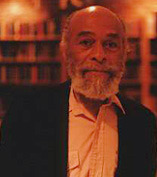
“If you should see/a man/walking
down a crowded street/ talking aloud/ to himself
don't run/in the opposite direction
but run toward him/for he is a poet!
You have nothing to fear/from a poet
but the truth”
―
down a crowded street/ talking aloud/ to himself
don't run/in the opposite direction
but run toward him/for he is a poet!
You have nothing to fear/from a poet
but the truth”
―

“She wasn't doing a thing that I could see, except standing there leaning on the balcony railing, holding the universe together.”
―
―

“Poets have been mysteriously silent on the subject of cheese.”
― Alarms and Discursions
― Alarms and Discursions

Forrest’s 2024 Year in Books
Take a look at Forrest’s Year in Books, including some fun facts about their reading.

4,570 books
|
186 friends

362 books
|
92 friends

322 books
|
146 friends

447 books
|
247 friends

606 books
|
71 friends

192 books
|
38 friends

1,033 books
|
99 friends

657 books
|
293 friends
More friends…


Favorite Genres
Art, Fantasy, Historical fiction, History, Memoir, Music, Philosophy, Poetry, Religion, and Spirituality
Polls voted on by Forrest
Lists liked by Forrest
