
Discover new books on Goodreads
Meet your next favorite book




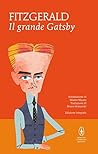
Era uno di quei rari sorrisi dotati di eterna rassicurazione, che s’incontrano quattro o cinque volte nella vita. Fronteggiava – o sembrava fronteggiare – l’intero mondo esteriore per un istante, e poi si concentrava su di te con un
...more




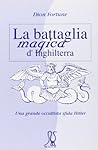
“E così avvenne che quando il ragazzo che sarebbe stato il mio pupillo subì la mia influenza, io gli insegnai secondo le antiche tradizioni dell'antica Roma, e della Roma repubblicana, e secondo le idee del vecchio vescovo Alarico e di Palagio, e secondo le idee che regnavano a Camelot ai tempi di mio padre e di suo padre, e che non erano le idee della nuova Roma. Il ragazzo a cui feci da maestro apprese la pulizia, la semplice religiosità, la disciplina e la vita di un guerriero. Apprese a godere la bontà della vita, a godere e ad apprezzare la bontà e la forza delle donne, e ad accettare per vere l'intrinseca nobiltà e la bontà dell'uomo.”
―
―
“Empires have risen in this world and fallen, and history takes note of few of them. Those that survive in the memories of men do so by virtue of the faults that flawed their greatness. But here in Britain, in my own lifetime, a spark ignited in the breast of one strong man and became a clean, pure flame to light the world, a beacon that might have outshone the great lighthouse of Pharos, had a sudden gust of wilful wind not extinguished it prematurely. In the space of a few, bright years, something new stirred in this land; something unprecedented; something wonderful; and men, being men, perceived it with stunned awe and then, being men, destroyed it without thought, for being new and strange. When it was over, when the light was snuffed out like a candle flame, a young man, full of hurt and bewilderment, asked me to explain how everything had happened. He expected me to know, for I was Merlyn, the Sorcerer, Fount of all Wisdom.”
―
―
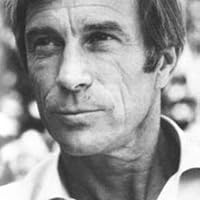
“You see, I was lucky. I was in France at the beginning, when the Germans were right on top. And I was still in France at the end when we saw the Germans on the run. I know how Frenchmen felt all that time. I’d been part of their existence for a long while. I love France—people just don’t realize how much she suffered. Six hundred thousand French people died because of World War II: two hundred and forty thousand of them in prisons and concentration camps. And yet there were always escape routes and “safe houses” for our men shot down over there and trying to get away. There was always a Resistance movement. Churchill says it shortened the war by six months. I know how they fought. And, because I know, I’m proud of them and love them, just the same as I’m proud of what we did and love my own country. ‘I’m glad I was there. I’m glad I did what I did. I hate wars and violence but, if they come, then I don’t see why we women should just wave our men a proud good-bye and then knit them balaclavas. ‘And if I had to choose now whether I’d have my wealth, or the four years that caused me to lose it, all over again, I know what I’d say. I’d want the four years all over again. You see, in those days we knew what we were fighting and we had a job to do. We did it. I may have lost a lot during the war, especially Henri: but I made a lot of friends and I did what I felt I had to do. And plenty of other people lost more, or did more, than ever I did.’ Those are Nancy Wake’s last words on the subject of her war. It is only right that they should conclude this book.”
― Nancy Wake: World War Two's Most Rebellious Spy
― Nancy Wake: World War Two's Most Rebellious Spy

“To grapple effectually with even purely material problems requires more serenity of mind and more lofty courage than people generally imagine. No two beings could have been more unfitted for such a struggle. Society, not from any tenderness, but because of its strange needs, had taken care of those two men, forbidding them all independent thought, all initiative, all departure from routine; and forbidding it under pain of death. They could only live on condition of being machines. And now, released from the fostering care of men with pens behind the ears, or of men with gold lace on the sleeves, they were like those lifelong prisoners who, liberated after many years, do not know what use to make of their freedom. They did not know what use to make of their faculties, being both, through want of practice, incapable of independent thought.”
― An Outpost of Progress
― An Outpost of Progress

“Molto, molto tempo prima, in un tempo di cui la breve memoria del genere umano non conservava tracce, la Luce aveva trionfato, e ora regnava suprema nel Sole. Ma nel corso degli infiniti cicli temporali – e questo lo ammettevano perfino i Sacerdoti della Luce – il regno del Sole era destinato a finire; Dyaus, il Dio Occulto, il Dormiente, avrebbe riassorbito la Luce... e, in una smisurata Notte del Caos, avrebbe spezzato le sue catene e instaurato il suo dominio.”
―
―


Sara’s 2025 Year in Books
Take a look at Sara’s Year in Books, including some fun facts about their reading.

5,679 books
|
884 friends

3,129 books
|
105 friends

899 books
|
325 friends

2,467 books
|
1,363 friends

186 books
|
11 friends

20 books
|
877 friends

0 books
|
22 friends
2 books
|
58 friends
More friends…


Favorite Genres
Polls voted on by Sara
Lists liked by Sara