Goodreads helps you follow your favorite authors. Be the first to learn about new releases!
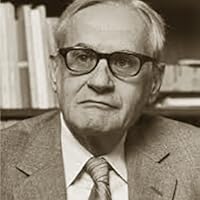
Start by following Franz Rosenthal.
Showing 1-30 of 65
“Socrates “was asked why seawater had become salty. He
replied: If you can indicate to me the use that will come to you from
knowing the answer to this question, I shall give you the reason.”
And Diogenes, “seeing a youth with a lamp, said to him: Do you know
where this - fire comes from? The youth replied: If you can tell me where
it goes to, I shall tell you where it comes from, thus effectively silencing
Diogenes, something nobody else had been able to do.”
― Knowledge Triumphant: The Concept of Knowledge in Medieval Islam
replied: If you can indicate to me the use that will come to you from
knowing the answer to this question, I shall give you the reason.”
And Diogenes, “seeing a youth with a lamp, said to him: Do you know
where this - fire comes from? The youth replied: If you can tell me where
it goes to, I shall tell you where it comes from, thus effectively silencing
Diogenes, something nobody else had been able to do.”
― Knowledge Triumphant: The Concept of Knowledge in Medieval Islam
“God’s love is earned by a man through being a scholar and at the
same time behaving as inconspicuously and modestly as if he were an
ignoramus.”
― Knowledge Triumphant: The Concept of Knowledge in Medieval Islam
same time behaving as inconspicuously and modestly as if he were an
ignoramus.”
― Knowledge Triumphant: The Concept of Knowledge in Medieval Islam
“Knowledge is that which the soul desires.”136
8. “Knowledge is the falling of the soul (’s sight)137 upon that which is
concealed deep inside it ( fî sirrihâ), and its stopping there and not com-
ing out from it and leaving it.”138
9. “Knowledge, is a secret (sirr) that is thrust into the soul. If it is
applied to the discernment (tamyîz) of the existing things, the careful
searcher of the object sought, who controls a thing entirely and com-
prehends the newly arising object of perception, its essence, and its
substance absolutely, finds it . . .”
― Knowledge Triumphant: The Concept of Knowledge in Medieval Islam
8. “Knowledge is the falling of the soul (’s sight)137 upon that which is
concealed deep inside it ( fî sirrihâ), and its stopping there and not com-
ing out from it and leaving it.”138
9. “Knowledge, is a secret (sirr) that is thrust into the soul. If it is
applied to the discernment (tamyîz) of the existing things, the careful
searcher of the object sought, who controls a thing entirely and com-
prehends the newly arising object of perception, its essence, and its
substance absolutely, finds it . . .”
― Knowledge Triumphant: The Concept of Knowledge in Medieval Islam
“At the end of time, there will be scholars who will not practice what
they preach. They will preach abstention from this world and a desire
for the other world, but they will practice neither. They will forbid
approaching the men in power, but they themselves will approach
them. They will prefer the rich and keep the poor away. They will hold
back when they are together with lowly individuals, and they will be
expansive when they are in the company of important persons. They
will be tyrants, enemies of God.”
― Knowledge Triumphant: The Concept of Knowledge in Medieval Islam
they preach. They will preach abstention from this world and a desire
for the other world, but they will practice neither. They will forbid
approaching the men in power, but they themselves will approach
them. They will prefer the rich and keep the poor away. They will hold
back when they are together with lowly individuals, and they will be
expansive when they are in the company of important persons. They
will be tyrants, enemies of God.”
― Knowledge Triumphant: The Concept of Knowledge in Medieval Islam
“Ibn Hazm subjects to his critique the four views concern-
ing the sources of knowledge, that is, that all knowledge is derived 1.
from inspiration (ilhâm), or 2. from the teachings of a religious leader
(imâm), or 3. from transmitted information (khabar), or 4. through a blind
trust in tradition (taqlid). These do not admit the possibility of evidence
gained through reasoning, which Ibn Hazm upholds. On the origin of
language, he does not want to commit himself, but he tends toward the
view that the single original language of mankind, from which all other
languages were derived, owes its development not to convention but
to divine teaching (tawqîf ). Very sensibly, he argues against those who
feel that there are qualitative differences between the various languages,
and who claim that theirs is the best (afdal ) language.”
― Knowledge Triumphant: The Concept of Knowledge in Medieval Islam
ing the sources of knowledge, that is, that all knowledge is derived 1.
from inspiration (ilhâm), or 2. from the teachings of a religious leader
(imâm), or 3. from transmitted information (khabar), or 4. through a blind
trust in tradition (taqlid). These do not admit the possibility of evidence
gained through reasoning, which Ibn Hazm upholds. On the origin of
language, he does not want to commit himself, but he tends toward the
view that the single original language of mankind, from which all other
languages were derived, owes its development not to convention but
to divine teaching (tawqîf ). Very sensibly, he argues against those who
feel that there are qualitative differences between the various languages,
and who claim that theirs is the best (afdal ) language.”
― Knowledge Triumphant: The Concept of Knowledge in Medieval Islam
“Umar b. al-Khattâb contributes the rather resigned insight that men
are never as jealous of knowledge as they are of their wives.
Salmân indicates the need for teaching and publication in the words,
“Knowledge which remains unexpressed is like treasure unused.”
The hadîth about the two kinds of knowledge, discussed above,
p. 243.
Umar on the desirability of the combination of ilm and hilm.
Abû d-Dardâ expresses himself on the burden scholars have to bear
in these words: “An increase in knowledge means an increase in pain.”
Statements by Plato and another sage to the effect that
consciousness of not knowing indicates knowledge. An elaboration
of this idea is attributed to al-Khalîl: “There are four kinds of men.
There are men who know and know that they know. Put questions to them! There are men who know and do not know that they know.
They are forgetful. Remind them! There are men who do not know and
know that they do not know. They require guidance. Teach them! And
there are men who do not know and do not know that they do not know.
They are ignorant. Shun them!”
― Knowledge Triumphant: The Concept of Knowledge in Medieval Islam
are never as jealous of knowledge as they are of their wives.
Salmân indicates the need for teaching and publication in the words,
“Knowledge which remains unexpressed is like treasure unused.”
The hadîth about the two kinds of knowledge, discussed above,
p. 243.
Umar on the desirability of the combination of ilm and hilm.
Abû d-Dardâ expresses himself on the burden scholars have to bear
in these words: “An increase in knowledge means an increase in pain.”
Statements by Plato and another sage to the effect that
consciousness of not knowing indicates knowledge. An elaboration
of this idea is attributed to al-Khalîl: “There are four kinds of men.
There are men who know and know that they know. Put questions to them! There are men who know and do not know that they know.
They are forgetful. Remind them! There are men who do not know and
know that they do not know. They require guidance. Teach them! And
there are men who do not know and do not know that they do not know.
They are ignorant. Shun them!”
― Knowledge Triumphant: The Concept of Knowledge in Medieval Islam
“The
primeval “pen,” for instance, is light, and the writing on the well-
guarded tablet is a light of God,
as the Qur-
ân itself was frequently
referred to as a light, on good scriptural authority. The light of knowledge, or knowledge and learning being a lamp in the darkness of
ignorance and sin came to be used as commonplace metaphors.”
― Knowledge Triumphant: The Concept of Knowledge in Medieval Islam
primeval “pen,” for instance, is light, and the writing on the well-
guarded tablet is a light of God,
as the Qur-
ân itself was frequently
referred to as a light, on good scriptural authority. The light of knowledge, or knowledge and learning being a lamp in the darkness of
ignorance and sin came to be used as commonplace metaphors.”
― Knowledge Triumphant: The Concept of Knowledge in Medieval Islam
“Sufism made use of the material provided by religious scholars that
described knowledge as light. Going far beyond it,
Sufi thinking was
pervaded by the symbolism of light in its manifold manifestations. An
apocryphal prayer has the Prophet exclaim: “God! Place above me a
light and underneath me a light, before me a light and behind me a light.
God! Place in my heart a light, in my eye a light, and in my ear a light,
in my flesh a light and in my bone a light.” All true spiritual insight
is characterized here as light, a light that is inescapable for the devoted
seeker after knowledge. Numerous were the
Sufis who were ready to
“see by the light of God” and to describe the achievement of any given mystic state as owing to illumination, to various lights (in the plural)
entering their hearts.”
― Knowledge Triumphant: The Concept of Knowledge in Medieval Islam
described knowledge as light. Going far beyond it,
Sufi thinking was
pervaded by the symbolism of light in its manifold manifestations. An
apocryphal prayer has the Prophet exclaim: “God! Place above me a
light and underneath me a light, before me a light and behind me a light.
God! Place in my heart a light, in my eye a light, and in my ear a light,
in my flesh a light and in my bone a light.” All true spiritual insight
is characterized here as light, a light that is inescapable for the devoted
seeker after knowledge. Numerous were the
Sufis who were ready to
“see by the light of God” and to describe the achievement of any given mystic state as owing to illumination, to various lights (in the plural)
entering their hearts.”
― Knowledge Triumphant: The Concept of Knowledge in Medieval Islam
“1. “Knowledge is the revelation (tajallî ) of things themselves.”130 Note
the use of the verb tajallâ in D-10.
2. “Knowledge is the falling of the soul’s sight (basar) upon the
universals.”131
3. “Knowledge is a light thrust by God into the heart.”132 For the
concept of knowledge as light, see below, pp. 155 ff.
4. “The knower is he whom God allows to witness (ashhadahû) His
divinity and essence, while he is not (yet) possessed by a state (hâl ).
Knowledge is his state, but on condition that a distinction be made
between it and gnosis (ma-
rifah) and the gnostic -
ârif ).”133
5. “The arrival of the knowledge of a thing whatever it may be and
its perfect cognition (ma-
rifah) is based upon union (ittihâd ) with the given
object of knowledge, and union with a thing is based upon the cessa-
tion of everything whereby the knower is distinguished from the object
known.”134
6. “Knowledge is intuition (badîhah) as well as acquisition (iktisâb).”135
This hardly quali-
es as a “de-
nition” of knowledge, although it is listed
as such by Ibn Sabîn. The fact that Ibn Sabîn lists evident knowl-
edge next to acquired knowledge in this fashion would seem to indicate
that for him, the philosophical-theological assumption of the existence
of such knowledge corresponded with the mystic’s desire for divinely
inspired knowledge.”
― Knowledge Triumphant: The Concept of Knowledge in Medieval Islam
the use of the verb tajallâ in D-10.
2. “Knowledge is the falling of the soul’s sight (basar) upon the
universals.”131
3. “Knowledge is a light thrust by God into the heart.”132 For the
concept of knowledge as light, see below, pp. 155 ff.
4. “The knower is he whom God allows to witness (ashhadahû) His
divinity and essence, while he is not (yet) possessed by a state (hâl ).
Knowledge is his state, but on condition that a distinction be made
between it and gnosis (ma-
rifah) and the gnostic -
ârif ).”133
5. “The arrival of the knowledge of a thing whatever it may be and
its perfect cognition (ma-
rifah) is based upon union (ittihâd ) with the given
object of knowledge, and union with a thing is based upon the cessa-
tion of everything whereby the knower is distinguished from the object
known.”134
6. “Knowledge is intuition (badîhah) as well as acquisition (iktisâb).”135
This hardly quali-
es as a “de-
nition” of knowledge, although it is listed
as such by Ibn Sabîn. The fact that Ibn Sabîn lists evident knowl-
edge next to acquired knowledge in this fashion would seem to indicate
that for him, the philosophical-theological assumption of the existence
of such knowledge corresponded with the mystic’s desire for divinely
inspired knowledge.”
― Knowledge Triumphant: The Concept of Knowledge in Medieval Islam
“The all-sustaining power of knowledge is captured in the simile
of knowledge being food for the soul. Various versions of it are met
with in the Graeco-Arabic tradition, “Like as the body grows through
food and becomes -fi
rm through exercise, thus the soul grows through
studying and becomes strong through patiently enduring (the hardships
of ) studying.” Diogenes, it seems, was supposed to have made this
statement. Someone else, apparently Theognis, is said to have already
played a variation on the theme: “Knowledge is not on the level of
food which suffi
ces to feed two or three but cannot feed many persons.
Rather, it is like light which enables many eyes to see all at the same
time.” Diogenes, or, according to another version, the Church Father,
Basilius, admonishes us to take the appropriate measures against harmful
knowledge in the same way in which we are used to protect ourselves
against harmful foods, because knowledge is the food of the soul.
According to Plato, the pleasure which the soul shares with the body is that
of food and drink, whereas its incorporeal pleasure is that of knowledge
and wisdom. For Pseudo-Apollonius of Tyana (Balînûs), proof of the
incorporeality of the soul lies in the fact that it does not partake of material
nourishment. “According to the Stoics,” he reports, “Socrates said that
the soul eats; however, its food is something that is not corporeal, since
the food of the soul is knowledge.”
Knowledge is also described by
Ibn Butlân as the thing that nourishes the intellect. It is for the intellect what food is for the body, since the two supplement each other and must
exist together in human beings. Ibn Taymîyah states that “the arrival of
knowledge in the heart is like the arrival of food in the body. The body
is aware of food and drink. In the same manner, the hearts are aware of
the sciences (-
ulûm) that establish themselves in them and which are their
food and drink.” In the popular conception, knowledge and books
have always been identifi
ed as spiritual food, down to the present day.”
― Knowledge Triumphant: The Concept of Knowledge in Medieval Islam
of knowledge being food for the soul. Various versions of it are met
with in the Graeco-Arabic tradition, “Like as the body grows through
food and becomes -fi
rm through exercise, thus the soul grows through
studying and becomes strong through patiently enduring (the hardships
of ) studying.” Diogenes, it seems, was supposed to have made this
statement. Someone else, apparently Theognis, is said to have already
played a variation on the theme: “Knowledge is not on the level of
food which suffi
ces to feed two or three but cannot feed many persons.
Rather, it is like light which enables many eyes to see all at the same
time.” Diogenes, or, according to another version, the Church Father,
Basilius, admonishes us to take the appropriate measures against harmful
knowledge in the same way in which we are used to protect ourselves
against harmful foods, because knowledge is the food of the soul.
According to Plato, the pleasure which the soul shares with the body is that
of food and drink, whereas its incorporeal pleasure is that of knowledge
and wisdom. For Pseudo-Apollonius of Tyana (Balînûs), proof of the
incorporeality of the soul lies in the fact that it does not partake of material
nourishment. “According to the Stoics,” he reports, “Socrates said that
the soul eats; however, its food is something that is not corporeal, since
the food of the soul is knowledge.”
Knowledge is also described by
Ibn Butlân as the thing that nourishes the intellect. It is for the intellect what food is for the body, since the two supplement each other and must
exist together in human beings. Ibn Taymîyah states that “the arrival of
knowledge in the heart is like the arrival of food in the body. The body
is aware of food and drink. In the same manner, the hearts are aware of
the sciences (-
ulûm) that establish themselves in them and which are their
food and drink.” In the popular conception, knowledge and books
have always been identifi
ed as spiritual food, down to the present day.”
― Knowledge Triumphant: The Concept of Knowledge in Medieval Islam
“The intellect itself was unable
to state who God was, until God anointed its eyes with the light of divine
uniqueness, for, as al-Kalâbâdhî developed this theme, the only guide to
God and the knowledge of God is God Himself.”
― Knowledge Triumphant: The Concept of Knowledge in Medieval Islam
to state who God was, until God anointed its eyes with the light of divine
uniqueness, for, as al-Kalâbâdhî developed this theme, the only guide to
God and the knowledge of God is God Himself.”
― Knowledge Triumphant: The Concept of Knowledge in Medieval Islam
“Buzurjmihr esteems knowledge more highly than wealth, with
reference to the anecdote cited below,
According to the hadîth, flattery is permissible only in the search for
knowledge.
Ibn Abbâs: “I was humble when seeking (knowledge as a student),
and I was mighty when sought (to give instruction as a teacher).” He
shows great respect to the Ansâr as bearers of the knowledge of the
Prophet.
“The first part of knowledge is keeping silent; the second, listening;
the third, memorizing; the fourth, reasoning; and the fifth spreading it.”
In the company of scholars, it is better to listen than to talk. “He who
worships God in his youth receives wisdom from God in his old age” (cf.
Qur-
ân 28:14/13). A sage among the men around the Prophet represents
wisdom as saying that it is with those who act in accordance with their
best knowledge and avoid all that is very bad in their knowledge.
“A scholar (-
âlim) has no contempt for those who know less than he,
and no envy of those who know more, and he does not use his knowledge
to make money.”
― Knowledge Triumphant: The Concept of Knowledge in Medieval Islam
reference to the anecdote cited below,
According to the hadîth, flattery is permissible only in the search for
knowledge.
Ibn Abbâs: “I was humble when seeking (knowledge as a student),
and I was mighty when sought (to give instruction as a teacher).” He
shows great respect to the Ansâr as bearers of the knowledge of the
Prophet.
“The first part of knowledge is keeping silent; the second, listening;
the third, memorizing; the fourth, reasoning; and the fifth spreading it.”
In the company of scholars, it is better to listen than to talk. “He who
worships God in his youth receives wisdom from God in his old age” (cf.
Qur-
ân 28:14/13). A sage among the men around the Prophet represents
wisdom as saying that it is with those who act in accordance with their
best knowledge and avoid all that is very bad in their knowledge.
“A scholar (-
âlim) has no contempt for those who know less than he,
and no envy of those who know more, and he does not use his knowledge
to make money.”
― Knowledge Triumphant: The Concept of Knowledge in Medieval Islam
“At the peak of human gnosis, man’s knowledge of God may appear
associated with the love of God. An early
Sufi is said to have re-
marked that he loved God, because God had bestowed upon him,
among other favors, his knowledge of Him.”
― Knowledge Triumphant: The Concept of Knowledge in Medieval Islam
associated with the love of God. An early
Sufi is said to have re-
marked that he loved God, because God had bestowed upon him,
among other favors, his knowledge of Him.”
― Knowledge Triumphant: The Concept of Knowledge in Medieval Islam
“In Arabic linguistic usage,
we are told, the interpretation of “water” as knowledge is confirmed
by the common fi
gure of speech that calls a man of vast knowledge an
“ocean.” Moreover, the comparison of water and knowledge suggests
that just as those who would sail the sea without a ship would drown
in it, those who look for knowledge among those who do not have it
will perish.”
― Knowledge Triumphant: The Concept of Knowledge in Medieval Islam
we are told, the interpretation of “water” as knowledge is confirmed
by the common fi
gure of speech that calls a man of vast knowledge an
“ocean.” Moreover, the comparison of water and knowledge suggests
that just as those who would sail the sea without a ship would drown
in it, those who look for knowledge among those who do not have it
will perish.”
― Knowledge Triumphant: The Concept of Knowledge in Medieval Islam
“As far as the praise of knowledge
is concerned, al-Askarî otherwise restricts himself to some of the
more ordinary statements, such as the hadîth affi
rming the Prophet’s permission to use attery and show envy in connection with knowledge,
or Alî’s famous remark that a man’s value consists in what he knows or
does well.”
― Knowledge Triumphant: The Concept of Knowledge in Medieval Islam
is concerned, al-Askarî otherwise restricts himself to some of the
more ordinary statements, such as the hadîth affi
rming the Prophet’s permission to use attery and show envy in connection with knowledge,
or Alî’s famous remark that a man’s value consists in what he knows or
does well.”
― Knowledge Triumphant: The Concept of Knowledge in Medieval Islam
“The educational element in the adab discussion of knowledge is unmistakable in a monograph entitled “The Encouragement of Seeking
and Being Eager to Gather Knowledge” by Abû Hilâl al-Askarî. The
brief work is distinguished by the comparative originality of its contents
and the author’s willingness to give his own views and comments
on the sayings and stories he cites. His aim is to show that while the
acquisition of knowledge calls for hard work, industriousness, and great
sacrifi
ce, the rewards both material and spiritual are worth the effort
required. The two basic ideas are rather skilfully interwoven, with the
principal stress on the necessity of relentless labor. Knowledge means
perfection or, as the author puts it, “perfect among men is he who
realizes the excellence of knowledge and then is able to study, in order
to obtain knowledge,” and, as a result, to taste the sweetness of the
incomparable pleasure it provides.”
― Knowledge Triumphant: The Concept of Knowledge in Medieval Islam
and Being Eager to Gather Knowledge” by Abû Hilâl al-Askarî. The
brief work is distinguished by the comparative originality of its contents
and the author’s willingness to give his own views and comments
on the sayings and stories he cites. His aim is to show that while the
acquisition of knowledge calls for hard work, industriousness, and great
sacrifi
ce, the rewards both material and spiritual are worth the effort
required. The two basic ideas are rather skilfully interwoven, with the
principal stress on the necessity of relentless labor. Knowledge means
perfection or, as the author puts it, “perfect among men is he who
realizes the excellence of knowledge and then is able to study, in order
to obtain knowledge,” and, as a result, to taste the sweetness of the
incomparable pleasure it provides.”
― Knowledge Triumphant: The Concept of Knowledge in Medieval Islam
“When Jesus was hailed with the words, “Blessed be the womb that bore
you,” he retorted, “Blessed be the one whom God taught His Book and who did not be(come) a tyrant.”
― Knowledge Triumphant: The Concept of Knowledge in Medieval Islam
you,” he retorted, “Blessed be the one whom God taught His Book and who did not be(come) a tyrant.”
― Knowledge Triumphant: The Concept of Knowledge in Medieval Islam
“The search for knowledge demands foregoing the pleasures of
companionship, but this is usually understood to mean frivolous and
unprofi
table human relations. Knowledge is rather something to be
shared. It is restricted to an elite, since the ignorant are not only proverbially
hostile to knowledge and those who possess knowledge, but they also
greatly outnumber the learned and always will. This makes scholars
always gravitate toward each other. Learned men never fi
nd themselves
strangers anywhere. They alone recognize each other, since the ignorant
are unable to perceive the worth of learning, never having possessed
any learning before. And they enjoy only the company of their peers.
There is nothing to be pitied more than men of knowledge who have
to put up with ignoramuses. This often expressed view appears also in the form of a witty anecdote told of one of the Persian kings. He
imprisoned a scholar who had angered him together with an ignorant
man in the same room, as the worst punishment he could think of.
Thus, in defense against the world as well as on account of the intrinsic
nature of knowledge, scholars must band together, in order to insure
the persistence of knowledge in the world by communicating with
each other and, above all, by transmitting their knowledge to others,
if they are deserving. Nothing is more sterile than uncommunicated
knowledge. Nothing is more signifi
cant for society at large than the
small groupings of teachers and students. Nothing, in short, has greater
basic value for society than knowledge.”
― Knowledge Triumphant: The Concept of Knowledge in Medieval Islam
companionship, but this is usually understood to mean frivolous and
unprofi
table human relations. Knowledge is rather something to be
shared. It is restricted to an elite, since the ignorant are not only proverbially
hostile to knowledge and those who possess knowledge, but they also
greatly outnumber the learned and always will. This makes scholars
always gravitate toward each other. Learned men never fi
nd themselves
strangers anywhere. They alone recognize each other, since the ignorant
are unable to perceive the worth of learning, never having possessed
any learning before. And they enjoy only the company of their peers.
There is nothing to be pitied more than men of knowledge who have
to put up with ignoramuses. This often expressed view appears also in the form of a witty anecdote told of one of the Persian kings. He
imprisoned a scholar who had angered him together with an ignorant
man in the same room, as the worst punishment he could think of.
Thus, in defense against the world as well as on account of the intrinsic
nature of knowledge, scholars must band together, in order to insure
the persistence of knowledge in the world by communicating with
each other and, above all, by transmitting their knowledge to others,
if they are deserving. Nothing is more sterile than uncommunicated
knowledge. Nothing is more signifi
cant for society at large than the
small groupings of teachers and students. Nothing, in short, has greater
basic value for society than knowledge.”
― Knowledge Triumphant: The Concept of Knowledge in Medieval Islam
“Knowledge will not be taken away from mankind, but scholars
will disappear. When no scholar remains, stupid men will be put in
command. They will go astray themselves as well as lead others astray.”
― Knowledge Triumphant: The Concept of Knowledge in Medieval Islam
will disappear. When no scholar remains, stupid men will be put in
command. They will go astray themselves as well as lead others astray.”
― Knowledge Triumphant: The Concept of Knowledge in Medieval Islam
“Scholars who have to spend their time among ignoramuses, or, even
worse, are under their control, are to be pitied.
Knowledge, being more precious than pearls, must not be wasted
upon the pigs who do not want it. This quotation of Matthew 7:6 is
often repeated in adab works.”
― Knowledge Triumphant: The Concept of Knowledge in Medieval Islam
worse, are under their control, are to be pitied.
Knowledge, being more precious than pearls, must not be wasted
upon the pigs who do not want it. This quotation of Matthew 7:6 is
often repeated in adab works.”
― Knowledge Triumphant: The Concept of Knowledge in Medieval Islam
“The man who has knowledge is considered most outstanding among
people,
Even if he does not occupy a position of nobility among his people.
Wherever he settles, he can make a living from his knowledge.
A man who possesses knowledge is no stranger anywhere.”
― Knowledge Triumphant: The Concept of Knowledge in Medieval Islam
people,
Even if he does not occupy a position of nobility among his people.
Wherever he settles, he can make a living from his knowledge.
A man who possesses knowledge is no stranger anywhere.”
― Knowledge Triumphant: The Concept of Knowledge in Medieval Islam
“The Misbâh has chapters on “knowledge” (-
ilm,
ch. 62), “certain knowledge” ( yaqîn, ch. 88), “wisdom” (hikmah, ch.
99), and “ignorance” ( jahl, ch. 77). The chapters are spread over the
whole, work seemingly without any clear motivation justifying their
insertion in the particular places in which they are found. “Jafar” starts,
of course, with the praise of knowledge as he does with the blame
of ignorance whose progress is darkness42 and whose recession is light. He is concerned with clarifying the particular aspect of knowledge that
is referred to in such common traditions as the search for knowledge
being a duty, the search for knowledge to be extended even as far as
China,43 and the knowledge about one’s soul being the knowledge of
the Lord.44 In the first case, the knowledge intended is the knowledge
of the fear of God and of certainty (-
ilm at-taqwâ wa-l-yaqîn); in the sec-
ond, the knowledge about (ma-
rifah) the soul/self which includes the
knowledge about the Lord; and in the third (where this last knowledge
is particularly speci-
ed), the knowledge that requires acting in accordance with it and which is “sincere devotion” (ikhlâs). The theme of the
necessity of acting with sincere devotion is then elaborated by means
of statements castigating useless knowledge and stressing the fact that
just a small amount of knowledge supports a large amount of life-long
work. An inscription found and deciphered by Jesus and a revelation
received by David likewise indicate the need for action. “Knowledge”
is the only way leading to God. The true “knower” is identi-
ed by his
prayers, his piety, and his actions, and not by his appearance, his pre-
tensions, and his words. True knowledge has always been sought in the
past by those possessing intelligence, devotion (nusk), modesty (bashful-
ness, hayâ), and the fear of God (khashyah); today it is sought by men not
possessing any of these qualities. Statements concerning the qualities
required of teachers and students conclude “Jafar's chapter on knowledge. Knowledge, for “Jafar,” is the result of introspection, a response
within the individual to the divine. But it is also the result of a process
of teaching and studying, and it must -
find expression in relevant human
activity. The whole would seem to be a mixture of moderate Shîah
views of revealed and inspired knowledge and the “orthodox” concern
with the methodology of the transmission of traditions and their practi-
cal legal signi-
cance.”
― Knowledge Triumphant: The Concept of Knowledge in Medieval Islam
ilm,
ch. 62), “certain knowledge” ( yaqîn, ch. 88), “wisdom” (hikmah, ch.
99), and “ignorance” ( jahl, ch. 77). The chapters are spread over the
whole, work seemingly without any clear motivation justifying their
insertion in the particular places in which they are found. “Jafar” starts,
of course, with the praise of knowledge as he does with the blame
of ignorance whose progress is darkness42 and whose recession is light. He is concerned with clarifying the particular aspect of knowledge that
is referred to in such common traditions as the search for knowledge
being a duty, the search for knowledge to be extended even as far as
China,43 and the knowledge about one’s soul being the knowledge of
the Lord.44 In the first case, the knowledge intended is the knowledge
of the fear of God and of certainty (-
ilm at-taqwâ wa-l-yaqîn); in the sec-
ond, the knowledge about (ma-
rifah) the soul/self which includes the
knowledge about the Lord; and in the third (where this last knowledge
is particularly speci-
ed), the knowledge that requires acting in accordance with it and which is “sincere devotion” (ikhlâs). The theme of the
necessity of acting with sincere devotion is then elaborated by means
of statements castigating useless knowledge and stressing the fact that
just a small amount of knowledge supports a large amount of life-long
work. An inscription found and deciphered by Jesus and a revelation
received by David likewise indicate the need for action. “Knowledge”
is the only way leading to God. The true “knower” is identi-
ed by his
prayers, his piety, and his actions, and not by his appearance, his pre-
tensions, and his words. True knowledge has always been sought in the
past by those possessing intelligence, devotion (nusk), modesty (bashful-
ness, hayâ), and the fear of God (khashyah); today it is sought by men not
possessing any of these qualities. Statements concerning the qualities
required of teachers and students conclude “Jafar's chapter on knowledge. Knowledge, for “Jafar,” is the result of introspection, a response
within the individual to the divine. But it is also the result of a process
of teaching and studying, and it must -
find expression in relevant human
activity. The whole would seem to be a mixture of moderate Shîah
views of revealed and inspired knowledge and the “orthodox” concern
with the methodology of the transmission of traditions and their practi-
cal legal signi-
cance.”
― Knowledge Triumphant: The Concept of Knowledge in Medieval Islam
“Among the conventional adab anthologies, we encounter a somewhat
different organization of the traditional material in the Kitâb Adab ad-
dunyâ wa-d-dîn of al-Mâwardî (d. 450/1058).84 The five large chapters of
the work deal with 1. the excellence of the intellect and intelligence and
the blameworthiness of instinctive desire and blind prejudice (hawâ); 2.
the âdâb of knowledge; 3. the âdâb of religion (dealing mainly with the
negative aspects of the material world); 4. the âdâb of this world; and 5.
the âdâb of the soul. As the plural âdâb indicates, the various ways in which
intellectual, religious, practical/material, and spiritual/ethical behavior
is to be practised are illustrated by preferably brief and aphoristic
statements in prose and, quite often, in verse. As is to be expected, the
chapter on knowledge shows no systematic arrangement. It starts out with
strong expressions of praise for knowledge and the appropriate Qur-
ânic
citations and statements by the Prophet and early Muslim authorities.
Evidence is presented for the superiority of knowledge over ignorance.
The impossibility of attaining complete knowledge is explained, and the
need to acquire knowledge of all kinds wherever possible is stressed. The
relationship between knowledge and material possessions is explored
in the usual manner. It is recommended that the process of studying
begin at an early age. Knowledge is dif-
cult to acquire. Again, the
prevalence of ignorance is discussed. The objectionable character of
using knowledge for ulterior purposes comes in for customary mention.
There are sayings explaining the best methods of study and instruction,
the qualities students ought to possess, the need for long and strenuous
study, and the drawbacks of forgetfulness. Then, we read remarks
about handwriting, about the usually bad handwriting of scholars,
and about their constantly being engaged in writing. Remarks on the
qualifi
cations of students, the hadîth that “good questions are one half
of knowledge,” and sayings about the character qualities of scholars
complete the part of the work devoted to knowledge. Its predominantly
secular outlook is indicated by the fact that knowledge here continues to
precede the discussion of religion and ethics. The basic role conceded to the intellect with respect to both intellectual/educational and religious/
ethical activity is formally acknowledged by placing the chapter on it at
the beginning, as was also the case in the work of al-Marzubânî.”
― Knowledge Triumphant: The Concept of Knowledge in Medieval Islam
different organization of the traditional material in the Kitâb Adab ad-
dunyâ wa-d-dîn of al-Mâwardî (d. 450/1058).84 The five large chapters of
the work deal with 1. the excellence of the intellect and intelligence and
the blameworthiness of instinctive desire and blind prejudice (hawâ); 2.
the âdâb of knowledge; 3. the âdâb of religion (dealing mainly with the
negative aspects of the material world); 4. the âdâb of this world; and 5.
the âdâb of the soul. As the plural âdâb indicates, the various ways in which
intellectual, religious, practical/material, and spiritual/ethical behavior
is to be practised are illustrated by preferably brief and aphoristic
statements in prose and, quite often, in verse. As is to be expected, the
chapter on knowledge shows no systematic arrangement. It starts out with
strong expressions of praise for knowledge and the appropriate Qur-
ânic
citations and statements by the Prophet and early Muslim authorities.
Evidence is presented for the superiority of knowledge over ignorance.
The impossibility of attaining complete knowledge is explained, and the
need to acquire knowledge of all kinds wherever possible is stressed. The
relationship between knowledge and material possessions is explored
in the usual manner. It is recommended that the process of studying
begin at an early age. Knowledge is dif-
cult to acquire. Again, the
prevalence of ignorance is discussed. The objectionable character of
using knowledge for ulterior purposes comes in for customary mention.
There are sayings explaining the best methods of study and instruction,
the qualities students ought to possess, the need for long and strenuous
study, and the drawbacks of forgetfulness. Then, we read remarks
about handwriting, about the usually bad handwriting of scholars,
and about their constantly being engaged in writing. Remarks on the
qualifi
cations of students, the hadîth that “good questions are one half
of knowledge,” and sayings about the character qualities of scholars
complete the part of the work devoted to knowledge. Its predominantly
secular outlook is indicated by the fact that knowledge here continues to
precede the discussion of religion and ethics. The basic role conceded to the intellect with respect to both intellectual/educational and religious/
ethical activity is formally acknowledged by placing the chapter on it at
the beginning, as was also the case in the work of al-Marzubânî.”
― Knowledge Triumphant: The Concept of Knowledge in Medieval Islam
“Your knowledge belongs to your spirit. Your wealth belongs to your
body.”
― Knowledge Triumphant: The Concept of Knowledge in Medieval Islam
body.”
― Knowledge Triumphant: The Concept of Knowledge in Medieval Islam
“Knowledge is the arrival (wusûl ) of the soul at the meaning
(manâ) of a thing.” Qinâlîzâdeh, who considers this the best definition
known to him, explains that “when the arrival of the soul at the mean-
ing of a thing comes, knowledge of that thing comes, in that the soul
comes to it.”
― Knowledge Triumphant: The Concept of Knowledge in Medieval Islam
(manâ) of a thing.” Qinâlîzâdeh, who considers this the best definition
known to him, explains that “when the arrival of the soul at the mean-
ing of a thing comes, knowledge of that thing comes, in that the soul
comes to it.”
― Knowledge Triumphant: The Concept of Knowledge in Medieval Islam
“Love of what is good and useful, and hatred of
what is ugly or evil and harmful are the conditions for success. Bashfulness
(hayâ, corresponding to Greek aidôs) and the avoidance of bad company and of sloth are among the qualities strongly recommended for
inculcation in the young.”
― Knowledge Triumphant: The Concept of Knowledge in Medieval Islam
what is ugly or evil and harmful are the conditions for success. Bashfulness
(hayâ, corresponding to Greek aidôs) and the avoidance of bad company and of sloth are among the qualities strongly recommended for
inculcation in the young.”
― Knowledge Triumphant: The Concept of Knowledge in Medieval Islam
“Kings exercise control over people, and scholars exercise control
over kings.”
― Knowledge Triumphant: The Concept of Knowledge in Medieval Islam
over kings.”
― Knowledge Triumphant: The Concept of Knowledge in Medieval Islam
“Ilm is rather a comprehensive term, for the Prophet has said:
“Knowledge consists of three things, a clear verse (of the Qur-
ân), a
well-established sunnah, and a fair religious duty ( farîdah).” Also, Jesus
has said: “There are three (kinds of ) knowers (-
âlim), a knower of God,
a knower of the command of God, and a knower of the command
of God who is at the same time a knower of God.” Consequently,
there are three kinds of knowledge, namely, the knowledge of what is
lawful and what is unlawful, which is the legal knowledge of the rules
governing this world and which is exoteric material knowledge; the
knowledge of the rules governing the other world, which is esoteric
intuitive knowledge; and the knowledge of the divine rules as they
affect God’s creation in both this world and the other world.”
― Knowledge Triumphant: The Concept of Knowledge in Medieval Islam
“Knowledge consists of three things, a clear verse (of the Qur-
ân), a
well-established sunnah, and a fair religious duty ( farîdah).” Also, Jesus
has said: “There are three (kinds of ) knowers (-
âlim), a knower of God,
a knower of the command of God, and a knower of the command
of God who is at the same time a knower of God.” Consequently,
there are three kinds of knowledge, namely, the knowledge of what is
lawful and what is unlawful, which is the legal knowledge of the rules
governing this world and which is exoteric material knowledge; the
knowledge of the rules governing the other world, which is esoteric
intuitive knowledge; and the knowledge of the divine rules as they
affect God’s creation in both this world and the other world.”
― Knowledge Triumphant: The Concept of Knowledge in Medieval Islam
“Ash-Shâfi i paid no attention to a slave girl given to him by friends who
wants to sleep with him. Abû Hanîfah, asked about the manner in
which memorized knowledge can be acquired, exclaimed, “Lamp oil,
lamp oil” (al-bizr al-bizr), and a poor student later to become a famous
scholar, Abû Hâtim (as-Sijistânî?), being unable to buy lamp oil, used
the watchman’s lantern to study at night in the streets. Scholars continue
their studies even in the bath. They are so absorbed in their work that
they do not notice what is going on around them, that they do not care
to waste time on eating, that they do not bother when a hemorrhage
occurs during their all-night study. In the last case, a warning note is
sounded for the benefi
t of the reader: Studying is done for the good of
one’s soul (life). If the soul is destroyed, the knowledge acquired is of no
use. “Overstepping the right mean in studying may lead to the loss of
knowledge.”
― Knowledge Triumphant: The Concept of Knowledge in Medieval Islam
wants to sleep with him. Abû Hanîfah, asked about the manner in
which memorized knowledge can be acquired, exclaimed, “Lamp oil,
lamp oil” (al-bizr al-bizr), and a poor student later to become a famous
scholar, Abû Hâtim (as-Sijistânî?), being unable to buy lamp oil, used
the watchman’s lantern to study at night in the streets. Scholars continue
their studies even in the bath. They are so absorbed in their work that
they do not notice what is going on around them, that they do not care
to waste time on eating, that they do not bother when a hemorrhage
occurs during their all-night study. In the last case, a warning note is
sounded for the benefi
t of the reader: Studying is done for the good of
one’s soul (life). If the soul is destroyed, the knowledge acquired is of no
use. “Overstepping the right mean in studying may lead to the loss of
knowledge.”
― Knowledge Triumphant: The Concept of Knowledge in Medieval Islam
“The difference of opinions alone makes a person aware of possible
mistakes of his teacher.”
― Knowledge Triumphant: The Concept of Knowledge in Medieval Islam
mistakes of his teacher.”
― Knowledge Triumphant: The Concept of Knowledge in Medieval Islam