Goodreads helps you follow your favorite authors. Be the first to learn about new releases!
Start by following Rob Plevin.

Showing 1-21 of 21
“Ready, steady … teach! This is a great routine to build up with your students and can be used as a quick (and often extremely lively) review at the end of any phase of teacher-talk or explanation. It’s very effective.”
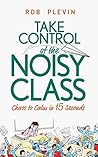
― Take Control of the Noisy Class: From Chaos to Calm in 15 Seconds
― Take Control of the Noisy Class: From Chaos to Calm in 15 Seconds
“This is often why it is so difficult to win the trust and support of some parents – the last thing they want from school is more bad news.”
― Take Control of the Noisy Class: Chaos to Calm in 15 Seconds
― Take Control of the Noisy Class: Chaos to Calm in 15 Seconds
“what message are we giving our students through our facial expressions, tone of voice and body language? That we are tired, worn out and close to breaking point? If we do, there is a good chance they will either ignore us or push a little harder”
― Take Control of the Noisy Class: Chaos to Calm in 15 Seconds
― Take Control of the Noisy Class: Chaos to Calm in 15 Seconds
“Well done, you’ve shown you can work independently!”
― Take Control of the Noisy Class: Chaos to Calm in 15 Seconds
― Take Control of the Noisy Class: Chaos to Calm in 15 Seconds
“you’ve really showed tremendous determination and that’s an important strength to develop.”
― Take Control of the Noisy Class: Chaos to Calm in 15 Seconds
― Take Control of the Noisy Class: Chaos to Calm in 15 Seconds
“A calm, matter-of-fact approach is far more effective than shrieking.”
― Take Control of the Noisy Class: Chaos to Calm in 15 Seconds
― Take Control of the Noisy Class: Chaos to Calm in 15 Seconds
“child who is chewing gum in your room should be tactically ignored at first and then dealt with when the rest of the group is busy. At that point you could nonchalantly take the bin to them and point to it or quietly ask them to put the gum in it.”
― Take Control of the Noisy Class: Chaos to Calm in 15 Seconds
― Take Control of the Noisy Class: Chaos to Calm in 15 Seconds
“End of lesson routine 1. Put all textbooks on the shelf and exercise books on my desk. 2. Put all equipment away in the correct drawer or cupboard. 3. Clear your work area and sit silently facing the front. 4. After you get permission to leave, push in your chair and leave in silence. 5. If it is the last period of the day, stack the chairs by the back wall.”
― Take Control of the Noisy Class: From Chaos to Calm in 15 Seconds
― Take Control of the Noisy Class: From Chaos to Calm in 15 Seconds
“praise needs to be specific and descriptive.”
― Take Control of the Noisy Class: Chaos to Calm in 15 Seconds
― Take Control of the Noisy Class: Chaos to Calm in 15 Seconds
“A smile makes you much more approachable and appealing than a frown and it obviously suggests that you’re relaxed and comfortable.”
― Take Control of the Noisy Class: Chaos to Calm in 15 Seconds
― Take Control of the Noisy Class: Chaos to Calm in 15 Seconds
“You could play ‘Welcome to the Jungle’ as the students arrive, the title theme from Chariots of Fire, the Rocky title track ‘Gonna Fly Now’ or the ‘Theme from Mission: Impossible’ during tough tasks, The Benny Hill Show theme tune when you want them to change activities or the Countdown clock music when you want them to answer spot questions.”
― Take Control of the Noisy Class: From Chaos to Calm in 15 Seconds
― Take Control of the Noisy Class: From Chaos to Calm in 15 Seconds
“split them up and focus on small groups and individuals.”
― Take Control of the Noisy Class: Chaos to Calm in 15 Seconds
― Take Control of the Noisy Class: Chaos to Calm in 15 Seconds
“If there is a continuing lack of challenge, variety and novelty, there will almost certainly be a continuing lack of interest from the students.”
― Take Control of the Noisy Class: Chaos to Calm in 15 Seconds
― Take Control of the Noisy Class: Chaos to Calm in 15 Seconds
“there may even be an increase in bad behaviour as students buck against the new system you’re imposing. But stick with it – the rewards are huge for the consistent teacher.”
― Take Control of the Noisy Class: Chaos to Calm in 15 Seconds
― Take Control of the Noisy Class: Chaos to Calm in 15 Seconds
“By getting them to pause and think about their efforts, we encourage them to recognise and evaluate the feelings associated with positive action. If they enjoy these feelings there is more chance they will want to repeat the actions – for themselves and not just to please someone else. One way we can do this is to simply ask a question about their efforts: Jonny, stop and look at your work a minute. Tell me what you think of what you’ve done today.”
― Take Control of the Noisy Class: Chaos to Calm in 15 Seconds
― Take Control of the Noisy Class: Chaos to Calm in 15 Seconds
“Explain to the students that whenever you call out the words ‘Ready, steady … teach!’ (in your best Ainsley Harriott voice) they are to work with their allotted learning partner for 30 or 60 seconds to teach-back what they have learned moments before.”
― Take Control of the Noisy Class: From Chaos to Calm in 15 Seconds
― Take Control of the Noisy Class: From Chaos to Calm in 15 Seconds
“I’ve observed struggling teachers who seem to spend the entire lesson in a tiny area at the front of the room. By simply moving around the room more, walking to the back when addressing the group or spending a few moments offering friendly support and checking the work of students you normally avoid, you will be amazed how the atmosphere in the room changes. When you act as though you own the room – all of it – you will see an immediate and marked decrease in the amount of disruptive behaviour you have to deal with.”
― Take Control of the Noisy Class: Chaos to Calm in 15 Seconds
― Take Control of the Noisy Class: Chaos to Calm in 15 Seconds
“We must look for and acknowledge things to praise and then pass on the good news to parents. And it doesn’t matter if it’s just a tiny improvement, hardly worthy of mention – the important thing is that we make a positive call.”
― Take Control of the Noisy Class: Chaos to Calm in 15 Seconds
― Take Control of the Noisy Class: Chaos to Calm in 15 Seconds
“Use a ‘noise level meter’ Background music makes a great noise level meter. Have it playing fairly softly in the background and assign one student per table group with the job of making sure the music is always audible. Once they can no longer hear it, they know they are too loud and they must tell their teammates to quieten down; if they can hear the music then the volume is okay. Another option is to have a visible reminder on the board or wall. This could be as simple as putting a sign up on the wall (‘You’re too noisy’) whenever talking turns into shouting, or you could be a little more creative with a colour scheme similar to traffic lights. A green card means levels are appropriate, orange means they’re getting a little bit too loud and red is way too loud. Instead of nagging kids to be quiet, just walk over to the wall and change the card to reflect the current noise level. In time, the students will start to look out for you doing this and they will remind each other to keep quiet when the orange card goes up. If the room is too noisy, put up the red card and tell students they must now work independently in silence for five minutes. If they manage that then you can then put the green card back up. A visual reminder like this develops responsibility and encourages children to monitor their own noise levels.”
― Take Control of the Noisy Class: From Chaos to Calm in 15 Seconds
― Take Control of the Noisy Class: From Chaos to Calm in 15 Seconds
“The law of least intervention states that we should always use the least intrusive or least disruptive method of dealing with a student so that we don’t disturb and/or attract the attention of other students in the room.”
― Take Control of the Noisy Class: Chaos to Calm in 15 Seconds
― Take Control of the Noisy Class: Chaos to Calm in 15 Seconds
“18. B-R-I-L-L-I-A-N-T Remember, it is better to focus on the behaviour you want to see rather than that you don’t. Tell the students at the beginning of class that every time they are listening attentively, staying on task and so on, they will get one letter of the word BRILLIANT written on the board. If they get all of the letters by the end of the lesson they get a class reward.”
― Take Control of the Noisy Class: From Chaos to Calm in 15 Seconds
― Take Control of the Noisy Class: From Chaos to Calm in 15 Seconds