Nancye Thomas's Blog
July 5, 2017
Picky the Marvelous Chicken
Keeping a chicken as a pet may sound a little too odd to most people. It certainly doesn’t adhere to what are considered “traditional” pets. However, my book, Picky the Marvelous Chicken, can change your mind on the matter!
Picky the Marvelous Chicken is based on the true story of a woman who raised a Rhode Island red hen and trained it as a pet. The true events that occurred as the woman raised the hen were used as inspirations to set the tone of the story, as well as to develop the personalities of the characters in the story. Picky is the main character of the story, based on the Rhode Island red hen the woman kept. The woman, on the other hand, is depicted through another main character, Ma, who reflects the love and patience the woman gave in raising the hen as her own pet.

But do chickens really make good pets in actual life? The character of Picky, the marvelous chicken, will tell you so! She proves that chickens can integrate themselves into their owners’ homes just like dogs, cats, and other pets considered traditional can. They too are capable of assimilating themselves to their owner’s lives and family. And the popular belief that chickens can’t be trained and perform cool tricks? It turns out to be nothing but a myth. It is challenged in this story as Picky shows otherwise. Also, as the true-to-life story unravels, it’s discovered that chickens can be pretty clingy to and protective of their owners too!

The book was written with the goal of giving an intimate and vivid look at what exactly it would be like for a family and for individuals to have a chicken as a pet—from being a bed buddy, to stress reliever, to being the backyard bodyguard, the list goes on!
Its readers describe the book as a “unique tale” and “a story worth sharing.” It is also highly recommended by parents to others as a good bedtime story to read to their kids. Picky’s antics are sure to leave their kids in awe.
Moreover, the book is a true narrative people of all ages should read. It may have been set to have children as its main audience, but it also appeals to adults as the story reveals that their pet choice doesn’t always have to be traditional in order to achieve that sense of fulfillment and affection in owning one.
So if you’re thinking about which animal you should keep as pets, check out my book, Picky the Marvelous Chicken, and see why having chickens as pets is the best choice!
The post Picky the Marvelous Chicken appeared first on Picky The Marvelous Chicken.


June 29, 2017
Hachiko the Dog
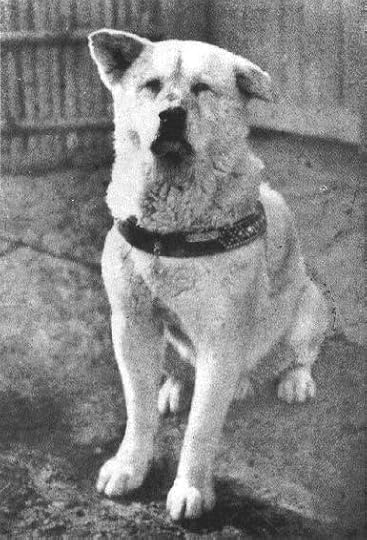
A dog is the only thing on earth that loves you more than he loves himself.
―Josh Billings
There are reasons dogs are deemed to be man’s best friend. For one, from a very long time, the human-canine bond evolved into a dynamic relationship where both parties benefit from each other. This dates way back to more than 20,000 years ago. In fact, 26,000-year-old imprints from a dog-wolf hybrid were found somewhere in the caves of Ardèche, south-central France.
Dogs are of help in various areas such as herding cattle, a source of comfort for therapy work, guarding places, search-and-rescue missions, or even as substitute for human companionship. One of the famous stories of this kind canine-human bond is Hachiko and Professor Hidesamuro Ueno’s.
Hachiko was a male Akita Inu who was born 1923 near the Odate, Akita Prefecture. His master, Hidesamuro Ueno, who named him Hachi, was a professor from the University of Tokyo. The two were very close. Every day, Hachiko sends off the professor by waiting for the train with him at the Shibuya Station. In the evening, he returns to the station to wait for his master’s return, then they would walk back home together.
On May 21, 1925, Professor Ueno passed away due to a heart attack. Hachiko continued to wait persistently for him at the Shibuya station. He waited and waited for years—nine years, nine months, and fifteen days to be exact. Eventually, people took notice of him. Some of the professor’s students wrote about his story, and it eventually got published by a major newspaper in Japan. He became a local celebrity of some sort, becoming featured in some popular dog shows.
Hachiko’s name became synonymous with loyalty. The Japanese considered him as an icon of will, persistence, and faithfulness. In celebration of the values he possessed, a sculptor named Tern Ando created a bronze statue of him. It was installed in front of the Shibuya Station together with a poem entitled The Conduct of a Loyal Dog.
Until this day, Hachiko remains as the most famous dog in Japan. He is even considered by some as a modern legend. His story served as an inspiration to several book, movie, and television drama adaptations. The Japanese film Hachiko Monogatari (1987) and Hollywood’s Hachi: a Dog’s Tale (2009) are some of the most popular versions of the Akita Inu’s life.
Do you know about other animals that became famous for their loyalty? Feel free to do so by sounding off on the comment section below. You can even tweet me at www.twitter.com/DoctorNancye.
References
The Economist. 2017. “Man’s best friend.” Accessed June 21, 2017. http://www.economist.com/node/21525353.
Digital Journal. 2017. “Dog faithfully awaits return of his master for past 11 years.” Accessed June 21.http://www.digitaljournal.com/article/218509.
The post Hachiko the Dog appeared first on Picky The Marvelous Chicken.
June 22, 2017
Remembering Cecil the Lion
A century ago, the estimated population of lions is two hundred thousand. Now, they are fewer than thirty thousand. The drastic decline in the number can be largely attributed to human activities. From the loss of habitat, hunting and poaching, to retaliatory killings by livestock owners, lions are close to extinction. That is why it is unfathomable when we hear news about senseless killings of lions.
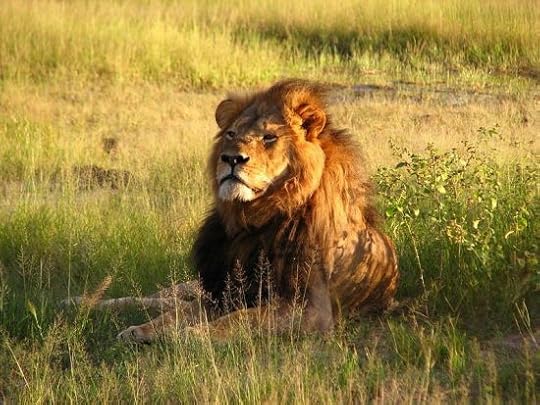
On July 1, 2015, an international outrage sparked from the killing of Cecil the Lion. Animal conservationists, politicians, celebrities, and many other people voiced out their indignation at the killing of the famous lion.
Cecil the Lion
Named after Cecil Rhodes, Cecil the Lion was a major attraction in the Hwange National Park in Zimbabwe, drawing many tourists from all over the world and contributing to a hefty revenue for the African country. The magnificent lion was also a part of a larger study conducted by the University of Oxford since 1999. He had a GPS tracking collar that recorded his locational data every two hours.
The Killing
It was reported that the hunters hunted the thirteen-year-old lion with a bait, shot with an arrow, and tracked for many hours before it was killed with another arrow. Skinned and beheaded, Cecil the Lion was discovered by park investigators. The GPS tracking collar was missing.
The hunt was conducted by Walter Palmer, a dentist from Minnesota who paid $50,000 to Theo Bronkhorst, a professional hunter guide, for lion hunting. As a recreational game hunter, Palmer is no novice to hunting for trophies. He was fined and given a one-year probation for making false statements about a black bear he fatally shot in Wisconsin in 2008.
The Aftermath
The killing of Cecil the Lion brings the discussion of game hunting and trophy imports into the forefront. There was a rally for the banning of imports of lion heads to the US and the EU. Three US airlines even agreed to halt the transport of hunting trophies. There were also calls for the government of Zimbabwe to stop giving out hunting permits.
The clinic of Walter Palmer was vandalized. He received a lot of hate messages from enraged people. He was initially called for extradition into Zimbabwe before the charges were dropped three months after the tragic death of Cecil the Lion. Two Zimbabweans were arrested by the police in Zimbabwe.
The death of Cecil the Lion had repercussions to the pride he left behind. When the head of a pride is killed, the new leader typically kills the young cubs. It is a form of infanticide, done to assert the dominance of the new male leader. Thankfully, when Jericho assumed the position as the head of Cecil’s pride, Cecil’s cubs were spared and were even protected from rivals.
Did you enjoy the article today? We can talk about it more. Follow me on Facebook, Twitter, and Goodreads. You may also leave a comment below. I’d love to hear from you.
References
Actman, Jani. June 30, 2016. “Cecil the Lion Died One Year Ago—Here’s What’s Happened Since.” Accessed June 7, 2017. http://news.nationalgeographic.com/2016/06/cecil-african-lion-anniversary-death-trophy-hunting-zimbabwe/.
Goldman, Jason. May 5, 2016. “Why did the death of Cecil the lion cause such an uproar?” Accessed June 7, 2017. https://www.theguardian.com/environment/2016/may/05/why-did-death-of-a-single-lion-cecil-cause-such-an-uproar.
The post Remembering Cecil the Lion appeared first on Picky The Marvelous Chicken.
June 14, 2017
Harambe the Gorilla
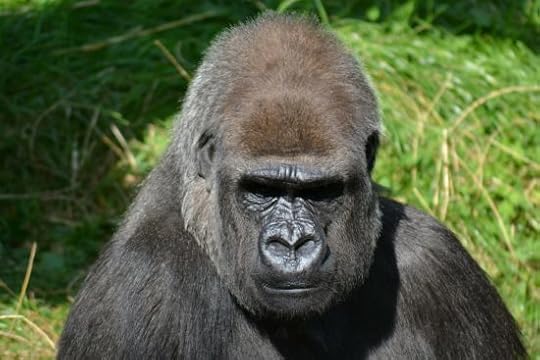
Last year, the story of a certain gorilla caught the attention of many netizens around the world. In case you haven’t caught wind of the story, here’s a quick rundown for you: Harambe, a Western lowland gorilla was shot in his enclosure at the Cincinnati Zoo and Botanical Garden on May 28, 2016, in order to save a four-year-old boy who got stuck in the gorilla’s turf. Some reports say that Harambe acted violently towards the child. Others, however, claimed that the gorilla was actually helping to save his life. The video of his death has been viewed by millions on YouTube.
Since news of his murder broke out, netizens were quick to react to Harambe’s passing on social media platforms. The majority voiced their outraged on the nature of his demise; some have pointed their fingers to the young child’s parents for their lack of attentiveness. An online petition was launched to call out the “bad parenting” which they believed was the sole contributor to the gorilla’s death. According to BBC News, more than 60,000 folks signed the petition. Others chose to step away from their keyboards to express their ire over the incident, which happened on the day after Harambe’s seventeenth birthday. A few candlelight vigils were even held in his honor.
Similar incidents of animal killings in captivity have happened over the years. Marius the Giraffe was killed and dissected in front of many spectators at the Copenhagen Zoo on February 9, 2014, after the zoo deemed his genetics to be unfit for breeding. Cecil the Lion was shot down by dentist and hunter Walter J. Palmer on July 1, 2015.
Animals being kept in zoos aren’t happy to be confined in small spaces. To them, it’s just like being in a prison. No animal, especially the ones that belong in the wild, should be allowed to taken as prisoners for profit. They do not deserve to be taken away from their natural habitats and be treated like slaves for visitors’ amusement. Zoos need to realize that they’re only bringing more harm to their animals than good.
Want to share your thoughts regarding Harambe and other animals in captivity? Feel free to do so by sounding off on the comment section below. You can even tweet me at www.twitter.com/DoctorNancye.
References
BBC News. 2016. “Gorilla Killing: Harambe’s Death at Zoo Prompts Backlash.” Accessed June 2, 2017. http://www.bbc.com/news/world-us-cana....
EcoWatch. 2016. “5 Times Animals Have Been Killed in Zoos.” Accessed June 6, 2017. https://www.ecowatch.com/5-times-animals-have-been-killed-in-zoos-due-to-human-encounters-1891162359.html.
Milmo, Cahal. 2014. “The Killing of Marius the Giraffe Opens an Important Debate about Genetics, Animal Rights and Zoo Inbreeding.” Independent, February 10. Accessed June 6, 2017. http://www.independent.co.uk/news/world/europe/the-killing-of-marius-the-giraffe-opens-an-important-debate-about-genetics-animal-rights-and-zoo-9120219.html.
Ranganathan, Romesh. 2017. “Zoos are Prisons for Animals—No One Needs to See a Depressed Penguin in the Flesh.” The Guardian, March 13. Accessed June 6, 2017. https://www.theguardian.com/world/commentisfree/2017/mar/13/zoos-are-prisons-for-animals-no-one-needs-to-see-a-depressed-penguin-in-the-flesh.
Capecchi, Christina, and Rogers, Katie. 2015. “Killer of Cecil the Lion Finds out That He is a Target Now, of Internet Vigilantism.” The New York Times, July 29. Accessed June 6, 2017. https://www.nytimes.com/2015/07/30/us/cecil-the-lion-walter-palmer.html.
The post Harambe the Gorilla appeared first on Picky The Marvelous Chicken.
June 7, 2017
Tardar Sauce, Lil Bub, and Other Famous Cats on the Internet
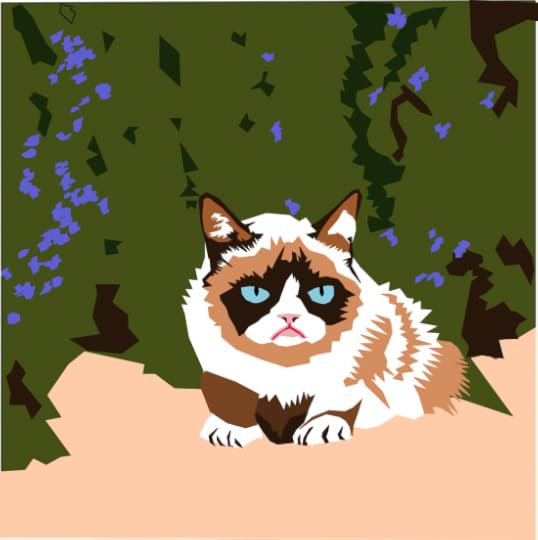
There’s no denying that cats have become the internet’s most beloved animal. Sure, funny dog posts pop up from time to time. But let’s face it—felines have taken over the World Wide Web, from videos, down to memes. Perhaps it’s due to their innate cuteness. Maybe it’s because they’re quite expressive creatures. Whatever the reason, netizens just seem to love them.
A handful of cats went on to become internet superstars. Let’s get to meet a few of these famous felines:
Tardar Sauce
This feline is popularly known by netizens as Grumpy Cat, who was born on April 4, 2012. Her famous facial expression is due to feline dwarfism and an underbite. Despite her sulky expression, her owners assure that Tardar Sauce is quite the happy kitty. “She’s super frisky, especially between 3 and 6 a.m.—when you’re trying to get your deepest sleep, she’s wanting to play,” says owner Tabatha Bundesen.
Tardar Sauce took the internet by storm after Tabatha’s brother, Bryan, uploaded a photo of the cat on Reddit back in September 2012. She bagged Buzzfeed’s Meme of the Year award at the 2013 Webby Awards. She even published a book (Grumpy Cat: A Grumpy Book) that became a New York Times best seller.
Tabatha notes that the feline has made a positive impact in her life. She gets to travel and spend more time with her daughter, Crystal. She also gets to see Bryan more often than she used to, pointing out that she only got to encounter him “once or twice in every 10 years.”
Lil Bub
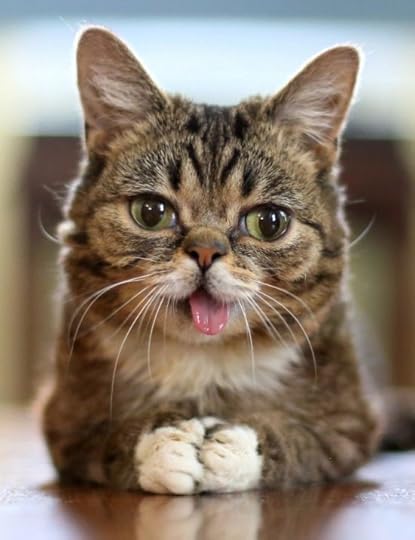
This cute cat hails from Bloomington, Indiana. She was found on July 2011 as the runt of a litter. Owner Mike Bridavsky found her after a friend sent him a photo of the feline. She suffers from dwarfism and is dubbed as a “permakitten,” meaning that her kitten-like state will remain with her for the rest of her life. She also has twenty-two claws—take note than an average cat only has eighteen.
Notice how her cute little tongue sticks out? It’s because her lower jaw is quite shorter than her upper jaw. Another contributor is the absence of her teeth, which never grew in. Despite being toothless, Lil Bub is still able to eat her food without any problems.
Like Grumpy Cat, Lil Bub shot to fame via Reddit. At the suggestion of a friend, Mike created a Tumblr account for the purpose of documenting the feline’s life. After one photo got featured in Reddit’s front page, the cat went viral. Lil Bub uses her online celebrity status to champion the causes of pets with special needs, like herself. She and the American Society for the Prevention of Cruelty to Animals (ASPCA) teamed up to establish Lil Bub’s Big Fund, which helps out animals with special needs with shelter problems.
Colonel Meow
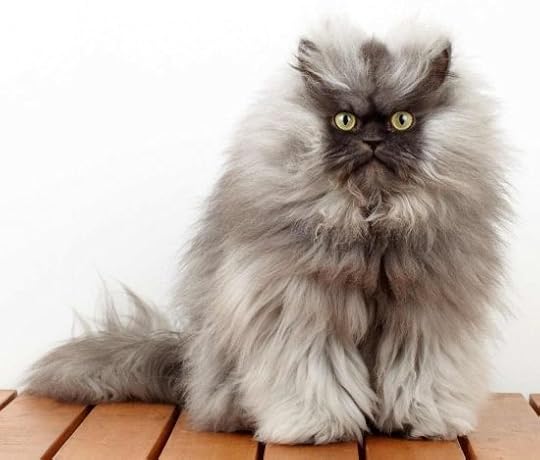
The rescue cat broke the Guinness World Record for the cat with the longest fur, gracing the 2014 edition of their book, which was released on September 12. He is also known for his scowl, which amused many netizens around the world. He passed away on January 2014 due to health problems.
Maru
Last on the list is the Scottish Fold cat that has been dubbed as “the most famous cat on the internet.” The feline likes being the center of attention, often acting silly to get people’s eyes on him. He’s quite fond of playing with water. Maru’s love for boxes began when he was still a kitten. He liked playing with them, and they often served as his bed.
Although his blog was set up in November 2007, his first video on YouTube was uploaded on July 2008. Since then, the feline has endeared the hearts of millions of viewers through his lovable antics.
References
Cohn, Maria, and Lee, Evelyn. 2013. “25 Things You Didn’t Know about Lil Bub.” Complex, April 15. Accessed May 8, 2017. http://www.complex.com/style/2013/04/25-things-you-didnt-know-about-lil-bub/.
Grumpy Cat. “About Grumpy Cat.” Accessed May 8, 2017. https://www.grumpycats.com/about.
Grumpy Cat. “Grumpy Cat Wins Meme of the Year at the 17th Annual Webby Awards!” Accessed May 8, 2017. https://www.grumpycats.com/post/mD5nPgYaui/grumpy-cat-wins-meme-of-the-year-at-the-17th-annual-webby-awards.
Guinness World Records. 2013. “Colonel Meow, the Cat with the Longest Fur, Makes It into the New Guinness World Records 2014 Book.” Accessed May 8, 2017. http://www.guinnessworldrecords.com/news/2013/8/colonel-meow-the-cat-with-the-longest-fur-50832/.
Lil Bub. “About Bub.” Accessed May 8, 2017. http://www.lilbub.com/about.Love Meow. 2010. “Interview with Maru the Cat.” Accessed May 8, 2017. http://www.lovemeow.com/interview-with-maru-the-cat-1608006401.html.
McCarthy, Erin. 2013. “16 Fun Facts about Grumpy Cat.” Mental Floss, October 16. Accessed May 8, 2017. http://mentalfloss.com/article/53217/16-fun-facts-about-grumpy-cat.
Stern, Marlow. 2013. “Lil Bub, The World’s Cutest Cat, Stars in Documentary Lil Bub & Frendz in Tribeca.” Daily Beast, April 19. Accessed May 8, 2017. http://www.thedailybeast.com/articles/2013/04/19/lil-bub-the-world-s-cutest-cat-stars-in-documentary-lil-bub-friendz-at-tribeca.
Tata, Samantha. 2014. “Internet Star and Record-Holding Feline Colonel Meow Dies.” NBC Los Angeles, January 2014. Accessed May 8, 2017. http://www.nbclosangeles.com/news/local/Colonel-Meow-Internet-Famous-Rescue-Cat-Himalayan-Persian-Dies-242859641.html.
The Conscious Cat. 2014. “An Interview with Lil Bub’s “Dude”—Part One: How it All Began.” Accessed May 8, 2017. http://consciouscat.net/2014/04/27/exclusive-interview-with-lil-bubs-dude/.
Turner, Amy-Mae. 2010. “The Million Dollar Question: Why Does the Web Love Cats?” Mashable, October 22. Accessed May 8, 2017. http://mashable.com/2010/10/21/why-does-the-web-love-cats/#2HxM4DSZd5qV.
The post Tardar Sauce, Lil Bub, and Other Famous Cats on the Internet appeared first on Picky The Marvelous Chicken.
May 31, 2017
Top Five Most Animal-Friendly Zoos for You and Your Family
When you want to see different animals in the flesh without risking your life and limb in the wild, where do you go to? That’s right! It’s the zoo!
Over the years, many zoos courted controversies and earned the ire of conservationists and animal lovers all over the world because of inhumane practices. It weighs heavily on one’s conscience to continuously support these outrageous violations by visiting the zoos. But do you know that there are commendable zoos in the United States that actually take care of their animals with kindness and compassion, while also providing you with education and awareness about animal and wildlife conservation?
You should probably check the following out if you are in the mood for the company of animals:
Smithsonian’s National Zoo
A part of the Smithsonian Institution, this zoo was founded in 1889. It occupies 163 acres of land in the center of Washington DC’s Rock Creek Park, and is home to more than 1,500 animals of various species. It is known for its commitment to conservation, research, and education. As stated in the Smithsonian’s website, their efforts even extend to other parts of the world, sending more than 200 scientists and their partners in more than 30 countries to create and share their knowledge in aiding the survival and recovery of species and their habitats.
The zoo also gives attention to the health of their animals, providing them with excellent veterinary care. Their consideration does not end there. The zoo holds the distinction as the first zoo in the US to hire a research nutritionist. Until today, the Smithsonian’s National Zoo continues to promote and practice cutting-edge wildlife nutrition for their animal inhabitants. It also provides an enrichment program where the zoo’s animals receive physically and mentally stimulating toys, activities, and environments that enhance their well-being.
2. Philadelphia Zoo
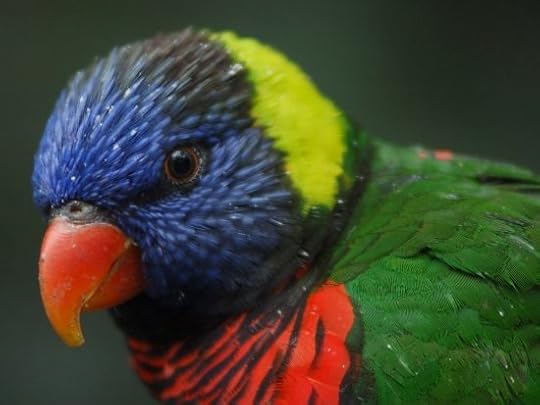
Dubbed as the first true zoo in the United States, it is a sprawling forty-two acres; it is home to more than 1,300 animals, most of them rare and endangered. Its primary distinction from other zoos is a breeding program that focuses on animals which are hard to breed in captivity, such as endangered frogs from the Andes and the Caribbean.
As the region’s leading family destination, Philadelphia Zoo also takes the responsibility in educating more than 1.2 million annual visitors regarding animal and environmental conservation through Zoo360—the world’s first animal travel and exploration trail system. It also has a children’s zoo called KidZooU where the young ones can witness and experience the wonders of being with animals, from pigeons flying overhead, to the barnyard and stables where they can pet and brush sheep. There is also a towering goat bridge and children’s climbing structure that offers parallel play opportunities. (“About the Zoo”).
The zoo does not only invite young and lifelong learners to connect with wildlife. It also offers them the opportunity to understand more about and to take part in the conservation action.
3. Cincinnati Zoo
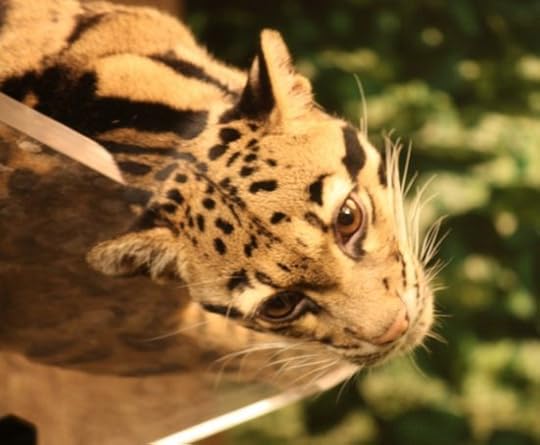
The second oldest zoo in country, Cincinnati Zoo opened its doors to visitors in 1875. Starting from a small collection of animals, it has expanded to more than five hundred animal and three thousand plant species. It is rated by peer zoological parks as one of the best zoos in the nation.
Aside from that, the zoo also supports more than thirty field conservation projects around the world, from tigers in Malaysia to keas in New Zealand. It is in the forefront of helping to save the species and making the world a better place for both the people and wildlife.
The zoo is especially known for its breeding programs, having successfully initiated the successful California sea lion breeding program. Other breeding programs include South African cheetahs and Malayan tigers, among many others.
4. Denver Zoo
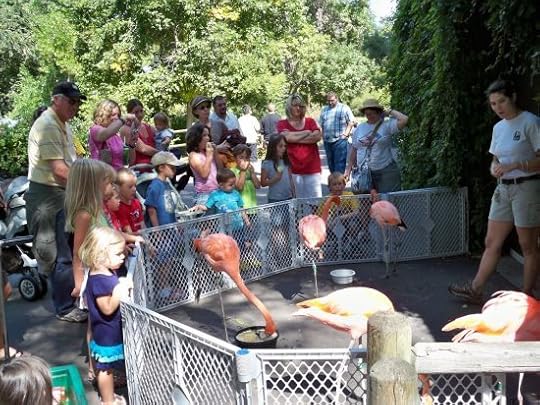
The Denver Zoo began from the donation of an orphaned American black bear. Initially given as a gift to Thomas S. McMurry, the mayor of Denver from 1895 to 1899, the cub proved too hard to manage so it was handed to the keeper of City Park, Alexander J. Graham. The latter started the zoo from this, adding other animals such as native prairie dogs, antelopes, and Chinese pheasants.
Spread in an eighty-acre facility in Denver, Colorado, this place is the first in the United States to use natural zoo enclosures instead of cages with bars. There are mesh tents and open areas for apes and monkeys which they call Primate Panorama. A Predator Ridge is also set up to give the animals three separate areas through which they are rotated so that their overlapping scents will provide them environmental enrichment. For big cats, there is The Edge, a newly designed exhibit modeled after the pine forests of Russia for the Amur tigers. It gives the bigger cats larger and more dynamic habitats. (Wikipedia: The Free Encyclopedia, “Denver Zoo”).
The zoo also encourages visitors to take action in helping secure a better world for animals by engaging the guests, inspiring them to connect with the animals, and motivating them to participate in conservation efforts. The place also tries to limit environmental impacts through sustainable practices, striving to be the “Greenest Zoo.”
Visiting this zoo is not only an unforgettable experience for animal enthusiasts. They also come away with a better understanding about animal conservation and their role in it.
5. Louis Zoo

Located in St. Louis, Missouri, this zoo is recognized as the leading zoo in animal management, research, conservation, and education. In the course of a year, the zoo receives more than three million visitors. Known for its innovative approaches to animal management, wildlife conservation, research, and education, the St. Louis Zoo is recently voted as the Best Zoo and America’s Top Free Attraction.
The place emphasizes its pledge to connect people to animals by giving them a chance to learn through formal classes, lectures, camps, teacher workshops, distance learning, zoo tours, and outreach programs. They can also learn informally from keeper chats, zoo tours, docent volunteers, interpreters, signages, and special exhibits. The best learning, though, comes from observing the zoo animals.
In terms of conservation, the Saint Louis Zoo founded the WildCare Institute. The zoo takes a holistic approach in working in conservation hotspots locally and around the globe. While also helping save the endangered species, its goals also include the creation of a sustainable future for wildlife and for people around the world, as stated in the Saint Louis Zoo WildCare Institute’s mission statement.
These are only five of the best zoos in the country. There are many more, but you can start from these. Here’s to a rewarding and unforgettable journey as you experience the wonders of the animals, learn more about them, and come out as a better person.
Sources
Helvarg, David. “America’s Top 10 Zoos.” Travel and Leisure Magazine. Accessed May 8, 2017. http://www.travelandleisure.com/articles/walk-with-the-animals.
Philadelphia Zoo. “ABOUT THE ZOO.” Accessed May 8, 2017. http://www.philadelphiazoo.org/About-the-Zoo.aspx.
Skyenimals. “List of Zoos in the United States.” Accessed May 8, 2017. http://www.skyenimals.com/browse_zoos.cgi.
Smithsonian. “National Zoo and Conservation Biology Institute.” Accessed May 10, 2017. https://www.si.edu/unit/national-zoo-and-conservation-biology-institute.
The post Top Five Most Animal-Friendly Zoos for You and Your Family appeared first on Picky The Marvelous Chicken.
May 17, 2017
Celebrity Animals in Movies
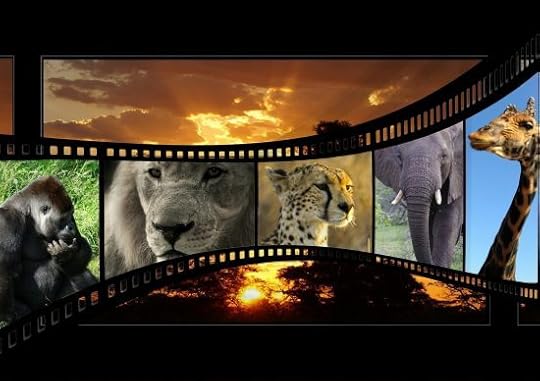
Animals aren’t all that different from us humans; they too can become thespians gracing the big screen. Over the years, films like Hachi: A Dog’s Tale and Marley and Me have put them front and center in storylines. Dogs aren’t the only animals that have starring roles—other species have had their share in the limelight as well. A handful of them even have titular films under their, uh, belt. Get to know a few of these animal movie stars through this list:
Elsa the Lion from Born Free (1966). This four-pawed mammal starred in the Academy Award winning-movie based on a true story about a couple who tended to a lion cub who was left parentless. Rather than give her away to a zoo, the couple raised the cub to prepare for her eventual return to the wild lands. Born Free was hailed as a “game changer” that shaped the dynamics of humans’ relationship with animals.
Keiko from Free Willy (1993). The male orca was the face of the film that prompted the establishment of the Free Willy-Keiko Foundation, an organization that was dedicated to build a better place for him to live in. It gathered a total of $7 million dollars in donations from school kids. The Oregon Coast Aquarium became his new home. However, he was set free into the wild in 2002. He passed away in 2003 after his battle with pneumonia.
Babe the Pig from Babe (1995). Fun fact: around forty-eight pigs were used during the filming of the first movie. A different set of hogs were the stars of the sequel. All the pigs were sent to either universities or farms. Not to worry, for they didn’t become anyone’s dinner—every single pig has a document proving their exemption for becoming a menu item.
Terry as Toto from The Wizard of Oz (1939). The Cairn terrier had been in a few movies before appearing in the blockbuster musical flick. She came with a one hundred twenty-five dollar per week price tag; that amount she was paid was bigger than that of most of her co-actors. After Oz, she went on to star in The Chocolate Soldier and George Washington Slept Here before passing on in 1945.
Rusco from Beverly Hills Chihuahua (2008). The tiny pooch was discovered in an animal shelter in Los Angeles. Lucky for him, Mike Alexander, who was in town to look for animal actors, rescued him from the clutches of death. His character Papi became the central figure in the next two Beverly Hills Chihuahua Films. He currently resides with his owner in a Los Angeles ranch.
References
DMG Entertainment. 2015. “10 Amazing Animal Stars.” Accessed May 2, 2017. http://www.dmg-entertainment.com/blog/10-amazing-animal-stars.
Beaumont, Mark. 2015. “10 Brilliant Animal & TV Movie Stars: Where Are They Now?” NME, August 15. Accessed May 2, 2017. http://www.nme.com/blogs/nme-blogs/10-brilliant-animal-tv-movie-stars-where-are-they-now-768352.
Huffman, Shea. “What Happened to These Animal Movie Stars?” All Day. Accessed May 2, 2017. http://www.allday.com/what-happened-to-these-animal-movie-stars-2180791372.html/.
Yaccato, Bruce. 2015. “The 10 Best Animal Movie Stars, Ranked.” The Richest, February 21. Accessed May 2, 2017. http://www.therichest.com/expensive-lifestyle/entertainment/the-10-best-animal-movie-stars-ranked/.
The post Celebrity Animals in Movies appeared first on Picky The Marvelous Chicken.
April 27, 2017
Training Unusual Pets
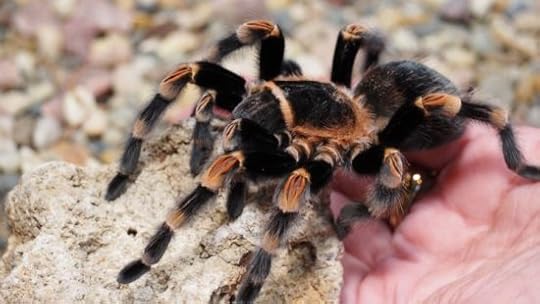
Pets are known to bring bountiful benefits to their human companions. But would you agree that dogs are not the only ones that can be the trained as pets? Training unusual pets can be equally fun too.
Recently, the Los Angeles City Council was deliberating on drafting an ordinance that will ban the exhibition of exotic animals for entertainment. For the purpose of saving the animals from inhumane treatment, the council initiated to shut down amusement activities that involve the vulnerable creatures amid the protest of their owners, who reportedly treat the animals as family. This movement is not surprising since there are a lot of reported cases of animal violence nowadays.
The question is, where will these animals go? Taking care of them seems to take a lot more effort than just owning a dog. The truth is it’s not likely at all. Legally owning exotic animals such as geckos, tarantulas, hermit crabs, Madagascar hissing cockroaches, and ants can be inexpensive and less stressful than having your typical canine pets. What’s more is that they can be trained as well.
Training unusual pets is a whole lot of fun. I will tell you what it is like to own an unusual pet. You will discover a lot of exciting activities to do. You can train them like they are not unusual at all, and they offer a refreshing way to give you company, sometimes more than a dog can give.
These are some of the unusual pets and training tips that will surely make you busy this season.
Mini Donkeys
Mini donkeys are wonderful unusual pets and companions, especially for children. They are quick to teach and are very athletic. Aside from being intelligent creatures, they love to please people and are suitable partners for hiking and backpacking activities. Children will definitely love these furry creatures.
To train miniature donkeys, you should first familiarize your pet in your environment. Make sure that your place has a friendly and cheery feel to help ease their difficulties of adjusting. The key is consistency in your approach, body language, and tone.
The next thing to do is to master the art of using your voice to instruct your pet donkey. Be careful not to startle them when introducing to new and unfamiliar basic actions like following you, backing up, slowing down, and lifting feet when it’s time for the farrier to inspect them. Repetition is strongly encouraged. You can give treats and praise as rewards.
When your pet gets the hang of it, introduce it to the halter by rubbing its back with the rope or holding the halter near while you give treats. Then, carefully put the noseband on, then take it off your pet. Repeat the action until your pet gets used to it. Don’t forget to give rewards!
Now that your donkey is ready, slowly lead it to walk with you by the gentle tug of the rope. Give consistent commands while pulling the rope. If it does not move, guide your pet by pulling it on its side while you two walk in a circle. Repeat the process until your pet is comfortable with the gesture.
Rats
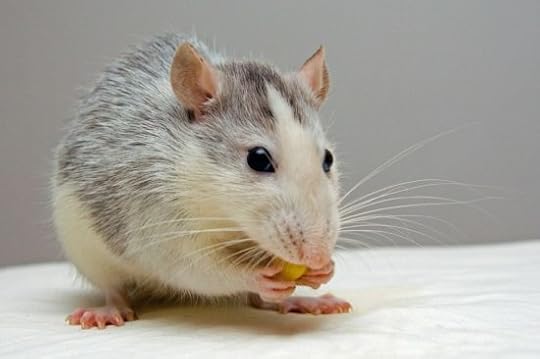
The rats that I know of are far from the typical rats you see in some sewers. Actually, these unusual pets are like any other pets that need extra caring and attention. You’ll be surprised at how interesting and capable pets these little creatures can be, fluffy enough to earn your love.
There is another thing rats are very famous for: their intelligence. That is why training them is a lot easier than you think. Make sure that your seed treats are on the ready.
The first on your bucket list would be the trust training. To gain your pet’s trust, give some treats. You can make sounds like clicking your tongue while feeding your pet. This way, whenever your pet hears you, it will instantly come for your food.
The next drill is to teach your pet how to walk at your command. On a clear platform, have your rat reach the treat that is over its head so that your pet will be standing upon its back legs when it attempts to get your treat. Slowly move your treat away from your pet, and let it follow your hand. Repeat the process until your rat gets what you mean.
You can also train your rat more tricks, like twirling or spinning. Similar from above, place your treat a little above your pet’s head, and let its nose follow you on a circle. Don’t forget to say “Spin!”
Last but not the least is to teach your pet how to jump. Place a treat on your palm, and hold it above your pet’s head. Say “Jump!” every time your rat jumps for the treat. Do this and the previous ones often until your rat is ready to show off its newfound skills.
Pot-Bellied Pigs
Consider yourself an owner with a posh taste if you happen to own pot-bellied pigs. These pets are known for their extracute appearance. They will be even irresistibly cuter when you teach them new tricks.
Pigs, in general, follow those who frequently give them treats. Enclose them within a small area to counter accidents and misbehaviors. Don’t forget to close your doors and build baby gates to ensure their safety. Next, train your pig to eat inside your house, then take it outside and go for a walk as frequently and whenever possible. When your pig wants to urinate or defecate, say your favorite magic phrase, like “Do your thing” or “Puff, the magic dragon.” It’s your choice. When your pig decides to urinate or defecate outside your house, congratulate it by giving treats! Don’t hesitate to confine it again if it starts to create accidents inside your house.
Chickens
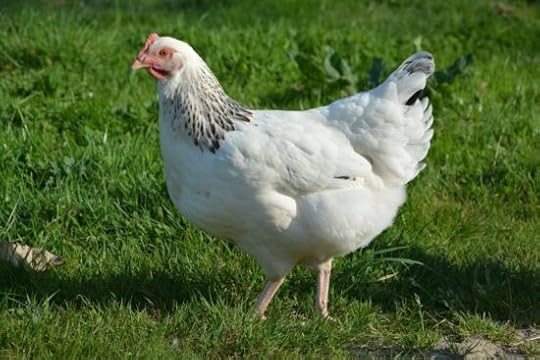
I’m pretty sure you already know by now how treats are considered essential to pet training. Chickens are no different from the pets that you know. Patiently give them treats, and sooner or later, you will reap the reward of a chicken happily giving you loving pecks and cheerful clucks.
The moment you decide to choose a chicken as a pet, you are one step ahead to an amazing adventure. A chicken, especially hens like my own, can be easily trained, given that you reward it the right treats. The first trick that you can teach your pet chicken is to call it by its name, accompanied by a treat in your hand. Stoop low to help ease the chicken’s fright. Repeat until your pet grows familiar with your call.
To teach your chicken how to jump, sit on your lap, or stop, you need to use the most delicious treat you can offer to your pet. A mealworm can do the trick. To make the chicken jump at your will, hold the treat as high as your pet possibly needs to jump. To make the chicken stop, approach it from behind, say “Stop!” and grab it.
The most challenging trick is to make it sit on your lap. You have to make it feel as comfortable in your presence as possible. Sit on the ground, and call your pet by its name. By the time you have its full trust, you will see that it will climb onto your lap and sit. This can take longer than any other tasks can, but believe me, it’s all worth it.
Don’t be afraid to try something new. Get ready to grab some treats and enjoy a lot of discoveries that you can get out of this experience! Don’t forget to do a lot of research before you make your first move of training your adorably unusual pets.
References
Autodesk Inc. 2016. “How to Train Your Rats and Other Rodents.” Accessed April 26, 2017. http://www.instructables.com/id/How-to-train-your-Rat/.
Little Long Ears Farm. “Training Miniature Donkeys.” Accessed April 26, 2017. http://www.littlelongearsfarm.com/training.htm.
McBride, Melissa. 2017. “Los Angeles City Council Considering Crackdown on Exotic Animals.” ABC Inc., KABC-TV Los Angeles. Accessed April 26, 2017. http://abc7.com/news/la-city-council-considering-crackdown-on-exotic-animals/1913624/.
McLeod, Lianne. 2017. “How to House-Train a Pot-Bellied Pig. 2017.” the spruce. Accessed April 26, 2017. https://www.thespruce.com/how-to-house-train-a-pot-bellied-pig-1237172.
Nutcase. 2017. “The All New: How to Train Your Chicken!” BackYard Chickens. Accessed April 26, 2017. http://www.backyardchickens.com/a/the-all-new-how-to-train-your-chicken.
The post Training Unusual Pets appeared first on Picky The Marvelous Chicken.
April 19, 2017
Four Animals Which You May Not Know Are Critically Endangered
Some time ago, I wrote a couple of articles about honeybees. Shortly after I posted the first one, the rusty-patched bumblebees—the honeybees’ cute and furry cousins—became officially a part of the endangered animals list. One reason things have come to this is because not a lot of people know about the plight of the bumblebees. If we raise awareness on such endangered creatures, perhaps society will treat them more carefully. So as a way of mitigating wildlife myth-making, let’s look at four animals which most people think are common but are, in fact, critically endangered.
Critically Endangered Animals
Rhinos
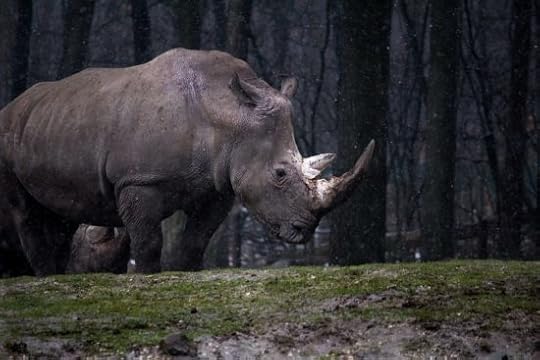
Despite their horned and formidable appearance, rhinos are gentle herbivores who have no natural predators. None except for humans. Poachers kill rhinos for their horns because some cultures believe that they can be used as an aphrodisiac and as medicine.
The Guardian published a report showing a frightening increase of rhinos killed in recent years: in 2010, 333 rhinos were killed; 2011, 448; 2012, 638; 2013, 1,004; and in 2014, 1,215—nearly quadruple the casualties in five years. Now, all except one rhino species are critically endangered.
Tigers
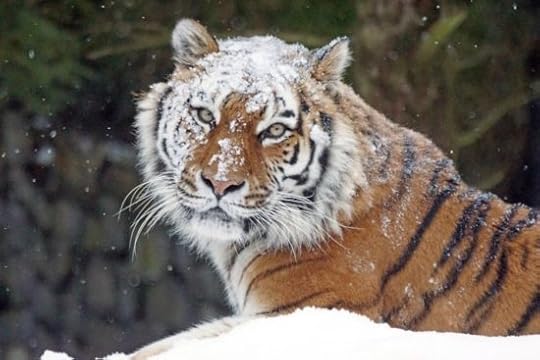
Tigers originally had nine subspecies. However, three of them (Amur, Bengal, Indochinese) are endangered, another three (Malayan, South China, Sumatran) are critically endangered, and the other three (Bali, Caspian, Javan) are now extinct. These large cats are the quarry of game hunters who seek a challenge. This “sport” makes it worse for tigers because even if they survive a gunshot wound, their injury dampens their ability to chase prey, which are usually fast animals like deer.
Orangutans
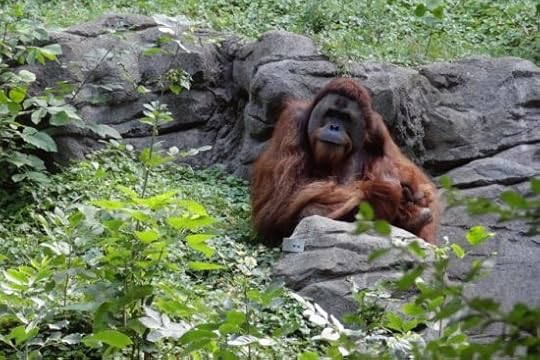
Orangutan and humans come from separate branches of the Hominidae family. Ninety-seven percent of their DNA is similar to ours. Yet this close kinship does not stop us from destroying their homes. Habitat loss from deforestation is the main driving force for the orangutans’ decreasing population. Orangutans live in trees, and our exploitation of their environment for our own selfish expansion is causing their extinction.
The two orangutan species, Bornean and Sumatran, are exclusively found in the rainforests of Borneo and Sumatra. Both species are critically endangered.
Gorillas
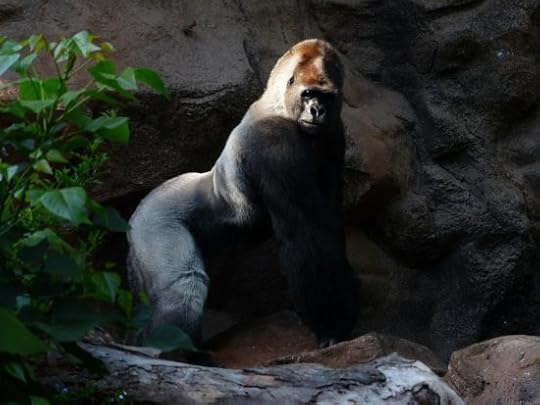
Like the orangutans, gorillas also come from the Hominidae family, but they have one up over their orange cousins as their DNA is ninety-nine percent closer to humans’. On the surface, they look frightening with their huge, stocky appearance and their menacing mannerism; however, gorillas are shy animals and would never attack unless provoked, and even despite their natural strength, there’s nothing that gorillas can do against the weapons of humans.
Aside from the same culprits plaguing the other three animals in this list, gorillas are also victims of war. Gorillas live only in Central Africa where civil wars rage. The conflicts in Congo, the Central African country with the highest number of gorillas, have almost pushed the great apes into extinction. The International Union for Conservation of Nature (IUCN) classifies all gorilla species (cross river gorilla, eastern lowland gorilla, mountain gorilla, and western lowland gorilla) as critically endangered.
Critical Conclusion
These are only four animals that are critically endangered. Other animals include leopards, bonobos, whales, and elephants. We take them for granted because we see them in zoos and in movies. But soon, they’ll fade into extinction if we continue to remain ignorant of their situation. Don’t let these animals become myths. Visit the World Wildlife Foundation’s website to know how you can help.
References
Vaughan, Adam. 2016. “Record number of African rhinos killed in 2015.” The Guardian, March 9. Accessed April 12, 2017. https://www.theguardian.com/environment/2016/mar/09/record-number-of-african-rhinos-killed-in-2015.
World Wildlife Foundation. Accessed April 12, 2017. https://www.worldwildlife.org/species/directory?direction=desc&sort=extinction_status.
Kasnoff, Craig. 2017. “Rhino Horns Seized by Malaysian Customs.” Accessed April 18, 2017. http://www.bagheera.com/rhino-horns-seized-by-malaysian-customs/.
Kasnoff, Craig. 2016. “No Decline in Tiger Trafficking.” Accessed April 18, 2017. http://www.tigersincrisis.com/journal/no-decline-in-tiger-trafficking.htm.
Tigers in Crisis. “Tigers in Crisis.” Accessed April 18, 2017. http://www.tigersincrisis.com/the_status.htm.
Bell, Loren. 2016. “Bornean orangutan declared ‘critically endangered’ as forests shrink.” The Guardian, July 7. Accessed April 18, 2017. https://www.theguardian.com/environment/2016/jul/07/bornean-orangutan-declared-critically-endangered-as-forests-shrink.
Sarawak Report. 2013. “Burning Borneo Causes Worldwide Concern.” Accessed April 18, 2017. http://www.sarawakreport.org/2013/06/burning-borneo-causes-worldwide-concern/.
Reilly, Katie. 2016. “The Congo’s Civil War Is Wiping Out Gorilla Populations.” Time, April 5. Accessed April 19, 2017. http://time.com/4282616/the-congos-civil-war-is-wiping-out-gorilla-populations/.
Defenders. “Basic Facts about Gorillas.” Accessed April 19, 2017. http://www.defenders.org/gorilla/basic-facts.
Bagheera. “Mountain Gorilla: An Endangered Species.” Accessed April 19, 2017. http://www.bagheera.com/inthewild/van_anim_gorilla.htm.
The post Four Animals Which You May Not Know Are Critically Endangered appeared first on Picky The Marvelous Chicken.
April 6, 2017
Panda Diplomacy: Conquering the World through Charming Creatures
A Look Back in History
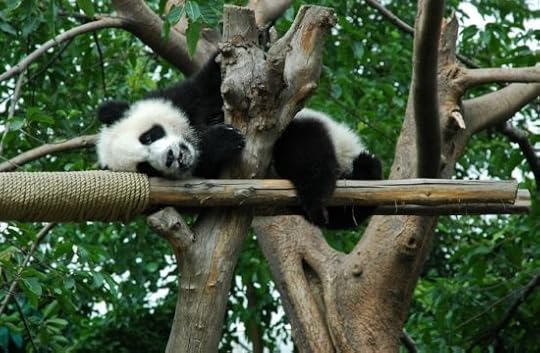
Panda diplomacy can be traced back to the sovereignty of Empress Wu Zetian, also known as Wu Zhao. It is believed that the Chinese empress delivered a pair of pandas to the Japanese emperor during the Tang Dynasty.
After years of hiatus, the practice has been revived in 1950s where the Chinese communist party utilizes pandas as gifts to foster fresh relationships with other nations. In 1972, in exchange of two musk oxen, President Nixon received two pandas after his visit to China. The pandas’ presence in Washington’s National Zoo garnered over 1 million visitors in the first year. Due to the pandas’ popularity, Prime Minister Edward Heath offered a home for pandas at the London Zoo in 1974. Between 1957 and 1982, there were already twenty-three pandas in nine countries.
The New Chapter of Panda Diplomacy
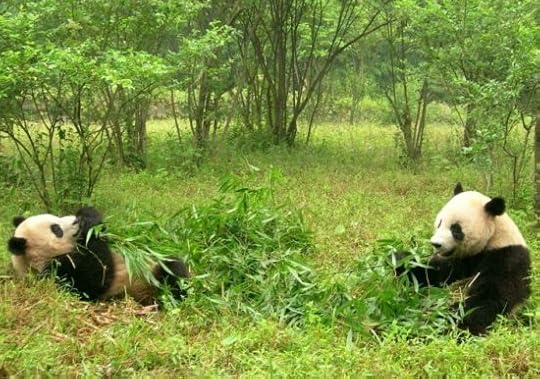
However, in 1984, the tradition has been broken—pandas’ diplomatic function no longer live up to it entirely. This time, China lends pandas to other countries on an exclusive ten-year loan for breeding and biological research. The loan comes with USD 1,000,000 annual fee and a condition that any offspring born on the duration of the loan is considered China’s property. By 1998, the United States improved its acceptance policy. The import of pandas can be approved only if China guarantees that more than half a million goes into the endeavors for conserving wild pandas and their habitats.
After the Sichuan earthquake (2008) devastated more than 60 percent of the sanctuary for wild pandas, China obliged to relocate its surviving pandas. The catastrophe only heightened the paradigm shift in panda diplomacy.
A Facade for Trade Deals?
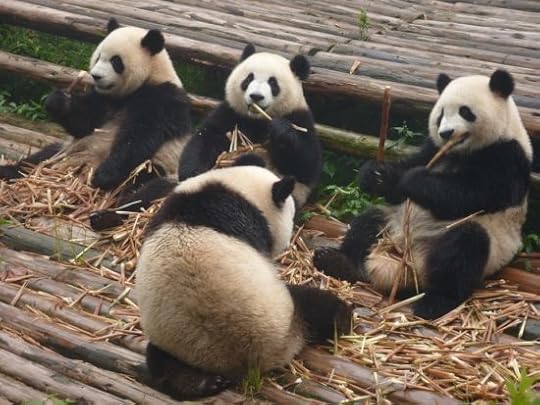
In 2011, China and the United Kingdom engaged in trade deals for salmon, Lan Rover vehicles, and renewable energy technology after the Edinburg Zoo welcomed two pandas. This, despite the fact that China has a long-existing presence in Norway’s salmon business.
For a long time now, China is invading the world not only through its merchandise but also through its pandas. But even when pandas no longer come free and require high maintenance, why do the world leaders go crazy over these bamboo-loving diplomats? Who gave man the right to use animals as diplomacy gifts, in the first place?
“There are actually two Chinese ambassadors in Washington: me and the panda cub at the National Zoo.”
—Cui Tiankai, Chinese ambassador to the United States
PS: Easter is approaching. Would you buy dyed chicks as gifts for your loved ones? I hope not.
References
Hogenboom, Melissa. 2013. “China’s New Phase of Panda Diplomacy.” BBC News, September 25. Accessed March 23, 2017. http://www.bbc.com/news/science-environment-24161385.
Murphy, Mary Jo. 2015. “A Brief History of Panda Diplomacy.” The New York Times, August 27. Accessed March 23, 2017. https://www.nytimes.com/2015/08/28/arts/a-brief-history-of-panda-diplomacy.html?_r=0.
Holland, Brynn. 2017. “Panda Diplomacy: The World’s Cutest Ambassadors.” Accessed March 23, 2017. http://www.history.com/news/panda-diplomacy-the-worlds-cutest-ambassadors.
Ecological Society of America. n.d. “Sichuan Earthquake Caused Significant Damage to Giant Panda Habitat.” Accessed March 23, 2017. https://www.esa.org/esa/sichuan-earthquake-caused-significant-damage-to-giant-panda-habitat/.
Alleyne, Richard. 2011. “A History of Panda Diplomacy.” The Telegraph, January 10. Accessed April 5, 2017. http://www.telegraph.co.uk/news/earth/wildlife/8251089/A-history-of-Panda-Diplomacy.html.
The post Panda Diplomacy: Conquering the World through Charming Creatures appeared first on Picky The Marvelous Chicken.