
Arielle Schwartz's Blog
May 25, 2025
Let Your Body Hold You
Let Your Body Heal You offers a strengths-based, embodied approach designed to meet the unique needs of anyone recovering from childhood trauma, PTSD, complex PTSD, or dissociation. This course is based upon my new book: The Polyvagal Theory Workbook for Trauma.
You’ll start by learning about polyvagal theory, how trauma can cause the nervous system to get stuck in survival modes like fight, flight, or freeze and become out of balance, and how you can regain your balance, feel calm, and heal.
You’ll also learn how connection plays a vital role in healing trauma and how to build healthier relationships with others and with yourself.
Over seven weekly modules, you’ll learn a wealth of healing practices including vagus nerve stimulation, conscious breathing, bilateral movement, mindful movement, and more to help you rewire your nervous system and reclaim your well-being.
I demonstrate and gently guide you through every practice step-by-step, allowing you to feel deeply held and supported on your journey to recovery.
Journaling, self-reflection, audio meditations, and other experiential activities included throughout the course ensure that you fully absorb and embody the material.
You’ll come away with a comprehensive collection of powerful tools to help you create a meaningful, enjoyable, and satisfying life.
A Safe Path to Healing
Many trauma therapies require you to write about, talk about, or otherwise recall your adverse experiences.
While there is value to that approach, it is often quite painful, exposes you to triggers, and reactivates painful symptoms.
This is because the effects of trauma remain in your body (and not just your mind), causing it to react as though you are still facing a threat.
By instead beginning with a soothing, body-centered approach that works to restore connection and balance in your body and mind, you can tap into your natural ability to return to a place of calmness and control.
If you’re carrying the weight of trauma and struggling with post-traumatic stress, but you’re not ready to revisit painful memories, this course can show you the way forward.
Let your Body Heal You draws on several evidence-based and well-researched complementary modalities including:
Polyvagal theorySomatic psychologyEye movement desensitization and reprocessing (EMDR)Emotional freedom technique (EFT)Mindfulness-based therapiesRelational psychotherapyThe Science of Safety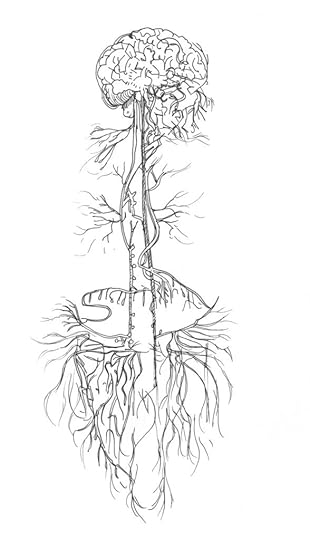
Polyvagal theory, often referred to as the “science of safety,” explains how your autonomic nervous system and vagus nerve regulate your emotions, social engagement, and response to stress.
As you go through the day, your nervous system monitors your body and the environment for signs of safety or danger and responds with three general states: relaxed, mobilized, or immobilized.
When this system is functioning well, you move freely between states and combine them to best meet your needs.
For example, when you’re in a mobilized and safe state, it allows you to feel motivated, energetic, and ready to face a challenge, then smoothly return to a state of relaxation and safety once the challenge has passed.
Alternatively, if you’re in a mobilized and threatened state, you may feel fearful and anxious, but you’re still able to return to a state of relaxation and safety once the danger subsides.
This state of fear is a vital part of how your nervous system keeps you safe.
But when you’ve experienced trauma, you can get stuck in the anxious, fearful state or the shut down, disconnected state, and find it difficult to return to a feeling of safety.
By practicing the techniques taught in Let Your Body Heal You, you can restore and improve the flexibility of your nervous system, allowing it to function in a balanced manner.
With your newfound resilience, you’ll be empowered to heal from the past, fully engage in the present, and grow beyond trauma.
Let Your Body Hold You
Sign up before June 24th, 2025 and join me for a live, Q & A to support your integration of this course.
This course offers:
Over 7 Hours of Content52 Engaging Video Lessons4 Guided Audio meditations8 worksheetsLifetime AccessA Bonus Video focused on Cultivating Healthy Relationships Learn More and Enroll The Polyvagal Theory Workbook for Trauma
“In The Polyvagal Theory Workbook for Trauma, Arielle Schwartz gives you practical, embodied tools along with compassionate guidance to support your healing journey. She makes the complexity of trauma recovery understandable and accessible while creating a wellspring of hope. Her warmth and kindness shine through her words.”
—Peter A. Levine, PhD, developer of Somatic Experiencing; and author of several books, including Waking the Tiger and In an Unspoken Voice
The body-based practices you will learn in The Polyvagal Theory Workbook for Trauma will focus on increasing your vagal tone. Simply put, optimal vagal tone allows the two primary branches of your autonomic nervous system to work in a balanced manner. This harmonious equilibrium reduces your experience of anxiety, stress, or depression—and perhaps most importantly, increases or enhances your physical health, improves your mental clarity, and supports a general sense of well-being. You will learn to rest into the nourishing benefits of the parasympathetic system, which helps you rest, relax, sleep well, and connect meaningfully with yourself and others. In addition, these practices help you to feel more energized during the day, so that you can engage in your life in a more fulfilling manner.
Order the BookThe post Let Your Body Hold You appeared first on Arielle Schwartz, PhD.


February 16, 2025
The Polyvagal Theory Workbook for Trauma
“In The Polyvagal Theory Workbook for Trauma, Arielle Schwartz gives you practical, embodied tools along with compassionate guidance to support your healing journey. She makes the complexity of trauma recovery understandable and accessible while creating a wellspring of hope. Her warmth and kindness shine through her words.”
—Peter A. Levine, PhD, developer of Somatic Experiencing; and author of several books, including Waking the Tiger and In an Unspoken Voice
Symptoms of adverse life events are as much in the body as they are in the mind. The shock of traumatic events can leave you feeling shaky, nauseous, or dizzy. Emotionally, you might experience terror, rage, shame, and despair. The ongoing repercussions of these events can leave you feeling restless, irritable, and vigilant of your surroundings, making it difficult to relax or sleep at night. Or, you might feel fatigued and lack the energy you need to face the day. These symptoms are the result of imbalances in your autonomic nervous system which is your body’s built-in stress response system.
Treatment for trauma typically involves reviewing and reflecting on memories of traumatic events. Such interventions for trauma recovery focus on the stories of your losses while attending to the mental and emotional repercussions. Unfortunately, those traditional approaches are often triggering and can lead you to feel retraumatized. They also assume that the traumatic events are over; however, in our modern world, we are often navigating the ongoing exposure to threats that we see in our daily lives or in the media.
The Polyvagal Theory Workbook for Trauma is designed to help you attend to your symptoms without reliving or over-focusing on your pain. Rather than focusing on the stories of your past, you will learn the tools to help you with the physiological effects of traumatic stress through the applied the science of polyvagal theory, also known as “the science of safety.” In these pages, you will discover interventions that you can integrate into your life on a daily basis that will help you connect to yourself with greater ease and self-compassion. You will discover gentle breathing, movement, and body awareness practices that will help you attend to discomfort without feeling overwhelmed.
Order NowMind-Body Health“Arielle Schwartz’s clear and thoughtful writing illuminates our body’s wisdom and capacity to ground, balance, heal, nourish, and restore our own well-being. The Polyvagal Theory Workbook for Trauma is an ally for the challenging times we are living in. Being embodied in a trauma-informed way is a powerful practice and necessary skill when human rights are threatened. With Arielle’s guidance, readers can access their innate resilience and capacity to live as fully and presently as possible.”
—Amber Elizabeth Gray, PhD, Amber Gray Moving Therapies, human rights psychotherapist, and creator of Polyvagal-informed somatic and dance/movement therapy
Polyvagal theory recognizes that your vagus nerve is a key to mind-body health. The vagus nerve is considered to be a superhighway of communication between your brain and your body. The word “vagus” is Latin for “wandering.” This is an appropriate descriptor because this key nerve in your body connects your brain to your stomach, intestines, heart, lungs, throat, ears, and facial muscles.
Polyvagal theory provides you with a map to find freedom from the defensive states of your nervous system. By applying polyvagal theory to trauma treatment, you can rebalance your nervous system, and as a result, the mental and emotional repercussions of trauma become more manageable. Through the lens of polyvagal theory, this workbook will give you practical tools to help you feel resourced for the journey of trauma recovery.
The body-based practices you will learn in The Polyvagal Theory Workbook for Trauma will focus on increasing your vagal tone. Simply put, optimal vagal tone allows the two primary branches of your autonomic nervous system to work in a balanced manner. This harmonious equilibrium reduces your experience of anxiety, stress, or depression—and perhaps most importantly, increases or enhances your physical health, improves your mental clarity, and supports a general sense of well-being. You will learn to rest into the nourishing benefits of the parasympathetic system, which helps you rest, relax, sleep well, and connect meaningfully with yourself and others. In addition, these practices help you to feel more energized during the day, so that you can engage in your life in a more fulfilling manner.
Regulate, Rebalance, and Rewire Your Nervous System“Arielle Schwartz has masterfully brought you another workbook that balances the seriousness of traumatizing experiences while providing practical tools that support healing without having to relive your past. She translates complex neuroscience into understandable and relatable language that can be easily applied into your life. She has the capacity to address the depth of pain that accompanies relational wounds while bringing a sense of hope that you can reclaim your birthright of connection to yourself, others, and the world around you. I highly recommend this book to all seeking a compassionate guide to trauma recovery.”
—Diane Poole Heller, PhD, author of The Power of Attachment, and expert in the fields of trauma resolution and adult attachment theory
“This guide reveals the profound role our nervous system plays in both saving us, and helping us heal love and safety. Get ready for ‘breathing, being weighted, and shaking it’ out to have a whole new meaning.”
—Staci K. Haines, author of The Politics of Trauma
Being human involves inevitable exposure to stress, and research suggests that most of us will be exposed to at least one traumatic event in our lifetimes. These challenging life events tend to take a toll on our physical and mental well-being. You might notice your own tendencies to feel anxious and irritable, or shut down with fatigue and depression. Stress and trauma can also have detrimental impacts on your physical health, leading to a wide range of illnesses and chronic pain symptoms, including migraines, asthma, digestive imbalances, chronic fatigue syndrome, fibromyalgia, autoimmune conditions, and other chronic health conditions.
When we look at the root cause of these symptoms, we see that they are associated with the dysregulation of the autonomic nervous system which is made up of two branches: the sympathetic and the parasympathetic. When your nervous system is out of balance, one of these systems is dominant, leading you to either be keyed up in fight-or-flight or in a state of collapse and exhaustion. You might even alternate between these extreme states.
Your autonomic nervous system is regulated by your vagus nerve. High vagal tone is a key to maintaining a healthy body and mind. Vagal tone refers to being able to transition smoothly between sympathetic and parasympathetic states, which allows you to resiliently respond to everyday challenges.
Whether you feel stressed and tense or collapsed with fatigue, it is possible to return to a place of greater ease and connection with a deep connection to yourself. You can do so through stimulation of the vagus nerve with practices that have been demonstrated to increase vagal tone. These practices help rewire your body and mind into greater states of resilience. Your vagus nerve has nerve fibers that innervate your lungs, heart, and digestive organs. When you stimulate your vagus nerve, you are also enhancing the health of your whole body, including the functioning of your respiratory, cardiovascular, digestive, endocrine, and immune systems.
The upper circuits of the ventral vagus nerve work closely with other cranial nerves, such as your trigeminal nerve and facial nerves, which are responsible for the sensations in your face and your ability to express emotions. Applying a gentle massage to areas of your face where these nerves come close to the surface of your face is one way to gently stimulate the vagus nerve. Embedded within the skin of your face are specialized nerve cells that are sensitive to touch called c-tactile fibers. Stimulating these fibers through light touch helps reduce your heart rate, reduce pain, and increase positive emotions.
Self-Applied Massage for your Ears“As a physician studying how the body holds trauma, I’m deeply impressed by Schwartz’s ability to bridge science and physiology with accessible healing strategies. She guides us into our inner world with wisdom and compassion, helping us create lasting change in our nervous system. This workbook is a vital resource for redirecting our physiology toward health and connection.”
—Aimie Apigian, MD, MS, MPH, board-certified addiction and preventive medicine physician, and author of The Biology of Trauma
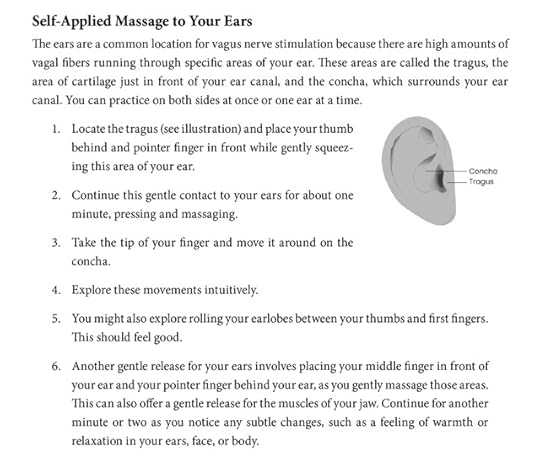 Sample Exercise from The Polyvagal Theory Workbook for Trauma
“Arielle Schwartz has written an immensely practical guide that makes trauma integration accessible for everyone. A masterful somatic teacher, she invites the reader into a step-by-step approach to recovering resilience and well-being. This could not come at a more critical time when we all need helpful tools that settle and ground our daily challenges into manageable experiences.”
—Manuela Mischke-Reeds, MFT, somatic trauma therapist, author of Somatic PsychotherapyToolbox, and a founder of Hakomi Institute of California and Embodywise
“Schwartz’s groundbreaking work shows us that peak performance starts with a regulated nervous system. By blending polyvagal science with accessible somatic practices, this workbook offers high performers a compassionate, powerful path to both optimal resilience and deeper connection—proving that when we feel safe in our bodies, we unlock our greatest potential.”
—Mastin Kipp, cocreator of Functional Life Coaching, and author of Claim Your Power and Reclaim Your Nervous System

Arielle Schwartz, PhD, is a psychologist, internationally sought-out teacher, yoga instructor, and leading voice in the healing of PTSD and complex trauma. She is the author of seven books, including The Complex PTSD Workbook, EMDR Therapy and Somatic Psychology, and The Post Traumatic Growth Guidebook.
Dr. Schwartz is an accomplished teacher who guides therapists in the application of EMDR, somatic psychology, parts work therapy, and mindfulness-based interventions for the treatment of trauma and complex PTSD. She guides you through a personal journey of healing in her Sounds True audio program, Trauma Recovery.
She has a depth of understanding, passion, kindness, compassion, joy, and a succinct way of speaking about very complex topics. She is the founder of the Center for Resilience Informed Therapy® in Boulder, Colorado where she maintains a private practice providing psychotherapy, supervision, and consultation. Dr. Schwartz believes that that the journey of trauma recovery is an awakening of the spiritual heart.
The post The Polyvagal Theory Workbook for Trauma appeared first on Arielle Schwartz, PhD.
August 20, 2024
Brain and Body Integration for Trauma Recovery
 Image by Bfam from Pixabay
Traumatic events can leave you feeling broken or disconnected.
In order to survive, we often disconnect from painful emotions and bodily sensations. Our brain plays a key role in this process. When you feel disconnected from yourself, it is often because the thinking, feeling, sensing, and action-oriented parts of your brain are not able to effectively communicate with one another.
As a result, these areas of your brain begin to function independently of each other. For example, there may be times when your thinking brain is overactivated, leading you to feel “stuck in your head,” emotionally cut off, and numb. Other times, your sensing brain might be reacting to the look on someone’s face, a loud noise, or a particular smell, which can lead you to feel emotionally flooded; however, if your thinking brain is not online, you might not understand your reaction.
For many decades, scientific research has studied the impact of trauma on the brain. One area that is particularly vulnerable to traumatic stress is the corpus callosum, which sits in between the left and right hemispheres of your brain. Memories, sensations, and emotions connected to traumatic events tend to be held within the right side of your brain. The left side of your brain is specialized for language functions and gives you a greater ability to focus on the resources that are available to you here and now. When the left and right sides of your brain do not communicate effectively, you might notice a tendency to tell a story about what happened to you with no emotions at all, or you feel as if you are reliving the past but are not able to put your experience into words.
This post introduces you to several key practices that support Brain and Body Integration for Trauma Recovery. Read on to explore how trauma is held in the brain and body and learn key practices to support you to find a felt sense of wholeness.
Trauma and the Divided Brain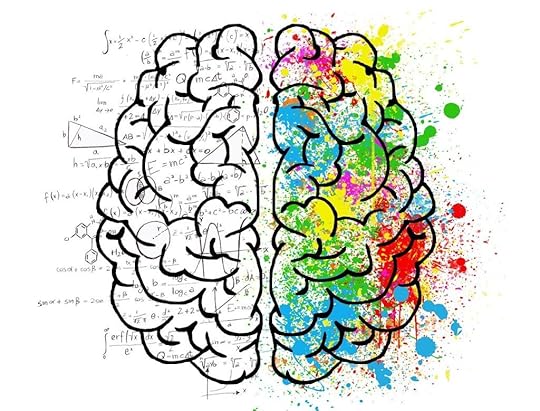 Image by Glen Kelp from Pixabay
When the brain is able to communicate between the left and right hemispheres, you are better able to recognize your emotions and communicate them to others. Integration between the two sides of your brain helps you pay attention to the big picture of your life while also being able to focus on what is right in front of you (McGhilcrist 2009). Put simply, when the two sides of your brain are working together, you feel integrated and whole.
The corpus callosum, the area of the brain that facilitates communications between the left and right hemispheres of your brain, is particularly vulnerable to traumatic stress. Janina Fisher describes the corpus callosum as a metaphorical fault line in the brain, which separates in response to the earthquakes of traumatic events. This is especially true when trauma happens during childhood, because this critical area is still growing through adolescence.
One of the ways we facilitate healing from trauma is through bilateral stimulation, which enhances the communications between left and right sides of the brain. For example, EMDR therapy uses eye movements or bilateral tapping to support this process. Likewise, the yogic practice of alternate nostril breathing is another tool to support the integration of left and right hemispheres of your brain.
When healing from trauma, it is beneficial to engage in psychosensory practices. This means that we integrate psychological resources—such as identifying a positive belief or visualizing a peaceful place—while adding in sensory experiences such as self-applied touch, yoga, therapeutic tapping, or bilateral movements. For example, Emotional Freedom Technique (EFT) guides you to tap on specific acupressure points that correspond to those identified in Traditional Chinese Medicine while simultaneously engaging in statements that help you heal your past. EFT tapping helps improve connectivity within the brain and creates improved heart rate variability, improved vagal tone, and reduced inflammation.
You can learn more about my Tapping for Trauma Recovery series Here on The Tapping Solutions website.
Reflex Integration and Trauma Recovery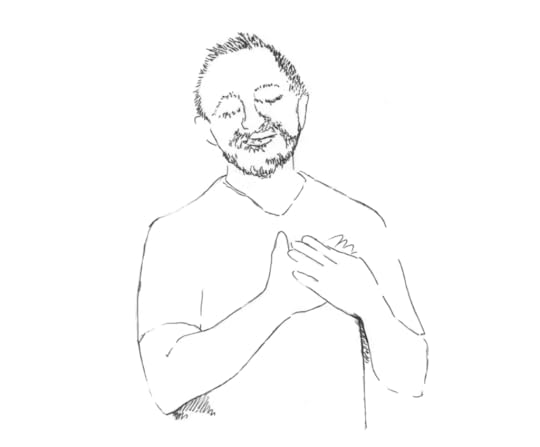 Image by Sabrina Husain Bajakian
Another way to achieve Brain and Body Integration for Trauma Recovery is to optimize the connection between the upper and lower areas of your brain. Within the brain, the process of building these connections requires that the prefrontal lobes of your brain communicate with a specialized region called the insula that is located deep within the cerebral cortex. The insula is the part of the brain that receives input about your bodily sensations, and the prefrontal cortex allows you to consciously reflect on your experiences.
When these upper and lower areas of the brain are communicating well, you are able to integrate sensations, feelings, and thoughts, so that you can make meaning about your life experiences. Together, these help you feel an overall sense of self.
One of the ways that you can enhance sensory integration and build communication between your brain and body is to explore movements that engage the primitive reflexes. Reflexes are preprogrammed movements that are hardwired between the brain stem, spinal cord, and muscular systems. For example, these primitive movements allow you to turn your head toward or contract your body away from a frightening sound. They also support you in reaching with curiosity toward novel experiences when you feel safe. When we have experiences of stress and trauma, our reflex responses can become activated, repetitive, or stuck.
More specifically, several early reflexes can get activated by trauma. Two of them are the fear paralysis reflex and the Moro reflex, which work together to facilitate our startle response—our limbs expand away from center with a sharp inhale, followed by a contraction to center. When unresolved, these reflexes can exacerbate symptoms of anxiety, insomnia, fatigue, lack of trust, depression, vulnerability to emotional overwhelm, freezing, dissociation from one’s body, and vulnerability to asthma or digestive issues.
A third key reflex that can interfere with your well-being is the orienting response, which in response to trauma can lead you to feel frozen when there is a loud sound or bright light. Like a deer in the headlights, your body tenses, and you feel vigilantly aware of your external environment. Ideally, your orienting response supports the curiosity and exploration that helps you gather knowledge about the world around you. However, when you assess that your environment is threatening, a defensive orienting response will lead you to withdraw, constrict your energy, or engage the cascade of autonomic stress responses (Berger 2019).
When a defensive reflex response is activated, you can build brain and body integration for trauma recovery through exercises that enhance proprioceptive feedback. Proprioception helps your brain sense where your body begins and ends in space. This sensory system utilizes feedback from your vestibular system, which is located in your inner ear and within the joints of your body. Vestibular practices typically involve rocking, swaying, bouncing, and balancing movements which help your nervous system register your body’s relationship to gravity.
Simple practices to support Brain and Body Integration for Trauma Recovery:[image error]Hold your head: Place one hand on the base of your skull and the other over your forehead as you breathe into the space between your two hands.Hold your feet and lower legs: Lovingly hold both of your feet and gently massage your toes, arches, ankles and lower legs. Rhythmic rocking: Find a supportive space to gently rock your body forward and back or side to side. Sitting in a rocking chair, swing, or hammock can be a lovely way to support this practice.Bounce and rebound: Find rocking movements either by sitting on a physio ball or simply standing with bend knees as you rhythmically bounce. You can explore the rebound effect on a mini-trampoline as well. Whole Brain LivingDr. Jill Bolte Taylor is a neuroscientist, stroke survivor, and author with amazing perspectives on Brain and Body Integration for Trauma recovery by exploring how we can access the different parts of the brain to achieve what whole brain living. In her book, Whole Brain Living, she suggests that our brains can be thought of as having “Four Characters” or quadrants:
Left Thinking: Logical, Analytical, Fact Based, Quantitative. Helps us “get things done.” Left Feeling: Memories of the past, carries our fears, losses, abandonment, rejection. Can be fearful, jealous, egocentric, critical, carries guilt and shame. Right Feeling: Sensory experience of the present moment, the home of empathy, curiosity, playfulness, creativity, relationships, and embodiment. Right Thinking: Holistic thinking, sees the big picture, holds compassion, the experience of the collective WE, a connection to something larger, boundless, acceptance, love. Bolte-Tayor suggests creating brain and body integration through the “Brain Huddle”Breathe: Focus on your breath. This enables you to hit the pause button, interrupt your emotional reactivity, and bring your mind to the present moment with a focus on yourself.Recognize: Ask yourself, which of the Four Characters’ circuitry is running in the present moment.Appreciate: Extend appreciation for the character you are currently expressing, acknowledge that you have all Four Characters available to you at any moment.”Inquire: Invite all Four Characters into the huddle so they can collectively and consciously strategize your next move.Navigate: Take action and make new choices with all Four Characters bringing their best game.Brain and Body Integration for Trauma Recovery
You do not need to wait for something to be wrong in order to engage with these practices. In fact, it is more beneficial to engage in these practices on a daily basis. Doing so helps build your resilience to stress by enhancing your capacity to recover quickly from distress into states of ease. You can practice with Dr. Arielle Schwartz in her:
Therapeutic yoga Vagal toning practice groups YouTube ChannelReferences:
Bach, D., Groesbeck, G., Stapleton, P., Sims, R., Blickheuser, K., & Church, D. (2019). Clinical EFT (Emotional Freedom Techniques) improves multiple physiological markers of health. Journal of evidence-based integrative medicine, 24, 2515690X18823691.Berger, D. 2019. “Primitive Reflexes and Righting Reactions.”Fisher, J. (2017). Healing the fragmented selves of trauma survivors: Overcoming internal self-alienation. New York: Routledge.Masgutova, S. 2016. “Post-Trauma Recovery in Children of Newtown, CT Using MNRI Reflex Integration.” Journal of Traumatic Stress Disorders and Treatment 5: 1000163.McGilchrist, I. 2009. The Master and His Emissary: The Divided Brain and the Making of the Western World. New Haven, CT: Yale University Press.Taylor, J. B. (2021). Whole brain living: The anatomy of choice and the four characters that drive our life. Hay House, Inc.About Dr. Arielle Schwartz Photo by Jes Kimak Photography
Arielle Schwartz, PhD, is a psychologist, internationally sought-out teacher, yoga instructor, and leading voice in the healing of PTSD and complex trauma. She is the author of seven books, including The Complex PTSD Workbook, EMDR Therapy and Somatic Psychology, and The Post Traumatic Growth Guidebook.
Dr. Schwartz is an accomplished teacher who guides therapists in the application of EMDR, somatic psychology, parts work therapy, and mindfulness-based interventions for the treatment of trauma and complex PTSD. She guides you through a personal journey of healing in her Sounds True audio program, Trauma Recovery.
She has a depth of understanding, passion, kindness, compassion, joy, and a succinct way of speaking about very complex topics. She is the founder of the Center for Resilience Informed Therapy in Boulder, Colorado where she maintains a private practice providing psychotherapy, supervision, and consultation. Dr. Schwartz believes that that the journey of trauma recovery is an awakening of the spiritual heart.
Support for your Healing JourneyLooking for resources to support your healing journey? If the embodied self-compassion practices resonated with you, subscribe to my vagus nerve yoga classes on my YouTube Channel and learn more about this approach to healing in my books.

The post Brain and Body Integration for Trauma Recovery appeared first on Arielle Schwartz, PhD.
August 8, 2024
The Post-Traumatic Growth Deck | Dr. Arielle Schwartz
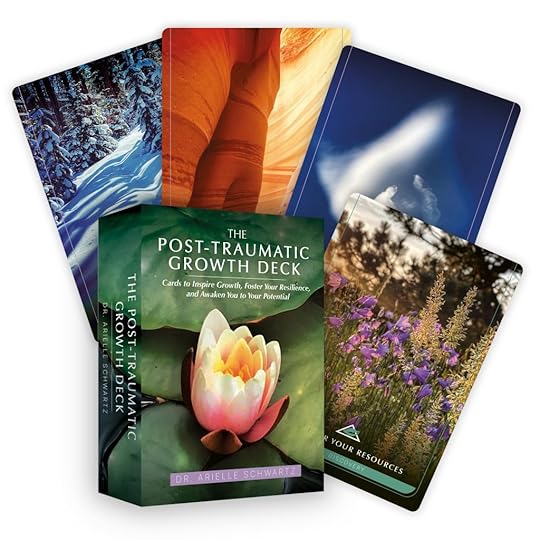
Within the Post-Traumatic Growth Deck, Dr. Arielle Schwartz integrates her love of photography with her passion for healing through 54 images paired with guidance to illuminate the path to trauma recovery, foster resilience, and encourage post-traumatic growth. These cards offer gentle guidance and inspirational images with opportunities for self-reflection, accompanied by practices that will support you on your healing journey.
Your history does not need to define your future. These cards will expand your lens to focus on possibilities instead of just your problems, allowing you to become the alchemist who is capable of turning the lead of traumatic events into the gold of self-awareness. You are invited to move through and beyond the pain of your past as you identify the resources you need to cultivate purpose and meaning.
The Big Picture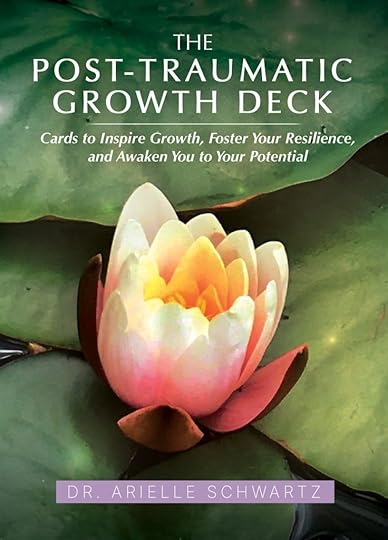
This deck follows the arc of a Hero or Heroine’s journey in which we feel thrown into a dark night of the soul by loss or trauma. The process of trauma recovery invites you to journey inward on a quest for your Self. Trauma recovery occurs in three phases. Likewise, this deck is organized into three sections. You can think of this as the map of your healing journey:
Cards 1-18: Self-Discovery — Planting the Seeds of Potential
The first section focuses on building your coping resources to help you handle challenging emotions, disturbing symptoms, and distressing memories. The goal is to establish a sense of safety and stability within you. You can think of this as a process of planting the seeds for your growth.
Cards 19-36: Transformation — Cultivating the Fertile Ground of Resilience
Just like in a garden, the new sprouts of your growth require careful tending. The second section guides you to develop self-acceptance and self-compassion, which will assist you as you enter into your hero or heroine’s journey. You can learn to courageously turn toward your pain at a pace that feels supportive for your growth. As you release the pain of the past, you cultivate the fertile ground of resilience.
Cards 37-54: Awakening — Blooming Into Post-Traumatic Growth
In the third stage of trauma recovery, you recognize that you are stronger than you realized. You have entered the phase of post-traumatic growth. You understand that you are here to create a meaningful life in alignment with your values and strengths. It is time to discover who you really are and were always meant to be. Integrating the wounds that once may have been a source of shame or confusion allows you to reclaim a sense of dignity. You are now able to walk in the world with the knowledge that you are so much more than your trauma or pain.
Purchase on Resilience Informed Therapy Purchase on Amazon How to Use this Deck
There are several ways to use this deck. You may want to work with the cards in order by starting with card number 1 and moving through the deck sequentially. However, the healing path is circuitous; therefore, you might prefer to explore these cards in a more spontaneous manner. Spread the card deck out in front of you in an arc and see if there is a title or image that you are drawn to. If you like, lay out the cards face down and pick one intuitively. Allow your inner knowing to lead the way. Trust that you will be guided to find a theme that will provide you with the support you need. Once you have chosen your card, pause and notice how you feel as you look at the image. Observe your response to the title. Then, read the description in this guidebook.
You might choose to journal about your relationship to this theme. I suggest placing your card somewhere special such as on an altar or in your journal as an anchor for your transformational journey. The length of time you spend with each card is up to you as you might stay with any given theme for a day, a week, or for many months.
Over time, I hope these cards will become companions that help to build your resilience and encourage you to bloom into your full potential.
For therapists: You can use this card deck with individual clients to support trauma treatment. Invite them to choose a card that reflects their current experience and explore what it means for them. Within group therapy, you can facilitate a healing community by inviting members to choose a card that resonates with their current experience and share with the group what it means for them.
Box Opening ShareAs the hero or heroine of your own story, you are here not simply to survive but to become the creator of your life. It is time to discover who you really are and were always meant to be.
Purchase on Resilience Informed TherapyPurchase on AmazonAbout Dr. Arielle Schwartz
Arielle Schwartz, PhD, is a psychologist, internationally sought-out teacher, yoga instructor, and leading voice in the healing of PTSD and complex trauma. She is the author of seven books, including The Complex PTSD Workbook, EMDR Therapy and Somatic Psychology, and The Post Traumatic Growth Guidebook.
Dr. Schwartz is an accomplished teacher who guides therapists in the application of EMDR, somatic psychology, parts work therapy, and mindfulness-based interventions for the treatment of trauma and complex PTSD. She guides you through a personal journey of healing in her Sounds True audio program, Trauma Recovery.
She has a depth of understanding, passion, kindness, compassion, joy, and a succinct way of speaking about very complex topics. She is the founder of the Center for Resilience Informed Therapy in Boulder, Colorado where she maintains a private practice providing psychotherapy, supervision, and consultation. Dr. Schwartz believes that that the journey of trauma recovery is an awakening of the spiritual heart.
Support for your Healing JourneyLooking for resources to support your healing journey? If the embodied self-compassion practices resonated with you, subscribe to my vagus nerve yoga classes on my YouTube Channel and learn more about this approach to healing in my books.
The post The Post-Traumatic Growth Deck | Dr. Arielle Schwartz appeared first on Arielle Schwartz, PhD.
May 27, 2024
Embodied Self-Compassion

One of the most common barriers to healing that I see as a psychologist and trauma specialist is when we experience feelings of despair and hopelessness. Sometimes it may feel as if nothing you do is going to make a difference. In these moments, it is important to learn how to turn toward these difficult feelings without over-identifying with them. Embodied self-compassion becomes an essential tool that helps you to do so.
Self-compassion is an act of friendliness toward yourself in which you practice extending kindness toward yourself through your words and actions. Regrettably, with a history of trauma, it is often difficult to turn toward yourself in a loving manner. Sometimes, the invitation to bring in self-compassion leads to an increase in self-criticism along with distressing emotions or an increase in physical tension. We might feel caught in a downward spiral of distress.
If you find it difficult to accept yourself, this post focuses on simple practices that you can incorporate in your daily life to help you lovingly accept yourself. Moreover, compassion practices also invite you to challenge and dispute self-disparaging beliefs such as when you tell yourself you are unworthy or unlovable. Embodied Self-Compassion invites you to turn toward your body in a loving manner while enhancing a felt sense of ease in the present moment.
The Science of Safety
You can learn to attend to your symptoms without reliving or over-focusing on your pain. Rather than focusing on the stories of your past, you begin to notice physiological effects that traumatic stress has had on our body and mind through the applied the science of polyvagal theory, also known as “the science of safety.”
Polyvagal theory recognizes that your vagus nerve is a key to mind-body health. The vagus nerve is considered to be a superhighway of communication between your brain and your body. The word “vagus” is Latin for wandering. This is an appropriate descriptor because this key nerve in your body connects your brain to your stomach, intestines, heart, lungs, throat, ears, and facial muscles. By applying polyvagal theory to trauma treatment, you can rebalance your nervous system and, as a result, the mental and emotional repercussions of trauma become more manageable.
Polyvagal theory recognizes that we as humans are equipped with the same survival strategies seen in animals. When we feel safe, we are more likely to seek connection with each other through the ventral vagal circuit. We are able to feel compassion, comfort others, and behave generously. We are also more likely to feel lovingly connected to ourselves. However, when we are in danger, we progress through a predictable set of responses. This is referred to as the tiered response to threat. Initially, we might attempt to resolve a threat by establishing social connection. We call out to others or reach out our hands for help. If we are unable to restore a sense of safety and connection, we then rely upon our sympathetic nervous system in order to flee from or fight off the source of threat. If this is unsuccessful, we regress into the dorsal vagal circuit which immobilizes us into a feigned death response. In this state, we feel helpless, powerless, or collapsed.
Polyagal theory provides a compassionate way of understanding your own threat responses by recognizing that your nervous system is working hard to ensure your survival. If you relate to the tiered response to threat, you are not alone.
Sometimes we might get stuck in a defensive state for many years. For example, you might remain in a constant state of alertness or in a flight response in which you are looking for a way to get away from any potential source of threat. Perhaps you remain more in a fight response in which you find it difficult to let down your guard. Others of us might feel more withdrawn or collapsed which can lead to persistent feelings of isolation, helplessness, or despair. Over time, we might simply think that these nervous system states are who we are.
Importantly, there is a way to unwind from these defensive reactions. Embodied Self-Compassion is one path to releasing the pain and letting down your guard so that you can receive your birthright of softness, easefulness, and inner joy.
Navigating Barriers to Trauma Recovery
One of the biggest challenges that can arise during trauma recovery is that we might avoid engaging in the very things that would help us to heal. If you find it difficult to make the time for yourself, you are not alone. This too is one of the symptoms of post-traumatic stress. Common barriers to self-care include:
You resist self-care: Like many of us, you may have internalized messages that making time for yourself was selfish or greedy. As a result, you might feel ashamed of your needs when they arise or unworthy of taking time for yourself. To navigate this barrier, it is important to reclaim a new narrative about your self-worth. Taking time for yourself is necessary for your wellbeing. Self-care is not selfish, it is essential. You fear becoming overwhelmed: You might feel frightened that if you slow down or take the time to connect to your body that you will feel overwhelmed by your emotions. While it is true that our bodies carry our wounds, healing does not require that you consistently confront your pain. Instead, healing invites you to recognize that you can be in charge of where you focus your attention. You feel isolated in your healing journey: With a history of trauma, you might feel burdened by beliefs that you do not belong or that you are unlovable. These beliefs can lead you to further isolate yourself from others. We all need to feel connected to others. Positive and caring social connections help us heal. To navigate this barrier, you might seek out meet-up organizations or therapeutic groups focused on healing and creating safe spaces for connection. You have a pervasive feeling of powerlessness: Have you experienced times in your life where no matter what you did, you couldn’t change your circumstances? Maybe you couldn’t stop parents from drinking, hurting each other, or hurting you. Or, perhaps you have been discriminated against and unprotected by your community or country. In these cases, it is common to feel voiceless and powerless. As a result, you might believe that no matter how hard you work, your efforts will never make a difference in the outcome of your day, week, or life. The key to change is recognizing that now can be different from then. There are always small changes that you can make that will make a difference in the outcome of this hour, your day, and your week. Each small action you take to build your resilience accumulates and ultimately helps you feel empowered to create a meaningful and fulfilling life.Cultivate a Loving Relationship with Yourself
When you have a history of trauma, it is common to internalize critical or disparaging messages toward yourself which can develop into negative beliefs about yourself. For example, you might believe that you are unworthy, unlovable, weak, or broken. These negative beliefs interfere with your ability to know that you deserve to be loved, supported, and treated with respect. Reclaiming a loving internal voice invites you to notice unhelpful narratives and revise the ways that you speak to yourself.
This loving voice is a foundation for self-compassion. Engaging in loving kindness and compassion based practices is associated with an increase in the healthy tone of your vagus nerve and greater positive emotions along with reductions in symptoms of PTSD, depression, and anxiety (Phillips & Hine, 2021).
Do any of these negative beliefs arise for you?
I am not enoughI am unworthyI am unlovableI am brokenI am helpless and powerless to change my circumstancesI have to be perfect in order to be lovedI invite you to identify reparative, positive beliefs that can generate greater kindness toward yourself.
I am good enough just as I amI am worthy and deserving of…(love, kindness, respect, etc.)I am lovableI am wholeI have choices now that can support me to create a healthy and meaningful lifeI can love and accept myself just as I amSlow and Steady
In the classic fable, the Tortoise and the Hare, these two characters are in a race. The hare runs so fast he exhausts himself; whereas, the tortoise who moves slow and steady wins the race. If you are constantly running, unable to stop and rest, you will end of wearing yourself down. In contrast, if as a tortoise you were stuck in your shell you might now know how to get yourself moving again. Healing from trauma requires that you find a way to engage in life in a manner that is sustainable and nourishing to your body and mind.
A slow and steady approach invites you to connect to your body at a pace that you supports your growth. Initially it might feel frightening to sense your body, especially if you have felt shut down. Disconnecting from your body or dissociating from your feelings may have been an important way of protecting yourself from intolerable emotions such as fear, sadness, or shame. If you push yourself too quickly you might inadvertently trigger an impulse to shut-down again—like a rubber band that has been stretched, you snap back into contraction and self-protection.
Embodied Self-Compassion
It is powerful to practice self-compassion as a body-centered practice. You can do so by placing your hands over your head, throat, chest, or belly. In general, touch has been shown to reduce stress hormones, heart rate, and blood pressure while increasing the feel-good neurochemicals of oxytocin, gamma-aminobutyric acid (GABA), and serotonin (Truitt, 2022). These hormones and neurotransmitters are associated with enhanced tone of the vagus nerve and inhibition of the sympathetic nervous system. They are also the same chemicals that are released when babies feel safe and loved by their caregivers.
I invite you to try strengthening positive and affirming beliefs about yourself while engaging in an embodied self-compassion exercise. These practices are simple, yet powerful body-centered ways to anchor a felt sense of connection to yourself while repeating statements that strengthen self-acceptance, loving kindness, and self-compassion. You can choose to do some or all of these practices and adapt them as needed so that they feel comfortable for you. These practices are a lovely way to offer toward yourself first thing in the morning as a daily practice. You might begin exploring these practices in moments of ease and calm and they can also be beneficial to return to during moments of emotional distress. Over time, you might discover that you are automatically drawn the self-applied touch and accompanying statements of self-acceptance. With repeated practice, embodied self-compassion simply becomes a part of your everyday life.
Practice 1: Place your hands around your cheeks as you allow your face to rest in your palms. While holding your head in your hands, quietly say to yourself, “Even though I sometimes have negative or self-critical thoughts, I am willing to generate loving and kind thoughts toward myself.” Repeat these words two more times while resting your head in your hands.Practice 2: Place your hands gently along the sides of your neck so that the heels of your palms come together in front of your chin. With your hands lightly placed over your throat, quietly say to yourself, “Even though I feel hurt, I can acknowledge these feelings while being gentle with myself.” Repeat these words two more times while gently supporting your neck and throat with your hands.Practice 3: Place your hands over your heart in the center of your chest. With your hands over your heart, quietly say to yourself, “Even though I sometimes feel unworthy or unlovable, I recognize that all people including myself deserve compassion, love, and support.” Repeat these words two more times while holding your heart.As you come to completion with these practices, what are you aware of now?
Support for your Healing JourneyLooking for resources to support your healing journey? If the embodied self-compassion practices resonated with you, subscribe to my vagus nerve yoga classes on my YouTube Channel and learn more about this approach to healing in my books.
About Dr. Arielle Schwartz Photo Credit: Jes Kimak
Arielle Schwartz, PhD, is a psychologist, internationally sought-out teacher, yoga instructor, and leading voice in the healing of PTSD and complex trauma. She is the author of seven books, including The Complex PTSD Workbook, EMDR Therapy and Somatic Psychology, and The Post Traumatic Growth Guidebook.
Dr. Schwartz is an accomplished teacher who guides therapists in the application of EMDR, somatic psychology, parts work therapy, and mindfulness-based interventions for the treatment of trauma and complex PTSD. She guides you through a personal journey of healing in her Sounds True audio program, Trauma Recovery.
She has a depth of understanding, passion, kindness, compassion, joy, and a succinct way of speaking about very complex topics. She is the founder of the Center for Resilience Informed Therapy in Boulder, Colorado where she maintains a private practice providing psychotherapy, supervision, and consultation. Dr. Schwartz believes that that the journey of trauma recovery is an awakening of the spiritual heart.
The post Embodied Self-Compassion appeared first on Arielle Schwartz, PhD.
May 3, 2024
Beyond Trauma Retreat: A Guided Journey of Resilience, Hope and Growth
Trauma affects the best of us, and its effects can linger, limiting your ability to live with joy and abundance. Whether it occurred during a single event or repeated trauma, recently or in childhood, it can have lifelong effects: anxiety, depression, chronic health issues, flashbacks, a disconnection from the body, trust and intimacy challenges, or feeling worthless and broken.
Yet, as impossible as it may seem, you can return to wholeness.
Beyond Trauma is a weekend-long retreat designed to support your wellbeing and growth after trauma.
Let’s Engage the Journey of Resilience, Hope and Growth Together
I am offering an in-person training, “Beyond Trauma: A Guided Journey of Resilience, Hope and Growth“ at the Art of Living Retreat Center in Boone, NC. The retreat, which will run September 20-22nd, 2024, is based upon my award-winning book The Post-Traumatic Growth Guidebook.
This event has been designed to be available to everyone; it is an all-levels event, open to anyone including those who’ve never done yoga. Any movements offered can also be done seated in a chair. Comfortable clothing is recommended for ease of movement and simply to be as comfortable as possible during training.
In this heart-opening and experiential setting, you’ll:
Discover how my 6 R’s can help you move past trauma by rewiring your nervous systemLearn the 5 types of resilience — and how to develop your own method for discovering what’s best for youDiscover how to access your deep well of spiritual resilience through awareness of your authentic nature Explore the vagus nerve and why it’s called the body’s superhighway to healthBe given simple tools for regulating your nervous system to give you greater control over how you respondBe guided through your Hero/Hereoine’s journey with experiential, body-centered tools to foster post-traumatic growthConnect with a like-minded communityBeyond TraumaYou’ll discover that accessing your intrinsic wisdom with practical tools can help you feel more connected to yourself and others — and view these traumatic times as a portal leading to unparalleled growth and empowerment.
Join me to discover how you can heal past trauma, be happier and healthier, and live with more purpose and meaning. At the retreat, you’ll be invited to participate in therapeutic journaling and yoga, guided meditations, conscious breathing, and group discussion. As you work through these tools, you may find that you can then help others to free themselves as well.
In this free video, I give you an introduction to the offering, giving you a felt experience for what I teach and how I approach this work. I hope you will consider joining us in Boone, NC, September 20-22, 2024, for this transformative event.
Learn MoreI hope that you will join me.
About Dr. Arielle SchwartzPhoto Credit: Jes KimakArielle Schwartz, PhD, is a psychologist, internationally sought-out teacher, yoga instructor, and leading voice in the healing of PTSD and complex trauma. She is the author of five books, including The Complex PTSD Workbook, EMDR Therapy and Somatic Psychology, and The Post Traumatic Growth Guidebook.
Dr. Schwartz is an accomplished teacher who guides therapists in the application of EMDR, somatic psychology, parts work therapy, and mindfulness-based interventions for the treatment of trauma and complex PTSD. She guides you through a personal journey of healing in her Sounds True audio program, Trauma Recovery.
She has a depth of understanding, passion, kindness, compassion, joy, and a succinct way of speaking about very complex topics. She is the founder of the Center for Resilience Informed Therapy in Boulder, Colorado where she maintains a private practice providing psychotherapy, supervision, and consultation. Dr. Schwartz believes that that the journey of trauma recovery is an awakening of the spiritual heart.
The Complex PTSD Workbook: A Mind-Body Approach to Regaining Emotional Control and Becoming Whole (Althea press, 2016)EMDR Therapy and Somatic Psychology: Interventions to Enhance Embodiment in Trauma Treatment (Norton, 2018). The Post-Traumatic Growth Guidebook: Practical Mind-Body Tools to Heal Trauma, Foster Resilience, and Awaken your Potential (Pesi Publications, 2020) A Practical Guide to Complex PTSD: Compassionate Strategies for Childhood Trauma (Rockridge Press, 2020)The Complex PTSD Treatment Manual: An Integrative Mind-Body Approach to Trauma Recovery (Pesi Publications, 2021) Trauma Recovery: A Mind-Body Approach to Becoming Whole (Sounds True, 2021) Therapeutic Yoga for Trauma: Applying the Principles of Polyvagal Theory for Self-Discovery, Embodied Healing, and Meaningful Change (Pesi Publications, 2022)February 21, 2024
For Now We are Free | Dr. Arielle Schwartz

In this post, I share with you a poem called “For Now We are Free” that I wrote after the Polyvagal Institute gathering in the fall of 2022. (Learn more about the Polyvagal Institute and sign up to join me at the 2024 Gathering)
Polyvagal theory teaches us that our own personal journey of healing and embodiment is intricately connected to other people and the world around us. I invite you to sit back and receive these words.
I offer this poem from my heart and as in invitation to a sense of freedom, I hold it as a beacon of hope that this freedom is possible…not just for some of us, but for all of us. I invite you to allow these words to carry you like a poetic soul bath.
No Man is an Island
Polyvagal theory offers that the health of each individual is connected to our relational, social and cultural exchanges in the world. Your nervous system is an open circuit that dynamically receives and responds to the world around you. We are all wired to receive cues of threat as well as cues of safety.
Moreover, we each exist within fields of relationships–relationships to the earth, each other, as well as the global climate we share. These field are sometimes sources of regulation through experiences of relational safety or they are sources of dysregulation especially when we have experienced betrayal, maltreatment, abuse, or neglect.
In other words, we can draw upon the wise words of 17th century theologian and poet, John Donne, who stated “no man is an island” (Donne, 1987).
For Now We are FreeThis poem brings is inspired by the quote by Fannie Mae Townsend Hamer who said, “Nobody is free until we are all free.”
For Now We are Free by Dr. Arielle SchwartzFor Now We are Free by Arielle Schwartz There is a pattern hidden in the tapestries of our biology that carries within it a map to our freedom. Like blueprints, there is a pathway to be discovered in the cellular matrix and connective tissues of heart and lungs, belly and brain. Deep in the very fibers of these precious bodies we inhabit we discover portals to personal and collective liberation. But this is not where our story begins. No, we must return to a time when we are confined by the binding forces of separation, loss, and heartache. Perhaps a time when you too have felt imprisoned by pain, constrained by your mind, or disoriented by the distress of this broken world. To a time when you too were locked in this room with no key, no way to escape, To a time when you too had no choice but to surrender. Head bowed close to earth, we are called to descend; descend into darkness,cocooned withinYou settle into the marrow that carries your existence pulsing through your veins.Nothing to do,but to be. It is here that something new begins to appear; slowly your eyes adjust.You begin to sense space and time; slowly your ears fine tune themselves to the subtle tones of songs sung in hushed tones passed down through generations. And the patterns begin to reveal themselves.They arise waiting to be discovered, as if for the very first time. You find them in this stillness, like constellations of light that stand out against the vastness of a blackened sky. Like a North Star, a compass in the night. Perhaps you too have sensed how these moments resonate; in the pit of your belly, the catch of your throat, the ringing in your ears, the ache in your head, and the cry called out from the depths of your very own heart. As if for the very first time, you too are longing to be heard. Your very own voice, your clarion call has been heardby this benevolent universe that we share, Love has heard the call.Love has come to guide your wayand you stand, uncertain at this new edge of life.Oh, but this love is so new, so unfamiliar. You turn away in fear. Once and again,but it is time to let go of what is known for what is yet to be revealed. And love, she is patient and persists in her quiet manner. You sense her as the light shifts across the window sill sending a play of shimmers and shadows across this place you have learned to call home. She returns as birdsong and honeybee, in the distant ocean roar, And the howl of the wolf under a NOW full moon.Suddenly, without realizing it, you too have stepped across the threshold onto the soft green moss, where the ferns unfurl their ancient wisdom inviting you to join them in their dance toward the sun. It is here that you discover the fibers of connection resonating in your hips as you lay your belly down on the moist earth to embody the primordial movements of salamander and snake. It is here that you learn to crawl and walkas if for the very first time.For these evolutionary blueprints guide you as they have done for countless other brave souls, over thousands of years. Indeed, they are here to guide a path to personal and collective liberationas we rise up like the tree,our roots firmly ensconced in the moist, dark earth. It is here that you look around as if for the very first time.You, too, have discovered that you are not alone, You find soft smiles, bodies rocking,drums beating, dancing storytellers spinning webs like mapswoven into ritual and song Yes, you have arrived.you are standing on this path,A trail traversed by countless wisdom seekers who have come before you, they have left you their guideposts and lanterns to illuminate your wayout of the dark woods. To the clearingWhere WE arrive.We join each other,hand in hand, heart to heart,eye to eye,for now we are free.About Dr. Arielle SchwartzPhoto Credit: Jes KimakArielle Schwartz, PhD, is a psychologist, internationally sought-out teacher, yoga instructor, and leading voice in the healing of PTSD and complex trauma. She is the author of five books, including The Complex PTSD Workbook, EMDR Therapy and Somatic Psychology, and The Post Traumatic Growth Guidebook.
Dr. Schwartz is an accomplished teacher who guides therapists in the application of EMDR, somatic psychology, parts work therapy, and mindfulness-based interventions for the treatment of trauma and complex PTSD. She guides you through a personal journey of healing in her Sounds True audio program, Trauma Recovery.
She has a depth of understanding, passion, kindness, compassion, joy, and a succinct way of speaking about very complex topics. She is the founder of the Center for Resilience Informed Therapy in Boulder, Colorado where she maintains a private practice providing psychotherapy, supervision, and consultation. Dr. Schwartz believes that that the journey of trauma recovery is an awakening of the spiritual heart.
The Complex PTSD Workbook: A Mind-Body Approach to Regaining Emotional Control and Becoming Whole (Althea press, 2016)EMDR Therapy and Somatic Psychology: Interventions to Enhance Embodiment in Trauma Treatment (Norton, 2018). The Post-Traumatic Growth Guidebook: Practical Mind-Body Tools to Heal Trauma, Foster Resilience, and Awaken your Potential (Pesi Publications, 2020) A Practical Guide to Complex PTSD: Compassionate Strategies for Childhood Trauma (Rockridge Press, 2020)The Complex PTSD Treatment Manual: An Integrative Mind-Body Approach to Trauma Recovery (Pesi Publications, 2021) Trauma Recovery: A Mind-Body Approach to Becoming Whole (Sounds True, 2021) Therapeutic Yoga for Trauma: Applying the Principles of Polyvagal Theory for Self-Discovery, Embodied Healing, and Meaningful Change (Pesi Publications, 2022)Applied Polyvagal Theory in Yoga: Therapeutic Practices for Emotional Health (Norton, 2024)The post For Now We are Free | Dr. Arielle Schwartz appeared first on Arielle Schwartz, PhD.
January 21, 2024
The Applied Polyvagal Theory in Yoga Book | Dr. Arielle Schwartz
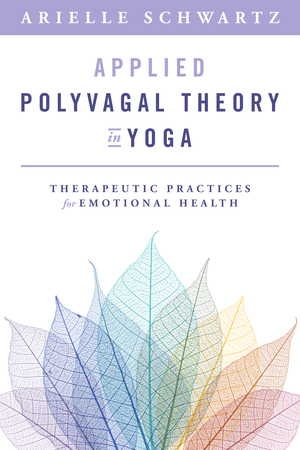
As subscribers to my work, you have an opportunity to receive 20% off and Free Shipping through Norton Publishers. You can navigate there and use the code APVTNEWS at checkout or simply use this link (the coupon has already been applied):
Pre-Order Now from NortonTreat Trauma HolisticallyUnresolved trauma is one of the leading causes of other-presenting mental and physical health concerns, including increased likelihood for anxiety, depression, eating disorders, substance abuse, or suicidality. Applied Polyvagal Theory in Yoga allows us to compassionately understand and address the imbalances within the autonomic nervous symptom that form the basis of most mood, anxiety, or traumatic stress-related disorders. Recovery from trauma requires interventions that restore our nervous system to be more flexible and resilient. A resilient nervous system is better equipped to handle the inevitable stressors of life.
The Applied Polyvagal Theory in Yoga book focuses on the intersection of polyvagal theory, yoga, and psychotherapy by weaving together the wisdom tradition of yoga with neuroscience, attachment theory, somatic psychology, and traumatology. The application of polyvagal theory allows practitioners to compassionately support growth by enhancing the health of the autonomic nervous system, while therapeutic yoga allows one to attend to the interrelationships between mind, emotions, physiology, and behavior.
Applied polyvagal theory in yoga provides conscious breathing, vagal toning, mindful movement, and meditation practices that aid in rewiring the nervous system. Readers will discover how to help both clients and themselves cultivate a felt sense of ease during times of safety; enhance their capacity to handle challenges with equanimity; and reclaim their ability to recover from stress swiftly and efficiently.
Hope in the Midst of Despair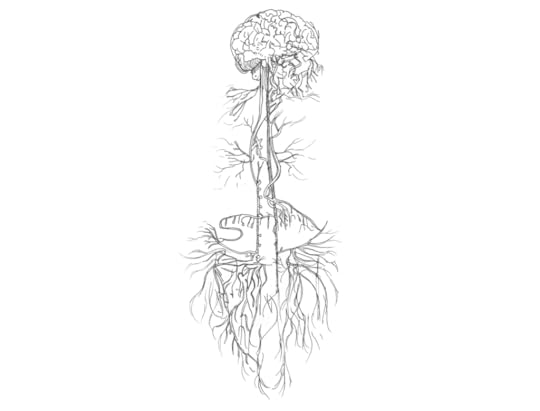
I began writing this book as our world was navigating the COVID-19 pandemic. Throughout this time, our frontline health care workers and mental health providers faced unprecedented stress and burnout. Here in my Boulder, Colorado community, the Marshall wildfire destroyed nearly 1,000 homes in the course of a single day. Meanwhile, the war in Ukraine raged onward as an earthquake in Turkey and Syria accounted for over 46,000 deaths and uprooted the lives of countless others. Since completing the book, profound aggression continues to devastate those in Israel, the Gaza Strip, and throughout the middle east. Collective feelings of helplessness and anger exacerbated by polarized political situations throughout the world continue to leave those in disenfranchised groups with the least access to mental and physical health care.
As a result of shelter in place mandates back in 2020, many of us became increasingly isolated. Ultimately, this led to an epidemic of loneliness. Nonetheless, we persisted. So many of our community connections needed to occur virtually. Just as the world seemed to be careening toward an existential crisis of despair, we tune in and listen; we express care for each other’s well-being across a distance.
The need for a spiritual sense of meaning and connection has been paramount during this time. Amidst the profound loss, many of us discovered positive changes that served as a reminder that distress can coexist with well-being. As yoga studios shut down in March of 2020, I, too, moved my classes onto an online platform (You can learn more and sign up for a class here). After over 25 years of teaching students in person, I learned to adapt to this new technological interface. My trauma-informed yoga class, which had previously only been available to those in my local community, became and remains an international group of devoted yoga students.
In the fall of 2020 I taught the first Applied Polyvagal Theory in Yoga course which became the inspiration for this book. Since that time, I have had the opportunity to guide thousands of students within international communities—and the ripple effect of this work continues. As written in the dedication:
What is Applied Polyvagal Theory in Yoga?“To all who know suffering and seek to alleviate the collective burdens we carry: The deep calm within me bows and recognizes the deep calm within you.”
Dr. Arielle Schwartz
About Dr. Arielle SchwartzThe purpose of this book is to provide psychotherapists, yoga therapists, and yoga teachers with simple yogic interventions that can be offered to clients or students to facilitate greater mind–body wellness through the applied science of Polyvagal Theory. The book focuses on the intersection of Polyvagal Theory, yoga, and psychotherapy. Another way of looking at this is that we are honing in on where science, soma, and soul meet.
The vagus nerve is best understood to be a conduit of connections between the brainstem, eyes, ears, throat, heart, and viscera (gut). In times of safety, the vagus nerve along with the parasympathetic nervous system initiates a relaxation response. In this case, the vagal brake inhibits the mobilization of the sympathetic nervous system that reduces cortisol, lowers heart rate, slows down the breath, and enhances digestion. However, when in danger, the vagus nerve and PNS can initiate a rapid reduction of the heart rate, or faint response which can lead you to feel collapsed, fatigued, or shut down.
Applied Polyvagal Theory in Yoga aims to demystify traditional practices by highlighting the physiological mechanisms of change. The integrative model presented within the pages of this book weaves together the wisdom tradition of yoga with modern perspectives drawn from neuroscience, attachment theory, somatic psychology, and traumatology. Yogic breath, movement, and awareness practices can be seamlessly integrated into psychotherapy sessions to enhance the efficacy of other interventions. Moreover, we encourage clients and students to utilize these regulating strategies outside of sessions or classes. Through repetition, the neural pathways associated with social engagement, safe mobilization into play, and safe immobilization into rest become more accessible.
The practice of yoga guides us to practice letting go of the urge to ruminate on the past or worry about the future by returning our attention and curiosity to the present-moment experience. The rhythmic predictability of the breath and sensory anchors of the felt sense help us develop greater tolerance for the unknown. Each time we move into the here and now we have choice to move out of the automaticity of threat-based reactivity. We can pause, reflect, and perhaps discover a quality of spaciousness or peacefulness. Herein, we access a felt sense of “coming home” or an implicit knowing of our own wholeness. This is the gift of yoga.
From Illness to WellnessNo matter how traumatized we are, we still carry within us an intrinsic capacity to feel joy, warmth, gratitude, appreciation, and love. Strengthening our access to these positive emotions is as equally important as attending to our pain when it comes to trauma recovery. A holistic approach to trauma treatment not only allows us to focus on the elimination of our clients’ distress but also invites us to recognize their inherent wholeness. A shift from an “Illness” model of care to a “Wellness” model mirrors a transition from “I” to “We” in which we attend to the union that exists not only within us as individuals but also between us and others.
This book is not only written as a set of interventions that we might offer to a client or student, but also discusses how all of us must focus on attending to our own nervous systems, bodies, and minds. Thus, rather than speaking about “them,” I offer this body of work as a set of tools for all of “us.” In truth, the only person you can change is yourself and when you are residing in a place of connection to your deepest, wisest, most compassionate Self, you are better able to offer your presence to others. The role of psychotherapist or yoga teacher is not about fixing the other; rather, healing arises as a result of feeling safe enough within trustworthy relationships, whether the connection that arises is with yourself or another. All change begins with cultivating a connection to yourself.
I hope that you will join me as part of our global community in reading this book.
As subscribers to my work, you have an opportunity to receive 20% off and Free Shipping through Norton Publishers. You can navigate there and use the code APVTNEWS at checkout or simply use this link (the coupon has already been applied):
Pre-Order Now from NortonImages by Sabrina Husain Bajakian
Advanced Praise for Applied Polyvagal Theory in Yoga“This well-researched book not only cites the most current applicable studies related to brain science and yoga as they impact mental health, but also provides a steady and thorough summary of yoga’s ancient wisdom as it applies to Polyvagal Theory and psychotherapy…Applied Polyvagal Theory in Yoga has become a valued and validating reference as I offer LifeForce Yoga practices to the yoga and mental health professionals I serve. No matter the healing modality in which you work, I fully endorse the many gifts this book has to offer you and your clients.”
— Amy Weintraub, founder of LifeForce Yoga, and author of Yoga Skills for Therapists,
Yoga for Depression, and the Yoga for Your Mood Deck (from Amy’s foreword to the book)
“This book is a must-read for anyone seeking to deepen their knowledge of the power of somatic approaches to trauma healing. Drawing on the wisdom of yoga and the science of Polyvagal Theory, Dr. Arielle Schwartz offers practical tools and strategies to help clinicians guide their clients to release stress, rewire their nervous system, and find a sense of peace. This book will help you support yourself and others through the journey of trauma healing and recovery.”
? Scott Lyons, PhD, holistic psychologist, mind–body medicine specialist, founder of The Embody Lab, and author of Addicted to Drama
“In this beautifully articulated book, Arielle Schwartz leads the way into a deep and wide exploration of body wisdom. Her brilliance lies in her capacity to curate a path of consilience across three major disciplines: science, soma, and soul. Each chapter offers polyvagal-informed yoga practices that enable readers to bring her model to life.”
? Jan Winhall, Polyvagal Institute, author of Treating Trauma and Addiction with the Felt Sense Polyvagal Model
“Trauma is a complex, multi-layered topic with a lot of interconnected pieces. It therefore makes sense that healing requires an integrative and multidisciplinary approach. Dr. Arielle Schwartz provides this?which is no easy thing. But, her real genius is presenting these ideas in a practical, actionable, and easy-to-follow way that gets results. A highly recommended read, and an important contribution to our field.”
? Alex Howard, author of It’s Not Your Fault and creator of Therapeutic Coaching
 Photo Credit: Jes Kimak
Arielle Schwartz, PhD, is a psychologist, internationally sought-out teacher, yoga instructor, and leading voice in the healing of PTSD and complex trauma. She is the author of five books, including The Complex PTSD Workbook, EMDR Therapy and Somatic Psychology, and The Post Traumatic Growth Guidebook.
Dr. Schwartz is an accomplished teacher who guides therapists in the application of EMDR, somatic psychology, parts work therapy, and mindfulness-based interventions for the treatment of trauma and complex PTSD. She guides you through a personal journey of healing in her Sounds True audio program, Trauma Recovery.
She has a depth of understanding, passion, kindness, compassion, joy, and a succinct way of speaking about very complex topics. She is the founder of the Center for Resilience Informed Therapy in Boulder, Colorado where she maintains a private practice providing psychotherapy, supervision, and consultation. Dr. Schwartz believes that that the journey of trauma recovery is an awakening of the spiritual heart.
The Complex PTSD Workbook: A Mind-Body Approach to Regaining Emotional Control and Becoming Whole (Althea press, 2016)EMDR Therapy and Somatic Psychology: Interventions to Enhance Embodiment in Trauma Treatment (Norton, 2018). The Post-Traumatic Growth Guidebook: Practical Mind-Body Tools to Heal Trauma, Foster Resilience, and Awaken your Potential (Pesi Publications, 2020) A Practical Guide to Complex PTSD: Compassionate Strategies for Childhood Trauma (Rockridge Press, 2020)The Complex PTSD Treatment Manual: An Integrative Mind-Body Approach to Trauma Recovery (Pesi Publications, 2021) Trauma Recovery: A Mind-Body Approach to Becoming Whole (Sounds True, 2021) Therapeutic Yoga for Trauma: Applying the Principles of Polyvagal Theory for Self-Discovery, Embodied Healing, and Meaningful Change (Pesi Publications, 2022)The post The Applied Polyvagal Theory in Yoga Book | Dr. Arielle Schwartz appeared first on Arielle Schwartz, PhD.
October 8, 2023
Applied Polyvagal Theory In Therapeutic Yoga
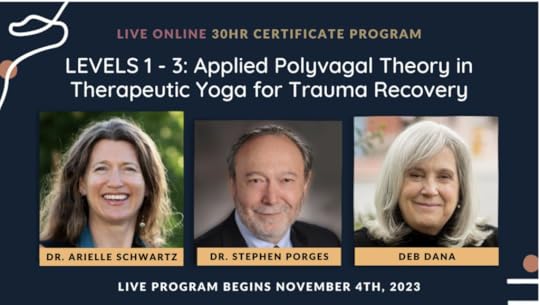
You are invited to step into a journey of empowerment, to learn the power of Applied Polyvagal Theory in Therapeutic Yoga to heal & release trauma and to engage in a quest for wholeness.
Through the lens of Polyvagal Theory, you will learn about how the vagus nerve is a bi-directional information highway between mind and body—more importantly, you will learn breath, movement, and awareness practices that become the building blocks of a life-changing daily practice.
Stress and trauma can lead to imbalances in the physiology of the autonomic nervous system. If these imbalances are left unaddressed, they can lead to mental and physical health problems. Perhaps you are an individual who suffers with anxiety, depression, or the symptoms of post-traumatic stress. Maybe you are a therapist or yoga instructor who works to support the well-being of others. In either case, this course is developed to support you.
Learn More and RegisterAbout the Program
This course is open to anyone (i.e yoga teachers, therapists, parents, teachers, etc.) interested in the application of Polyvagal Theory from a multidisciplinary holistic approach. We will use psychology, meditation and yoga to embody these practices and learn to apply them in our everyday lives.
This 3-part Certificate training, comprised of Level 1, Level 2, and Level 3, will guide you through an experiential journey to support your wellness while connected to our online Embody Lab community.
Each level comprises 10 hours of study. Each 2.5-hour gathering focuses on encouraging your sense of connection in a caring online community, offers teaching about Applied Polyvagal Theory in Therapeutic Yoga, and guides you through an experiential yoga practice.
Level 1: Within the first ten hours of this training you will develop an understanding of the 8-limbs of yoga for trauma recovery. We will explore key elements of polyvagal theory as applied to yoga including how to integrate vagal toning, neuroception of psychological safety, and co-regulation within the practice. Each class offers lecture, practice, and group discussion. Classes are offered on a yoga mat, however accessible modifications and chair yoga alternatives are offered.
Level 2: Dr. Arielle Schwartz deepens your journey of Applied Polyvagal Theory in Therapeutic Yoga with topics that expand into the connection between stress, trauma, and your health. You will learn how trauma can dysregulate the nervous system and discover the tools to facilitate greater access balance and wellbeing. In the ten hours of level two we will apply core principles of body-centered psychotherapies into therapeutic yoga. You will also learn brain and body integration practices including bilateral movements and reflex integration. You will come away with compassion based practices to work through barriers to wellness.
Level 3: Dr. Arielle Schwartz helps you to compassionately explore how dissociation can show up in a yoga practice and discover pendulation strategies to navigate nervous system states. You will learn how to integrate parts work therapies to work with your internal family system through body dialogues on the yoga mat. We will deepen the journey through applied polyvagal theory in therapeutic yoga with restorative practices and a trauma-informed approach to meditation and yoga nidra. This 30 hour course concludes by teaching you tools to personalize the model to create therapeutic yoga practices for yourself, a student or a client including learning a model for a 6-week group class.
Learn More and RegisterProgram Schedule
LEVEL 1: November 4th, 5th, 11th + 12th, 2023
Plus a live bonus session on November 28th, 2023
LEVEL 2: December 2nd, 3rd, 9th + 10th, 2023
LEVEL 3: January 20th, 21st, 27th + 28th, 2024
Plus a live bonus session on January 31st, 2024
This 30-hour Applied Polyvagal Theory in Therapeutic Yoga for Trauma Recovery certificate program will run live on zoom
LEVEL 1:
• November 4th,5th, 11th + 12th, 2023
Each day will consist of 2.5 hours of training from 10:30am – 1pm ET.
• November 28th, 2023: Live Bonus Session with Dr. Arielle Schwartz and Deb Dana from 12:30pm – 2pm ET
LEVEL 2:
• December 2nd, 3rd, 9th + 10th, 2023
Each day will consist of 2.5 hours of training from 10:30am – 1pm ET.
LEVEL 3:
• January 20th, 21st, 27th + 28th, 2024
Each day will consist of 2.5 hours of training from 10:30am – 1pm ET.
• January 31st, 2024: Live Bonus Session with Dr. Arielle Schwartz and Dr. Stephen Porges from 11am – 12:30pm ET
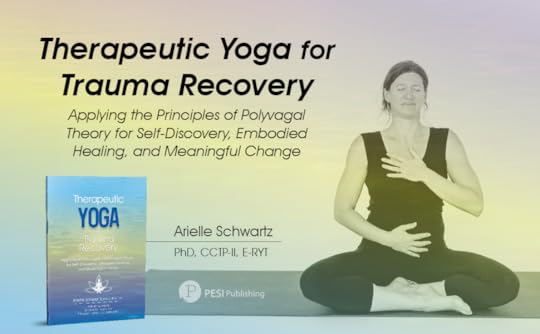
This 30-hour Certification program is based upon Dr. Schwartz’s Vagus Nerve Yoga classes and her books, Therapeutic Yoga for Trauma Recovery (PESI Publishing, 2022), The Therapeutic Yoga Flip Chart (Pesi Publishing, 2023) and forthcoming book, Applied Polyvagal Theory in Yoga (Norton, 2024).
Therapeutic Yoga for Trauma Recovery bridges this path of healing between the psyche and the body by walking you through the sacred practice of yoga so you can release the burdens of trauma from your body and mind.
Grounded within the principles of polyvagal theory, affective neuroscience, and trauma-informed care, this book will help you gain a better understanding of how our brains and bodies respond to stress and trauma and offer a self-led healing journey toward feeling more empowered, grounded, clearheaded, inspired, and at ease.
The Therapeutic Yoga for Trauma Flip Chart bridges a path of healing between the psyche and the body. Grounded within the principles of polyvagal theory, affective neuroscience, and trauma-informed care, this flip chart will help clients:
Understand the impact of traumatic stress on the brain and bodyDeepen awareness of their body’s vagal stateIdentify when their nervous system is stuck in fight, flight, freeze, or faintLet go of defensive reactions connected to difficult memories of the pastApplied Polyavagal Theory in Yoga focuses on the intersection of polyvagal theory, yoga, and psychotherapy by weaving together the wisdom tradition of yoga with neuroscience, attachment theory, somatic psychology, and traumatology. The application of polyvagal theory allows practitioners to compassionately support growth by enhancing the health of the autonomic nervous system, while therapeutic yoga allows one to attend to the interrelationships between mind, emotions, physiology, and behavior.
Applied polyvagal theory in yoga provides conscious breathing, vagal toning, mindful movement, and meditation practices that aid in rewiring the nervous system. Readers will discover how to help both clients and themselves cultivate a felt sense of ease during times of safety; enhance their capacity to handle challenges with equanimity; and reclaim their ability to recover from stress swiftly and efficiently. Applied Polyvagal Theory in Yoga offers practitioners a new and effective way to support clients who are stuck in a trauma response mode.
Learn More and RegisterAbout Dr. Arielle SchwartzPhoto Credit: Jes KimakArielle Schwartz, PhD, is a psychologist, internationally sought-out teacher, yoga instructor, and leading voice in the healing of PTSD and complex trauma. She is the author of five books, including The Complex PTSD Workbook, EMDR Therapy and Somatic Psychology, and The Post Traumatic Growth Guidebook.
Dr. Schwartz is an accomplished teacher who guides therapists in the application of EMDR, somatic psychology, parts work therapy, and mindfulness-based interventions for the treatment of trauma and complex PTSD. She guides you through a personal journey of healing in her Sounds True audio program, Trauma Recovery.
She has a depth of understanding, passion, kindness, compassion, joy, and a succinct way of speaking about very complex topics. She is the founder of the Center for Resilience Informed Therapy in Boulder, Colorado where she maintains a private practice providing psychotherapy, supervision, and consultation. Dr. Schwartz believes that that the journey of trauma recovery is an awakening of the spiritual heart.
The post Applied Polyvagal Theory In Therapeutic Yoga appeared first on Arielle Schwartz, PhD.
July 18, 2023
Beyond Trauma: Join me in South Africa
 Baobab tree in sunrise landscape in Kruger National park, South Africa ; Specie Adansonia digitata family of Malvaceae
April 1-9, 2024 I will be leading a 9-day Beyond Trauma workshop hosted by Nature Connexion is designed to help you move past trauma, liberate yourself from emotional burdens, and transform your life. Join me as we embark upon a nature-based healing journey in the South African wilderness as I guide you on the path toward post-traumatic growth.
Not only will this course demystify trauma and the pain it causes, but it will empower you with the resources to help you move past hopelessness as you reclaim your strength and courage. This program which is based upon my award winning book, The Post-Traumatic Growth Guidebook, includes therapeutic writing, guided meditations, conscious breathing, vagal toning, and gentle therapeutic yoga to rewire your resilience.
Exploring Post-Traumatic Growth Blyde river canyon plant rock and pond water
Trauma affects the best of us, and its effects can linger, limiting your ability to live with joy and abundance. Whether it occurred during a single event or repeated trauma, recently or in childhood, it can have lifelong effects: anxiety, depression, chronic health issues, flashbacks, a disconnection from the body, trust and intimacy challenges, or feeling worthless and broken.
Yet, as impossible as it may seem, you can return to wholeness.
Beyond Trauma is a weekend-long retreat designed to support your wellbeing and growth after trauma.
In this heart-opening and experiential setting, you’ll:
Discover how my 6 R’s can help you move past trauma by rewiring your nervous systemLearn the 5 types of resilience — and how to develop your own method for discovering what’s best for youDiscover how to access your deep well of spiritual resilience through awareness of your authentic nature Explore the vagus nerve and why it’s called the body’s superhighway to healthBe given simple tools for regulating your nervous system to give you greater control over how you respondBe guided through your Hero/Hereoine’s journey with experiential, body-centered tools to foster post-traumatic growthConnect with a like-minded communityYou’ll discover that accessing your intrinsic wisdom with practical tools can help you feel more connected to yourself and others — and view these traumatic times as a portal leading to unparalleled growth and empowerment.
The South African Experience Leopard in Kruger National Park
Limpopo province is a land of beautiful and contrasting landscapes with scenic beauty and a diversity of wildlife. We will explore the Kruger national park which provides home for lion, leopard, rhino, elephant, and buffalo.
You will become a bush explore through authentic safaris escorted by professional field guides on foot and in open 4 x 4 vehicles.
Being away from light pollution will allow you to be awed by the millions of stars flickering above your head…Big Skies and Big Dreams.
You will visit the Blyde River Canyon which is the 3rd largest canyon in the world and visit an elephant orphanage.
This event has been designed to be available to everyone; it is an all-levels event, open to anyone. No specific physical condition is required. The walking terrain is flat and easy and the yoga will be gentle. Any movements offered can also be done seated in a chair. Comfortable clothing is recommended for ease of movement.
Space is limited: This program is limited to 25 attendees to provide a uniquely tailored experience for you.
I hope that you will join me.
Learn more and Reserve My SpotPricing and Details When: April 1-9, 2024
What is Included:
Daily Trauma Healing Workshop with Dr. SchwartzYoga and Meditation SessionsSafari Activities & Bush Walks in Kruger National Park, Blyde River Canyon, and Elephant OrphanageAll mealsAirport TransfersPrice:Early Bird Payment before September 1st, 2023: $4,590
After September 1st, 2023: $4,950
What is not Included:
International and Domestic airfareTravel InsuranceSpa add onsLaundryAlcoholic drinksLearn more and Reserve my Spot About Dr. Arielle SchwartzPhoto Credit: Jes Kimak
Arielle Schwartz, PhD, is a psychologist, internationally sought-out teacher, yoga instructor, and leading voice in the healing of PTSD and complex trauma. She is the author of five books, including The Complex PTSD Workbook, EMDR Therapy and Somatic Psychology, and The Post Traumatic Growth Guidebook.
Dr. Schwartz is an accomplished teacher who guides therapists in the application of EMDR, somatic psychology, parts work therapy, and mindfulness-based interventions for the treatment of trauma and complex PTSD. She guides you through a personal journey of healing in her Sounds True audio program, Trauma Recovery.
She has a depth of understanding, passion, kindness, compassion, joy, and a succinct way of speaking about very complex topics. She is the founder of the Center for Resilience Informed Therapy in Boulder, Colorado where she maintains a private practice providing psychotherapy, supervision, and consultation. Dr. Schwartz believes that that the journey of trauma recovery is an awakening of the spiritual heart.
The Complex PTSD Workbook: A Mind-Body Approach to Regaining Emotional Control and Becoming Whole (Althea press, 2016)EMDR Therapy and Somatic Psychology: Interventions to Enhance Embodiment in Trauma Treatment (Norton, 2018). The Post-Traumatic Growth Guidebook: Practical Mind-Body Tools to Heal Trauma, Foster Resilience, and Awaken your Potential (Pesi Publications, 2020) A Practical Guide to Complex PTSD: Compassionate Strategies for Childhood Trauma (Rockridge Press, 2020)The Complex PTSD Treatment Manual: An Integrative Mind-Body Approach to Trauma Recovery (Pesi Publications, 2021) Trauma Recovery: A Mind-Body Approach to Becoming Whole (Sounds True, 2021) Therapeutic Yoga for Trauma: Applying the Principles of Polyvagal Theory for Self-Discovery, Embodied Healing, and Meaningful Change (Pesi Publications, 2022)The post Beyond Trauma: Join me in South Africa appeared first on Arielle Schwartz, PhD.
Arielle Schwartz's Blog

- Arielle Schwartz's profile
- 127 followers

