Brian Cook's Blog
March 10, 2019
No image
It is a long established fact that a reader will be distracted by the readable content of a page when looking at its layout. The point of using Lorem Ipsum is that it has a more-or-less normal distribution of letters, as opposed to using ‘Content here, content here’, making it look like readable English. Many desktop publishing packages and web page editors now use Lorem Ipsum as their default model text, and a search for ‘lorem ipsum’ will uncover many web sites still in their infancy. Various versions have evolved over the years, sometimes by accident, sometimes on purpose (injected humour and the like).
The post No image appeared first on Brian Cook.


Full Image

This is an H2 heading
this is a paragraph left align Lorem ipsum dolor sit amet, consectetur adipiscing elit. Pellentesque sit amet turpis ut metus lacinia semper. Sed at tincidunt eros. Quisque vestibulum erat sed facilisis luctus. Donec dolor massa, ullamcorper non dolor sed, gravida vestibulum dolor. Mauris nec diam sit amet nisl ornare fringilla. Mauris eu aliquet neque, in interdum leo. Duis sed enim leo.
[image error]
This is an H3 heading
this is a paragraph centered Curabitur ultricies turpis non dui mollis fermentum. Nulla facilisi. Sed at commodo urna. Vestibulum ante ipsum primis in faucibus orci luctus et ultrices posuere cubilia Curae; Nam porta luctus arcu, vitae egestas tortor fringilla non. Phasellus vitae velit ac libero viverra volutpat. Vestibulum vulputate nisi nec commodo ornare. Morbi consectetur, elit vel consequat tristique, est lectus tristique quam, et mollis justo est dapibus sem. Ut ultrices commodo ex, a ornare metus accumsan nec.

This is an H4 heading
this is a paragraph Sed malesuada turpis eget magna lacinia, in bibendum tortor fringilla. Nam mattis ante id purus suscipit, a varius enim suscipit. Donec tristique blandit erat non pharetra. Praesent nec diam at sapien mollis congue viverra semper turpis. In non urna efficitur eros maximus vulputate. Praesent rutrum et ipsum ac convallis. Aliquam eu gravida tortor. Cras rhoncus sit amet leo ut lobortis. Sed condimentum lorem rhoncus diam egestas luctus. Fusce commodo suscipit urna, luctus molestie tortor fermentum ut. Donec rhoncus imperdiet metus.
ordered list 1
ordered list 2
subordered list 1
subordered list 2
sub2ordered list 1
sub2ordered list 2
subordered list 3
ordered list 3
unordered list 1 level 1
unordered list 2 level 1
unordered list 2nd level 1
unordered list 2nd level 2
unordered list 3rd level 1
unordered list 3rd level 2
unordered list 2nd level 3
ordered list 1
ordered list 2
subordered list 1
subordered list 2
subordered list 3
ordered list 3
Wikipedia. 2016. “Opium Production in Afghanistan.” Last modified November 4. Accessed November 7, 2016. https://en.wikipedia.org/wiki/Opium_production_in_Afghanistan#Drug_trafficking_and_impact_around_the_world
The post Full Image appeared first on Brian Cook.
August 10, 2017
Coping with Line-of-Duty Deaths in the Law Enforcement

Law enforcement officers are not superheroes who can take a bullet and simply fly it off. They are flesh and blood who, in line with their duty to protect civilians, acquire severe injuries and even lose their lives.
Law enforcement line-of-duty deaths refer to officers being killed in action or in service. The line-of-duty death statistics in the United States show that in each law enforcement department, there is an average of seventy officers killed per year. And, only six months down this year, sixty-six police line-of-duty deaths have already been recorded.
Then there are the officers left behind who have to go through the gruesome process of grieving over fellow officers’ demise. For them, these fallen officers weren’t just colleagues but close friends and partners whom they fully trusted while in service. When the news of a colleague killed in action comes, law enforcement officers have shared that their initial reaction is disbelief. They feel that the news is unreal, thinking that the next day, they will probably be meeting each other again in the office or will resume their patrol together. Some even pretend that the event never occurred and would not speak of the fallen officer again. It’s not until they feel the absence of the slain officer as they carry on with their duties that the reality and grief sinks in.
Reports found that law enforcement officers dealing with the line-of-duty deaths undergo severe mental stress and emotional breakdown. They often subject themselves to dealing with their grief alone as they find themselves at a total loss as to how they should cope. This is obviously an unhealthy way of coping as constant denial will only confuse them more.
As they fail to properly deal with their grief, they often end up emotionally isolating themselves from others, which can result in depression and developing suicidal tendencies. This has been proven too many times among those in law enforcement.
For officers coping with line-of-duty deaths, it is best that they be open about how they are dealing with their grief. There are two best ways to do so:
Talking about the fallen officer to a colleague. According to police psychologist Dr. Laurence Miller, talking to fellow officers about their fallen comrade can be a form of “self-prescribed narrative therapy.” This allows them to find common ground as they talk about their experiences involving their deceased friend. When officers find themselves conversing this way, they establish an avenue where they can let their thoughts, hurts, and other emotions flow in a personal and professional level, knowing they won’t be judged as they are both sharing the same grief.

Consider getting professional help. Sadly, this is an option that is often avoided by grieving officers. They see it as a shameful display of weakness. However, officers who seek help from a psychiatrist or a psychologist are more likely to recover from the grief and trauma. There are also cases when the officer who fails to cope with the death develop post-traumatic stress disorder (PTSD). This is a type of anxiety disorder brought about by a traumatic incident which they could suffer from for months and years. This increases risk of the officer committing self-harm or suicide. This is unfortunately too common among law enforcement officers and one that is overlooked. These are the cases wherein professional help should definitely be sought. The help of a psychologist or a psychiatrist has been proven to be effective in sustaining the mental and emotional stability of grieving officers.
The process of coping with line-of-duty deaths takes up time and effort to resolve. For some, it takes them years to fully recover. There are also some who are scarred for the entirety of their lives. Officers must remember that they, too, must make the right decisions when dealing with grief, not only in the face of danger. They must be aware that they are not beyond the fatalities of being human. They, too, need people to help them save them from their grief.
If you know someone working as a law enforcement officer, lighten their burdens by offering a willing ear and a shoulder to cry on. Check out my book Thin Blue Li(n)e that delivers behind-the-scenes of the real world of law enforcement officers. Follow me on Facebook, Twitter, and Goodreads!
References
Fair, David Chaplain J. “The Unthinkable: Killed in the Line of Duty.” American Academy of Experts in Traumatic Stress. Accessed July 5, 2017. http://www.aaets.org/article191.htm.
Miller, Laurence. “The Ultimate Sacrifice: Coping with line-of-duty death in law enforcement.” PoliceOne.com. January 17, 2007. Accessed July 5, 2017.
“Honoring Officers Killed in 2017.” Officer Down Memorial Page. Accessed July 5, 2017. https://www.odmp.org/search/year.
Sipes, Leonard. “Police Officer Deaths Increase Dramatically in 2016 and 2017.” Police: The Law Enforcement Magazine. May 20, 2017. Accessed July 5, 2017. http://www.policemag.com/channel/patrol/articles/2011/07/duty-dangers-blood-bath.aspx.
Pope, Maryanne. “Dealing with a Line of Duty Death—A Police Officer’s Perspective.” Grieving Behind the Badge (blog). June 22, 2015. Accessed July 5, 2017. https://grievingbehindthebadgeblog.net/2015/06/22/lod-death-police-officers-perspective/.
Anxiety and Depression Association of America. “Post-Traumatic Stress Disorder.” Understand the Facts. Accessed July 5, 2017. https://www.adaa.org/understanding-anxiety/posttraumatic-stress-disorder-ptsd.
The post Coping with Line-of-Duty Deaths in the Law Enforcement appeared first on Brian Cook.
August 8, 2017
QA Test Blog Post 2
 Figure 2: www.pixabay.com
Lorem ipsum dolor sit amet, consectetur adipiscing elit. Sed at ante. Mauris eleifend, quam a vulputate dictum, massa quam dapibus leo, eget vulputate orci purus ut lorem. In fringilla mi in ligula. Pellentesque aliquam quam vel dolor. Nunc adipiscing. Sed quam odio, tempus ac, aliquam molestie, varius ac, tellus. Vestibulum ut nulla aliquam risus rutrum interdum. Pellentesque lorem. Curabitur sit amet erat quis risus feugiat viverra. Pellentesque augue justo, sagittis et, lacinia at, venenatis non, arcu. Nunc nec libero. In cursus dictum risus. Etiam tristique nisl a nulla. Ut a orci. Curabitur dolor nunc, egestas at, accumsan at, malesuada nec, magna.
 Figure 2: www.pixabay.com
Nulla facilisi. Nunc volutpat. Vestibulum ante ipsum primis in faucibus orci luctus et ultrices posuere cubilia Curae; Ut sit amet orci vel mauris blandit vehicula. Nullam quis enim. Integer dignissim viverra velit. Curabitur in odio. In hac habitasse platea dictumst. Ut consequat, tellus eu volutpat varius, justo orci elementum dolor, sed imperdiet nulla tellus ut diam. Vestibulum ipsum ante, malesuada quis, tempus ac, placerat sit amet, elit.
Sed eget turpis a pede tempor malesuada. Vivamus quis mi at leo pulvinar hendrerit. Cum sociis natoque penatibus et magnis dis parturient montes, nascetur ridiculus mus. Pellentesque aliquet lacus vitae pede. Nullam mollis dolor ac nisi. Phasellus sit amet urna. Praesent pellentesque sapien sed lacus.Figure 2: www.pixabay.com
Donec lacinia odio in odio. In sit amet elit. Maecenas gravida interdum urna. Integer pretium, arcu vitae imperdiet facilisis, elit tellus tempor nisi, vel feugiat ante velit sit amet mauris. Vivamus arcu. Integer pharetra magna ac lacus. Aliquam vitae sapien in nibh vehicula auctor. Suspendisse leo mauris, pulvinar sed, tempor et, consequat ac. Figure 2: www.pixabay.com
Donec semper, sem nec tristique tempus, justo neque commodo nisl, ut gravida sem tellus suscipit nunc. Aliquam erat volutpat. Ut tincidunt pretium elit. Aliquam pulvinar. Nulla cursus. Suspendisse potenti. Etiam condimentum hendrerit felis. Duis iaculis aliquam enim. Donec dignissim augue vitae orci. Curabitur luctus felis a metus. Cum sociis natoque penatibus et magnis dis parturient montes, nascetur ridiculus mus. In varius neque at enim. Suspendisse massa nulla, viverra in, bibendum vitae, tempor quis, lorem.Figure 2: www.pixabay.com
Donec dapibus orci sit amet elit. Maecenas rutrum ultrices lectus. Aliquam suscipit, lacus a iaculis adipiscing, eros orci pellentesque nisl, non pharetra dolor urna nec dolor. Integer cursus dolor vel magna. Integer ultrices feugiat sem. Proin nec nibh. Duis eu dui quis nunc sagittis lobortis. Fusce pharetra, enim ut sodales luctus, lectus arcu rhoncus purus, in fringilla augue elit vel lacus.
In hac habitasse platea dictumst. Aliquam erat volutpat. Fusce iaculis elit id tellus. Ut accumsan malesuada turpis. Suspendisse potenti. Vestibulum lacus augue, lobortis mattis, laoreet in, varius at, nisi. Nunc gravida. Phasellus faucibus. In hac habitasse platea dictumst. Integer tempor lacus eget lectus. Praesent fringilla augue fringilla dui.
References
Author name. 2017. “Lorem Ipsum Dummy Copy for Web Design.” Generator for Randomized Typographic Filler Text. Accessed January 23, 2017. http://generator.lorem-ipsum.info/.
Author name. 2017. “What Is Lorem Ipsum?” Lorem Ipsum. Accessed January 23, 2017. http://www.lipsum.com/.
Author name. 2016. “Dummy Text.” Blind Text Generator. Modified January 23, 2017. Accessed January 23, 2017. http://www.blindtextgenerator.com/lorem-ipsum.
The post QA Test Blog Post 2 appeared first on Brian Cook.
QA Test Blog Post 1
Figure 2: www.pixabay.comLorem ipsum dolor sit amet, consectetur adipiscing elit. Sed at ante. Mauris eleifend, quam a vulputate dictum, massa quam dapibus leo, eget vulputate orci purus ut lorem. In fringilla mi in ligula. Pellentesque aliquam quam vel dolor. Nunc adipiscing. Sed quam odio, tempus ac, aliquam molestie, varius ac, tellus.
Vestibulum ut nulla aliquam risus rutrum interdum. Pellentesque lorem. Curabitur sit amet erat quis risus feugiat viverra. Pellentesque augue justo, sagittis et, lacinia at, venenatis non, arcu.
Nunc nec libero. In cursus dictum risus. Etiam tristique nisl a nulla. Ut a orci. Curabitur dolor nunc, egestas at, accumsan at, malesuada nec, magna.
H4 Nulla facilisi:
Nunc volutpat. Vestibulum ante ipsum primis in faucibus orci luctus et ultrices posuere cubilia Curae;
Ut sit amet orci vel mauris blandit vehicula. Nullam quis enim. Integer dignissim viverra velit. Curabitur in odio.
In hac habitasse platea dictumst. Ut consequat, tellus eu volutpat varius, justo orci elementum dolor, sed imperdiet nulla tellus ut diam.
Vestibulum ipsum ante, malesuada quis, tempus ac, placerat sit amet, elit.
 Figure 2: www.pixabay.com
Sed eget turpis a pede tempor malesuada
Vivamus quis mi at leo pulvinar hendrerit. Cum sociis natoque penatibus et magnis dis parturient montes, nascetur ridiculus mus. Pellentesque aliquet lacus vitae pede. Nullam mollis dolor ac nisi. Phasellus sit amet urna.
Praesent pellentesque sapien sed lacus. Donec lacinia odio in odio. In sit amet elit. Maecenas gravida interdum urna. Integer pretium, arcu vitae imperdiet facilisis, elit tellus tempor nisi, vel feugiat ante velit sit amet mauris. Vivamus arcu. Integer pharetra magna ac lacus.
Aliquam vitae sapien in nibh vehicula auctor. Suspendisse leo mauris, pulvinar sed, tempor et, consequat ac, lacus. Proin velit. Nulla semper lobortis mauris. Duis urna erat, ornare et, imperdiet eu, suscipit sit amet, massa. Nulla nulla nisi, pellentesque at, egestas quis, fringilla eu, diam.
Donec semper, sem nec tristique tempus, justo neque commodo nisl, ut gravida sem tellus suscipit nunc. Aliquam erat volutpat. Ut tincidunt pretium elit.
Aliquam pulvinar. Nulla cursus. Suspendisse potenti. Etiam condimentum hendrerit felis. Duis iaculis aliquam enim.
Donec dignissim augue vitae orci. Curabitur luctus felis a metus.
Cum sociis natoque penatibus et magnis dis parturient montes, nascetur ridiculus mus.
In varius neque at enim. Suspendisse massa nulla, viverra in, bibendum vitae, tempor quis, lorem.
Figure 2: www.pixabay.comDonec dapibus orci sit amet elit. Maecenas rutrum ultrices lectus. Aliquam suscipit, lacus a iaculis adipiscing, eros orci pellentesque nisl, non pharetra dolor urna nec dolor. Integer cursus dolor vel magna. Integer ultrices feugiat sem. Proin nec nibh. Duis eu dui quis nunc sagittis lobortis.
Fusce pharetra, enim ut sodales luctus, lectus arcu rhoncus purus, in fringilla augue elit vel lacus. In hac habitasse platea dictumst. Aliquam erat volutpat.
Fusce iaculis elit id tellus. Ut accumsan malesuada turpis. Suspendisse potenti. Vestibulum lacus augue, lobortis mattis, laoreet in, varius at, nisi.
Nunc gravida. Phasellus faucibus. In hac habitasse platea dictumst. Integer tempor lacus eget lectus. Praesent fringilla augue fringilla dui.
Ubique oporteat voluptatibus no duo, consul postea patrioque eum no. Ne usu accumsan accusata quaestio, sed iriure alterum platonem ei, cum eu affert percipit praesent. Pri velit omnesque eu, est no putant atomorum reprehendunt. An eam illum tractatos, has errem qualisque id, ne everti assentior sit.
References
Author name. 2017. “Lorem Ipsum Dummy Copy for Web Design.” Generator for Randomized Typographic Filler Text. Accessed January 23, 2017. http://generator.lorem-ipsum.info/.
Author name. 2017. “What Is Lorem Ipsum?” Lorem Ipsum. Accessed January 23, 2017. http://www.lipsum.com/.
Author name. 2016. “Dummy Text.” Blind Text Generator. Modified January 23, 2017. Accessed January 23, 2017. http://www.blindtextgenerator.com/lorem-ipsum.
The post QA Test Blog Post 1 appeared first on Brian Cook.
QA Test Blog Post Full Image
This is a test H3 heading
this is a paragraph left align Lorem ipsum dolor sit amet, consectetur adipiscing elit. Pellentesque sit amet turpis ut metus lacinia semper. Sed at tincidunt eros. Quisque vestibulum erat sed facilisis luctus. Donec dolor massa, ullamcorper non dolor sed, gravida vestibulum dolor. Mauris nec diam sit amet nisl ornare fringilla. Mauris eu aliquet neque, in interdum leo. Duis sed enim leo.
This is an H4 heading
this is a paragraph centered Curabitur ultricies turpis non dui mollis fermentum. Nulla facilisi. Sed at commodo urna. Vestibulum ante ipsum primis in faucibus orci luctus et ultrices posuere cubilia Curae; Nam porta luctus arcu, vitae egestas tortor fringilla non. Phasellus vitae velit ac libero viverra volutpat. Vestibulum vulputate nisi nec commodo ornare. Morbi consectetur, elit vel consequat tristique, est lectus tristique quam, et mollis justo est dapibus sem. Ut ultrices commodo ex, a ornare metus accumsan nec.
This is an H5 heading
this is a paragraph Sed malesuada turpis eget magna lacinia, in bibendum tortor fringilla. Nam mattis ante id purus suscipit, a varius enim suscipit. Donec tristique blandit erat non pharetra. Praesent nec diam at sapien mollis congue viverra semper turpis. In non urna efficitur eros maximus vulputate. Praesent rutrum et ipsum ac convallis. Aliquam eu gravida tortor. Cras rhoncus sit amet leo ut lobortis. Sed condimentum lorem rhoncus diam egestas luctus. Fusce commodo suscipit urna, luctus molestie tortor fermentum ut. Donec rhoncus imperdiet metus.
ordered list 1
ordered list 2
subordered list 1
subordered list 2
sub2ordered list 1
sub2ordered list 2
subordered list 3
ordered list 3
unordered list 1 level 1
unordered list 2 level 1
unordered list 2nd level 1
unordered list 2nd level 2
unordered list 3rd level 1
unordered list 3rd level 2
unordered list 2nd level 3
ordered list 1
ordered list 2
subordered list 1
subordered list 2
subordered list 3
ordered list 3
Wikipedia. 2016. “Opium Production in Afghanistan.” Last modified November 4. Accessed November 7, 2016. https://en.wikipedia.org/wiki/Opium_production_in_Afghanistan#Drug_trafficking_and_impact_around_the_world
The post QA Test Blog Post Full Image appeared first on Brian Cook.
QA Test Blog Post Small Image

Lorem ipsum dolor sit amet, consectetur adipiscing elit. Donec sollicitudin quam ante, pellentesque mattis nisi viverra aliquam. Nam congue tincidunt enim, et commodo ipsum. Mauris varius vulputate tortor, et finibus velit fermentum ac. Nulla dictum accumsan leo non volutpat. Donec in lorem in urna luctus tempus et non diam. Vestibulum sed nunc pretium, vehicula libero id, ullamcorper justo. Integer at mollis justo. Vivamus at efficitur nunc. Praesent non felis augue. Curabitur pellentesque congue ultricies. Nullam porta congue lectus.
The post QA Test Blog Post Small Image appeared first on Brian Cook.
August 3, 2017
Getting to Know Black Police Officer Samuel J. Battle
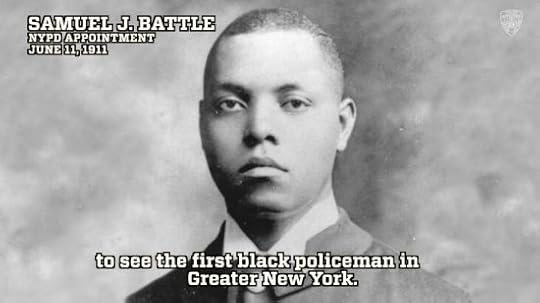
An intersection in Harlem between West 135th Street and Lenox Avenue has a story to tell. It was named after a bright young man who had hopes of bridging the racial divide between a predominantly white police force and an interracial community. This man was Samuel J. Battle. Standing six foot three, Battle was an imposing figure when he was appointed as the first African American in the New York Police Department in 1911.
Considered as the Jackie Robinson (the first black to ever play in the Major League Baseball) of the NYPD, Battle has experienced being on the receiving end of racial slurs, death threats, silent treatments, and even hazing during his tenure on the force. Despite the amount of hate he was getting, he wasn’t disheartened but instead powered-through and paved the way for black integration in the police.
The story of New York’s first black police officer has largely been forgotten. It was only until the summer of 2009 that there has been growing interest about Samuel Battle. Arthur Browne, a news editor from the New York Daily News chanced upon the article about the intersection and started digging. He located Battle’s grandson, Tony Cherot, who shared to him that he held the manuscript transcribed by Langston Hughes, a Harlem Renaissance poet whom Battle hired to write his biography. Unfortunately, it wasn’t a priority for Hughes and he never got to write the biography.
Growing up black, the odds to succeed were stacked against him. When he was a teenager, he was caught stealing money from a safe. But he wasn’t arrested because his father had close ties with his boss, R. H. Smith. On the sidelines, however, Smith left a scathing remark, that in a year’s time, he would see Battle locked up in prison. Battle was determined to prove him wrong. He said, “From this day on, I shall always be honest and honorable, and I’m going to make Mr. Smith out a liar.”
And so he did on June 1911, becoming the first black police officer of the NYPD. He went on to become the first black sergeant (1926), the first black lieutenant (1935), and the city’s first black parole commissioner (1941).
Now, a little more than a century, there have been considerable gains by the African American community in the police force. In 2011, blacks already consist of 18 percent of all police officers compared to 1911 where there were only a handful. From just 2 percent of the city’s total population, they are now more than 23 percent. While it is true that there is still a lot of work to be done to even out the numbers, it is important to pay homage to people who have done their share in eliminating the prejudice so that the access to opportunities are spread out among races and cultures.
“What we want is an equal opportunity to enjoy life and to make our own way,” Battle said during his twenty-fifth anniversary on the force, and as a takeaway, New York’s first black police officer advised, “Make your own opportunities. When you see them, take hold of them and never give up.”
What are your thoughts on African Americans being part of the police force? Do you think the opportunities for black people to serve in law enforcement are generally scarce? Feel free to comment below, and check out my book, The Thin Blue Li(n)e, which delivers a behind-the-scenes look of the real world of law enforcement agents. Check my accounts on Facebook, Twitter, and Goodreads as well!
References
Roberts, Sam. 2011. “Recalling First Black Appointed to New York Police Dept.” New York Times. Accessed July 10, 2017. http://www.nytimes.com/2011/06/27/nyregion/recalling-samuel-battle-who-became-first-black-on-nypd.html.
Secret, Mosi. 2015. “The Story of New York’s First Black Police Officer, Told with the Help of Langston Hughes.” New York Times. Accessed July 10, 2017. https://www.nytimes.com/2015/06/28/nyregion/the-story-of-new-yorks-first-black-police-officer-told-with-the-help-of-langston-hughes.html.
Weichselbaum, Simone. 2009. “Harlem intersection renamed for NYPD pioneer Samuel Battle who integrated police.” New York Daily News. Accessed July 10, 2017. .
The post Getting to Know Black Police Officer Samuel J. Battle appeared first on Brian Cook.
July 26, 2017
Wonder Women

Glass barriers are broken every day by women who seek to attain an equal footing in a world dominated by males in professional capacities. Women’s employment struggle is one that has been going on and has been gaining ground in the last century to the present. This means there are more women doing nontraditional (or stereotypical) jobs like being truck drivers, construction workers, and being police officers.
The women who serve Lady Justice have been fine examples of law enforcement agents since the first woman served in Germany in 1903. Now, there are many women working as police officers, and the numbers are increasing while gender discrimination has slowly decreased.
In the United States, female police officers are only a tenth of all law enforcement officers today, but it used to be that there were none. It was Alice Stebbin Wells who broke the barrier and joined the Los Angeles Police Department in 1910. Her tasks were to handle cases involving women, juveniles, and children, but she did not do street patrol like her followers did more than a hundred years later. Before Wells, though, many of the women were employed as prison matrons and dealt with women, children, and girls in prison. But as more women became involved in social and moral reforms, more women joined the force in the 1920s onward. Most of them were middle- or upper-class women who advocated moral reform and counseling, helping expand women’s presence in the civil and public sphere. In 1915, the International Association of Policewomen was created to help advocate for more women joining the profession.
Despite this, the early work of policewomen mostly involved desk work, supervisory tasks, and criminal counseling that aimed to help vulnerable groups such as prostitutes, runaway children, and wayward children. In the 1930s, policewomen began to patrol the streets and dealt with lost children, delinquents, the unemployed and homeless women and girls, prostitutes and street workers, and women suffering from mental-health disorders. But the movement to get women to be more involved in law enforcement diminished soon after until the early 1960s, and policewomen were relegated to working as dispatchers and meter maids and to clerical and support duties instead of being active in crime investigation.
Things took a turn for the better for policewomen in the late twentieth century when the Civil Rights Act of 1964 made discriminating against hiring women or made height, weight, and physical requirements discriminatory against women illegal.
The roles of policewomen today are a far cry from that of being prison matrons. These women are now involved in patrolling, security detailing, detective work, supervisory positions, and unit officers, as well as now having administrative roles. Although they still suffer from sexual discrimination now and again, and instead of having a glass ceiling, it has now become a “brass” ceiling. These policewomen are a fine example of strength, determination, and womanhood that thrive in adversity.
Do you have any thoughts or comments? Feel free to comment below, and check out my book, The Thin Blue Li(n)e, which delivers a behind-the-scenes look of the real world of law enforcement agents. Check my accounts on Facebook and Goodreads as well!
References
Hedon Publishing. 2016. “Challenges for Women in Policing.” Accessed on June 29, 2017. http://www.hendonpub.com/resources/article_archive/results/details?id=1614.
Smith, Betsy Brantner. 2015. “Police History. The Evolution of Women in American Law Enforcement.” Accessed on June 29, 2017. https://www.policeone.com/police-history/articles/8634189-Police-History-The-evolution-of-women-in-American-law-enforcement/.
The post Wonder Women appeared first on Brian Cook.
July 19, 2017
Maintaining Healthy Relationships While Doing Your Duty
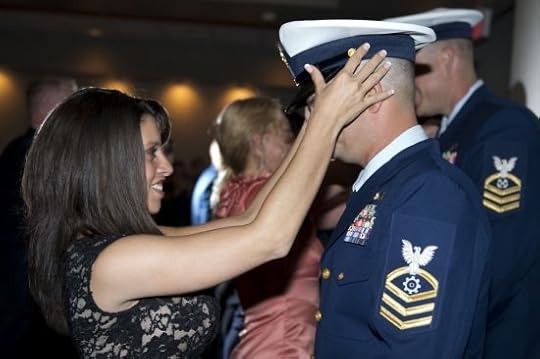
Three out of four law enforcement officers’ romantic relationships end up failing. While 50 percent of marriages for the average American end in divorce, that number goes up to 60–75 percent for LEO marriages. LEOs’ failure at keeping their relationships healthy has been regarded by people as an occupational hazard. If you’re a law enforcement officer, you’ll see that these statistics don’t just show numbers. Instead, you see fellow officers who were hopeful in their relationships that sadly just didn’t work out. These numbers alarm every Law Enforcement officer, out there who desires to be successful in their relationships.
People who used to be romantically involved with LEOs cited various reasons their relationships went south. A lot of them called their former partners “too reserved,” “too controlling,” and “too unromantic.” If this sounds like you and you are in a committed relationship, you may want to consider changing it up a little.
Be transparent. People who used to be romantically involved with law enforcement officers point to LEOs’ reticence as the main reason as to why they severed their relationship. They felt that they were not part of their partner’s world. As for anyone in any relationship, an open line of communication is essential for law enforcement officers’ relationships to thrive. However, your job as a LEO can subject you to emotional isolation as it requires you to be cautious and be on guard all the time. This may result to the inability to communicate deeply to the other party or to anyone for that matter. So, being open or transparent may be a tad difficult for you. This is where your desire to maintain the relationship healthy comes in. You must exert conscious efforts to share with your partner and tell them how you feel. Try to get them feel more involved in your world by reaching out to them more. Know that between every successful couple is a healthy line of communication.
Learn to share control. Your training as a LEO may have wired you to be on top of everything, even when you’re off duty. However, if this trait intrudes in your relationship, you may be regarded by the other party as a control freak. This can suffocate them and make them feel that you lack faith in them to manage things. Learning to manage your need to control and trusting the other party to lead can improve your relationship as this shows that you have complete confidence in them. This, in return, also boosts their trust in you to take the lead in certain aspects of your relationship.
Honoring commitments. If you promised your partner that you’d take them to dinner, take them to dinner. If you promised a date on your next day off but can’t make it because duty suddenly decided to call, you must let them know and make them understand. Always try to spend as much time as you can with them. When you honor your commitments, you assure them of their place and significance in your life. This may also not come as easy as your job drains you physically, mentally, and spiritually, but time spent in the company of your special person can refresh and recharge you to continue to move. Your job as a law enforcement officer may be of high priority, but so are your relationships.
Of course, there are many other aspects to consider. These are just the general ones. Every relationship varies from the other. You should begin determining the areas in your relationship which needs immediate attention. Healthy self-awareness is the key in determining these. Ask yourself the right questions. Are you serious about your partner to fully commit to them? How can you better communicate to them? How can you deepen your relationship? It is always good to take a step back to assess yourself and your relationship with your partner.
Remember that when you strive to maintain a healthy relationship with your significant other, you don’t just end up with a mate, but with a life partner too!
Indeed, the life of a law enforcement officer is no walk in the park. I talk about all the sacrifices we make in my latest book, The Thin Blue Li(n)e, sequel to my first police thriller, Hands Across the Sea. Check it out! You may also want to follow me on Facebook, Twitter, and Goodreads.
References
Wasilewski, Michael & Olson, Althea. “How Self-Awareness Can Improve a Police Officer’s personal relationship.” PoliceOne. January 5, 2017. Accessed June 19, 2017. https://www.policeone.com/health-fitness/articles/283118006-How-self-awareness-can-improve-a-police-officers-personal-relationship/.
Smith, Betsy Branter. “Surviving Your Relationships.” PoliceOne. August 14, 2007. Accessed June 19, 2017. https://www.policeone.com/health-fitness/articles/1331272-Surviving-your-relationships/.
Parker, Jonathan. “Why Marriage Should Matter More To Cops.” Law Officer. March 31, 2017. Accessed June 19, 2017. http://lawofficer.com/family/why-marriage-should-matter-more-to-cops/.
Khan, Fasil. “Law Enforcement Marriages.” PoliceOne. November 3, 2013. Accessed June 19, 2017. https://www.lawenforcementtoday.com/law-enforcement-marriages/.
The post Maintaining Healthy Relationships While Doing Your Duty appeared first on Brian Cook.