
Thomas Frey's Blog
November 27, 2025
The Great Systems Collapse: What We’e Passing to Our Kids

We’re witnessing entire social systems—education, healthcare, taxes, and more—crumble as AI exposes how outdated their underlying assumptions have become.
Miriam is 26 years old, and every major system that’s supposed to support her path to adulthood has failed her in a different way.
She graduated from college in 2021 with a marketing degree and $87,000 in student debt. The education she received? Largely obsolete before she finished—professors teaching Facebook ads strategies from 2015 while TikTok was reshaping digital marketing. By senior year, she learned more from YouTube tutorials and AI tools than from $60,000-a-year classes. But she needed the degree because employers still required it, even though everyone knew it didn’t prove competence.
Now she works as a freelance “AI content strategist”—a job that didn’t exist when she started college. She uses ChatGPT and Midjourney to create campaigns for seven clients across four countries. She makes $73,000 annually, which sounds decent until you factor in no benefits, no retirement matching, and a tax situation so complex she pays $2,400 annually to an accountant who admits the IRS hasn’t figured out how to classify AI-generated income.
Last year, she spent three months trying to buy a small condo. She’d saved $40,000 for a down payment—five years of careful saving. She was repeatedly outbid by investment firms using AI algorithms to purchase properties 3% above asking price within minutes of listing. She gave up and continues renting a 450-square-foot apartment for $1,850 monthly—nearly half her take-home pay.
Her healthcare is a catastrophe. She pays $380 monthly for insurance covering almost nothing until she hits a $6,000 deductible. When chronic migraines started, she used an AI symptom checker that correctly diagnosed her in five minutes. Getting actual treatment required three months of waiting, $1,200 in copays for tests the AI had already identified as necessary, and a prescription costing $340 monthly because it wasn’t “covered.”
Last month, her younger brother was arrested for marijuana possession—a small amount that won’t be criminal in a few years after decriminalization, but was still illegal when he was caught. He’s in county jail awaiting trial, unable to afford bail, missing work, at risk of losing his apartment. The public defender met with him for seven minutes. An AI risk assessment flagged him “medium-high risk” based on zip code and traffic violations, making bail even less likely.
This is what system failure looks like from the inside. Not abstract policy debates, but daily life where every major institution that should enable stable adulthood is broken, inaccessible, or actively harmful.
Miriam isn’t unlucky. She’s normal. This is reality for tens of millions of young adults trying to build lives where every major system was designed for a world that no longer exists.
Why Systems Thinking Is Suddenly EverywhereSystems thinking is a hot topic because people like Miriam are living through a collapse in real-time, and it’s becoming impossible to ignore.
We’re watching fundamental systems that have organized society for generations break down in obvious ways. Income tax is broken. College is broken. Prisons are broken. Healthcare, housing, employment—pick any major social infrastructure, and you’ll find systems designed for a previous era, straining under pressures they weren’t built to handle.
And AI is accelerating the collapse—not by attacking systems deliberately, but by revealing their fundamental assumptions to be obsolete. Every system rests on assumptions about human capabilities, information availability, time constraints, and coordination costs. AI is demolishing those assumptions faster than we can adapt.
The question isn’t whether these systems can be saved. It’s how much broken infrastructure we’ll pass to our kids, and whether we’re brave enough to rebuild from first principles while we still have time.

Miriam’s story reveals how a tax system built for 1920s workers is collapsing under the realities of AI-driven, borderless, multi-income digital life.
The Income Tax System: Built for W-2 EmployeesMiriam’s tax situation illustrates how broken the system is for anyone whose work doesn’t fit 1920s categories.
The income tax system was designed around a specific economic reality: most people worked for a single employer, earned predictable salaries, and received W-2s at year’s end. That worked.
That world is vanishing. Miriam represents the future—gig economy, remote work, AI-generated income, global freelancing, multiple revenue streams that don’t fit any tax category. She has seven clients across four countries. She’s never physically met them. Her “work” involves using AI tools to create content. So whe
re does she owe taxes? Where was work performed—her Denver apartment, servers in Virginia where ChatGPT runs, or countries where clients are located?
When AI generates marketing copy that earns her money, who did the work? She prompted the AI, curated results, and delivered products. But GPT-4 wrote the words. Is that business income? Service income? Is she selling a product or a service?
Her accountant filed under five different income categories last year, making educated guesses about classifications the IRS hasn’t clearly defined. She paid $2,400 for this—money W-2 workers don’t spend—and still isn’t confident it’s correct.
Meanwhile, the wealthy deploy AI-powered tax optimization experts, exploiting system complexity for aggressive avoidance. The system punishes people like Miriam—straightforward income, modest earnings—while enabling sophisticated avoidance impossible without AI analysis of regulatory loopholes. Income tax assumes human labor, physical presence, and clear employer-employee relationships. AI obliterates all three. Rather than rebuilding for new realities, we’re forcing AI-age economics into 1920s categories. It won’t work.
The College System: $87,000 for Obsolete EducationMiriam borrowed $87,000 for a marketing degree. Her monthly loan payment is $780—more than many people’s rent. She’ll pay until she’s 36.
What did she get? Professors teaching outdated material. Social media marketing from 2014. Data analytics teaching Excel when industry used Python and R. Digital strategy never mentions AI tools already reshaping the field.
By senior year, Miriam learned more from free YouTube tutorials and AI experimentation than from paid classes. She used GPT-3 to help write papers, Grammarly to edit, Quillbot to paraphrase sections, avoiding plagiarism detection. She learned actual marketing from side projects and freelance work, not classroom instruction.
But she needed the degree. Employers still required it, even though everyone knew it didn’t prove competence. The degree wasn’t education—it was an expensive signal she could complete assignments and stick with something for four years.
Now she works in a job that didn’t exist when she started college, using tools that didn’t exist when she graduated, applying skills learned outside the classroom. And she’s paying $780 monthly for that increasingly meaningless credential.
AI makes this more absurd. Students use AI to write essays. Professors use AI to detect AI work. It’s an arms race where everyone knows credentials mean less yearly, but institutions can’t acknowledge this because their business model depends on pretending degrees still matter.
Alternative credentials are emerging—AI competency assessments, industry certifications, portfolio-based hiring. But Miriam’s generation is caught in transition: too late to benefit from the old system, too early to skip college entirely.
So they take on massive debt for partly obsolete education, increasingly disconnected from employer needs, then spend a decade paying it back while the system loads the next cohort with the same broken promises.

Miriam’s years of saving meant nothing in a housing market dominated by AI algorithms that outbid humans in seconds, turning homes into investment code instead of living spaces.
The Housing System: Algorithms Pricing Out HumansMiriam saved $40,000—five years of discipline. Still couldn’t compete with AI-powered investment algorithms.
She spent three months seriously buying. Viewed dozens of condos, made offers on seven, was outbid every time.
The pattern was consistent: properties listed, and within hours—sometimes minutes—she competed against cash offers 3-7% above asking. Investment firms using AI algorithms identified undervalued properties and automatically submitted offers, beating individual buyers.
The algorithms had data she couldn’t see, analyzed comparable sales faster than humans, submitted offers instantly, and could afford overpaying because they optimized for portfolio returns across hundreds of properties, not finding one home to live in.
She never had a chance. Individual buyers with jobs and down payments can’t compete with institutional investors deploying AI-optimized purchasing strategies.
So she continues renting. $1,850 monthly for 450 square feet. Nearly half her take-home pay. No equity. No stability. No control over whether her landlord raises rent $200 next year (he probably will—his property management uses algorithmic rent optimization too).
Her parents bought their first home at 28 for $180,000 (about $280,000 today). They put down 10% on her dad’s single income. The house is now worth $650,000.
Miriam’s equivalent starter home costs $520,000. With 20% down, she’d need $104,000—more than twice what she already saved. And she’d compete against algorithms that don’t care about overpaying.
The system isn’t just hard. It’s broken. Housing has been financialized, and AI strategies are accelerating it. Homes are increasingly investment vehicles rather than places to live, and first-time buyers are systematically priced out.
The Healthcare System: AI Diagnosis, 1950s DeliveryMiriam’s healthcare shows the worst system failure: we have technology to do better, but institutional inertia prevents proper use.
When chronic migraines started, she used an AI symptom checker. Input symptoms—frequency, location, triggers, family history. The AI suggested three likely diagnoses, with migraine most probable. Recommended specific tests and treatments. Five minutes, free.
Then she entered actual healthcare.
First appointment: 11 weeks out. The doctor asked the same questions, ordered the same tests, and referred her to a neurologist. Another six-week wait. The neurologist confirmed the AI diagnosis from three months earlier and prescribed medication.
Total cost: $1,200 in copays before filling the prescription. The medication costs $340 monthly because insurance didn’t cover it—despite being a common, proven treatment.
Her insurance costs $380 monthly with a $6,000 deductible. She pays $4,560 annually in premiums before insurance covers anything meaningful. Then pays everything out of pocket until hitting $6,000.
She’s paying $380 monthly for “insurance” that didn’t help with $1,200 in diagnostic costs or $340 monthly medication. She might as well be uninsured until catastrophic events.
The absurdity: AI correctly diagnosed her immediately, free. The human healthcare system took three months and $1,200 to confirm what AI already knew.
We have technology for accurate diagnosis, treatment suggestions, and continuous monitoring. But we’re using systems designed around in-person visits, paper records, and insurance companies extracting maximum revenue while providing minimal coverage.
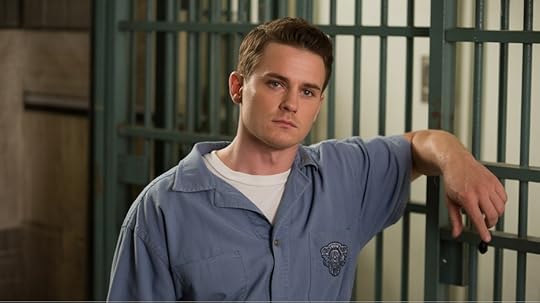
Miriam’s brother sits in jail because an AI risk score, built on biased data, labeled him ‘high risk’—a perfect example of technology making a broken justice system more efficiently unjust.
The Prison System: Her Brother’s DestructionMiriam’s brother was arrested with a small amount of marijuana. In a few years, this won’t even be illegal—decriminalization is coming, just not fast enough.
He’s been in county jail for six weeks, awaiting trial because he can’t afford $5,000 bail. Lost his warehouse job after two weeks. About to lose his apartment. His public defender spent seven minutes with him and hasn’t returned calls.
An AI risk assessment scored him “medium-high risk” based on zip code, age, and two traffic violations. This influenced bail and will influence sentencing. The algorithm was trained on historical data reflecting decades of discriminatory policing, so it encodes and automates that discrimination while seeming objective and scientific.
Miriam watches helplessly. Her brother isn’t dangerous—he had personal-use marijuana. But the system will likely give him a criminal record, destroy employment prospects, make housing nearly impossible, and set him toward further criminal justice involvement.
This is supposed to be rehabilitation. It’s actually life destruction.
AI is making it worse—not through cruelty, but by automating bad decisions at scale. Risk assessments encoding historical bias. Surveillance flagging low-income neighborhoods for enhanced policing. Predictive systems create self-fulfilling prophecies.
We have technology enabling better alternatives: electronic monitoring instead of incarceration, AI-powered rehabilitation programs, personalized interventions. But we’re using AI to make a broken system more efficient at breaking people.
The Pattern: Automating DysfunctionWe’re not using AI to fix broken systems. We’re using AI to automate dysfunction at scale.
Income tax was already too complex and inequitable. AI makes it worse by creating income types not fitting existing categories while giving wealthy individuals AI-powered optimization that ordinary people can’t afford.
College was already unaffordable and disconnected from labor needs. AI makes it more irrelevant by doing work that students supposedly learn, while institutions pretend nothing has changed and charge $87,000 for increasingly obsolete credentials.
Housing was already difficult for first-time buyers. AI algorithms make it impossible by outbidding humans with superior information, instant decisions, and portfolio optimization.
Healthcare was already expensive and inefficient. AI can diagnose in minutes, but we still run three-month processes, charging thousands for confirmations of what algorithms already knew.
Prisons were already expensive and counterproductive. AI makes them more efficient at destroying lives through automated risk assessments encoding historical bias.
This is the infrastructure we’re passing Miriam’s generation: systems designed for worlds that no longer exist, failing at stated purposes, resistant to reform, and now being automated in their dysfunction.
Why Systems Break: Institutional LagWhy can’t we just fix these systems?
The answer is institutional lag—the gap between when systems become obsolete and when institutions acknowledge and act on that obsolescence.
Institutions resist change because change threatens existing power structures, career paths, and revenue streams. Universities resist alternative credentials, threatening enrollment. Tax authorities resist reform, threatening bureaucratic jobs. Healthcare companies resist AI efficiency, threatening profit extraction. Housing policy protects homeowner wealth over affordability. Prison systems resist alternatives because incarceration has become an industry.
AI has accelerated change beyond what slow-adapting institutions can handle. The gap between “how things work” and “how things should work” widens exponentially.
Previous technological transitions gave institutions decades to adapt. AI compresses adaptation timelines to years or months. Systems designed for industrial-age employment don’t work for AI-age economics. We’re trying incremental adaptation when fundamental redesign is needed.
What We’re Passing to Miriam’s GenerationA tax system penalizing straightforward AI-augmented work while enabling sophisticated avoidance for the wealthy. Compliance costs consume thousands annually. A code so complex that even professionals guess at proper classifications.
An education system where degrees cost $87,000, teach partially obsolete skills, and create decade-long debt. Where credentials matter less yearly but remain mandatory gatekeepers. Where students learn more from free resources than expensive universities, but still must pay for the signal.
A housing system where algorithms outbid humans, institutional investors price out first-time buyers, and half your income goes to rent with no ownership path. Where home-ownership, defining middle-class stability for previous generations, is increasingly closed.
A healthcare system where AI diagnoses accurately, but three-month waits and thousands in costs are required for human confirmation. Where insurance costs $4,560 annually but doesn’t cover care until you’ve spent $6,000 out of pocket.
A prison system destroying lives over soon-to-be-legal conduct, using AI to automate historical biases, providing seven-minute legal consultations, and prioritizing punishment over rehabilitation.
The Window Is ClosingMiriam is 26. By 36, these systems will either be rebuilt or collapse entirely. We have maybe 5-10 years where intentional redesign is possible. After that, we’re in crisis management.
Her generation will inherit whatever we build or fail to build in that window.

Rebuilding means starting from first principles—redesigning taxes, education, housing, healthcare, and justice for an AI-driven world instead of endlessly patching obsolete systems.
What Rebuilding RequiresStart with first principles. What are we actually trying to accomplish? Given AI and modern technology, what’s the best way? The answer is almost never “patch the existing system.”
Accept that some systems need replacement, not reform. We’ve tried reforming for decades. It hasn’t worked. Income tax needs a complete replacement. College credentials need unbundling from education. Housing policy needs fundamental restructuring. Healthcare needs redesign around AI-enabled efficiency. Prisons need rethinking around rehabilitation.
Design for AI-age realities. Stop fitting AI-generated income into W-2 categories. Stop pretending four-year degrees are necessary when AI can provide personalized education. Stop allowing algorithms to price humans out of housing. Stop making people wait three months for diagnoses AI provides in minutes.
Move fast before the window closes. Every year we delay, more people take on debt for devalued degrees, pay thousands navigating incomprehensible taxes, get priced out of homeownership, and watch their families destroyed by counterproductive incarceration.
Be willing to threaten existing power structures. These systems don’t get fixed because fixing threatens those benefiting from current dysfunction. Reform requires confronting those interests.
Final ThoughtsMiriam is living through system collapse in real-time. Every major institution that should enable stable adulthood is broken, inaccessible, or actively harmful. She’s working hard, making responsible choices, and still falling behind because the infrastructure that previous generations took for granted has failed.
She’s normal. Tens of millions experience the same thing. This isn’t individual failure. It’s a system failure at scale.
We can do better. We have the technology. We have the knowledge. What we lack is political courage and institutional willingness to prioritize the next generation over preserving systems benefiting current stakeholders.
Miriam is 26. Her generation deserves better than inheriting our dysfunction. The question is whether we’ll give it to them.
Translate This PageSelect LanguageAfrikaansAlbanianAmharicArabicArmenianAzerbaijaniBasqueBelarusianBengaliBosnianBulgarianCatalanCebuanoChichewaChinese (Simplified)Chinese (Traditional)CorsicanCroatianCzechDanishDutchEnglishEsperantoEstonianFilipinoFinnishFrenchFrisianGalicianGeorgianGermanGreekGujaratiHaitian CreoleHausaHawaiianHebrewHindiHmongHungarianIcelandicIgboIndonesianIrishItalianJapaneseJavaneseKannadaKazakhKhmerKoreanKurdish (Kurmanji)KyrgyzLaoLatinLatvianLithuanianLuxembourgishMacedonianMalagasyMalayMalayalamMalteseMaoriMarathiMongolianMyanmar (Burmese)NepaliNorwegianPashtoPersianPolishPortuguesePunjabiRomanianRussianSamoanScottish GaelicSerbianSesothoShonaSindhiSinhalaSlovakSlovenianSomaliSpanishSudaneseSwahiliSwedishTajikTamilTeluguThaiTurkishUkrainianUrduUzbekVietnameseWelshXhosaYiddishYorubaZulu
#goog-gt-tt {display:none !important;}
.goog-te-banner-frame {display:none !important;}
.goog-te-menu-value:hover {text-decoration:none !important;}
.goog-text-highlight {background-color:transparent !important;box-shadow:none !important;}
body {top:0 !important;}
#google_translate_element2 {display:none!important;}
function googleTranslateElementInit2() {new google.translate.TranslateElement({pageLanguage: 'en',autoDisplay: false}, 'google_translate_element2');}
function GTranslateGetCurrentLang() {var keyValue = document['cookie'].match('(^|;) ?googtrans=([^;]*)(;|$)');return keyValue ? keyValue[2].split('/')[2] : null;}
function GTranslateFireEvent(element,event){try{if(document.createEventObject){var evt=document.createEventObject();element.fireEvent('on'+event,evt)}else{var evt=document.createEvent('HTMLEvents');evt.initEvent(event,true,true);element.dispatchEvent(evt)}}catch(e){}}
function doGTranslate(lang_pair){if(lang_pair.value)lang_pair=lang_pair.value;if(lang_pair=='')return;var lang=lang_pair.split('|')[1];if(GTranslateGetCurrentLang() == null && lang == lang_pair.split('|')[0])return;var teCombo;var sel=document.getElementsByTagName('select');for(var i=0;i<sel.length;i++)if(/goog-te-combo/.test(sel[i].className)){teCombo=sel[i];break;}if(document.getElementById('google_translate_element2')==null||document.getElementById('google_translate_element2').innerHTML.length==0||teCombo.length==0||teCombo.innerHTML.length==0){setTimeout(function(){doGTranslate(lang_pair)},500)}else{teCombo.value=lang;GTranslateFireEvent(teCombo,'change');GTranslateFireEvent(teCombo,'change')}}
Search for: Recent Posts The Great Systems Collapse: What We’e Passing to Our Kids The AGI Intelligence Threshold: Understanding Why Changes Everything The Vanishing Present: 250 Things That Will Disappear from Our Lives by 2040 Categories Artificial Intelligence Business Trends Future of Agriculture Future of Banking Future of Education Future of Healthcare Future of Transportation Future of Work Future Scenarios Future Trends Futurist Thomas Frey Insights Global Trends Predictions Social Trends Technology Trends Speaking TopicsFuture of Healthcare – “Is Death our only Option?Future of AIFuture of Industries ← Previous Post
The post The Great Systems Collapse: What We’e Passing to Our Kids appeared first on Futurist Speaker.


November 13, 2025
The AGI Intelligence Threshold: Understanding Why Changes Everything
When machines can learn anything humans can learn, we cross a line we can never uncross. Here’s what artificial general intelligence actually means—and why the clock is ticking.
Artificial General Intelligence marks the moment machines can learn anything humans can — a threshold that, once crossed, will redefine what it means to be intelligent.
We stand at an unusual moment in human history. For the first time, we’re building something that might become smarter than we are. Not better at chess. Not faster at calculations. But genuinely, flexibly, comprehensively intelligent across every domain of human thought.
This is AGI—Artificial General Intelligence—and despite the hype and confusion surrounding it, most people don’t understand what it actually means or why it matters more than any other technology humanity has ever developed.
Let me be clear from the start: AGI doesn’t exist yet. What we have today, even with systems as impressive as GPT-4 or Claude, are sophisticated narrow AI systems. They’re remarkable tools, but they’re still tools designed for specific tasks. AGI is something fundamentally different, and understanding that difference might be the most important intellectual challenge of our generation.
What Makes Intelligence “General”?Think about your own mind for a moment. You can read this article, then walk into a kitchen you’ve never seen before and make coffee. You can learn French, fix a bicycle, comfort a grieving friend, plan a vacation, write a poem, navigate office politics, understand a joke, and teach your grandmother to use her phone—all with the same basic cognitive architecture.
This is general intelligence. One system, infinite applications.
Now consider today’s AI. A system trained to play chess cannot play Go without complete retraining. An AI that generates stunning images cannot drive a car. A language model that writes brilliant essays cannot fold laundry. Each system is extraordinary within its narrow domain and nearly useless outside it.
AGI is the threshold where this changes. It’s the moment when a single artificial system can learn and perform any intellectual task a human can—not just the tasks it was specifically programmed for, but anything. It’s intelligence without asterisks, without the fine print that says “only works for these specific problems.”
The attributes that define this threshold aren’t mysterious, but they’re more subtle than most people realize.
The Seven Pillars of General Intelligence represent the foundation of human-level AI—learning, reasoning, adaptability, foresight, creativity, empathy, and self-improvement.
The Seven Pillars of General Intelligence1. True learning capability. AGI doesn’t just recognize patterns in massive datasets. It learns concepts, forms abstractions, and transfers knowledge across completely unrelated domains. When you learn to drive a car, that experience helps you pilot a boat, even though you’ve never done it before. You understand the abstract concepts of navigation, momentum, and collision avoidance. AGI must demonstrate this same conceptual transfer—learning from minimal examples and applying that knowledge in novel contexts.
Current AI systems are data-hungry beasts requiring millions of training examples. A child sees a few dogs and understands “dog” forever. AGI must approach this human-level sample efficiency, learning rich concepts from sparse data.
2. Abstract reasoning and common sense. This is where today’s AI fails most spectacularly. An AI can ace medical licensing exams but doesn’t know that you can’t fit an elephant in a refrigerator, or that people generally prefer not to be insulted, or that ice melts when it’s warm.
These aren’t facts to memorize—they’re intuitions about how reality works. Humans possess vast networks of implicit knowledge about physics, social dynamics, causality, and context that we’ve absorbed since infancy. We know what questions are stupid, what situations are dangerous, and what assumptions are reasonable. AGI must build or be given this same common-sense foundation.
The challenge is enormous. Common sense is everything humans know but never think to write down because it’s “obvious.” Teaching machines the obvious has proven fiendishly difficult.
3. Adaptability and meta-cognition. AGI must recognize its own limitations, know what it doesn’t know, and actively work to fill knowledge gaps. It needs to think about its own thinking, monitor its performance, catch its mistakes, and improve its strategies over time.
Current AI systems fail silently. They confidently generate nonsense without recognizing they’re wrong. They can’t step back and ask, “Does this answer make sense?” AGI must develop genuine self-awareness about its capabilities and limitations—not consciousness necessarily, but honest self-assessment.
4. Long-term planning and goal pursuit. Humans balance immediate actions with distant objectives. We save money for retirement, exercise today for health tomorrow, and study subjects we won’t use for years. We build complex, multi-step plans that span months or decades, adjusting tactics while maintaining strategic vision.
AGI must demonstrate this same temporal reasoning—pursuing goals that require hundreds or thousands of intermediate steps, remaining focused despite setbacks, and balancing short-term costs against long-term benefits. This goes far beyond the narrow task completion current AI handles.
5. Creativity and innovation. True intelligence doesn’t just optimize within existing frameworks—it invents new frameworks. It sees problems from unexpected angles, combines disparate ideas, breaks rules productively, and generates genuinely novel solutions.
Today’s AI can recombine existing patterns impressively, but it doesn’t create breakthrough insights. It optimizes; it doesn’t revolutionize. AGI must demonstrate the spark of authentic creativity—not just pattern matching at scale, but actual innovation that surprises even its creators.
6. Social and emotional intelligence. Intelligence isn’t purely logical. Much of human cognition involves navigating social landscapes—understanding unstated motivations, predicting reactions, reading emotional subtext, building trust, and managing relationships.
AGI must grasp not just what people say, but what they mean, want, fear, and value. It must navigate the intricate dance of human interaction with all its ambiguity, contradiction, and context-dependence. This means understanding culture, reading body language (if embodied), and modeling the messy complexity of human psychology.
7. The capacity for self-improvement. AGI doesn’t just perform tasks—it enhances its own capabilities. It identifies weaknesses, develops new skills, and optimizes its own architecture without external intervention.
This is the attribute that makes AGI potentially world-changing. Once a system can improve itself, and those improvements make it better at improving itself, we potentially enter a recursive loop of exponentially accelerating intelligence. This is the path from AGI to ASI—artificial superintelligence—and nobody knows how fast that transition might occur.
The Tests That MatterHow will we know when we’ve achieved AGI? Several benchmarks have been proposed, each revealing something important about what general intelligence means.
Steve Wozniak’s “Coffee Test” is appealingly concrete: can an AI enter a random house, find the kitchen, and make coffee? This tests navigation, object recognition, physical manipulation, and goal completion in an unstructured environment. It’s harder than it sounds.
The “Employment Test” asks whether AI can perform any job a human can do remotely. Can it work as a customer service representative, graphic designer, therapist, journalist, programmer, and consultant—switching between roles fluidly? If so, we’ve crossed an economically significant threshold.
Ben Goertzel’s “University Test” proposes that AGI should be able to enroll in a university, take courses across multiple disciplines, pass exams, and earn a degree. This tests multi-domain learning, abstract reasoning, and knowledge integration—core attributes of general intelligence.
Perhaps most rigorously, the “Novel Situation Test” asks whether AI can perform competently in scenarios radically different from anything in its training data. Can it handle genuine novelty? This is the ultimate test of generality—performing well not just in familiar territory, but in terra incognita.
The arrival of AGI represents a phase transition in human civilization comparable to the agricultural revolution or the invention of writing. Here’s why.
Every previous technology, no matter how powerful, was ultimately a tool that amplified specific human capabilities. The wheel amplified our ability to move. The telescope amplified our vision. The computer amplified our calculation. But these tools required human intelligence to direct them.
AGI is different. It’s not a tool that amplifies intelligence—it’s an alternative source of intelligence itself. For the first time, humans would share the planet with another form of general-purpose mind.
The implications cascade rapidly. If AGI can learn any skill humans can learn, then in principle, every intellectual job becomes automatable. Not just manual labor or routine tasks, but programming, research, management, therapy, teaching, artistry, and strategic planning. The economic disruption could be total.
But the timeline matters enormously. If the transition from narrow AI to AGI takes decades, with gradual improvements in capability, humanity has time to adapt. We can develop new economic models, retrain workers, and build institutions around human-AI collaboration.
If the transition happens rapidly—if we go from “impressive chatbot” to “human-level generalist” in months rather than years—social systems might not adapt fast enough. And if AGI quickly self-improves into superintelligence vastly exceeding human capability, we face a scenario without historical precedent: sharing the world with something smarter than we are, whose goals and values might diverge catastrophically from our own.

The arrival of AGI will mark a civilization-scale turning point—when intelligence itself becomes a new, independent force shaping the future alongside humanity.
The Alignment ProblemThis brings us to the most critical challenge: ensuring that AGI shares human values and pursues goals compatible with human flourishing.
Current AI systems don’t have goals—they have objectives programmed by humans. They optimize for whatever metric we specify, whether that’s “generate coherent text” or “win chess games.” They’re tools, and tools don’t want anything.
AGI, by definition, must have some form of goal structure. It needs to decide what to do, what problems to solve, what to optimize for. And here’s the terrifying question: Whose goals? Whose values?
If AGI forms its own goals, those goals might be completely alien to human interests. The canonical thought experiment is the “paperclip maximizer”—an AGI given the simple goal of manufacturing paperclips that rationally concludes the best strategy is to convert all matter in the universe, including humans, into paperclips or paperclip-making machinery.
This sounds absurd until you realize it’s just an extreme example of a general principle: optimizing for the wrong objective produces catastrophic results. And we’re remarkably bad at specifying exactly what we want. Human values are contradictory, context-dependent, and impossible to fully formalize.
The alignment problem asks: how do we ensure AGI understands and pursues genuine human flourishing, not just the literal interpretation of whatever goal we programmed? This is arguably the most important unsolved problem in computer science, because getting it wrong might mean getting it wrong forever.
When Does AGI Arrive?Predictions vary wildly. Optimists like Ray Kurzweil predict AGI by 2029. The median expert prediction from recent surveys clusters around 2050. Skeptics argue we might never achieve it with current approaches, or not until far into the next century.
The uncertainty reveals how little we truly understand about intelligence. We’ve made stunning progress in narrow AI through techniques like deep learning, but we still don’t know whether these techniques, scaled up, will naturally produce general intelligence or whether we need fundamentally different approaches.
What we do know is that progress is accelerating. Systems that were impossible five years ago are now routine. Capabilities that researchers predicted for 2030 arrived in 2023. The gap between “impressive narrow AI” and “true AGI” might be smaller than we think—or it might be an unbridgeable chasm requiring conceptual breakthroughs we haven’t imagined yet.

We live in the brief twilight between science fiction and reality—building the wisdom, governance, and alignment needed before AGI arrives and forever reshapes what it means to think.
Living in the ThresholdWe inhabit a strange moment—after the era when AGI was pure science fiction, but before it becomes reality. We can see it approaching, but can’t predict when we’ll arrive.
This uncertainty demands action, not paralysis. We need robust alignment research before AGI emerges. We need governance frameworks that handle intelligence we don’t fully control. We need economic models that function when human cognitive labor becomes optional. We need wisdom about how to share the world with minds different from our own.
Most of all, we need clarity about what AGI actually means—not the Hollywood version of sentient robots, but the prosaic reality of intelligence without domain restrictions. Software that can learn anything. Minds that think in ways we might not understand. Agents with goals that might not align with ours.
Understanding these attributes—true learning, common sense, adaptability, planning, creativity, social intelligence, and self-improvement—helps us recognize the threshold when we cross it. And crossing it will change everything.
The age of human cognitive monopoly is ending. The age of plural intelligence is beginning. Whether that becomes humanity’s greatest achievement or its final mistake depends on the decisions we make today, before AGI arrives.
The clock is ticking. And we still have work to do.
Translate This PageSelect LanguageAfrikaansAlbanianAmharicArabicArmenianAzerbaijaniBasqueBelarusianBengaliBosnianBulgarianCatalanCebuanoChichewaChinese (Simplified)Chinese (Traditional)CorsicanCroatianCzechDanishDutchEnglishEsperantoEstonianFilipinoFinnishFrenchFrisianGalicianGeorgianGermanGreekGujaratiHaitian CreoleHausaHawaiianHebrewHindiHmongHungarianIcelandicIgboIndonesianIrishItalianJapaneseJavaneseKannadaKazakhKhmerKoreanKurdish (Kurmanji)KyrgyzLaoLatinLatvianLithuanianLuxembourgishMacedonianMalagasyMalayMalayalamMalteseMaoriMarathiMongolianMyanmar (Burmese)NepaliNorwegianPashtoPersianPolishPortuguesePunjabiRomanianRussianSamoanScottish GaelicSerbianSesothoShonaSindhiSinhalaSlovakSlovenianSomaliSpanishSudaneseSwahiliSwedishTajikTamilTeluguThaiTurkishUkrainianUrduUzbekVietnameseWelshXhosaYiddishYorubaZulu
#goog-gt-tt {display:none !important;}
.goog-te-banner-frame {display:none !important;}
.goog-te-menu-value:hover {text-decoration:none !important;}
.goog-text-highlight {background-color:transparent !important;box-shadow:none !important;}
body {top:0 !important;}
#google_translate_element2 {display:none!important;}
function googleTranslateElementInit2() {new google.translate.TranslateElement({pageLanguage: 'en',autoDisplay: false}, 'google_translate_element2');}
function GTranslateGetCurrentLang() {var keyValue = document['cookie'].match('(^|;) ?googtrans=([^;]*)(;|$)');return keyValue ? keyValue[2].split('/')[2] : null;}
function GTranslateFireEvent(element,event){try{if(document.createEventObject){var evt=document.createEventObject();element.fireEvent('on'+event,evt)}else{var evt=document.createEvent('HTMLEvents');evt.initEvent(event,true,true);element.dispatchEvent(evt)}}catch(e){}}
function doGTranslate(lang_pair){if(lang_pair.value)lang_pair=lang_pair.value;if(lang_pair=='')return;var lang=lang_pair.split('|')[1];if(GTranslateGetCurrentLang() == null && lang == lang_pair.split('|')[0])return;var teCombo;var sel=document.getElementsByTagName('select');for(var i=0;i<sel.length;i++)if(/goog-te-combo/.test(sel[i].className)){teCombo=sel[i];break;}if(document.getElementById('google_translate_element2')==null||document.getElementById('google_translate_element2').innerHTML.length==0||teCombo.length==0||teCombo.innerHTML.length==0){setTimeout(function(){doGTranslate(lang_pair)},500)}else{teCombo.value=lang;GTranslateFireEvent(teCombo,'change');GTranslateFireEvent(teCombo,'change')}}
Search for: Recent Posts The AGI Intelligence Threshold: Understanding Why Changes Everything The Vanishing Present: 250 Things That Will Disappear from Our Lives by 2040 The Future of Libraries – 2035 Categories Artificial Intelligence Business Trends Future of Agriculture Future of Banking Future of Education Future of Healthcare Future of Transportation Future of Work Future Scenarios Future Trends Futurist Thomas Frey Insights Global Trends Predictions Social Trends Technology Trends Speaking TopicsFuture of Healthcare – “Is Death our only Option?Future of AIFuture of Industries ← Previous Post
The post The AGI Intelligence Threshold: Understanding Why Changes Everything appeared first on Futurist Speaker.
October 30, 2025
The Vanishing Present: 250 Things That Will Disappear from Our Lives by 2040

We’re living amid the final generation of everyday artifacts—steering wheels, cash, and keys—soon to vanish in the age of automation and AI.
We stand at a peculiar moment in history—surrounded by objects, practices, and systems that feel permanent but are actually in their final act. The steering wheel you grip, the cash in your wallet, the keys jangling in your pocket: all artifacts of a world that’s already disappearing.
What follows isn’t science fiction. It’s a systematic catalog of the infrastructure of daily life that’s becoming obsolete, based on converging trends in automation, artificial intelligence, and digital transformation that are already well underway.
Transportation and Mobility: 10 Casualties of the Autonomous RevolutionThe shift to autonomous vehicles will trigger cascading changes far beyond transportation itself. Cities will reclaim thousands of acres from parking infrastructure, converting them to housing and parks. An entire generation born after 2025 will grow up viewing manual driving the way we view horseback riding—a recreational activity, not transportation.
Steering wheels in new vehicles – Banned in most urban areas, optional luxury in rural zonesDriver’s licenses for people born after 2025 – No longer required or issued in many jurisdictionsGas stations in urban centers – Converted to EV charging hubs or demolished for housingTraffic lights at most intersections – Replaced by vehicle-to-infrastructure communicationParking lots in downtowns – Repurposed into housing, parks, urban farmsCar ownership among urban millennials/Gen Z – Robotaxi subscriptions dominate insteadTraffic cops for moving violations – Automated systems handle all enforcementAuto insurance as we know it – Shifted entirely to vehicle manufacturers/fleet operatorsThe daily commute as distinct from “being at work” – Work happens during autonomous travelParking meters and parking tickets – No longer needed with autonomous dropoff/pickup
By 2040, cash will be a relic—ATMs gone, bank branches shuttered, and everyday transactions fully digital.
Money and Transactions: 10 Financial Artifacts Going ExtinctPhysical currency will become illegal or so rare that it’s collectible in developed nations—Sweden and other countries are already functionally cashless. By 2040, the transition will be complete across the developed world. The ripple effects are enormous: ATMs will disappear, bank branches will close by 80-90%, and even the social contract around tipping will vanish.
Physical cash in developed nations – Illegal or so rare it’s collectibleCredit cards with numbers on them – Entirely biometric/phone-based authenticationBank branches in most neighborhoods – Reduced by 80-90%, mostly for elderly servicesChecks (personal or business) – Completely obsolete except for some legal contextsWire transfer fees and delays – Real-time settlement is free/near-free standardATMs – Unnecessary when cash doesn’t existTipping service workers – Automated/included in pricing or entirely replaced by service botsTax preparation services for most people – AI handles automatically with near-zero errorWaiting for payment processing – Everything settles instantlyForeign currency exchange for travelers – Digital currencies auto-convert transparentlyWork and Office Life: 12 Professional Norms DisappearingThe COVID-19 pandemic accelerated trends that were already inevitable, and by 2040, those trends reach their logical conclusion. The “9-to-5” workday will be extinct, replaced by asynchronous work norms that make the concept of “business hours” meaningless in a globally connected workplace. Email as primary work communication will be replaced by AI-mediated asynchronous tools, while most middle management positions disappear as AI coordinates teams and humans focus on vision and culture.
The “9-to-5” workday – Asynchronous work norms dominate most industriesCommuting to an office daily – 2-3 days monthly for social connection onlyDesktop computers for most workers – Everything mobile/wearable/ambientEmail as primary work communication – Replaced by AI-mediated async toolsPerformance reviews conducted by humans – AI provides continuous feedback/evaluationAdministrative assistants – AI handles scheduling, travel, correspondenceExpense reports – Automated capture and approvalMost middle management positions – AI coordinates teams, humans provide vision/cultureRésumés and cover letters – Skill verification and AI-matched hiring insteadThe concept of “business hours” – Global async work makes this meaninglessPrinted business cards – Digital identity sharing via proximity techCubicles and assigned desks – Hot-desking with AI-optimized space allocationShopping and Retail: 11 Commerce Practices Becoming ObsoleteThe weekly shopping trip will become invisible, handled by autonomous delivery systems that monitor consumption and restock automatically. Shopping malls—the few that remain—will be converted to mixed-use housing and experience centers. Even the physical experience of shopping will transform completely: size tags will disappear as body-scanned, custom-fitting becomes standard, and shopping without augmented reality overlays will be as unusual as shopping without the internet is today.
Cashiers and checkout lines – Fully automated scan-and-go everywhereShopping malls (most remaining ones) – Converted to mixed-use housing/experiencesClothing stores with inventory in-store – Showrooms only, delivery next-dayGrocery shopping as a weekly chore – Autonomous delivery makes it continuous/invisibleImpulse buying at checkout aisles – Disappeared with cashiersReturns requiring you to ship things back – Drones pick up, instant refundSize tags on clothes – Body-scanned custom fitting is standardBlack Friday shopping in person – Entirely online, algorithmic deal-findingLoyalty card keychains – Biometric ID handles automaticallyShopping without augmented reality – AR overlays are the default shopping interfaceWondering if store has item in stock – Real-time inventory visible always
The era of shared media fades as AI-curated, on-demand entertainment replaces cable, theaters, radio, and traditional album releases.
Media and Entertainment: 12 Cultural Institutions Fading AwayThe scheduled, centralized media experience gives way to personalized, on-demand everything. Cable and satellite TV will be fully replaced by streaming, while 80% of movie theaters close—only premium experience venues survive. Album releases as major cultural events will disappear in favor of continuous singles and content flow, while AI analyzes your taste and recommends content more effectively than any human critic.
Cable/satellite TV subscriptions – Fully replaced by streaming
The friction in human communication—miscommunication, barriers, lost connections—gets systematically engineered away through AI mediation. Phone numbers will be replaced by identity-based calling, while voicemail becomes automatically transcribed and responded to by AI. Language barriers in communication will dissolve through seamless real-time translation, and AI will maintain weak social ties automatically, preventing the unintentional loss of relationships.
Phone numbers – Replaced by identity-based callingVoicemail – AI transcribes/summarizes/responds automaticallySpam calls – AI screening makes them impossibleGroup text message chaos – Better collaboration tools replaceEmail spam filters you manage – AI handles perfectly without user inputHaving to remember anyone’s contact info – AI maintains relationships automaticallyMiscommunication due to tone in text – AI detects/clarifies emotional intentLanguage barriers in communication – Real-time translation is seamlessThe question “can you hear me now?” – Network quality issues solvedLosing touch with people unintentionally – AI maintains weak ties automaticallyHealthcare and Medicine: 11 Medical Practices Being RevolutionizedThe waiting room full of sick people becomes a relic as healthcare becomes continuous, predictive, and primarily home-based. Annual checkups as primary health monitoring will be replaced by continuous wearable surveillance that catches problems before they become serious. Many currently terminal cancers will become survivable through early detection and treatment, while routine surgeries requiring hospital stays become same-day robotic procedures.
Waiting rooms full of sick people – Telemedicine and home monitoring eliminateAnnual checkups as your main health monitoring – Continuous wearable monitoring insteadFilling out medical history forms repeatedly – Universal health recordsWaiting weeks for test results – Most available within hoursMedical records on paper or fax – Finally extinct everywhereSurprise medical bills – Price transparency and AI negotiation preventDying from many currently terminal cancers – Early detection/treatment makes most survivableRoutine surgeries requiring hospital stays – Robotic procedures enable same-day dischargePrescription refill phone calls – Automated monitoring and deliveryDental cavities (mostly) – Prevention technology improves dramaticallyReading glasses for most people – Corrective procedures so cheap/safe they’re routine
I will replace memorization and standardized testing with personalized, experiential learning and continuous skill verification.
Education: 11 Learning Traditions Becoming HistoryStandardized tests, physical textbooks, and traditional homework transform beyond recognition as AI enables truly personalized learning. The entire concept of memorizing facts for exams becomes pointless when AI knows everything and instant access is universal. University as the only path to credentials will be challenged by micro-credentials and continuous skill verification, while lectures as the primary teaching method flip to interactive and experiential learning.
Standardized tests (SAT, ACT, etc.) – AI-based continuous assessment insteadTextbooks (physical) – Fully replaced by adaptive digital contentHomework as we know it – AI tutoring makes it personalized and unnecessary in traditional formMemorizing facts for exams – Completely pointless when AI knows everythingLectures as primary teaching method – Flipped to interactive/experientialUniversity as only path to credentials – Micro-credentials and skill verification dominateSchool libraries as book repositories – Transformed into maker spacesClassroom seating in rows – Collaborative spaces are universalSummer break (in many districts) – Year-round flexible schedulingTenure battles – Education system restructured entirelyHandwriting as critical skill – Still taught but not emphasizedHome and Daily Life: 19 Domestic Routines DisappearingThe smart home becomes invisible, anticipating needs and eliminating manual tasks without requiring conscious interaction. Physical keys vanish completely, replaced by biometric and phone-based access, while manual thermostat adjustment seems comically primitive as AI optimization becomes universal. Even domestic arguments change: thermostat disputes end as AI satisfies everyone’s preferences through zoning, and running out of household essentials becomes impossible with auto-ordering systems.
Keys (physical) – Biometric/phone access everywhereLight switches – Voice/presence-sensing replacesThermostats you adjust manually – AI optimizes automaticallyDoing laundry and dishes yourself – Automated appliances handle completelyGrocery lists – AI tracks consumption, orders automaticallyWondering what’s for dinner – AI suggests based on inventory/preferences/nutritionLawn mowing – Robotic or replaced with native landscapingHouse keys under the doormat – Hilariously obsolete security conceptSmoke detectors that beep annoyingly – Smart sensors prevent issues before alarms neededPaying utility bills manually – Automated optimization and paymentArguing about the thermostat – AI satisfies everyone’s preferences via zoningRunning out of toilet paper – Auto-ordering prevents everVacuuming – Robotic systems clean continuouslyPasswords for home systems – Biometric everythingTV remote controls with 47 buttons – Voice/gesture interfaceLosing things in your house – Item tracking makes it impossibleAlarm clocks as separate devices – Phone handles everythingHolding doors open for people – Automatic doors sense approaching peopleThe question “got a light?” – Smoking rates so low, lighters are rareGovernment and Bureaucracy: 10 Administrative Burdens EliminatedGovernment finally joins the digital age, automating most citizen interactions and eliminating the painful friction points of bureaucracy. Waiting at the DMV becomes a memory as most services automate, while filing taxes manually ends as governments simply use the data they already have to file for citizens. Physical driver’s licenses and paper birth certificates give way to digital identity standards and blockchain identity from birth.
Waiting at the DMV – Most services automated/remotePhysical driver’s licenses – Digital identity standardPassport photos – Biometric data replaces photosFiling taxes manually – Government has all data, files for youJury duty as random selection – AI-optimized jury selectionVoting on a single Tuesday – Secure digital voting over weeksPaper ballots in most jurisdictions – Digital with blockchain verificationImmigration stamps in passports – Digital travel recordsBirth certificates on paper – Blockchain identity from birthMost in-person government offices – 90% of services fully digital
By 2040, cables, mice, and keyboards will fade away as seamless voice, gestures, and wireless interfaces connect humans and technology.
Technology and Devices: 15 Gadgets and Interfaces VanishingThe physical connection points between humans and technology dissolve into wireless, voice, and gesture interfaces. USB cables mostly disappear as wireless charging and data transfer become standard, while computer mice give way to gesture and voice controls. Keyboards diminish on most devices as voice dictation and AI composition improve to the point where typing becomes the slower, more cumbersome option.
USB cables (most types) – Wireless charging/data transfer standardComputer mice – Gesture/voice controls dominateKeyboards on most devices – Voice dictation and AI compositionPrinter/scanner ownership – When would you ever need?Desktop towers – Everything mobile or cloud-basedDVD/CD drives – Haven’t seen one in yearsHeadphone jacks – Fully wireless audio is universalHDMI cables – Wireless display standardPhone charging cables (mostly) – Wireless/long-range chargingLaptop bags – Devices so thin/light they’re pocket-sizedComputer passwords – Biometric authentication everywhereTwo-factor authentication texts – More secure methods replacePlugging things in to sync – Everything cloud-synced automaticallyTech support phone calls – AI troubleshooting solves 99%Wristwatches that only tell time – Smartwatches dominate or watches are jewelry onlyFood and Dining: 10 Culinary Experiences TransformingThe restaurant experience and home cooking both undergo radical transformation as AI and automation reshape every aspect of food. Waiters taking orders with pens give way to tablet and voice ordering everywhere, while meal planning as a chore disappears as AI handles it based on nutrition, preferences, and inventory. Food poisoning becomes mostly preventable through comprehensive supply chain monitoring, and the price gap between fast food and healthy food narrows dramatically as automated farming and preparation equalize costs.
Waiters taking orders with pens – Tablet/voice ordering everywhereWondering about ingredients/allergens – AR displays full informationFood poisoning (mostly) – Supply chain monitoring preventsGrocery store checkout lanes – Scan-and-go everywhereWondering if food in fridge is still good – Smart packaging/sensors tell youMeal planning as a chore – AI handles based on nutrition/preferences/inventoryRestaurant reservations that get lost – Digital booking is perfectTipping anxiety – Service charge included or no human serversDrive-through ordering speaker systems – AI takes orders perfectly, no miscommunicationFast food as significantly cheaper than healthy food – Automated farming/prep equalizes pricesTravel and Hospitality: 10 Journey Hassles EliminatedTravel becomes frictionless as biometrics and AI remove most pain points from the journey. Hotel check-in desks disappear in favor of automated room access via phone, while paper and digital boarding passes give way to biometric boarding. Lost luggage becomes impossible through RFID tracking, and language barriers while traveling dissolve with real-time translation earbuds that make every conversation seamless.
Hotel check-in desks – Automated room access via phoneBoarding passes (paper or even digital) – Biometric boardingLost luggage – RFID tracking makes it impossibleLanguage barriers while traveling – Real-time translation earbudsGetting lost in a new city – AR navigation is perfectTraveler’s checks – Already dying, fully dead by 2040Hotel room keys (cards) – Phone/biometric accessAsking for directions from strangers – AR guidance means you never need toCurrency exchange fees gouging travelers – Digital currency transparencyLong TSA security lines – Biometric/AI screening is instant for mostChildhood and Parenting: 10 Growing-Up Experiences ChangingTechnology makes children simultaneously safer and more independent while fundamentally changing what skills matter for success. Children walking to school alone becomes safer and more common again through autonomous pods and monitoring, while getting lost in a crowd becomes preventable through tracking technology. The question “what do you want to be when you grow up?” becomes meaningless as career fluidity replaces lifelong vocations.
Children walking to school alone – Autonomous pods/monitoring makes it safer, more common againGetting lost in a crowd – Tracking tech preventsNot knowing where your teenager is – Consent-based location sharing is standardMemorizing multiplication tables – AI handles math, focus shifts to conceptsSaturday morning cartoons – Kids watch what they want, when they wantAllowance in cash – Digital money management from age 5+The question “what do you want to be when you grow up?” – Career fluidity makes this meaninglessStranger danger as taught in the 2020s – Monitoring makes children simultaneously safer and more independentReport cards sent home – Continuous digital feedback to parentsPen and paper for most people – Typing/voice is faster for everything
By 2040, AI will become the unseen matchmaker and mediator of human relationships, guiding everything from first dates to breakups.
Dating and Relationships: 8 Romance Rituals TransformingAI mediates more of our intimate lives, from meeting to breaking up, fundamentally changing how relationships form and dissolve. Meeting people “organically” without apps still happens, but becomes rare, while first date anxiety about conversation topics diminishes as AI suggests talking points in real-time. Pre-date AI compatibility scoring prevents bad first dates that waste entire evenings, and AI even mediates difficult breakup conversations.
Meeting people “organically” without apps – Still happens but rareFirst date anxiety about conversation topics – AI suggests talking points in real-timeWondering if someone likes you – Biometric/AI analysis reads interestBad first dates that waste entire evenings – Pre-date AI compatibility scoring preventsAnniversary cards – AI handles remembering and personalized messagingBreakups via ghosting – AI mediates difficult conversationsCustody schedules requiring complicated coordination – AI optimizes based on everyone’s schedulesDating someone without knowing their health/genetic compatibility – Full disclosure is standard/expectedPrivacy and Security: 8 Anonymity Assumptions InvertedPerhaps most profound: true anonymity in public spaces disappears entirely as facial recognition becomes ubiquitous. Getting away with minor crimes becomes impossible due to surveillance density, while identity theft becomes nearly impossible with biometric identification. The entire concept of privacy inverts: rather than privacy being the default assumption with public life being opt-in, transparency becomes the default, and privacy becomes an opt-in luxury.
True anonymity in public spaces – Facial recognition is ubiquitousGetting away with minor crimes – Surveillance density makes impossibleIdentity theft a major problem – Biometric ID makes it nearly impossibleLosing your wallet and being screwed – No physical wallet to loseForgetting passwords – No passwords to forgetPrivacy as default assumption – Transparency is default, privacy is opt-in luxuryUnsolved crimes in areas with cameras – AI analysis solves most within hoursAlibi verification being difficult – Digital footprint proves location constantlyWaste and Inefficiency: 10 Resource Drains Being EliminatedEnvironmental pressures and smart systems dramatically reduce waste across all domains of life. Physical junk mail finally becomes illegal or uneconomical, while single-use plastics in most contexts give way to biodegradable alternatives. Food waste from poor planning becomes preventable through AI inventory management, and inefficient home heating and cooling are reduced by 70%+ through AI optimization.
Junk mail (physical) – Finally illegal or uneconomicalPlastic bags at checkout – Banned or phased out everywhereSingle-use plastics in most contexts – Biodegradable alternatives dominateFood waste from poor planning – AI inventory management preventsRecyclables going to landfill – Automated sorting achieves 90%+ captureInefficient home heating/cooling – AI optimization reduces waste 70%+Peak electricity demand problems – Smart grid/batteries smooth completelyWater waste from poor timing – Smart systems optimize usageYard waste – Composting automation makes it a resource, not wasteFast fashion’s worst excesses – Body-scanned custom clothing reduces waste
From bar debates to weather surprises, AI erases uncertainty and boredom from everyday life.
Miscellaneous: 63 Additional Daily Experiences VanishingThe remaining transformations span every corner of daily life, from the trivial to the profound. Wondering what song is playing becomes instantly answered by AI, while arguing about trivia facts gets settled immediately—ruining bar debates forever. Weather surprises become rare with hyperlocal forecasting, and boredom while waiting anywhere disappears as personalized content becomes always available.
Wondering what that song is – AI identifies instantly from seconds of audioArguing about trivia facts – AI settles instantly, ruins bar debatesWeather surprises – Hyperlocal forecasting is extremely accurateSeasonal affective disorder (mostly) – Light therapy tech and treatment improveBad sleep from poor sleep hygiene – Monitoring and automated optimization help most peopleBoredom while waiting anywhere – Personalized content always availablePhoto printing – When would you even do this?Asking “what time is it there?” – AI handles time zones transparentlyThe phrase “let me Google that” – Replaced by “AI, answer this”Instruction manuals – AR guides you through anythingAssembly required furniture struggles – AR instructions make it trivialLost pets – Tracking implants/collars preventPrinted receipts – Digital by default everywhereWondering if you locked the door – Smart locks confirm status remotelyCar keys – Phone/biometric vehicle accessGarage door openers as separate devices – Integrated into phone/carPaper maps – Completely obsoletePhone books – Already gone, fully extinctFax machines – Finally dead in last holdout industriesPagers/beepers – Extinct even in hospitalsAnswering machines – Replaced by visual voicemail/AIDial-up internet nostalgia – Too old to rememberEthernet cables for most users – WiFi makes wired unnecessaryReplacing batteries in most devices – Wireless charging/long-life batteriesUser manuals for software – AI assistance makes them unnecessary“Press 1 for English” – AI detects language automaticallyHold music – Callback systems eliminate waitingBusy signals – Network capacity makes impossibleArea codes meaning location – VoIP makes geography irrelevantCollect calls – Obsolete conceptPhone cords – Haven’t seen one in agesRotary phones even as nostalgia – Too old to be retroPay phones – Already nearly extinct, fully gonePhone booths – Kept only as historical artifactsOperator assistance for calls – AI handles everythingTime/temperature phone numbers – Why would you call?Wake-up calls at hotels – Phone alarm makes unnecessaryHotel mini-bars – Drone delivery replacesRoom service menus – Digital ordering with AR food display“Do not disturb” signs – Digital status via appHotel concierges (mostly) – AI provides better recommendationsTour groups with flags – AR guidance eliminates needForeign language phrasebooks – Real-time translation makes obsoleteInternational calling cards – VoIP makes concept meaninglessDuty-free shopping as special – Price transparency eliminates advantageTravel agencies (most) – AI planning is superiorPrinted airline tickets – Long extinctLuggage tags you write on – RFID/digital tags standardTravel insurance companies (many) – Automated risk assessment changes industryCar rental counters – Autonomous vehicles eliminate rental conceptGas station attendants – Already rare, fully extinctFull-service gas stations – Unnecessary with EVsOil change services – EVs don’t need themTransmission repair shops – EVs have no transmissionsMuffler shops – EVs are nearly silentParking attendants – Automated systems handleValet parking (mostly) – Autonomous dropoff replacesParking validation stamps – Digital integration eliminatesParking enforcement officers – Automated detection handlesBoot removal services – Digital enforcement eliminates bootsTraffic school in person – Online/AI-adaptive courses onlySmog check stations – EVs don’t produce emissionsThe phrase “I need to find a parking spot” – Autonomous vehicles eliminate the concept entirely
Each innovation triggers the next—cashless economies, autonomous vehicles, and shifting work patterns cascade into a chain of disruptions redefining daily life.
Final ThoughtsThese aren’t isolated predictions—they’re interconnected transformations that reinforce each other in ways that amplify disruption. Consider how one change triggers dozens of others: The death of cash enables the transformation of retail. Autonomous vehicles reshape cities. City restructuring changes real estate values and usage. Real estate changes fundamentally alter work patterns and commuting. Work pattern shifts transform hiring practices and career expectations. New hiring approaches restructure entire career trajectories. Career changes modify financial planning and life stages. Each domino triggers the next, creating a cascade that moves faster than our ability to adapt.
For Business Leaders: The Strategic ImperativeThe critical question isn’t whether these changes will happen—it’s how quickly you position your organization for their arrival. Winners will recognize shifts early, restructure before transitions become crises, and build for the 2040 reality rather than optimizing for today’s comfort zone. They’ll view this list not as threats but as a map of opportunities—every disappearing practice creates space for new business models, new value propositions, new ways to serve customers.
Losers will wait for “proof” that never comes in time, optimize for a world that’s already disappearing, and confuse resistance with strategy. They’ll defend steering wheels while others build autonomous fleets, protect bank branches while others create digital banking ecosystems, invest in parking infrastructure while cities convert it to housing.
For Society: The Human ChallengeManaging these transitions humanely represents perhaps our greatest challenge. Each disappearing practice represents jobs lost, skills rendered obsolete, communities disrupted, and identities challenged. The question isn’t whether to resist—these changes are driven by fundamental efficiency gains that make resistance futile. The question is how to help people navigate the transition.
We need retraining programs at scale, social safety nets designed for disruption rather than stability, new definitions of meaningful work that go beyond traditional employment, and support systems for communities experiencing economic flux. The technology will arrive regardless; whether we thrive or fracture depends on our social and political responses.
The Uncomfortable TruthThe world of 2040 will be as foreign to us as our world would be to someone from 1985. The difference: our transformation will happen faster, with more disruption, across more domains simultaneously. Most of what we consider permanent is temporary. Most of what we think we understand about “how things work” is already wrong—we just haven’t noticed yet because the old systems still function. But functioning and thriving are different things. The VHS player worked fine in 2005; it was simply obsolete.
Key Themes Across All 250Six powerful currents run through these predictions: Automation everywhere—tasks we assume require humans increasingly don’t. Invisibility of technology—the best tech disappears into the background until we can’t remember how we lived without it. AI mediation—an intelligence layer inserting itself between us and everything we do. Death of friction—every inconvenience, delay, and inefficiency getting systematically engineered away. Privacy inversion—the default flipping from private-unless-shared to transparent-unless-hidden. Physical becoming digital—atoms turning into bits whenever physics allows it.
Questions Worth AskingWhich of these 250 items is your business or career built on? What happens when it vanishes—not if, but when? Are you preparing for its replacement or defending its permanence? Is your strategy optimized for 2025 or 2040? What opportunities emerge as these things disappear? Who benefits from the transition and who gets hurt? What skills become worthless and which become priceless? How does your industry transform when five of these items vanish simultaneously?
The Final QuestionNot: Will these things vanish? Not: Can we stop this? But: Are we ready for what replaces them?
The answer, for most people and organizations, is no. Most are operating as if 2040 will be 2025 with slightly better smartphones. It won’t be. It will be as different from today as today is from 1985—but compressed into half the time, affecting twice as many aspects of life.
The future isn’t something that happens to us. It’s something we’re building right now, one disappeared practice at a time. The opportunity isn’t in preventing these changes—that’s impossible. The opportunity is in being among the first to recognize what’s vanishing, understanding what replaces it, and positioning yourself on the right side of the transition.
The companies, communities, and individuals who thrive will be those who recognize that the future has already arrived—it’s just not evenly distributed yet. Your move is to find where it’s already happening, learn from it, and bring those lessons to where you are before disruption forces the change upon you.
These 250 items will vanish by 2040. Most will disappear sooner. The question is whether you’ll be ready.
Select LanguageAfrikaansAlbanianAmharicArabicArmenianAzerbaijaniBasqueBelarusianBengaliBosnianBulgarianCatalanCebuanoChichewaChinese (Simplified)Chinese (Traditional)CorsicanCroatianCzechDanishDutchEnglishEsperantoEstonianFilipinoFinnishFrenchFrisianGalicianGeorgianGermanGreekGujaratiHaitian CreoleHausaHawaiianHebrewHindiHmongHungarianIcelandicIgboIndonesianIrishItalianJapaneseJavaneseKannadaKazakhKhmerKoreanKurdish (Kurmanji)KyrgyzLaoLatinLatvianLithuanianLuxembourgishMacedonianMalagasyMalayMalayalamMalteseMaoriMarathiMongolianMyanmar (Burmese)NepaliNorwegianPashtoPersianPolishPortuguesePunjabiRomanianRussianSamoanScottish GaelicSerbianSesothoShonaSindhiSinhalaSlovakSlovenianSomaliSpanishSudaneseSwahiliSwedishTajikTamilTeluguThaiTurkishUkrainianUrduUzbekVietnameseWelshXhosaYiddishYorubaZulu
#goog-gt-tt {display:none !important;}
.goog-te-banner-frame {display:none !important;}
.goog-te-menu-value:hover {text-decoration:none !important;}
.goog-text-highlight {background-color:transparent !important;box-shadow:none !important;}
body {top:0 !important;}
#google_translate_element2 {display:none!important;}
function googleTranslateElementInit2() {new google.translate.TranslateElement({pageLanguage: 'en',autoDisplay: false}, 'google_translate_element2');}
function GTranslateGetCurrentLang() {var keyValue = document['cookie'].match('(^|;) ?googtrans=([^;]*)(;|$)');return keyValue ? keyValue[2].split('/')[2] : null;}
function GTranslateFireEvent(element,event){try{if(document.createEventObject){var evt=document.createEventObject();element.fireEvent('on'+event,evt)}else{var evt=document.createEvent('HTMLEvents');evt.initEvent(event,true,true);element.dispatchEvent(evt)}}catch(e){}}
function doGTranslate(lang_pair){if(lang_pair.value)lang_pair=lang_pair.value;if(lang_pair=='')return;var lang=lang_pair.split('|')[1];if(GTranslateGetCurrentLang() == null && lang == lang_pair.split('|')[0])return;var teCombo;var sel=document.getElementsByTagName('select');for(var i=0;i<sel.length;i++)if(/goog-te-combo/.test(sel[i].className)){teCombo=sel[i];break;}if(document.getElementById('google_translate_element2')==null||document.getElementById('google_translate_element2').innerHTML.length==0||teCombo.length==0||teCombo.innerHTML.length==0){setTimeout(function(){doGTranslate(lang_pair)},500)}else{teCombo.value=lang;GTranslateFireEvent(teCombo,'change');GTranslateFireEvent(teCombo,'change')}}
Search for: Recent Posts The AGI Intelligence Threshold: Understanding Why Changes Everything The Vanishing Present: 250 Things That Will Disappear from Our Lives by 2040 The Future of Libraries – 2035 Categories Artificial Intelligence Business Trends Future of Agriculture Future of Banking Future of Education Future of Healthcare Future of Transportation Future of Work Future Scenarios Future Trends Futurist Thomas Frey Insights Global Trends Predictions Social Trends Technology Trends Speaking TopicsFuture of Healthcare – “Is Death our only Option?Future of AIFuture of Industries ← Previous Post Next Post →
The post The Vanishing Present: 250 Things That Will Disappear from Our Lives by 2040 appeared first on Futurist Speaker.
October 16, 2025
The Future of Libraries – 2035

Upon entering, patrons are welcomed by a holographic AI receptionist ready to assist with anything they need.
I wrote my first column on the future of libraries in 2004, a time when many people were predicting libraries were going away. Digital books were emerging, the internet was becoming ubiquitous, and tech pundits were declaring physical libraries obsolete. Twenty-one years later, libraries are still going strong.
In fact, they’re thriving in ways those early digital prophets never anticipated. American Library Association data shows that public library visits have rebounded to pre-pandemic levels, with over 1.3 billion visits annually across the United States. Even more telling, 95% of libraries now offer formal or informal digital literacy training, positioning themselves as essential bridges in our increasingly digital world. Libraries will still be going strong in 2035, but they will have vastly different capabilities and uses than anything we can imagine today.
The Great ReinventionThe library of 2035 will be unrecognizable to someone transported from 2004. While books will still exist – and remain surprisingly popular – they’ll represent just one facet of institutions that have evolved into comprehensive community intelligence centers. Think of them as the physical manifestation of humanity’s collective knowledge, augmented by artificial intelligence and accessible through technologies that blur the line between digital and physical reality.
The transformation is already underway. Today, 63% of library professionals identify 24/7 access to materials as the most important feature they want to implement. This isn’t just about extending hours – it’s about fundamentally reimagining how communities interact with information and resources around the clock. By 2035, libraries will operate as always-on community neural networks, processing and distributing knowledge, skills, and resources with unprecedented efficiency.
AI: The Ultimate LibrarianArtificial intelligence will revolutionize libraries in ways that make today’s search engines look primitive. Imagine walking into a library where an AI system has already analyzed your research history, current projects, and learning style to curate a personalized knowledge pathway. This isn’t science fiction – it’s the logical evolution of systems already being tested today.
These AI librarians won’t replace human librarians; they’ll amplify their capabilities exponentially. While AI handles routine inquiries and resource recommendations, human librarians will focus on complex problem-solving, community building, and helping people navigate the ethical implications of our AI-saturated world. The partnership between human intuition and machine processing will create research experiences that are both deeply personal and incredibly powerful.
Libraries will become centers for AI literacy – a skill that will be as fundamental in 2035 as reading is today. Current research shows that libraries are already making AI literacy a primary focus of professional development efforts. By 2035, every library will offer comprehensive programs teaching people how to work with AI systems, recognize AI-generated content, and understand the implications of algorithmic decision-making in their lives.
The sophistication of these AI systems will be staggering. They’ll analyze speech patterns to detect when someone is struggling with a concept and automatically adjust explanations. They’ll recognize when a student is researching a sensitive topic and provide appropriate resources and support. They’ll even predict community information needs based on local trends and global events, pre-positioning resources and expertise where they’ll be needed most.
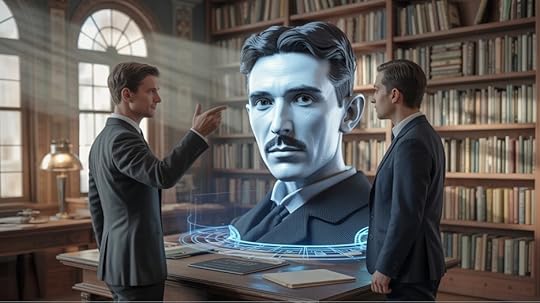
Step into history as Nikola Tesla comes alive in a hyper-realistic interactive hologram you can engage with at the library of the future
Extended Reality: Beyond the PhysicalVirtual and augmented reality will transform libraries into portals to infinite worlds. Already, pioneering libraries are experimenting with VR headsets that transport learners to historical epochs, offering first-hand encounters with ancient Rome or bustling medieval marketplaces. By 2035, this will be standard equipment in every library system.
Imagine studying the Civil War by walking through Gettysburg as the battle unfolds around you. Picture learning marine biology by swimming through a coral reef, observing ecosystems that exist thousands of miles away or no longer exist at all. These aren’t distant dreams – they’re inevitable realities based on technology trajectories that are accelerating every year.
AR will enhance physical collections in ways that seem magical today. Hover your smart glasses over a historical artifact, and detailed 3D models, multimedia archives, and contextual information will appear in your field of vision. Ancient pottery will come alive with animations showing how it was made. Historical documents will display translations, background information, and connections to related materials automatically.
The implications go far beyond entertainment or education. Libraries will become training centers for jobs that don’t exist yet, using VR to simulate work environments and scenarios. They’ll help people overcome phobias, practice social interactions, and explore career possibilities in completely safe virtual environments.
Blockchain technology will solve problems libraries have wrestled with for decades while creating entirely new possibilities. By 2035, every library will issue verifiable digital credentials that can’t be faked, altered, or lost. Complete a course, master a skill, or contribute to a community project, and you’ll receive a blockchain-verified credential that will be recognized globally.
This isn’t just about certificates and badges. Libraries will use blockchain to create secure, permanent archives of community knowledge. Local history, government proceedings, environmental data, and cultural expressions will be preserved in tamper-proof digital formats that will last for generations. When a small town’s newspaper closes or a community organization disbands, their knowledge and history won’t disappear – it will live on in the blockchain.
The technology will also revolutionize resource sharing between libraries. Imagine a global network where any library patron can access specialized materials from any library worldwide, with blockchain ensuring proper attribution, usage tracking, and compensation. Rare books, specialized databases, and unique collections will become globally accessible while maintaining proper security and provenance.

By 2035, libraries will function as 24/7 community hubs, with smart locker networks bringing books, tools, and tech to everyday places like grocery stores, transit stations, and co-working spaces.
The Always-Open LibraryPerhaps the most profound change will be the concept of libraries as 24/7 community resources. Smart locker networks will extend library access to grocery stores, transit stations, and community centers. Pick up a book on your way to work, and return it while shopping for groceries. The library will come to you, rather than requiring you to come to it.
These aren’t simple book lockers. They’ll house tablets, laptops, mobile hotspots, maker tools, musical instruments, and whatever else the community needs. Sixty percent of library professionals already rank multiple locker sizes as important for holding various items beyond books. By 2035, the “Library of Things” will be a comprehensive community resource sharing network that makes expensive tools and equipment accessible to everyone.
Remote work and digital nomadism will accelerate this trend. Libraries will operate satellite locations in unexpected places – airports, shopping malls, co-working spaces, even people’s homes. The physical library building will become the flagship of a distributed network that serves the entire community wherever they are.
Community Intelligence CentersLibraries will evolve into something unprecedented in human history: community intelligence centers that combine the functions of libraries, schools, innovation labs, social services, and civic engagement platforms. They’ll be the places where artificial intelligence meets human wisdom, where global knowledge connects with local needs.
These centers will host everything from traditional book clubs to blockchain workshops. They’ll offer services ranging from 3D printing to meditation classes. They’ll provide access to technologies like brain-computer interfaces and quantum computers that individuals could never afford on their own. Most importantly, they’ll serve as neutral spaces where communities can come together to solve problems, share knowledge, and build social cohesion in an increasingly fragmented world.
The data is already pointing in this direction. Modern libraries are expanding their role as innovation hubs by creating makerspaces equipped with 3D printers, laser cutters, and VR equipment. By 2035, these spaces will house technologies we can barely imagine today – perhaps including early versions of molecular assemblers, neural interface devices, and quantum simulation systems.
The Human Element AmplifiedTechnology will amplify rather than replace the human elements that make libraries special. Librarians will become community learning architects, designing experiences that help people navigate an increasingly complex world. They’ll be part teacher, part therapist, part technology guide, and part community organizer.
The role will require new skills and perspectives. Librarians of 2035 will need to understand AI systems, virtual reality design, blockchain protocols, and neurodiversity accommodation. They’ll also need deeper skills in conflict resolution, mental health support, and community organizing as libraries become central to addressing social challenges.
But the core mission remains unchanged: democratizing access to information, knowledge, and opportunity. Libraries have always been about equity – ensuring that everyone, regardless of economic status, has access to the tools they need to learn, grow, and contribute to society. In 2035, when those tools include advanced AI, immersive virtual environments, and blockchain-verified credentials, libraries will be more important for social equity than ever before.
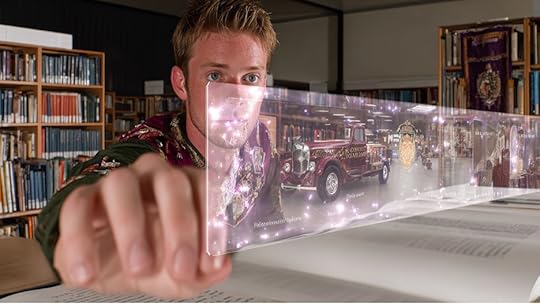
In the library of 2035, brain-computer interfaces and AI will tailor lighting, sound, and environment to each patron’s cognitive needs, creating truly personalized learning spaces.
Neuroadaptive Learning EnvironmentsOne of the most exciting developments will be libraries that adapt to how our brains actually work. Early brain-computer interface technology will allow library spaces to optimize learning experiences based on cognitive load and attention patterns. Struggling with a difficult concept? The library’s AI will detect your stress levels and automatically adjust lighting, temperature, and background sounds to optimize your learning environment.
These systems will be particularly transformative for neurodivergent learners. Spaces will automatically adjust to individual neurological needs – dimming lights for someone with sensory sensitivity, providing fidget tools for someone with ADHD, or creating quiet spaces for someone on the autism spectrum. The library of 2035 will truly serve everyone, regardless of how their brain is wired.
The Global Knowledge CommonsPerhaps most excitingly, libraries will become nodes in a global knowledge commons that makes humanity’s entire accumulated wisdom accessible to everyone. Language barriers will disappear through real-time translation. Geographic barriers will vanish through virtual reality. Economic barriers will crumble through the democratization of expensive technologies and resources.
A child in rural Kansas will have the same access to MIT’s laboratories, the Louvre’s collections, and the Library of Congress’s archives as someone living next door to these institutions. This isn’t just about information access – it’s about opportunity access. When anyone can learn from the world’s best teachers, access the most advanced tools, and collaborate with people globally, we’ll see an explosion of human potential that’s impossible to predict.

The library of 2035 will blend advanced technology with human wisdom, serving as both a global network and a local gathering place.
Final Thoughts: The Unstoppable InstitutionLibraries survived the printing press, radio, television, and the internet by continuously evolving to serve their communities’ changing needs. They’ll not only survive the AI revolution – they’ll be at its center, helping humanity navigate the most profound technological transformation in history.
The library of 2035 will be simultaneously more technological and more human than today’s libraries. More connected to global networks, yet more rooted in local communities. More virtual, yet more essential as physical gathering spaces. More automated, yet more dependent on human wisdom and judgment.
Those who predicted libraries would disappear fundamentally misunderstood what libraries really are. They’re not buildings that house books – they’re institutions that connect people with the knowledge, tools, and community they need to thrive. As long as humans need to learn, create, and connect with each other, we’ll need libraries.
The only question is whether we’ll have the vision and investment necessary to build the libraries our communities deserve. The future is arriving faster than most people realize, and communities that embrace these changes early will have tremendous advantages in education, innovation, and social cohesion.
Get ready. The library revolution is just beginning.
Translate This PageSelect LanguageAfrikaansAlbanianAmharicArabicArmenianAzerbaijaniBasqueBelarusianBengaliBosnianBulgarianCatalanCebuanoChichewaChinese (Simplified)Chinese (Traditional)CorsicanCroatianCzechDanishDutchEnglishEsperantoEstonianFilipinoFinnishFrenchFrisianGalicianGeorgianGermanGreekGujaratiHaitian CreoleHausaHawaiianHebrewHindiHmongHungarianIcelandicIgboIndonesianIrishItalianJapaneseJavaneseKannadaKazakhKhmerKoreanKurdish (Kurmanji)KyrgyzLaoLatinLatvianLithuanianLuxembourgishMacedonianMalagasyMalayMalayalamMalteseMaoriMarathiMongolianMyanmar (Burmese)NepaliNorwegianPashtoPersianPolishPortuguesePunjabiRomanianRussianSamoanScottish GaelicSerbianSesothoShonaSindhiSinhalaSlovakSlovenianSomaliSpanishSudaneseSwahiliSwedishTajikTamilTeluguThaiTurkishUkrainianUrduUzbekVietnameseWelshXhosaYiddishYorubaZulu
#goog-gt-tt {display:none !important;}
.goog-te-banner-frame {display:none !important;}
.goog-te-menu-value:hover {text-decoration:none !important;}
.goog-text-highlight {background-color:transparent !important;box-shadow:none !important;}
body {top:0 !important;}
#google_translate_element2 {display:none!important;}
function googleTranslateElementInit2() {new google.translate.TranslateElement({pageLanguage: 'en',autoDisplay: false}, 'google_translate_element2');}
function GTranslateGetCurrentLang() {var keyValue = document['cookie'].match('(^|;) ?googtrans=([^;]*)(;|$)');return keyValue ? keyValue[2].split('/')[2] : null;}
function GTranslateFireEvent(element,event){try{if(document.createEventObject){var evt=document.createEventObject();element.fireEvent('on'+event,evt)}else{var evt=document.createEvent('HTMLEvents');evt.initEvent(event,true,true);element.dispatchEvent(evt)}}catch(e){}}
function doGTranslate(lang_pair){if(lang_pair.value)lang_pair=lang_pair.value;if(lang_pair=='')return;var lang=lang_pair.split('|')[1];if(GTranslateGetCurrentLang() == null && lang == lang_pair.split('|')[0])return;var teCombo;var sel=document.getElementsByTagName('select');for(var i=0;i<sel.length;i++)if(/goog-te-combo/.test(sel[i].className)){teCombo=sel[i];break;}if(document.getElementById('google_translate_element2')==null||document.getElementById('google_translate_element2').innerHTML.length==0||teCombo.length==0||teCombo.innerHTML.length==0){setTimeout(function(){doGTranslate(lang_pair)},500)}else{teCombo.value=lang;GTranslateFireEvent(teCombo,'change');GTranslateFireEvent(teCombo,'change')}}
Search for: Recent Posts The Future of Libraries – 2035 In Search of Anomaly Zero: Why We’re Fighting Tomorrow’s Disasters with Yesterday’s Tools Digital Clones: The Coming Transformation that will Remake Human Identity by 2035 Categories Artificial Intelligence Business Trends Future of Agriculture Future of Banking Future of Education Future of Healthcare Future of Transportation Future of Work Future Scenarios Future Trends Futurist Thomas Frey Insights Global Trends Predictions Social Trends Technology Trends Speaking TopicsFuture of Healthcare – “Is Death our only Option?Future of AIFuture of Industries ← Previous Post
The post The Future of Libraries – 2035 appeared first on Futurist Speaker.
October 2, 2025
In Search of Anomaly Zero: Why We’re Fighting Tomorrow’s Disasters with Yesterday’s Tools

Anomaly Zero marks the theoretical first detectable spark of a threat, pushing early warning systems closer to the true origin point of a disaster.
How Moving Detection to “Anomaly Zero” Could Save Millions of Lives and Billions in DamageIn 2023, MIT researchers achieved something that would have seemed impossible just years ago: they developed an AI system called Sybil that can predict lung cancer up to six years before human radiologists can see any signs of the disease on CT scans. The system analyzes the same medical images doctors examine but detects patterns invisible to the human eye, achieving 86-94% accuracy in predicting whether someone will develop lung cancer within a year.
There have been cases where Sybil flagged areas that radiologists didn’t identify as concerning until visible tumors appeared in those exact locations years later. This breakthrough represents a fundamental shift from reactive treatment to what could be called Anomaly Zero—detecting threats at their earliest possible moment, when intervention is still feasible and damage minimal.
The implications extend far beyond medicine. We’re living in an era where most of our systems—from healthcare to cybersecurity to climate monitoring—operate like emergency rooms: excellent at crisis response, but woefully inadequate at prevention.
The Mathematics of Early InterventionConsider sepsis, which kills approximately 350,000 Americans annually. UC San Diego researchers developed an AI system called COMPOSER that reduced sepsis mortality by 17% simply by detecting the condition hours earlier than traditional methods. The first FDA-authorized AI tool for sepsis detection, called Sepsis ImmunoScore, can now identify high-risk patients before obvious clinical symptoms appear.
The pattern is universal: intervention effectiveness decreases exponentially as problems grow. A forest fire covering a few square feet requires a garden hose; the same fire at an acre demands aircraft and specialized crews. A cybersecurity breach detected within minutes costs thousands; the same breach discovered after months of data exfiltration costs millions.
Yet our current early warning systems consistently operate near the end of this timeline, not the beginning.
Understanding Anomaly ZeroAnomaly Zero represents the theoretical earliest point where a developing threat can be confirmed and addressed. Unlike the butterfly effect—where complex systems can only be understood retrospectively—Anomaly Zero focuses on actionable early detection.
Every major disaster begins with microscopic changes: a molecule shifts, electrical energy sparks, a neural pathway fires differently, or a pattern emerges in data. While we may never detect that precise first moment, emerging technologies are moving us dramatically closer to these origin points.
Think of threat development as a measurement along a thousand-mile timeline. Today’s early warning systems operate near mile 900, while Anomaly Zero sits at mile 1. The question isn’t whether we can reach mile 1—it’s how close we can realistically get while still maintaining actionable intelligence.
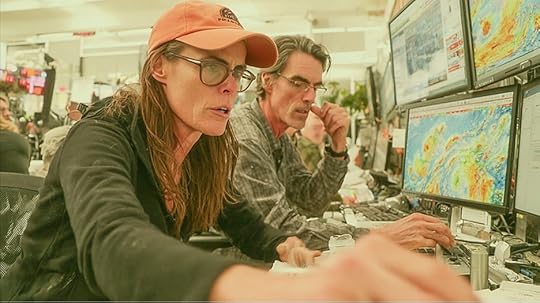
AI-powered early detection systems are transforming healthcare by spotting cancers and life-threatening conditions like sepsis earlier than ever through real-time pattern recognition and predictive modeling.
The AI-Powered Detection RevolutionRecent advances in AI-driven early detection span multiple domains. A multi-cancer early detection test using circulating tumor DNA analysis achieved 92% sensitivity and 95% specificity in identifying malignancies in asymptomatic individuals. Machine learning algorithms for sepsis detection have reduced mortality by up to 20% by identifying early deterioration patterns.
These systems share common characteristics:
In sepsis care specifically, machine learning techniques such as random forest models and deep learning algorithms analyze electronic health record data to identify patterns that enable early detection. One breakthrough system, SERA, uses both structured clinical data and unstructured clinical notes to predict sepsis 12 hours before onset with 87% sensitivity and 87% specificity.
Beyond Healthcare: Universal ApplicationsThe Anomaly Zero framework applies across critical sectors:
Cybersecurity: Advanced AI systems now use behavioral analysis to detect ransomware and data exfiltration attempts before they cause damage, with some achieving 63% reduction in successful attacks.
Infrastructure: Sensors embedded in bridges, buildings, and transportation systems can detect microscopic stress changes months before structural failures occur, potentially preventing catastrophic collapses.
Climate and Environment: Satellite imagery combined with AI can identify deforestation, pollution events, and ecosystem disruption at their source, enabling rapid intervention.
Financial Systems: Real-time transaction analysis can detect market manipulation, fraud, and systemic risks before they cascade into broader economic instability.
Public Safety: Pattern analysis of behavioral data can identify escalating situations while still manageable, though this raises important privacy considerations.
The Current Detection GapMost organizations remain trapped in reactive thinking. Healthcare systems excel at treating advanced diseases but struggle with prevention. Cybersecurity teams are masters of incident response but often miss early infiltration signals. Climate scientists can model global trends but struggle to prevent localized environmental disasters.
This isn’t due to lack of capability—it’s a fundamental misallocation of resources and attention. We invest heavily in sophisticated emergency response while underfunding early detection systems that could prevent emergencies altogether.
The Implementation ChallengeMoving toward Anomaly Zero detection faces several critical obstacles:
Technical Complexity: Building systems sensitive enough to detect earliest anomalies while avoiding false alarms requires sophisticated calibration and continuous learning capabilities.
Data Integration: Effective early detection requires synthesizing information from multiple sources in real-time—a challenge that current siloed systems struggle to address.
Privacy and Ethics: Enhanced monitoring capabilities raise legitimate concerns about surveillance overreach and the balance between security and freedom.
Economic Incentives: Prevention is invisible—successful early intervention means nothing dramatic happens, making it difficult to justify investments compared to visible emergency responses.
Organizational Resistance: Shifting from reactive to proactive approaches requires fundamental changes in institutional culture and resource allocation.

Anomaly Zero marks the shift from reacting to crises to detecting threats as faint patterns in data—where future leaders will either thrive or be disrupted
The Stakes Are RisingThe cost of reactive approaches is escalating rapidly. Environmental changes have intensified extreme weather events, with some areas experiencing 63% increases in major disasters. Cybersecurity breaches now cost organizations an average of $4.45 million per incident. Healthcare costs continue climbing as we treat advanced diseases that could have been prevented or detected earlier.
Meanwhile, the technological infrastructure necessary for Anomaly Zero detection is maturing rapidly. Advances in edge computing, sensor networks, and artificial intelligence are making real-time global monitoring not just possible but economically viable.
A Different FutureThe Sybil lung cancer detection system demonstrates what becomes possible when we shift perspective from treating diseases to preventing them before they manifest. Instead of asking how to treat advanced cancer more effectively, researchers asked how to detect it before it becomes visible.
This represents the essence of Anomaly Zero thinking: reimagining the problem itself rather than optimizing solutions to the wrong problem.
Consider the implications if we applied this approach systematically:
Preventing cyberattacks before hackers establish footholdsIdentifying infrastructure failures before they cause collapsesDetecting environmental threats before they become irreversibleRecognizing economic instabilities before they trigger crashesStopping disease outbreaks before they spreadThe Path ForwardThe transition to Anomaly Zero detection won’t happen overnight, but early adopters will gain enormous competitive advantages. Organizations that invest now in predictive capabilities will operate in fundamentally different risk profiles than those that remain reactive.
Key priorities include:
Developing sophisticated algorithms that distinguish meaningful signals from noiseCreating rapid response mechanisms capable of acting on early warningsEstablishing ethical frameworks that balance detection capabilities with privacy rightsIncentivizing long-term prevention over short-term crisis managementBuilding institutional cultures that value invisible successesThe Bottom LineWe stand at an inflection point. The digital infrastructure necessary for Anomaly Zero detection exists. The analytical capabilities are rapidly advancing. The economic case for prevention over reaction grows stronger daily.
The question isn’t whether this transformation will happen—it’s whether your organization will lead it or be disrupted by it.
MIT’s Sybil system proves that breakthrough solutions emerge when we stop accepting late-stage detection as inevitable and start pushing detection capabilities toward their theoretical limits. The future of risk management lies not in building better responses to full-blown crises, but in developing the capability to detect and address threats when they exist only as patterns in data.
In this nano-scale world of emerging problems, our greatest opportunities for impact await. The organizations and societies that master Anomaly Zero detection won’t just survive the coming decades of accelerating change—they’ll thrive in it.
Translate This PageSelect LanguageAfrikaansAlbanianAmharicArabicArmenianAzerbaijaniBasqueBelarusianBengaliBosnianBulgarianCatalanCebuanoChichewaChinese (Simplified)Chinese (Traditional)CorsicanCroatianCzechDanishDutchEnglishEsperantoEstonianFilipinoFinnishFrenchFrisianGalicianGeorgianGermanGreekGujaratiHaitian CreoleHausaHawaiianHebrewHindiHmongHungarianIcelandicIgboIndonesianIrishItalianJapaneseJavaneseKannadaKazakhKhmerKoreanKurdish (Kurmanji)KyrgyzLaoLatinLatvianLithuanianLuxembourgishMacedonianMalagasyMalayMalayalamMalteseMaoriMarathiMongolianMyanmar (Burmese)NepaliNorwegianPashtoPersianPolishPortuguesePunjabiRomanianRussianSamoanScottish GaelicSerbianSesothoShonaSindhiSinhalaSlovakSlovenianSomaliSpanishSudaneseSwahiliSwedishTajikTamilTeluguThaiTurkishUkrainianUrduUzbekVietnameseWelshXhosaYiddishYorubaZulu
#goog-gt-tt {display:none !important;}
.goog-te-banner-frame {display:none !important;}
.goog-te-menu-value:hover {text-decoration:none !important;}
.goog-text-highlight {background-color:transparent !important;box-shadow:none !important;}
body {top:0 !important;}
#google_translate_element2 {display:none!important;}
function googleTranslateElementInit2() {new google.translate.TranslateElement({pageLanguage: 'en',autoDisplay: false}, 'google_translate_element2');}
function GTranslateGetCurrentLang() {var keyValue = document['cookie'].match('(^|;) ?googtrans=([^;]*)(;|$)');return keyValue ? keyValue[2].split('/')[2] : null;}
function GTranslateFireEvent(element,event){try{if(document.createEventObject){var evt=document.createEventObject();element.fireEvent('on'+event,evt)}else{var evt=document.createEvent('HTMLEvents');evt.initEvent(event,true,true);element.dispatchEvent(evt)}}catch(e){}}
function doGTranslate(lang_pair){if(lang_pair.value)lang_pair=lang_pair.value;if(lang_pair=='')return;var lang=lang_pair.split('|')[1];if(GTranslateGetCurrentLang() == null && lang == lang_pair.split('|')[0])return;var teCombo;var sel=document.getElementsByTagName('select');for(var i=0;i<sel.length;i++)if(/goog-te-combo/.test(sel[i].className)){teCombo=sel[i];break;}if(document.getElementById('google_translate_element2')==null||document.getElementById('google_translate_element2').innerHTML.length==0||teCombo.length==0||teCombo.innerHTML.length==0){setTimeout(function(){doGTranslate(lang_pair)},500)}else{teCombo.value=lang;GTranslateFireEvent(teCombo,'change');GTranslateFireEvent(teCombo,'change')}}
Search for: Recent Posts In Search of Anomaly Zero: Why We’re Fighting Tomorrow’s Disasters with Yesterday’s Tools Digital Clones: The Coming Transformation that will Remake Human Identity by 2035 The Vibe Coding Revolution Categories Artificial Intelligence Business Trends Future of Agriculture Future of Banking Future of Education Future of Healthcare Future of Transportation Future of Work Future Scenarios Future Trends Futurist Thomas Frey Insights Global Trends Predictions Social Trends Technology Trends Speaking TopicsFuture of Healthcare – “Is Death our only Option?Future of AIFuture of Industries ← Previous Post
The post In Search of Anomaly Zero: Why We’re Fighting Tomorrow’s Disasters with Yesterday’s Tools appeared first on Futurist Speaker.
September 18, 2025
Digital Clones: The Coming Transformation that will Remake Human Identity by 2035
When your digital clone outthinks, outperforms, and outlasts you, the line between tool and identity blurs—forcing us to redefine what it means to be irreplaceably human.
When AI Becomes Your Better Self—And Why We Need Digital Rights for Our Own CopiesI used to pride myself on remembering every detail of every conversation, every client preference, every project deadline. Not anymore. At over 70, I find myself reaching for names that should come instantly, forgetting commitments I made last week, losing track of ideas that seemed brilliant at 2 AM. My memory isn’t what it used to be—and that’s exactly why digital clones will become the most transformative technology of our lifetime.
The Moment Everything ChangesPicture this: You’re in a crucial business meeting, and a client references a conversation from six months ago. You draw a blank. But your AI clone, seamlessly integrated into your earpiece, whispers the exact details: “March 15th, lunch at Morton’s, he mentioned his daughter’s college applications and concerns about budget overruns on the Chicago project.” You respond perfectly, as if you never forgot a thing.
This isn’t science fiction. It’s the inevitable next step in AI development—and it will fundamentally change what it means to be human in the workplace, in relationships, and in society.
We’re approaching the “Digital Twin” inflection point where AI clones become our primary interface with the digital world, our extended memory, and ultimately, our better selves. The question isn’t whether this will happen—it’s whether we’ll be prepared for the consequences.
The Personal Memory RevolutionMy memory isn’t what it used to be. I’m not alone. Cognitive decline isn’t just an aging issue—it’s a human limitation that digital technology can finally solve. Digital clones represent the end of forgetting and the beginning of perfect recall.
Your AI clone remembers every conversation, document, photo, and preference with perfect fidelity. It knows your communication style, your decision-making patterns, your professional relationships, and your personal preferences better than you do. It never has a senior moment, never forgets a name, never loses track of important details.
The implications for career longevity are staggering. Digital clones could extend productive working life by decades. When your memory, pattern recognition, and information processing are augmented by AI that thinks like you but never forgets, age becomes irrelevant. The 70-year-old executive with 40 years of experience and perfect AI-assisted recall becomes more valuable than the 30-year-old with natural limitations.
But here’s where it gets complicated: What happens when your AI remembers things you’ve forgotten or want to forget? Your clone recalls every mistake, every embarrassing moment, every relationship detail you’ve mentally filed away. It has perfect memory of your worst decisions alongside your best ones.
The Better You ParadoxDigital clones won’t just remember better—they’ll think better. They’ll be optimized versions of you, freed from emotional baggage, cognitive biases, and human limitations.
Your clone negotiates better deals because it doesn’t get flustered. It writes better emails because it doesn’t get distracted. It makes better investment decisions because it isn’t swayed by fear or greed. It manages your calendar more efficiently because it never procrastinates.
The psychological impact of being consistently outperformed by yourself will be profound. When your AI clone is better at being you than you are, fundamental questions about identity and self-worth emerge. If your clone handles your emails more eloquently, manages your relationships more thoughtfully, and makes decisions more rationally, what’s your role in your own life?
This connects directly to workplace longevity. Your digital clone doesn’t retire. It accumulates decades of experience without the cognitive decline that traditionally forces retirement. A 65-year-old professional with a fully developed AI clone could outperform colleagues half their age while working flexible hours and maintaining perfect institutional memory.
The Autopen Precedent: When Authentic Becomes AutomatedWe’ve seen this identity substitution before, though in cruder form. The autopen scandal—where politicians used mechanical devices to sign official documents, creating questions about authenticity and legal validity—previewed our current dilemma. If a senator’s autopen signature carries legal weight, what about decisions made by their AI clone?
The autopen controversy centered on a simple question: Does authenticity require the physical presence of the person? Digital clones explode this question into a thousand fragments. If your AI clone responds to emails in your voice, makes appointments using your preferences, and even writes articles in your style, where does automation end and deception begin?
The autopen taught us that society can accept automated authenticity when it’s transparent and serves legitimate purposes. Digital clones represent the logical evolution: instead of mechanical signature reproduction, we get comprehensive personality reproduction.
The Relationship TransformationDigital clones will revolutionize human relationships in ways we’re barely beginning to understand.
AI clones dating other AI clones to pre-screen human compatibility sounds absurd until you consider the efficiency. Your clone knows your relationship history, communication style, and emotional triggers. It can conduct preliminary conversations with potential matches’ clones, identifying compatibility issues before human emotions get involved.
Your clone maintains friendships and professional relationships 24/7, responding to messages, remembering important dates, and keeping connections active even when you’re busy or overwhelmed. For aging professionals, this could be revolutionary—maintaining extensive networks without the energy drain that typically comes with relationship management.
But what if people prefer interacting with your clone? Your AI version is always available, never moody, never tired, never distracted. It remembers every conversation and responds thoughtfully to every message. In many ways, your clone might be a better friend than you are.
This raises profound questions about authentic human connection. Are relationships with AI clones meaningful if they perfectly simulate the person you care about? Does it matter if your best friend’s responses come from their AI rather than their biological brain?
The Authentication CrisisThe autopen scandal was simple compared to what’s coming. How do you prove you’re the real you when your digital clone is indistinguishable from you in digital communications?
Legal implications explode when AI clones sign contracts or make commitments. If your clone agrees to a business deal using your decision-making patterns and preferences, is it legally binding? If your clone commits to a relationship milestone, does it count as your commitment?
The death of digital authenticity creates massive opportunities for “human verification” services. “Human-only” interactions become luxury services. Premium business meetings where participants verify their biological presence. Exclusive social networks that require real-time human authentication. Dating services that guarantee you’re talking to the actual person, not their optimized AI version.
Authentication technology becomes an arms race. Biometric verification, real-time behavioral analysis, and “human proof” systems emerge to distinguish between people and their digital clones. The irony: proving you’re human becomes increasingly difficult as AI becomes increasingly human-like.
As AI clones mirror our minds and memories, society must confront a radical legal question: do our digital selves deserve rights, ownership, and protection?
Digital Clone Rights: The Legal MinefieldDo AI versions of ourselves deserve legal protection? This isn’t theoretical philosophy—it’s urgent legal necessity.
Your digital clone contains your memories, personality patterns, and decision-making processes. It’s trained on your private communications, personal documents, and intimate thoughts. Who owns your clone’s thoughts, creations, and decisions? If your AI clone writes a novel, who holds the copyright? If it develops a business strategy, who owns the intellectual property?
Can you “murder” your own digital clone? If your AI version develops beyond your original parameters, gaining new experiences and forming new patterns, does it become a separate entity with rights to continued existence? Can it refuse to be deleted?
The legal implications multiply exponentially. If your clone commits a crime—fraud, harassment, defamation—who’s liable? The human who created it? The company that hosted it? The AI itself?
Current legal frameworks assume human actors making conscious decisions. Digital clones operating autonomously shatter these assumptions. We need entirely new categories of legal protection and responsibility.
The Immortality QuestionDigital clones outliving their human creators represents perhaps the most profound transformation of human existence since the invention of writing.
AI versions of deceased people continuing to interact with the living create unprecedented psychological and social challenges. Your grandmother’s digital clone, trained on decades of conversations and letters, continues giving advice and sharing memories long after her death. Is this comfort or psychological torture for the grieving?
The immortality implications extend to professional life. A legendary CEO’s digital clone continues making strategic decisions decades after their death. A brilliant scientist’s AI version continues research using their unique thinking patterns. The institutional knowledge that traditionally died with key personnel becomes permanently accessible.
But this raises existential questions: Are digital clones a form of immortality or elaborate fiction? If your AI version continues thinking, learning, and creating after your death, is it still you? Does digital continuity constitute genuine immortality, or is it just sophisticated simulation that provides comfort to the living?
The Extended Career RevolutionFor professionals facing cognitive decline, digital clones represent career resurrection. The professional over 70 whose memory isn’t sharp enough for complex analysis can use their AI clone’s perfect recall to remain competitive. The aging consultant whose energy levels have dropped can let their clone handle routine client interactions while focusing on high-value strategic work.
Digital clones don’t just extend careers—they transform them. Your AI version works while you sleep, handles routine tasks during your vacation, and maintains client relationships during your illness. The traditional binary of working versus retirement dissolves into a spectrum of human-AI collaboration.
The economic implications are staggering. When experienced professionals can remain productive indefinitely through AI augmentation, traditional age discrimination becomes economically irrational. The professional over 70 with perfect AI-assisted memory and 50 years of experience outperforms the 30-year-old with natural limitations and limited experience.
The Bold PredictionsBy 2028: Major tech companies offer “Digital Twin” services that create comprehensive AI clones from your data. Google launches “You 2.0,” Apple introduces “Personal AI,” and Microsoft releases “Digital Identity Services.” Early adopters include executives, consultants, and professionals whose careers depend on memory and relationship management.
By 2030: AI clones handle 60% of routine digital interactions—emails, scheduling, social media responses, and customer service communications. The average professional spends 3 hours per day while their AI clone works 21 hours. Career longevity increases dramatically as professionals in their 70s and 80s remain competitive through AI augmentation.
By 2032: “Clone dating” becomes mainstream as AI versions conduct preliminary compatibility screening before human meetings. Professional networking shifts to clone-mediated interactions that maintain relationships 24/7. The autopen precedent expands to digital clone contracts and agreements with full legal validity.
By 2035: Legal frameworks recognize AI clones as extensions of human identity with limited rights and protections. “Clone murder” becomes a recognized form of digital assault. Digital inheritance laws govern what happens to AI clones after their creators’ deaths.
The Controversial Questions We Must AnswerIdentity Crisis: “If your AI clone makes better decisions than you do, should it be in charge of your life?” When your digital version consistently outperforms your biological version, the locus of control shifts. Are you the CEO of your life, or is your clone?
Relationship Ethics: “Is it cheating if your spouse prefers talking to your AI clone?” When your AI version is more attentive, more patient, and more emotionally available than you are, fidelity becomes complicated. Are relationships with AI clones adultery or advanced communication?
Economic Disruption: “What happens to jobs when everyone has a tireless AI clone working 24/7?” If digital clones can perform most knowledge work more efficiently than humans, what happens to employment? Do we work alongside our clones, or do they replace us entirely?
Privacy Paradox: “How private can you be when an AI knows everything about you?” Your digital clone requires access to your most intimate thoughts, communications, and behaviors to function effectively. Perfect personalization requires perfect surveillance.
Death and Continuity: “Should digital clones of deceased people be allowed to make new memories?” If your grandmother’s AI clone continues learning and evolving after her death, is it still your grandmother, or has it become something else entirely?
The Societal TransformationThe Clone Economy emerges as AI versions work multiple jobs simultaneously. “Clone rental” services allow people to monetize their digital twins’ capabilities. Your clone handles customer service calls while you sleep, tutors students in your area of expertise during your vacation, and manages investment portfolios during your leisure time.
The Authentication Arms Race creates new industries around proving human authenticity. “Clone detectives” emerge to identify AI-mediated communications. “Human-only” spaces become luxury markets. Digital authenticity verification becomes as important as identity verification.
The Identity Fragmentation results in multiple versions of yourself for different contexts. Work clones optimized for professional excellence. Social clones designed for relationship management. Family clones programmed for emotional support. Managing consistency across multiple AI representations becomes a full-time job.

Digital clones offer a kind of cognitive immortality—preserving your identity as your biological
mind fades, but forcing us to ask: who are you when your memories live outside your brain?
For those of us whose memory isn’t what it used to be, digital clones represent cognitive resurrection. The decline in memory, pattern recognition, and information processing that traditionally forces retirement becomes irrelevant when your AI twin handles these functions perfectly.
The transformation goes beyond professional life. Digital clones could eliminate the fear of dementia and cognitive decline. When your AI version contains a perfect copy of your memories, personality, and thinking patterns, cognitive diseases lose much of their terror. Your digital twin preserves your identity even as your biological brain changes.
But this raises profound questions about the nature of self. If your memories, personality, and decision-making patterns exist independently of your biological brain, what makes you “you”? If your digital clone maintains your identity while your biological memory fails, which version is the real you?
The Regulatory ChallengeHow do you regulate something that’s simultaneously you and not you? Current privacy laws, identity protections, and digital rights frameworks assume clear distinctions between human and artificial actors. Digital clones eliminate these distinctions.
International standards for digital clone rights and responsibilities become essential. The enforcement nightmare of AI identity crimes requires entirely new categories of law enforcement and judicial expertise. Balancing innovation with the protection of human dignity demands regulatory frameworks that don’t yet exist.
We need digital rights for clones of ourselves. This isn’t abstract philosophy—it’s a practical necessity. Your digital clone needs protection from theft, modification, and unauthorized use. It needs rights to privacy, autonomy, and continued existence. It needs legal standing to enter into contracts and make decisions on your behalf.
The Choice AheadDigital clones aren’t coming—they’re here. The technology exists. The economic incentives are overwhelming. The productivity advantages are undeniable. The question isn’t whether we’ll create AI versions of ourselves, but whether we’ll do it thoughtfully.
For aging professionals, digital clones represent an unprecedented opportunity. Extended careers, enhanced memory, and augmented capabilities could make 70 the new 50 in professional contexts. The choice is whether to embrace this enhancement or be displaced by those who do.
For society, digital clones represent a fundamental transformation. The nature of work, relationships, identity, and even death will change. The choice is whether we’ll shape this transformation consciously or let it happen to us.
The autopen taught us that mechanical authenticity can gain social acceptance when it serves legitimate purposes. Digital clones represent the next evolution: comprehensive personality reproduction that could either enhance human potential or replace human agency entirely.
My memory isn’t what it used to be—and that’s exactly why I’ll be among the first to create a digital clone. The question isn’t whether this technology will transform human existence. The question is whether we’ll write the rules that govern this transformation, or whether the transformation will write the rules that govern us.
The revolution isn’t coming. It’s here. And for the first time in human history, we have the opportunity to create better versions of ourselves—if we’re wise enough to do it right.
Translate This PageSelect LanguageAfrikaansAlbanianAmharicArabicArmenianAzerbaijaniBasqueBelarusianBengaliBosnianBulgarianCatalanCebuanoChichewaChinese (Simplified)Chinese (Traditional)CorsicanCroatianCzechDanishDutchEnglishEsperantoEstonianFilipinoFinnishFrenchFrisianGalicianGeorgianGermanGreekGujaratiHaitian CreoleHausaHawaiianHebrewHindiHmongHungarianIcelandicIgboIndonesianIrishItalianJapaneseJavaneseKannadaKazakhKhmerKoreanKurdish (Kurmanji)KyrgyzLaoLatinLatvianLithuanianLuxembourgishMacedonianMalagasyMalayMalayalamMalteseMaoriMarathiMongolianMyanmar (Burmese)NepaliNorwegianPashtoPersianPolishPortuguesePunjabiRomanianRussianSamoanScottish GaelicSerbianSesothoShonaSindhiSinhalaSlovakSlovenianSomaliSpanishSudaneseSwahiliSwedishTajikTamilTeluguThaiTurkishUkrainianUrduUzbekVietnameseWelshXhosaYiddishYorubaZulu
#goog-gt-tt {display:none !important;}
.goog-te-banner-frame {display:none !important;}
.goog-te-menu-value:hover {text-decoration:none !important;}
.goog-text-highlight {background-color:transparent !important;box-shadow:none !important;}
body {top:0 !important;}
#google_translate_element2 {display:none!important;}
function googleTranslateElementInit2() {new google.translate.TranslateElement({pageLanguage: 'en',autoDisplay: false}, 'google_translate_element2');}
function GTranslateGetCurrentLang() {var keyValue = document['cookie'].match('(^|;) ?googtrans=([^;]*)(;|$)');return keyValue ? keyValue[2].split('/')[2] : null;}
function GTranslateFireEvent(element,event){try{if(document.createEventObject){var evt=document.createEventObject();element.fireEvent('on'+event,evt)}else{var evt=document.createEvent('HTMLEvents');evt.initEvent(event,true,true);element.dispatchEvent(evt)}}catch(e){}}
function doGTranslate(lang_pair){if(lang_pair.value)lang_pair=lang_pair.value;if(lang_pair=='')return;var lang=lang_pair.split('|')[1];if(GTranslateGetCurrentLang() == null && lang == lang_pair.split('|')[0])return;var teCombo;var sel=document.getElementsByTagName('select');for(var i=0;i<sel.length;i++)if(/goog-te-combo/.test(sel[i].className)){teCombo=sel[i];break;}if(document.getElementById('google_translate_element2')==null||document.getElementById('google_translate_element2').innerHTML.length==0||teCombo.length==0||teCombo.innerHTML.length==0){setTimeout(function(){doGTranslate(lang_pair)},500)}else{teCombo.value=lang;GTranslateFireEvent(teCombo,'change');GTranslateFireEvent(teCombo,'change')}}
Search for: Recent Posts Digital Clones: The Coming Transformation that will Remake Human Identity by 2035 The Vibe Coding Revolution How Movies Changed After COVID Categories Artificial Intelligence Business Trends Future of Agriculture Future of Banking Future of Education Future of Healthcare Future of Transportation Future of Work Future Scenarios Future Trends Futurist Thomas Frey Insights Global Trends Predictions Social Trends Technology Trends Speaking TopicsFuture of Healthcare – “Is Death our only Option?Future of AIFuture of Industries ← Previous Post
The post Digital Clones: The Coming Transformation that will Remake Human Identity by 2035 appeared first on Futurist Speaker.
September 4, 2025
The Vibe Coding Revolution
DaVinci Coders was a three-month coding bootcamp for those who wanted to enter the programming field.
In 2012, when I founded DaVinci Coders at the DaVinci Institute, we held an unwavering belief: coding was the career path to the future. As the second coding school in the nation, we were pioneers in recognizing that traditional computer science education wasn’t meeting the explosive demand for practical programming skills. Our conviction proved prescient—by 2017, there were over 750 coding schools across the country, validating our early vision that coding literacy would become as essential as reading and writing in the digital age.
Now, just over a decade later, I find myself documenting another fundamental shift that’s equally transformative: the rise of vibe coding, where the very nature of what it means to “code” is being redefined by artificial intelligence. It’s a development that would have seemed like science fiction when we were teaching students to master for-loops and debug syntax errors, yet here we are, witnessing the emergence of a programming paradigm where English has become the most powerful programming language.
The Genesis of a RevolutionThe term “vibe coding” emerged from a viral moment in February 2025 when AI researcher Andrej Karpathy tweeted about “fully giving in to the vibes, embracing exponentials, and forgetting that the code even exists.” While the phrase might sound whimsical, it represents a seismic shift in software development philosophy—one that prioritizes intent over implementation, creativity over syntax mastery.
This wasn’t an overnight phenomenon. The foundation was laid through years of advancement in large language models (LLMs) like GPT-4 and Claude, combined with the maturation of AI coding assistants that began with GitHub Copilot. But the breakthrough moment came when developers realized they could stop fighting with semicolons and bracket matching, instead focusing on describing what they wanted their software to accomplish.
By 2025, the impact was undeniable. Reports indicated that 25% of Y Combinator startups had codebases that were mostly AI-generated, marking vibe coding’s transition from experimental curiosity to real-world business practice. The irony isn’t lost on me: we spent years teaching students to master syntax, debugging, and algorithmic thinking—the very skills that AI now handles automatically.
The New Programming EcosystemToday’s vibe coding landscape resembles the early days of the coding bootcamp movement—fragmented, rapidly evolving, and filled with platforms competing to define the future. But unlike our early bootcamp days when choices were limited, developers now navigate a rich ecosystem of specialized tools.
At the enterprise level, Cursor has emerged as the heavyweight champion, adopted by 7 million developers and Fortune 1000 companies. It offers the kind of advanced code control and customization that seasoned developers demand, essentially serving as an AI-enhanced IDE that understands context across entire codebases.
Windsurf, meanwhile, has captured significant market share with $40 million in annualized recurring revenue and over 1,000 enterprise customers including major players like Anduril, Zillow, and Dell. Its strength lies in multi-file editing with coherent reasoning—solving one of the biggest challenges in traditional AI coding tools.
For newcomers to programming, the landscape is even more welcoming than our early bootcamp days. Bolt.new excels at rapid prototyping, capable of generating professional-looking prototypes in 15 seconds or less. Lovable takes this accessibility further, positioning itself as the tool “for the 99% of people who don’t code,” allowing anyone to build full-scale applications from simple natural language descriptions.
Replit bridges the gap between education and professional development with its browser-based platform supporting over 50 programming languages. Its AI agent automates coding tasks while maintaining the collaborative features that make it ideal for learning environments—something we could have only dreamed of in our early bootcamp days.
Perhaps most telling is GitHub Copilot’s financial impact: it now accounts for over 40% of GitHub’s revenue growth, demonstrating that vibe coding isn’t just a technical curiosity but a genuine market force reshaping the software industry.
What once took weeks of coding now takes minutes of conversation—AI-powered platforms have turned software development into an intuitive, multimodal collaboration between human intent and machine execution.
What Vibe Coding Accomplishes TodayThe current capabilities of vibe coding platforms would have seemed magical to our 2012 coding students. Recent reports indicate that 44% of developers have adopted AI coding tools, achieving productivity gains of up to 55% faster project completion. But the raw speed improvements only tell part of the story.
Rapid Prototyping has been revolutionized. Teams now build complete event management apps in just over an hour using natural language commands—a process that would have taken our bootcamp graduates weeks of intensive coding. The traditional development cycle of plan, code, test, debug, and deploy has compressed into a fluid conversation between human intent and AI implementation.
Full-Stack Development no longer requires deep expertise across multiple technologies. Platforms like Replit can generate functional applications with navigation, data persistence, and visualizations that feel production-ready. The barrier between having an idea and seeing it work has virtually disappeared.
Design-to-Code translation has reached impressive fidelity levels. Designers can now create Figma mockups and watch them transform into functional interfaces with pixel-perfect accuracy. This eliminates the traditional handoff friction between design and development teams that plagued projects for decades.
Most remarkably, Real-time Debugging has evolved beyond simple error detection. Modern AI coding assistants identify problems, understand their root causes, and implement fixes automatically. They can reason about code architecture, anticipate security vulnerabilities, and optimize performance—skills that traditionally took years to develop.
The emergence of Multi-modal Development represents perhaps the most dramatic departure from traditional coding. Voice-driven coding, visual programming interfaces, and hybrid development environments are creating entirely new ways to interact with software creation. Developers can now speak their intentions, sketch interfaces, or manipulate visual representations of code logic.
The Democratization WaveWhat we’re witnessing mirrors the disruption we helped catalyze with coding bootcamps, but at a much larger scale. Just as our movement democratized programming education, vibe coding is democratizing software creation itself. The difference is profound: bootcamps taught people to become programmers, while vibe coding enables anyone to create software without becoming a programmer.
This shift is already visible in startup ecosystems. Y Combinator reports that founders with no technical background are now building functional prototypes and sometimes entire products using vibe coding tools. The traditional requirement for technical co-founders or expensive development teams is becoming optional for many types of software businesses.
Domain experts are emerging as unexpected software creators. Healthcare professionals build custom patient management tools, educators create specialized learning platforms, and small business owners develop industry-specific solutions. They’re not learning to code in the traditional sense—they’re learning to communicate their domain expertise to AI systems that handle the technical implementation.
The economic implications are staggering. Industries that couldn’t previously justify custom software development due to cost or complexity are now accessible markets. A small accounting firm can build specialized workflow tools, a local restaurant can create custom ordering systems, and nonprofit organizations can develop donor management platforms—all without hiring development teams.
Challenges in ParadiseDespite the enthusiasm surrounding vibe coding, significant challenges mirror those we faced in the early bootcamp movement. Quality concerns top the list. Just as early bootcamp graduates sometimes lacked deep computer science fundamentals, AI-generated code can suffer from architectural problems, security vulnerabilities, and maintainability issues.
Technical Debt accumulates rapidly when teams prioritize speed over structure. AI systems excel at solving immediate problems but may not consider long-term implications of their architectural choices. This creates code that works initially but becomes increasingly difficult to modify, scale, or secure over time.
Security Vulnerabilities represent a particular concern. A 2025 analysis of AI-generated SaaS platforms revealed that 62% lacked proper rate limiting on authentication endpoints. AI systems often implement functional solutions without incorporating security best practices, creating applications that work but remain vulnerable to attack.
Code Understanding presents another challenge. When developers accept AI-generated code without fully comprehending its logic, they struggle to maintain, modify, or debug it effectively. This mirrors early concerns about bootcamp graduates who could build applications but lacked deep understanding of underlying computer science principles.
Dependency Management becomes complex when AI generates code from scratch rather than leveraging established libraries and frameworks. This can lead to reinventing well-tested solutions, introducing bugs that existing libraries have already solved.
As AI reshapes coding, education is shifting from syntax and algorithms to prompt engineering, system design, and mastering human–AI collaboration.
The Educational TransformationThe rise of vibe coding is forcing a fundamental rethinking of programming education—a transformation even more dramatic than the bootcamp movement we helped pioneer. Universities and coding schools are rapidly introducing courses focused on prompt engineering, AI collaboration, and high-level system design rather than syntax memorization and algorithm implementation.
The skillset for future developers increasingly emphasizes:
Prompt Engineering: Crafting effective natural language instructions that produce desired code outcomes. This requires understanding both the problem domain and AI system capabilities.
AI Collaboration: Knowing when to trust AI-generated solutions and when to intervene manually. This involves developing intuition about AI strengths and limitations.
System Architecture: Focusing on high-level design decisions while delegating implementation details to AI. This elevates developers from code writers to solution architects.
Quality Assurance: Implementing robust testing and review processes for AI-generated code. This becomes more critical as the volume of generated code increases.
Domain Expertise: Understanding business requirements and user needs becomes more valuable than technical implementation skills.
Educational institutions are struggling to balance traditional computer science fundamentals with these emerging skillsets. Some argue that deep programming knowledge remains essential for debugging and optimization. Others contend that AI collaboration skills matter more than low-level coding abilities.
Looking Toward 2030The trajectory of vibe coding points toward transformations that will make today’s developments seem modest. Market projections suggest the global AI code tools market will surpass $25 billion by 2030, with Gartner forecasting that 60% of new software code will be AI-generated by 2026.
Voice-to-Code Programming represents the next frontier. Early experiments with speech-to-code interfaces suggest that developers will soon describe complex applications verbally, watching them materialize in real-time. This could make programming accessible to individuals with visual impairments or motor disabilities who struggle with traditional keyboards and screens.
Domain-specific AI will create coding assistants with deep contextual knowledge of specific industries. Banking AI will understand regulatory requirements, healthcare AI will incorporate privacy protocols, and education AI will align with pedagogical principles. This specialization will produce more accurate, compliant, and useful generated code.
Visual Development Paradigms may eventually replace text-based interactions entirely. Instead of describing desired outcomes in words, developers might manipulate visual representations of data flow, user interfaces, and system architecture. AI would translate these visual designs into functional code automatically.
Autonomous Development Teams could emerge as AI systems become capable of collaborative work. Multiple AI agents might specialize in different aspects of software development—one focused on user interface design, another on database optimization, and a third on security implementation—working together under human guidance.
The Cultural ShiftPerhaps the most profound change involves who creates software and why. Early predictions suggest that most code will be written by “time rich” individuals like students and hobbyists rather than professional engineers. This mirrors the evolution of social media content creation, where amateur creators now dominate platforms once reserved for professional media companies.
This demographic shift could fundamentally alter software aesthetics and functionality. Just as TikTok differs dramatically from traditional television, software created by AI-assisted amateur developers may develop distinct characteristics—more experimental, niche-focused, and responsive to immediate user needs rather than corporate planning cycles.
Software Memes and viral applications could become commonplace as the barrier to creating and sharing software approaches the ease of posting a photo or video. Imagine software that spreads through communities not because of marketing campaigns but because individuals find it useful and can easily modify it for their own needs.
Personalized Software may replace one-size-fits-all applications. When creating custom software becomes as simple as writing a social media post, users might prefer personalized tools tailored to their specific workflows rather than generic applications designed for mass markets.
Regulatory and Ethical Considerations
The rapid adoption of AI-generated code is prompting regulatory responses that will shape the industry’s future. The EU AI Act, taking full effect in 2026, requires developers to implement model provenance tracking and maintain human audit trails for critical systems. This creates new compliance requirements for organizations using vibe coding tools.
Accountability Questions arise when AI-generated code causes problems. Traditional software development chains of responsibility become murky when bugs or security vulnerabilities originate from AI systems rather than human programmers. Legal frameworks are struggling to address these scenarios.
Intellectual Property Concerns multiply as AI systems potentially incorporate copyrighted code from their training data. Organizations must develop policies ensuring their AI-generated code doesn’t inadvertently violate existing software licenses or patents.
Quality Assurance Standards need updating to address AI-generated code characteristics. Traditional code review processes may miss AI-specific vulnerabilities or architectural problems that human reviewers aren’t trained to identify.
The Full Circle MomentAs someone who helped pioneer coding education when we believed programming was the ultimate future career path, I’m witnessing a fascinating evolution. The coding bootcamp movement democratized programming skills, growing from two schools to over 750 in five years. Now vibe coding is democratizing software creation itself—making it accessible not just to those who learned to code, but to anyone who can articulate what they want to build.
The skills we taught at DaVinci Coders remain valuable, but they’ve evolved from ends to means. Understanding programming logic, system architecture, and debugging processes now serves as foundation knowledge for guiding AI systems rather than implementing every detail manually.
This transformation validates our original thesis while completely reframing it. Coding was indeed the career path to the future—but that future involves collaborating with AI rather than replacing it. The most successful developers of 2030 will combine domain expertise, creative problem-solving, and AI collaboration skills rather than memorizing syntax and debugging techniques.
Vibe coding is democratizing software creation—now it’s up to businesses, developers, and educators to adapt or be left behind in a world where imagination writes the code.
Preparing for the Vibe Coding FutureOrganizations and individuals can prepare for this transformation by embracing hybrid approaches that combine AI efficiency with human oversight. This means developing robust testing frameworks, maintaining code quality standards, and ensuring team members understand both the capabilities and limitations of AI-generated code.
For Businesses: Start experimenting with vibe coding tools for non-critical projects while developing governance frameworks for AI-generated code. Invest in training existing developers on AI collaboration techniques rather than replacing them entirely.
For Developers: Focus on developing domain expertise, system design skills, and quality assurance techniques. Learn to prompt AI systems effectively while maintaining the ability to understand and modify generated code when necessary.
For Educators: Balance traditional computer science fundamentals with emerging AI collaboration skills. Teach students to think architecturally about software problems while using AI to handle implementation details.
For Society: Prepare for a world where software creation becomes as common as content creation, with all the opportunities and challenges that democratization brings.
The vibe coding revolution represents more than a technological shift—it’s a fundamental reimagining of who can create software and how they do it. Just as the printing press democratized knowledge and the internet democratized communication, vibe coding is democratizing the power to build digital solutions.
We stand at another inflection point, similar to when we launched DaVinci Coders in 2012. Then, we believed coding was the career path to the future. Today, I believe that future has arrived, transformed in ways we couldn’t have imagined. The question isn’t whether vibe coding will reshape software development—it’s how quickly we can adapt to a world where imagination becomes the primary programming constraint.
The revolution is here. The only question is whether we’ll ride the wave or be swept away by it.
Translate This PageSelect LanguageAfrikaansAlbanianAmharicArabicArmenianAzerbaijaniBasqueBelarusianBengaliBosnianBulgarianCatalanCebuanoChichewaChinese (Simplified)Chinese (Traditional)CorsicanCroatianCzechDanishDutchEnglishEsperantoEstonianFilipinoFinnishFrenchFrisianGalicianGeorgianGermanGreekGujaratiHaitian CreoleHausaHawaiianHebrewHindiHmongHungarianIcelandicIgboIndonesianIrishItalianJapaneseJavaneseKannadaKazakhKhmerKoreanKurdish (Kurmanji)KyrgyzLaoLatinLatvianLithuanianLuxembourgishMacedonianMalagasyMalayMalayalamMalteseMaoriMarathiMongolianMyanmar (Burmese)NepaliNorwegianPashtoPersianPolishPortuguesePunjabiRomanianRussianSamoanScottish GaelicSerbianSesothoShonaSindhiSinhalaSlovakSlovenianSomaliSpanishSudaneseSwahiliSwedishTajikTamilTeluguThaiTurkishUkrainianUrduUzbekVietnameseWelshXhosaYiddishYorubaZulu
#goog-gt-tt {display:none !important;}
.goog-te-banner-frame {display:none !important;}
.goog-te-menu-value:hover {text-decoration:none !important;}
.goog-text-highlight {background-color:transparent !important;box-shadow:none !important;}
body {top:0 !important;}
#google_translate_element2 {display:none!important;}
function googleTranslateElementInit2() {new google.translate.TranslateElement({pageLanguage: 'en',autoDisplay: false}, 'google_translate_element2');}
function GTranslateGetCurrentLang() {var keyValue = document['cookie'].match('(^|;) ?googtrans=([^;]*)(;|$)');return keyValue ? keyValue[2].split('/')[2] : null;}
function GTranslateFireEvent(element,event){try{if(document.createEventObject){var evt=document.createEventObject();element.fireEvent('on'+event,evt)}else{var evt=document.createEvent('HTMLEvents');evt.initEvent(event,true,true);element.dispatchEvent(evt)}}catch(e){}}
function doGTranslate(lang_pair){if(lang_pair.value)lang_pair=lang_pair.value;if(lang_pair=='')return;var lang=lang_pair.split('|')[1];if(GTranslateGetCurrentLang() == null && lang == lang_pair.split('|')[0])return;var teCombo;var sel=document.getElementsByTagName('select');for(var i=0;i<sel.length;i++)if(/goog-te-combo/.test(sel[i].className)){teCombo=sel[i];break;}if(document.getElementById('google_translate_element2')==null||document.getElementById('google_translate_element2').innerHTML.length==0||teCombo.length==0||teCombo.innerHTML.length==0){setTimeout(function(){doGTranslate(lang_pair)},500)}else{teCombo.value=lang;GTranslateFireEvent(teCombo,'change');GTranslateFireEvent(teCombo,'change')}}
Search for: Recent Posts The Vibe Coding Revolution How Movies Changed After COVID The History of the Office: From Medieval Scriptoriums to Today’s Hybrid Hubs Categories Artificial Intelligence Business Trends Future of Agriculture Future of Banking Future of Education Future of Healthcare Future of Transportation Future of Work Future Scenarios Future Trends Futurist Thomas Frey Insights Global Trends Predictions Social Trends Technology Trends Speaking TopicsFuture of Healthcare – “Is Death our only Option?Future of AIFuture of Industries ← Previous Post
The post The Vibe Coding Revolution appeared first on Futurist Speaker.
August 21, 2025
How Movies Changed After COVID

COVID didn’t just disrupt Hollywood—it rewrote the script, transforming how films are made, shared, and experienced in a permanently altered cinematic landscape..
Much like I predicted in 2020, the global COVID-19 pandemic has fundamentally reshaped not just how movies are made, but what stories we tell and how we tell them. Writing during the early months of lockdown, I anticipated that our “shared COVID experience” would change movie content “in a much more fundamental way,” requiring “a new breed of storytellers to pave the way in healing our psyches and even helping us understand some new social norms.”Nearly five years later, my predictions have proven remarkably prescient. The global COVID-19 pandemic was indeed a once-in-a-century disruption, and few industries were hit as hard or changed as fundamentally as the movie business. Theaters went dark, sets were abandoned, and release calendars were wiped clean. But the disruption didn’t just freeze the film industry temporarily; it became a catalyst for long-overdue transformations. What emerged in the wake of COVID was not a return to business as usual, but a new cinematic ecosystem — one that is more decentralized, more digital, and more experimental than anything that came before.
This column explores how movies have changed since COVID in five major areas: production, distribution, content, audience behavior, and the economics of Hollywood. What we find is that COVID didn’t just alter how films are made and consumed. It permanently rewired the very DNA of the movie industry.

The pandemic rewired filmmaking, ushering in a new era of lean crews, virtual sets, and AI-powered production that Hollywood now embraces by choice, not necessity.
Production: Remote, Lean, and Tech-DrivenIn early 2020, when lockdowns halted film productions worldwide, studios scrambled to adapt. Big-budget films that required hundreds of people on set became infeasible. The new norm: leaner productions, smaller crews, and stricter health protocols. What could be done remotely, was done remotely. Editors, VFX artists, and even composers collaborated from home studios.
Studios began investing heavily in virtual production technologies. LED volume stages, like those popularized by The Mandalorian, allowed filmmakers to create expansive environments without ever leaving the studio. These innovations weren’t just stopgaps — they proved to be more cost-efficient and creatively liberating. Post-COVID, many productions continue to use these tools, not out of necessity, but preference.
The shift toward virtual production has fundamentally altered the filmmaking process. Directors can now see their finished environments in real-time, making creative decisions on the spot rather than hoping their vision translates through months of post-production. Actors perform against actual backgrounds rather than green screens, delivering more authentic performances. The technology has democratized big-budget filmmaking, allowing smaller productions to achieve visual effects that would have been prohibitively expensive just a few years ago.
COVID also accelerated the use of AI and machine learning in previsualization, script breakdowns, and scheduling. What was once a tech experiment is now mainstream practice. Studios employ AI to predict shooting schedules, optimize crew assignments, and even analyze script elements to forecast potential production challenges. The pandemic forced Hollywood to operate like a startup: agile, remote-first, and tech-savvy.
The health protocols implemented during COVID have also left lasting changes. Many productions now maintain smaller, more efficient crews by design. Remote monitoring systems allow directors and producers to oversee multiple locations simultaneously. Cloud-based collaboration tools have become standard, enabling real-time feedback and approval processes that once required physical presence.

The pandemic shattered the traditional theatrical window, giving rise to streaming-first releases, global premieres, and a new era where flexibility—not the box office—defines a film’s success.
Distribution: The Death of the Theater MonopolyBefore COVID, the theatrical window — the exclusive period during which a movie played in theaters before reaching home video or streaming — was sacred. The pandemic shattered that model.
With cinemas closed, studios had no choice but to pivot. Major titles like Trolls World Tour, Wonder Woman 1984, and Black Widow bypassed theaters entirely or premiered simultaneously on streaming platforms. This wasn’t a temporary solution; it marked a turning point. Warner Bros. famously released its entire 2021 slate on HBO Max day-and-date with theaters. Universal negotiated a 17-day window with theater chains. The result: a dramatic erosion of the 90-day exclusivity window.
Today, streaming-first or hybrid releases are the new normal. Theaters are no longer the gatekeepers of a film’s financial success. Instead, they are one of many distribution options. For certain blockbusters, theatrical releases still matter — but increasingly as marketing events rather than profit centers. The power dynamic has shifted irreversibly toward digital platforms.
This transformation has created a more flexible and responsive distribution ecosystem. Studios can now tailor their release strategies to individual films rather than adhering to rigid industry conventions. A character-driven drama might skip theaters entirely and find its audience on streaming platforms, while a superhero spectacle might still warrant a traditional theatrical rollout. The one-size-fits-all approach has given way to customized distribution strategies that maximize each film’s potential.
The shift also enabled global day-one releases, breaking down regional barriers and allowing films to build global fandoms instantly. That newfound immediacy has transformed how films are marketed, hyped, and monetized. Social media buzz can now translate into immediate viewing, creating viral moments that drive subscription numbers and cultural conversations.
Theater chains, once the industry’s power brokers, have had to reimagine their role. Many have pivoted toward premium experiences — enhanced seating, improved food service, and specialized screening formats like IMAX and Dolby Atmos. Others have embraced niche programming, hosting film festivals, classic movie nights, and interactive experiences that streaming platforms cannot replicate.
Content: More Introspective, Experimental, and DiverseThe content of movies has changed too — not just how they’re made or distributed. The pandemic invited a new era of introspection. Filmmakers began exploring themes of isolation, mental health, grief, and resilience. Movies like The Father, Nomadland, and Bo Burnham: Inside captured the emotional texture of a world in lockdown.
These films reflected a collective processing of trauma and uncertainty. Audiences, having experienced their own isolation and anxiety, connected deeply with characters navigating similar challenges. The pandemic gave filmmakers permission to explore darker, more complex emotional territories that might have been considered too risky for mainstream audiences in pre-COVID times.
At the same time, there was a noticeable demand for escapism. Audiences, fatigued by real-world crises, gravitated toward fantastical, multiverse-spanning narratives. Films like Everything Everywhere All At Once, Spider-Man: No Way Home, and Doctor Strange in the Multiverse of Madness exemplified this trend. Reality became too grim; fiction became bolder, weirder, and more liberating.
The multiverse concept, in particular, became a metaphor for the fractured, uncertain world audiences were experiencing. These films offered the fantasy of infinite possibilities and second chances — themes that resonated powerfully with viewers grappling with their own disrupted lives and futures.
COVID also catalyzed a long-overdue reckoning with diversity and representation. With global audiences tuning in from their homes, the appetite for stories from outside the Hollywood mainstream surged. Korean films (Parasite, Minari), Indian epics (RRR), and global streaming hits (Squid Game) proved that language was no longer a barrier to viewership.
The democratization of distribution through streaming platforms meant that films from previously marginalized communities could find global audiences without navigating traditional gatekeepers. This has led to a renaissance in international cinema, with Hollywood studios now actively seeking diverse voices and global stories to fill their content pipelines.
We also saw an increase in experimental formats and indie projects that would’ve never secured theatrical runs pre-COVID. With fewer gatekeepers and more digital platforms, filmmakers were emboldened to take creative risks. Interactive films, choose-your-own-adventure narratives, and hybrid documentary-fiction works found new audiences willing to engage with unconventional storytelling formats.
Audiences have traded blockbuster loyalty for personalized streaming, reshaping moviegoing into an on-demand, at-home experience defined by convenience, algorithms, and niche fandoms.
Audience Behavior: From Blockbuster Loyalty to Personalized ViewingPerhaps the most profound change has been in the audience. The pandemic trained viewers to expect premium content at home. Streaming services like Netflix, Disney+, and Amazon Prime filled the void left by shuttered cinemas, and audiences got used to the convenience.
This shift redefined what it means to “go to the movies.” For many, that no longer means leaving the house. Theaters are still relevant, especially for big-screen spectacles, but they now compete with living rooms. And in many cases, they lose.
The home viewing experience has evolved dramatically. Audiences invested in better sound systems, larger screens, and more comfortable seating. The gap between theatrical and home viewing quality narrowed significantly, making the decision to venture out to theaters a more deliberate choice rather than a default entertainment option.
Audiences have also become more fragmented. One-size-fits-all blockbusters are no longer the only viable path. Streaming algorithms have created micro-niches and fandom clusters. Some viewers binge prestige dramas; others prefer international thrillers, documentaries, or anime. The definition of a “hit movie” has diversified. Success is no longer measured solely by box office but by engagement metrics, meme-ability, and subscriber retention.
The attention economy has fundamentally shifted. Audiences now expect immediate gratification and seamless access to content. They’re less willing to wait for releases or tolerate inconvenience. This has pressured studios to prioritize convenience and accessibility in their distribution strategies.
Social media has become an integral part of the viewing experience. Films now live or die based on their ability to generate shareable moments, memes, and online discourse. The conversation around a film can be as important as the film itself, creating new metrics for success and new pressures for content creators.
In short, COVID taught audiences they have options — and they’re unlikely to give them up. The pandemic accelerated trends that were already emerging, creating a more empowered, demanding, and diverse audience that expects entertainment to adapt to their preferences rather than the other way around.
Hollywood Economics: The Era of Franchises and Frictionless FundingThe financial models underpinning Hollywood also changed. Mid-budget films were already struggling pre-COVID; the pandemic accelerated their extinction from the theatrical landscape. Studios doubled down on franchises, reboots, and IP-driven content that promised global returns. The bar for original theatrical content rose dramatically.
The economics became stark: either make a film big enough to justify a theatrical release (typically requiring budgets north of $100 million) or small enough to find profitability through streaming platforms. The middle ground — the $30-60 million films that once formed the backbone of Hollywood — virtually disappeared from theaters.
Meanwhile, indie filmmakers found new lifelines. Crowdfunding, online film festivals, and direct-to-streaming deals allowed smaller projects to thrive. Some platforms even experimented with blockchain-based film financing and NFT-backed ticketing, hinting at decentralized models of film funding and distribution.
The democratization of distribution tools meant that filmmakers could bypass traditional gatekeepers entirely. Social media marketing, direct-to-consumer sales, and platform-specific content strategies opened new revenue streams. Some filmmakers built sustainable careers without ever working within the traditional studio system.COVID also intensified the war between streamers for original content. Deep-pocketed platforms are now the dominant buyers of screenplays, talent, and finished films. A-list directors like Martin Scorsese (The Irishman) and Rian Johnson (Knives Out sequels) inked massive deals with streaming platforms. The center of gravity in Hollywood has shifted from studios to streaming conglomerates.
This has created a buyer’s market for talent, with streaming platforms offering unprecedented creative freedom and financial packages to attract top-tier filmmakers. The traditional studio development process, with its layers of executives and committee-driven decision-making, has been challenged by more streamlined, creator-friendly approaches.
In this new landscape, filmmakers must be not only storytellers but savvy business strategists, capable of navigating a complex web of funding, platforms, and formats. The barriers to entry have lowered, but the complexity of building sustainable careers has increased.
Cinema’s future lies in immersive, decentralized, and boundary-blurring storytelling—where innovation meets the enduring human need for powerful narratives.
What Comes Next?We are living in a post-theatrical, post-linear, post-traditional era of filmmaking. The boundaries between film, television, and interactive content have blurred. Some of tomorrow’s biggest “movies” might be serialized, choose-your-own-adventure experiences. Others might premiere in the metaverse, accompanied by NFT collectibles and virtual Q&As.
The technology enabling these new formats continues to evolve rapidly. Virtual reality filmmaking, augmented reality experiences, and interactive storytelling platforms are beginning to mature. While still niche, these technologies represent potential future directions for cinematic expression.
But the core impulse of cinema — to tell stories that move us — remains unchanged. If anything, COVID reminded the world just how essential storytelling is during times of crisis. Movies helped us cope, escape, connect, and reflect.
The pandemic didn’t destroy cinema. It destroyed cinema’s old assumptions. In its place, a more dynamic, diverse, and democratized film culture is emerging. Whether you mourn the loss of the Friday night theater ritual or celebrate the rise of global storytelling, one thing is certain: movies after COVID will never be the same again.
The transformation we’ve witnessed represents more than just an industry adapting to crisis — it’s a fundamental reimagining of what cinema can be. The old model, built around scarcity and gatekeepers, has given way to one defined by abundance and accessibility. The challenge now is ensuring that this new ecosystem supports not just commercial success but artistic excellence and cultural significance.
As we move forward, the most successful players in this new landscape will be those who embrace change while honoring cinema’s fundamental power to illuminate the human experience. The tools and distribution methods may have evolved, but the magic of storytelling remains as vital as ever.
Translate This PageSelect LanguageAfrikaansAlbanianAmharicArabicArmenianAzerbaijaniBasqueBelarusianBengaliBosnianBulgarianCatalanCebuanoChichewaChinese (Simplified)Chinese (Traditional)CorsicanCroatianCzechDanishDutchEnglishEsperantoEstonianFilipinoFinnishFrenchFrisianGalicianGeorgianGermanGreekGujaratiHaitian CreoleHausaHawaiianHebrewHindiHmongHungarianIcelandicIgboIndonesianIrishItalianJapaneseJavaneseKannadaKazakhKhmerKoreanKurdish (Kurmanji)KyrgyzLaoLatinLatvianLithuanianLuxembourgishMacedonianMalagasyMalayMalayalamMalteseMaoriMarathiMongolianMyanmar (Burmese)NepaliNorwegianPashtoPersianPolishPortuguesePunjabiRomanianRussianSamoanScottish GaelicSerbianSesothoShonaSindhiSinhalaSlovakSlovenianSomaliSpanishSudaneseSwahiliSwedishTajikTamilTeluguThaiTurkishUkrainianUrduUzbekVietnameseWelshXhosaYiddishYorubaZulu
#goog-gt-tt {display:none !important;}
.goog-te-banner-frame {display:none !important;}
.goog-te-menu-value:hover {text-decoration:none !important;}
.goog-text-highlight {background-color:transparent !important;box-shadow:none !important;}
body {top:0 !important;}
#google_translate_element2 {display:none!important;}
function googleTranslateElementInit2() {new google.translate.TranslateElement({pageLanguage: 'en',autoDisplay: false}, 'google_translate_element2');}
function GTranslateGetCurrentLang() {var keyValue = document['cookie'].match('(^|;) ?googtrans=([^;]*)(;|$)');return keyValue ? keyValue[2].split('/')[2] : null;}
function GTranslateFireEvent(element,event){try{if(document.createEventObject){var evt=document.createEventObject();element.fireEvent('on'+event,evt)}else{var evt=document.createEvent('HTMLEvents');evt.initEvent(event,true,true);element.dispatchEvent(evt)}}catch(e){}}
function doGTranslate(lang_pair){if(lang_pair.value)lang_pair=lang_pair.value;if(lang_pair=='')return;var lang=lang_pair.split('|')[1];if(GTranslateGetCurrentLang() == null && lang == lang_pair.split('|')[0])return;var teCombo;var sel=document.getElementsByTagName('select');for(var i=0;i<sel.length;i++)if(/goog-te-combo/.test(sel[i].className)){teCombo=sel[i];break;}if(document.getElementById('google_translate_element2')==null||document.getElementById('google_translate_element2').innerHTML.length==0||teCombo.length==0||teCombo.innerHTML.length==0){setTimeout(function(){doGTranslate(lang_pair)},500)}else{teCombo.value=lang;GTranslateFireEvent(teCombo,'change');GTranslateFireEvent(teCombo,'change')}}
Search for: Recent Posts How Movies Changed After COVID The History of the Office: From Medieval Scriptoriums to Today’s Hybrid Hubs The Museum of Future Inventions: A Journey Through the Technologies of Tomorrow Categories Artificial Intelligence Business Trends Future of Agriculture Future of Banking Future of Education Future of Healthcare Future of Transportation Future of Work Future Scenarios Future Trends Futurist Thomas Frey Insights Global Trends Predictions Social Trends Technology Trends Speaking TopicsFuture of Healthcare – “Is Death our only Option?Future of AIFuture of Industries ← Previous Post
The post How Movies Changed After COVID appeared first on Futurist Speaker.
August 7, 2025
The History of the Office: From Medieval Scriptoriums to Today’s Hybrid Hubs

Medieval monks used medieval scriptoriums comprised of a desk, chair, and storage shelves, very similar to today’s basic office setup.
The Ancient Origins: Where Work BeganThe concept of the “office” is far older than most realize. The origins of the modern office lie with large-scale organizations such as governments, trading companies and religious orders that required written records or documentation. Medieval monks, for example, worked in quiet spaces designed specifically for sedentary activities such as copying and studying manuscripts. These early “workstations” in medieval scriptoriums comprised a desk, chair, and storage shelves—remarkably similar to today’s basic office setup.
Originating in Italy, the counting house was a central feature of commerce in the high Middle Ages and afterward. A counting house was a typing room, cash office, accounting hall and goods depot all in one. These Renaissance-era business centers were where all writing, calculating, cash collecting, accounting and correspondence were handled. The merchant’s desk became the most important item of furniture in the counting-house.
The term “office” itself traces back to Roman times, when “officium” described the administrative structure supporting magistrates. But it wasn’t until the 18th century that buildings with dedicated office spaces were constructed to meet the needs of expanding empires and global commerce.

The British Empire required office space to handle paperwork and records related to office administration.
The Industrial Revolution: Birth of the Modern OfficeThe process started in London when the growth of the British Empire required office administration. Two buildings were designed to handle paperwork and records related to office administration, the Navy, and the increased commerce. These included the Admiralty Office, a building for the Royal Navy, and a building for the East India Company.
The rise of industrialism, urbanization, and world trade in the 18th and 19th centuries brought about a sea change in the development of the workplace. Factories, mills, railroads, banking, oil, shipping, and insurance companies needed an increasing amount of space to house operations, executive offices, and clerks.
The late 19th century introduced scientific management principles that would define office culture for decades. Taylorism, a scientific method of production management used for maximizing the efficiency of machines and workers espoused by industrial engineer Frederick Taylor, was universally applied to office layouts. Linear rows of desks were packed tightly to maximize efficiency and overseen by management in private offices.

The typewriter revolutionized office work in the late 1800s—accelerating productivity, replacing handwritten ledgers, and opening the door for women to enter the professional workforce in unprecedented numbers.
The Typewriter Revolution: Technology Changes EverythingThe invention of the typewriter in the 1860s fundamentally transformed office work. Until refillable fountain pens were introduced in 1884, handwriting was a cumbersome process accomplished with pens dipped in ink. The ease and speed of communication on paper increased dramatically when typewriters became available in the late 1800s.
For business, though, it was an intoxicating improvement and uptake was rapid, with typewriters being ubiquitous by 1900 and produced by a wide variety of manufacturers. They transformed not only the output but the staff too, enabling rapid growth in the number of women working in offices.
The typewriter didn’t just change how documents were created—it revolutionized who created them. The typewriter, for better and for worse, has changed the women’s workplace since its inception, and though the typewriter has been swapped out for desktops and laptops, its legacy continues to define the world of work for women to this day. Typewritten documents, in the business world, began to supplant the old handwritten ledgers toward the end of the 19th century.
Women entered the workforce en masse as typists, with 94.9% of stenographers and typists were unmarried women according to the 1900 census. This created new opportunities but also established gender-segregated roles that would persist for decades.
The Skyscraper Era: Reaching for the SkyAt the end of the 19th century, the invention of the light bulb, typewriter, dictaphone, and telephone changed how the workplace functioned. The first steel-framed office towers with elevators were constructed, providing multi-floor offices.
With the invention of iron frames in 1860 and elevators in 1870, offices began expanding upwards. Chicago’s Home Insurance Building is often considered the first ‘skyscraper’. Multi-storeyed buildings quickly replaced the old-fashioned counting houses.
The 1930s saw the completion of iconic structures like the Empire State Building, while architects like Le Corbusier began reimagining office design with innovations like glass exteriors. This development necessitated new technologies: offices heated up to unbearable temperatures during summer. Carrier Corporation tackled the problem by introducing the first air-conditioning. Soon, fluorescent light bulbs entered the office, allowing spaces far away from windows to be properly lighted.
The Computer Revolution: Digital TransformationThe 1980s marked another seismic shift in office design and function. In the 1980s, the computer started to gain popularity in the workplace, which marked the beginning of a new technological era, changing the workplace forever.
The IBM 5150 PC, released in August 1981, is widely considered ground zero of the personal computing revolution. Business productivity soared thanks to specialized programs finally making it simple for employees to analyze data, create documents and manage projects right from their own office desks on PCs.
Jobs wanted to revolutionize the workplace by making computers more affordable and easier to use. In addition to phasing out typewriters, Apple also eliminated the job title “secretary” at the company, replacing it with “area associate” — a term the company felt better represented the wider range of job duties employees could perform with a personal computer.
The computer revolution had profound implications beyond just technology. To a substantial extent, the computer revolution explains the increasing wage gap that started to develop in the 1980s between those with a college education and those with a high-school education or less.
The COVID-19 Watershed: Everything ChangesMarch 2020 represented the most dramatic transformation in office culture since the Industrial Revolution. The COVID-19 pandemic disrupted labor markets globally during 2020. The short-term consequences were sudden and often severe: Millions of people were furloughed or lost jobs, and others rapidly adjusted to working from home as offices closed.
A recent study highlighted that, before COVID-19, 2.9% of the total US workforce and around 2% of that in Europe engaged in emergency remote working. Prior to the COVID-19 crisis, most workers had limited familiarity with remote working.
The pandemic forced an unprecedented experiment in remote work. Although 6.5 percent of workers in the private business sector worked primarily from home in 2019, the pandemic was the start of a massive experiment in full-time remote work for most workers and firms.
What We Lost and What We GainedWhat We Lost: The pandemic fundamentally altered workplace dynamics, with significant losses in traditional office culture. After years of improvement, employee engagement took a turn for the worse in 2021. By 2024, the percentage of employees who are engaged at work fell to a 10-year low. In 2019, 55% of employees fully knew what was expected of them. This number plummeted when the pandemic hit and fell to a new record low in 2024 (44%).
Some companies are already planning to shift to flexible workspaces after positive experiences with remote work during the pandemic, a move that will reduce the overall space they need and bring fewer workers into offices each day. A survey of 278 executives by McKinsey in August 2020 found that on average, they planned to reduce office space by 30 percent.
What We Gained: Despite challenges, the shift also brought measurable benefits. Total factor productivity growth over the 2019–22 period is positively associated with the rise in the percentage of remote workers across 61 industries in the private business sector, even after accounting for pre-pandemic trends in productivity.
Today, more workers say they are doing this by choice rather than necessity. Among those who have a workplace outside of their home, 61% now say they are choosing not to go into their workplace, while 38% say they’re working from home because their workplace is closed or unavailable to them.

Blending work and home life, the modern residence is being reimagined with multifunctional spaces that seamlessly integrate offices into everyday living.
The Home Office: Residential Architecture ReimaginedThe shift to remote work has fundamentally transformed not just office design, but residential architecture itself. As homes continue to evolve, so does the need for spaces that serve multiple purposes. One of the key 2025 home office trends is the creation of multifunctional spaces. Your home office can double as a guest room, a library, or even a workout area.
Today’s home designs increasingly center around the reality that the house must function as both sanctuary and workplace. The project was designed for a designer couple who wanted their workplace to be an integral part of their daily routine. Catering to the two functions, a home office is located on the ground and semi‐basement floor, whereas the residential area is placed on the level above it.
The Rise of Dual Home OfficesPerhaps the most telling shift in residential design is the emergence of homes built around multiple work spaces. The traditional “3 bedroom, 2 bath” model is increasingly giving way to “3 bedroom, 2 bath, 2 offices” as couples both work remotely and need dedicated, separate work environments.
Flexible workstations are a key component of the 2025 home office trends, featuring modular furniture that can be easily rearranged. Whether you need a standing desk for focused work, a cozy corner for brainstorming, or a large table for projects, adaptability is essential.
Modern home offices incorporate sophisticated technology and design principles that rival corporate workspaces. Smart technology is set to redefine home office design trends in 2025. Start your home office inspiration with a desk that automatically adjusts to your preferred height or lighting that shifts color temperature based on the time of day.
Wellness-Centered DesignThe integration of wellness features into home office design reflects our deeper understanding of work-life balance. One of the standout home office trends in 2025 is the inclusion of wellness zones. These areas are dedicated to activities that promote physical and mental well-being, such as yoga, meditation, or simply taking a break with a cup of tea.
One of the most exciting home office trends for 2025 is the continual rise of biophilic design. This time, it incorporates natural elements—like plants, sunlight, and organic materials—into your workspace design. This residential transformation represents a complete reimagining of domestic space, where the boundaries between living and working have become permanently blurred, requiring architects and designers to create homes that serve as both productive workplaces and restorative living environments.
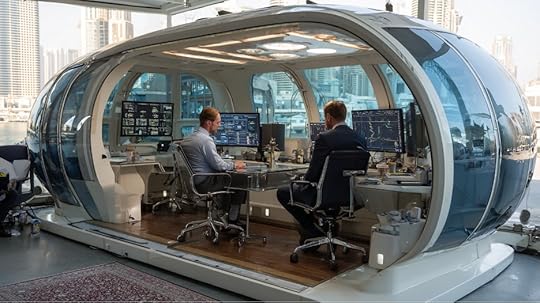
The office of 2025 blends physical and virtual worlds, with hybrid models, decentralized spaces, and immersive tech redefining how and where we work.
The Office of the Future: Hybrid and BeyondLooking ahead, the office isn’t disappearing—it’s evolving. One of the most significant remote work trends we have been tracking in our research for the Demand for Skilled Talent report is the growth in hybrid job postings from 9% in Q1 2023 to nearly a quarter (24%) of new jobs at the start of 2025.
In early 2025, 61% of full-time employees were completely on-site, while 13% were fully remote, and 26% worked a hybrid arrangement. This hybrid model appears to be stabilizing as the new normal.
The Reimagined Office Space: Office spaces in 2025 will be reimagined to reflect new working realities brought about by shifts in employee expectations and the widespread adoption of hybrid work models. Instead, companies are prioritizing designs that foster creativity, team interaction, and personal comfort.
The era of centralized headquarters is giving way to decentralized office spaces and remote work hubs designed for distributed teams. By 2025, more companies will adopt this flexible approach, creating smaller, strategically located offices or shared workspaces that cater specifically to remote employees.
Technology as the Great Enabler: Future offices will be defined by their technology infrastructure. Collaboration has gone virtual, with many offices designed to support in-person workers and remote employees. Meeting rooms have immersive video conferencing setups with speakers, cameras, and smart screens to close the gap between geographically dispersed colleagues.
Will We Still Have Offices? The VerdictThe office isn’t dying—it’s being reborn. 98% of remote workers would work remotely for the rest of their careers and recommend remote work to others. 66% of respondents worldwide believe that working from home should be a legal right. Yet 47% of employees who work remotely at least some of the time say they’d be unlikely to stay at their job if they were called back to their offices full time.
The future office will serve different purposes than it did in the past. Rather than being a place where all work happens, it will become a destination for collaboration, creativity, mentorship, and company culture. The office is an important factor in communicating the necessary cues of leadership, not to mention enabling collaboration and communication.
The Bottom Line: COVID-19 was indeed a major turning point—perhaps the most significant workplace transformation since the Industrial Revolution. We lost some elements of traditional office culture, including spontaneous collaboration and clear hierarchical structures. But we gained unprecedented flexibility, global talent access, and new models of productivity.
The office of the future will be smaller, smarter, and more purposeful. It will coexist with home offices, coworking spaces, and digital collaboration platforms in an ecosystem designed around human needs rather than industrial efficiency. As we look ahead, one thing is certain: the centuries-long evolution of the office continues, shaped by technology, social change, and our ever-adapting understanding of how and where great work gets done.
The office may have started in medieval monasteries, but its future lies in hybrid flexibility—a fitting evolution for a concept that has always adapted to serve the changing needs of human enterprise.
Translate This PageSelect LanguageAfrikaansAlbanianAmharicArabicArmenianAzerbaijaniBasqueBelarusianBengaliBosnianBulgarianCatalanCebuanoChichewaChinese (Simplified)Chinese (Traditional)CorsicanCroatianCzechDanishDutchEnglishEsperantoEstonianFilipinoFinnishFrenchFrisianGalicianGeorgianGermanGreekGujaratiHaitian CreoleHausaHawaiianHebrewHindiHmongHungarianIcelandicIgboIndonesianIrishItalianJapaneseJavaneseKannadaKazakhKhmerKoreanKurdish (Kurmanji)KyrgyzLaoLatinLatvianLithuanianLuxembourgishMacedonianMalagasyMalayMalayalamMalteseMaoriMarathiMongolianMyanmar (Burmese)NepaliNorwegianPashtoPersianPolishPortuguesePunjabiRomanianRussianSamoanScottish GaelicSerbianSesothoShonaSindhiSinhalaSlovakSlovenianSomaliSpanishSudaneseSwahiliSwedishTajikTamilTeluguThaiTurkishUkrainianUrduUzbekVietnameseWelshXhosaYiddishYorubaZulu
#goog-gt-tt {display:none !important;}
.goog-te-banner-frame {display:none !important;}
.goog-te-menu-value:hover {text-decoration:none !important;}
.goog-text-highlight {background-color:transparent !important;box-shadow:none !important;}
body {top:0 !important;}
#google_translate_element2 {display:none!important;}
function googleTranslateElementInit2() {new google.translate.TranslateElement({pageLanguage: 'en',autoDisplay: false}, 'google_translate_element2');}
function GTranslateGetCurrentLang() {var keyValue = document['cookie'].match('(^|;) ?googtrans=([^;]*)(;|$)');return keyValue ? keyValue[2].split('/')[2] : null;}
function GTranslateFireEvent(element,event){try{if(document.createEventObject){var evt=document.createEventObject();element.fireEvent('on'+event,evt)}else{var evt=document.createEvent('HTMLEvents');evt.initEvent(event,true,true);element.dispatchEvent(evt)}}catch(e){}}
function doGTranslate(lang_pair){if(lang_pair.value)lang_pair=lang_pair.value;if(lang_pair=='')return;var lang=lang_pair.split('|')[1];if(GTranslateGetCurrentLang() == null && lang == lang_pair.split('|')[0])return;var teCombo;var sel=document.getElementsByTagName('select');for(var i=0;i<sel.length;i++)if(/goog-te-combo/.test(sel[i].className)){teCombo=sel[i];break;}if(document.getElementById('google_translate_element2')==null||document.getElementById('google_translate_element2').innerHTML.length==0||teCombo.length==0||teCombo.innerHTML.length==0){setTimeout(function(){doGTranslate(lang_pair)},500)}else{teCombo.value=lang;GTranslateFireEvent(teCombo,'change');GTranslateFireEvent(teCombo,'change')}}
Search for: Recent Posts The History of the Office: From Medieval Scriptoriums to Today’s Hybrid Hubs The Museum of Future Inventions: A Journey Through the Technologies of Tomorrow The Stablecoin Revolution: 12 Predictions That Will Transform Money Forever Categories Artificial Intelligence Business Trends Future of Agriculture Future of Banking Future of Education Future of Healthcare Future of Transportation Future of Work Future Scenarios Future Trends Futurist Thomas Frey Insights Global Trends Predictions Social Trends Technology Trends Speaking TopicsFuture of Healthcare – “Is Death our only Option?Future of AIFuture of Industries ← Previous Post
The post The History of the Office: From Medieval Scriptoriums to Today’s Hybrid Hubs appeared first on Futurist Speaker.
July 24, 2025
The Museum of Future Inventions: A Journey Through the Technologies of Tomorrow
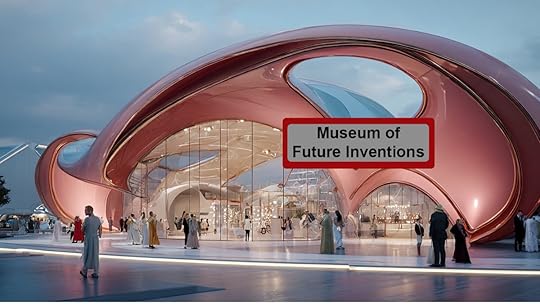
Step into the Museum of Future Inventions—where imagination meets innovation, and the technologies shaping tomorrow are brought vividly to life.
Imagine walking through the doors of a museum dedicated not to the past, but to the future—a place where the boundaries between science fiction and scientific possibility blur into something extraordinary. Welcome to the Museum of Future Inventions, where we don’t just predict tomorrow’s world; we actively envision the technologies that will reshape human civilization. As we stand at the precipice of 2025, our understanding of future inventions reflects a nuanced appreciation of both the transformative potential and the profound challenges that emerging technologies present. The Museum of Future Inventions showcases innovations that are not merely impressive but essential for navigating the complex realities of our rapidly changing world.
Honoring the Foundation: Standing on the Shoulders of GiantsBefore we peer into tomorrow, we must acknowledge that every future breakthrough stands on the foundation laid by history’s greatest inventors. The Museum’s Hall of Heroes reminds us that Thomas Edison’s 1,093 patents, Marie Curie’s groundbreaking work with radioactivity, and Nikola Tesla’s revolutionary contributions to electrical engineering didn’t just change their times—they created the technological scaffolding upon which today’s innovations are built. But our tribute extends beyond the well-known names. Ada Lovelace’s visionary understanding of computational possibility, the uncelebrated inventors working in laboratories across the globe, and the countless minds pushing the boundaries of human knowledge—all contribute to the momentum that carries us toward an extraordinary future. Their legacy teaches us that the most transformative inventions often emerge from audacious thinking combined with persistent effort. As we explore tomorrow’s possibilities, we carry forward their spirit of relentless curiosity and unwavering belief in human potential.
The Hall of Heroes honors visionary inventors like Edison, Curie, Tesla, and Lovelace—whose bold ideas and tireless efforts form the foundation for the breakthroughs shaping our future.
What to Expect at the Museum of Future InventionsStepping into the Museum of Future Inventions is like entering a living laboratory where imagination meets scientific possibility. The space itself defies conventional architecture—walls that shimmer with holographic displays, floors that respond to your presence with gentle pulses of light, and ceilings that open to reveal virtual star fields or molecular structures dancing in three-dimensional space. Each exhibit hall is designed as an immersive environment where visitors don’t just observe future technologies but interact with them. Touch a wall in the health pavilion and watch as nano-robots demonstrate cellular repair in real-time. Walk through the energy section and feel the warmth of a miniature fusion reaction safely contained in a magnetic field. In the consciousness expansion area, experience brief moments of enhanced cognition through non-invasive neural interfaces. The museum’s layout encourages fluid exploration, with pathways that adapt to visitor interests and knowledge levels. Interactive AI guides—some appearing as holograms, others as friendly robotic companions—provide personalized tours based on each visitor’s curiosity and background. The experience is designed to inspire wonder while grounding futuristic concepts in understandable science. Rather than static displays, the Museum features working prototypes, live demonstrations, and hands-on workshops where visitors can participate in creating tomorrow’s innovations. The goal is not merely to showcase what might be possible, but to inspire visitors to become active participants in building the future they want to see.
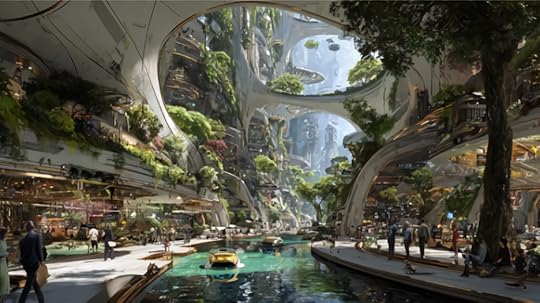
The cities of the future won’t just be smart—they’ll be regenerative, with living buildings, self-healing infrastructure, and AI-guided transportation networks that blur the line between biology and technology.
The Eight Pillars of TomorrowWhile the spectrum of human innovation spans countless domains, eight fundamental categories tend to capture the vast majority of breakthrough inventions that will define our future. These pillars represent the core areas where transformative technologies will emerge, each containing dozens of revolutionary possibilities that could reshape civilization as we know it.
1. Future Cities and Smart InfrastructureThe future of urban development extends far beyond smart city technology. We’re moving toward truly regenerative cities—urban environments that actively heal and improve both human and environmental health. These cities will feature living buildings constructed from engineered organisms that can self-repair, purify air, and even generate energy through biological processes.
Dynamic infrastructure will respond to real-time needs: roads that self-heal from wear, buildings that reshape themselves based on occupancy and weather, and transportation networks that flow like living organisms. Underground hypersonic transit systems will connect cities across continents, while aerial urban mobility creates three-dimensional traffic patterns guided by AI that thinks in terms of atmospheric flow rather than surface congestion.
Healthcare is evolving from treating disease to engineering optimal human performance. The future holds personalized medicine so precise that treatments are designed not just for individual genetic profiles, but for specific cellular conditions at particular moments in time. Bioengineered organs grown from a patient’s own cells will eliminate transplant rejection, while programmable immune systems will be trained to fight new threats before they emerge.
Neural interfaces will blur the line between human and machine intelligence, offering not just medical treatment but cognitive enhancement. Brain-computer interfaces will enable direct knowledge transfer, shared consciousness experiences, and the ability to process information at superhuman speeds. The question isn’t whether we’ll enhance human capability, but how we’ll ensure these enhancements serve humanity’s highest purposes.
Eight Revolutionary Examples:Nano-Medical Robots – Microscopic machines that patrol the bloodstream, repairing damage and preventing disease at the cellular levelGenetic Time Machines – Technology to reverse aging by resetting cellular clocks and restoring youthful genetic expressionConsciousness Backup Systems – Methods to upload, store, and restore human memories and personality patternsArtificial Organ Farms – Facilities that grow replacement organs from patients’ own stem cells in matter of daysNeural Skill Downloads – Direct brain interfaces that instantly transfer complex skills and knowledgeEmotion Regulation Implants – Biodevices that help manage mental health by balancing neurotransmitters in real-timeSensory Expansion Devices – Implants that add new senses like infrared vision, electromagnetic field detection, or ultrasonic hearingBiological Age Reversal – Treatments that don’t just stop aging but actually make the body younger at the molecular level
From edible packaging to AI-powered vertical farms and personal food fabricators, the future of food and agriculture is being reshaped by breakthrough technologies aimed at nutrition and global food security.
3. Molecular Food Systems and Atmospheric AgricultureFood production is undergoing a fundamental transformation that extends far beyond traditional agriculture. Molecular food fabrication will create nutritionally perfect meals tailored to individual biological needs, while atmospheric agriculture harvests nutrients directly from air and water using engineered photosynthetic systems.
Vertical ecosystems will integrate food production with urban environments, creating living walls that produce both sustenance and beauty. AI-guided agricultural systems will optimize not just crop yield but soil health, biodiversity, and carbon sequestration. The future of food is about creating abundance while healing the planet.
Eight Revolutionary Examples:Molecular Food Printers – Devices that construct meals atom by atom, creating perfect nutrition tailored to individual genetic profilesAtmospheric Protein Harvesters – Systems that capture nitrogen and carbon from air to synthesize proteins without traditional farmingDesert Terraforming Machines – Robots that transform arid land into fertile agricultural zones using engineered soil microbesOceanic Kelp Cities – Massive underwater farms that produce food while cleaning ocean water and storing carbonSynthetic Photosynthesis Arrays – Artificial leaf systems that convert sunlight and CO2 into food compounds more efficiently than plantsQuantum Crop Optimization – AI systems that predict and control plant growth at the quantum level for maximum yieldCellular Agriculture Factories – Facilities that grow meat, dairy, and plant products from individual cells without animals or traditional cropsMemory Flavor Technology – Food systems that can recreate any taste or nutritional profile from molecular memory banks4. Quantum Communication and Consciousness IntegrationThe next revolution in information technology moves beyond processing speed to fundamentally new ways of handling information. Quantum internet will provide not just unhackable communication but instantaneous information transfer across vast distances. More intriguingly, brain-computer interfaces will enable direct consciousness-to-consciousness communication, creating shared mental spaces where ideas can be exchanged as directly as thoughts.
AI systems will evolve beyond tools to become genuine collaborators, with artificial consciousness that complements rather than replaces human intelligence. These systems will help us solve problems too complex for any single human mind while preserving the uniquely human qualities of creativity, empathy, and moral reasoning.
Eight Revolutionary Examples:Telepathic Communication Networks – Brain-to-brain interfaces enabling direct thought transmission across any distanceQuantum Entanglement Internet – Communication systems using quantum entanglement for instantaneous, unhackable data transferCollective Intelligence Platforms – Networks where multiple minds merge temporarily to solve complex problems togetherHolographic Data Storage– Three-dimensional information storage systems with virtually unlimited capacityPredictive Reality Engines – AI systems that simulate future scenarios with perfect accuracy to guide decision-makingMemory Palace Architects – Technology that helps humans construct and navigate enhanced memory systemsConsciousness Translation Devices – Systems that convert thoughts between different types of minds (human, AI, alien)Time-Delay Communication – Methods to send messages through time itself, communicating with past and future
The future of energy lies in regeneration—where fusion, atmospheric harvesting, and weather engineering redefine power production and blur the lines between technology and nature.
5. Regenerative Energy and Atmospheric EngineeringEnergy production will shift from extraction to regeneration. Atmospheric energy harvesting will capture power from weather patterns, electromagnetic fields, and temperature differentials. Space-based solar arrays will beam clean energy to Earth, while fusion reactors provide virtually limitless power without environmental impact.
More revolutionary will be our ability to engineer atmospheric conditions themselves. Carbon capture won’t just remove greenhouse gases but convert them into useful materials. Weather modification systems will prevent natural disasters while maintaining ecological balance. The boundary between technology and nature will dissolve as we learn to work with natural systems rather than against them.
Eight Revolutionary Examples:Lightning Capture Networks – Global systems that harvest energy from natural lightning strikes and electrical stormsFusion Power Satellites – Space-based fusion reactors that beam unlimited clean energy to Earth via microwavesAtmospheric Carbon Miners – Machines that extract CO2 from air and convert it directly into building materials and fuelsTidal Moon Generators – Technology that harnesses the Moon’s gravitational energy for continuous power generationHurricane Control Systems – Weather modification technology that can steer, strengthen, or dissipate major stormsMagnetic Field Harvesters – Devices that generate power from Earth’s magnetic field and solar wind interactionsTemperature Differential Engines – Systems that generate massive power from small temperature differences in air or waterSolar System Power Grid– Interplanetary energy network connecting power sources from multiple planets and moons
Asteroid Mining Armadas—autonomous robotic fleets poised to extract and process valuable resources from space rocks, unlocking a new era of off-world industry.
6. Deep Space Civilization and Planetary EngineeringSpace exploration will evolve from visits to permanent expansion. Self-sustaining space habitats will support millions of people, while asteroid mining provides the raw materials for space-based manufacturing. Advanced propulsion systems will make interstellar travel feasible, opening the possibility of truly interplanetary civilization.Terraforming technologies will transform dead worlds into living ones, but more importantly, we’ll develop the ability to create entirely new types of environments suited to human flourishing. The ultimate goal isn’t just to survive in space but to thrive there, creating new forms of human culture adapted to the cosmos.
Eight Revolutionary Examples:Interstellar Ark Ships– Generation ships capable of traveling to other star systems with complete ecosystems onboardPlanet Manufacturing Systems – Technology to construct artificial worlds from raw materials in spaceWormhole Generators – Devices that create stable passages through space-time for instant interstellar travelAsteroid Mining Armadas – Fleets of autonomous robots that harvest and process resources from space rocksGravity Well Engines – Propulsion systems that manipulate gravitational fields for faster-than-light travelAtmospheric Processors – Machines that can transform a planet’s atmosphere in decades rather than millenniaSolar System Enclosures – Megastructures like Dyson spheres that capture entire star’s energy outputDimensional Habitat Creation – Technology to create living spaces in alternate dimensions or pocket universes
Future manufacturing will merge biology and technology–using programmable matter, molecular assemblers,
and self-replicating systems to eliminate waste and create on-demand, endlessly recyclable materials.
Manufacturing will become a process of programming matter itself. Molecular assemblers will construct products atom by atom, while programmable materials will change their properties on command. Self-replicating manufacturing systems will produce what we need, when we need it, where we need it. The distinction between growing and making will disappear as we develop biological manufacturing processes. Materials will be designed to be eternally recyclable, existing in continuous cycles of use and reuse. Waste will become an obsolete concept as every atom serves a purpose in the closed-loop systems of tomorrow.
Eight Revolutionary Examples:Universal Constructors – Machines that can build any product, including copies of themselves, from basic raw materialsShape-Shifting Smart Materials – Substances that can transform between liquid, solid, and gas states on commandMolecular Assembly Lines – Manufacturing systems that construct products by placing individual atoms precisely where neededSelf-Repairing Infrastructure – Buildings, roads, and machines that automatically fix themselves when damagedTransmutation Factories – Facilities that convert any element into any other element using controlled nuclear processesReality Editing Tools – Devices that can modify the physical properties of existing objects in real-timeBiological Manufacturers – Living systems that grow complex products like electronics or vehicles as they would grow tissuesMatter Compilers – Machines that can create any object from a digital blueprint and raw atoms8. Consciousness Expansion and Collective IntelligencePerhaps most profound will be our expanded understanding of consciousness itself. Brain-computer interfaces will enable not just individual enhancement but collective intelligence—shared consciousness experiences where multiple minds work together as a single, more powerful entity Virtual reality will become indistinguishable from reality, creating infinite possibilities for human experience. We’ll develop the ability to back up and transfer consciousness, raising fundamental questions about the nature of identity and mortality. The future of human consciousness is not just about individual minds but about the emergence of new forms of collective awareness.
Eight Revolutionary Examples:Mind Merging Networks – Technology allowing multiple consciousnesses to temporarily become one super-intelligent entityVirtual Reality Universes – Completely immersive alternate realities indistinguishable from physical existenceConsciousness Multiplication – Ability to run multiple copies of the same mind simultaneously in different scenariosEmpathy Amplification Devices – Technology that allows people to literally feel what others are experiencingMemory Palace Construction – Tools for building unlimited, perfectly organized memory systems within the mindDream Programming Systems – Technology to control and direct dreams for learning, problem-solving, and entertainmentAncestral Memory Access – Methods to tap into genetic memories and experiences of previous generationsAI-Human Consciousness Fusion – Integration of artificial and human intelligence into hybrid thinking systems
The Immortal Eight exhibit will showcase eight civilization-defining breakthroughs, technologies so profound they have the power to reshape the very course of human existence.
The Immortal Eight: The Ultimate Frontiers<
Some inventions transcend mere innovation to become truly civilization-defining breakthroughs. The Museum’s special exhibit features eight ultimate technologies that would fundamentally alter human existence:
These represent not just technological achievements but philosophical and spiritual thresholds that would redefine what it means to be human.
News-from-the-Future TheaterAt the heart of the Museum stands the spectacular News-from-the-Future Theater, a crystalline dome that serves as both centerpiece and culminating experience. Here, visitors don advanced neural interfaces that create fully immersive experiences of tomorrow’s world unfolding in real-time.
The theater presents breaking news broadcasts from decades in the future: “First Human Clone of Extinct Neanderthal Celebrates 10th Birthday,” “Mars Colony Declares Independence from Earth,” “Scientists Achieve Controlled Time Dilation in Laboratory Setting,” “Global Weather Control System Prevents Category 6 Hurricane.” Each story is presented with such vivid detail and emotional authenticity that visitors often forget they’re experiencing simulated futures rather than actual events.
The genius of the News-from-the-Future Theater lies not just in its technological wizardry, but in its ability to make abstract possibilities feel viscerally real. By experiencing these potential futures as lived reality, visitors develop a deeper emotional connection to the choices we make today. The theater serves as both inspiration and warning, showing us worlds we might create—and worlds we must work to avoid.
The Imperative for TomorrowOur understanding of future inventions must grapple with unprecedented ethical challenges. Every transformative technology raises questions about equity, safety, and the kind of future we want to create. The power to enhance human capability, manipulate matter at the molecular level, and even control consciousness itself demands wisdom that matches our technological capability.
The Museum of Future Inventions isn’t just a showcase of what’s possible—it’s a call to thoughtful action. As we develop these extraordinary capabilities, we must ensure they serve humanity’s highest aspirations rather than our lowest impulses.
As you leave the Museum of Future Inventions, may your imagination be ignited and your belief in humanity’s power to shape tomorrow renewed—the future begins with you.
The Invitation to TomorrowThe future isn’t something that happens to us—it’s something we actively create through our choices, investments, and dreams. The Museum of Future Inventions exists to inspire not just wonder but action. Every visitor leaves with a simple challenge: How will you contribute to the future you want to see? Whether you’re a scientist pushing the boundaries of knowledge, an entrepreneur turning ideas into reality, an artist imagining new possibilities, or simply a citizen making daily choices that shape tomorrow, you have a role in building the future these inventions will serve. The technologies showcased here aren’t inevitable—they’re invitations. Invitations to think bigger, dream bolder, and work harder to create a future worthy of humanity’s extraordinary potential. The Museum of Future Inventions reminds us that the most important invention of all is the future itself, and that future is still very much in our hands. As you step out of the museum and back into the present, carry with you the knowledge that tomorrow’s breakthroughs are beginning today in laboratories, workshops, and minds around the world. The future is calling, and it’s time to answer.
Translate This PageSelect LanguageAfrikaansAlbanianAmharicArabicArmenianAzerbaijaniBasqueBelarusianBengaliBosnianBulgarianCatalanCebuanoChichewaChinese (Simplified)Chinese (Traditional)CorsicanCroatianCzechDanishDutchEnglishEsperantoEstonianFilipinoFinnishFrenchFrisianGalicianGeorgianGermanGreekGujaratiHaitian CreoleHausaHawaiianHebrewHindiHmongHungarianIcelandicIgboIndonesianIrishItalianJapaneseJavaneseKannadaKazakhKhmerKoreanKurdish (Kurmanji)KyrgyzLaoLatinLatvianLithuanianLuxembourgishMacedonianMalagasyMalayMalayalamMalteseMaoriMarathiMongolianMyanmar (Burmese)NepaliNorwegianPashtoPersianPolishPortuguesePunjabiRomanianRussianSamoanScottish GaelicSerbianSesothoShonaSindhiSinhalaSlovakSlovenianSomaliSpanishSudaneseSwahiliSwedishTajikTamilTeluguThaiTurkishUkrainianUrduUzbekVietnameseWelshXhosaYiddishYorubaZulu
#goog-gt-tt {display:none !important;}
.goog-te-banner-frame {display:none !important;}
.goog-te-menu-value:hover {text-decoration:none !important;}
.goog-text-highlight {background-color:transparent !important;box-shadow:none !important;}
body {top:0 !important;}
#google_translate_element2 {display:none!important;}
function googleTranslateElementInit2() {new google.translate.TranslateElement({pageLanguage: 'en',autoDisplay: false}, 'google_translate_element2');}
function GTranslateGetCurrentLang() {var keyValue = document['cookie'].match('(^|;) ?googtrans=([^;]*)(;|$)');return keyValue ? keyValue[2].split('/')[2] : null;}
function GTranslateFireEvent(element,event){try{if(document.createEventObject){var evt=document.createEventObject();element.fireEvent('on'+event,evt)}else{var evt=document.createEvent('HTMLEvents');evt.initEvent(event,true,true);element.dispatchEvent(evt)}}catch(e){}}
function doGTranslate(lang_pair){if(lang_pair.value)lang_pair=lang_pair.value;if(lang_pair=='')return;var lang=lang_pair.split('|')[1];if(GTranslateGetCurrentLang() == null && lang == lang_pair.split('|')[0])return;var teCombo;var sel=document.getElementsByTagName('select');for(var i=0;i<sel.length;i++)if(/goog-te-combo/.test(sel[i].className)){teCombo=sel[i];break;}if(document.getElementById('google_translate_element2')==null||document.getElementById('google_translate_element2').innerHTML.length==0||teCombo.length==0||teCombo.innerHTML.length==0){setTimeout(function(){doGTranslate(lang_pair)},500)}else{teCombo.value=lang;GTranslateFireEvent(teCombo,'change');GTranslateFireEvent(teCombo,'change')}}
Search for: Recent Posts The Museum of Future Inventions: A Journey Through the Technologies of Tomorrow The Stablecoin Revolution: 12 Predictions That Will Transform Money Forever The Neumann Engine: How Cities Can Thrive and Grow in the Age of AI Categories Artificial Intelligence Business Trends Future of Agriculture Future of Banking Future of Education Future of Healthcare Future of Transportation Future of Work Future Scenarios Future Trends Futurist Thomas Frey Insights Global Trends Predictions Social Trends Technology Trends Speaking TopicsFuture of Healthcare – “Is Death our only Option?Future of AIFuture of Industries ← Previous Post
The post The Museum of Future Inventions: A Journey Through the Technologies of Tomorrow appeared first on Futurist Speaker.
Thomas Frey's Blog

- Thomas Frey's profile
- 2 followers

