
Timothy Ferriss's Blog
September 18, 2026
How to Legalize Medical Psychedelics in Your Country — Tania de Jong on The Playbook Behind Australia’s World-First Breakthrough (#883)
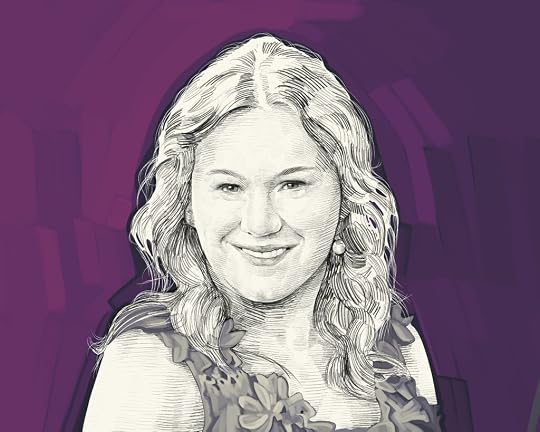
My guest today is Tania de Jong, co-founder of Mind Medicine Australia. Tania and her husband, Peter, helped lead the push that, in 2023, made Australia the first country in the world to allow MDMA and psilocybin to be prescribed for psychiatric conditions. I wanted to understand how the hell they helped make that happen and what the rest of the world can learn from it.
Please enjoy!
This episode is brought to you by:
ProLon science-backed Fasting Mimicking Diet that helps activate cellular renewal through fasting, while still eating nourishing meals Momentous high-quality creatine for cognitive and muscular support AG1 all-in-one nutritional supplement[image error]Listen onSpotify Listen onApple Podcasts[image error]Listen onOvercastHow to Legalize Medical Psychedelics in Your Country — Tania de Jong on The Playbook Behind Australia's World-First BreakthroughAdditional podcast platforms
Listen to this episode on Apple Podcasts, Spotify, Overcast, Podcast Addict, Pocket Casts, Castbox, YouTube Music, Amazon Music, Audible, or on your favorite podcast platform.
TranscriptsThis episodeAll episodesShow NotesConnect with Tania
Website | LinkedIn | Mind Medicine Australia
Timeline:
February 2, 2015: Michael Pollan publishes “The Trip Treatment” in The New Yorker, which is the article Tania credits with setting her journey in motion.March 21, 2015: Tim releases his James Fadiman interview, “The Psychedelic Explorer’s Guide” (#66). Its show notes link to “The Trip Treatment.”January 15, 2016: Tim announces support for Johns Hopkins’ psilocybin research and a personal commitment of at least $100,000 toward psychedelic research that year.2016: Tania and Peter travel to the Netherlands for their first guided psilocybin experience. (Source)2017–2019: UCSF conducts the psilocybin-assisted group-therapy study involving long-term AIDS survivors that Tim helped support. (Source)May 6, 2018: Michael Pollan joins Tim for “Exploring the New Science of Psychedelics” (#313), discussing his forthcoming book ( How to Change Your Mind ).May 15, 2018: Pollan’s How to Change Your Mind is published.February 13, 2019: Tania and Peter publicly launch Mind Medicine Australia. (Source)2020–2022: MMA applies to reschedule MDMA and psilocybin, faces rejection, and submits new applications in March 2022. (Source)November 21, 2022: David Nutt presents to Australia’s medicines regulator, the TGA, supporting the case for therapeutic access. (Source)February 3, 2023: The TGA announces restricted prescribing access to MDMA for PTSD and psilocybin for treatment-resistant depression, effective July 1, 2023. (Source)January 2024: Patients begin receiving treatment under the new prescribing program. (Source)Books
Be Here Now by Ram Dass How to Change Your Mind by Michael Pollan Waking the Tiger: Healing Trauma by Peter A. Levine, with Ann FrederickRelated Reading, Listening, and Viewing
“The Trip Treatment” by Michael Pollan | The New YorkerHow Singing Together Changes the Brain — Tania de Jong | TEDxMelbourne Becoming Nobody — a documentary about Ram Dass“‘Serious Concerns’ over TGA’s Decision Making on Landmark Psilocybin, MDMA Ruling” | ABC NewsChange to Classification of Psilocybin and MDMA to Enable Prescribing by Authorised Psychiatrists | Therapeutic Goods AdministrationPsilocybin-Assisted Group Therapy for Demoralized Older Long-Term AIDS Survivor Men: An Open-Label Safety and Feasibility Pilot StudyDr. Gül Dölen on Rethinking Psychedelics, the Neurobiology of Beginner’s Mind, and the Master Key of Metaplasticity | The Tim Ferriss Show #667Rick Doblin — The Psychedelic Domino That Tips All Others | The Tim Ferriss Show #440Roland Griffiths — Facing Death, Meditation, Psychedelics, and Living a Life of Gratitude | The Tim Ferriss Show #641Organizations and Resources
Mind Medicine Australia’s Patient Support FundCertificate in Psychedelic-Assisted TherapiesMind Medicine Australia’s TGA Rescheduling Submissions and ResourcesMultidisciplinary Association for Psychedelic Studies (MAPS)Usona InstituteInternal Family Systems InstituteAustralian Interventional Pharmacotherapy and Psychedelic-Assisted Psychotherapy Research Registry | Australian National UniversityPeople Mentioned
Peter HuntRobin Carhart-HarrisRoland GriffithsRick DoblinDavid NuttBill LintonPaul FitzgeraldGül DölenTimestamps
[00:00:00] Intro from Tim.
[00:02:46] The article that changed Tania’s life.
[00:04:39] A first psychedelic experience—and the year it took to integrate it.
[00:10:17] Rick Doblin’s encouragement and the birth of Mind Medicine Australia.
[00:13:15] Turning regulatory rejection into a stronger application.
[00:20:48] Building a grassroots movement and training clinicians.
[00:23:23] Cold emails, scientific allies, and singing your way into the room.
[00:31:11] A week with Ram Dass: silence, singing, and an extraordinary LSD story.
[00:37:54] Bringing David Nutt—and a family’s devastating story—to the regulators.
[00:42:42] Dancing in the kitchen: Australia’s rescheduling breakthrough.
[00:43:40] From changing the rules to treating patients.
[00:48:18] Why Tim thinks MDMA is still underestimated.
[00:50:23] Integration beyond the session: therapy, nutrition, and exercise.
[00:52:29] Scaling access and collecting real-world evidence.
[00:58:13] Getting insurers, government agencies, and philanthropists on board.
[01:01:39] Syrian rue, psilocybin, and learning to let go of control.
[01:10:01] Dosing, expectations, and the pressure to take more.
[01:12:02] The promise of group therapy and shared integration.
[01:14:22] Hiring mistakes, personal attacks, and the resilience advocacy requires.
[01:23:38] Turning a window of change into lasting habits.
[01:25:51] Getting through to regulators and pushing for end-of-life access.
[01:28:27] The bureaucratic barriers that remain.
[01:31:38] What treatment costs—and why therapist time drives the bill.
[01:35:07] Could shorter-acting compounds make treatment more affordable?
[01:38:46] Ketamine, kratom, and the limits of “all natural.”
[01:43:14] The unexpected payoff from Tim’s ketamine experiment.
[01:47:46] What might come next for psychedelic access worldwide?
[01:49:04] Persistence versus pushiness—and knowing when to try another door.
[01:54:22] Supporting patients and training the next wave of clinicians.
[01:57:51] “Be curious”: exploring your inner world and walking each other home.
[02:01:35] The ripple effects of sharing your curiosity—and simply asking for help.
The post How to Legalize Medical Psychedelics in Your Country — Tania de Jong on The Playbook Behind Australia’s World-First Breakthrough (#883) appeared first on The Blog of Author Tim Ferriss.


September 10, 2026
How to Teach a 3-Year-Old to Read and Rethinking Education — Tim Coaches Niels Hoven of Mentava (#882)
This episode is a bit different. It’s a live, unscripted working session with a founder, and I’ve only done one other earlier this year.
Niels Hoven (@NielsHoven) is the founder and CEO of Mentava, a company building software to support fast learners. Eager kids are dramatically underserved by today’s education system, and Niels created Mentava to allow students to achieve their potential. Prior to Mentava, Niels worked at Cloudflare, ClassDojo, and Pocket Gems, where he ran the highest-grossing mobile game in the world in 2011. He has a graduate degree in electrical engineering from UC Berkeley.
Please enjoy!
This episode is brought to you by:
Fin powerful AI Agent for all your customer service: Fin.Ai/Tim Shopify global commerce platform, providing tools to start, grow, market, and manage a retail business: Shopify.com/Tim Wealthfront high-yield cash account: Wealthfront.com/Tim [image error]Listen onSpotifyListen onApple Podcasts[image error]Listen onOvercastHow to Teach a 3-Year-Old to Read and Rethinking Education — Tim Coaches Niels Hoven of MentavaAdditional podcast platformsListen to this episode on Apple Podcasts, Spotify, Overcast, Podcast Addict, Pocket Casts, Castbox, YouTube Music, Amazon Music, Audible, or on your favorite podcast platform.
TranscriptsThis episodeAll episodesShow NotesConnect with Niels & Explore MentavaMentava | Mentava’s Reading-Readiness Guide | Niels’s Story | Niels on XBooks Green Eggs and Ham by Dr. Seuss Hop on Pop: The Simplest Seuss for Youngest Use by Dr. Seuss Elephant & Piggie: The Complete Collection by Mo Willems The Lean Startup: How Today’s Entrepreneurs Use Continuous Innovation to Create Radically Successful Businesses by Eric Ries The 4-Hour Workweek: Escape 9-5, Live Anywhere, and Join the New Rich by Timothy Ferriss The 4-Hour Chef: The Simple Path to Cooking Like a Pro, Learning Anything, and Living the Good Life by Timothy Ferriss Tools of Titans: The Tactics, Routines, and Habits of Billionaires, Icons, and World-Class Performers by Timothy FerrissRelated Reading, Listening, & ViewingTim’s Founder Kitchen — From Brainstorm to the President’s Office in Two Months (Featuring Jake Becraft, Strand Therapeutics) | The Tim Ferriss Show #868My Two-Year Secret Project, COYOTE — The Strategies and Tactics for Building a Bestseller from Nothing with Elan Lee of Exploding Kittens | The Tim Ferriss Show #821 Lenny’s Podcast | Lenny’s NewsletterHow to Turn Your AI Into a World-Class Designer by Anshu Chimala | Lenny’s Newsletter Waiting for “Superman” (2010) Glengarry Glen Ross (1992) Rashomon (1950)Niels Hoven: From Blair to ‘Beauty and the Geek’ | Silver Chips Online Beauty and the Geek (2005–2008)Tools & ProductsPickFuOptimizelyClaudeChatGPTDropbox’s Referral ProgramCoyoteAlpha SchoolTiEMaui Nui VenisonPeopleKamal AgarwalaAlec BaldwinJacob BecraftAdam CarollaJensen HuangJoe LiemandtMerlin MannAnita ManwaniMarc MaronDavid OgilvyLenny RachitskySrinivasa RamanujanEric RiesJoe RoganRobert ScobleTimestamps[00:00:00] Start.
[00:01:32] What Mentava is—and the toddlers reading before age three.
[00:08:31] Game design, slot-machine motivation, and lowering the hoop.
[00:11:54] Tim’s red pen: rewriting the bio and positioning.
[00:16:59] The real problem: wasted early years, high-school pressure.
[00:23:55] Learning at your own pace—and “what if you did nothing?”
[00:29:32] Dog-fish, fish-dog: readiness, failed trials, and follow-ups.
[00:35:06] The $500 price, school pilots, and videos-for-tuition scholarships.
[00:41:39] Teach a kid to fish: selling relief, not nagging.
[00:47:49] Viral posts, the culture-war trap, and why exaggeration is death.
[00:55:05] Put the ask on top: investor updates and what actually converts.
[00:59:35] The thirty-year phonics war—and it’s not with teachers.
[01:01:10] A $1,000 coupon, zero takers: why the referral bribe flopped.
[01:08:04] Lead with the love letters: testimonials, homepage, and who’s buying.
[01:20:03] “No scam charges $500 a month”: pricing and who you’re not for.
[01:34:16] Uncrowded channels and workshopping like a standup.
[01:42:08] Don’t let Amazon be your debutante ball: testing what sells.
[01:46:42] Alpha School, the competitive map, and the eager investor.
[01:48:39] Reaching the already-converted: be the painkiller, TiE, surround sound.
[02:08:18] Niels’s charge: advocate for your child, unapologetically.
“Kids are these little sponges. They want to learn everything.”
— Niels Hoven
“The metaphor for motivation that I like to use is it’s like trying to get someone to jump through a hoop. You can either increase the size of the reward on the other side or you can lower the hoop.”
— Niels Hoven
“If you allow kids to learn at their own pace, you can pack the entire school day into a very small amount of time.”
— Niels Hoven
“Everybody in cognitive science—everybody in the rest of academia—completely understands that phonics is the only way to teach reading.”
— Niels Hoven
“Being able to say, ‘My kid can already read. You need to give them more opportunity,’ is one of your strongest negotiating levers.”
— Niels Hoven
“Never ever let anybody make you feel guilty for advocating for your kid.”
— Niels Hoven
Want to hear another episode with someone fixated on the outer limits of how fast humans can learn? Listen to my conversation with chess prodigy and The Art of Learning author Josh Waitzkin, in which we discussed initiating flow states, cognitive biases, fixed versus growth mindsets, the hazards of a rigid identity, presence in parenting, cultivating quality as a way of life, the principle of scarcity in the learning process, thematic interconnectedness in education, and much more.
This episode is brought to you by Fin! Fin is an AI agent that delivers high-quality answers and helps resolve complex queries that your customers may have. Rapidly-growing companies like Anthropic (the AI lab behind Claude) rely on Fin to deliver accurate and thoughtful customer support to millions. Fin is built using custom models trained on thousands of customer interactions, and it understands the complexity and nuance of customer service like no other agent. You feed Fin your internal knowledge and policies, it learns your rules, and it can start supporting your overstretched support team. And because every business runs things differently, Fin is fully self-manageable. See the difference Fin can make for your business with a free trial at Fin.ai/Tim.
This episode is brought to you by Shopify! Shopify is one of my favorite platforms and one of my favorite companies. Shopify is designed for anyone to sell anywhere, giving entrepreneurs the resources once reserved for big business. In no time flat, you can have a great-looking online store that brings your ideas to life, and you can have the tools to manage your day-to-day and drive sales. Go to Shopify.com/Tim to sign up for a one-dollar-per-month trial period. It’s a great deal for a great service, so I encourage you to check it out. Take your business to the next level today by visiting Shopify.com/Tim.
This episode is brought to you by Wealthfront! Wealthfront is a financial services platform that offers services to help you save and invest your money. Right now, your cash can earn 3.30% APY—that’s the Annual Percentage Yield—with the Wealthfront Cash Account from its network of program banks. That’s 8 times more interest than a typical savings account at a bank, according to FDIC.gov as of 05/18/2026 (Wealthfront’s 3.30% APY vs. 0.38% average savings rate). Right now, for a limited time, Wealthfront is offering new clients that use my sign-up link an additional 0.75% boost over the base rate for three months, meaning you can get up to 4.05% APY, limited to a $150,000 balance. Terms & Conditions apply. Visit Wealthfront.com/Tim to get started.
The Cash Account, which is not a deposit account, is offered by Wealthfront Brokerage LLC (“Wealthfront Brokerage”), member FINRA/SIPC. Wealthfront Brokerage is not a bank. The 3.30% Base APY on cash deposits is as of January 30, 2026, is representative, subject to change, and requires no minimum balance. Wealthfront Brokerage sweeps cash balances to Program Banks, where it earns the variable base APY. The Direct Deposit Plus Investing Program from Wealthfront Advisers LLC and Wealthfront Brokerage LLC provides eligible clients a 0.25% APY increase above the base APY on eligible Cash Account balances (up to an overall boosted rate of 4.30% for a limited time when including the three month 0.75% APY boost for new Cash Account clients) when you direct deposit $1,000/month plus maintain a funded investing account. Wealthfront may change or end the program at any time and determine eligibility at its discretion. Terms and conditions apply. Full details for both promotions at wealthfront.com/promo-terms.
Tim Ferriss, who is not a client, receives cash compensation from Wealthfront Brokerage LLC for advertising and holds a non-controlling equity interest in the corporate parent of Wealthfront Brokerage LLC, which creates an incentive that results in a conflict of interest. Tim expresses his own opinions and Wealthfront does not endorse, sponsor, or promote them. This ad may not reflect the experience of other Cash Account clients, and similar outcomes are not guaranteed. Investment advisory services are provided by Wealthfront Advisers LLC, an SEC-registered investment adviser. Securities investments: not bank deposits, not bank-guaranteed or FDIC-insured, and may lose value. See full disclosures here .
The post How to Teach a 3-Year-Old to Read and Rethinking Education — Tim Coaches Niels Hoven of Mentava (#882) appeared first on The Blog of Author Tim Ferriss.
Why Kids Can Learn 10x Faster Than We Think — Niels Hoven of Mentava (Tim Coaching Session) (#882)
This episode is a bit different. It’s a live, unscripted working session with a founder, and I’ve only done one other earlier this year.
Niels Hoven (@NielsHoven) is the founder and CEO of Mentava, a company building software to support fast learners. Eager kids are dramatically underserved by today’s education system, and Niels created Mentava to allow students to achieve their potential. Prior to Mentava, Niels worked at Cloudflare, ClassDojo, and Pocket Gems, where he ran the highest-grossing mobile game in the world in 2011. He has a graduate degree in electrical engineering from UC Berkeley.
Please enjoy!
This episode is brought to you by:
Fin powerful AI Agent for all your customer service: Fin.Ai/Tim Shopify global commerce platform, providing tools to start, grow, market, and manage a retail business: Shopify.com/Tim Wealthfront high-yield cash account: Wealthfront.com/Tim [image error]Listen onSpotifyListen onApple Podcasts[image error]Listen onOvercastWhy Kids Can Learn 10x Faster Than We Think — Niels Hoven of Mentava (Tim Coaching Session)Additional podcast platformsListen to this episode on Apple Podcasts, Spotify, Overcast, Podcast Addict, Pocket Casts, Castbox, YouTube Music, Amazon Music, Audible, or on your favorite podcast platform.
TranscriptsThis episode (coming soon) All episodesShow NotesConnect with Niels & Explore MentavaMentava | Mentava’s Reading-Readiness Guide | Niels’s Story | Niels on XBooks Green Eggs and Ham by Dr. Seuss Hop on Pop: The Simplest Seuss for Youngest Use by Dr. Seuss Elephant & Piggie: The Complete Collection by Mo Willems The Lean Startup: How Today’s Entrepreneurs Use Continuous Innovation to Create Radically Successful Businesses by Eric Ries The 4-Hour Workweek: Escape 9-5, Live Anywhere, and Join the New Rich by Timothy Ferriss The 4-Hour Chef: The Simple Path to Cooking Like a Pro, Learning Anything, and Living the Good Life by Timothy Ferriss Tools of Titans: The Tactics, Routines, and Habits of Billionaires, Icons, and World-Class Performers by Timothy FerrissRelated Reading, Listening, & ViewingTim’s Founder Kitchen — From Brainstorm to the President’s Office in Two Months (Featuring Jake Becraft, Strand Therapeutics) | The Tim Ferriss Show #868My Two-Year Secret Project, COYOTE — The Strategies and Tactics for Building a Bestseller from Nothing with Elan Lee of Exploding Kittens | The Tim Ferriss Show #821 Lenny’s Podcast | Lenny’s NewsletterHow to Turn Your AI Into a World-Class Designer by Anshu Chimala | Lenny’s Newsletter Waiting for “Superman” (2010) Glengarry Glen Ross (1992) Rashomon (1950)Niels Hoven: From Blair to ‘Beauty and the Geek’ | Silver Chips Online Beauty and the Geek (2005–2008)Tools & ProductsPickFuOptimizelyClaudeChatGPTDropbox’s Referral ProgramCoyoteAlpha SchoolTiEMaui Nui VenisonPeopleKamal AgarwalaAlec BaldwinJacob BecraftAdam CarollaJensen HuangJoe LiemandtMerlin MannAnita ManwaniMarc MaronDavid OgilvyLenny RachitskySrinivasa RamanujanEric RiesJoe RoganRobert ScobleTimestamps[00:00:00] Start.
[00:01:32] What Mentava is—and the toddlers reading before age three.
[00:08:31] Game design, slot-machine motivation, and lowering the hoop.
[00:11:54] Tim’s red pen: rewriting the bio and positioning.
[00:16:59] The real problem: wasted early years, high-school pressure.
[00:23:55] Learning at your own pace—and “what if you did nothing?”
[00:29:32] Dog-fish, fish-dog: readiness, failed trials, and follow-ups.
[00:35:06] The $500 price, school pilots, and videos-for-tuition scholarships.
[00:41:39] Teach a kid to fish: selling relief, not nagging.
[00:47:49] Viral posts, the culture-war trap, and why exaggeration is death.
[00:55:05] Put the ask on top: investor updates and what actually converts.
[00:59:35] The thirty-year phonics war—and it’s not with teachers.
[01:01:10] A $1,000 coupon, zero takers: why the referral bribe flopped.
[01:08:04] Lead with the love letters: testimonials, homepage, and who’s buying.
[01:20:03] “No scam charges $500 a month”: pricing and who you’re not for.
[01:34:16] Uncrowded channels and workshopping like a standup.
[01:42:08] Don’t let Amazon be your debutante ball: testing what sells.
[01:46:42] Alpha School, the competitive map, and the eager investor.
[01:48:39] Reaching the already-converted: be the painkiller, TiE, surround sound.
[02:08:18] Niels’s charge: advocate for your child, unapologetically.
“Kids are these little sponges. They want to learn everything.”
— Niels Hoven
“The metaphor for motivation that I like to use is it’s like trying to get someone to jump through a hoop. You can either increase the size of the reward on the other side or you can lower the hoop.”
— Niels Hoven
“If you allow kids to learn at their own pace, you can pack the entire school day into a very small amount of time.”
— Niels Hoven
“Everybody in cognitive science—everybody in the rest of academia—completely understands that phonics is the only way to teach reading.”
— Niels Hoven
“Being able to say, ‘My kid can already read. You need to give them more opportunity,’ is one of your strongest negotiating levers.”
— Niels Hoven
“Never ever let anybody make you feel guilty for advocating for your kid.”
— Niels Hoven
Want to hear another episode with someone fixated on the outer limits of how fast humans can learn? Listen to my conversation with chess prodigy and The Art of Learning author Josh Waitzkin, in which we discussed initiating flow states, cognitive biases, fixed versus growth mindsets, the hazards of a rigid identity, presence in parenting, cultivating quality as a way of life, the principle of scarcity in the learning process, thematic interconnectedness in education, and much more.
This episode is brought to you by Fin! Fin is an AI agent that delivers high-quality answers and helps resolve complex queries that your customers may have. Rapidly-growing companies like Anthropic (the AI lab behind Claude) rely on Fin to deliver accurate and thoughtful customer support to millions. Fin is built using custom models trained on thousands of customer interactions, and it understands the complexity and nuance of customer service like no other agent. You feed Fin your internal knowledge and policies, it learns your rules, and it can start supporting your overstretched support team. And because every business runs things differently, Fin is fully self-manageable. See the difference Fin can make for your business with a free trial at Fin.ai/Tim.
This episode is brought to you by Shopify! Shopify is one of my favorite platforms and one of my favorite companies. Shopify is designed for anyone to sell anywhere, giving entrepreneurs the resources once reserved for big business. In no time flat, you can have a great-looking online store that brings your ideas to life, and you can have the tools to manage your day-to-day and drive sales. Go to Shopify.com/Tim to sign up for a one-dollar-per-month trial period. It’s a great deal for a great service, so I encourage you to check it out. Take your business to the next level today by visiting Shopify.com/Tim.
This episode is brought to you by Wealthfront! Wealthfront is a financial services platform that offers services to help you save and invest your money. Right now, your cash can earn 3.30% APY—that’s the Annual Percentage Yield—with the Wealthfront Cash Account from its network of program banks. That’s 8 times more interest than a typical savings account at a bank, according to FDIC.gov as of 05/18/2026 (Wealthfront’s 3.30% APY vs. 0.38% average savings rate). Right now, for a limited time, Wealthfront is offering new clients that use my sign-up link an additional 0.75% boost over the base rate for three months, meaning you can get up to 4.05% APY, limited to a $150,000 balance. Terms & Conditions apply. Visit Wealthfront.com/Tim to get started.
The Cash Account, which is not a deposit account, is offered by Wealthfront Brokerage LLC (“Wealthfront Brokerage”), member FINRA/SIPC. Wealthfront Brokerage is not a bank. The 3.30% Base APY on cash deposits is as of January 30, 2026, is representative, subject to change, and requires no minimum balance. Wealthfront Brokerage sweeps cash balances to Program Banks, where it earns the variable base APY. The Direct Deposit Plus Investing Program from Wealthfront Advisers LLC and Wealthfront Brokerage LLC provides eligible clients a 0.25% APY increase above the base APY on eligible Cash Account balances (up to an overall boosted rate of 4.30% for a limited time when including the three month 0.75% APY boost for new Cash Account clients) when you direct deposit $1,000/month plus maintain a funded investing account. Wealthfront may change or end the program at any time and determine eligibility at its discretion. Terms and conditions apply. Full details for both promotions at wealthfront.com/promo-terms.
Tim Ferriss, who is not a client, receives cash compensation from Wealthfront Brokerage LLC for advertising and holds a non-controlling equity interest in the corporate parent of Wealthfront Brokerage LLC, which creates an incentive that results in a conflict of interest. Tim expresses his own opinions and Wealthfront does not endorse, sponsor, or promote them. This ad may not reflect the experience of other Cash Account clients, and similar outcomes are not guaranteed. Investment advisory services are provided by Wealthfront Advisers LLC, an SEC-registered investment adviser. Securities investments: not bank deposits, not bank-guaranteed or FDIC-insured, and may lose value. See full disclosures here .
The post Why Kids Can Learn 10x Faster Than We Think — Niels Hoven of Mentava (Tim Coaching Session) (#882) appeared first on The Blog of Author Tim Ferriss.
September 4, 2026
Tales of Overcoming the Odds, and How to Turn Losses Into Wins — Tim McGraw, Terry Crews, Dax Shepard, and More (#881)
This is a special episode about overcoming mistakes and failure. What do you do when your work is rejected, when the big bet fails, or when the path ahead suddenly disappears? As you’ll hear in this episode, setbacks can often present opportunities if you know how to look for them.
Enjoy!
This episode is brought to you by:
Helix Sleep premium mattresses Gusto simple and easy payroll, HR, and benefits platform used by 400,000+ businesses Incogni , which removes your personal data from the web, helping shield you from fraud, scams, and identity theft[image error]Listen onSpotifyListen onApple Podcasts[image error]Listen onOvercastTales of Overcoming The Odds, and How to Turn Losses Into Wins — Tim McGraw, Terry Crews, Dax Shepard, and MoreAdditional podcast platformsListen to this episode on Apple Podcasts, Spotify, Overcast, Podcast Addict, Pocket Casts, Castbox, YouTube Music, Amazon Music, Audible, or on your favorite podcast platform.
TranscriptsThis episodeAll episodesShow NotesConnect with BJ Miller:
Website | LinkedIn | TwitterBJ’s appearance on the podcast: 153Connect with Terry Crews:
X | Facebook | InstagramTerry’s appearances on the podcast: 587, 287Connect with Tim McGraw:
Website | X | Facebook | Instagram | Threads | TikTok | YouTubeTim’s appearance on the podcast: 852Connect with Jessica Lahey:
Website | X | Facebook | InstagramJessica’s appearance on the podcast: 553Connect with Dax Shepard:
Armchair Expert with Dax Shepard | X | Facebook | InstagramDax’s appearance on the podcast: 480Connect with Cathy Lanier:
LinkedInCathy’s appearance on the podcast: 862Connect with Janna Levin:
Website | X | Facebook | InstagramJanna’s appearance on the podcast: 445Connect with Boyd Varty:
Website | X | InstagramBoyd’s appearances on the podcast: 832, 571Recommended Reading, Listening, & ViewingBJ Miller: What Really Matters at the End of Life | TED TalkOne Man’s Quest to Change the Way We Die | The New York TimesAprilia Mana — Shiftless Shiver | Motorcyclist Brooklyn Nine-Nine | Prime Video America’s Got Talent | Prime Video Tim McGraw by Tim McGraw Not a Moment Too Soon by Tim McGraw“Indian Outlaw” by Tim McGraw Landman | Prime Video CHiPs | Prime VideoCHiPS (2017) Financial Information | The Numbers Parenthood | Prime Video Sliding Doors | Prime Video1991 Mount Pleasant Riot | City Cast DCBoyd Varty: What I Learned from Nelson Mandela | TED TalkThe Original Leopard Trackers | Londolozi BlogBooks A Beginner’s Guide to the End: Practical Advice for Living Life and Facing Death by BJ Miller and Shoshana Berger Manhood: How to Be a Better Man — or Just Live with One by Terry Crews Tribe of Mentors: Short Life Advice from the Best in the World by Tim Ferriss The Gift of Failure: How the Best Parents Learn to Let Go So Their Children Can Succeed by Jessica Lahey The Addiction Inoculation: Raising Healthy Kids in a Culture of Dependence by Jessica Lahey The Lion Tracker’s Guide to Life by Boyd VartyPeopleRandy SloanMert LawwillTerry JeffordsJamie FoxxDebbie MillmanByron GallimoreSam ElliotBilly Bob ThorntonScott BorchettaMike BorchettaFaith HillKristen BellJosh WaitzkinRenias MhlongoAlex Van Den HeeverMartha BeckTimestamps00:00 — Introduction from Tim01:23 — BJ Miller: Making an Impossible Motorcycle Dream Real05:35 — Terry Crews: Why You Have to Take the Shot16:28 — Tim McGraw: Failing on Your Own Terms27:31 — Jessica Lahey: From “Unpublishable” to Bestseller31:48 — Dax Shepard: When Failure Saves You From What You Want38:11 — Cathy Lanier: Rebuilding a Life47:33 — Janna Levin: Life Is the Obstacles54:36 — Boyd Varty: Finding the Next Track When You’re StuckQuotations from This Episode“I love two wheels. I love the gyroscopic lifestyle. I love the feeling of it.”
— BJ Miller
“If I win or if I fail, it’s going to be on my terms. It’s going to be up to me. If I have the opportunity, I have to go for it.”
— Terry Crews
“If you don’t have a vision about what you want to do, if you don’t have a plan about what you want to do, if you don’t act on it every day, it’s not going to happen. It’s just not going to happen.“
— Tim McGraw
“It’s not that I’m a great writer. It’s that I was humble enough to say, ‘Teach me how to be better. I will take it to heart, and I will be able to be objective about it, and I will use it, and I won’t make the same mistakes again.'”
— Jessica Lahey
“What I know most is that I don’t know what’s best for me.”
— Dax Shepard
“I remember the first day I went to get food stamps, going to the big white building by Prince George’s Plaza right near my home and standing in the same line with my son that I stood in with my mom when I was a kid, and I was like, ‘This is not my path. This can’t be my path.'”
— Cathy Lanier
“Life is not great for most people, and they have to do a hell of a lot more than not screw it up.”
— Janna Levin
“I don’t know where I’m going, but I know exactly how to get there.”
— Boyd Varty
Want to hear another episode with someone who turned getting unstuck into a life’s work? Listen to my conversation with author and life coach Martha Beck, in which we discussed the amazing and brutal results of telling zero lies for 365 days, how to do a beginner “integrity cleanse,” owning your right to say no, honest alternatives to saying no, finding joy in the body, want versus yearning, the opposite of anxiety, Internal Family Systems, lessons from lion trackers, and much more.
This episode is brought to you by Incogni: erase your personal data from the web and prevent scams, fraud, and identity theft! Incogni automatically removes your information across 420+ data brokers (1,000+ additional sites covered in their Unlimited plan), and they keep it scrubbed automatically. Deloitte has independently verified the headline numbers (245M+ removal requests), and the company adheres to AICPA SOC security standards, with an A+ rating from the BBB. And with their Unlimited plan, if you find your info on a site they don’t automatically monitor, just send them the link, and their privacy team will handle it. Protect yourself now with Incogni. Go to Incogni.com/Tim to get 60% off their annual plan.
This episode is brought to you by Gusto! If you’re a small business owner looking to simplify payroll and HR tasks, Gusto could be the game-changer you need. Gusto is an all-in-one payroll, benefits, and HR platform designed specifically for small businesses. Gusto automatically files federal, state, and local payroll taxes, handles W-2s and 1099s, and offers straightforward health benefits and 401(k) options for nearly any budget. With an intuitive interface and features like time tracking, onboarding tools, and direct access to certified HR experts, Gusto saves time and eliminates headaches so you can focus on what matters—growing your business. As a special offer to listeners, new customers get Gusto free for their first 3 months. This is the perfect time to choose Gusto to take care of your team and stay compliant. See for yourself why 9 out of 10 businesses recommend it. Get started now! Terms apply at Gusto.com/terms.
This episode is brought to you by Helix Sleep! Helix was named best overall mattress of 2026 by Forbes, Wired, and Sleepopolis; best mattress for couples by Oprah Daily; and one of the most trusted brands of 2026 by USA Today. With Helix, there’s a specific mattress to meet each and every body’s unique comfort needs. Just take their quiz—only two minutes to complete—that matches your body type and sleep preferences to the perfect mattress for you. They have a 10-year warranty, and you get to try it out for a hundred nights, risk-free. They’ll even pick it up from you if you don’t love it. And now, Helix is offering listeners 20% off sitewide for a limited time at HelixSleep.com/Tim.
The post Tales of Overcoming the Odds, and How to Turn Losses Into Wins — Tim McGraw, Terry Crews, Dax Shepard, and More (#881) appeared first on The Blog of Author Tim Ferriss.
Tales of Overcoming The Odds, and How to Turn Losses Into Wins — Tim McGraw, Terry Crews, Dax Shepard, and More (#881)
This is a special episode about overcoming mistakes and failure. What do you do when your work is rejected, when the big bet fails, or when the path ahead suddenly disappears? As you’ll hear in this episode, setbacks can often present opportunities, if you know how to look for them.
This episode is brought to you by:
Helix Sleep premium mattresses Gusto simple and easy payroll, HR, and benefits platform used by 400,000+ businesses Incogni, which removes your personal data from the web, helping shield you from fraud, scams, and identity theft[image error]Listen onSpotifyListen onApple Podcasts[image error]Listen onOvercastTales of Overcoming The Odds, and How to Turn Losses Into Wins — Tim McGraw, Terry Crews, Dax Shepard, and MoreAdditional podcast platformsListen to this episode on Apple Podcasts, Spotify, Overcast, Podcast Addict, Pocket Casts, Castbox, YouTube Music, Amazon Music, Audible, or on your favorite podcast platform.
TranscriptsThis episodeAll episodesShow NotesConnect with BJ Miller:
Website | LinkedIn | TwitterBJ’s appearance on the podcast: 153Connect with Terry Crews:
X | Facebook | InstagramTerry’s appearances on the podcast: 587, 287Connect with Tim McGraw:
Website | X | Facebook | Instagram | Threads | TikTok | YouTubeTim’s appearance on the podcast: 852Connect with Jessica Lahey:
Website | X | Facebook | InstagramJessica’s appearance on the podcast: 553Connect with Dax Shepard:
Armchair Expert with Dax Shepard | X | Facebook | InstagramDax’s appearance on the podcast: 480Connect with Cathy Lanier:
LinkedInCathy’s appearance on the podcast: 862Connect with Janna Levin:
Website | X | Facebook | InstagramJanna’s appearance on the podcast: 445Connect with Boyd Varty:
Website | X | InstagramBoyd’s appearances on the podcast: 832, 571Recommended Reading, Listening, & ViewingBJ Miller: What Really Matters at the End of Life | TED TalkOne Man’s Quest to Change the Way We Die | The New York TimesAprilia Mana — Shiftless Shiver | Motorcyclist Brooklyn Nine-Nine | Prime Video America’s Got Talent | Prime Video Tim McGraw by Tim McGraw Not a Moment Too Soon by Tim McGraw“Indian Outlaw” by Tim McGraw Landman | Prime Video CHiPs | Prime VideoCHiPS (2017) Financial Information | The Numbers Parenthood | Prime Video Sliding Doors | Prime Video1991 Mount Pleasant Riot | City Cast DCBoyd Varty: What I Learned from Nelson Mandela | TED TalkThe Original Leopard Trackers | Londolozi BlogBooks A Beginner’s Guide to the End: Practical Advice for Living Life and Facing Death by BJ Miller and Shoshana Berger Manhood: How to Be a Better Man — or Just Live with One by Terry Crews Tribe of Mentors: Short Life Advice from the Best in the World by Tim Ferriss The Gift of Failure: How the Best Parents Learn to Let Go So Their Children Can Succeed by Jessica Lahey The Addiction Inoculation: Raising Healthy Kids in a Culture of Dependence by Jessica Lahey The Lion Tracker’s Guide to Life by Boyd VartyPeopleRandy SloanMert LawwillTerry JeffordsJamie FoxxDebbie MillmanByron GallimoreSam ElliotBilly Bob ThorntonScott BorchettaMike BorchettaFaith HillKristen BellJosh WaitzkinRenias MhlongoAlex Van Den HeeverMartha BeckTimestamps00:00 — Introduction from Tim01:23 — BJ Miller: Making an Impossible Motorcycle Dream Real05:35 — Terry Crews: Why You Have to Take the Shot16:28 — Tim McGraw: Failing on Your Own Terms27:31 — Jessica Lahey: From “Unpublishable” to Bestseller31:48 — Dax Shepard: When Failure Saves You From What You Want38:11 — Cathy Lanier: Rebuilding a Life47:33 — Janna Levin: Life Is the Obstacles54:36 — Boyd Varty: Finding the Next Track When You’re StuckQuotations from This Episode“I love two wheels. I love the gyroscopic lifestyle. I love the feeling of it.”
— BJ Miller
“If I win or if I fail, it’s going to be on my terms. It’s going to be up to me. If I have the opportunity, I have to go for it.”
— Terry Crews
“If it fails, it fails on my terms this time.”
— Tim McGraw
“It’s not that I’m a great writer. It’s that I was humble enough to say, ‘Teach me how to be better. I will take it to heart and I will be able to be objective about it and I will use it and I won’t make the same mistakes again.'”
— Jessica Lahey
“What I know most is that I don’t know what’s best for me.”
— Dax Shepard
“This is not my path. This can’t be my path.”
— Cathy Lanier
“Life is not great for most people, and they have to do a hell of a lot more than not screw it up.”
— Janna Levin
“I don’t know where I’m going, but I know exactly how to get there.”
— Boyd Varty
Want to hear another episode with someone who turned getting unstuck into a life’s work? Listen to my conversation with author and life coach Martha Beck, in which we discussed the amazing and brutal results of telling zero lies for 365 days, how to do a beginner “integrity cleanse,” owning your right to say no, honest alternatives to saying no, finding joy in the body, want versus yearning, the opposite of anxiety, Internal Family Systems, lessons from lion trackers, and much more.
The post Tales of Overcoming The Odds, and How to Turn Losses Into Wins — Tim McGraw, Terry Crews, Dax Shepard, and More (#881) appeared first on The Blog of Author Tim Ferriss.
August 19, 2026
Relationship Tools That Work — Esther Perel, Brené Brown, Dr. Sue Johnson, Terry Real, and More on Conflict, Repair, and Lasting Love (#880)
This special episode is devoted to one deceptively simple question: How do you stay close to your partner over time through the inevitable exhaustion, misunderstanding, conflict, disappointment, and change?
This episode is brought to you by:
Eight Sleep Pod Cover 5 with dual-zone temperature control, so each partner sleeps at their perfect temperature[image error]Listen onSpotifyListen onApple Podcasts[image error]Listen onOvercastRelationship Tools That Work — Esther Perel, Brené Brown, Dr. Sue Johnson, Terry Real, and More on Conflict, Repair, and Lasting LoveAdditional podcast platformsListen to this episode on Apple Podcasts, Spotify, Overcast, Podcast Addict, Pocket Casts, Castbox, YouTube Music, Amazon Music, Audible, or on your favorite podcast platform.
TranscriptsThis episode (coming soon)All episodesShow NotesConnect with Esther Perel:
Website | Where Should We Begin? Podcast | X | Facebook | Instagram | Threads | YouTubeEsther’s appearances on the podcast: 418, 402, 271, 241Connect with Brené Brown:
Website | Unlocking Us Podcast | X | Facebook | Instagram | LinkedInBrené’s appearances on the podcast: 409, 207, 100Connect with Brad Feld:
Website | X | LinkedInBrad’s appearance on the podcast: 448Connect with Jim Dethmer:
Conscious Leadership Group | X | Facebook | YouTube | LinkedInJim’s appearance on the podcast: 434Connect with Sheila Heen:
Stone & Heen | Facebook | LinkedInSheila’s appearances on the podcast: 703, 532Connect with the legacy of Dr. Sue Johnson (RIP):
Website | X | Facebook | Instagram | YouTube | LinkedInDr. Johnson’s appearance on the podcast: 529Connect with Terry Real:
Website | Facebook | Instagram | YouTubeTerry’s appearance on the podcast: 810Connect with Diana Chapman:
The Signal Institute | X | Instagram | Threads | LinkedInDiana’s appearance on the podcast: 536Recommended Reading, Listening, & ViewingWorld Peace by Bruce Nauman | Museum BrandhorstThe Four Horsemen: Criticism, Contempt, Defensiveness, and Stonewalling by Ellie Lisitsa | The Gottman Relationship BlogComparative Suffering, the 50/50 Myth, and Settling the Ball by Brené Brown | Unlocking UsLife Dinner | Feld ThoughtsWhat is Agile Software Development? | Agile AllianceBeyond Vulnerability: More Honest, More Open, and Less Vulnerable by Jim Dethmer | Conscious Leadership GroupAre You a Candor Black Belt? by Jim Dethmer | Conscious Leadership GroupThe 6 Things That Predict Divorce | The Gottman InstituteAnne Lamott on Taming Your Inner Critic, Finding Grace, and Prayer | The Tim Ferriss Show #522Best Alternative to a Negotiated Agreement (BATNA) | InvestopediaWhat is Emotionally Focused Therapy (EFT)? | ICEEFTWhat is Hold Me Tight? | ICEEFTA Brief Overview of Adult Attachment Theory and Research | University of Illinois at Urbana-Champaign Department of PsychologyWhat is Relational Life Therapy (RLT)? | RLTTronick’s Still Face Experiment | Save the Children’s Resource CentreWhat is Normal Marital Hatred? | Terry RealThe True Meaning of ‘Repair’ in Relationships | Terry RealMeet Your Internal Wisdom | The Work of Byron KatieRelationships: The Root of Our Awakening | Hendricks InstituteKarpman Drama Triangle | WikipediaBooks Mating in Captivity: Unlocking Erotic Intelligence by Esther Perel The State of Affairs: Rethinking Infidelity by Esther Perel Dare to Lead: Brave Work. Tough Conversations. Whole Hearts. by Brené Brown Startup Communities: Building an Entrepreneurial Ecosystem in Your City by Brad Feld The 15 Commitments of Conscious Leadership: A New Paradigm for Sustainable Success by Jim Dethmer, Diana Chapman, and Kaley Klemp Difficult Conversations: How to Discuss What Matters Most by Douglas Stone, Bruce Patton, and Sheila Heen Thanks for the Feedback: The Science and Art of Receiving Feedback Well by Douglas Stone and Sheila Heen Hold Me Tight: Seven Conversations for a Lifetime of Love by Dr. Sue Johnson Us: Getting Past You & Me to Build a More Loving Relationship by Terry Real Conscious Loving: The Journey to Co-Commitment by Gay Hendricks and Kathlyn HendricksPeopleSteve AlleyAmy BatchelorT. Berry BrazeltonDebbie BurdittMatt ChapmanJohn DouglasJames FramoSigmund FreudJohn GottmanGay HendricksKatie HendricksByron KatieAnne LamottBruce NaumanEdward TronickTimestamps[00:00:00] Intro from Tim.[00:01:58] Esther Perel: Daily appreciation, letter-writing, and “ask, don’t complain” — plus Gottman’s Four Horsemen.[00:08:21] Brené Brown: The 50/50 marriage myth, and why “family-focused” beats kid- or parent-focused.[00:12:02] Brad Feld: “Life dinners” — running the marriage as a monthly retrospective and sprint plan.[00:16:51] Jim Dethmer: Conscious candor — separating facts from stories, and revealing to be known, not right.[00:23:04] Sheila Heen: Why difficult conversations are the relationship; using humor to name the dynamic.[00:29:26] Dr. Sue Johnson: The “hold me tight” conversation — reaching from vulnerability past the demand-withdraw spiral.[00:40:14] Terry Real: “Normal marital hatred,” the harmony-disharmony-repair rhythm, and repair as a one-way street.[00:46:19] Diana Chapman: Repeatedly “killing off” the marriage to re-choose it, and calling forward the partner you want.Quotes“Don’t complain, ask. Behind every criticism there’s often a wish.”
— Esther Perel
“Everyone says marriage should be 50/50. It’s the biggest crock of bullshit I’ve ever heard. It’s never 50/50. Ever. … A partnership works when you can carry their 20 or they can carry your 20. And that when you both just have 20, you have a plan where you don’t hurt each other.”
— Brené Brown
“Just naming the thing oftentimes gets rid of a lot of the anxiety. Just labeling it, just calling it out and saying it out loud.”
— Brad Feld
“Before you start revealing, start listening.”
— Jim Dethmer
“We fight about how we fight. That’s the fight we usually have.”
— Sheila Heen
“What attachment science tells us is that emotional isolation is toxic for human beings. … In safe relationships, couples grow each other.”
— Dr. Sue Johnson
“The essential rhythm of all relationships is harmony, disharmony, and repair. Closeness, disruption, and a return to closeness.”
— Terry Real
“I believe that fear, when we’re present, is an intelligence that says, ‘Something needs to get learned.”
— Diana Chapman
Want to hear another episode with someone who thinks deeply about how we understand and relate to one another? Listen to my conversation with philosopher Alain de Botton, in which we discussed real-world versus academic philosophy, emotional intelligence, the underrated skill of listening, why “mean” is often simply “anxious,” status anxiety, practical pessimism, the value of rituals and tribes, “ordinary genius,” and much more.
This episode is brought to you by Eight Sleep. Temperature is one of the main causes of poor sleep, and heat is my personal nemesis. But a few years ago, I started using the Pod Cover, and it has transformed my sleep. Eight Sleep has launched their newest generation of the Pod: Pod 5. It cools, it heats, and now it elevates, automatically. With the best temperature performance to date, the Pod 5 ensures you and your partner stay cool in the heat and cozy warm in the cold. And now, listeners of The Tim Ferriss Show can get $250 off the Pod 5 plus an additional $200 off Pod 5 accessories for a limited time! Click here to claim this deal and unlock your full potential through optimal sleep.
The post Relationship Tools That Work — Esther Perel, Brené Brown, Dr. Sue Johnson, Terry Real, and More on Conflict, Repair, and Lasting Love (#880) appeared first on The Blog of Author Tim Ferriss.
August 12, 2026
How to Reinvent Yourself and Make Bold Moves — Decisive Stories from Matthew McConaughey, Steve Young, Samin Nosrat, and More (#879)
This is a special compilation devoted to reinvention: how to shed an identity that no longer fits, decide on a new chapter, navigate uncertainty, and commit to what’s next.
This episode is brought to you by:
Shopify global commerce platform, providing tools to start, grow, market, and manage a retail business Momentous high-quality creatine for cognitive and muscular support[image error]Listen onSpotifyListen onApple Podcasts[image error]Listen onOvercastHow to Reinvent Yourself and Make Bold Moves — Decisive Stories from Matthew McConaughey, Steve Young, Samin Nosrat, and MoreAdditional podcast platformsListen to this episode on Apple Podcasts, Spotify, Overcast, Podcast Addict, Pocket Casts, Castbox, YouTube Music, Amazon Music, Audible, or on your favorite podcast platform.
TranscriptsThis episode (coming soon)All episodesShow NotesConnect with Matthew McConaughey:
Website | X | Facebook | Instagram
Matthew’s appearance on the podcast: 474
Connect with Steve Young:
HGGC | Forever Young Foundation | X | Instagram
Steve’s appearance on the podcast: 847
Connect with Lori Gottlieb:
Website | Ask the Therapist Column (NYT) | X | Facebook | Instagram
Lori’s appearance on the podcast: 415
Connect with Suleika Jaouad:
Website | X | Facebook | Instagram
Suleika’s appearance on the podcast: 516
Connect with Samin Nosrat:
Website | Facebook | Instagram
Samin’s appearance on the podcast: 339
Connect with Martine Rothblatt:
United Therapeutics Corporation | X | Instagram
Martine’s appearance on the podcast: 487
Connect with Debbie Millman:
Website | Design Matters Podcast | X | Facebook | Instagram
Debbie’s appearances on the podcast: 472, 304, 230, 214
Recommended Reading, Listening, & ViewingHollywood Tried Really Hard to Keep Matthew McConaughey in Rom-Coms | CinemaBlendSteve Young Is an Athlete Who’s Actually Good at Finance | BloombergRoger Staubach: From Cowboys QB To Real Estate Mogul | ForbesLori Gottlieb: How Changing Your Story Can Change Your Life | TED@DuPontTo Be Happier, Start Thinking More About Your Death by Arthur C. Brooks | The New York TimesSuleika Jaouad: What Almost Dying Taught Me About Living | TED 2019Post-Traumatic Stress Disorder (PTSD) After Cancer | American Cancer SocietyShepard’s Citations | WikipediaThe Effects of 15AU81, a Chemically Stable Prostacyclin Analog, on the Cardiovascular and Renin-Angiotensis Systems of Anesthetized Dogs | Prostaglandins, Leukotrienes and Essential Fatty AcidsJenesis: Mission “I’m Possible” | PAH InitiativeVision Setting: The Power of a 10-Year Life Plan (Debbie Millman’s “Remarkable Life” Exercise) | Mindful AmbitionBooksGreenlights by Matthew McConaugheyThe Law of Love: The Powerful Force That Opens Doors, Overcomes Obstacles, and Changes Everything by Steve YoungMaybe You Should Talk to Someone: A Therapist, Her Therapist, and Our Lives Revealed by Lori GottliebBetween Two Kingdoms: A Memoir of a Life Interrupted by Suleika JaouadThe Book of Alchemy: A Creative Practice for an Inspired Life by Suleika JaouadSalt, Fat, Acid, Heat: Mastering the Elements of Good Cooking by Samin NosratYour Life or Mine: How Geoethics Can Resolve the Conflict Between Public and Private Interests in Xenotransplantation by Martine RothblattThe Remarkable Life Deck: A Ten-Year Plan for Achieving Your Dreams by Debbie MillmanMovies & TVSalt, Fat, Acid, HeatDallas Buyers ClubKiller JoeThe PaperboyMudMagic MikeBernieTrue DetectivePeopleHugh GrantLevi McConaugheyCamila McConaugheyWilliam FriedkinLee DanielsJeff NicholsSteven SoderberghRichard LinklaterTom BradyRich LawsonRoger StaubachBina RothblattJenesis RothblattBob BellMilton GlaserTimestamps[00:00:00] Intro from Tim.[00:01:43] Matthew McConaughey: Walking away from rom-coms, the 20-month “desert,” and unbranding.[00:14:35] Steve Young: Treating retirement like a death you must mourn; Staubach’s advice to “run.”[00:17:16] Lori Gottlieb: Quitting Hollywood, then medical school, to follow the fire in her belly.[00:24:38] Suleika Jaouad: Cured isn’t healed — PTSD, and inventing her own rite of passage.[00:36:47] Samin Nosrat: Shutting down her pasta business; trusting feelings over spreadsheets.[00:45:04] Martine Rothblatt: Teaching herself biology to find a drug to save her daughter.[00:56:51] Debbie Millman: The 10-year plan for a “remarkable life.”Quotations from This Episode“Fuck the bucks, I’m going for the experience. If I read a role that shakes me in my boots, and challenges the vitality that I feel in my own real life, and challenges me, the man I am in my own real life, that’s what I’m going after.”
— Matthew McConaughey
“What I’ve learned about transition [is] that everyone … needs to recognize and treat it like a death, to mourn it and go through all the steps of mourning it and burying it and actually having it as a place that you can keep referring to as almost like a grave site. Because otherwise you carry it around and you never transition.”
— Steve Young
“Thinking about death makes us happier. I don’t mean dwelling — just acknowledging it. Just acknowledging that life has a 100 percent mortality rate and most of us don’t know how or when we’re going to die.”
— Lori Gottlieb
“Recovering wasn’t about a return to the old. It was a brute, terrifying act of discovery.”
— Suleika Jaouad
“Now that I know what’s possible — negatively and also positively — I know what to ask for and I know how to articulate that.”
— Samin Nosrat
“What I didn’t know, I just kept going backwards in academia, backwards in learning or pedagogia, until I would even get to a high school level textbook that would explain something. And I said, ‘Okay, I get that.’ And I kept taking notes and just educated myself night after night until I learned everything I needed to know.”
— Martine Rothblatt
“Write this day, this one day, 10 years from now. What does your whole day look like? Start from the minute you wake up, brush your teeth, have your coffee or tea, all the way through until when you tuck yourself in at night. What is that day like for you? Dream big. Dream without any fear. Write it all down. You don’t have to share it with anyone other than yourself. Put your whole heart into it and write like there’s no tomorrow. Write like your life depends on it because it does. And then, read it once a year and see what happens. It’s magic.”
— Debbie Millman
Want to hear another episode with someone who walked away at the top to reinvent himself? Listen to my conversation with author, entrepreneur, and one-time circus clown Derek Sivers, in which we discussed selling CD Baby and giving the proceeds to charity, the joys of an un-optimized life, finding paths less traveled, taking giant leaps, the wisdom of quitting when you’re ahead, picking the right game of life, why saying “good enough” can be a superpower, and much more.
The post How to Reinvent Yourself and Make Bold Moves — Decisive Stories from Matthew McConaughey, Steve Young, Samin Nosrat, and More (#879) appeared first on The Blog of Author Tim Ferriss.
August 7, 2026
How to Start When You’re Stuck, Finish What You Begin, and Stop Waiting for Inspiration — Creative Advice from Elizabeth Gilbert, Seth Godin, Joyce Carol Oates, Anne Lamott, and More (#878)
This is a special compilation devoted to a subject very close to my heart and currently consuming a large percentage of my waking hours: writing. Over the years, I’ve asked some of the writers I admire most questions like: How do you choose a project and stay with it? How do you begin when inspiration refuses to show up? How do you build a practice that reliably produces pages? And how do you keep going when you fear your pages are terrible? Listen in as some of my favorite authors answer these and other questions. Please enjoy this special compilation on the craft of writing.
This episode is brought to you by:
ProLon science-backed Fasting Mimicking Diet that helps activate cellular renewal through fasting, while still eating nourishing meals AG1 all-in-one nutritional supplement[image error]Listen onSpotifyListen onApple Podcasts[image error]Listen onOvercastHow to Start When You're Stuck, Finish What You Begin, and Stop Waiting for Inspiration — Creative Advice from Elizabeth Gilbert, Seth Godin, Joyce Carol Oates, Anne Lamott and MoreAdditional podcast platformsListen to this episode on Apple Podcasts, Spotify, Overcast, Podcast Addict, Pocket Casts, Castbox, YouTube Music, Amazon Music, Audible, or on your favorite podcast platform.
TranscriptsThis episodeAll episodesShow NotesConnect with Elizabeth Gilbert:
Website | Bluesky | Facebook | Instagram | Newsletter
Elizabeth’s appearances on the podcast: 770, 430
Connect with Anne Lamott:
X | Bluesky | Facebook | Instagram
Anne’s appearance on the podcast: 522
Connect with Joyce Carol Oates:
X | Bluesky | Facebook | Newsletter
Joyce’s appearance on the podcast: 497
Connect with Jerry Seinfeld:
Website | X | Facebook | Instagram
Jerry’s appearance on the podcast: 485
Connect with Mary Karr:
Website | X | Bluesky | Facebook | Instagram
Mary’s appearance on the podcast: 479
Connect with Brandon Sanderson:
Website | X | Facebook | Instagram | YouTube
Brandon’s appearance on the podcast: 794
Connect with Seth Godin:
Website | Seth’s Blog | X | Bluesky | Facebook | Instagram
Seth’s appearances on the podcast: 792, 476, 402, 343, 177, 138
BooksEat, Pray, Love: One Woman’s Search for Everything Across Italy, India, and Indonesia by Elizabeth GilbertBig Magic: Creative Living Beyond Fear by Elizabeth GilbertCity of Girls: A Novel by Elizabeth GilbertBird by Bird: Some Instructions on Writing and Life by Anne LamottOperating Instructions: A Journal of My Son’s First Year by Anne LamottHelp, Thanks, Wow: The Three Essential Prayers by Anne LamottGood Writing: 36 Ways to Improve Your Sentences by Neal Allen and Anne LamottShapes of Truth: Discover God Inside You by Neal AllenBlonde: A Novel by Joyce Carol OatesWe Were the Mulvaneys by Joyce Carol OatesThem by Joyce Carol OatesThe Liars’ Club: A Memoir by Mary KarrCherry by Mary KarrLit: A Memoir (P.S.) by Mary KarrThe Art of Memoir by Mary KarrOne Hundred Years of Solitude by Gabriel García MárquezThe Mistborn Saga: Mistborn, The Well of Ascension, The Hero of Ages, The Alloy of Law, Shadows of Self, The Bands of Mourning, and The Lost Metal by Brandon SandersonThe Stormlight Archive Series: The Way of Kings, Words of Radiance, Oathbringer, Rhythm of War, and Wind and Truth by Brandon SandersonThe Wheel of Time by Robert JordanOn Writing by Stephen KingHow to Write Science Fiction and Fantasy by Orson Scott CardIs This Anything? by Jerry SeinfeldBody for Life: 12 Weeks to Mental and Physical Strength by Bill Phillips and Michael D’OrsoPurple Cow: Transform Your Business by Being Remarkable by Seth GodinLinchpin: Are You Indispensable? by Seth GodinThe Practice: Shipping Creative Work by Seth GodinPermission Marketing: Turning Strangers into Friends and Friends into Customers by Seth GodinThe Tipping Point: How Little Things Can Make a Big Difference by Malcolm GladwellRecommended Reading, Listening, & ViewingWhat is Internal Family Systems? | IFS InstituteAnne Lamott and Bird by Bird Background | SparkNotesShut Down Station KFKD | Workplace NavigatorJoyce Carol Oates: The Art of Fiction No. 72 | The Paris ReviewA Personalized Journey to Inner Peace, Clarity, and Wellness | Transcendental Meditation (TM)Mary Karr Interview: Boss of Memoir | The WriterBrandon Sanderson’s Lectures on Writing Fantasy | BYUNotes on Brandon’s Sci-Fi and Fantasy Creative Writing Course | Grant SkaggsGeorge R.R. Martin on the Two Types of Writers | Aegon TargaryenTools, Not Rules. For Writers, by Writers. | Writing ExcusesSeth Godin: How Isaac Asimov Wrote 400+ Books | Rich Roll PodcastNike ‘Just Do It’ Slogan Inspired by Utah Spree Killer Gary Gilmore | Business InsiderMovies & TVBird by Bird with AnneThe SopranosDr. PhilSeinfeldComedians in Cars Getting CoffeeThe Black StallionPeopleSam LamottTony SopranoNeal AllenE.L. DoctorowPhilip RothGustave FlaubertSteven SoderberghWilliam ShakespeareBill PhillipsPhil McGrawDon DeLilloLeo TolstoyDana SpiottaRobert JordanStephen KingOrson Scott CardGeorge R.R. MartinIsaac AsimovGary GilmoreCharles MansonMalcolm GladwellKevin KellyTimestamps[00:00:00] Start.[00:01:52] Elizabeth Gilbert: Choosing the project, committing to it.[00:06:25] Anne Lamott: Shitty first drafts, bird by bird.[00:13:03] Joyce Carol Oates: Don’t wait for mood, just work.[00:15:47] Jerry Seinfeld: The session, the alarm, the system.[00:26:27] Mary Karr: Revision, throwing out 1,200 pages.[00:35:07] Brandon Sanderson: Consistency, word counts, output.[00:45:04] Seth Godin: Bad writing can’t persist if you do enough of it.Quotations from This Episode“Meditation, spirituality, and art have so much in common.”
— Elizabeth Gilbert
“All first drafts of any book you’ve ever read by the authors you esteem most began as unreadable first drafts.”
— Anne Lamott
“Life doesn’t have to be so overthought. You don’t have to wait to be inspired. Just start working.”
— Joyce Carol Oates
“Nobody writes all day. Shakespeare can’t write all day. It’s torture.”
— Jerry Seinfeld
“Every writer I know has written a bad book. So maybe it’s just going to be a bad book, but it’s the book that’s standing in line to be written.”
— Mary Karr
“Most people are better served by writing a certain amount every day really consistently, or at least two or three times a week, and building a novel out of good habits.”
— Brandon Sanderson
“Bad writing over time, if you do enough of it, can’t persist. Good writing will slip through. I learned this from Isaac Asimov … [who] published 400 books back when it was hard to publish a book.”
— Seth Godin
Want to hear another episode with someone who has spent a lifetime wrestling the demon of the blank page? Listen to my conversation with novelist and The War of Art author Steven Pressfield, in which we discussed overcoming “Resistance with a capital R,” the many faces of self-sabotage, his journey from blue-collar truck driver to bestselling novelist, the hero’s journey versus the artist’s journey, morning routines and a “little successes” approach, shadow careers, why the process that works for Joyce Carol Oates might be all wrong for you, fear-setting, and much more.
This episode is brought to you buy ProLon! One name that has come up on this podcast more than once is Dr. Valter Longo, a USC professor with decades of peer-reviewed research on fasting, nutrition, and aging. I regularly fast and have done a lot of experiments with fasting over more than a decade, and it has been one of the most incredible unlocks that I have found for both near- and long-term physical and mental health.
But fasting can be really hard, and that is why Dr. Longo, best known for the Fast Mimicking Diet (FMD), developed ProLon. For 5 days, you’re able to get the benefits of fasting—including autophagy, your body’s cellular, self cleanup process—all while eating real, structured, plant-based meals. In scientific studies, 5-day cycles of the Fast Mimicking Diet improved markers tied to metabolic health and biological aging and helped people drop fat while holding onto lean muscle. And ProLon makes it easy: it comes in one box, everything is clearly laid out, and there’s no guesswork. For a limited time, Prolon is offering my listeners 15% off sitewide, plus a $40 bonus gift when you subscribe to their 5-day program. Just visit ProLonLife.com/Tim.
This episode is brought to you by AG1. I’ve taken AG1 for more than a decade. Longtime listeners have heard me call it my nutritional insurance. Here’s the news: they’ve just launched AG1 Pro, designed for people focused on performance and longevity. I’ll be traveling soon, and I’m throwing this in my bag to cover my bases while I travel. Past a certain age, maintaining lean muscle becomes priority number one, and AG1 Pro is formulated to support exactly that. It includes HMB, a clinically studied compound that supports protein synthesis and helps reduce protein breakdown, plus zinc carnosine to support the gut lining. Remember: training is only half the equation. Recovery is where the work compounds, and AG1 Pro is built to support it. It’s NSF Certified for Sport, so what’s on the label is what’s in the pouch. Get your free AG1 Pro Yeti Shaker in the Welcome Kit at Drinkag1.com/Tim.
The post How to Start When You’re Stuck, Finish What You Begin, and Stop Waiting for Inspiration — Creative Advice from Elizabeth Gilbert, Seth Godin, Joyce Carol Oates, Anne Lamott, and More (#878) appeared first on The Blog of Author Tim Ferriss.
July 29, 2026
Q&A with Tim — The Art of Male Friendship, Mini-Retirements, Higher-Resolution Living, Reinvention in The Age of AI, and More (#877)
In this wide-ranging Q&A, I explore reinvention, enduring skills for the age of AI, friendship, mental health, fitness, language-learning, privacy, cognitive longevity, and more.
Please enjoy!
This episode is brought to you by:
Gusto simple and easy payroll, HR, and benefits platform used by 400,000+ businesses Momentous high-quality creatine for cognitive and muscular supportHelix Sleep premium mattresses Wealthfront high-yield cash account[image error]Listen onSpotifyListen onApple Podcasts[image error]Listen onOvercastQ&A with Tim — The Art of Male Friendship, Mini-Retirements, Higher-Resolution Living, Reinvention in The Age of AI, and MoreAdditional podcast platformsListen to this episode on Apple Podcasts, Spotify, Overcast, Podcast Addict, Pocket Casts, Castbox, YouTube Music, Amazon Music, Audible, or on your favorite podcast platform.
TranscriptsThis episode (coming soon)All episodesShow NotesRecommended ReadingCan TMS Therapy Be Delivered in One Day? Dr. Jonathan Downar Explains the Evidence | Neurocare GroupFear-Setting: The Most Valuable Exercise I Do Every Month | Tim Ferriss“The Limits of My Language Mean the Limits of My World” — Ludwig Wittgenstein | Wikiquote1,000 True Fans | Kevin KellyTech Investors and Longevity Influencers Back Neko Health’s Expansion | The New York TimesThere Are Always More Than Two Options | Derek Sivers12 Rules for Learning Foreign Languages in Record Time — The Only Post You’ll Ever Need | Tim FerrissBooksThe Anxious Generation: How the Great Rewiring of Childhood Is Causing an Epidemic of Mental Illness by Jonathan HaidtAwareness: Conversations with the Masters by Anthony de MelloBlue Ocean Strategy: How to Create Uncontested Market Space and Make the Competition Irrelevant by W. Chan Kim and Renée MauborgneThe 4-Hour Body: An Uncommon Guide to Rapid Fat-Loss, Incredible Sex, and Becoming Superhuman by Timothy FerrissThe 4-Hour Chef: The Simple Path to Cooking Like a Pro, Learning Anything, and Living the Good Life by Timothy FerrissThe 4-Hour Workweek: Escape 9-5, Live Anywhere, and Join the New Rich by Timothy FerrissGetting Past No: Negotiating in Difficult Situations by William UryGetting to Yes: Negotiating Agreement Without Giving In by Roger Fisher, William Ury, and Bruce PattonThe Intermittent Fasting Revolution: The Science of Optimizing Health and Enhancing Performance by Mark P. MattsonIntroduction to Internal Family Systems by Richard C. Schwartz, PhDLonely Planet Italian Phrasebook & Dictionary by Pietro Iagnocco, Anna Beltrami, Mirna Cicioni, Karina Coates, and Susie WalkerOn Writing Well: The Classic Guide to Writing Nonfiction by William ZinsserSecrets of Power Negotiating: Inside Secrets from a Master Negotiator by Roger DawsonMovies & TV ShowsBabeBlack MirrorThe Bourne IdentityDie HardLife Is BeautifulParks and RecreationSnatchSpirited AwayRelated ResearchBilingualism as a Protection Against the Onset of Symptoms of Dementia | NeuropsychologiaEffects of Intermittent Fasting on Health, Aging, and Disease | New England Journal of MedicineExercise Training Increases Size of Hippocampus and Improves Memory | Proceedings of the National Academy of SciencesLife Extension Factor Klotho Enhances Cognition | Cell ReportsThe Mitophagy Activator Urolithin A Is Safe and Induces a Molecular Signature of Improved Mitochondrial and Cellular Health in Humans | Nature MetabolismReal-World Effectiveness of a Single-Day Regimen for Transcranial Magnetic Stimulation Using Optimized, Neuroplasticity-Enhanced Techniques in Depression (ONE-D): An Open-Label Case Series | Transcranial Magnetic StimulationStanford Accelerated Intelligent Neuromodulation Therapy for Treatment-Resistant Depression (SAINT) | American Journal of PsychiatryStanford Neuromodulation Therapy (SNT): A Double-Blind Randomized Controlled Trial | American Journal of PsychiatryUrolithin A Induces Mitophagy and Prolongs Lifespan in C. elegans and Increases Muscle Function in Rodents | Nature MedicineRelevant Episodes of The Tim Ferriss Show Margaret Atwood — A Living Legend on Creative Process, The Handmaid’s Tale, Resisting Labels, Liminal Beings, Practical Utopias, and More | The Tim Ferriss Show #573Chris Bosh on How to Reinvent Yourself, The Way and The Power, the Poison of Complaining, Leonardo da Vinci, and More | The Tim Ferriss Show #515Famed Explorer Wade Davis — How to Become the Architect of Your Life, Rites of Passage, Optimism as the Purpose of Life, How to Be a Prolific Writer, and More | The Tim Ferriss Show #652Daniel Ek, CEO of Spotify — Habits, Systems and Mental Models for Top Performance | The Tim Ferriss Show #484Forget New Year’s Resolutions and Conduct a ‘Past-Year Review’ Instead | The Tim Ferriss Show #559Elizabeth Gilbert’s Creative Path: Saying No, Trusting Your Intuition, Index Cards, Integrity Checks, Grief, Awe, and Much More | The Tim Ferriss Show #430Jonathan Haidt — The Coddling of the American Mind, How to Become Intellectually Antifragile, and How to Lose Anger by Studying Morality | The Tim Ferriss Show #644Legendary Inventor Danny Hillis (Plus Kevin Kelly) — Unorthodox Lessons from 400+ Patents, Solving the Impossible, Real AI vs. “AI,” Hiring Richard Feynman, Working with Steve Jobs, and More | The Tim Ferriss Show #782Mary Karr — The Master of Memoir on Creative Process and Finding Gifts in the Suffering | The Tim Ferriss Show #479Kevin Kelly — Excellent Advice for Living | The Tim Ferriss Show #669Nick Kokonas and Richard Thaler, Nobel Prize Laureate — Realistic Economics, Avoiding The Winner’s Curse, Using Temptation Bundling, and Going Against the Establishment | The Tim Ferriss Show #830Anne Lamott on Taming Your Inner Critic, Finding Grace, and Prayer | The Tim Ferriss Show #522Elan Lee, Co-Creator of Exploding Kittens — How to Raise Millions on Kickstarter, Deconstructing Mega-Successes, Secrets of Game Design, and The Art of Turning Fans into Superfans | The Tim Ferriss Show #653Tim McGraw — Starting Late with a $20 Guitar, Selling 100M+ Records, and 30+ Years of Creative Longevity | The Tim Ferriss Show #852Frank Miller, Comic Book Legend — Creative Process, The Dark Knight Returns, Sin City, 300, and Much More | The Tim Ferriss Show #831Tish Rabe — 200+ Children’s Books, Getting Picked for Dr. Seuss, Lessons from Early Sesame Street, How to Write 300+ Songs, and More | The Tim Ferriss Show #854Richard Schwartz — IFS, Psychedelic Experiences without Drugs, and Finding Inner Peace for Our Many Parts | The Tim Ferriss Show #492Arnold Schwarzenegger on Psychological Warfare (And Much More) | The Tim Ferriss Show #60Henry Shukman — Zen, Tools for Awakening, Ayahuasca vs. Meditation, Intro to Koans, and Using Wounds as the Doorway | The Tim Ferriss Show #531Derek Sivers — The Joys of an Un-Optimized Life, Finding Paths Less Traveled, Taking Giant Leaps, and Picking the Right “Game of Life” | The Tim Ferriss Show #668How to Be Creative Like a Motherf*cker — Cheryl Strayed | The Tim Ferriss Show #231Master Negotiator William Ury — Proven Strategies and Amazing Stories from Warren Buffett, Nelson Mandela, Kim Jong Un, Hugo Chávez, and More | The Tim Ferriss Show #721Dr. Andrew Weil — The 4-7-8 Breath Method, Cannabis, The Uses of Coca Leaf, Kava for Anxiety, The Psychedelic Renaissance, How to Emerge from Depression, and More | The Tim Ferriss Show #615David Whyte, Poet — Spacious Ease, Irish Koans, Writing in Delirium, and Revelations from a Yak Manger | The Tim Ferriss Show #781Dr. Tommy Wood — How to Future-Proof Your Brain from Dementia | The Tim Ferriss Show #851Steve Young, from Super Bowl MVP to Managing Billions — Hall of Fame 49ers Quarterback on High Performance, Reinvention, Faith, and How to Blend Dreams and Plans | The Tim Ferriss Show #847Health, Science, & BiotechAmpa HealthJocasta NeuroscienceNeko HealthNorwegian 4×4 High-Intensity Interval TrainingMeditationMeditation Mondays with Zen Master Henry Shukman | Tim FerrissThe Way with Henry ShukmanTechnology & AIChatGPT | OpenAIClaude | AnthropicIncogniMetaYouTubeLanguage LearningAnkiMichel Thomas MethodSpanish Podcast Episodes | DuolingoSuperMemoTravel & FinanceCLEARZcashPersonal ImprovementHarvard Negotiation ProjectInternal Family Systems (IFS)ToastmastersPeopleMargaret AtwoodBabeRoberto BenigniBig BrotherChris BoshWade DavisRoger DawsonAnthony de MelloJonathan DownarDaniel EkLiz GilbertJonathan HaidtDanny HillisMary KarrKevin KellyNick KokonasAnne LamottElan LeeBenny LewisMark MattsonTim McGrawFrank MillerWilliam of OckhamTish RabeRichard SchwartzArnold SchwarzeneggerDr. SeussHenry ShukmanDerek SiversCheryl StrayedRichard ThalerMichel ThomasWilliam UryAndrew WeilDavid WhyteLudwig WittgensteinTommy WoodSteve YoungWilliam ZinsserTimestamps[00:00:00] Start.[00:00:24] How to go from hyper-optimized to grounded in less than a few decades.[00:03:45] Reinvention in your late 40s — there are more than two options.[00:07:45] Five meta-skills that will outlast the AI hype.[00:16:06] Post-sabbatical rules that refocused this podcast.[00:21:05] Why male friendship is built shoulder-to-shoulder, not face-to-face.[00:25:04] Love for women authors (and a Mary Karr plug).[00:25:24] SAINT, TMS, and Ampa’s one-day brain reset.[00:27:32] How to build a fanbase by being your authentically weird self.[00:28:50] My “something is better than nothing” workout routine.[00:30:33] Staying fit in mind and soul via the past-year review.[00:31:12] 4-Hour Body workout routines I still follow.[00:35:46] Spotting the future titan hiding in an average teen.[00:37:01] Vacation, burnout, or an outgrown life? Take a mini-retirement.[00:41:18] Guiding kids through our digital dystopia.[00:43:45] Does AI kill language learning? What does a new language really give you?[00:53:36] Muted movies as late-night writing company.[00:54:13] Best sub-$100 buy: seven seasons of wholesome Pawnee.[00:55:34] Why two hours of walking fixes almost everything.[00:57:21] Sleep, unsexily solved: less water, more sun, more exhaustion.[00:59:16] Privacy as the new luxury in the age of shrinking fame.[01:02:35] Luxuries worth overspending on: massage, easy travel, and health.[01:07:24] The best defense against cognitive decline: exercise, exercise, exercise.[01:11:11] Parting thoughts.Want to hear another round of me answering your questions? Listen to my previous Q&A episode, in which I covered the coming AI tsunami and how to build an offline advantage, book recommendations, spotting psychedelic red flags, treating courage as a learnable skill, and much more.
This episode is brought to you by Momentous Creatine! I’ve used Momentous Creatine for a long time, as it’s been one of the highest-quality creatine options available. Now, Momentous has taken that quality even further with Signature Spec Creatine, their most advanced version yet. Signature Spec is manufactured in a pharmaceutical facility using reverse-osmosis water purification. It’s verified through a six-stage testing process with four independent agencies—delivering 10x fewer impurities, 2–5x tighter heavy-metal limits, and added PFAS and microplastics screening.
The ultrafine powder also mixes cleanly, with no grit. Creatine supports strength, power, lean muscle, and recovery, with growing research on enhanced memory and cognitive performance. Head to LiveMomentous.com/Tim and use code TIM for 14% off your first one-time order or a total of 35% off your first subscription order.
This episode is brought to you by Gusto! If you’re a small business owner looking to simplify payroll and HR tasks, Gusto could be the game-changer you need. Gusto is an all-in-one payroll, benefits, and HR platform designed specifically for small businesses. Gusto automatically files federal, state, and local payroll taxes, handles W-2s and 1099s, and offers straightforward health benefits and 401(k) options for nearly any budget. With an intuitive interface and features like time tracking, onboarding tools, and direct access to certified HR experts, Gusto saves time and eliminates headaches so you can focus on what matters—growing your business. As a special offer to listeners, new customers get Gusto free for their first 3 months. This is the perfect time to choose Gusto to take care of your team and stay compliant. See for yourself why 9 out of 10 businesses recommend it. Get started now! Terms apply at Gusto.com/terms.
This episode is brought to you by Wealthfront! Wealthfront is a financial services platform that offers services to help you save and invest your money. Right now, your cash can earn 3.30% APY—that’s the Annual Percentage Yield—with the Wealthfront Cash Account from its network of program banks. That’s 8 times more interest than a typical savings account at a bank, according to FDIC.gov as of 05/18/2026 (Wealthfront’s 3.30% APY vs. 0.38% average savings rate). Right now, for a limited time, Wealthfront is offering new clients that use my sign-up link an additional 0.75% boost over the base rate for three months, meaning you can get up to 4.05% APY, limited to a $150,000 balance. Terms & Conditions apply. Visit Wealthfront.com/Tim to get started.
The Cash Account, which is not a deposit account, is offered by Wealthfront Brokerage LLC (“Wealthfront Brokerage”), member FINRA/SIPC. Wealthfront Brokerage is not a bank. The 3.30% Base APY on cash deposits is as of January 30, 2026, is representative, subject to change, and requires no minimum balance. Wealthfront Brokerage sweeps cash balances to Program Banks, where it earns the variable base APY. The Direct Deposit Plus Investing Program from Wealthfront Advisers LLC and Wealthfront Brokerage LLC provides eligible clients a 0.25% APY increase above the base APY on eligible Cash Account balances (up to an overall boosted rate of 4.30% for a limited time when including the three month 0.75% APY boost for new Cash Account clients) when you direct deposit $1,000/month plus maintain a funded investing account. Wealthfront may change or end the program at any time and determine eligibility at its discretion. Terms and conditions apply. Full details for both promotions at wealthfront.com/promo-terms.
Tim Ferriss, who is not a client, receives cash compensation from Wealthfront Brokerage LLC for advertising and holds a non-controlling equity interest in the corporate parent of Wealthfront Brokerage LLC, which creates an incentive that results in a conflict of interest. Tim expresses his own opinions and Wealthfront does not endorse, sponsor, or promote them. This ad may not reflect the experience of other Cash Account clients, and similar outcomes are not guaranteed. Investment advisory services are provided by Wealthfront Advisers LLC, an SEC-registered investment adviser. Securities investments: not bank deposits, not bank-guaranteed or FDIC-insured, and may lose value. See full disclosures here .
This episode is brought to you by Helix Sleep! Helix is the most awarded mattress brand in the industry and was named best overall mattress of 2026 by Forbes, Wired, and Sleepopolis; best mattress for couples by Oprah Daily; and one of the most trusted brands of 2026 by USA Today. With Helix, there’s a specific mattress to meet each and every body’s unique comfort needs. Just take their quiz—only two minutes to complete—that matches your body type and sleep preferences to the perfect mattress for you. They have a 10-year warranty, and you get to try it out for a hundred nights, risk-free. They’ll even pick it up from you if you don’t love it. And now, Helix is offering listeners 27% off sitewide for a limited time at HelixSleep.com/Tim.
The post Q&A with Tim — The Art of Male Friendship, Mini-Retirements, Higher-Resolution Living, Reinvention in The Age of AI, and More (#877) appeared first on The Blog of Author Tim Ferriss.
July 22, 2026
Dr. Andrew Huberman — Peptides, Performance, and Protocols (#876)
Andrew Huberman, Ph.D., is a neuroscientist and tenured professor in the Departments of Neurobiology and Ophthalmology at Stanford University School of Medicine, where he runs the Huberman Lab. His research spans brain development, visual perception and repair from blinding diseases, the neuroscience of stress and resilience, and neural plasticity. He has published more than 75 peer-reviewed articles in top journals including Nature, Science, Cell, and Neuron, and his honors include the Cogan Award, the McKnight Neuroscience Scholar Award, and the Pew Biomedical Scholar Award.
In 2021, he launched the Huberman Lab podcast, which became and remains the most popular health and science podcast in the world. Dr. Huberman is the co-founder of Scicomm Media, the company behind the podcasts Huberman Lab, Perform with Dr. Andy Galpin, and David Senra.
He is the author of Protocols: An Operating Manual for the Human Body.
Please enjoy!
This episode is brought to you by:
Helix Sleep premium mattressesProLon science-backed Fasting Mimicking Diet that helps activate cellular renewal through fasting, while still eating nourishing meals Eight Sleep Pod Cover 5 sleeping solution for dynamic cooling and heating Momentous high-quality creatine for cognitive and muscular supportPlease enjoy!
[image error]Listen onSpotifyListen onApple Podcasts[image error]Listen onOvercastDr. Andrew Huberman — Peptides, Performance, and ProtocolsAdditional podcast platformsListen to this episode on Apple Podcasts, Spotify, Overcast, Podcast Addict, Pocket Casts, Castbox, YouTube Music, Amazon Music, Audible, or on your favorite podcast platform.
TranscriptsThis episode (coming soon)All episodesShow NotesConnect with Dr. Andrew HubermanWebsite | The Huberman Lab Podcast | Twitter | YouTube | Instagram
Dr. Andrew Huberman’s Previous Appearances on The Tim Ferriss ShowDr. Andrew Huberman — The Foundations of Physical and Mental Performance, Core Supplements, Sexual Health and Fertility, Sleep Optimization, Psychedelics, and More | The Tim Ferriss Show #660Dr. Andrew Huberman — A Neurobiologist on Optimizing Sleep, Enhancing Performance, Reducing Anxiety, Increasing Testosterone, and Using the Body to Control the Mind | The Tim Ferriss Show #521Films, Shows, and Books Protocols: An Operating Manual for the Human Body by Andrew D. Huberman, Ph.D. | Amazon Bad Science: Quacks, Hacks, and Big Pharma Flacks by Ben Goldacre | Amazon Bigger, Stronger, Faster* | Prime Video The Dark Wizard | Prime Video The Eden Project: In Search of the Magical Other by James Hollis | Amazon The 4-Hour Body: An Uncommon Guide to Rapid Fat-Loss, Incredible Sex, and Becoming Superhuman by Tim Ferriss | Amazon Principles of Neural Science by Eric R. Kandel, John D. Koester, Sarah H. Mack, and Steven A. Siegelbaum | Amazon Riding Giants | Prime Video Under Saturn’s Shadow: The Wounding and Healing of Men by James Hollis | AmazonPeopleCanelo ÁlvarezMarc AndreessenAbud BakriMartha BeckChris BellMark BellHafthór “Thor” BjörnssonHelen BlauRobin Carhart-HarrisJeff CavaliereEdward ChangEd CoanPaul ContiGül DölenJonathan DownarDan GableBen GoldacreJennifer GrohLaird HamiltonJames HollisAlex HonnoldShelby HoulihanJames SchwartzThomas JessellArthur JonesEric KandelJames MagnussenChristopher McCurdyMike MentzerRob MohrOzzy OsbourneIvan PavlovDean PotterRick RubinBrad SchoenfeldJames SchwartzArnold SchwarzeneggerAndy StumpfCasey ViatorMatthew WalkerNolan WilliamsDorian YatesTraining with Dorian YatesAmerican College of Sports Medicine Position Stand. Resistance Training Prescription for Muscle Function, Hypertrophy, and Physical Performance in Healthy Adults: An Overview of Reviews | Medicine & Science in Sports & ExerciseDorian Yates on High Intensity Training, Injury Prevention, and Building Maximum Muscle | The Tim Ferriss Show #235Dose-Response Relationship between Weekly Resistance Training Volume and Increases in Muscle Mass: A Systematic Review and Meta-Analysis | Journal of Sports SciencesEffects of Low- vs. High-Load Resistance Training on Muscle Strength and Hypertrophy in Well-Trained Men | Journal of Strength and Conditioning ResearchEffects of Resistance Training Performed to Repetition Failure or Non-Failure on Muscular Strength and Hypertrophy: A Systematic Review and Meta-Analysis | Journal of Sport and Health ScienceHow Many Times per Week Should a Muscle Be Trained to Maximize Muscle Hypertrophy? A Systematic Review and Meta-Analysis of Studies Examining the Effects of Resistance Training Frequency | Journal of Sports SciencesStrength and Hypertrophy Adaptations between Low- vs. High-Load Resistance Training: A Systematic Review and Meta-Analysis | Journal of Strength and Conditioning ResearchEquipment and ProtocolsAmerican-Made Strength Equipment | Rogue FitnessAssaultBike Classic | Assault FitnessCustom Strength & Exercise Equipment | SorinexHammer Strength Plate-Loaded Four-Way Neck | Life FitnessJeff Cavaliere: Build Muscle, Great Posture & Resilience to Injury | Huberman LabPit Shark Belt Squat | Rogue FitnessSchwinn AirDyne AD7 | Schwinn FitnessScience-Based Workouts & Supplements | ATHLEAN-XPsychedelics, Critical Periods, and NeuroplasticityAcquisition of Transcend Therapeutics | OtsukaAcute Effects of MDMA Co-Administration on the Response to Psilocybin in Healthy Subjects | ClinicalTrials.govComplete Response Letter for Midomafetamine/MDMA | FDAGuidance for Psychedelic-Drug Clinical Investigations | FDAMAPP2, the Phase 3 Trial of MDMA-Assisted Therapy for PTSD | MAPSMDMA-Assisted Therapy for Moderate to Severe PTSD: A Randomized, Placebo-Controlled Phase 3 Trial | Nature MedicinePsilocybin and MDMA for PTSD | ClinicalTrials.govPsychedelics Reopen the Social Reward Learning Critical Period | NatureAccelerated TMS and D-cycloserineA Randomized, Double-Blind Controlled Comparison of NRX-101 vs. Placebo for Adults Being Treated With Robotic Transcranial Magnetic Stimulation for Treatment Resistant Depression: The SPARC-TMS Trial | ClinicalTrials.govEfficacy of Adjunctive D-Cycloserine to Intermittent Theta-Burst Stimulation for Major Depressive Disorder: A Randomized Clinical Trial | JAMA PsychiatryExperimental Depression Treatment Is Nearly 80% Effective in Controlled Study | Stanford MedicineNeuroplasticity-Enhanced TMS Therapy | Ampa HealthSingle-Day Tms Regimens with Pharmacological Augmentation of Plasticity: Five Cases | Transcranial Magnetic StimulationCortisol Timing, Light, Exercise, and SleepThe Circadian System Modulates the Cortisol Awakening Response in Humans | Frontiers in NeuroscienceThe Effects of Post-Awakening Light Exposure on the Cortisol Awakening Response in Healthy Male Individuals | PsychoneuroendocrinologyLight Affects Morning Salivary Cortisol in Humans | The Journal of Clinical Endocrinology & MetabolismTransition from Dim to Bright Light in the Morning Induces an Immediate Elevation of Cortisol Levels | The Journal of Clinical Endocrinology & MetabolismPeptides and Metabolic DrugsCertain Bulk Drug Substances for Use in Compounding that May Present Significant Safety Risks | U.S. Food and Drug AdministrationCompounding and the FDA: Questions and Answers | U.S. Food and Drug AdministrationEffects of Retatrutide on Body Composition in People with Type 2 Diabetes: A Substudy of a Phase 2, Double-Blind, Parallel-Group, Placebo-Controlled, Randomised Trial | The Lancet Diabetes & EndocrinologyEgrifta (Tesamorelin for Injection) Prescribing Information | U.S. Food and Drug AdministrationFDA BPC-157 Briefing Document (2026) | U.S. Food and Drug AdministrationFDA’s Concerns with Unapproved GLP-1 Drugs Used for Weight Loss | U.S. Food and Drug Administration, including retatrutideMounjaro (Tirzepatide) Prescribing Information | U.S. Food and Drug AdministrationSafety of Intravenous Infusion of BPC157 in Humans: A Pilot Study | Alternative Therapies in Health and MedicineThe 2026 Prohibited List | World Anti-Doping AgencyVyleesi (Bremelanotide Injection) Prescribing Information | U.S. Food and Drug AdministrationWhat to Know about Retatrutide | Eli Lilly and Company, and the Phase 3 update: Lilly’s Triple Agonist, Retatrutide, Delivered Powerful Weight Loss in Pivotal Phase 3 Obesity Trial | Eli Lilly and CompanySleep, DORAs, Meditation, and Vestibular StimulationA Method to Soothe and Promote Sleep in Crying Infants Utilizing the Transport Response | Current BiologyEffects of Thermal Environment on Sleep and Circadian Rhythm | Journal of Physiological AnthropologyNeurofluid Circulation Changes during a Focused Attention Style of Mindfulness Meditation | Proceedings of the National Academy of SciencesQuviviq (Daridorexant) Prescribing Information | U.S. Food and Drug AdministrationSmart Ring for Sleep & Health | OuraSuvorexant Acutely Decreases Tau Phosphorylation and A? in the Human CNS | Annals of NeurologyUnlock Human Performance & Healthspan | WHOOPWhole-Night Continuous Rocking Entrains Spontaneous Neural Oscillations with Benefits for Sleep and Memory | Current BiologyRegenerative Medicine, Cartilage, and Kratom ResearchImportant Patient and Consumer Information About Regenerative Medicine Therapies | U.S. Food and Drug AdministrationInhibiting a Master Regulator of Aging Regenerates Joint Cartilage in Mice | Stanford MedicineKratom Resources | University of Florida College of PharmacyLong-Wavelength Light, Outdoor Time, and MultilingualismMultilingualism Protects against Accelerated Aging in Cross-Sectional and Longitudinal Analyses of 27 European Countries | Nature AgingPhotobiomodulation—Underlying Mechanism and Clinical Applications | Journal of Clinical MedicineProtective Effect of Bilingualism on Aging, MCI, and Dementia: A Community-Based Study | Alzheimer’s & DementiaReview of Light Parameters and Photobiomodulation Efficacy: Dive into Complexity | Journal of Biomedical OpticsTime Spent in Outdoor Activities in Relation to Myopia Prevention and Control: A Meta-Analysis and Systematic Review | Acta OphthalmologicaEnhanced Games and Anti-Doping CasesAn Olympic Hopeful Blames A Burrito For Her Positive Drug Test | NPRAthletics: Modafinil Is Drug of Choice, Says IAAF Chief | The IndependentAustralian Swimmer James Magnussen Says He’ll ‘Juice to the Gills’ to Win $1.5m Prize in Enhanced Games | The GuardianGkolomeev Claims $1M Bonus for 50 Metres Freestyle at Enhanced Games | ReutersPerformance-Enhanced Sports Competition | Enhanced GamesThe Prohibited List | World Anti-Doping AgencyReasoned CAS Award in the Shelby Houlihan Nandrolone Case | Court of Arbitration for SportThe post Dr. Andrew Huberman — Peptides, Performance, and Protocols (#876) appeared first on The Blog of Author Tim Ferriss.

