Dan Good's Blog
January 22, 2026
Watching 100-year-old Bobby Shantz ripping baseball card packs will warm your heart
Bobby Shantz is the best.
The centenarian happened to win the American League MVP award in 1952, the year Topps had its first full-fledged baseball release.
Bobby is one of three players still alive who had cards in that landmark set (the others are Vern Law and Bob Ross).
So to celebrate 75 years of baseball products, Topps visited with Bobby and recorded a video of him opening the first pack off of the production line. Check out the awesome video.


December 7, 2025
Hall or nothing
Just for argument’s sake, let’s compare two players’ stats through their age 33 seasons.
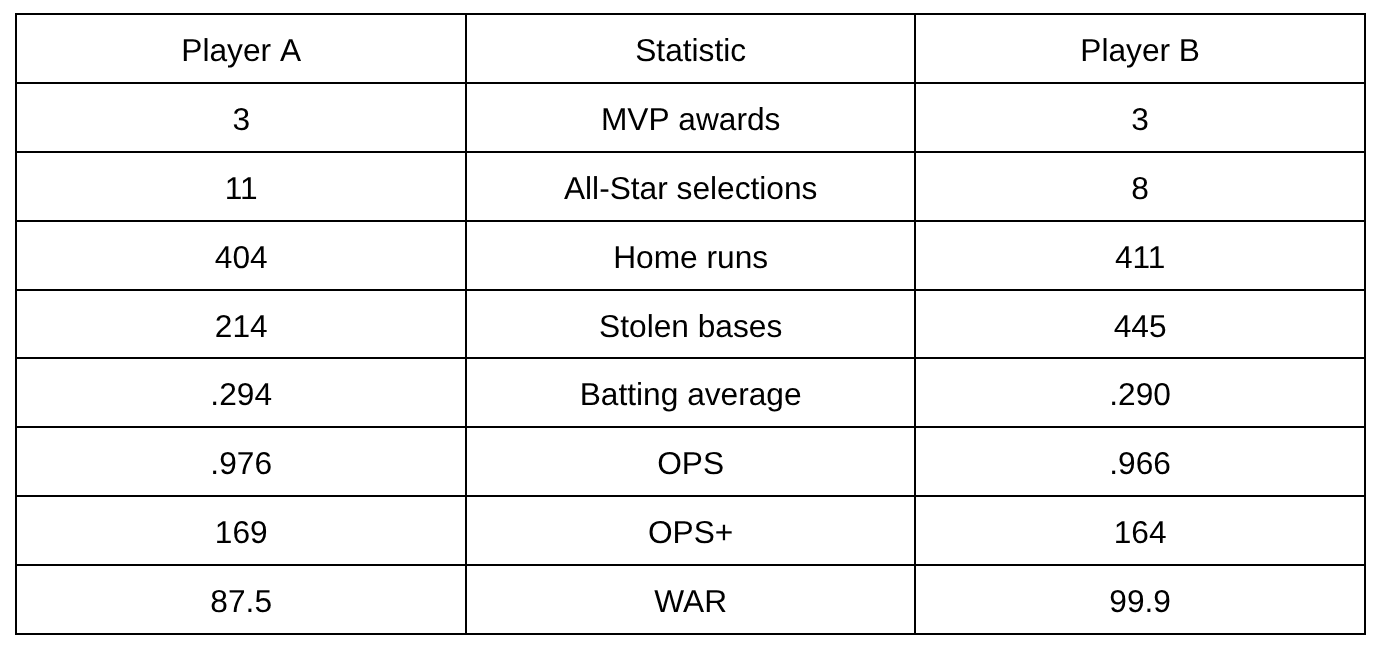
Player A is Mike Trout, undoubtedly a Hall of Fame-caliber player.
Player B is Barry Bonds from 1986-1998.
A few hundred steals (and a few hundred walks) aside, the stats from the early and middle parts of their careers are eerily similar.
If you were to discount or discredit everything Barry Lamar “Sledgehammer” Bonds accomplished during the advanced chemistry phase of his career, he was still a first-ballot, inner-circle Hall of Famer.
Which is something I hope a panel of 16 voters is taking into account when they consider Bonds as part of the Contemporary Era ballot, the results of which will be announced on Sunday. If Barry gets 12 votes, he’s in.
Barry has had his detractors over the years for his surly behavior and connections to the performance-enhancing drugs cloud that enveloped the game in the 1990s and early 2000s.
I just can’t understand why anyone, at this point, still wants to keep Barry out of the Hall of Fame. Not after so many of his less worthy contemporaries, including those who’ve used PEDs themselves, have already been enshrined.
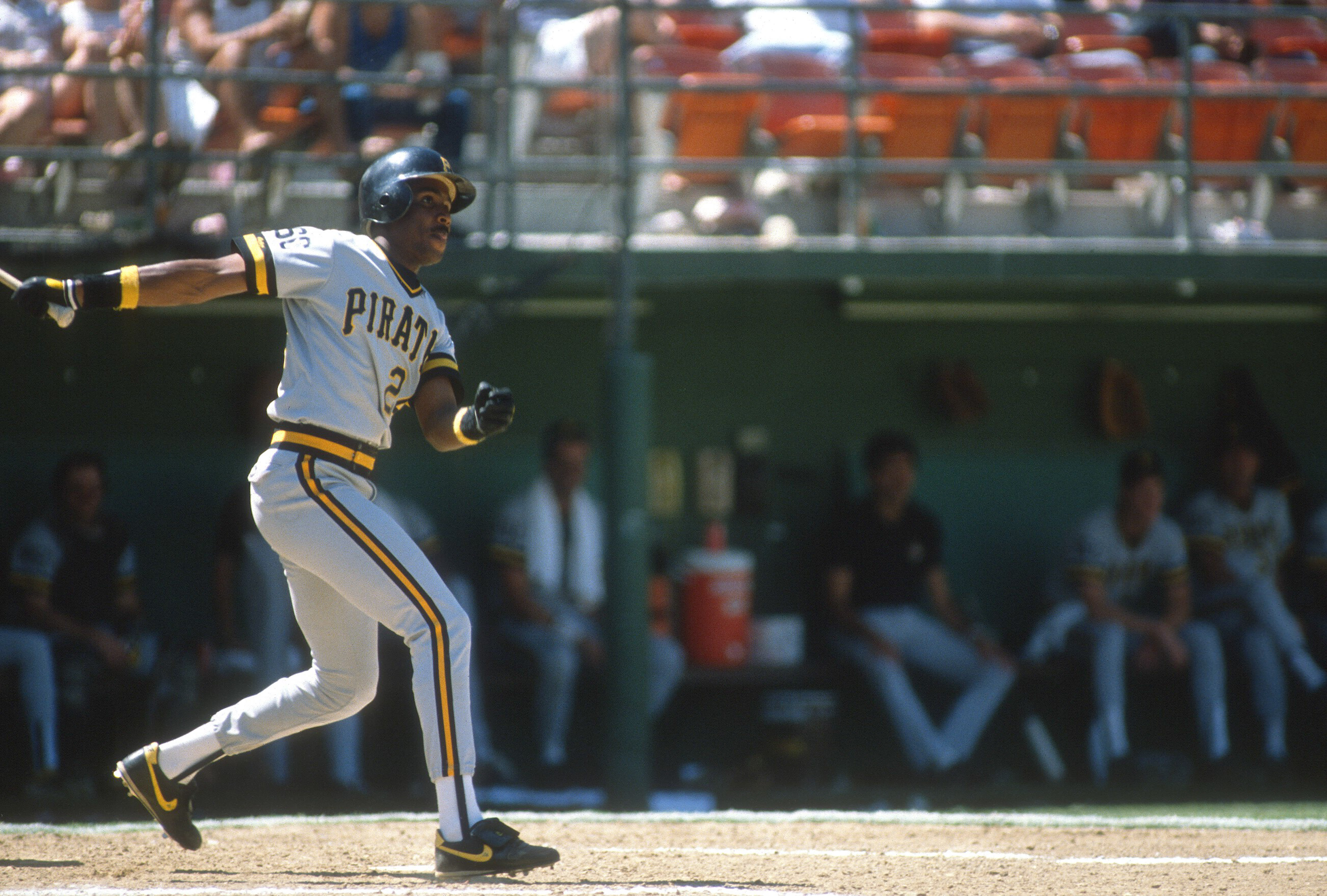 Barry Bonds is known as the G.O.A.T. for good reason. | Jerry Coli/Dreamstime.com
The most egregious enshrinee is Allen H. “Bud” Selig, who worked in car leasing before getting into baseball ownership and eventually, the commissioner’s office. Bud oversaw the game during a time of great change. Interleague. Wild card. Expansion. Salary explosion. That stupid tie in the All-Star Game.
But there was this other thing that he didn’t want to do anything about: performance-enhancing drugs.
Bud was asked repeatedly about PEDs usage in baseball. As he told Bob Nightengale in 1995, “If baseball has a problem, I must say candidly that we were not aware of it. It certainly hasn’t been talked about much. But should we concern ourselves as an industry? I don’t know. Maybe it’s time to bring it up again.”
Bud didn’t, in fact, find the time to bring it up.
For years and years.
By the time he shared his empty insights in that 1995 interview, some of baseball’s biggest stars were already part of an FBI investigation into a steroids ring, and MLB was warned about it but collectively shrugged.
Bud and the rest of the league stuck its collective heads in the sand, ostrich-like, leaving players to make a difficult choice for themselves: to use or not to use.
Players have been considering miracle drugs and improved performance long before the age of Bud, all the way back to the age of “Pud.”
James “Pud” Galvin, a 19th-century pitcher, was baseball’s first known juicer. Pud, in 1889, received injections of a substance obtained from animal testicles, a process known as Brown-Séquard Elixir, meant to improve vitality. No one batted an eye when Pud was enshrined in the Hall of Fame in 1965.
The pharmaceuticals improved across the 1900s. Greenies (amphetamines) helped players perk up and stay on the field. By the later part of the century and early 2000s, anabolic steroids and human growth hormone entered the chat and helped players build muscle.
Barry came into the height of his powers during that anabolic age, and with the help of a burly, shredded physique, set the single-season and all-time home run records.
The Hall of Fame never set parameters for how voters should handle players suspected of using PEDs. But since Barry became a poster child of a scandalous era, the voters wanted to make an example of him. Bonds topped out at 66% of the vote before falling off the ballot.
If there was a hard-line stance about keeping drug users and suspected users out of the hall, so be it. But by now there are dozens of players who used PEDs in the hall.
Some, like the great Hank Aaron, were open about trying PEDs. Willie Mays was accused of having “red juice” in his locker. David Ortiz, a clutch but statistically inferior contemporary of Bonds, failed a drug test but was still elected on the first ballot.
Waves of Barry’s steroids-aided contemporaries have been elected.
And yet, Barry remains on the outside, as he has for the past 12 years. The same goes for pitcher Roger Clemens, who’s also on the ballot for Sunday’s election results.1
It’s great to send a message that performance-enhancing drug use shouldn’t be rewarded. But the time to send that message was during Barry’s career, not retroactively.
Singling out Barry doesn’t have a purpose anymore, not with so many other confirmed, suspected or secretive PEDs users already enshrined.
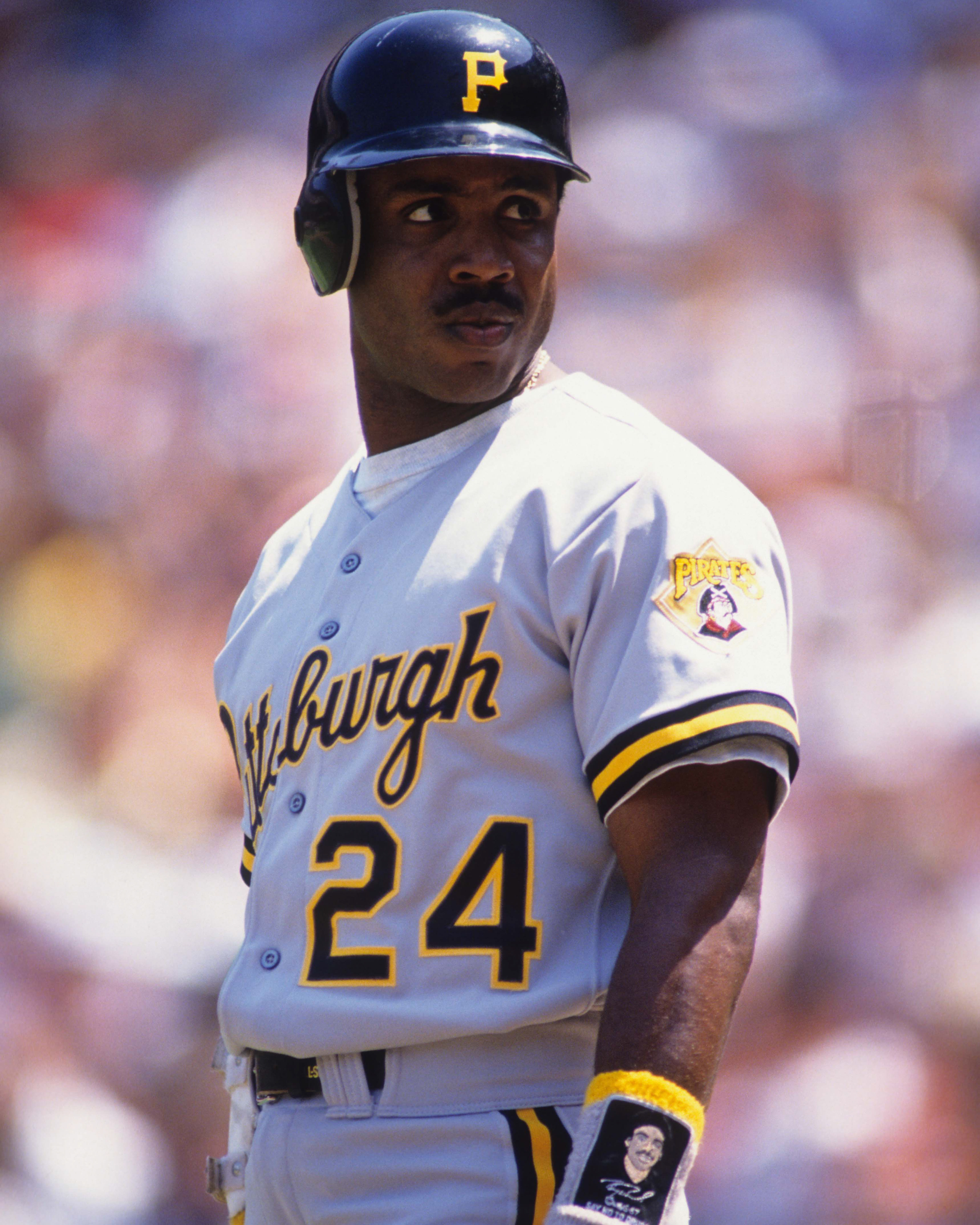 Currently, Barry Bonds is above the Hall of Fame. Jerry Coli/Dreamstime.com
More than a decade into this charade, the Barry Bonds Hall of Fame discussion is boring. At this point, there really isn’t anything to debate.
Unlike another baseball pariah, Pete Rose, who was banned from baseball for betting on the game and barred from Hall of Fame induction during his lifetime, Barry never broke a cardinal sin.
He was simply too good for too long.
There’s this idea that enshrining Barry would compromise the integrity of the Hall of Fame. Instead, I think the Hall of Fame’s integrity is compromised as long as Barry’s plaque is missing from the wall.
Currently, Barry is above the hall. Every election cycle when a Todd Helton or Scott Rolen gets enshrined, we compare them (unfairly) to this other player stuck in baseball purgatory who was so much better than they were.
Barry’s shadow looms so large over the hall because he’s superior to all but a handful of the players enshrined.
Maybe Ted Williams was better.
Maybe Babe Ruth.
… And that might be it.
There’s a reason why Barry is known as the G.O.A.T.
I’ve spent the past 15 years studying and talking to people about the era in which Barry played. Among the hundreds of people I interviewed are teammates and friends of Barry’s and opposing pitchers who gave up home runs to him.
They all agree that he’s a Hall of Famer. All it will take is 12 votes to confirm what we already know.
1This Contemporary Baseball Era player ballot is stacked with worthy players. Gary Sheffield, for example, amassed 509 home runs, walked more than he struck out, nearly won a triple crown, helped carry the Marlins to a world championship in 1997, and had one of the most iconic batting stances to boot. All of the people on the ballot—the others are Dale Murphy, Don Mattingly, Jeff Kent, Carlos Delgado and Fernando Valenzuela—have legitimate HOF cases.
October 22, 2025
Remembering Rob Mallicoat
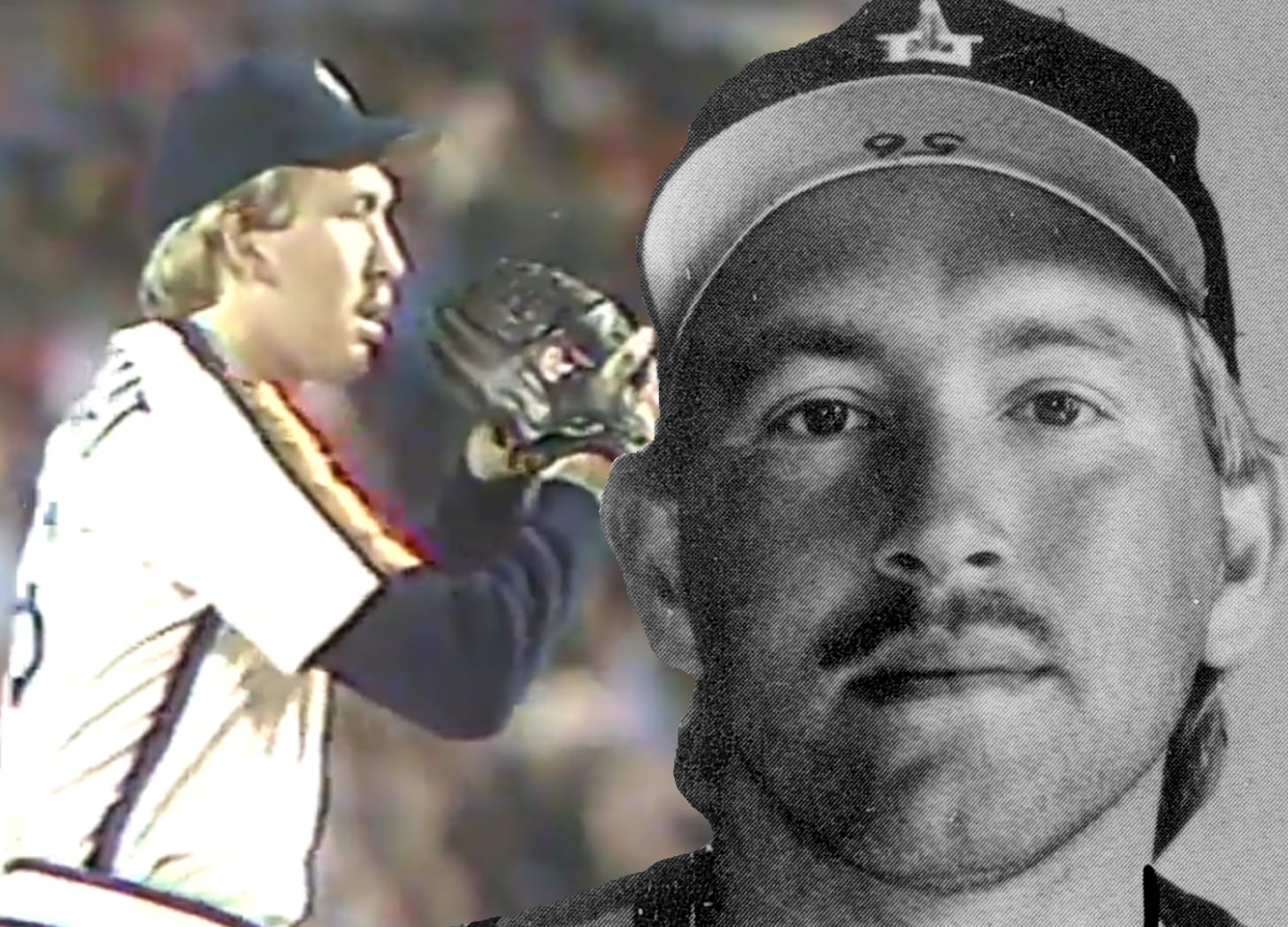
Rob Mallicoat kept battling.
He endured multiple shoulder surgeries to become a reliable bullpen arm for the Houston Astros in the early 1990s.
As Rob’s baseball career was ending, he sought a last-gasp opportunity as a replacement player with the Royals, then signed on with a team in Taiwan (he still owns the league record for the highest ERA), before walking away from baseball and launching a successful career in the tech industry.
And he spent the past half-decade completing round after round of treatment after being diagnosed with Stage IV colon cancer.
Rob died Sunday at the age of 60. He is survived by his three children, his mother, and the love of his life, his partner Tracy.
I had the honor of connecting with Rob while working on my book about his buddy and baseball teammate Ken Caminiti, and we kept in touch over the years. We had a number of deep conversations in the past few months. I’m proud to call him my friend.
Robbin Dale Mallicoat, Jr. was born on Nov. 16, 1964 in St. Helens, Oregon and spent his childhood in Oregon with his parents Dale and Jo and sister Marni.
Early in life, he was inspired by two passions: baseball and technology. Baseball was the initial pursuit. Technology would stay in the background for a little while.
Rob was a thin and gangly kid.
“I resembled a Q-tip with curly hair and black-rimmed glasses,” he told me.
This Q-tip could pitch. His junior year of high school with Hermiston, the lefty helped carry his team to the doorstep of the state championship game. He was pitching in the eighth inning against a tough West Linn team.
Batting was a pitcher and power hitter named Mitch Williams (yes, that Mitch Williams, “Wild Thing” himself). Rob made a good pitch and Mitch popped up the ball to the catcher, but the catcher couldn’t hang on.
Rob reared back and fired a fastball. Right down the pike.
Williams crushed the ball to dead center. Home run. Ballgame. The guy who’d become infamous for giving up the big one tagged Rob for the big one a decade earlier.
After the season, Rob’s parents moved to the Portland suburbs for work opportunities (T-shirts and marketing would give way for pizza shops and RV supplies), and Rob pitched his senior year for Hillsboro High School. Hillsboro wasn’t a great baseball school, but Rob still got noticed—scouts saw him pitch while tracking an opponent, Mitch Lyden of Beaverton.
The Detroit Tigers came calling and drafted him in the eighth round of the 1983 MLB Draft. The 199th pick. Roger Clemens and Mike Trout’s dad were also drafted that year.
Rob didn’t sign. His dad wanted him to go to college for at least a year, so he enrolled at Taft College, a junior college in California.
During his freshman year, pro scouts circled yet again, and the Houston Astros selected Rob in the Major League Baseball winter draft. This time, he ended up signing.
There was a lot of bouncing around in 1984—a theme that would play out in the decade ahead. College ball in California. Pro ball in New York and North Carolina. Instruction in Florida and Arizona. And then winter ball in Barranquilla, Colombia.
Have arm, will travel.
Rob’s 1985 season pitching for Osceola of the Single-A Florida State League was his breakout. He went 16-6 that year, with a miniscule 1.36 ERA and 158 strikeouts.
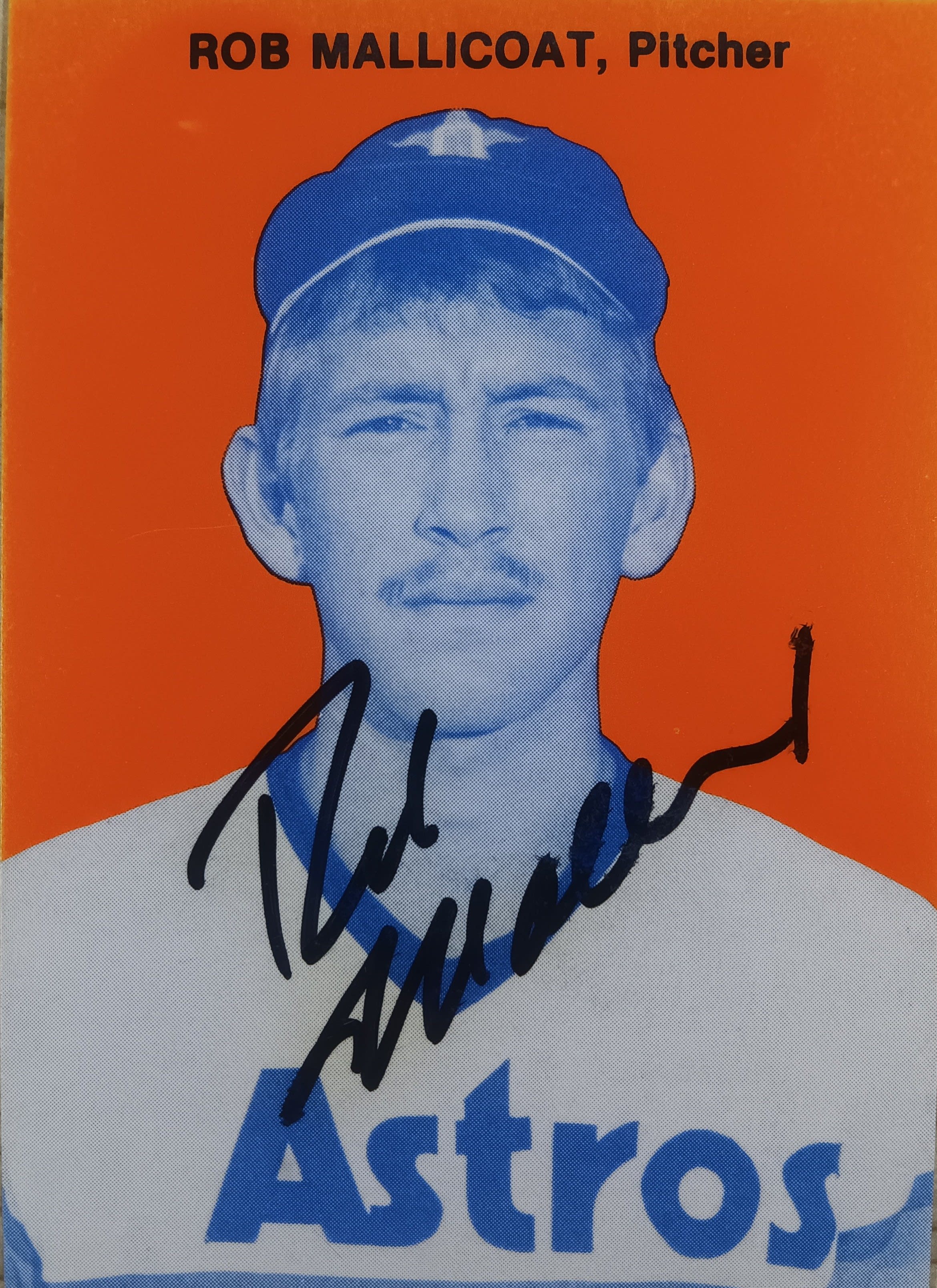 Rob’s 1985 Osceola Astros baseball card.
Some pitchers are pure power. Others, finesse. Rob was a cerebral pitcher. He thought deeply not just about pitch sequences, but the science and mechanics of pitching.
Which made him prone to overthinking on the mound. He’d throw a damn good slider—a swing-and-miss strike—and tell himself, “I can throw it better.” If he threw up and in, he wanted to throw it a little further up and in.
He’d try to throw the perfect pitch, even if the perfect pitch didn’t exist.
Heading into the 1986 season, Rob was among the top pitching prospects in the Astros system, and maybe in all of baseball. He got invited to MLB Spring Training and was being considered as the Astros’ fifth starter. Doc Gooden had made the jump from Single-A to the bigs, and maybe Rob could, too.
If only. During a washout day that spring in rainy Florida, Rob chose to go golfing. He was striding over a gully when he got his spikes caught in loose sand.
He came down, hit a soft spot on his heel, immediately winced in pain and dropped five or six F-bombs. Something was wrong. An X-ray didn’t show a break … but X-rays aren’t great at showing soft tissue damage. So it didn’t reveal that Rob had blown his Achilles tendon.
With the injury undiagnosed, Rob was still pitching, wearing heated plastic inserts molded to his ankle and wrapped with tape. But without any power and without the ability to follow through, since he couldn’t push off, he was overthrowing with his shoulder.
Everything that had gone right the season before went wrong in 1986. He started in Triple-A before backsliding, getting demoted to Double-A.
Rob couldn’t win. He went 0-8 with a 5.13 ERA before he got shut down for surgery.
If only. If Rob had stayed healthy and continued pitching at his previous level, he would have likely gotten called up in 1986 and could have helped contribute to the Astros’ division title.
He bounced back from injury in 1987 and starred once again, this time for Columbus of the Double-A Southern League—reinforcing the hot-cold pattern his career would follow.
Rob and his pal Caminiti were the league’s top vote-getters in all-star voting and he got the ball to start the all-star game, throwing two scoreless innings. A Sequoia-tall, imposing Expos prospect named Randy Johnson, The Big Unit, came on in relief.
Rob was 10-7 that year for Columbus, with a 2.89 ERA. Randy went 11-8 with a 3.73 ERA.
It’s easy to look back 30 or 40 years later and consider Randy’s plaque in Cooperstown and how he was the better pitcher in the long run. But at the time, in terms of their skills and their abilities to get batters out, Rob and Randy were pretty close.
The bounceback season earned Rob a callup to the majors. He made his Major League debut on Sept. 11, 1987 against the Padres. He entered the game in the bottom of the fifth with San Diego up 10-0.
The crowd was deafening—53,000 were in the stands. The Astros wanted a lefty, and Rob got the nod. The bullpen door opened, and he made the long, lonely jog from right field as the San Diego Chicken ran around, riling up the fans.
No pressure … just the pitcher and catcher, just as it always was.
The ball got tossed around the infield, and there stood Caminiti flipping his pal the ball. Ken didn’t have to say anything, just a glance was enough. Let’s get some outs, lefty.
Rob got some outs, alright. He pitched three innings, giving up one run and striking out two.
A few weeks later, he got the starting assignment against the Reds, managed by one of Rob’s childhood idols, Pete Rose.
“I was amped up. My parents flew down to see me pitch. And pretty soon, the bottom dropped out,” he told me.
He started the game by giving up three singles, but was able to work his way out of trouble with only one run in the first.
The second inning got ugly. Flyball. Walk. Walk. Groundout. Walk. Single. Single. Walk. Rob’s day was done. He got the hook after 1 ⅔ innings pitched.
He wanted to hit and go deeper in the game.
Afterward, his teammate Nolan Ryan pulled him aside. The Ryan Express told Rob how he’d gotten bombed in his first big league start, too.
Of course, Nolan had 772 career starts after that.
Rob never had another one.
If only. The following spring training, 1988, Rob was shut down due to lingering shoulder trouble, a byproduct of his changed mechanics from trying to pitch through his Achilles/ankle injury from two seasons earlier. But the procedure wasn’t effective, leading to a full shoulder rebuild. He missed the 1988 and 1989 seasons recovering and spent 1990 slumming around in the low levels of the minor leagues making sure he could still pitch.
By age 25, he’d gone from prospect to suspect. And he was trying to show the Astros that he could still contribute.
After 1,415 days of waiting, 1,415 days of self-doubt, 1,415 days of fear and determination and grit, Rob returned to the bigs in 1991.
His greatest day in baseball came on Aug. 18, 1991, a sun-kissed summer day at Chavez Ravine, when Rob threw three scoreless innings against the Dodgers to get the save.
He entered the game facing Los Angeles slugger Darryl Strawberry.
Three swings, three misses. He got Straw to flail at air.
Hall of Famer Eddie Murray followed with a skyscraping flyout that momentarily turned speedy outfielder Gerald Young into an air traffic controller tracking the ball into his glove.
After a single by Juan Samuel, Gary Carter—another eventual Hall of Famer—came up to bat. Carter came away empty. Whiff.
Mallicoat pitched the game’s final three innings for his only MLB save. After the last out was recorded, Rob got some kudos from his teammates and tapped his catcher Craig Biggio, yet another future Hall of Famer, on the shoulder as he walked around the field and soaked in the moment.
Rob shuttled back and forth between Triple-A and the bigs in 1991 and 1992 and stuck in Houston long enough to get a Topps card of his own, the ultimate sign of making it.
If only. Late in the 1992 season, the shoulder started acting up again.
“I was pitching against Fred McGriff in San Diego when I threw my fast sinker down and in and felt something crackle,” Rob told me. “It didn’t hurt, but it felt numb.” When you’re pitching, things shouldn’t feel numb or crackle. But it did after that pitch.
Rob continued throwing through the end of the season and rested that off-season, but when he returned for 1993, the shoulder was still acting up, meaning another surgery and another lost season.
Rob tried to hang on as long as he could. He pitched in the minor leagues in 1994 and appeared in big league camp the following year as a replacement player—with the Major Leaguers on strike, MLB rosters were temporarily filled by has-beens, never-weres, and also-rans.
And Rob.
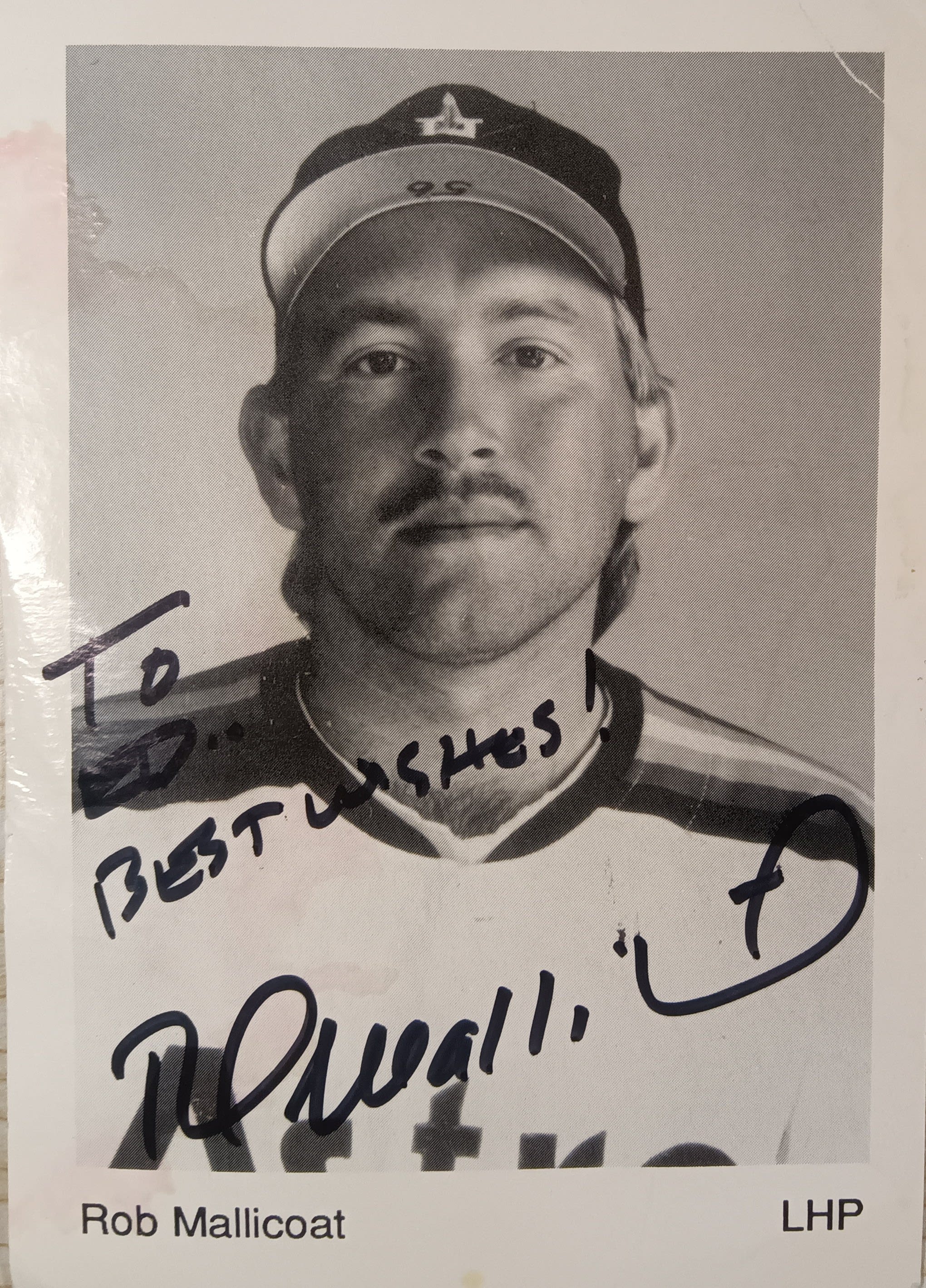 A headshot from Rob’s Astros days.
Rob respected his former teammates’ stance. He was at the end of the line and knew he wouldn’t get another chance at the majors. He wasn’t taking anyone’s job. He hadn’t gotten rich from his pitching career, and with a family at home, he couldn’t turn down the paycheck.
During Rob’s time in big league camp in 1995, then traveling to Taiwan to briefly pitch for the China Times Eagles, he wrote blogs that got posted to Swarthmore College’s website, a “replacement diary.” You can still find his “replacement diary” online.
It was a blend of his two loves—baseball and computers—and reflected his transition from one career to the next. Rob’s final blog post was written on June 21, 1995. In that post, he was clear-eyed about his career.
“I have given it one more try three times... and have cheated the baseball gods out of a few more memories and I thank them,” he wrote.
He wrote at the time about his plans to “somehow get into the computer industry... my love of computers and fiddling around has become well-known with my team-mates.”
“I am writing this and beginning to feel the separation from something that has been an integral part of my life for over two decades. I can say I will miss the game, the guys, the fans, maybe the umpires ;), and the feeling of being a team and working for something. But the one thing I won’t miss is the pain my shoulder has given me the past years... But looking back it was not all that painful because I was doing something I really love!!!!”
A lot of those sentiments also apply to Rob’s long, difficult cancer battle and passing.
Rob definitely did get into the computer industry after his baseball career ended, working for companies like BMC Software, Quest and Microsoft.
Some former players are defined by their glory days and talk about them often; Rob was more circumspect. He wanted to establish himself with computers, and since throwing a baseball didn’t have much to do with computers, he didn’t tell his tech co-workers about his earlier career.
His worlds collided when his colleagues at BMC attended an Astros game and sat near the field level. Nolan Ryan sat two rows behind them. A work buddy turned to Rob.
“That’s Nolan Ryan behind us.”
Uh huh. Rob turned to Nolan.
“Oh, what’s up Nolan?”
“Hey Malli,” Nolan said.
The work friend was shocked. “You know him?”
“Yeah, we played ball together for a minute.”
“Excuse me. You played baseball with the Astros?”
“Yeah, dude.”
“Why didn’t you ever freaking tell me that?”
“Because I didn’t think it mattered. It wouldn’t come up in a conversation with a customer looking for some solution. How would I jump from talking about my pro baseball career?”
He got more comfortable talking about baseball, and reconnecting with colleagues from his prior life, through social media (he was also liable to get into dust-ups if he disagreed with someone).
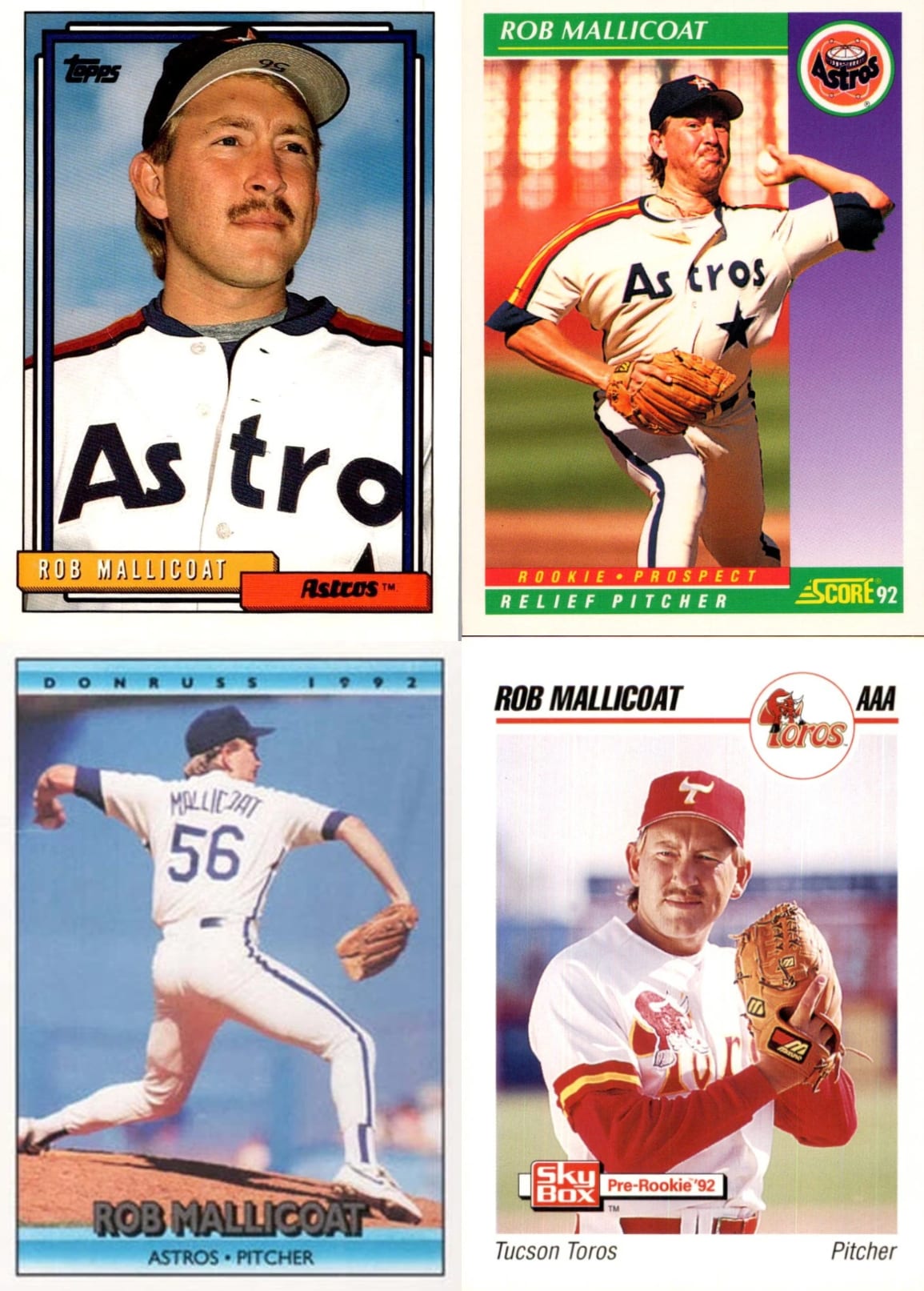 Some of Rob’s baseball cards.
And then there was Tracy, who Rob met in his fifties. They dated and got to know each other and went to concerts and dinner and walks. They played with the dogs and met each other’s kids, and everything was right.
But as things finally clicked into place with his love life, there was this other thing.
If only. When you rely on your body like Rob did as a pitcher, you become an expert on describing pain by joints and tendons and ligaments and body parts and playing through it.
Hip pain? Back pain? Scar tissue? Just pop Tylenol and grit it out, and all of a sudden, everything is better again.
He could tie every bump or bruise or twinge to a past surgery or injury and brush it off.
That was the case with his restless legs and sore hips. He found himself shifting around in his seat more frequently and getting a seat warmer to warm his legs. He thought he was just sore from playing tennis.
Turns out, it was colon cancer. Stage IV. It had spread to his liver and lung.
Rob endured years of treatment and various procedures. The chemo left him spent and suffering from nerve damage.
Still, he kept rearing back and throwing his best pitches. He wanted to stay in the game as long as he could.
Earlier this year, Rob had a meeting with his care team. They were checking his markers, which had shot up. The cancer was spreading, and treatment was becoming less and less effective.
He could have endured more treatment. But the chemo might have made him unable to walk. And all for maybe a few additional months at most.
Instead of additional treatment, Rob made a different choice.
“Right there, in the doctor’s office, my mind was made up. No more. I wanted to live. I wanted to go in my car and drive and enjoy my remaining days,” Rob told me.
That’s exactly what he did. He lived. He watched the sunrises and sunsets. Took that extra moment to enjoy the things and people around him.
He’d take a good, sturdy yellow Whiffle Ball bat and hit rocks and feel one with the universe.
I can’t help but laugh (cry? both?) at the fact that he died amid his hometown Seattle Mariners playing meaningful baseball for the first time in a quarter-century.
If only.
Timing was never Rob’s thing. But in the face of setbacks, Rob always found a way to make the most of his situation.
Even if Rob’s dreams didn’t quite play out the way he’d hoped, they still happened. He found true love. He made a career out of playing with computers. And for a few fleeting moments, he stood in the sunshine and threw smoke.
September 26, 2025
Me and Bobby Shantz
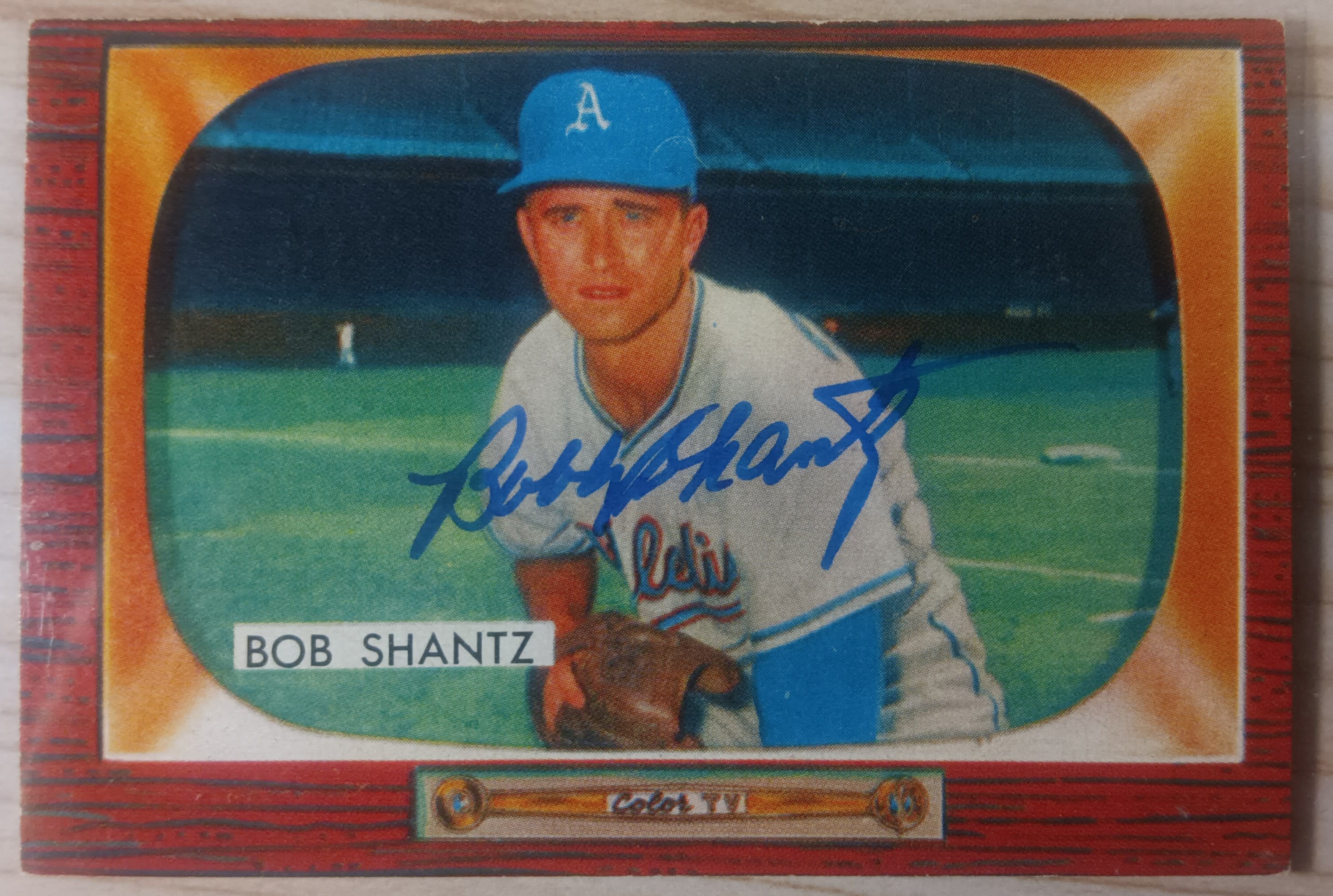
A century is a long time. And a blink.
Today marks the 100th birthday for Robert Clayton Shantz, the 1952 American League MVP.
He’s the second-oldest living MLB player (after Bill Greason), the last surviving MLB player from the 1940s, the last surviving Philadelphia A’s player, and the oldest living MVP.
Bobby—who stood 5’6” in his prime—led an interesting career.
Eight Gold Gloves.
A World Series ring.
He struck out Jackie Robinson in the All-Star Game, started and won the first game played in Texas, was traded for one Hall of Famer (Lou Brock) and inspired another (Jim Kaat).
Bobby happens to be one of my favorite players.
When I was a teenager and my father was battling cancer, my father’s hospital roommate clued me into Bobby’s story. This patient grew up in 1950s Philadelphia, and he told us about his childhood self watching Bobby pitch at Shibe Park. Bobby was magical in 1952, going 24-7.
I had a reprint of Bobby’s 1954 Topps card in my baseball card collection, and I brought it with me the next day when we returned to the hospital. My dad’s roommate lit up when I gave him the card. It was a happy moment during a difficult time.
I sent Bobby a letter to share the story with him years later, along with his 1954 Topps card, and he sent me back the signed card and a kind letter in response.
“Thank you so much for the very nice letter. Very nice to hear from you. Sure is great to hear you and your Dad’s roommate heard of me. Love to hear things like you relayed to me in your letter. Thanks and best wishes to you always,” he wrote.
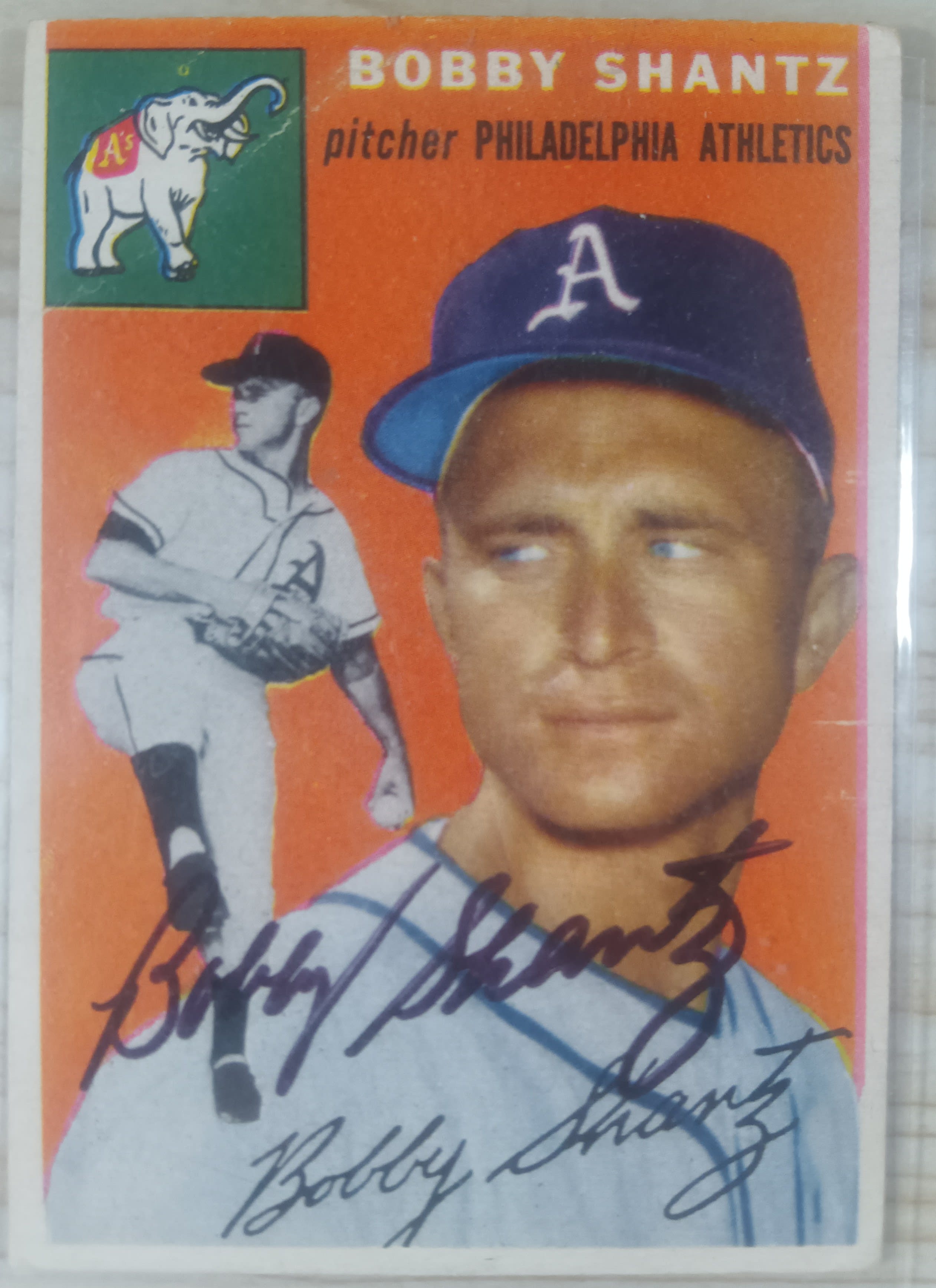
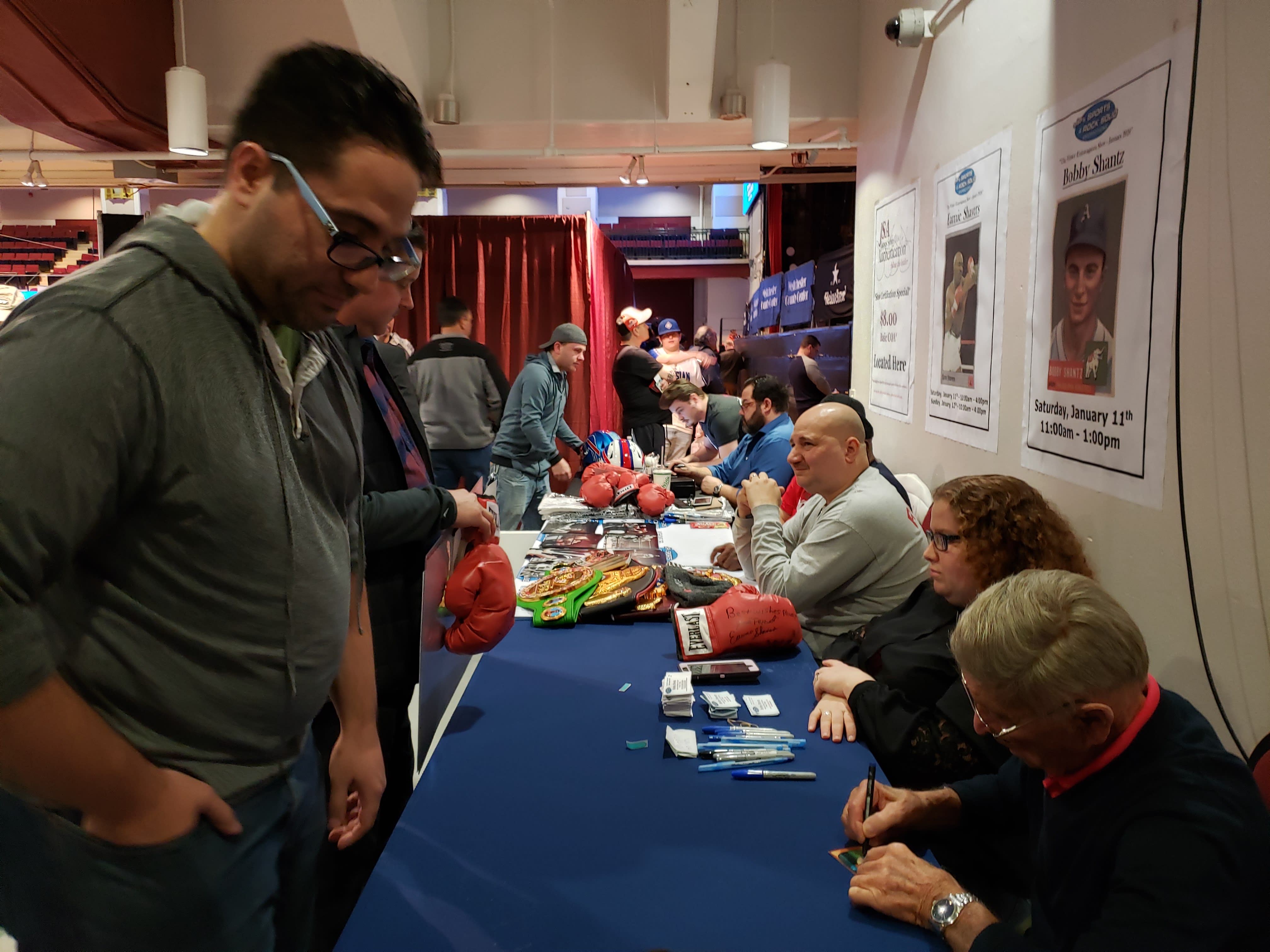
Fast forward to five years ago during a visit to the White Plains Card Show near where I live in New York.
The show often has a long list of signers, some of whom are free with admission.
Unbeknownst to me, Bobby was that show’s free signer. I hadn’t planned for this ... I needed to find something for Bobby to sign. I rummaged through displays of vintage baseball cards, found Bobby’s 1955 Bowman card at one of the booths, and waited in line for Bobby with my wife and young son.
After 45 minutes or so of waiting, it was finally my time.
And I was tongue-tied. Didn’t know what to say. The autograph line isn’t the best place to share a long-winded story, and every moment that passes intensifies the glares and stares of the people behind you.
“Thanks for everything Bobby, you’re the greatest,” I said.
He glanced at his younger self as he signed the card.
“This was a long time ago,” he said. Yes, I guess so.
As Bobby signed the card, he started talking to my son, who was 3 at the time. Bobby asked him his name and shook his hand, and they shared a friendly conversation.
It’s fitting that two of my connections to Bobby are through others’ childhoods.
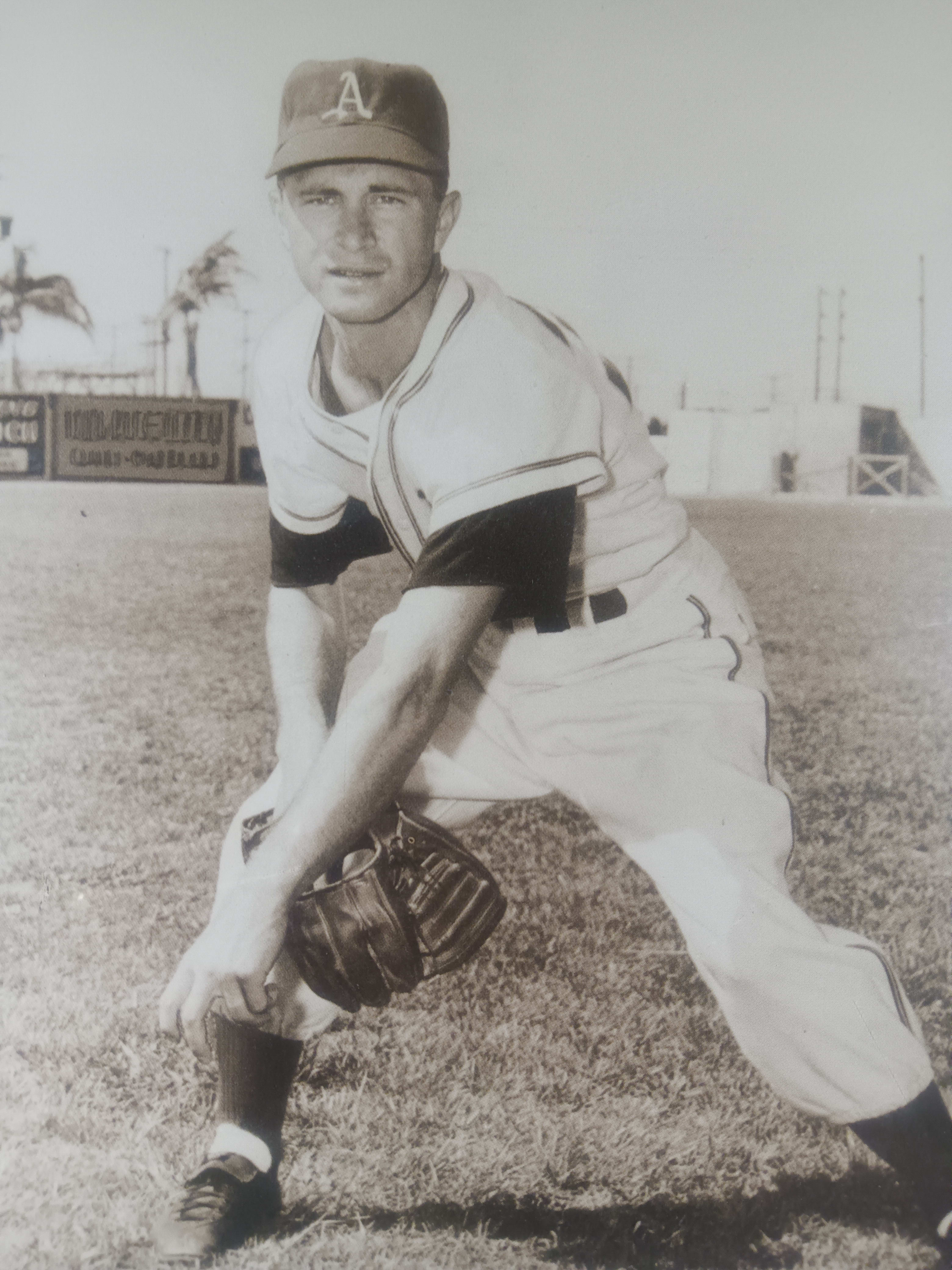
Bobby had an interesting career. A pint-sized prep outfielder, Bobby served in the Army in World War II (he was initially rejected for military service due to his height) and was overlooked by scouts due to his size until the Athletics expressed interest. He made his major league debut in 1949.
Following his debut game, Bobby was optioned back to the minors. But before he reported to Buffalo, the club changed its mind. They called his home, but he’d already left. When Bobby arrived in Buffalo, he got a telegram ordering him to rejoin the team. He parked his car under the grandstand and took the train to Detroit to meet up with the Athletics.
A few days later, he was called on to replace starter Carl Scheib in the fourth inning. Philadelphia was down 3-1 and there was a runner on third.
No matter.
Bobby got out of the inning and kept going, matching zeroes with Tigers hurler Hal Newhouser.
The Athletics rallied in the eighth inning and tied the score following a rain delay.
Bobby kept throwing and kept getting outs. In fact, he’d pitched nine consecutive innings without giving up a hit.
Philadelphia won the game 5-4.
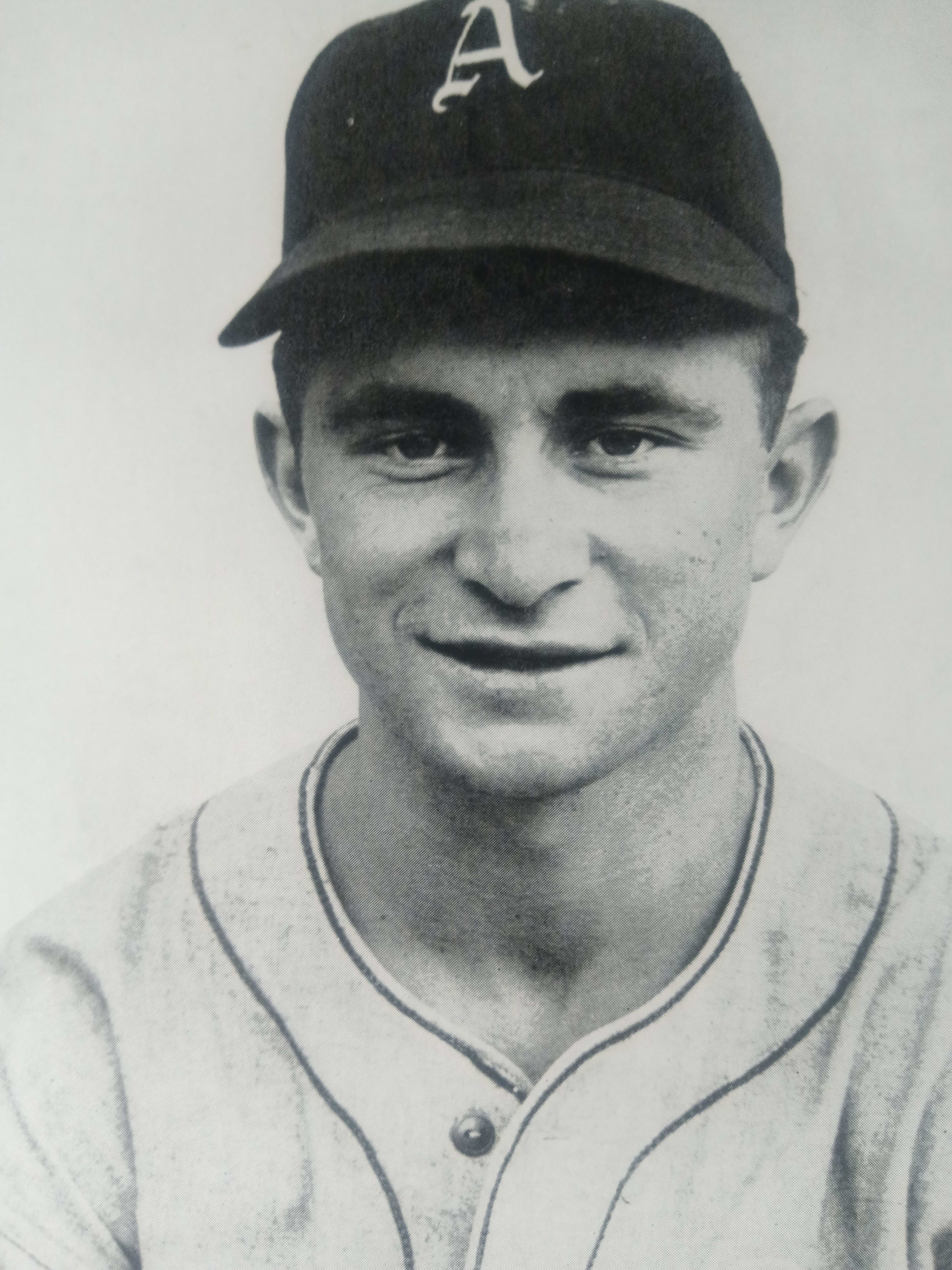
It was a sign of things to come. After inconsistent results in his first few seasons, Bobby came into his own in 1951, going 18-10 and making the all-star team for the first time.
And then there was 1952, when Bobby became the league’s best pitcher. At one point he strung together 11 straight wins.
One of the season’s highlights was a 14-inning thriller against the Yankees on May 30 in which Bobby held the Bronx Bombers to a single run, a solo home run by a player named Mantle.
In the All-Star Game that year, held in his home ballpark, with the rain clouds hovering, Bobby entered the game in the fifth inning to face Whitey Lockman, Jackie Robinson and Stan Musial. He struck out all of them before the skies open and the rain poured down, washing out the rest of the game.
As he wrote in his book “The Story of Bobby Shantz” with co-writer Ralph Bernstein, “My home-town fans cheered as if I had won the world series. I must admit I was a little proud of myself.”
Bobby became a national fascination that year in large part because of his height. How could this little guy be so good?
The magical MVP season came to a disappointing end on Sept. 23 when, batting against the Senators, he was hit by a pitch and broke his wrist.
Things weren’t the same for Bobby after 1952. Arm trouble limited his output in the years that followed, and the Athletics moved to Kansas City after the 1954 season.
Bobby was traded to the Yankees and spent four seasons in pinstripes before bouncing around between five different teams to end his career.
Through Bobby, the past and the future blend together.
Bobby’s first manager in the big leagues was Connie Mack, who was born in 1862, began his big league career in 1886 and started managing in 1894. His final big league manager, Gene Mauch, managed until 1987 and served as the bench coach for the 1995 Kansas City Royals.
Think about that for a second. Two men who managed the same player were in the dugout coaching players 101 years apart.
Bobby, due to his longevity, has become a torchbearer for an entire generation of players and his impact continues to carry forward.
If you play Immaculate Grid, the game that challenges you to select baseball players based on specific teams or accomplishments or categories, Bobby is one of the most useful players.
He suited up for the Athletics (in Philadelphia and Kansas City), Yankees, Pirates, Colt .45s, Cardinals, Cubs and Phillies; he won the MVP; was an all-star; won an ERA title; locked up eight Gold Gloves; and even played an inning at centerfield for the Yanks in 1958.
Friday’s grid (Athletics-Pirates) was a chance to use Bobby.
A recent grid showed Astros-Yankees (Bobby), Astros-A’s (Bobby) and Athletics MVP (Bobby) among the clues. Too bad you can only use the same player once on each grid!
Bobby has also been a steady and prolific autograph signer and enjoys signing through-the-mail autographs.
It’s difficult to quantify the sheer number of autographs he’s signed over the years.
Two hundred thousand?
Five hundred thousand?
Given the amount of years he’s been active and signing (more than 75) and the fact that he genuinely enjoys signing items, he’s probably among the most prolific signers in baseball history.
Across the years, his autograph hasn’t changed all that much.
Bobby hasn’t changed all that much, either.
A century later, Bobby is still Bobby. And that’s the long and short of it.
February 4, 2025
My pal Mickey Rooney
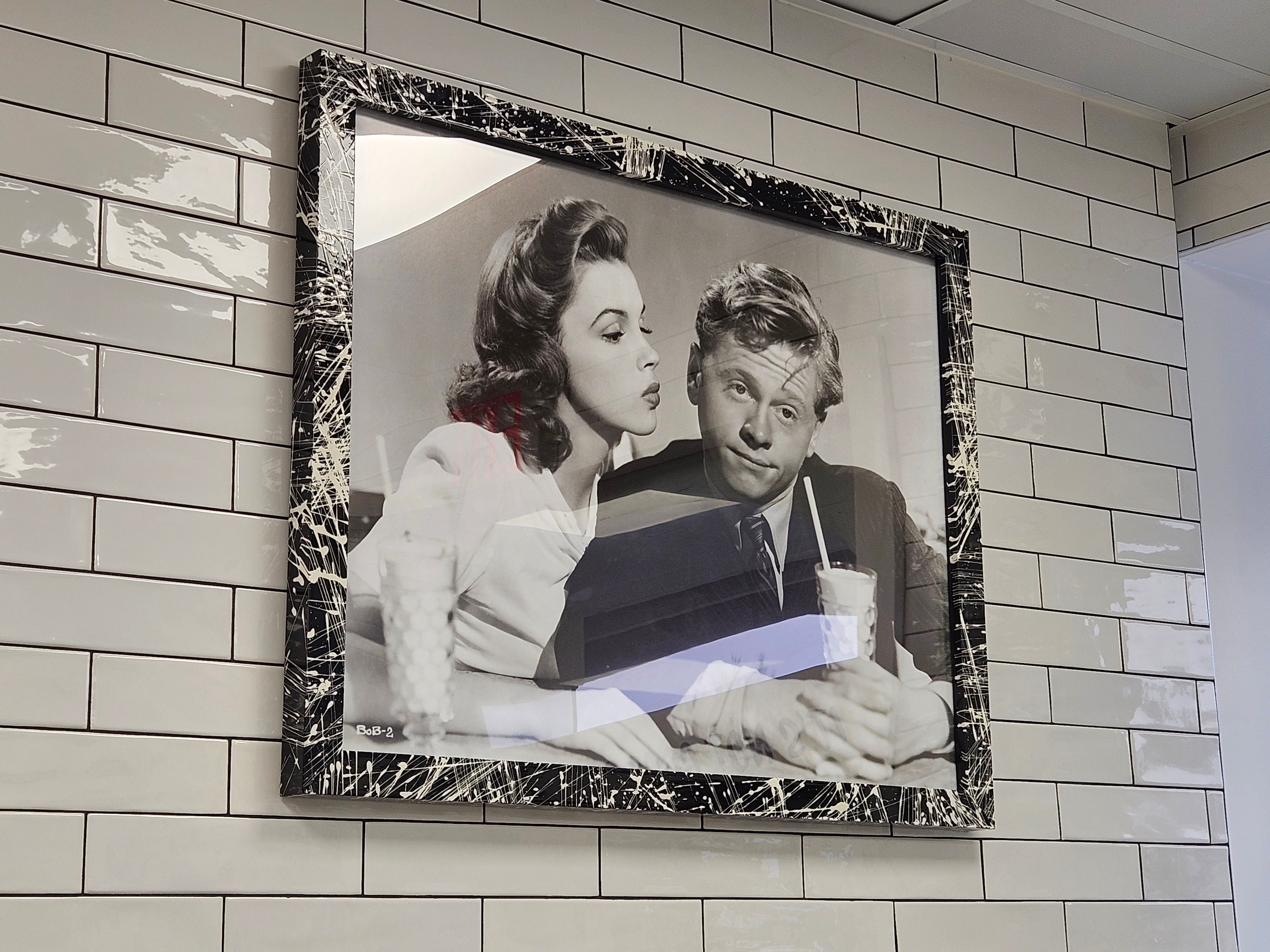
A black-and-white picture hangs on the wall at a local bagel shop.
The picture is from a movie, 1938's "Love Finds Andy Hardy." It shows a teen girl and lovelorn guy sitting at a soda fountain counter.
As soon as I saw it, I smiled.
Judy Garland is pictured on the left, while my pal Mickey Rooney is on the right.
OK, maybe "pal" is an exaggeration. But I share a connection with the screen and stage legend. I interviewed Rooney, then 88, in 2009 before he performed in concert in southern New Jersey.
I spent hours researching his life and roles ahead of our scheduled call, only to have him tank the interview with short answers (I was later told he wanted to eat his lunch, but given the elder abuse accusations that emerged following his death in 2014, who knows. Maybe it was just Mickey's way of getting out of an interview he really didn't want to do). Perturbed, and needing input to fill out my story, I called him again the next day and we had a more thoughtful conversation.
After the whole ordeal of jumping through hoops to talk to the man, his wife Jan invited me to their upcoming concert. I typically wasn't one to take free tickets, but my article wasn't changing either way, I felt this connection from all of the questions and coordination, and I thought it would be rude to reject the invite. Plus, who can say no to a night with Mickey Rooney, the number one star in the world and biggest box office draw from 1939 to 1941?
So, I went. I was the youngest person in the room by 35 years.
Mickey's boyish looks and vocal range had long since been sanded away. But still, the man could put on a show. He sang and played piano and performed alongside Jan. It was inspiring to see him still going strong.
Near the end of the show, Mickey was dancing when his shoe landed awkwardly on the stage, and he started wobbling. He grabbed onto Jan for balance, but alas, Mickey and Jan toppled over in a heap. For a moment, I wondered if I might have to file an article about an acting icon getting injured.
Thankfully, Mickey and Jan rose and finished the show in good spirits. Whew!
I decided to wait for them afterward and tell them hi, or thank you, glad you're OK ... something. Mickey passed in a huff — maybe he was hungry again, or just generally tired from a lifetime of putting on shows. Jan walked behind him, waiting to talk to the supporters who'd stayed behind. I introduced myself and mentioned the article, and Jan gave me a big hug.
"We loved the article, Jeff!" she told me. "You did such a great job."
I was glad she liked the article. But who was Jeff? I'm used to being called Dave or Don or Doug. But Jeff? Even though Dan and Jeff were nowhere close to each other, I had no desire to correct her. I took the compliment and wished her well, she said goodbye to "Jeff," and I, confused, was on my way.
I stopped for gas on the drive home and picked up a local newspaper on the newsstand, and was flipping through when I found someone else's preview of the concert.
It was written by Jeff. This was Jeff. This was the article she was referencing.
After all the trouble, did they even read what I wrote?
I'm still proud of my article (you can read it here).
I've told my Mickey Rooney story often in the ensuing years. But revisiting the story recently gave me new insight.
You see, in August 2009, Mickey and Jan filmed footage for a reality TV show, The Rooneys. While it was never developed into a full series, video still exists online.
At one point in the video, Mickey and Jan are eating at a restaurant when a woman approaches them.
"I just wanted to tell you, I've seen a lot of your movies," she says.
"Thank you," Mickey responds.
"And I think you're great."
"Thank you very much." Mickey says gruffly. He wants this conversation to end. Now. But the woman and Mickey's wife continue talking further.
"We just did our two-person musical in New Jersey," Jan tells her.
She's referring to the show I attended. That show in New Jersey. As the conversation continues, Mickey covers his forehead with his hand and grows more and more heated, as though he's going to turn into a volcano and explode.
The man just wanted to eat his meal in peace, which was the same lesson I learned when I first called him all those years ago.
It's interesting how we can interpret events and actions differently with the benefit of hindsight and more information.
And it's fitting that the guy who cared so much about his meals gets to peer down as I order my breakfast bagels.
January 22, 2025
Billy the Kid finally got the call
Billy the Kid is finally a Hall of Famer.
Billy Wagner, a standout closer and seven-time All-Star, was elected Tuesday to the Baseball Hall of Fame on his 10th and final time on the ballot after garnering more than 82% of the vote. He's entering the Hall alongside Ichiro (who somehow didn't get unanimously elected), C.C. Sabathia, Dave Parker and Dick Allen.
Wagner broke down when he received the long-awaited call. He tended to have that same effect on the hitters he faced.
Billy the Kid was an unlikely southpaw. He broke his right arm as a boy growing up in Virginia, and while his natural right arm was healing, he taught himself how to throw left-handed, and that left arm took him to the height of the baseball world.
He broke in with the Astros in 1995 and quickly became one of the league's most unhittable pitchers. His career WHIP (0.998), strikeouts per nine innings (11.9) and opponents' batting average (.187) are all among the all-time best. Only seven other pitchers have saved more games than Wagner's 422. He even used the same walk-up music, Metallica's "Enter Sandman," as the era's other most dominant relief pitcher, Mariano Rivera (Wagner started using it first).
Wagner was great for a long time and with lots of teams. After his meteoric rise with Houston, he starred for Philadelphia and the Mets before pitching in Boston and rounding out his career in Atlanta.
His first standout season was 1999, when he saved 39 games for a division-winning Astros team, struck out 124 batters and walked a miniscule 23.
His last season, 2010, he was just as stellar, saving 37 games and earning his final All-Star nod. The then-39-year-old could have hung on for another season or two, but he was committed to being a husband and dad full-time.
As he told me years ago for an interview for my book on his Astros teammate, Ken Caminiti, "I enjoyed baseball for what it was, but I didn't want that to define me as a dad or an individual. So when I retired, I was done."
All of these years later, and after coming up just short in previous Hall of Fame votes, Billy the Kid finally got the call.
United States of Baseball interview
I had the honor of chatting with Graig Mantle for The United States of Baseball. We talked about my baseball background, journey as a fan, and shifting perspectives on 1990s baseball. You can check out the interview here.
December 22, 2024
Legends are forever
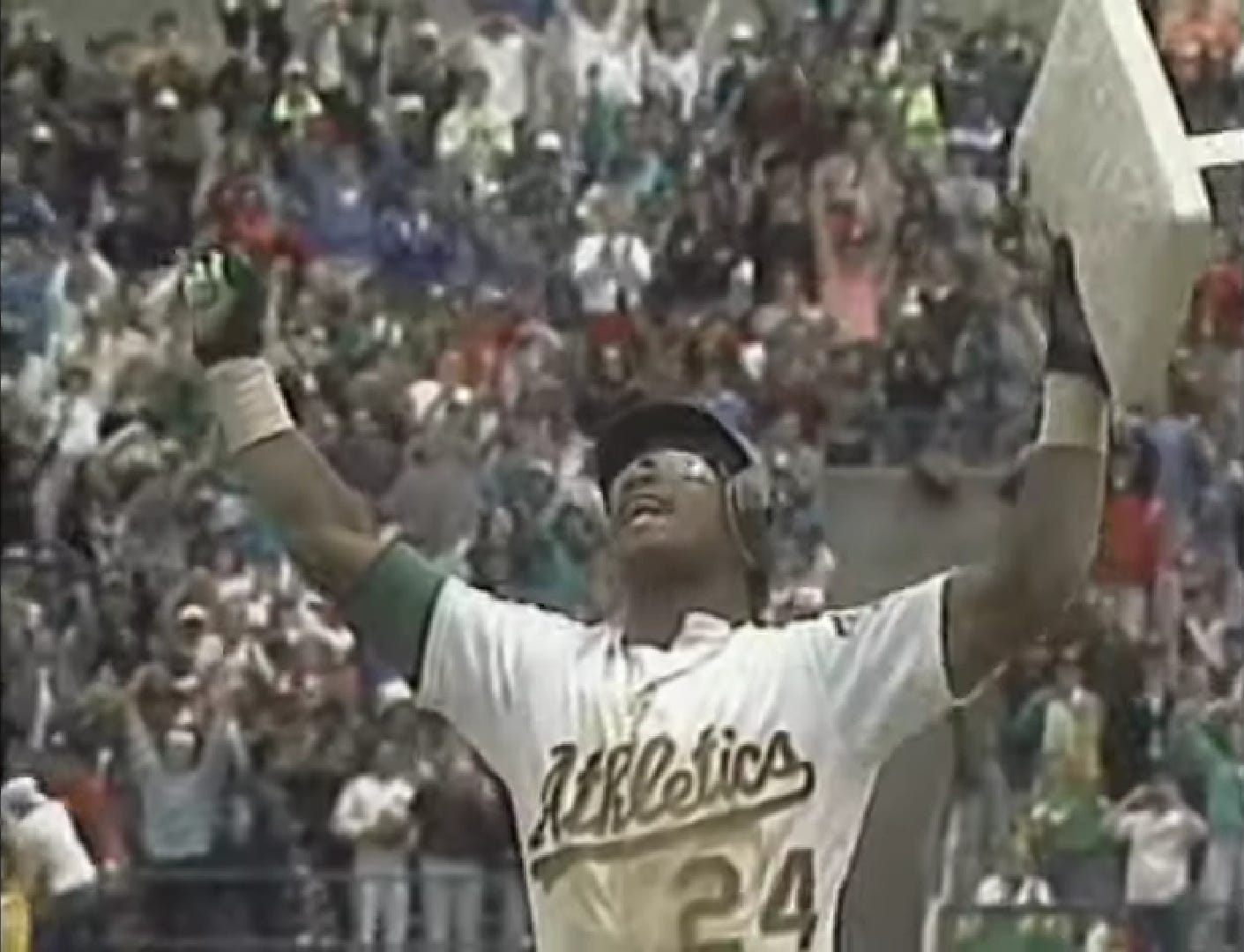
Rickey was the greatest leadoff hitter ever.
Rickey was the superest of superstars.
Rickey was blindingly fast, the Man of Steal.
Rickey was a champion and a gamer.
Rickey had the best home run trot.
Rickey talked the talk and walked the walk (2,190 times), stole more often than the Dillinger Gang (his total of 1,406 steals is 50% higher than second-place Lou Brock's total), and scored more runs than any player in baseball history (2,295).
Rickey even made routine fly balls interesting with his snap catches.
Rickey famously talked about himself in the third person. Rickey's going to have a good day.
Rickey was the most quotable baseball figure this side of Yogi Berra. "If my uniform doesn't get dirty, I haven't done anything in the baseball game." The stories, both real and apocryphal, are attributed to "Rickey being Rickey." Like the story about the uncashed framed million dollar check (true) and John Olerud story (not true, but still great). And a million other stories. The one about him calling Harold Reynolds after Reynolds won the stolen base title is a classic.
Rickey was born on Christmas. How could he not be a gift?
Rickey was fit, flashy and fun at a time when most of the league was none of those things.
Rickey's crouch at the plate meant his strike zone was, as Jim Murray described it, "smaller than Hitler's heart."
Rickey's rookie card in 1980 Topps is one of the few truly iconic cards of the decade.
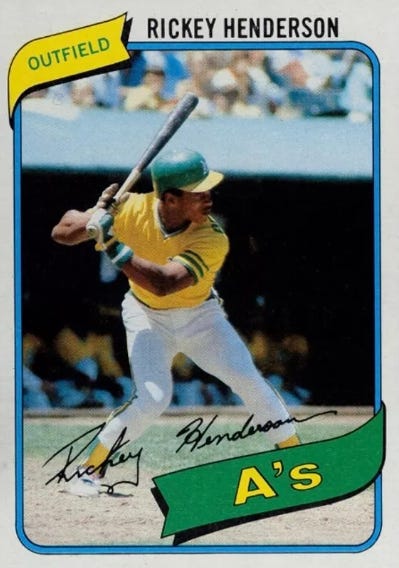
Rickey broke the all-time steals record on May 1, 1991, ripped the base out of the dirt, held it above his head and pumped his fist in adulation. Later that day, Nolan Ryan threw his seventh no-hitter. Both records are unlikely to ever be broken.
Rickey played seemingly everywhere, from his days with Oakland to New York (Yankees) to Oakland again, to Toronto, back to Oakland, to San Diego and Anaheim, back to Oakland once again, to New York (Mets) and Mariners, Padres, Red Sox and Dodgers, along with stints with the Newark Bears and San Diego Surf Dawgs.
Rickey was synonymous with Oakland Athletics baseball, and it's unfathomable that both he and the team are no longer here. Rickey was so alive. So present. So magic. He'd made public appearances in recent months and still looked great.
Rickey's larger-than-life persona and relative health made it hard to believe the rumors about his death at the too-young age of 65 bubbling up on social media Friday night and Saturday morning. Rickey? No! It couldn't be true.
It still doesn't feel true. Because Rickey was a legend. And legends are forever.
July 14, 2024
Cam Caminiti's pro baseball journey begins
Baseball is a game of lineage and generations.
That fact was hammered home Sunday with the 24th pick of the MLB Draft, when the Braves selected left-handed pitcher Cam Caminiti, a two-way player who tore up Arizona high school baseball.
The last name should sound familiar. He's a cousin of Ken Caminiti's. And he was selected by the final team Ken played for in 2001.
While Ken passed away before Cam was born, it's special to see the 17-year-old Cam — one of the top high school players in this year's draft — carrying that torch forward.
“The next step in the journey, I couldn't be more excited,” he said after being picked.
Cam's talent is similar to Ken's in some ways. They both are known for bringing the heat — Cam can reach the upper 90s from the mound, while Ken sported a cannon from third base.
Cam, like his cousin, is athletic, with pop in his bat.
While Cam was projected to get selected earlier in the draft, his wait wasn’t as long as Ken’s, who slid to the third round of the 1984 Draft.
There was something surreal for me, a full-circle moment, about seeing Cam being interviewed Sunday by MLB Network's Harold Reynolds. Three decades ago, Reynolds interviewed Ken about his most famous play — you know the one, when he rolled on the ground and threw a player out from his butt.
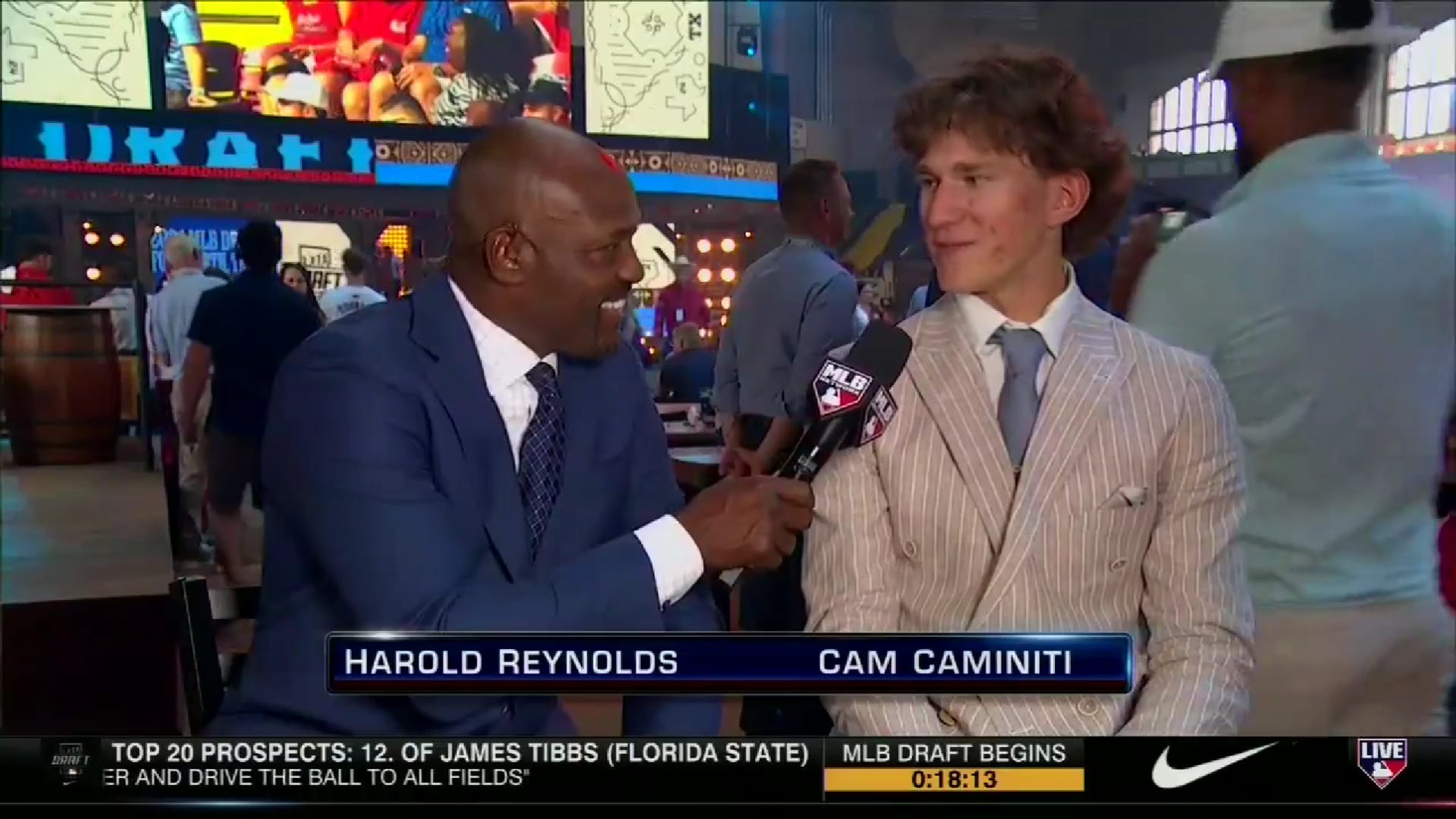
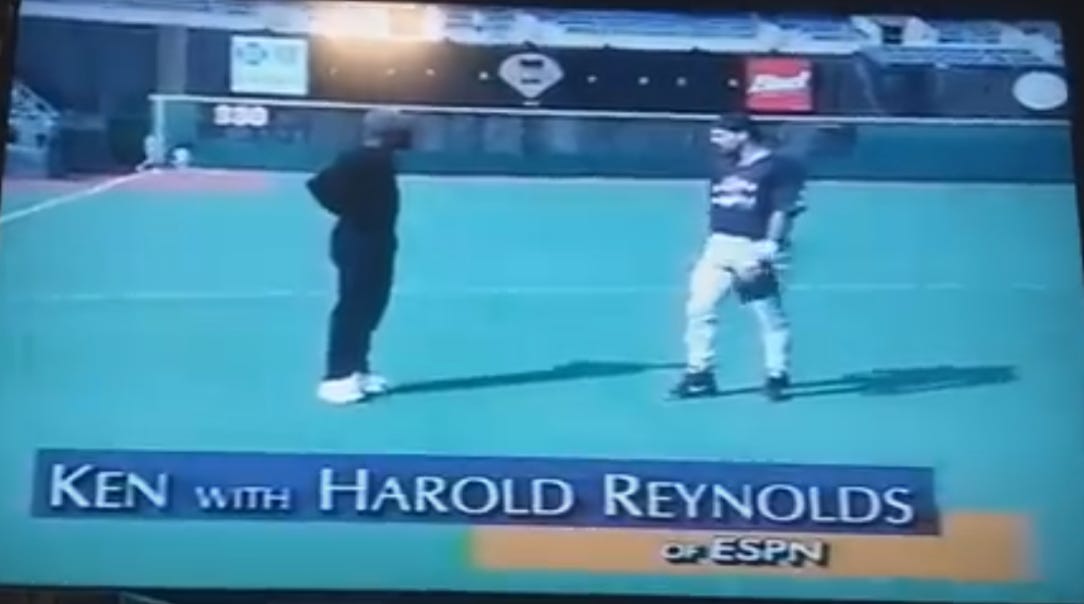
Ken reached the upper echelon of the sport, becoming a three-time All-Star, scooping up three Gold Gloves, and winning the National League MVP.
Cam Caminiti's professional baseball journey, meanwhile, is just beginning. And it will be so exciting to watch his journey unfold.
May 20, 2024
Promotion: 60% off 'Playing Through the Pain' audiobook

I’ve become a big fan of audiobooks.
It’s not always easy to find the time to sit down and read a book. Audiobooks, instead, allow you to digest a book’s information while driving or walking or cooking or doing other everyday tasks.
I’m proud to announce that the audiobook for “Playing Through the Pain,” my book about baseball star Ken Caminiti’s life and career, is available for only $10 — it typically sells for $24 — through June 3.
Check it out here.
March 28, 2024
Opening Day

The next baseball season is as fresh and pristine as newly-chalked foul lines.
Opening Day is here again, finally.
Thirty teams are vying for immortality. And for the first time, my favorite team, the Rangers, doesn't have to dream about the impossible. They already lived it.
Today, the team is unveiling its first championship banner.
No team has repeated as World Series champions since the 1998-2000 Yankees. It's the longest stretch without a back-to-back champ in the game's history.
I don't know what's in store for the Rangers, whether they're a 75-win underperformer or 95-win powerhouse. I don't know whether they'll return to the World Series or fall short of the postseason. The pitching rotation resembles a typical Rangers staff of yesteryear — a few key arms short, at least until Max Scherzer and Jacob deGrom can return. But the lineup can mash, and the rookies are exciting, and for the first time, there's a sense of true contentment in the Metroplex.
As the Rangers started to show the makings of a winning team over the past few seasons by adding free agents like Corey Seager and Marcus Semien, bringing on manager Bruce Bochy, and drafting future stars like Wyatt Langford, I had the feeling that 2024 would be the Rangers' season.
I figured they would still be a few pieces short in 2023.
But then they snuck into the playoffs and went and took it.
Maybe 2024 will still be the year. Or maybe it will be the year for another team.
No matter how it goes, I'm just thankful that Opening Day is here again.