Shaunti Feldhahn's Blog
November 18, 2025
6 Ways To Help Kids Manage Their Online Lives (Part 2)
Have you ever joked that your child’s cellphone has practically become an additional appendage?
You’re not far off.
As I mentioned in last week’s part 1 of this two-part series, data shows that children ages 8 to 18 now spend 7.5 hours watching or using screens per day. Over a ten-year span, that’s 27,375 hours (more than three years!) of their lives. And one of the key reasons is that we have drastically limited their ability to have completely unstructured free time exploring the neighborhood with friends—so they are looking for freedom online. Is it so surprising that when so much of their “free” time taken up by adult-organized activities (sports, theater, volunteer work) that they would be enticed by phones, tablets, computers, video games, and virtual reality?
We want better for them. But some of us are understandably stuck on what to do and how to get there.
Since the decision-making centers of their brains are still developing into their twenties, our kids need our help to navigate both the addictive allure of their phones and the addictive nature of the freedom they crave (see part 1 for more on this). The good news is, there are steps all parents can take right away to help kids tame the tech—and put it in the proper place in their lives.
Here are six actions you can take starting today.
Action #1: Set a good exampleAccording to a survey from Pew Research Center, nearly half of teens say their parent is at least sometimes distracted by their own phone when they’re trying to talk to them. Our kids not only notice our phone use, but they are taking their cues from it, too.
What are we modeling for our kids when we half listen to them, put them off because an almighty notification pings, or return “just one more work email.” And oh, how I so personally know the answer to that question: no matter how we frame it, we are signaling that our kids are less important. I have years of regrets for the times when I didn’t just chatter away with my kids as we were driving to the grocery store rather than trying to sneak in another work call on the way. How I hope that the current attention to this risk will help other parents avoid the same mistake.
Action #2: Understand your child’s need for independenceAs mentioned in part 1 of this series, freedom is almost like a drug to teens and tweens. So much so, that their fear of losing it is intense, and they’ll hide things from you in order to keep it (83% of the kids we surveyed for our book For Parents Only admitted as much).
Understanding this can help you set expectations and guardrails that keep them safe without stepping on their fear triggers about losing freedom. And it is important to know what they view as their most precious freedoms.
For example, if their cell phone is their top freedom, let them know that they will only lose that for the most serious infractions. So, if they get swept up in a secondhand way into a cyberbullying situation at school, you will help them navigate the problem without removing their phone privilege. (But if they are the main bully…. bye bye, phone.)
Action #3: Promote free, unsupervised playParents, we’ve seen (and perhaps jokingly embraced) the memes about helicopter parenting. Some of us have even become snowplow parents—trying to remove every obstacle from our children’s paths. (Again: I’m so guilty.)
But it’s healthy for our kids to encounter obstacles. It’s good for them to get in conflicts and then learn how to resolve them on the playground. It’s time for us to let our kids explore unsupervised play. This is how they find the freedom they crave, while encountering risks and problem-solving opportunities when the stakes are low.
Remember the 60% of parents who said it was likely their 10-year-olds would get hurt if they went to the park alone? Well . . . yeah, they might. It’s not likely, but it could happen. Yet that is precisely the type of situation that earlier generations had to figure out how to solve—learning in the process that they could solve problems. When your son’s friend falls off the playground equipment and seems to have badly hurt his wrist, what would it do for your child to learn that he can be the hero by helping his friend get home? How might it grow him to have to make decisions about what’s really important? Like: leaving my scooter here might mean it gets stolen, but helping my friend get home is more important.
No AI avatar can help stand in for flesh-and-blood friends who protect each other, solve problems, and get into fights (and resolve them) together.
Action #4: Do not allow phones in kids’ bedrooms at night.This should be an easy one. We should insist that our kids power down and dock their devices physically outside of their bedrooms (preferably in your bedroom, so they can’t sneak access to it). No exceptions. They need sleep—and digital devices are robbing them of it.
A 2023 report found that six out of ten kids ages 11 to 17 checked their phones between midnight and 5 a.m. on school nights. Read that again, slowly, and recognize just how much our kids need our help to not check their phones. Further, an analysis of 20 studies found that kids who used their devices right before sleep, compared to those who didn’t, were 44% more likely not to sleep enough and 51% more likely not to sleep well.
Action #5: Support measures to ban or restrict phones during schoolThis map from Newsweek shows states that ban or restrict smartphone use at school. Even if your state has not taken formal measures to ban phones, you can contact your local school or school board.
According to Pew, 72% of high school teachers say cell phone distraction during school hours is a major problem. With teenagers getting a median of 273 notifications a day, it’s no wonder they’re distracted from what they’re at school to do—learn. Restricting phones is not a magic bullet (many kids just open their laptops and start real-time chats on Google docs instead!) but it’s a start.
Action #6: Seriously consider a full ‘Digital Detox’Author Molly DeFrank recommends a two-week digital detox from all tech devices—followed by the reintroduction of tech in a way that makes sense for your family. I can almost hear what some of you are saying on this—it’s the same thing I would say. “There will be adolescent anarchy! There will be weeping and gnashing of teeth! In my house, going cold turkey from tech is not going to happen.”
But what if you got your kids back?
That makes two weeks seem like a minor time commitment, doesn’t it?
DeFrank writes, “Of the families who used my plan and reported results back to me, 100% experienced a dramatic and positive change by the end of two weeks.”
In an interview for this piece, she sharpened the point: “What most parents have tried to do instead is take away screen time. They’ll subtract 30 minutes for bad behavior and give it back for good behavior.” Yet, she explained, this just tinkers in small ways with the feel-good dopamine hits that social media and videos release into the brain.
“The reason the detox works is it reboots the dopamine in their brains,” she says.
Doing this might be hard. You’ll have to help your kids brainstorm replacement activities over that two-week span. Maybe make a robot or blanket fort. Write a play to act out as a family. Invite their friends over to catch bugs or climb trees or build ramps for skateboarding in the street.
If we’re honest, mom and dad, wouldn’t we rather have our kids navigating physical risk, problem-solving, and scraped knees than have them turning to the seductive risk of AI avatars because they’re lonely? Don’t we want them to excel in life skills rather than turning solely to games or virtual “realities” that allow them to “level up” on everything except real life?
As DeFrank put it, “We’re our kids’ tour guides in this wild and crazy world, and there’s so much we can help them see.”
For more insight into the hearts and minds of your teenagers on everything from freedom to mood swings to why they feel like they can’t talk to you, pick up my book For Parents Only.
For the brave souls out there who have tried to cut, curb or bribe with screen time and feel ready for a total tech reset, pick up Molly DeFrank’s book Digital Detox.
If you are interested in having Shaunti bring research-based strategies, practical wisdom and biblical principles to your next event, please contact Nicole Owens at nowens@shaunti.com.
On our podcast, I Wish You Could Hear This, Jeff and I offer proven steps to help you thrive in your life, faith and relationships. In other words, we’ll offer the practical help you’ve grown accustomed to right here in this blog space. You’ll take away specific steps that help you today. Listen, follow, and share with your friends on YouTube, Apple Podcasts, Spotify and other platforms.
Please note: This post may contain affiliate links. As an Amazon Associate we earn a small amount from qualifying purchases through these affiliate links. This doesn’t cost you anything, and helps us continue bringing you great content!
#mc_embed_signup{background:#fff; clear:left; font:14px Helvetica,Arial,sans-serif; } /* Add your own Mailchimp form style overrides in your site stylesheet or in this style block. We recommend moving this block and the preceding CSS link to the HEAD of your HTML file. */ .button {background-color: #3389C2;background:#3389C2;color: #fff} Receive Shaunti’s Blog & Updates* indicates required Email Address * (function($) {window.fnames = new Array(); window.ftypes = new Array();fnames[0]='EMAIL';ftypes[0]='email';fnames[1]='FNAME';ftypes[1]='text';fnames[2]='LNAME';ftypes[2]='text';fnames[3]='SOURCE';ftypes[3]='text';fnames[4]='MMERGE4';ftypes[4]='text';fnames[5]='MMERGE5';ftypes[5]='date';fnames[6]='MMERGE6';ftypes[6]='text';fnames[7]='MMERGE7';ftypes[7]='text';fnames[8]='MMERGE8';ftypes[8]='text';fnames[9]='MMERGE9';ftypes[9]='text';fnames[10]='MMERGE10';ftypes[10]='phone';}(jQuery));var $mcj = jQuery.noConflict(true);More from Shaunti’s Blog: 6 Ways To Help Kids Manage Their Online Lives (Part 2)Have you ever joked that your child’s cellphone has practically become an additional appendage? You’re not far off. As I…
 Teens and Tweens Crave Freedom—and They’re Finding It Online (Part 1)I’m guilty. I’ll just get that out of the way before I write another word. More than a quarter of…
 Six Key Priorities to Build Your Family After AdoptionIn honor of National Adoption Month, I’ve invited my friend (and adoptive parent) Jennifer Shaw to guest blog this week…
 3 More Ways to Invite Vulnerability in your Marriage (Part 3)Everyone gets married hoping for closeness and intimacy—a sense that the two really have become one. Readers of faith will…
 How To Be More Vulnerable in Marriage (Part 2)Want to be closer to your spouse? The thing that feels riskiest—vulnerability—is one of the most important moves you can…
 Why Vulnerability Is the Best Risk You Can Take (Part 1)After more than two decades of research, surveys, and interviews with close to 50,000 people, I will go out on…
The post 6 Ways To Help Kids Manage Their Online Lives (Part 2) appeared first on Shaunti Feldhahn.


November 11, 2025
Teens and Tweens Crave Freedom—and They’re Finding It Online (Part 1)
I’m guilty. I’ll just get that out of the way before I write another word.
More than a quarter of today’s kids report that they’re not allowed to play unsupervised outside, even in the front yard! When my kids were young, I struggled with this very thing. As a result, they spent more time in front of screens than I would have probably intended. So when I came across this article in The Atlantic earlier this year (totally worth a full read), this sentence especially stopped me in my tracks:
“Digital technology has given kids access to virtual worlds, where they’re allowed to roam far more freely than in the real one.”
Oof.
Freedom. In the interviews and nationally representative research we conducted for For Parents Only, we found that teens and tweens will do almost anything to get and keep freedom. After all, before our kids taste real freedom, they don’t know what it is like. We mediate everything for them. We drive them everywhere, including to the wide array of adult-organized activities that usually take up all their “free” time. But when our tweens and teens start getting the feeling of being able to go where they want to go and talk to who they want to talk to and do what they want to do . . . it is practically addictive for them.
The trouble is, if we’re not letting them have those types of freedoms in the real world, our kids will find them in the online one. They’ll look for freedom on screens. Which it turns out, are actually addictive for them.
It only makes sense that in our kids’ insatiable quest to find freedom (nearly three out of four teenagers in our research said they “have to have it”), phones and other personal digital media (like gaming and connecting with others online) are the one frontier where they can roam freely. And make no mistake, they are roaming freely.
In this week’s part 1 on this topic, we’ll look at the data and some unrecognized risks that come with keeping our kids inside, over-scheduled, and with devices in hand. And next time in part 2, I’ll be back with six steps we can take right now to help our kids navigate their digital world with boundaries and confidence.
Where Did all the Free Play Go?The first generation of true digital natives, Gen Zers are now 13 to 28 years old. And they’re telling us by a huge margin that they’ve had it with screen time. More than 8 in 10 Gen Zers (84%) would like to ditch their smartphones in favor of life in the real world. (And yes, I know that most of them don’t actually want to be without a smartphone, but it’s telling that they starkly see the downsides.)
Parents, we would do well to listen to them. Today, a majority of kids ages 8-12 already have smartphones. Nearly three in four play an online game where they can interact with friends (and strangers!) online. Yet, 45% prefer to spend their time free-playing with friends.
So, what’s stopping them? As you’ve likely already guessed, it’s … us.
Researchers for a recent Harris Poll asked parents what would happen if two 10-year-olds were playing unsupervised at a park. Six in ten parents thought injury was likely. Half of parents thought abduction was likely. (In reality, kidnapping in the U.S. is so rare that a child would have to play outside for an average of 750,000 years before being abducted.)
Our kids want unstructured play time. Yet in the name of keeping them “safe,” we’ve stopped letting them have it. As social psychologist Dr. Jonathan Haidt has observed, “We overprotect children in the real world and under protect them online.”
Children ages 8 to 18 in the U.S. now spend 7.5 hours a day watching or using screens. (And, according to Gallup, almost five of those are spent on social media.) That means almost half of their waking hours are spent staring at screens.
Courtesy of our tendency to worry about low-risk possibilities, while not recognizing high-risk ones, our kids are now fully in the throes of phone-based childhoods.
The Toll Screen Time Takes on our KidsIn an analysis of millions of adolescents over time, researchers found that 52% of Boomer adolescents in the 1970s spent time with their friends almost every day. By 2017, that number dropped to 28%. The same researchers also found that adolescent loneliness (associated with immune system dysfunction, poor sleep quality, and depression, for starters) spiked between 2010 and 2017. (It’s worth noting that smartphones began being widely adopted by teens in 2011.)
What’s the price we’re paying for less social connection and more screen time?
Gen Z is in poor mental health, is lagging in academics, and is starting families, careers, and companies at substantially lower rates than previous generations, says Haidt, author of The Anxious Generation: How the Great Rewiring of Childhood is Causing an Epidemic of Mental Illness.
In an interview for this blog, Molly DeFrank, author of Digital Detox: The Two-Week Tech Reset for Kids, said that some kids are even developing “virtual autism”—behaviors that mimic autism but are rooted in delays in social skills and attention span owing to screen time. “The brain prunes away connections that aren’t being used at ages 4-5 and then again in adolescence. So whatever kids are not doing at those ages, they’re not getting good at.”
Let’s help them get good at the right things. I’ll be back next week in part 2 with six actions you can take starting today to, as DeFrank says, “undo the tech trance” in your kids.
If you are interested in having Shaunti bring research-based strategies, practical wisdom and biblical principles to your next event, please contact Nicole Owens at nowens@shaunti.com.
On our podcast, I Wish You Could Hear This, Jeff and I offer proven steps to help you thrive in your life, faith and relationships. In other words, we’ll offer the practical help you’ve grown accustomed to right here in this blog space. You’ll take away specific steps that help you today. Listen, follow, and share with your friends on YouTube, Apple Podcasts, Spotify and other platforms.
Please note: This post may contain affiliate links. As an Amazon Associate we earn a small amount from qualifying purchases through these affiliate links. This doesn’t cost you anything, and helps us continue bringing you great content!
#mc_embed_signup{background:#fff; clear:left; font:14px Helvetica,Arial,sans-serif; } /* Add your own Mailchimp form style overrides in your site stylesheet or in this style block. We recommend moving this block and the preceding CSS link to the HEAD of your HTML file. */ .button {background-color: #3389C2;background:#3389C2;color: #fff} Receive Shaunti’s Blog & Updates* indicates required Email Address * (function($) {window.fnames = new Array(); window.ftypes = new Array();fnames[0]='EMAIL';ftypes[0]='email';fnames[1]='FNAME';ftypes[1]='text';fnames[2]='LNAME';ftypes[2]='text';fnames[3]='SOURCE';ftypes[3]='text';fnames[4]='MMERGE4';ftypes[4]='text';fnames[5]='MMERGE5';ftypes[5]='date';fnames[6]='MMERGE6';ftypes[6]='text';fnames[7]='MMERGE7';ftypes[7]='text';fnames[8]='MMERGE8';ftypes[8]='text';fnames[9]='MMERGE9';ftypes[9]='text';fnames[10]='MMERGE10';ftypes[10]='phone';}(jQuery));var $mcj = jQuery.noConflict(true);More from Shaunti’s Blog:
Teens and Tweens Crave Freedom—and They’re Finding It Online (Part 1)I’m guilty. I’ll just get that out of the way before I write another word. More than a quarter of…
Six Key Priorities to Build Your Family After AdoptionIn honor of National Adoption Month, I’ve invited my friend (and adoptive parent) Jennifer Shaw to guest blog this week…
3 More Ways to Invite Vulnerability in your Marriage (Part 3)Everyone gets married hoping for closeness and intimacy—a sense that the two really have become one. Readers of faith will…
How To Be More Vulnerable in Marriage (Part 2)Want to be closer to your spouse? The thing that feels riskiest—vulnerability—is one of the most important moves you can…
Why Vulnerability Is the Best Risk You Can Take (Part 1)After more than two decades of research, surveys, and interviews with close to 50,000 people, I will go out on…
 Spending Doesn’t Fix Our InsidesCarissa is a sweet and social high school student who volunteers in the church nursery, gets good grades, and is…
The post Teens and Tweens Crave Freedom—and They’re Finding It Online (Part 1) appeared first on Shaunti Feldhahn.
November 4, 2025
Six Key Priorities to Build Your Family After Adoption
In honor of National Adoption Month, I’ve invited my friend (and adoptive parent) Jennifer Shaw to guest blog this week. Many consider building their families through adoption, but Jennifer’s take on building families after adoption will serve many. Enjoy, and please feel free to share! ~Shaunti
Ten years ago, we were raising our three biological children while knee-deep in paperwork to adopt our new son. Noah was nine and a half years old, living in China, and critically ill. We were terrified, but also felt strongly that this was what we were supposed to do. Noah received life-saving care in the U.S., and following that very dramatic year, we returned to China to adopt Ethan, age 8, and Anna, age 6. The next few years were some of the hardest of our lives, but with God’s guidance and a lot of effort, we are in a beautiful place now.
I have learned a lot over this past decade. I have also talked to countless adoptive and pre-adoptive families at my events and heard both what works and what … doesn’t. Here are key priorities that I believe can help adoptive parents intentionally build their families after adoption.
Priority #1: Be child-focused.When we adopted Noah, I was terrified about what his medical condition might mean for our family, and what his behavior might be. As humans, we often think in terms of “how will this affect me?” But in adoptive parenting, the best approach is always “how do I support this child?” Empathy is key. And ironically, by flipping that natural script of thinking of ourselves and instead concentrating on supporting our child, we are also setting the stage for the relationship to bring the most blessing to everyone.
One hard and unexpected truth for many adoptive parents is that positive feelings for your child may be slow to come. This is normal. Love is an action and a choice, not always an emotion, and usually the feelings follow. I prayed that my heart would feel exactly the same about all my kids, and while it took some time, that prayer has been answered completely. By focusing on what they needed, especially at the beginning, I was able to express love no matter my feelings, which then grew our relationship and allowed the feelings to develop.
Priority #2: Understand trauma, healing, and felt safety.There is no adoption without trauma. Even an infant adopted from the hospital will have effects from losing their biological mother. Adoption itself is a trauma. Our kids lost everything they had ever known, and going to a new country with strangers and no shared language was frightening. Any child who needs a new family will have some trauma behind that reality. It is vitally important that adoptive families are educated about trauma—not to be afraid of it, but to better understand their child’s challenges, and to support healing. Trauma doesn’t have to define your child’s life. But we can’t help our children heal what we don’t acknowledge.
There is often a very simplistic understanding of adoption. People say, “Just love them!” That’s not bad; an adoptive parent should love their child. However, that’s the wrong place to start. A child must first feel safe. A child who does not feel safe cannot feel your love. It takes time to build a relationship of safety and trust, especially with a child who has had their trust broken. For children with PTSD, trauma comes out as fight, flight, freeze or fawn. Your child may not understand their own responses, and they may never tell you what is happening internally. Adoptive parents must prioritize felt safety.
All behavior is communication. Sometimes kids from traumatic backgrounds don’t have words, so instead they hide or fight or try to be perfect. Understanding what’s behind the behavior can let you help them. Safety is the key to building trust, and trust is the key to building love.
Priority #3: Play the long game.Keep a long-term view of your goals for your child and your relationship. One of the hardest things for me was not to operate from fear and the need for control because we had been told so many horror stories about older-child adoption. Operating from fear was actually the worst way to approach things. When I instead chose to believe that my kids were trying their best and I reacted with curiosity, it helped them and me.
Remember that trust takes a long time to build and can be broken in an instant. I resolved never to yell at my kids, to find things to celebrate about them even when it was challenging, and to be intentional about “catching” them doing things well. Be loyal to your kids. Tell them you like them and love them, and tell them why. Choose your discipline wisely and gently; everyone has to be kept safe, but there is no reason to shame a child. Be their advocate always and be stubborn in this in the best way.
And when things are difficult, take a break, take a breath, and think outside the box. Our kids have had experiences that we can’t always imagine, and sometimes we can’t get to a solution without trying a new approach.
Priority #4: Always give the “why.”There is not really room for “because-I-said-so” parenting in adoption. Tell your kids why your family does the things they do. Tell them the benefit to them. Even if your child was adopted from your city, they are coming from a place that likely did things differently than you. Your kids feel safe when you help them understand your expectations and when they know you are looking out for them.
Adoptive parents can help our kids by giving the “why” for everything. Why should we try to get good grades? Why should we eat together? Why do Americans like football? Why do we have this goofy family tradition? This has fostered so much communication and also has taught my kids that they are always safe to ask questions.
Priority #5: Support identity/culture.For many adoptees, there are unknowns, and these can leave big holes. This is true for our kids, so we celebrate all the things we do know. We celebrate their Chinese heritage and culture. We support their traits and interests, and let them know that they are made uniquely by God on purpose and for a purpose.
Before adopting, I asked as many adult adoptees as I could find what they either appreciated the most or wished their adoptive parents had done differently. In the international adoption community, the answer I got repeatedly was about the value of keeping their original language. Because of this, we have our kids in Chinese school on the weekends, both to keep language and to connect with their culture.
Priority #6: Find support.Finally, it’s so important to find support. It can feel lonely to be an adoptive parent. Find the people who understand. We were blessed to have supportive family and friends, but many people aren’t as lucky. Find an adoption support group at your local church or in the community. Take advantage of every possible avenue for help including therapy, individual education programs, and medical interventions. And pray continually. God’s help, wisdom, and guidance have been the most important source of support for me personally.
This past August we moved our son Noah to college. We celebrated his “Plus One” day—the day that he had been with us one day longer than he hadn’t—just one week earlier. To see our son now healthy and so confident of his place in our family, and excited and ready to see what God has for his future, is still breathtaking to me. We’ve come so far, and I am so very grateful for the privilege of being a mom to all my kids.
Jennifer Shaw is a Telly Award winning speaker, Amazon bestselling author, singer, songwriter and five-time Top 40 Billboard artist. Jennifer holds a Master of Arts in Biblical Studies from Moody Theological Seminary as well as a Master of Music in Music Performance from the Manhattan School of Music. For more information, please visit jennifershaw.com.
If you are interested in having Shaunti bring research-based strategies, practical wisdom and biblical principles to your next event, please contact Nicole Owens at nowens@shaunti.com.
On our podcast, I Wish You Could Hear This, Jeff and I offer proven steps to help you thrive in your life, faith and relationships. In other words, we’ll offer the practical help you’ve grown accustomed to right here in this blog space. You’ll take away specific steps that help you today. Listen, follow, and share with your friends on YouTube, Apple Podcasts, Spotify and other platforms.
Please note: This post may contain affiliate links. As an Amazon Associate we earn a small amount from qualifying purchases through these affiliate links. This doesn’t cost you anything, and helps us continue bringing you great content!
#mc_embed_signup{background:#fff; clear:left; font:14px Helvetica,Arial,sans-serif; } /* Add your own Mailchimp form style overrides in your site stylesheet or in this style block. We recommend moving this block and the preceding CSS link to the HEAD of your HTML file. */ .button {background-color: #3389C2;background:#3389C2;color: #fff} Receive Shaunti’s Blog & Updates* indicates required Email Address * (function($) {window.fnames = new Array(); window.ftypes = new Array();fnames[0]='EMAIL';ftypes[0]='email';fnames[1]='FNAME';ftypes[1]='text';fnames[2]='LNAME';ftypes[2]='text';fnames[3]='SOURCE';ftypes[3]='text';fnames[4]='MMERGE4';ftypes[4]='text';fnames[5]='MMERGE5';ftypes[5]='date';fnames[6]='MMERGE6';ftypes[6]='text';fnames[7]='MMERGE7';ftypes[7]='text';fnames[8]='MMERGE8';ftypes[8]='text';fnames[9]='MMERGE9';ftypes[9]='text';fnames[10]='MMERGE10';ftypes[10]='phone';}(jQuery));var $mcj = jQuery.noConflict(true);More from Shaunti’s Blog:
Teens and Tweens Crave Freedom—and They’re Finding It Online (Part 1)I’m guilty. I’ll just get that out of the way before I write another word. More than a quarter of…
Six Key Priorities to Build Your Family After AdoptionIn honor of National Adoption Month, I’ve invited my friend (and adoptive parent) Jennifer Shaw to guest blog this week…
3 More Ways to Invite Vulnerability in your Marriage (Part 3)Everyone gets married hoping for closeness and intimacy—a sense that the two really have become one. Readers of faith will…
How To Be More Vulnerable in Marriage (Part 2)Want to be closer to your spouse? The thing that feels riskiest—vulnerability—is one of the most important moves you can…
Why Vulnerability Is the Best Risk You Can Take (Part 1)After more than two decades of research, surveys, and interviews with close to 50,000 people, I will go out on…
Spending Doesn’t Fix Our InsidesCarissa is a sweet and social high school student who volunteers in the church nursery, gets good grades, and is…The post Six Key Priorities to Build Your Family After Adoption appeared first on Shaunti Feldhahn.
October 28, 2025
3 More Ways to Invite Vulnerability in your Marriage (Part 3)
Everyone gets married hoping for closeness and intimacy—a sense that the two really have become one. Readers of faith will recognize that “one-ness” is the description of what God designed marriage to be. (See, for example, Genesis 2:24, Matthew 19:5, and Ephesians 5:31.) Yet some couples find themselves—either immediately or years down the road—feeling like roommates rather than those partaking in that beautiful sense of closeness.
There are many reasons for this that go beyond what we can cover here. And some of them are pretty big: There may be serious mental health issues, abuse, financial devastation, loss, addictions, or other circumstances that make “one-ness” difficult. But one key reason for a lack of closeness is actually really, really simple: we have stopped being vulnerable with one another—or never really started in the first place.
In Part 1 of this series I shared about a landmark research study that found vulnerability and self-disclosure to be essential for building closeness—and how a lack of vulnerability leads to a sense of stagnation. Part 2 outlined three crucial action steps that will help us build (or re-build) a practice of vulnerability. This final article offers three more.
Action step #4: Treat vulnerability as a skill to build rather than something that “just happens”You may have read Part 1 and Part 2 thinking, “But I already am vulnerable with my spouse! I’m not trying to withhold anything.” Or maybe you were privately realizing that you have a tendency toward self-protection and have room to grow. Regardless, acknowledge that the practice of vulnerability is a skill that needs to be built. It’s not just an attitude, like “I’m fine with being open!” And it is not something that “just happens.” Rather, it’s a consistent habit and set of practices.
After all, we don’t think of “money management” or “juggling who drives what kid to what activity” as something that “just happens” in our marriage, right? Those things require attention, communication, and a process. Vulnerability with one another requires the same thing.
You may have an attitude of wanting to be transparent and open and have never realized that in practice you really aren’t. So I’d suggest doing two things to start creating that habit.
First, take stock and ask God to show you the ways (and the whys) that you are withholding oneness—or simply not being as transparent as you think. Perhaps you don’t want to share how selfish you feel for being worried about having your elderly parent come live with your family, and what that will mean for your freedom. Or you simply don’t think to mention some “minor” little thing that happened at work or home today that made you really, really happy. (Vulnerability isn’t just about the negative things!) Maybe you try to avoid your spouse seeing your financial purchases, or you haven’t shared your email or phone password because it just feels “intrusive.”
Of course, vulnerability must never be an excuse for control. (Abuse or control are marriage issues that require intervention and go beyond what we can cover here.) But in a relationship of goodwill, sincere oneness cannot happen without ongoing vulnerability. Over time, you can practice letting down the guardrails and getting comfortable with the idea of no secrets.
Secondly, to start actually building that skill, try a simple exercise. Every day for the next two weeks (over dinner, while driving in the car, or while waiting to pick your child up from football), each of you share one thing from your day that was hard, and one thing that brought you joy. Keep it short and real. Over time, you’ll both get used to noticing things you can share with the other—and you’ll notice the connection deepening.
Action step #5: Be vulnerable in minor or amusing things, as a purposeful means of offering intimacySelf-disclosure doesn’t have to be about big fears or worries. It can be about something positive—or even something frivolous. At the risk of completely embarrassing myself I’ll provide an example that happened while Jeff and I were traveling today to speak at a marriage event. As we headed toward the baggage claim, a song came on the airport playlist. I have heard this song at least twenty times but had only picked up lyrics from part of the chorus. I knew the female artist could NOT be singing what it sounded like she was singing—because it sounded like (don’t laugh): “Garden gnome… are you bringing me a message from the other side? Garden gnome, are you telling me I’m on somebody’s mind?”
Today, I decided enough was enough and asked ChatGPT ‘what song is that?’ and it answered that the song was “Cardinal” by Kacey Musgraves … and that there was a whole Reddit thread devoted to people who thought the song was saying “Garden gnome!”
I thought the whole thing was funny but slightly mortifying— and since I had just been writing this blog on the plane, I decided to be vulnerable and share the incident with Jeff. He, of course, found it to be hilarious as well. He looked the song up on Spotify and we shared a laugh as he listened to it and tried very hard to understand how I could have heard “garden gnome.”
Now, here’s the thing: Is that silly, slightly mortifying moment of connection likely to decrease our intimacy, have no impact on it, or pull us closer together? You may have previously thought something like that would have no impact; but I hope you can now see that what we think of as “frivolous” is actually far, far from it.
All of us want our marriages to grow in intimacy rather than feeling like we’re roommates, or completely disconnected. Hopefully it is encouraging to realize that building that intimacy could be as simple as sharing a fear or worry, or opening a door to a silly moment of vulnerability that we might have kept shut before.
Action step #6: Plan for being vulnerable over the long termRemember, you are building a new pattern for the long term, not experimenting with vulnerability once or twice to see if it works. If you have gotten out of the habit of this sort of sharing (or if it wasn’t part of your relationship before), don’t be surprised if it takes a while to figure out the best process for you. (And, as noted in Part 1 and Part 2, realize that vulnerability will look different when restoring broken trust.)
Also, keep in mind that if intimacy has faded, your spouse may react with surprise or even skepticism about why you’re suddenly being more open and sharing. That’s okay. Keep pursuing it. It may be a while for the openness to become mutual. But over time, remember that it is indeed highly likely.
Vulnerability: A Powerful SuperpowerIn marriage, it is so easy to count the cost of being vulnerable—it takes time, intention and courage—but we forget to count the cost of not being vulnerable. We think we’re protecting ourselves by keeping a little distance or holding something back, but in reality, those backup plans quietly erode trust. They create wedges of distance or even suspicion, undermine intimacy, and too often cause the very problems we’re trying to prevent.
After more than two decades of research and nearly 50,000 people surveyed or interviewed, I can say this: intimacy is what we are wanting to build in our relationships, and vulnerability is a key path to get us there.
That’s why vulnerability is one of the most powerful superpowers in relationships. Once you’ve gotten some practice with this, go back and brush up on the other superpowers—gratitude, forgiveness, and curiosity. (On that last one, I wrote about a unicorn-whale—yes, it’s a real thing!—that will teach you more about curiosity than a garden gnome ever could.)
If you are interested in having Shaunti bring research-based strategies, practical wisdom and biblical principles to your next event, please contact Nicole Owens at nowens@shaunti.com.
On our podcast, I Wish You Could Hear This, Jeff and I offer proven steps to help you thrive in your life, faith and relationships. In other words, we’ll offer the practical help you’ve grown accustomed to right here in this blog space. You’ll take away specific steps that help you today. Listen, follow, and share with your friends on YouTube, Apple Podcasts, Spotify and other platforms.
Please note: This post may contain affiliate links. As an Amazon Associate we earn a small amount from qualifying purchases through these affiliate links. This doesn’t cost you anything, and helps us continue bringing you great content!
#mc_embed_signup{background:#fff; clear:left; font:14px Helvetica,Arial,sans-serif; } /* Add your own Mailchimp form style overrides in your site stylesheet or in this style block. We recommend moving this block and the preceding CSS link to the HEAD of your HTML file. */ .button {background-color: #3389C2;background:#3389C2;color: #fff} Receive Shaunti’s Blog & Updates* indicates required Email Address * (function($) {window.fnames = new Array(); window.ftypes = new Array();fnames[0]='EMAIL';ftypes[0]='email';fnames[1]='FNAME';ftypes[1]='text';fnames[2]='LNAME';ftypes[2]='text';fnames[3]='SOURCE';ftypes[3]='text';fnames[4]='MMERGE4';ftypes[4]='text';fnames[5]='MMERGE5';ftypes[5]='date';fnames[6]='MMERGE6';ftypes[6]='text';fnames[7]='MMERGE7';ftypes[7]='text';fnames[8]='MMERGE8';ftypes[8]='text';fnames[9]='MMERGE9';ftypes[9]='text';fnames[10]='MMERGE10';ftypes[10]='phone';}(jQuery));var $mcj = jQuery.noConflict(true);More from Shaunti’s Blog:
Teens and Tweens Crave Freedom—and They’re Finding It Online (Part 1)I’m guilty. I’ll just get that out of the way before I write another word. More than a quarter of…
Six Key Priorities to Build Your Family After AdoptionIn honor of National Adoption Month, I’ve invited my friend (and adoptive parent) Jennifer Shaw to guest blog this week…
3 More Ways to Invite Vulnerability in your Marriage (Part 3)Everyone gets married hoping for closeness and intimacy—a sense that the two really have become one. Readers of faith will…
How To Be More Vulnerable in Marriage (Part 2)Want to be closer to your spouse? The thing that feels riskiest—vulnerability—is one of the most important moves you can…
Why Vulnerability Is the Best Risk You Can Take (Part 1)After more than two decades of research, surveys, and interviews with close to 50,000 people, I will go out on…
Spending Doesn’t Fix Our InsidesCarissa is a sweet and social high school student who volunteers in the church nursery, gets good grades, and is…The post 3 More Ways to Invite Vulnerability in your Marriage (Part 3) appeared first on Shaunti Feldhahn.
October 21, 2025
How To Be More Vulnerable in Marriage (Part 2)
Want to be closer to your spouse? The thing that feels riskiest—vulnerability—is one of the most important moves you can make. And this week we tackle the million-dollar question.
How?
We’ll get to that in a moment. But first, let’s quickly revisit last week’s Part 1 blog on this topic, which illustrated how powerful vulnerability is in creating closeness. In other words, the why. A major study found that a willingness to be open led to greater and greater intimacy in marriage, where a lack of self-disclosure led to a sense of stagnation. (If you haven’t seen Part 1, go back and take a look.)
But how do we “do” vulnerability? While no magic bullet will work in every situation, here are six steps to build vulnerability into your marriage—three this week in Part 2 and the final three in Part 3.
 Action step #1: Go first with vulnerability
It is easy to think “Ok, I’ll do this . . . once my spouse does.” But in our research about what created great marriages for The Surprising Secrets of Highly Happy Marriages we found someone usually had to go first. And nearly all of the habits that created thriving marriages worked if only one person started doing them. (This principle also holds true for the other habits in this continuing Simple Superpowers series—gratitude, curiosity, and forgiveness).
One of those habits is related to the “vulnerability” topic; the marriages that moved from difficult to delightful made a decision to be “all in” and risk getting their heart hurt without taking steps of self-protection. (This was the case for all but the small number of marriages that were marked by a lack of goodwill and/or abuse, which is beyond the scope of this series. If you find yourself in such a situation, the advice here does not apply, so please seek out the help of a pastor or counselor.)
Opening up can feel like a risk, but it is actually the best risk you can take: Because that one action helps foster greater commitment and (as you saw in Part 1) deeper intimacy. So be the first to go first.
One important note: If vulnerability has been mishandled in the past, and/or if trust has been violated in some way, it’s often best to start small. Yet after a period of healing—and after the person who broke the trust has worked to build it back—it will likely be important to offer grace, take the risk, and start again. Small parts of your heart handled with care can help rebuild the trust essential for offering larger parts of your heart. Get wise advice, keep praying, and give both of you room to grow.
As one counselor friend explained it, “It’s kind of like Jenga. One block (trust) supports another block (vulnerability) and so on, until you have an entire tower. The tower stays strong because it’s set up well, with blocks that strengthen each other. When you start removing blocks—that’s when the tower is at risk of crashing.”
Action step #2: Share one vulnerable thing todayWhat is it that you’d normally hold back from sharing with your spouse—not because you are trying to keep secrets but because you’re a bit embarrassed to share it? Guys, maybe you’re nervous to reach over and hug your wife and say “Yeah, it’s you,” when a song comes on that reminds you of how beautiful she is (even though that would make her swoon). Why? Because that means wearing your heart on your sleeve, and you’re not used to doing that!
Or wives, maybe you’re equally nervous to praise your man in public (even though there is almost nothing that thrills him more) because you’re worried your words might get jumbled and not come out right.
Maybe you don’t want to “bother” your spouse. Or you don’t think they would care about a challenging work-related matter. Or maybe you’re simply worried that your mate will overreact to whatever you share.
Take the risk to share it, as the first step of building closeness.
For example, suppose you’re that husband from Part 1 who has been holding back on mentioning that you had to drop out of the push-up challenge with the guys at work. You are concerned about why your back is hurting again. And you suspect that your wife may get on you about seeing the orthopedist. You’d prefer to try some stretches and figure it out on your own.
But you now realize your wife would want to know. You also saw in Part 1 that for men the very act of self-disclosure is likely to increase intimacy regardless of the type of response you get. So take the risk to share it. Even take the risk to share that you had been holding back because it feels vulnerable for you. Tell her what you are hoping for in the process. (“I want to tell you about this, but I was holding back because honestly, I think you might keep asking me to go the doctor. And right now I’m hoping you’ll be supportive of me starting with some exercises on my own first.”)
Then look for other things you can share in the days and weeks to come. These small disclosures, stacked one on top of another, create a foundation of closeness you can build on every day.
Action step #3: Respond to your spouse’s vulnerability without reactivity, ‘fixing,’ or judgmentAs you might guess from the example of the husband with the back pain, this one step is where vulnerability either opens the door for intimacy, or slams it firmly shut.
So here are two vital cautions about how to respond to whatever is shared with you—each of which present two opportunities for building closeness.
First, validate and listen, don’t fix or dismiss. This is key for everyone. But as you might guess, it’s especially a superpower for a man to help his wife feel loved. In our book For Men Only we have a whole chapter from our study about what women usually are looking for when they share things—including listening to their feelings, first, without trying to fix. Once you’ve pulled out the feelings (“I’m so sorry that your boss said that to you in front of the whole team. Did you feel embarrassed…?”) and she has felt heard, then you can (carefully) put on your Mr. Fix-It hat.(“Would it help to strategize about what to say when you talk to your boss tomorrow?”)
Second, don’t allow a knee-jerk reaction that makes your spouse feel judged or pressured. This, too, is key for everyone. But it is especially a superpower for a woman to make her man feel cared for—and for him to feel able to open up the next time. In our book For Women Only we have a whole chapter from our study about what men are looking for when they share things. Ladies, this includes being reassured that you appreciate them and honor their judgment and efforts.
This doesn’t mean you cannot disagree or share concerns. But when your husband shares that he dropped out of the office push-up challenge because his back has been hurting, respond in much the same way you would want him to: with listening, affirmation, and care. “Thank you for telling me. I know really enjoyed the challenge and I’m so sorry you had to drop out.”
Maybe ask how he feels about that, then give him the space to think about it and respond. You may instinctively want to ask him to make a medical appointment even if he is reluctant. But as you avoid reactivity and demonstrate respect for his judgment (“I’d like to wait a few weeks”) it will make it more likely that he will be willing to avoid his own reactivity and defensiveness about the issue!
Bottom line, regardless of the topic, regardless of who is saying what, just remember that your openness creates space for your spouse’s. Join me in the final blog for three more steps to build vulnerability and bring you closer!
If you are interested in having Shaunti bring research-based strategies, practical wisdom and biblical principles to your next event, please contact Nicole Owens at nowens@shaunti.com.
On our podcast, I Wish You Could Hear This, Jeff and I offer proven steps to help you thrive in your life, faith and relationships. In other words, we’ll offer the practical help you’ve grown accustomed to right here in this blog space. You’ll take away specific steps that help you today. Listen, follow, and share with your friends on YouTube, Apple Podcasts, Spotify and other platforms.
Please note: This post may contain affiliate links. As an Amazon Associate we earn a small amount from qualifying purchases through these affiliate links. This doesn’t cost you anything, and helps us continue bringing you great content!
#mc_embed_signup{background:#fff; clear:left; font:14px Helvetica,Arial,sans-serif; } /* Add your own Mailchimp form style overrides in your site stylesheet or in this style block. We recommend moving this block and the preceding CSS link to the HEAD of your HTML file. */ .button {background-color: #3389C2;background:#3389C2;color: #fff} Receive Shaunti’s Blog & Updates* indicates required Email Address * (function($) {window.fnames = new Array(); window.ftypes = new Array();fnames[0]='EMAIL';ftypes[0]='email';fnames[1]='FNAME';ftypes[1]='text';fnames[2]='LNAME';ftypes[2]='text';fnames[3]='SOURCE';ftypes[3]='text';fnames[4]='MMERGE4';ftypes[4]='text';fnames[5]='MMERGE5';ftypes[5]='date';fnames[6]='MMERGE6';ftypes[6]='text';fnames[7]='MMERGE7';ftypes[7]='text';fnames[8]='MMERGE8';ftypes[8]='text';fnames[9]='MMERGE9';ftypes[9]='text';fnames[10]='MMERGE10';ftypes[10]='phone';}(jQuery));var $mcj = jQuery.noConflict(true);More from Shaunti’s Blog:
Teens and Tweens Crave Freedom—and They’re Finding It Online (Part 1)I’m guilty. I’ll just get that out of the way before I write another word. More than a quarter of…
Six Key Priorities to Build Your Family After AdoptionIn honor of National Adoption Month, I’ve invited my friend (and adoptive parent) Jennifer Shaw to guest blog this week…
3 More Ways to Invite Vulnerability in your Marriage (Part 3)Everyone gets married hoping for closeness and intimacy—a sense that the two really have become one. Readers of faith will…
How To Be More Vulnerable in Marriage (Part 2)Want to be closer to your spouse? The thing that feels riskiest—vulnerability—is one of the most important moves you can…
Why Vulnerability Is the Best Risk You Can Take (Part 1)After more than two decades of research, surveys, and interviews with close to 50,000 people, I will go out on…
Spending Doesn’t Fix Our InsidesCarissa is a sweet and social high school student who volunteers in the church nursery, gets good grades, and is…The post How To Be More Vulnerable in Marriage (Part 2) appeared first on Shaunti Feldhahn.
October 16, 2025
Why Vulnerability Is the Best Risk You Can Take (Part 1)
After more than two decades of research, surveys, and interviews with close to 50,000 people, I will go out on a limb and say there is one “relationship superpower” that most people would never see as a superpower: a willingness to be completely vulnerable in our most important relationships. And as you will see from a fascinating research study I’ll outline below, vulnerability is almost a prerequisite for a thriving, close marriage.
Now, some of us will think of course we need to be vulnerable—but don’t realize we are agreeing in theory but aren’t actually vulnerable in practice. Others may think of vulnerability as something optional—it’s like a level of the relationship you unlock when you’re really ready. And there are plenty of people who find the idea of true vulnerability terrifying after experiencing betrayal of trust in childhood, in earlier relationships, or perhaps even in your current marriage relationship.
Regardless of your pattern here’s a truth to settle into: Being willing to let your spouse see all of you is one of the most powerful actions for creating a great marriage. Vulnerability is how ordinary couples build extraordinary trust and intimacy. (Although it is also important to note that rebuilding trust after it has been broken will require a somewhat different process that is largely beyond what we can cover here.)
I feel so strongly about this that I’m not only including vulnerability as an installment in our Simple Superpowers series (which includes other relationship powerhouses of gratitude, curiosity, and forgiveness) but I’m also rolling out vulnerability this month in a three-part blog.
In Part 1, we will look at four truths that make vulnerability a relationship superpower as well as the best risk you can take. In Parts 2 and 3, we will examine six action steps that will help you become vulnerable with the most important person in your life.
Truth #1: Vulnerability builds deeper connectionA few decades ago, a group of researchers put together a series of remarkable experiments that created an entirely new stream of thought among counselors and therapists about the importance of vulnerability in relationships. It is now seen as almost a prerequisite for connection.
One study specifically examined vulnerability between a husband and wife. The study followed couples for six weeks, asking each partner every day whether they had shared something personal and how their spouse responded. The researchers found that on days when a spouse opened up and the other responded with warmth and understanding, both felt more intimate and connected that day. But there was an important additional finding: On days when disclosure didn’t happen, closeness didn’t grow. Intimacy simply stayed flat. And over time, ‘flat’ intimacy ends up feeling like no intimacy at all.
Why do I say that? Well, think about someone you know (maybe yourself!) who has said, “It feels like my spouse and I are just roommates; we don’t have a true sense of intimacy or closeness.” Over months and years, a long string of “flat days” is what quietly leads to a stalled marriage—one that is a polite partnership instead of a deeply bonded union.
According to those landmark studies, a sense that daily intimacy is lacking is highly likely to be because regular vulnerability is lacking as well. Pursuing vulnerability as a solution (which we will tackle in Parts 2 and 3) may require courage—but is also highly likely to rebuild the closeness you’re longing for.
Truth #2: Vulnerability is contagious and creates a positive cycleIn the research, it was encouraging to see how vulnerability multiplies and creates an upward cycle. When you open up, you’re not just letting someone into your heart — you’re also inviting them to do the same. Your disclosure signals, “It’s safe here.” The research found that this action is contagious, making it more likely for the other person to take that step as well. Which then makes it more likely to be reciprocated … and on and on in a valuable cycle.
This is important in any close relationship but is especially vital in marriage. Why? Because it means that the decision of one spouse to be vulnerable is likely to lead to both spouses taking the risk to be regularly vulnerable over time. This has immense implications for creating a thriving marriage.
But someone has to start.
Let’s say you’re a guy wrestling with recurring back pain that has flared again, and you had to drop out of a fitness competition at work. Because you’re feeling vulnerable, you don’t want to be vulnerable. So, you don’t tell your wife. You figure you’ll look up some stretches on YouTube and handle it on your own.
But ask yourself: would your wife want to know? After all, think about how you’d feel if your wife finally came to you and told you about something she had been wrestling with but hadn’t mentioned before. Maybe she’d been worried for months about whether she was being a good mom to your toddler, and whether she should look for a more flexible job so she could be around more. Wouldn’t you want to help her carry that concern, so she didn’t have to carry it alone?
In our research for The Surprising Secrets of Highly Happy Marriages, we found that one of the factors that led difficult marriages to becoming happy was whether the spouses were willing to set aside their natural desire to protect themselves and be “all in” in every way—not just financially, sexually, and so on, but emotionally as well.
Of course, this absolutely means that when our spouse takes the risk of being vulnerable, that we need to honor that and actually be safe with their disclosures. If vulnerable disclosures in your marriage have been exploited in argument, mocked, shared, or otherwise mishandled, the process for stitching vulnerability and trust back together will need to be a cautious one—and perhaps best with the guidance of a counselor. But God doesn’t want suspicion or hopelessness to strangle our relationships. He loves it when we grow. (We’ll discuss more about how to accomplish this in Part 2).
Truth #3: For women, the action that most increases intimacy is not simply the act of sharing, but receiving validation for itThe big vulnerability study mentioned earlier found several important statistical differences between men and women. And one of them is something most men would want to know: What makes women feel most emotionally close is when their husband validates their feelings about whatever they are sharing.
In our research with women for our book For Men Only we shared the results of our national survey of women that documented the truth of what many men have heard their wives say: “I don’t want you to fix it, I just want you to listen!” Guys, we’ll unpack what this looks like next time, or you can look at the “listening” chapter in For Men Only.
Truth #4: For men, the act of being vulnerable increases felt intimacy regardless of whether your wife does the sameThat marriage vulnerability study also found something remarkable: where women felt more intimacy and closeness if their vulnerability was validated, men felt more intimacy just by choosing the act of self-revealing disclosure. The husband’s decision to step out and share something sensitive acts like a signal to himself: “I am choosing to trust my wife with this, rather than trying to figure it out on my own like I normally do.” That choice unlocked a sense of closeness whether or not his wife reciprocated.
I once interviewed a husband who had been terrified to admit he was struggling at work. He finally told his wife, expecting disappointment. Instead, she hugged him and said, “We’ll figure this out together.” That moment of acceptance changed things for them; he had a conscious realization that she was safe to share things with. And because of that, he became far more open about his feelings in every area of life.
So how do we step out and become open and vulnerable? What does that look like? Don’t miss parts 2 and 3 to find out!
If you are interested in having Shaunti bring research-based strategies, practical wisdom and biblical principles to your next event, please contact Nicole Owens at nowens@shaunti.com.
On our podcast, I Wish You Could Hear This, Jeff and I offer proven steps to help you thrive in your life, faith and relationships. In other words, we’ll offer the practical help you’ve grown accustomed to right here in this blog space. You’ll take away specific steps that help you today. Listen, follow, and share with your friends on YouTube, Apple Podcasts, Spotify and other platforms.
Please note: This post may contain affiliate links. As an Amazon Associate we earn a small amount from qualifying purchases through these affiliate links. This doesn’t cost you anything, and helps us continue bringing you great content!
#mc_embed_signup{background:#fff; clear:left; font:14px Helvetica,Arial,sans-serif; } /* Add your own Mailchimp form style overrides in your site stylesheet or in this style block. We recommend moving this block and the preceding CSS link to the HEAD of your HTML file. */ .button {background-color: #3389C2;background:#3389C2;color: #fff} Receive Shaunti’s Blog & Updates* indicates required Email Address * (function($) {window.fnames = new Array(); window.ftypes = new Array();fnames[0]='EMAIL';ftypes[0]='email';fnames[1]='FNAME';ftypes[1]='text';fnames[2]='LNAME';ftypes[2]='text';fnames[3]='SOURCE';ftypes[3]='text';fnames[4]='MMERGE4';ftypes[4]='text';fnames[5]='MMERGE5';ftypes[5]='date';fnames[6]='MMERGE6';ftypes[6]='text';fnames[7]='MMERGE7';ftypes[7]='text';fnames[8]='MMERGE8';ftypes[8]='text';fnames[9]='MMERGE9';ftypes[9]='text';fnames[10]='MMERGE10';ftypes[10]='phone';}(jQuery));var $mcj = jQuery.noConflict(true);More from Shaunti’s Blog:
Why Vulnerability Is the Best Risk You Can Take (Part 1)After more than two decades of research, surveys, and interviews with close to 50,000 people, I will go out on…
Spending Doesn’t Fix Our InsidesCarissa is a sweet and social high school student who volunteers in the church nursery, gets good grades, and is…
 Reflections on a week with 7,000 counselors and pastorsEvery two years, roughly 7,000 counselors, pastors, coaches, and other leaders come together for the World Conference of the American…
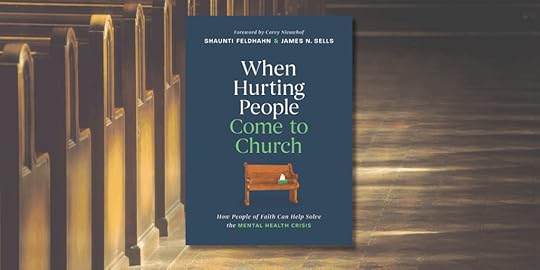 What To do ‘When Hurting People Come to Church’Have you ever had to turn someone away? Maybe you’re an event planner with a wait list to a sold-out…
 Try the ‘Next-Day Rule’ Hack for a Happier MarriageDo you want a simple hack that can help your husband be delightfully engaged—rather than accidentally prompting him to withdraw?…
 6 Ways to Talk about Gender Differences (Part 2)I think we can probably all agree that we are living in a weird moment. Ten years ago, who would…
The post Why Vulnerability Is the Best Risk You Can Take (Part 1) appeared first on Shaunti Feldhahn.
October 7, 2025
Spending Doesn’t Fix Our Insides
Carissa is a sweet and social high school student who volunteers in the church nursery, gets good grades, and is respectful to adults. She occasionally gets stressed by homework or disagreeing with mom and dad about house rules, but she usually goes for a drive and comes back chatty and carefree.
At first, Carissa’s parents admired her for adjusting her attitude and bouncing back so quickly. But then they noticed a pattern: Their daughter usually came home with something she purchased—a coffee, makeup, a cute shirt. Shopping made her feel better.
Maybe you have seen this in your kids. Maybe you have seen this in yourselves.
You’re not alone. Money holds unexpected power in our emotional world, doesn’t it? According to our research for Thriving in Love & Money, nearly two-thirds of the thousands of people surveyed report using money to feel better about themselves.
The way we do this often looks different for men and women, and for spenders and savers, but this sneaky core truth nags at many of us: We use money to address our feelings of inadequacy in ourselves and in our marriages. And our kids pick up these cues. (Their own social media feeds provide plenty of that stimulus, too.)
As couples and as parents, we have a tremendous opportunity to examine how we might be using money to fill the holes in our hearts that only God can fill—and teach our kids to do the same.
Know Thyself!
One of the fascinating findings of our nationally representative research is that men and women often use money differently when they’re feeling vulnerable. See if you recognize yourself in any of the following situations—and ask your spouse what they think as well. (At the end of the article, see the “answer key” for which gender statistically tends to line up more with each number.)
Measuring self-worth by how much money you earn. Taking promotions that require more hours in order to provide the physical and emotional benefit of “money in the bank.” Spending to “feel new.” Making decisions based on the ever-present fear that family finances could fall apart if you’re not vigilant. Spending so that you feel cared for—especially if you care for others non-stop. Saving as a measure of status (“Look at my bank account.”) or as a matter of security (“Look at my bank account!”)Earning, saving, purchasing … all of these things are fairly neutral activities in and of themselves. So when we try to use them as emotional solutions, it’s good to stop and get to the root of that.
So, how do we start? Here are three ideas on how to navigate money, self-worth, and insecurity with ourselves and with our kids.
#1: Identify the feelings underneath the impulsesBefore you accept the overtime shift that will take you away from family (again) or run to your favorite big box for retail therapy (again), press pause, and ask yourself: What’s running under the surface of this impulse?
Pay attention here, because something deeper may need attention. It’s important to help our kids become attuned to this, too.
For example, imagine you’re Carissa’s parents. You empathize with the pressure she feels about needing near-perfect grades to get into her desired college. You understand that the curfew you set may cause her to miss social activities. But you also observe that when she buys a cute shirt, she feels a rush of temporary relief. And in our research, she wouldn’t be unusual: 59% of women surveyed for Thriving in Love & Money reported that when they were having a bad week, they like to go shopping for something new. One woman we spoke with said, “Getting something new camouflages who we feel like on the inside.”
So instead, in that situation, you can help your daughter meet her real need.
You could speak over her (or memorize with her) Bible verses about how to address fear or to find her true worth to God, no matter her grades or social calendar. You could brainstorm healthy ways to process stress, like journaling and prayer. (Even better if this happens on a walk with you.) You could ask her what she needs from you to feel supported. You could ask her whether she ever feels pressured to showcase wealth or “stuff” on social media. (A December 2023 survey revealed that 24% of those in Gen Z have felt pressured in that way.) You could ask her how social media is making her feel in general and let her know that disengaging truly is an option.There are any number of possibilities, and as parents of your children, you know what will reach them best. But as you talk with your kids—or your spouse—consider “thinking out loud” to model healthy processing. For example: “I feel so upset about the comment my coworker made to me today. I really want to run to the mall! But I’m going to resist that urge and instead go play tennis. Do you want to join me?”
#2: Build each other up!In the great human experiment called the family, we parents have an incredible opportunity to build up those around us. And in purposefully targeting encouragement toward the insecurities that run under the surface, we may be able to help prevent the “handling money to feel better” scenarios.
So even though we are not responsible for the inner life of our spouse or children, we can lovingly do what we know will build them up. Here, too, we found a few useful gender-related generalizations in the research.
Men and boys tend to especially need to hear “Thank you!” and “Good job!”
When our sons hear, “Thank you for clearing up that grade with your teacher. You did a good job in handling that,” they are bolstered in the belief that they are capable. When men know that the most important people in their lives believe in them, it helps keep the bank balance in proper perspective.
Women and girls tend to especially need to hear that they are loved, treasured and special. Reminding a daughter of this regularly can set her up for a greater likelihood of being settled in her worth rather than saving or spending as a means of trying to find it.
Purchasing things can bring a rush of the “reward” hormone dopamine. When we or our kids are feeling insecure, that is powerfully tempting! So, it’s far better to plan for the natural dips in mood by finding healthier ways to boost it.
Exercise is powerful in increasing serotonin, an important feel-good hormone. Getting sunshine also helps. Encourage your kids to combine these two powerhouses by taking regular family walks or bike rides or having snowball fights outside! Or listen to music, watch a funny movie, or chat with a good friend.
The key is to help us and our kids steer stress toward positive outlets—not outlet malls! And the more we do this and model it, the healthier our families will be.
***
Answer key: 1. male, 2. male, 3. female, 4. male, 5. female, 6. both genders
If you are interested in having Shaunti bring research-based strategies, practical wisdom and biblical principles to your next event, please contact Nicole Owens at nowens@shaunti.com.
On our podcast, I Wish You Could Hear This, Jeff and I offer proven steps to help you thrive in your life, faith and relationships. In other words, we’ll offer the practical help you’ve grown accustomed to right here in this blog space. You’ll take away specific steps that help you today. Listen, follow, and share with your friends on YouTube, Apple Podcasts, Spotify and other platforms.
Please note: This post may contain affiliate links. As an Amazon Associate we earn a small amount from qualifying purchases through these affiliate links. This doesn’t cost you anything, and helps us continue bringing you great content!
#mc_embed_signup{background:#fff; clear:left; font:14px Helvetica,Arial,sans-serif; } /* Add your own Mailchimp form style overrides in your site stylesheet or in this style block. We recommend moving this block and the preceding CSS link to the HEAD of your HTML file. */ .button {background-color: #3389C2;background:#3389C2;color: #fff} Receive Shaunti’s Blog & Updates* indicates required Email Address * (function($) {window.fnames = new Array(); window.ftypes = new Array();fnames[0]='EMAIL';ftypes[0]='email';fnames[1]='FNAME';ftypes[1]='text';fnames[2]='LNAME';ftypes[2]='text';fnames[3]='SOURCE';ftypes[3]='text';fnames[4]='MMERGE4';ftypes[4]='text';fnames[5]='MMERGE5';ftypes[5]='date';fnames[6]='MMERGE6';ftypes[6]='text';fnames[7]='MMERGE7';ftypes[7]='text';fnames[8]='MMERGE8';ftypes[8]='text';fnames[9]='MMERGE9';ftypes[9]='text';fnames[10]='MMERGE10';ftypes[10]='phone';}(jQuery));var $mcj = jQuery.noConflict(true);More from Shaunti’s Blog:
Spending Doesn’t Fix Our InsidesCarissa is a sweet and social high school student who volunteers in the church nursery, gets good grades, and is…
Reflections on a week with 7,000 counselors and pastorsEvery two years, roughly 7,000 counselors, pastors, coaches, and other leaders come together for the World Conference of the American…
What To do ‘When Hurting People Come to Church’Have you ever had to turn someone away? Maybe you’re an event planner with a wait list to a sold-out…
Try the ‘Next-Day Rule’ Hack for a Happier MarriageDo you want a simple hack that can help your husband be delightfully engaged—rather than accidentally prompting him to withdraw?…
6 Ways to Talk about Gender Differences (Part 2)I think we can probably all agree that we are living in a weird moment. Ten years ago, who would…
 6 Ways to Talk about Gender Differences (Part 1)It seems like everywhere I turn lately—while being interviewed on a podcast, speaking at a church, or even talking to…
The post Spending Doesn’t Fix Our Insides appeared first on Shaunti Feldhahn.
September 30, 2025
Reflections on a week with 7,000 counselors and pastors
Every two years, roughly 7,000 counselors, pastors, coaches, and other leaders come together for the World Conference of the American Association of Christian Counselors (AACC) in Nashville. They spend the week absorbing plenary talks and worship times, learning from hundreds of continuing education workshops and speakers, exploring more than 100 exhibitors’ booths, and making connections with others who approach counseling and care from a Christian perspective.
Our team always has a booth to share our latest research and we often use the week to launch our latest book—as we did this year. It’s one of the most rewarding, exhausting, special, busy, and beautiful weeks that we have every two years.
We just broke down our booth two hours ago, and I’m writing this in our packed-to-the-gills minivanas Jeff drives us 4 ½ hours back home to Atlanta. I thought it might be fun and encouraging to share some “real-time” reflections on an amazing week.
 Reflection #1: SO MANY counselors and pastors use our books and resources!
I cannot count the number of times (30? 50?) one of these wonderful professionals came up to me or Jeff or a member of the team and said, “I use your books regularly in my clinical practice,” or “We have every couple in our pre-marital counseling watch your videos,” or “Thank you for your research, it is so important,” or “This book saved my marriage, and now I’m using it to help others.”
No, no, I’m not fighting back tears, that’s just a bit of dust in my eye.
The overarching goals shared by me, Jeff, and our amazing team members are a) to help people thrive in their lives and relationships, and b) serve the precious caregivers who pour themselves out so those in pain can find healing. It is unbelievably encouraging to know that after more than 20 years, our work to create eye-opening, research-based tools continues to help both audiences.
 Reflection #2: The new book, When Hurting People Come to Church, is hugely needed!
I would have to look at our records to be sure, but I think this is the largest book launch we have ever had at AACC in terms of sheer sales numbers. By Thursday, we sold through our entire[LD4] stock of When Hurting People come to Church—and still had two more days to go! We were very grateful that this year our publisher, Tyndale House Publishers, had a booth opposite ours in the exhibit hall and we were able to beg a few extra cases from them!

As noted in last week’s blog about the book launch and the podcast with my coauthor Dr. James Sells, this book is designed to help the church become the hero in the mental health crisis. It equips church pastors and staff, Christian counselors, and involved lay volunteers with the vision, encouragement and practical tools to take some of the burden off pastors and clinicians and raise up trained church laypeople who can walk alongside those with basic needs.
We conducted two workshops this week to share that vision, as well as the research with 2,000 pastors that runs underneath it. So many licensed counselors came up after our workshops and said something like this one specialist: “For years, I told pastors that their only legitimate path was to refer needs to me or other licensed therapists. But I see that my way just isn’t enough. There just aren’t enough clinicians to meet the need. There aren’t enough pastors. We have to start thinking about enlisting the aid of laypeople, if we are going to actually care for those who need it.”
Reflection #3: There are a HUGE number of churches and counselors already doing this!Our book and the initiative that accompanies it, The Church Cares, are not really blazing a trail—we are lighting and perhaps paving and widening a path that has already been blazed by many others. Many dozens of churches and counselors came up to us in the booth and described the ways they were already doing or working on this type of lay mental health ministry in their churches.
This morning, I had yet another such conversation with a group of leaders and was so encouraged by what they said that my staff and operations director, Eileen Kirkland, tapped me on the shoulder and said, “They are a good example. You should interview them for your blog.”
Yes, yes I should!
Ian and Megan Taylor, Amanda Levy, and Monica Stuart all live and minister in central Florida, and all graciously said I could share what they told me.
Ian is Ministry Director of The Life Church, Apollo Beach. Megan is Office Manager of Renewed Integrated Counseling, which is owned by Amanda. Monica is one of the key licensed professional counselors. They have four offices in central Florida and more than 40 therapists.
Megan explained, “I am spearheading this effort to partner with the local churches. Monica and I go talk to pastors about the mental health need and to hear the pastor’s heart. What is going on in your church? What do you need? There’s a pain point that lots of pastors have; they don’t know where to send their people, and even when to send their people. We want to know how we can support them. And this idea of raising up lay care in the church is another way of doing that. I’m so excited about that. How can we equip the average Joe with some understanding of mental health and equip them to be the body of Christ and come alongside? In one workshop this week someone said, ‘Not everyone with a headache goes to primary care.’ And it’s the same with this. Not every bump in the road requires professional help.”
I asked Ian his thoughts from a church leader’s perspective. “Today, when the average person hears ‘mental health,’ we all instantly think ‘you need a professional, let’s get you a counselor, let’s get you a therapist.’ But it is so important for the body of Christ to be the body of Christ! Sometimes you just need a friend you can have coffee with. Sometimes you need someone who will just listen. Sometimes you need peer-support groups and life groups. And sometimes you do need the therapist. But all those other ways of helping will reduce the number of people who need the therapist.”
Megan chimed in again, “There just aren’t enough therapists to meet the need. Everyone is full. We are full. Right now, for example, our clinics have just 50 openings across four offices in the next four weeks. There are millions of people in central Florida. But we can help just 50 more.”
As she shared that, I thought, there are hundreds of churches in Central Florida. Imagine the difference to those millions of people if there were suddenly hundreds of trained lay listeners in churches who could walk alongside the basic needs—and free up the clinicians to see the more significant ones?
As our books sold, and then sold out, it was validating to realize that so many professionals see the need for the church to be the place where people can find help and hope for their life pain. Can you imagine if instead of hearing dire news stories about the mental health crisis in America, we began to discover that churches all around us are helping to solve the crisis in meaningful, lasting, and sustainable ways?
It will take many of us—not just the “professionals.” If you have a heart for helping the hurting, this may very well include you. You can see what the buzz is all about by picking up a copy of When Hurting People Come to Church, and giving a copy to your pastor.
I hope you will.
In the meantime, I’m going to put my feet up for a few days and just savor the goodness of being surrounded by so many boots-on-the-ground people who devote their lives to helping others.

If you are interested in having Shaunti bring research-based strategies, practical wisdom and biblical principles to your next event, please contact Nicole Owens at nowens@shaunti.com.
On our podcast, I Wish You Could Hear This, Jeff and I offer proven steps to help you thrive in your life, faith and relationships. In other words, we’ll offer the practical help you’ve grown accustomed to right here in this blog space. You’ll take away specific steps that help you today. Listen, follow, and share with your friends on YouTube, Apple Podcasts, Spotify and other platforms.
Please note: This post may contain affiliate links. As an Amazon Associate we earn a small amount from qualifying purchases through these affiliate links. This doesn’t cost you anything, and helps us continue bringing you great content!
#mc_embed_signup{background:#fff; clear:left; font:14px Helvetica,Arial,sans-serif; } /* Add your own Mailchimp form style overrides in your site stylesheet or in this style block. We recommend moving this block and the preceding CSS link to the HEAD of your HTML file. */ .button {background-color: #3389C2;background:#3389C2;color: #fff} Receive Shaunti’s Blog & Updates* indicates required Email Address * (function($) {window.fnames = new Array(); window.ftypes = new Array();fnames[0]='EMAIL';ftypes[0]='email';fnames[1]='FNAME';ftypes[1]='text';fnames[2]='LNAME';ftypes[2]='text';fnames[3]='SOURCE';ftypes[3]='text';fnames[4]='MMERGE4';ftypes[4]='text';fnames[5]='MMERGE5';ftypes[5]='date';fnames[6]='MMERGE6';ftypes[6]='text';fnames[7]='MMERGE7';ftypes[7]='text';fnames[8]='MMERGE8';ftypes[8]='text';fnames[9]='MMERGE9';ftypes[9]='text';fnames[10]='MMERGE10';ftypes[10]='phone';}(jQuery));var $mcj = jQuery.noConflict(true);More from Shaunti’s Blog:
Reflections on a week with 7,000 counselors and pastorsEvery two years, roughly 7,000 counselors, pastors, coaches, and other leaders come together for the World Conference of the American…
What To do ‘When Hurting People Come to Church’Have you ever had to turn someone away? Maybe you’re an event planner with a wait list to a sold-out…
Try the ‘Next-Day Rule’ Hack for a Happier MarriageDo you want a simple hack that can help your husband be delightfully engaged—rather than accidentally prompting him to withdraw?…
6 Ways to Talk about Gender Differences (Part 2)I think we can probably all agree that we are living in a weird moment. Ten years ago, who would…
6 Ways to Talk about Gender Differences (Part 1)It seems like everywhere I turn lately—while being interviewed on a podcast, speaking at a church, or even talking to…
 Our Daughter Said Yes!!!We knew this day would come. That little peanut who was born 25 years ago, who we have adored and…
The post Reflections on a week with 7,000 counselors and pastors appeared first on Shaunti Feldhahn.
September 23, 2025
What To do ‘When Hurting People Come to Church’
Have you ever had to turn someone away? Maybe you’re an event planner with a wait list to a sold-out event. It could be that you’re a service manager, and you have to tell a customer it will be a week or more before a technician can fix their broken HVAC unit or their dryer or their car.
Now imagine the broken thing you’re waitlisting is a heart.
That’s what a lot of counselors and pastors feel like today, in the middle of what the World Health Organization calls “a global crisis for mental health.” There is so much need that the “professionals” can’t meet it all. This has implications for every one of us—especially those who want to see the church be a place of answers and hope for our culture.
I was talking with a clinical psychologist friend who runs a large counseling center in the Midwest. Her practice is the “go-to” practice for multiple churches. She said the needs are so great that all her counselors are fully booked and she regularly has to do something she dreads: tell a person in pain that they can’t serve them right now. They give the person a list of other practices to try . . . and frequently get a return call saying that none of those clinicians have room right now either. This is a regular, heartbreaking experience.
And this doesn’t even take into account the millions who don’t pursue help at all, because they simply can’t afford professional care.
As just one data point example, among those with severe anxiety alone, 25 million people are not receiving any care. That is more than the population of Florida.
You may be personally aware of this need. After all, every one of us either knows someone with severe anxiety, depression, or other concerns. You may also feel helpless to do anything about the problem. But it turns out: If you care about this issue, you’re a key solution to the problem.
Today I’m launching When Hurting People Come to Church, my latest book, co-authored with clinical psychologist and Regent University leader Dr. James Sells, to propose that the church can help solve this mental health crisis. The book is based on two years of research with more than two thousand pastors and church leaders, including many who are already doing mental health ministry well and have immense wisdom to share.
I’m going to unpack what we are proposing, and I hope you will buy the book and pass it along to every pastor, church staff, and caring church volunteer that you know.
A Fresh Way of Approaching Mental HealthWhen Hurting People Come to Church: How People of Faith Can Help Solve the Mental Health Crisis offers a fresh way of thinking about how the church can help the hurting. It unleashes the church’s greatest resource—its people—to help solve the mental health crisis. Think about it: there are millions of Christian lay people who understand brokenness, grace, and the power of relationship. Many Christians would want to step intocaring for those dealing with basic anxiety, depression, grief, marriage distress, and dozens of other issues if they knew that was an option.
In recent decades, we have thought of “mental health care” as something offered by a clinical specialist—usually, a professional operating outside of the church’s walls. As non-specialists we have begun to feel like we “aren’t allowed” to offer help or care, and that we should always let “the professionals” handle it. And just to be clear, we aren’t suggesting that clinicians aren’t needed! Highly trained and licensed counselors are vitally important. After all, my coauthor is a licensed psychologist who has spent more than thirty years training clinicians to serve the world.
But what if we began to think of the church as the nexus of a “both-and” strategy? Both a place that refers to clinicians when needed and a place where people can find real help and hope for their life pain. I think Jesus would like this idea. After all, in describing Himself and those He came to serve, He said it was not the healthy who needed a doctor, but the sick.
When a young woman shows up at church with severe anxiety or depression, an old man is in grief after losing his wife of fifty years, or a couple tells their home group leader that they are considering divorce, the church can be prepared to bring together the power of God with the power of people to give real care for these real mental and emotional health issues.
What do church leaders think?Based on national research with more than two thousand church leaders, two staggering statistics paint a picture of how conflicted pastors are—and the wonderful opportunity before us.
On our national survey, 88% of pastors and church leaders either agree or somewhat agree with this statement: “If a person’s presenting issue is psychological rather than spiritual, the church’s primary mental health service should be to refer to a professional.”
Yet 96% of those same pastors and church leaders also agree or somewhat agree with this statement: “A community of believers supporting one another is one of the best ways to foster good mental health inside the church.”
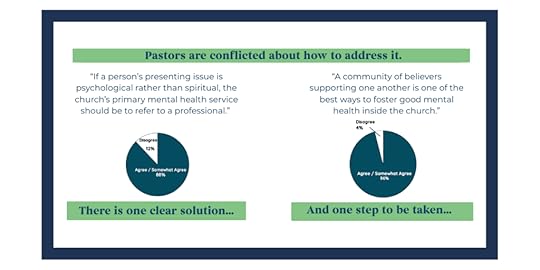
So we are in a moment when most pastors and church leaders feel like what they should do for mental health is refer to a specialist (and remember, many specialists are too expensive or full!) yet they also know that having caring people who walk alongside the hurting is one of the best ways for promoting better mental health in the church!
One of the church’s finest moments might exist in the gap between these two numbers. Rather than funneling people away from the church, we have an opportunity before us to train lay people to walk alongside those in distress with listening, caring presence.
Now, an important call to actionThis is where you come in.
When Hurting People Come to Church outlines not just a new movement, but also a new model for helping the hurting. And I chuckle as I write that, because this “new model” is actually as old as the book of Acts. It’s people. It’s community. It’s listening, supportive laypeople—perhaps with a little bit of extra training in listening—who can apply both compassion and wisdom in caring for others.
In recent decades, church leaders have (perhaps understandably) been told, “when in doubt, refer out.” And again, referring to specialists can be incredibly important. But do we really want to create a funnel out of the church? How about, when referrals are needed, referring people to a specialist . . . and ensuring that we walk alongside them in the church at the same time? How about also thinking of “referrals” for the whole scope of human care—where someone in pain is connected to a small group just as purposefully as to a licensed counselor? Or where a marriage in crisis is connected to a couple with a healthy marriage, who they can hang out with and learn from—even if they also go to a marriage therapist for skill building in communication?
As my co-author Jim Sells told me recently, “I can help a client with skill building and symptom reduction. But if they don’t also get connected to people who can walk alongside them, those symptoms won’t stay reduced for very long.”
The church has traditionally been the place where we walk alongside those in need. It’s time for the church to see the mental health crisis not as something separate from the mission of the church, but as a key opportunity for outreach, discipleship and love in the name of Jesus to those looking for hope.
What does “walking alongside” look like?The practical way to meet the needs of this moment is through a structure that fits within the context of your church and mobilizes a team of lay listeners with very basic training, under the leadership of a care coordinator. Explaining this and how it works is the main point of the book, along with a companion initiative, The Church Cares that exists to equip the church.
This approach takes some of the crushing burden of pastoral care from your pastor’s shoulders and raises up a team of trained volunteers who help the lonely feel connected and help the heartbroken find hope. Of course, these lay listeners also learn to identify those who may need more specialized care—but even as a referral is made, the hope is that the person also continues to receive care in the church community.
The church and the counseling office do not have to be mutually exclusive. We need both. As the church, we can—and should—come alongside people in their pain. This isn’t a nice idea. It’s a critical solution for the loneliness, distress, and emotional burdens that are overwhelming our pastors’ offices and our clinical healthcare system.
This book is for those who care about the hurting and find the scope overwhelming.
This book is for anyone with a caring heart who wants to help provide hope.
This book is for you.
Order your copy today. Order a copy for your care pastor, your senior pastor, and for other like-minded, caring friends. And church-by-church, city-by-city, and state-by-state, let’s start a movement that can become the church’s finest moment[LD2] .
If you are interested in having Shaunti bring research-based strategies, practical wisdom and biblical principles to your next event, please contact Nicole Owens at nowens@shaunti.com.
On our podcast, I Wish You Could Hear This, Jeff and I offer proven steps to help you thrive in your life, faith and relationships. In other words, we’ll offer the practical help you’ve grown accustomed to right here in this blog space. You’ll take away specific steps that help you today. Listen, follow, and share with your friends on YouTube, Apple Podcasts, Spotify and other platforms.
Please note: This post may contain affiliate links. As an Amazon Associate we earn a small amount from qualifying purchases through these affiliate links. This doesn’t cost you anything, and helps us continue bringing you great content!
#mc_embed_signup{background:#fff; clear:left; font:14px Helvetica,Arial,sans-serif; } /* Add your own Mailchimp form style overrides in your site stylesheet or in this style block. We recommend moving this block and the preceding CSS link to the HEAD of your HTML file. */ .button {background-color: #3389C2;background:#3389C2;color: #fff} Receive Shaunti’s Blog & Updates* indicates required Email Address * (function($) {window.fnames = new Array(); window.ftypes = new Array();fnames[0]='EMAIL';ftypes[0]='email';fnames[1]='FNAME';ftypes[1]='text';fnames[2]='LNAME';ftypes[2]='text';fnames[3]='SOURCE';ftypes[3]='text';fnames[4]='MMERGE4';ftypes[4]='text';fnames[5]='MMERGE5';ftypes[5]='date';fnames[6]='MMERGE6';ftypes[6]='text';fnames[7]='MMERGE7';ftypes[7]='text';fnames[8]='MMERGE8';ftypes[8]='text';fnames[9]='MMERGE9';ftypes[9]='text';fnames[10]='MMERGE10';ftypes[10]='phone';}(jQuery));var $mcj = jQuery.noConflict(true);More from Shaunti’s Blog:
What To do ‘When Hurting People Come to Church’Have you ever had to turn someone away? Maybe you’re an event planner with a wait list to a sold-out…
Try the ‘Next-Day Rule’ Hack for a Happier MarriageDo you want a simple hack that can help your husband be delightfully engaged—rather than accidentally prompting him to withdraw?…
6 Ways to Talk about Gender Differences (Part 2)I think we can probably all agree that we are living in a weird moment. Ten years ago, who would…
6 Ways to Talk about Gender Differences (Part 1)It seems like everywhere I turn lately—while being interviewed on a podcast, speaking at a church, or even talking to…
Our Daughter Said Yes!!!We knew this day would come. That little peanut who was born 25 years ago, who we have adored and…
 What Your Husband Is Really Thinking When He Wants Sex You’re all for intimacy and connection. But your husband is making moves, and you are tired. You can’t help but…
The post What To do ‘When Hurting People Come to Church’ appeared first on Shaunti Feldhahn.
September 16, 2025
Try the ‘Next-Day Rule’ Hack for a Happier Marriage
Do you want a simple hack that can help your husband be delightfully engaged—rather than accidentally prompting him to withdraw? Well, pull up a chair and take a few quick notes on what we call the “next-day rule.” This approach may not matter to every man, but in my research studies with men it’s pretty close!
First, let’s look at why such a hack is needed.
Imagine it’s Saturday morning. You’ve just slept in (gloriously—and possibly for the first time since flip phones were in style), and you realize the house is quiet. Your husband has made you coffee and left a note: “Took the kids to the park. Enjoy the peace and quiet.”
You settle into your favorite chair with a book you’ve been wanting to read. Later, the whole crew bounds back through the door, the kids excitedly chattering about playing tag and getting caught in the sprinklers.
You sincerely tell your husband thanks for the quiet morning, and he gives you a hug and says it was his pleasure. Then you notice that your oldest has a grass stain on his dress shorts—the only ones he has that still fit and are nice enough for church. “Oh honey,” you casually say to your husband, “by the way, could you not let Jared play in these shorts anymore? I had them set out for church tomorrow.”
You notice that his face falls. Or maybe he doesn’t say anything, but you notice that he’s distant. Or maybe he even says, “Nothing I do is ever good enough” and walks away. Probably leaving you completely confused. You weren’t criticizing him; you were just asking him to do something differently.
What you don’t realize is that instead of feeling appreciated for giving you a morning alone, by hearing a correction on the end of a “thank you” he may feel like you’ve kicked him in the gut.
But it’s just shorts, you might be thinking, perhaps even indignantly. And I hadn’t planned on needing to do laundry today. Don’t my plans matter too?
Of course, your plans matter too! But I’m assuming we want to know not just what we are saying—but what they are hearing. Furthermore, if it’s “just shorts” this morning, loading the dishwasher “incorrectly” in the afternoon, and buying the “wrong kind of milk” at the grocery store later—men in my research consistently say it starts to feel like death by a thousand cuts. In those moments when he gets corrected after trying to help, the “advice” or “helpful input” we’re trying to give demoralizes him. He feels disrespected.
Now, again, this is almost certainly not what we intend. But if he’s like most men in our surveys, it is almost certainly how he takes it.
In my research for For Women Only, I found that sharing this type of “helpful advice” in the wake of something our man has done (“That was great! But next time could you…”) consistently causes him unseen, daily pain. And we often don’t even recognize we’re causing it. I cringe thinking how often I did this to Jeff in the years before starting this research.
Yet if you’re like me, you might also be thinking: But what if we need to share some helpful advice?! What if he hasn’t done something the way it should be done?
Ladies, I’ve got a two-step solution that will help you determine when to speak up, and how. This hack will help your marriage—and your man—immeasurably. It will help bring out (and avoid squashing) the delightfully engaged husband that he wants to be, for you.
Step #1: Ask yourself: Will this issue be important tomorrow?In the grand scheme of things, how important is this “correction? Will this situation matter enough tomorrow to hurt my husband’s feelings today? Some situations, if left unaddressed, will create some sort of longer-term negative impact. We are all adults here, and your man will understand the reason for that correction, even if it still stings a little that he failed you (which is how it feels to him).
But if the answer to that question is “no,” then it probably isn’t worth bringing up right now … or at all. When majoring on the minors causes consistent pain to someone you love, it’s just not worth it. (And that goes for all our relationships.)
So before you say something, ask yourself: does it really matter that your husband loads the dishwasher differently than you or buys 2% milk instead of 1% milk? Or is what really matters the fact that the blessed appliance is loaded and running and there’s milk in the fridge for breakfast? (We also might want to ask ourselves: is our way of loading the dishwasher really “right” and his way “wrong?” Why is his way not just as legitimate?)
Bottom line: when the kids run in from the park, let him enjoy the fact that he’s “done good.” He’s probably feeling pleased with himself for making your life easier and making you happy. If you are pleased and happy, don’t cause him to think otherwise! Correcting him—especially in that moment–will trigger his secret feeling that he doesn’t measure up. And since, according to our research, that’s his most painful feeling, he may eventually just shut down and stop trying.
By contrast, sincerely noticing and thanking him for something he’s done makes a huge impact. (True story: three out of four men said that in my survey for The Surprising Secrets of Highly Happy Marriages).
But what happens if the answer to the “will this matter tomorrow” question is yes?
This leads us to Step #2…
Step #2: If it needs to be addressed, if possible, address it the next daySuppose you’ve noticed that your husband makes a great dinner—but often berates your son at the dinner table for how much time he spends on his phone. Now, the kid probably needs some boundaries and discipline, but you feel your husband is consistently too rough on him. And since you believe it could hurt their relationship, you feel it is definitely worth addressing.
If your man is working to accomplish something (dinner), and one element of it needs attention (how he talks to your son), it will often be received much better if you address it the next day. It may not always be possible, but consider tapping the brakes and tabling your input until tomorrow.
Waiting until the next day to offer your thoughts will help you convey “I noticed and appreciated your effort”—even if it wasn’t perfect (Jared wearing dress shorts to the park). Or if it’s something more serious it says, “I took time to think and pray about this.”
For example, when you see the grass-stained shorts, you might spray on stain remover and throw them in the washer without comment. Then the next day (if it’s important enough to mention), you might say, “Hey, thanks again for taking the kids to the park. Just so you know, Jared is down to that last pair of shorts for church or nice events. So can you steer him toward athletic shorts for daily stuff?”
Or, if you’ve heard your husband getting on your son’s case, the next day you might kindly say, “Honey, do you mind if I raise something? I was watching Shane’s face when you were talking to him about his cell phone use. I don’t want to see your relationships suffer over this. Maybe you and I could come up with some boundaries for him together and let him know we love him, we care about his health, and because of that, we are going to be limiting his phone time.”
It might take some practice to wait a day—especially for those of us who are verbal processors. But if we want a happy husband (and a happy marriage), we must learn how to address things in a way that doesn’t cause that regular, unseen, punch-in-the-gut feeling to our man.
Bottom line, by asking ourselves “will this matter long-term” and by (if possible) waiting overnight to kindly say something, you give your husband the gift of enjoying the delightful fact that he made you happy. Which will likely lead to him wanting to do it again. Sounds like a win-win to me.
If you are interested in having Shaunti bring research-based strategies, practical wisdom and biblical principles to your next event, please contact Nicole Owens at nowens@shaunti.com.
On our podcast, I Wish You Could Hear This, Jeff and I offer proven steps to help you thrive in your life, faith and relationships. In other words, we’ll offer the practical help you’ve grown accustomed to right here in this blog space. You’ll take away specific steps that help you today. Listen, follow, and share with your friends on YouTube, Apple Podcasts, Spotify and other platforms.
Please note: This post may contain affiliate links. As an Amazon Associate we earn a small amount from qualifying purchases through these affiliate links. This doesn’t cost you anything, and helps us continue bringing you great content!
#mc_embed_signup{background:#fff; clear:left; font:14px Helvetica,Arial,sans-serif; } /* Add your own Mailchimp form style overrides in your site stylesheet or in this style block. We recommend moving this block and the preceding CSS link to the HEAD of your HTML file. */ .button {background-color: #3389C2;background:#3389C2;color: #fff} Receive Shaunti’s Blog & Updates* indicates required Email Address * (function($) {window.fnames = new Array(); window.ftypes = new Array();fnames[0]='EMAIL';ftypes[0]='email';fnames[1]='FNAME';ftypes[1]='text';fnames[2]='LNAME';ftypes[2]='text';fnames[3]='SOURCE';ftypes[3]='text';fnames[4]='MMERGE4';ftypes[4]='text';fnames[5]='MMERGE5';ftypes[5]='date';fnames[6]='MMERGE6';ftypes[6]='text';fnames[7]='MMERGE7';ftypes[7]='text';fnames[8]='MMERGE8';ftypes[8]='text';fnames[9]='MMERGE9';ftypes[9]='text';fnames[10]='MMERGE10';ftypes[10]='phone';}(jQuery));var $mcj = jQuery.noConflict(true);More from Shaunti’s Blog:
Try the ‘Next-Day Rule’ Hack for a Happier MarriageDo you want a simple hack that can help your husband be delightfully engaged—rather than accidentally prompting him to withdraw?…
6 Ways to Talk about Gender Differences (Part 2)I think we can probably all agree that we are living in a weird moment. Ten years ago, who would…
6 Ways to Talk about Gender Differences (Part 1)It seems like everywhere I turn lately—while being interviewed on a podcast, speaking at a church, or even talking to…
Our Daughter Said Yes!!!We knew this day would come. That little peanut who was born 25 years ago, who we have adored and…
What Your Husband Is Really Thinking When He Wants Sex You’re all for intimacy and connection. But your husband is making moves, and you are tired. You can’t help but…
 5 Ways to Keep God at the Center of Your MarriageStanding at the altar in a tux or a flowing white gown, it’s easy to imagine keeping God at the…
The post Try the ‘Next-Day Rule’ Hack for a Happier Marriage appeared first on Shaunti Feldhahn.