Lari Don's Blog
September 7, 2025
Long Covid, Short Fiction
It’s been almost a year since I posted anything on my blog. And here’s why:
I have long covid, which means that I caught the virus (last March, just before the first lockdown) and that I haven’t got better yet. I’ve spent the last 10 months struggling with exhaustion, brain fog and various chest problems. Because this is such a new thing, no one can tell me how to treat it or when it will go away.
But this post isn’t meant to be a medical moan. I just wanted to update you about what I’m doing as a writer, because lovely people have been asking concerned questions, and because I’m not answering tweets or emails very fast at the moment.
When I was knocked flat by covid, I was in the middle of writing the first novel of a new trilogy, but I had to put that manuscript back on the shelf in March and haven’t done anything particularly useful to it since. I have very little energy and very little focus, and the brain fog means that I sometimes forget things (like characters’ names, or why they went into an underground chamber, or what the word for that long sharp pointy thing is…) which makes writing an adventure story impossible.
However, there is good news. I’m not actually getting any better (still exhausted, still sore, all that boring stuff) but I am getting better at working round the symptoms. So I can now find a sliver of time most days when I have a wee bit of energy and a wee bit of focus, and I’m using that time to write again! (This blog is proof that I am managing sentences again.)
But I don’t just want to write blog posts. I want to write STORIES and NOVELS!
I’m nowhere near trilogy-writing capacity yet – my head still can’t hold a story which stretches across three books – so I’m being sensible and starting small.
I’m working on short fiction. I’m playing with picture books and retellings.
I’m not doing much on any particular day, and I’m doing it slowly and cautiously, but I hope that working steadily on short fiction will help me build up my writing muscles again, so that eventually I’ll be able to get back to novels and trilogies and great big magical adventures!
So, hang in there, be patient, and there will be book news on my website again eventually! (I’m saying that to myself, as much as to anyone else…)

I should admit that this isn’t my first attempt to write short fiction while struggling with covid symptoms. Last spring, when I was confident I would bounce back from the virus in weeks rather than months (or years), I agreed to write a story for Cranachan’s Stay At Home collection of stories for lockdown. But to be honest, I adapted a story I’d already written, and now, several months later, I have virtually no memory of adapting it or submitting it. I’m almost scared to reread it, in case it’s complete rubbish! The rest of the book is lovely though…
It’s been a tough year for us all, and I’m sending my best wishes to everyone, because we’ve all faced our own individual difficulties during the pandemic. I hope you all stay well and safe, and I hope we can share stories again together soon.
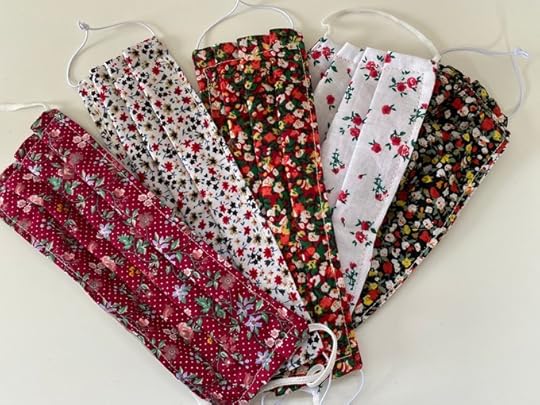 Lovely facemasks, made by my mum. Stay safe everyone!
(I’ve tried to be upbeat and optimistic in this post, because I am cautiously confident that I will write books again soon. But as well as an assertion of hope, you can also read this post as a warning about just how serious this virus is, and just how much damage it can do to creativity and career as well as to health. So, please wear your facemasks and follow the restrictions!)


Being Surprised by Giants
I’ve written a book! I know, that shouldn’t be surprising, because I am a writer… But I’ve been struggling with long covid since March 2020, so I’m doing everything very slowly right now. Which means that I’m almost as surprised and delighted about this book appearing on the shelves as I was about my very first novel getting published!
And it’s not a wee small quiet kind of book either. It’s a GREAT BIG LOUD GIANT BOOK! With great big huge giants shouting, stomping, shaking the earth, throwing rocks, having arguments, and also … running away when they’re scared, and dressing up as babies.

It’s the Tall Tale of the Giants’ Causeway, a retelling of the traditional folktale about Irish giant Finn McCool and Scottish giant Benandonner, and how their daft arguments lead them to build a rocky causeway between Scotland and Ireland. It’s also the story of how Finn’s clever wife Oona gets everyone to the end of the story without a fight or worse injury than a bitten finger. It has teddies, tricks and superbly hairy eyebrows!
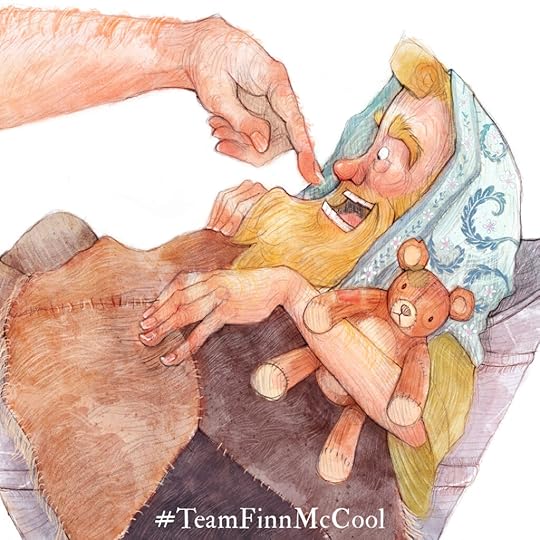
It also has spectacular illustrations, by debut illustrator Emilie Gill. It was a tough challenge, asking her to make these giants comical (to fit with the folktale) but also splendid (to fit with the glorious illustrations in other books in the series, like the Secret of the Kelpie and the Legend of the First Unicorn).
It’s always a nerve-wracking moment for an author, seeing their precious characters in the illustrator’s sketches for the first time, but when I saw these pictures, I know Emilie had captured Finn and Benandonner perfectly!

This is the first re-telling I’ve done with Floris Books which isn’t set only in Scotland. It’s based on an Irish folktale, with one Scottish character, so just like the giants’ causeway in the book, it links Scotland and Ireland across the sea. And because it’s a story set in both countries, starring giants from both countries, I’ve tried to make it a bit more balanced than the original tales. The original tends to end when the Irish giants ‘win’, but I kept the story going a wee bit longer, so that everyone could find a satisfying ending.
You’d think that basing a story on an existing traditional tale would mean that at least I wouldn’t have to spend time choosing character names. But almost every single version of the story I found had different spellings for Finn McCool, and there were a couple of different possible names for his wife (Oona / Oonagh or Grainne) and an absolute confusion of possible names for the Scottish giant (Far Rua, Goll, Benandonner, Cucullin…). So, along with all the other decisions I usually have to make when retelling a trad tale in picture book form (where to begin, where to end, how much peril and danger can I get away with for this age group, how much backstory and motivation do we need, how do I make it short enough to fit in a picture book and still make sense, does the language work when read out loud, how can I structure the narrative to give the artist the opportunity to draw as many spectacular pictures as possible…?) I also had to choose what names to give the giants. Eventually, my editor and I went with simplest spelling of Finn McCool, the most commonly used name for Oona, and most fun to say out loud name for Benandonner…
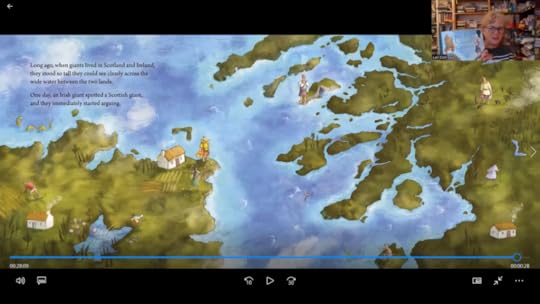
Usually, when a nice shiny new book comes out, I visit lots of schools and libraries and book festivals and caves and causeways to share the story and hear your ideas, but long covid means that I can’t get out and about very much. So my publishers and I have created a virtual event, with me reading the book, showing you Emilie’s amazing giants and giving you some tips about writing your own giant stories. If you’re interested in watching the event, please email me on info@laridon.co.uk
I hope you enjoy our meeting our giants!
Can Anyone Be An Author (Even If They Have Long Covid)?
Or – How To Set Magic In Scotland, Even If Your Scotland Has Shrunk…
Two lovely things have happened to me in the last fortnight. First, a story I wrote in the spring about midwinter, called The Holly and the Ivy, went up on the BBC Scotland Learning website. And second, I did an online Q&A with a wonderfully creative and curious class in West Lothian, as part of their project to answer the question: Can Anyone Be an Author?
 The Holly
Those two lovely things did a wee dance together in my head and made me think about how circumstances can make ‘being an author’ more difficult.
Because, up until four years ago, my cheerful ‘YES, of course, anyone can be an author (if they love stories and are prepared to put in the effort)’ would not have taken into account the particular challenges some potential writers may have.
One of my usual tips to kids keen to be authors (after the most essential: ‘read lots’) was ‘put down the books, get outside, have lots of adventures and an interesting life so you have things to write about!’ Which I now realise was a naive and and ableist thing to say. Because some people can’t get outside and have adventures, for reasons connected to health, access, resources etc. That doesn’t mean they aren’t having interesting lives, and it certainly DOES mean that their voices and stories are even more vital.
Why have I (finally) realised that, in the last four years? Because I have long covid. Because now I’m disabled, and I can’t do most of the things I used to do. That online Q&A would have been a school visit four years ago, but I can’t easily visit schools nowadays. And I can’t get out and have adventures easily either.
A few years ago, pre-covid, I travelled from Edinburgh to the west coast of Skye and back in one day, to do one hour of research, for one scene in a novel. (A novel I have not yet finished, due to long covid…) Nowadays, it takes me more planning and effort to visit my local bookshop than it used to take to travel to the Isle of Skye, and that bookshop trip might exhaust me for a week.
So, have I stopped writing? Have I stopped researching?
I have to admit, even before that ‘can anyone be an author’ project last week, there have been times in the last few years when I have been asking myself difficult questions. Can anyone be an author, if they have to deal with personal challenges? Can anyone be an author, if their life has changed completely? Can I still be an author? Will long covid stop me being an author?
The answers have been hard to find at times, but I’m delighted to stay that long covid has not stopped me being an author. I am still writing, I am still sharing stories with kids, I am still researching. I’m just doing ‘being an author’ differently.
I’m writing in short bursts, slowly, with lots of rests, and very long deadlines. I’m writing short fiction: a picture book, The Tall Tale of the Giant’s Causeway; Scot translations like Hansel and Gretel in this Grimm collection; the short story for the BBC. I am still working on long fiction too, like that novel, with that one scene on Skye, but … it’s … so … slow…
I am still doing author events, but I’m doing far fewer, and I’m doing them online.
I’m still doing location research too, because I like nice solid landscape beneath my feet when I’m looking for inspiration to create magical stories. But I can’t go nearly so far from home, without exhausting myself for so long that I’d struggle to write the story I been researching.
So, the BBC story – about the midwinter battle between the Holly King and Oak King, with a sneaky bit of business by the Ivy Queen – is set on the cycle-path in Edinburgh. It’s set five minutes from my house, so it was relatively easy for me to research. As a bonus, setting it on the cycle-path means I’m using wild areas in a city, rather than rural ones, showing kids who don’t have access to rural areas that they can imagine magical tales near their homes too.
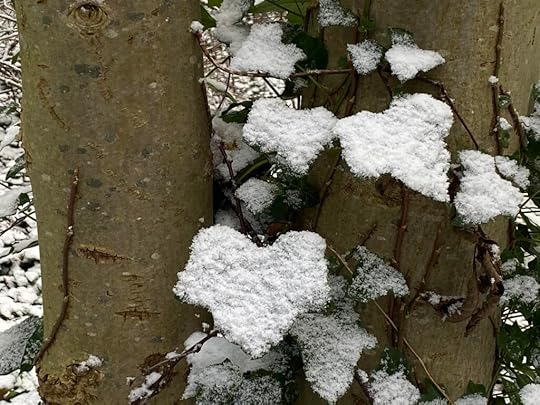 The Ivy
My available Scotland has shrunk, but it’s still there and it’s still inspiring my stories…
And I’m learning that ‘Yes, anyone can be an author, though sometimes circumstances make it more challenging’.
Just as everyone has different life experiences and interests which make their voices and stories unique, so everyone has different challenges and circumstances, which means that being a writer is different for everyone. So what works for me as a writer won’t work for everyone. (It doesn’t even work particularly well for me any more!)
Yes, anyone can be an author, if they want to be. Some of us climb mountains to find our stories, and some of us find inspiration in our back gardens or even our bedrooms … and that’s ok.
Everyone’s story, however they tell it, is unique and valuable.
If you want to hear me telling the story of The Holly and the Ivy – here it is, illustrated by the wonderful Eilidh Muldoon.
 The Holly and the Ivy, illustrated by Eilidh Muldoon
December 12, 2023
Can Anyone Be An Author (Even If They Have Long Covid)?
Or – How To Set Magic In Scotland, Even If Your Scotland Has Shrunk…
Two lovely things have happened to me in the last fortnight. First, a story I wrote in the spring about midwinter, called The Holly and the Ivy, went up on the BBC Scotland Learning website. And second, I did an online Q&A with a wonderfully creative and curious class in West Lothian, as part of their project to answer the question: Can Anyone Be an Author?
The Holly Those two lovely things did a wee dance together in my head and made me think about how circumstances can make ‘being an author’ more difficult.
Because, up until four years ago, my cheerful ‘YES, of course, anyone can be an author (if they love stories and are prepared to put in the effort)’ would not have taken into account the particular challenges some potential writers may have.
One of my usual tips to kids keen to be authors (after the most essential: ‘read lots’) was ‘put down the books, get outside, have lots of adventures and an interesting life so you have things to write about!’ Which I now realise was a naive and and ableist thing to say. Because some people can’t get outside and have adventures, for reasons connected to health, access, resources etc. That doesn’t mean they aren’t having interesting lives, and it certainly DOES mean that their voices and stories are even more vital.
Why have I (finally) realised that, in the last four years? Because I have long covid. Because now I’m disabled, and I can’t do most of the things I used to do. That online Q&A would have been a school visit four years ago, but I can’t easily visit schools nowadays. And I can’t get out and have adventures easily either.
A few years ago, pre-covid, I travelled from Edinburgh to the west coast of Skye and back in one day, to do one hour of research, for one scene in a novel. (A novel I have not yet finished, due to long covid…) Nowadays, it takes me more planning and effort to visit my local bookshop than it used to take to travel to the Isle of Skye, and that bookshop trip might exhaust me for a week.
So, have I stopped writing? Have I stopped researching?
I have to admit, even before that ‘can anyone be an author’ project last week, there have been times in the last few years when I have been asking myself difficult questions. Can anyone be an author, if they have to deal with personal challenges? Can anyone be an author, if their life has changed completely? Can I still be an author? Will long covid stop me being an author?
The answers have been hard to find at times, but I’m delighted to stay that long covid has not stopped me being an author. I am still writing, I am still sharing stories with kids, I am still researching. I’m just doing ‘being an author’ differently.
I’m writing in short bursts, slowly, with lots of rests, and very long deadlines. I’m writing short fiction: a picture book, The Tall Tale of the Giant’s Causeway; Scot translations like Hansel and Gretel in this Grimm collection; the short story for the BBC. I am still working on long fiction too, like that novel, with that one scene on Skye, but … it’s … so … slow…
I am still doing author events, but I’m doing far fewer, and I’m doing them online.
I’m still doing location research too, because I like nice solid landscape beneath my feet when I’m looking for inspiration to create magical stories. But I can’t go nearly so far from home, without exhausting myself for so long that I’d struggle to write the story I been researching.
So, the BBC story – about the midwinter battle between the Holly King and Oak King, with a sneaky bit of business by the Ivy Queen – is set on the cycle-path in Edinburgh. It’s set five minutes from my house, so it was relatively easy for me to research. As a bonus, setting it on the cycle-path means I’m using wild areas in a city, rather than rural ones, showing kids who don’t have access to rural areas that they can imagine magical tales near their homes too.
The Ivy My available Scotland has shrunk, but it’s still there and it’s still inspiring my stories…
And I’m learning that ‘Yes, anyone can be an author, though sometimes circumstances make it more challenging’.
Just as everyone has different life experiences and interests which make their voices and stories unique, so everyone has different challenges and circumstances, which means that being a writer is different for everyone. So what works for me as a writer won’t work for everyone. (It doesn’t even work particularly well for me any more!)
Yes, anyone can be an author, if they want to be. Some of us climb mountains to find our stories, and some of us find inspiration in our back gardens or even our bedrooms … and that’s ok.
Everyone’s story, however they tell it, is unique and valuable.
If you want to hear me telling the story of The Holly and the Ivy – here it is, illustrated by the wonderful Eilidh Muldoon.
The Holly and the Ivy, illustrated by Eilidh Muldoon
December 6, 2022
Being Surprised by Giants
I’ve written a book! I know, that shouldn’t be surprising, because I am a writer… But I’ve been struggling with long covid since March 2020, so I’m doing everything very slowly right now. Which means that I’m almost as surprised and delighted about this book appearing on the shelves as I was about my very first novel getting published!
And it’s not a wee small quiet kind of book either. It’s a GREAT BIG LOUD GIANT BOOK! With great big huge giants shouting, stomping, shaking the earth, throwing rocks, having arguments, and also … running away when they’re scared and dressing up as babies.
It’s the Tall Tale of the Giants’ Causeway, a retelling of the traditional folktale about Irish giant Finn McCool and Scottish giant Benandonner, and how their daft arguments lead them to build a rocky causeway between Scotland and Ireland. It’s also the story of how Finn’s clever wife Oona gets everyone to the end of the story without a fight or worse injury than a bitten finger. It has teddies, tricks and superbly hairy eyebrows!
It also has spectacular illustrations, by debut illustrator Emilie Gill. It was a tough challenge, asking her to make these giants comical (to fit with the folktale) but also splendid (to fit with the glorious illustrations in other books in the series, like the Secret of the Kelpie and the Legend of the First Unicorn).
It’s always a nerve-wracking moment for an author, seeing their precious characters in the illustrator’s sketches for the first time, but when I saw these pictures, I know Emilie had captured Finn and Benandonner perfectly!
This is the first re-telling I’ve done with Floris Books which isn’t just set in Scotland. It’s based on an Irish folktale, with one Scottish character, so just like the giants’ causeway in the book, it links Scotland and Ireland across the sea. And because it’s a story set in both countries, starring giants from both countries, I’ve tried to make it a bit more balanced than the original tales. The original tends to end when the Irish giants ‘win’, but I kept the story going a wee bit longer, so that everyone could find a satisfying ending.
You’d think that basing a story on an existing traditional tale would mean that at least I’d not have to spend time choosing character names. But almost every single version of the story I found had different spellings for Finn McCool, and there were a couple of different possible names for his wife (Oona / Oonagh or Grainne) and an absolute confusion of possible names for the Scottish giant (Far Rua, Goll, Benandonner, Cucullin…). So, along with all the other decisions I usually have to make when retelling a trad tale in picture book form (where to begin, where to end, how much peril and danger can I get away with for this age group, how much backstory and motivation, how do I make it short enough to fit in a picture book and still make sense, does the language work when read out loud, how can I structure the narrative to give the artist the opportunity to draw as many spectacular pictures as possible…) I also had to choose what names to give the giants. Eventually, my editor and I went with simplest spelling of Finn McCool, the most commonly used name for Oona, and most fun to say out loud name for Benandonner…
Usually, when a nice shiny new book comes out, I visit lots of schools and libraries and book festivals and caves and causeways to share the story and hear your ideas, but long covid means that I can’t get out and about very much. So we’ve recorded a virtual event, with me reading the book, showing you Emilie’s amazing giants, and giving you some tips about writing your own giant stories.
You can sign up HERE and it’s available until the end of December 2022.
I hope you enjoy our meeting our giants!
January 22, 2021
Long covid, short fiction
It’s been almost a year since I posted anything on my blog. And here’s why:
I have long covid, which means that I caught the virus (last March, just before the first lockdown) and that I haven’t got better yet. I’ve spent the last 10 months struggling with exhaustion, brain fog and various chest problems. Because this is such a new thing, no one can tell me how to treat it or when it will go away.
But this post isn’t meant to be a medical moan. I just wanted to update you about what I’m doing as a writer, because people have been asking me, and because I’m not answering tweets or emails very fast at the moment.
When I was knocked flat by covid, I was in the middle of writing a novel, the first book in a new trilogy, but I had to put that back on the shelf in March and haven’t done anything particularly useful to it since. I have very little energy and very little focus, and the brain fog means that I sometimes forget things (like characters’ names, or why they went into an underground chamber, or what the word for that long sharp pointy thing is…) which makes writing an adventure story impossible.
However, there is good news. I’m not actually getting any better (still exhausted, still sore, all that boring stuff) but I am getting better at working round the symptoms. So I can now find a sliver of time most days when I have a wee bit of energy and a wee bit of focus, and I’m using that time to write again! (This blog is proof that I am managing sentences again.)
But I don’t just want to write blog posts. I want to write STORIES and NOVELS!
I’m nowhere near trilogy-writing capacity yet – my head still can’t hold a story that stretches across three books – so I’m being sensible and starting small.
I’m working on short fiction. I’m playing with picture books and retellings.
I’m not doing much on any particular day, and I’m doing it slowly and cautiously, but I hope that working steadily on short fiction will help me build up my writing muscles again, so that eventually I’ll be able to get back to novels and trilogies and great big magical adventures!
So, hang in there, be patient, and there will be book news on my website again eventually! (I’m saying that to myself, as much as to anyone else…)
I should admit that this isn’t my first attempt to write short fiction during lockdown. Last spring, when I was confident I would bounce back from the virus in weeks rather than months (or years), I agreed to write a story for Cranachan’s Stay At Home collection of stories for lockdown. But to be honest, I adapted a story I’d already written, and now, several months later, I have virtually no memory of adapting it or submitting it. I’m almost scared to reread it, in case it’s complete rubbish! The rest of the book is lovely though!
It’s been a tough year for us all, and I’m sending my best wishes to everyone, because we’ve all faced our own individual difficulties during the pandemic. I hope you all stay well and safe, and I hope we can share stories again together soon.
Lovely facemasks, made by my mum. Stay safe everyone! I’ve tried to be upbeat and optimistic in this post, because I am cautiously confident that I will write books again soon. But as well as an assertion of hope, you can also read this post as a warning about just how serious this virus is, and just how much damage it can do to creativity and career as well as health. So, please wear your facemasks and follow the restrictions!
February 17, 2020
1 unicorn + 13 heroines = a busy spring
I have 2 books being published in the space of a couple of weeks this spring.
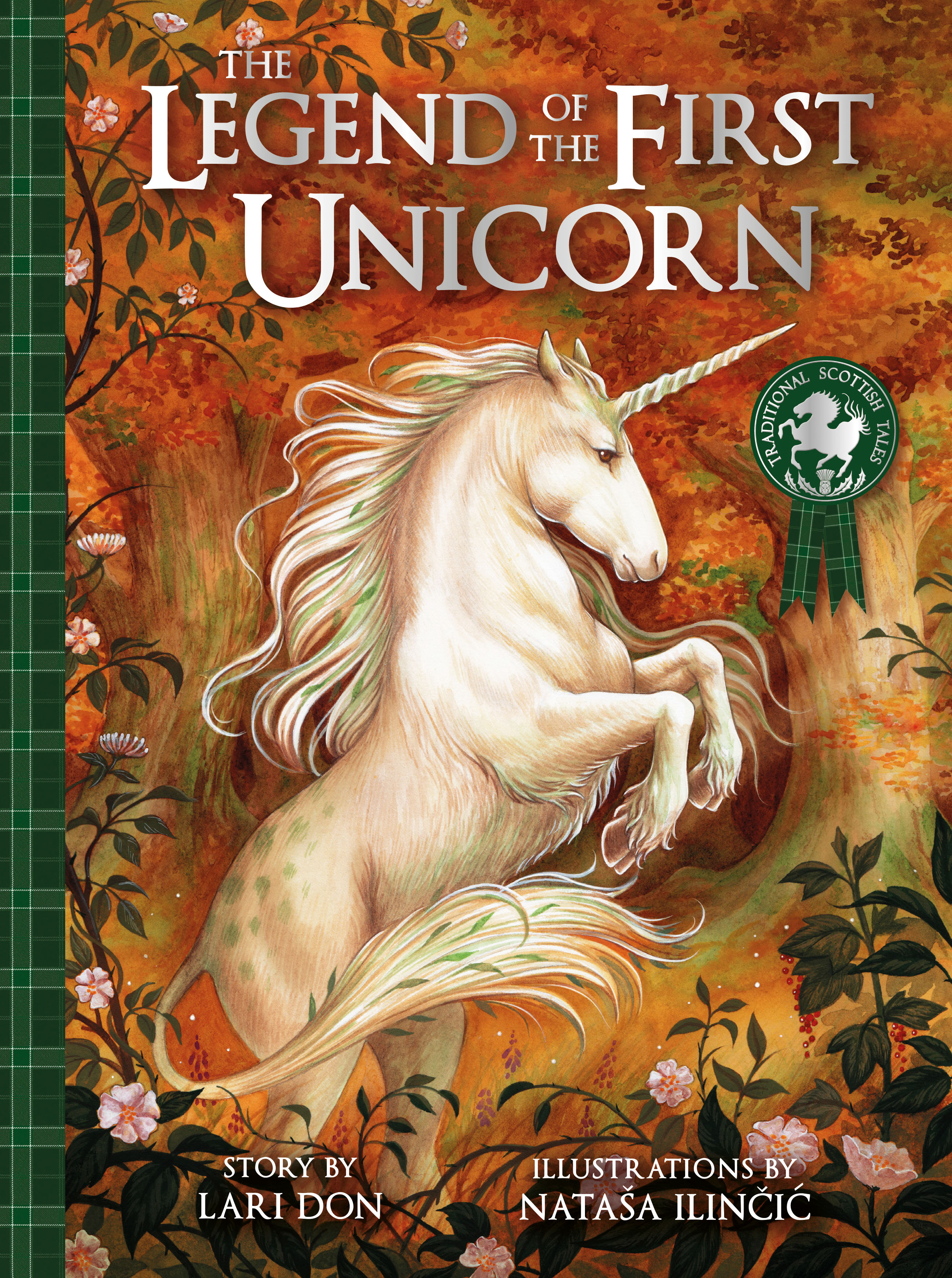
The Legend of the First Unicorn – a picture book about the origins of Scotland’s national animal, written by me and illustrated by Nataša Ilinčić – comes out on 20 Feb (though most of the launch excitement will be around National Unicorn Day on 9 April.)

Fierce Fearless & Free – a collection of traditional tales about strong girls defeating their own monsters and solving their own problems, retold by me and illustrated by Eilidh Muldoon – comes out on 5 March, just before International Women’s Day on 8 March .

So why does that add up to a busy spring? I’ve already imagined, pitched, researched, drafted, written, edited and proofread the books. Surely I can just move onto the next book now?
Well, not really. It would be a bit daft to put all that work (at least a couple of years’ work, for each of them, in amongst writing novels…) into any book, and then not bother to tell people about it!
So, over the next few weeks and months I will be:
appearing at various festivals
doing author events and signings in bookshops
visiting schools
writing blog posts
writing articles
doing radio interviews
and spending slightly too much time on Twitter …
All to share my excitement about the books, tell
people about the books and perhaps encourage people to buy the books (though
remember you can borrow my books from libraries for FREE…)
And it’s all very time-consuming, especially when I have a deadline for the next novel (shh, I’m not allowed to tell people out it yet!) later this spring. But it’s also great fun. I love sharing stories, and seeing readers’ reactions to new books.
I hope to meet some of you at events (check out my diary…) or hear feedback about what you think of the two new books!
September 16, 2019
The magic of working with an illustrator
I always discover something new at the Edinburgh International Book Festival. But not usually about my own books!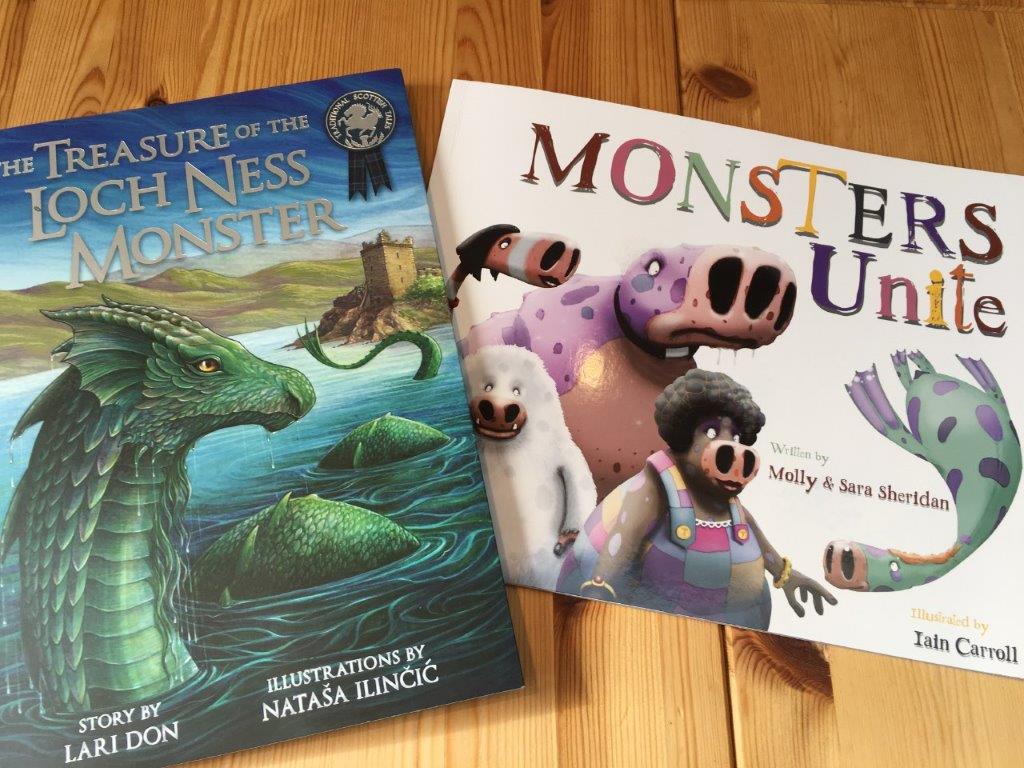
This year, however, I was astonished to discover something new about the creative process behind The Treasure of the Loch Ness Monster.
I did an event with the lovely Sara Sheridan about our two different picture books based on the same monster – Nessie.
We both intended to start the event with a short visual presentation about how our books were created. But my writing process is mostly scribbles on bits of paper, which isn’t that compelling visually. So I asked the illustrator of the Treasure of the Loch Ness Monster, the amazing Nataša Ilinčić, if she had any pictures of her creative process I could show, because her process is obviously more visual than mine.
I expected a few sketches of Nessie’s evolution, as Nata worked the shape and character of the monster, and perhaps some sketches of her background research. She did send those, and they were fantastic.
But she also sent a few photos which just blew my mind.
I discovered that when she was sketching the treasure chamber under Castle Urquhart, she actually built a 3D paper model of the chamber!
Look…
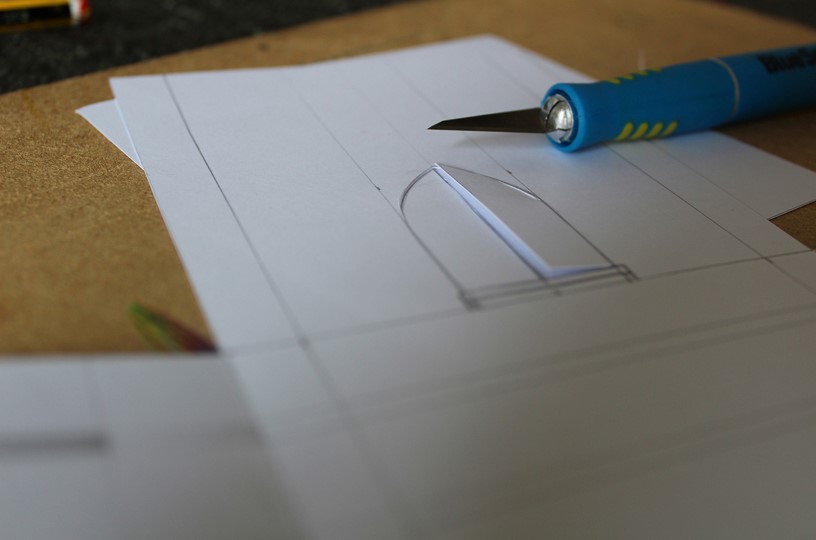
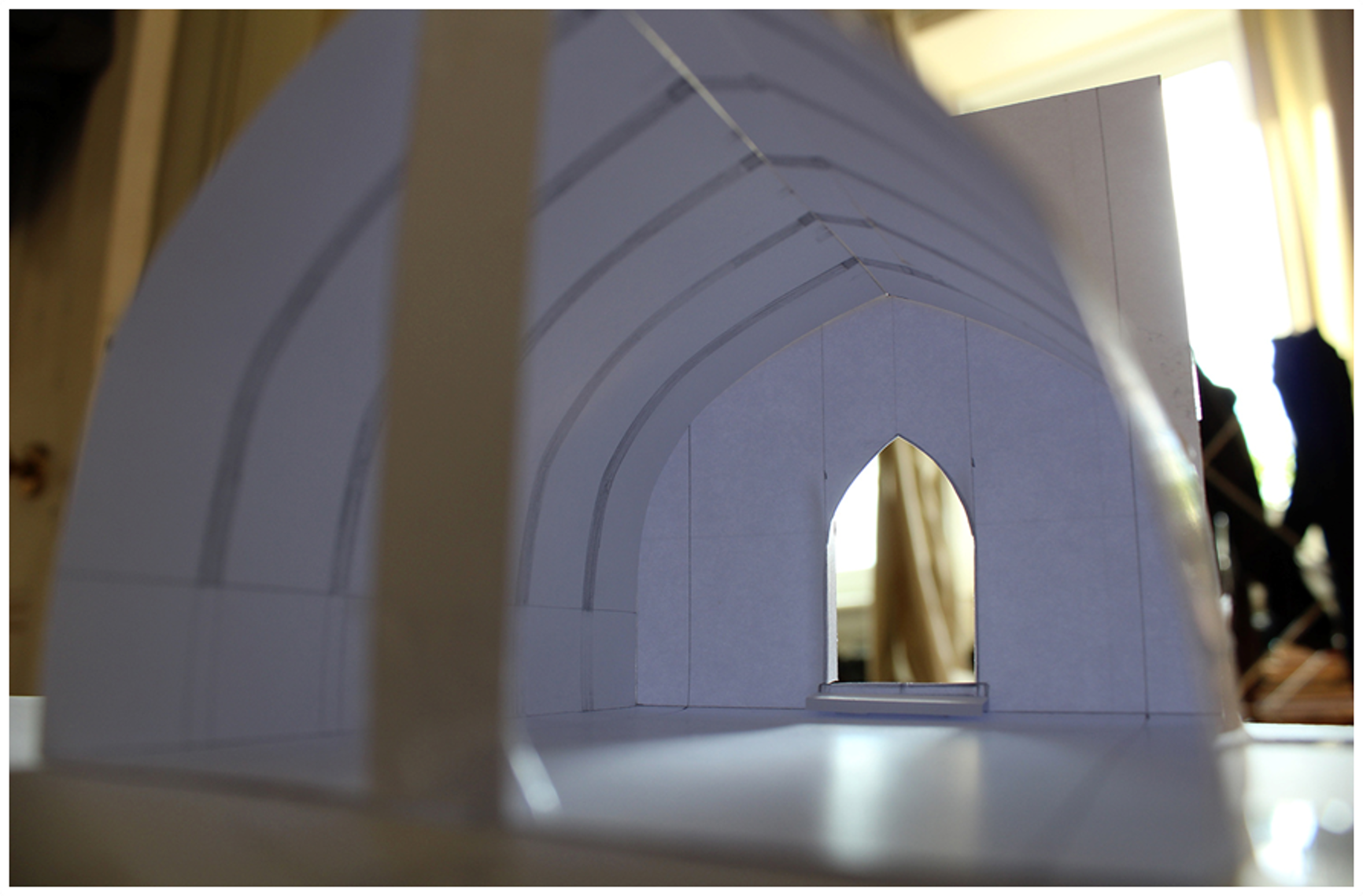
She didn’t just sketch the treasure chamber. She MADE it. Then she put it in front of a window to get the light and the perspective right, in the sketch, then in the illustration.
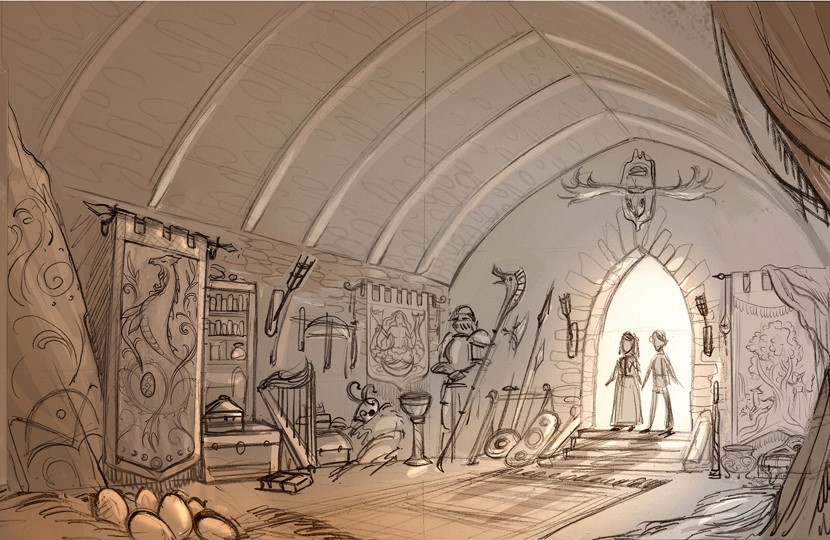
Isn’t that amazing? Isn’t that just so… magical? But also, really practical!
I feel overwhelmingly privileged that Nata put so much effort and thought and creativity into just one page of our book!
So, that’s what I learnt from this year’s book festival. Nataša Ilinčić is practical and magical and amazing. And we can never know how much work goes on behind the scenes of a picture or a scene or a chapter of a book…
I’m delighted to let you know that Nataša is currently working on the illustrations for our next book together: The Legend of the First Unicorn. I wonder what practical magic she’s building in her studio right now?
July 6, 2019
SEARCHING FOR THE STORY
One of the greatest pleasures of writing adventure books set in the Scottish countryside is researching locations: up hills, on beaches, and in lots of beautiful bits of Scotland.
But I don’t just go for a wander somewhere pretty! I visit potential locations to find out what’s there, but also to imagine what isn’t…
For the Fabled Beast series, I mostly researched locations I already knew from family holidays, like the Ring of Brodgar and Dunvegan Castle, or well-known tourist locations that were easy to find on the map, like Smoo Cave and Dunadd fort.
For the Spellchasers trilogy, I revisited woods and rivers and hills and moors that I knew from my Speyside childhood, and looked at them with a writer’s eyes, which was a slightly odd experience.
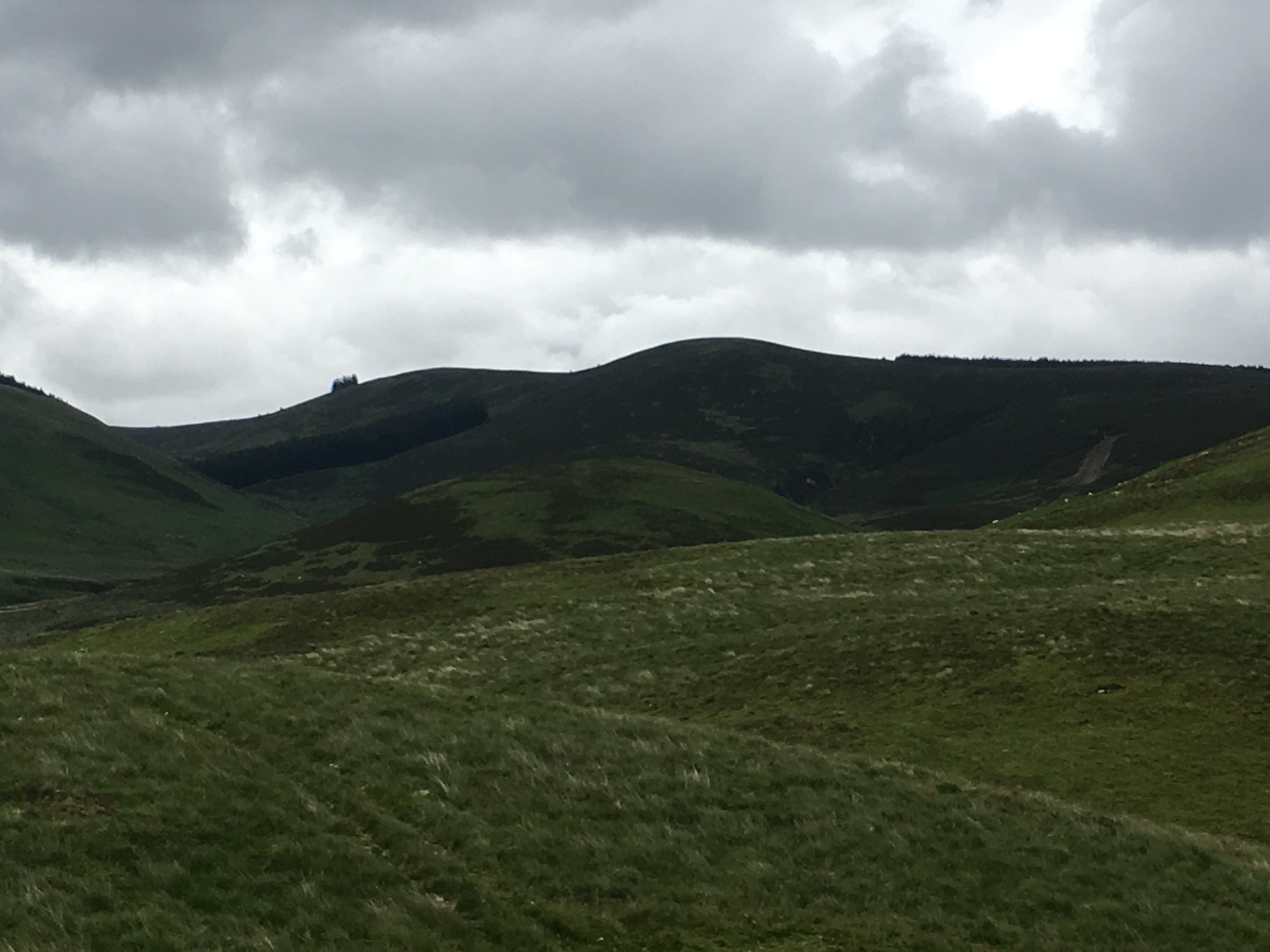
However, for my new series (which doesn’t have a name yet, and I can’t give away any spoilers – mostly because I’m not sure what happens in the end myself…) I’m mostly setting the action in places I’ve never been before, and often choosing to visit places that aren’t well-known, and aren’t always marked on a map…
So I might think: I want to defeat this monster, where could we do that? And after a bit of research I find an ancient poem hinting at a mysterious weapon used at a real historical battle, and decide to visit the site of the battle…
Or I might think: I want to write about that magical creature, where might she live? I know, perhaps she lives near the childhood home of my favourite folklorist…
Or I might say: I love that really obscure fairy tale, I wonder if I can find the (non-existent, magical) hill that fits the story?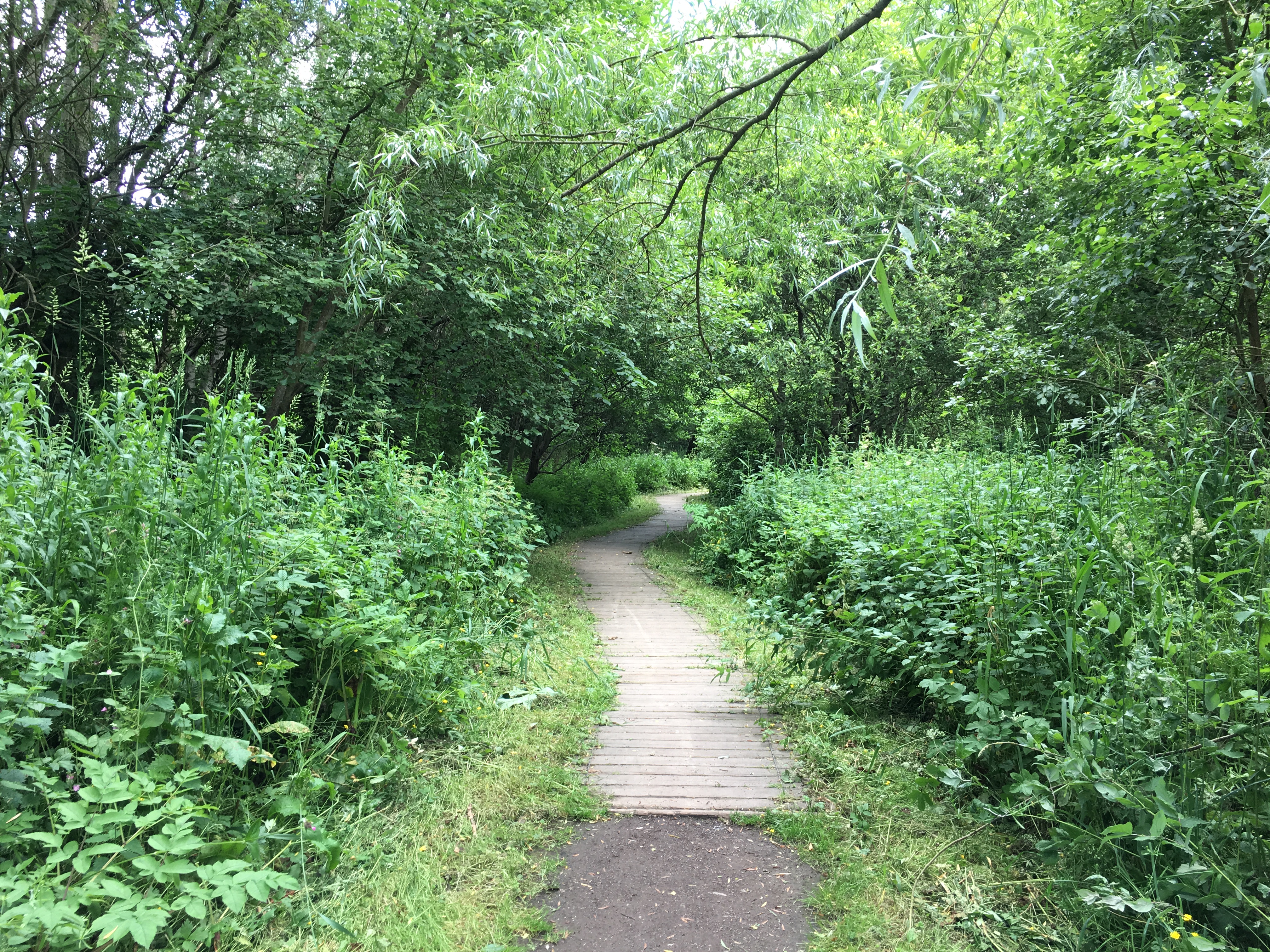
So it’s like magical geographical detective work, with a fair bit of research and map-reading before I go. And when I get there, even if I can find the right location, it’s never exactly how I’d imagined it…
I’m discovering lots of bits of Scotland I didn’t know very well before, and lots of potential locations with historical or folklore connections which I think will be really exciting to write about.
Because that’s the point – I do all this research in order to write the best story I can. I visit all these places hoping to imagine new ways to use magic and ambushes and battles and surprises. I sit on rocks or walls or tree stumps, letting the landscape suggest new and exciting ‘what happens nexts’ for me to write, and new and challenging questions for me and my characters to answer.
I don’t tend to take photos of locations, because I reckon that if I can’t find the words to describe them when I’m actually standing there, I’m not going to be able to do it when I’m sitting at my desk looking at a photo.
But my very helpful location research quest team member and driver sometimes takes pictures of me while I’m scribbling:
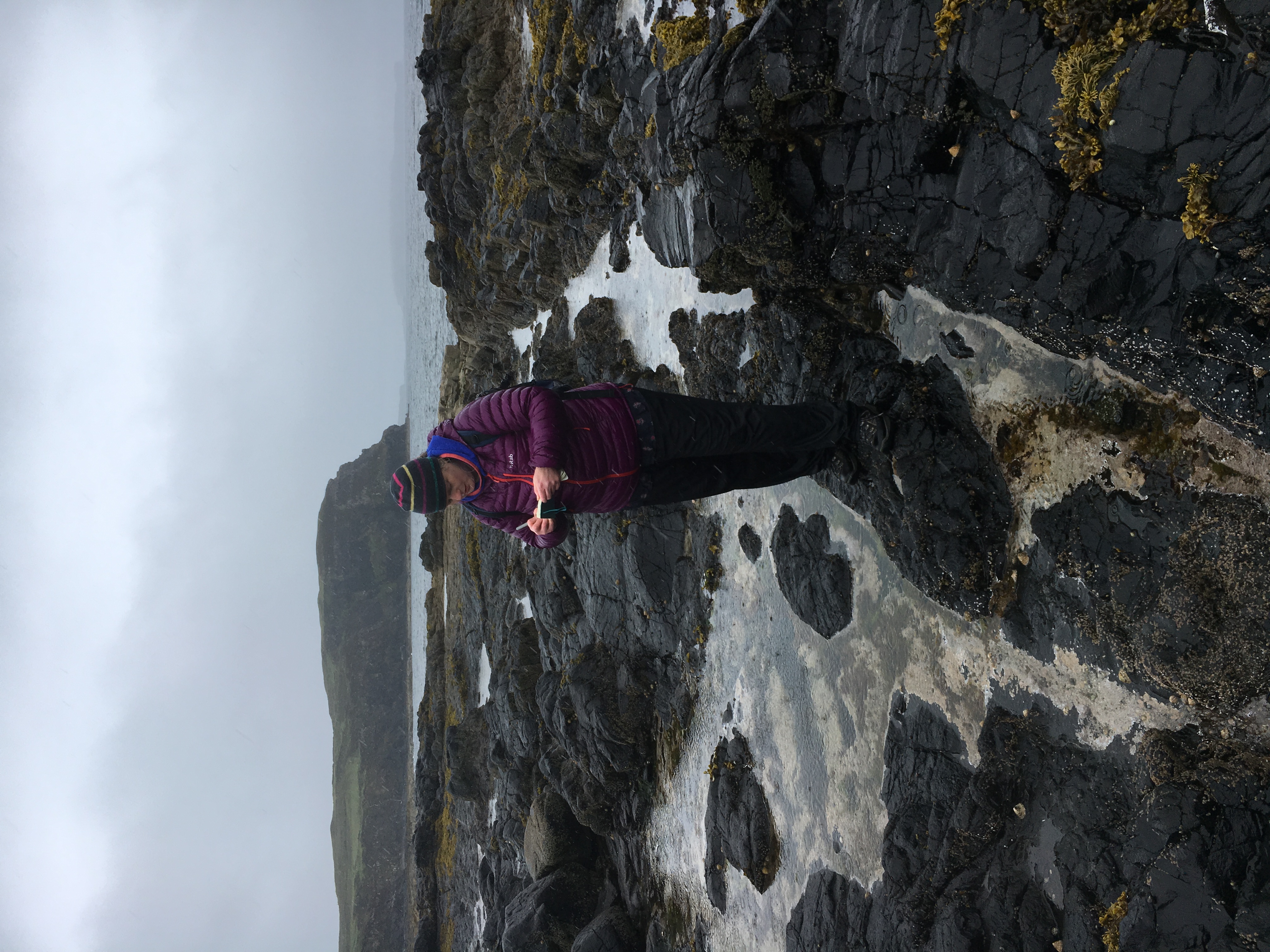
Me on a very wet beach in Skye. I bought a waterproof notebook after this research trip.
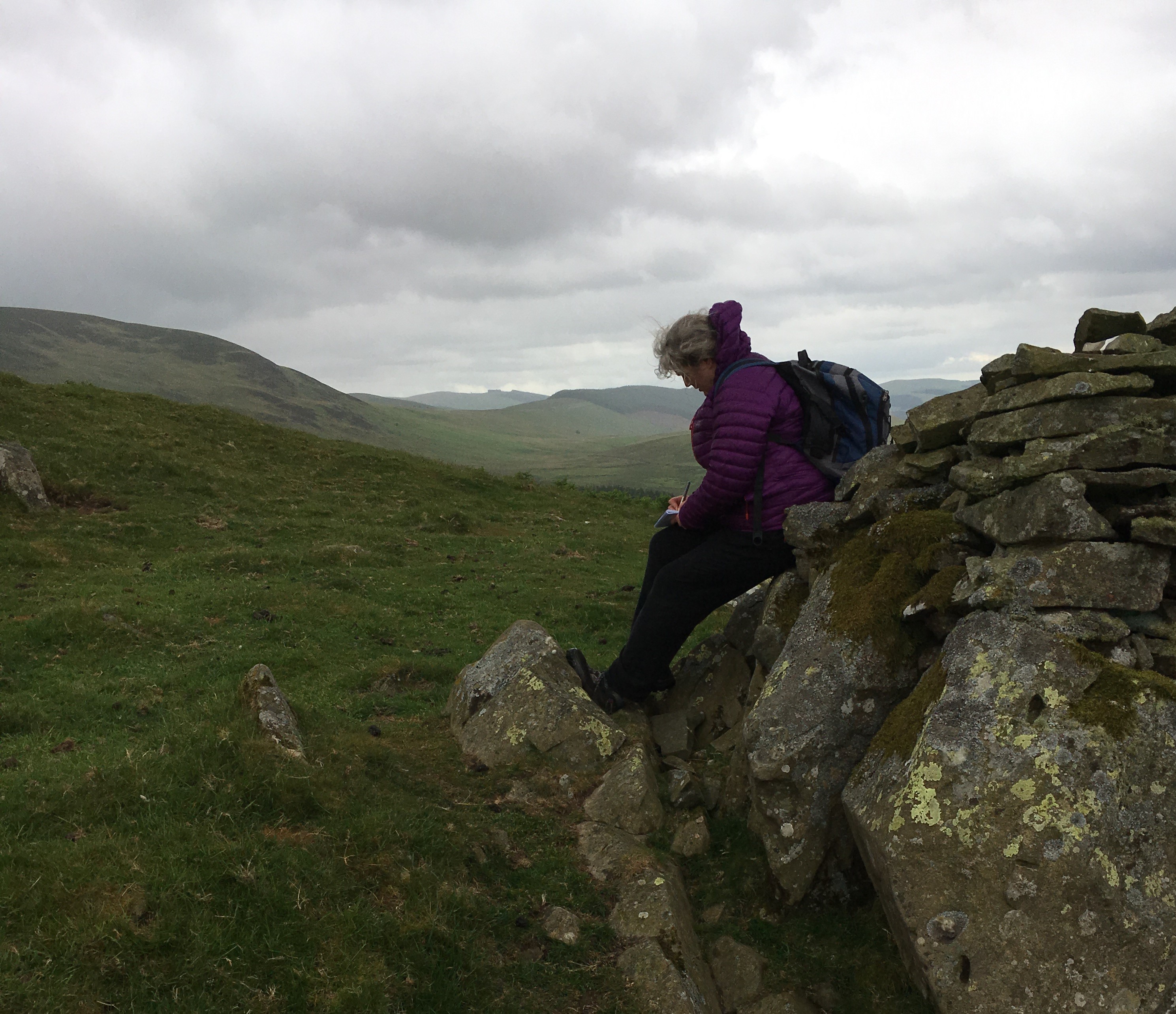
Me on a windy rainy hilltop in Annandale. (Having foolishly left the new waterproof notebook in the car, at the bottom of the hill.)
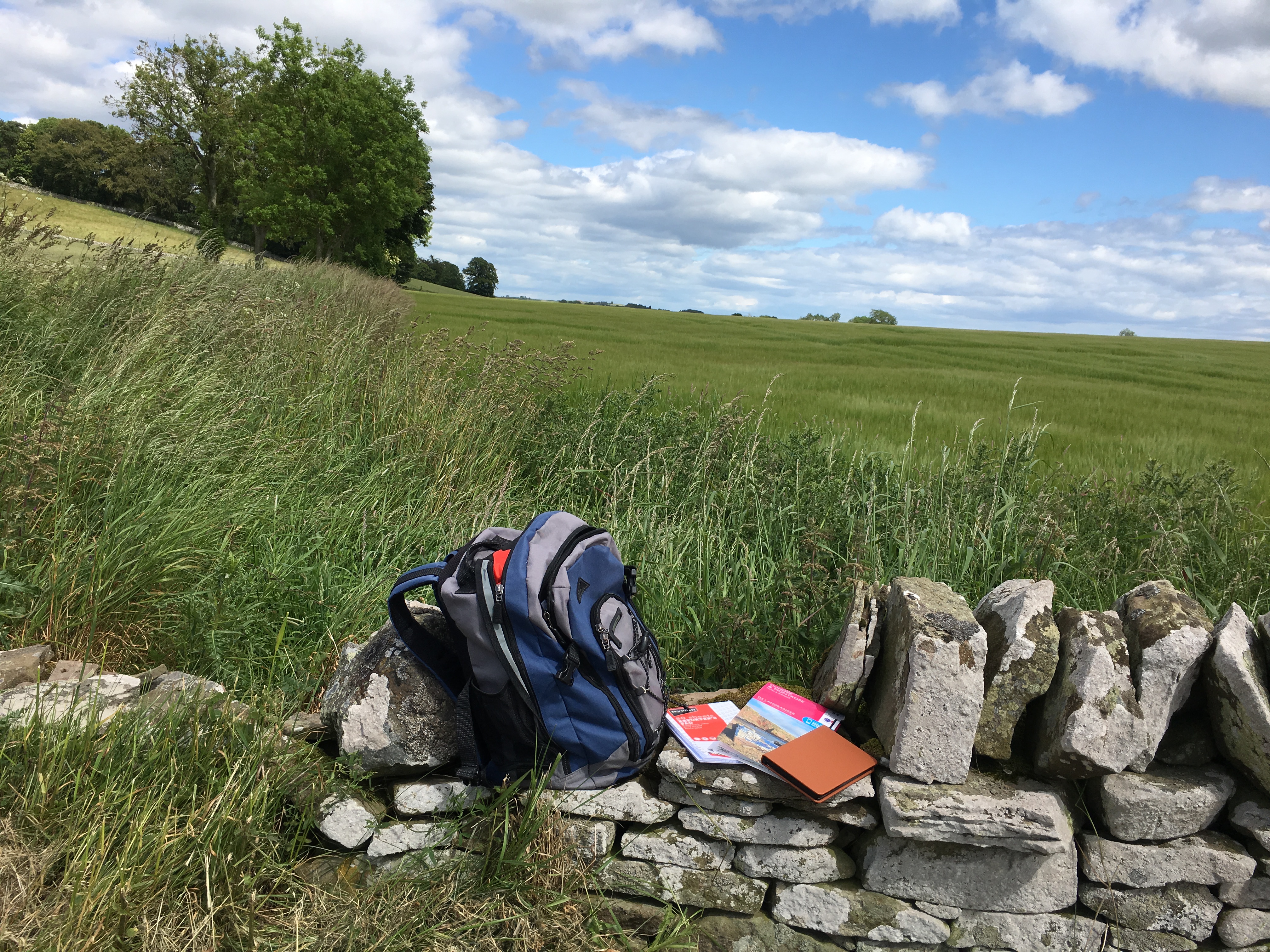
My temporary desk on a sunny day in Angus. I remembered the waterproof notebook (that’s it on top of the OS map) but didn’t need it…
But it’s not just about the where, it’s also about the when.
It’s all about the right time of year. I often visit a location at completely the wrong time of year, because I’m writing it at the wrong time of year… The book I’m writing right now is set in early July, ie right NOW, but I’ve been writing it since the start of the year and will be writing it until the end of year. However, I’m trying to do as much of the location research as possible at exactly the right time.
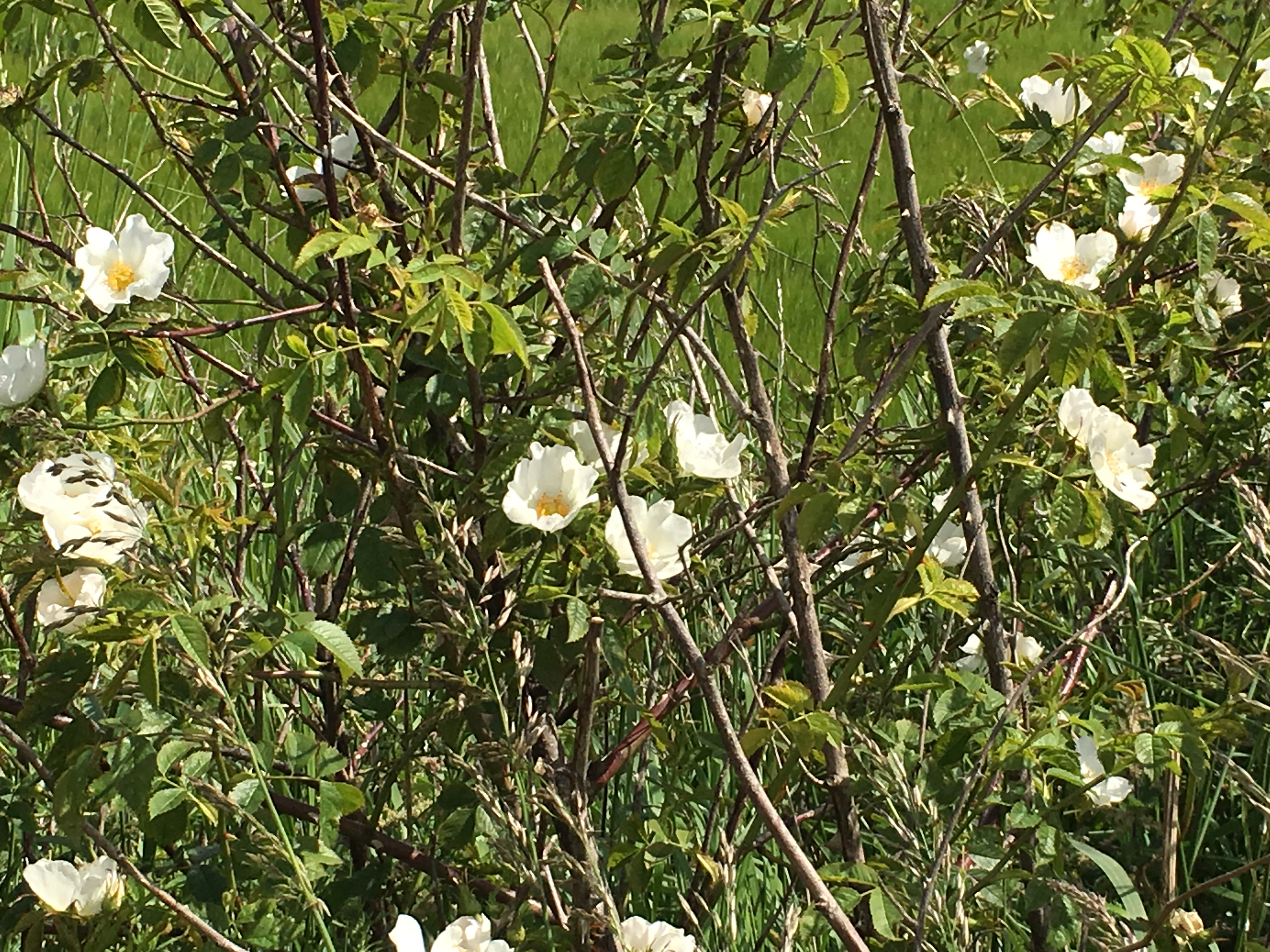 And just as well. I first visited the place my baddie lives before Easter, and noticed that all the stone walls my main character would have to climb over in order to sneak up on the baddie’s lair were overgrown with brambles, so I wrote a very thorn-based scene. I went back last week, to check a few other things, and the three months of sun and rain and growth meant that while there were still brambles, they were barely visible past nettles, sticky willies, rosebay willowherb, and these lovely wild roses. So if I had written what I’d seen in March, as if that’s what my character experienced in July, I would have been horribly wrong… The landscape itself may not change from month to month but the vegetation does, and if you are on foot tracking a monster, that’s quite important!
But fitting all this research into the few days when the story happens, means that I have to research the scenes in the wrong order. One day this week, I spent the morning researching the location for the battle at the end of the book, then in the afternoon, I visited the village where the main character first meets the baddie, a scene which happens several days and many chapters before that battle. It’s a bit like time travel…
But it’s great fun, and I hope it means that my stories feel real and convincing to anyone who is familiar with the locations of my battles and quests. Also I’m sure that I come up with original and spontaneous ideas when I’m standing on rainy beaches and windy hilltops that I would never imagine sitting at my calm dry desk…
So, now I have lots of inspiration. All I have to do is write down all the ideas. In roughly the right order…
I hope you have a great summer, finding locations for your own adventures!
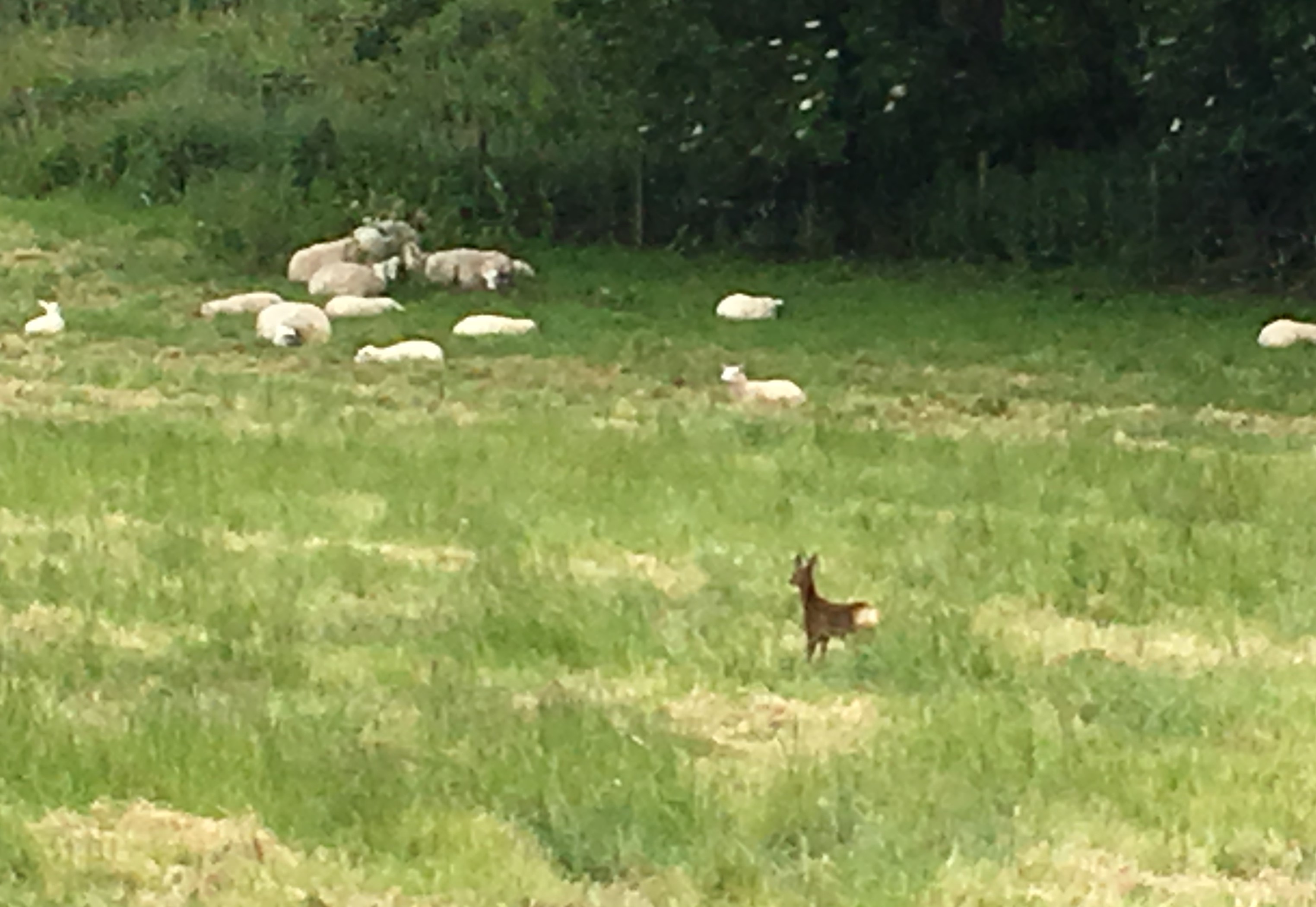
And here is a bonus baby roe deer that I met while researching last week. (At least, I think it’s a roe deer – happy to be corrected!)
December 14, 2018
Stories Inspired by Winter
I love winter. I love frost-patterned windows, ice-rimmed leaves, brisk cold air, seeing my breath ahead of me, and wearing hats and gloves and scarves. I’m definitely a winter person rather than a summer person.
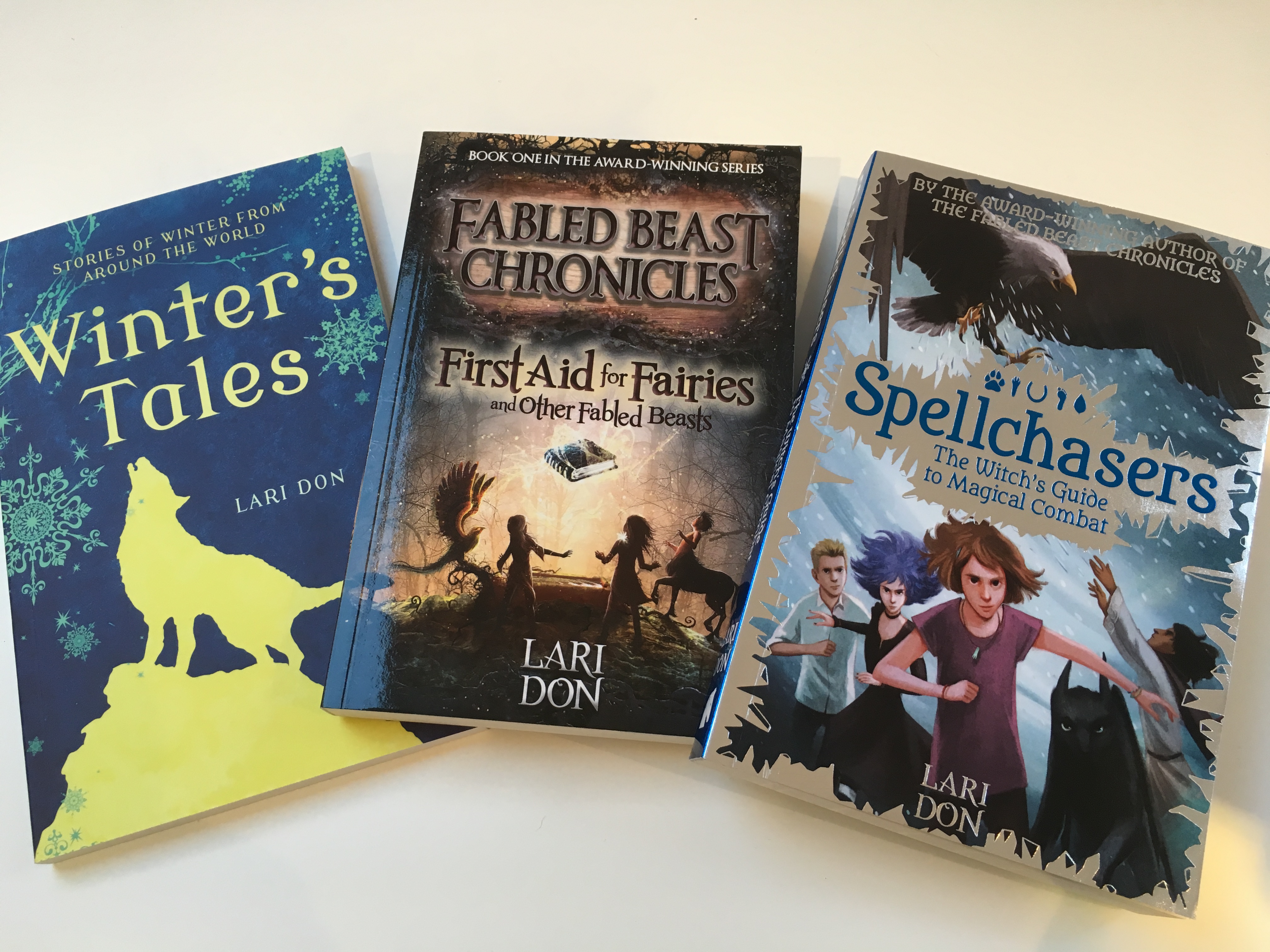
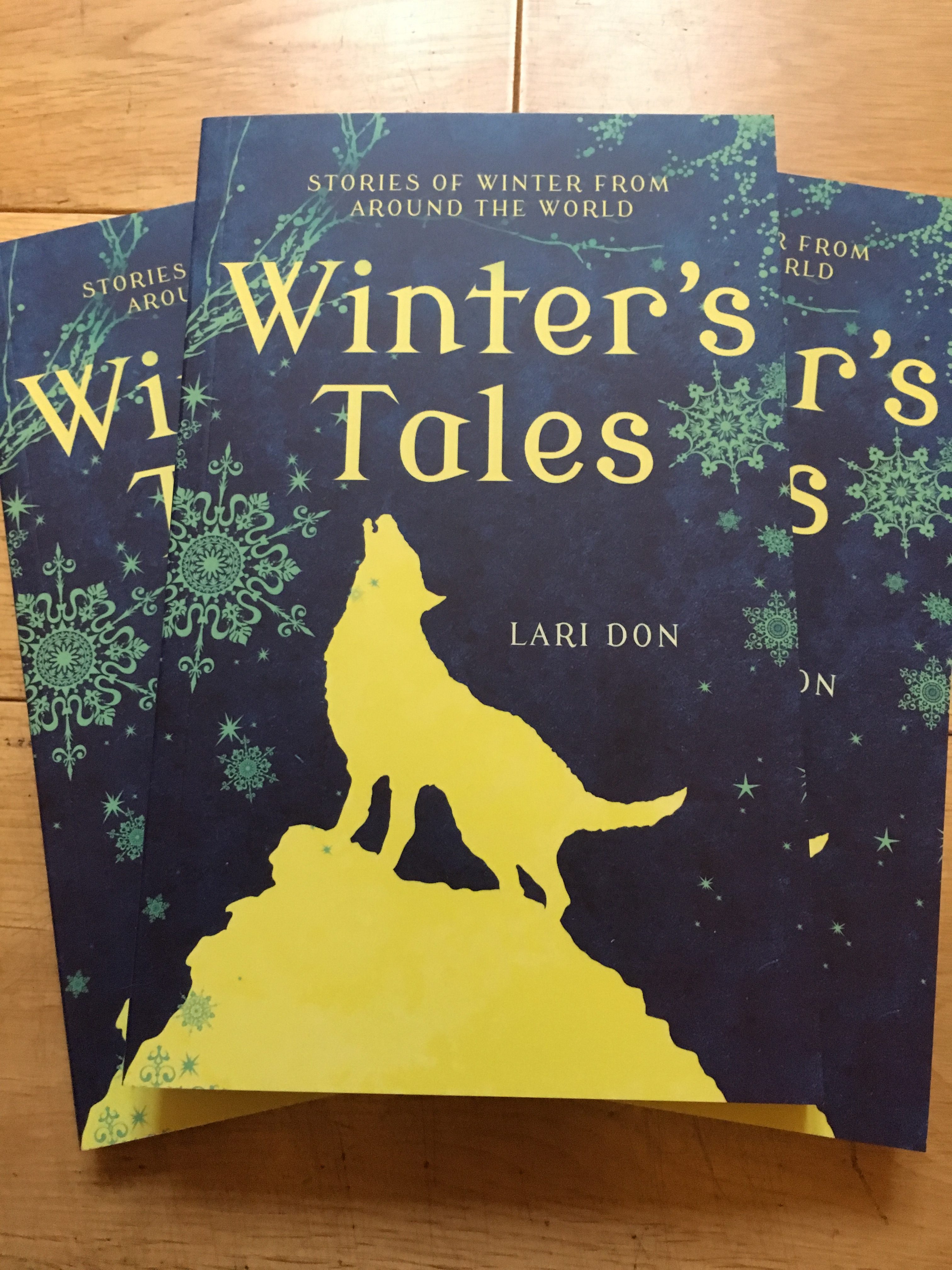
My love of winter inspires my books. For example, I’ve written a collection of winter tales from around the world, with lovely crisp silhouette illustrations by Francesca Greenwood.
I loved researching this book, and discovering how winter is viewed in different cultures. In some (colder) parts of the world, winter is the baddie, killing the friendly warmth of summer; in other (hotter) areas, winter is the goodie, saving people from the vicious heat of summer. Also I got to retell stories about wolves, polar bears, eagles, reindeer, trolls, and the only really positive story I ever tell about spiders.
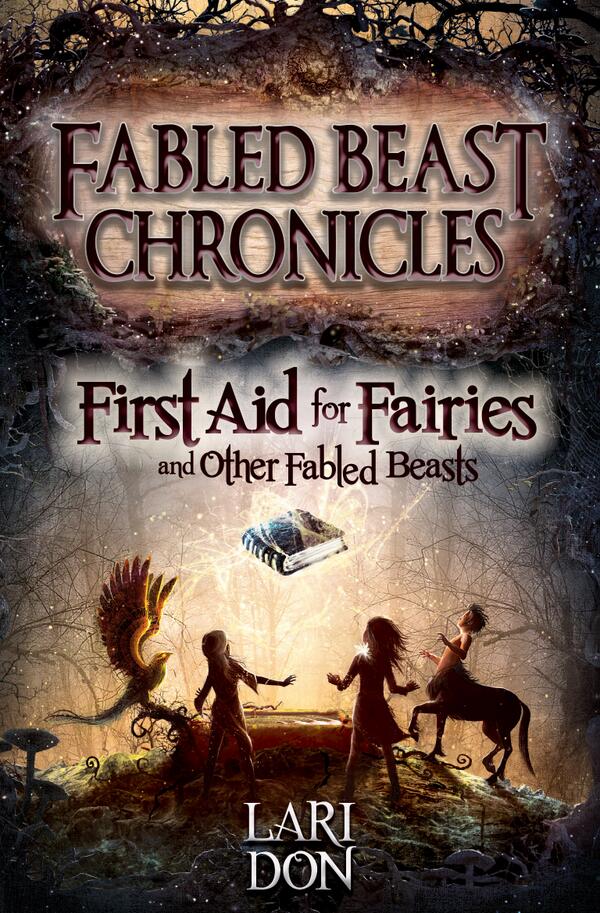
Winter inspires my fiction too: I’ve set a couple of my Scottish adventure novels in cold Scottish winters.
First Aid for Fairies is set around the winter solstice, though in keeping with my experience of most Scottish Decembers, the weather during Helen’s first adventure with the Fabled Beasts is cold and wet (including raining on one of Helen’s violins!) but not actually snowy.
The final book of the Spellchasers trilogy, The Witch’s Guide to Magical Combat, is set in February, which is often colder than December, so I wrote a fight scene set in a blizzard, with sharp snowflakes used as weapons again Molly, Innes and their friends. And this book has a beautiful icy blue cover!
Even though my other novels are set in spring, summer and autumn, I often do my location research in the winter, during the Christmas or February holidays.
So when I was researching Storm Singing (which is set in the autumn) I was trapped in the snow on a steep road in Sutherland. And when I was researching Maze Running (set in spring) I was nearly blown off a cliff during a winter storm, and I dragged my kids up a hill on a freezing cold Christmas Eve to time how long it took a flower to float down seven waterfalls. (They have never entirely forgiven me…) So when I reread those books, I’m always reminded of winter!
Of course the best thing about winter isn’t the weather outside, it’s curling up inside, with a warm blanket and perhaps a purring cat and a hot drink, to read a shiny new book. I hope to do lots of warm reading this winter.
But I will also be researching and writing more books over the winter months. And I’ve just realised that my current books are set in spring, summer and autumn. It’s definitely time to come up with some new wintry story ideas!