
Arvind Devalia's Blog
October 19, 2026
We All Need Someone Who Is Glad to See Us

“I’d talk to the TV.”
Those words caught my attention in a BBC report, and then my thoughts turned to my mother.
The report about paid companionship in China described the loneliness of Yang, a 91-year-old woman living on the outskirts of Beijing. After her husband died, she sometimes spoke to the television because she wanted someone to talk to.
Her days began to change when Wang Yingwei and his team started visiting twice daily with hot meals, practical help and human company.
My mother loved watching spiritual broadcasts on her iPad while resting in bed. She passed away in October 2022, aged 86.
She lived with my brother and sister-in-law. My sister and I visited frequently, as did three of her siblings who lived locally. She was surrounded by company and conversation.
I believe her long, happy life owed something to that surrounding love and support. She knew she mattered to us.
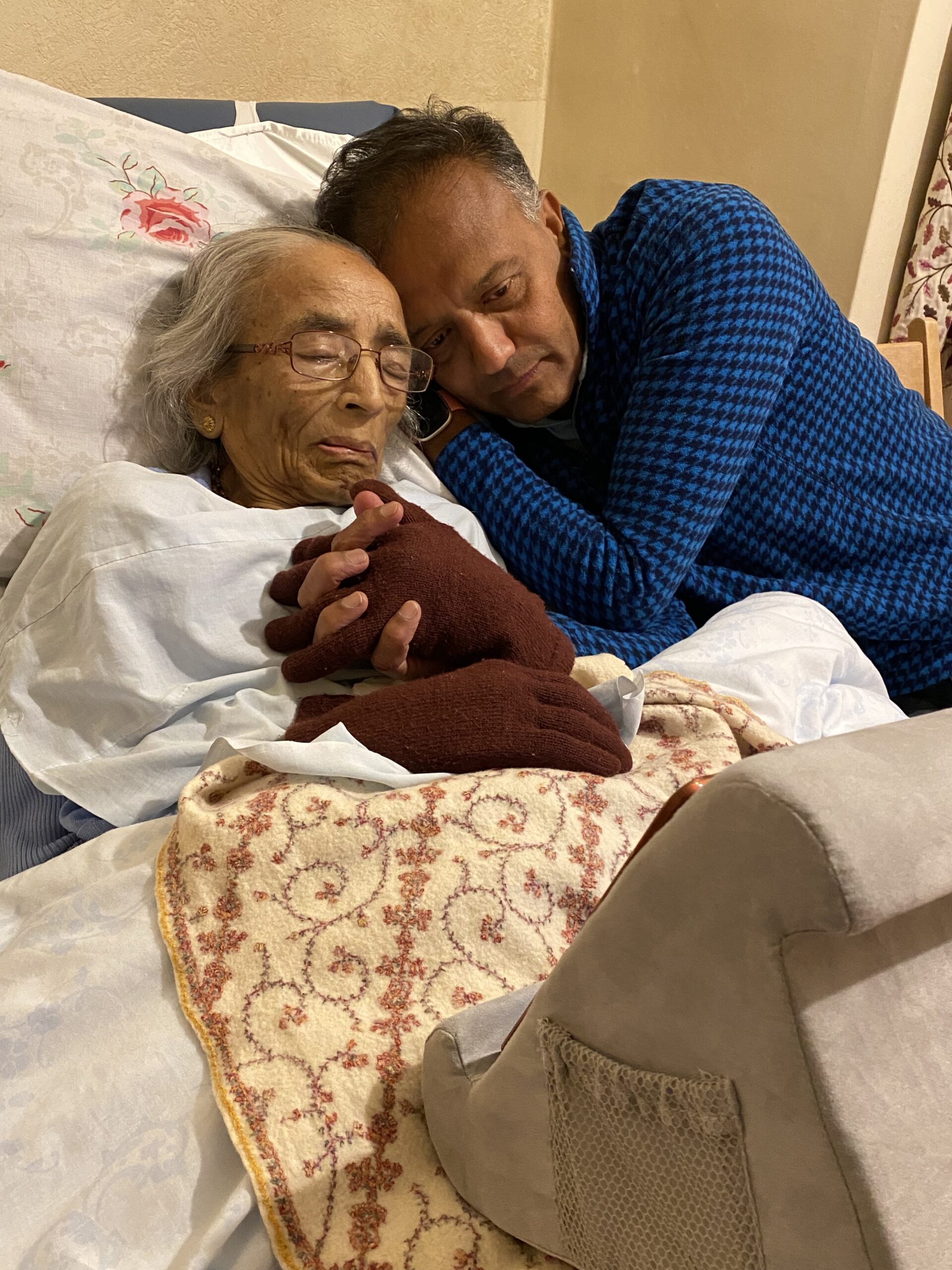
My heart breaks when I hear about older people living in isolation, with few visitors, sometimes none at all.
I think of the stories they could share, the affection they still have to give, and the ordinary things they might want to tell someone.
The ordinary details of a life deserve a listener too.
A Yellow Rose from Our GardenWhen I was a young child, an older woman lived a few doors away from us. I used to see her at her window every day. To my young eyes, she looked sad and lonely.
One day, I picked a single yellow rose from our garden, walked over to her house and knocked on the door.
There were no rose bushes around her house, which made bringing her that flower feel particularly special.
I will always remember her face when she opened the door and I handed her the rose. Her joy was extraordinary. She positively lit up.
That day, I learnt how little it can take to bring happiness into someone else’s day.
Looking back, I wonder whether part of her delight was knowing that a child a few doors away had thought of her.
We all want to feel that we matter to someone.
Even after a busy day, you can reach the evening wishing you had someone to talk to about what really matters.
Yet we hesitate to call, assuming our friends are busy. How much easier would it feel if we knew our company was welcome?
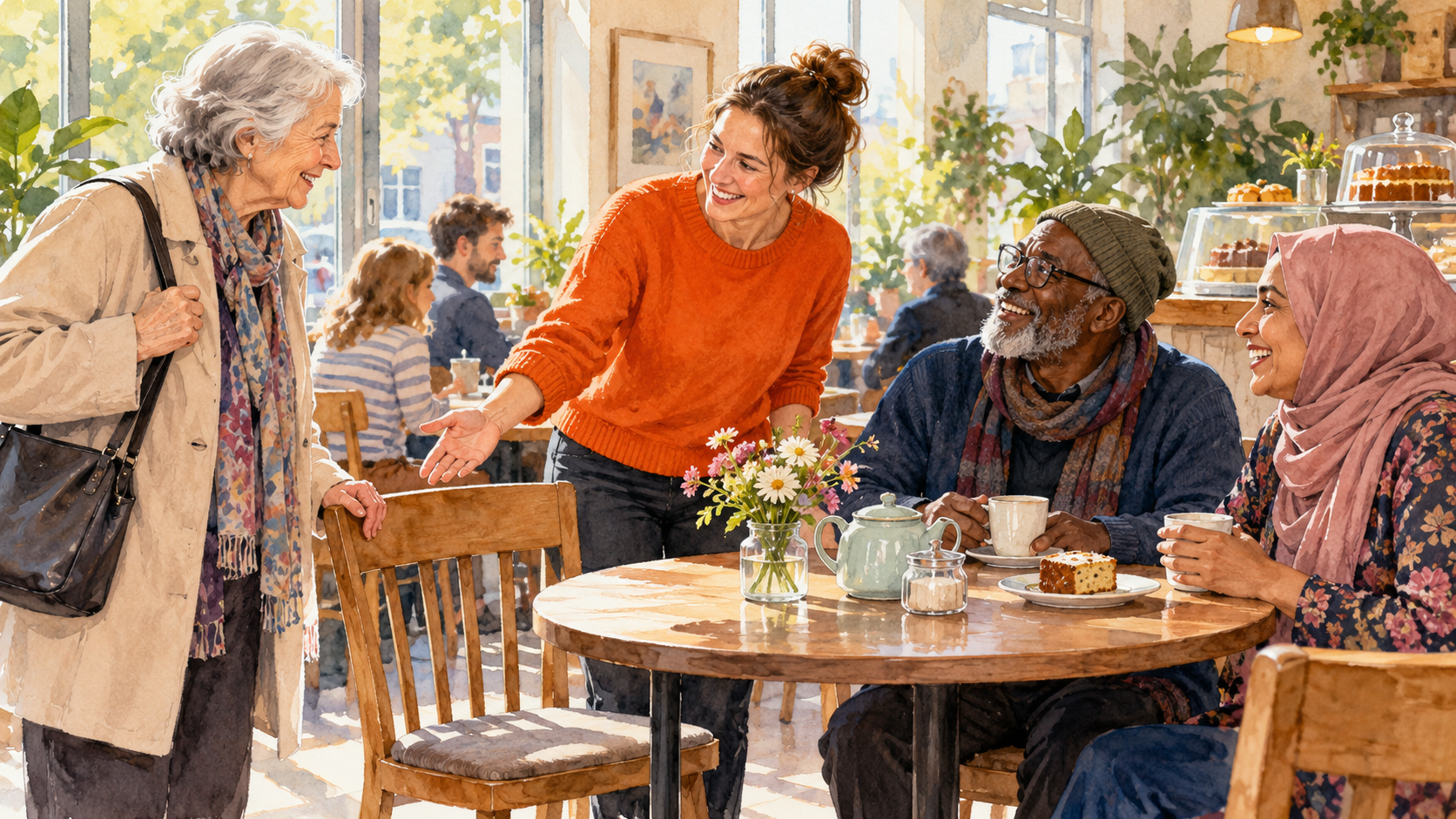
My friend Amanda introduced me to an initiative called Empty Chairs.
A volunteer hosts a table in a pub or café, leaving seats available for anyone who would enjoy some company.
You can arrive alone, without booking or paying to attend. There is no expectation to buy anything, explain why you came or share anything personal. The host wears orange so you can find them easily.
Knowing someone is there to welcome you could make walking through that door a little easier.
Empty Chairs began after Dean Perryman lost his best friend Rob in late 2025. That December, Dean committed to sitting in a pub every evening, making space for anyone who wanted a conversation.
The first person joined him on day four.
That detail stays with me. Dean kept showing up before he knew whether anyone would come.
We cannot know what will grow from the space we create for another person. Dean created it anyway.
It expresses something I love about bringing people together around a table: giving someone a place where they know they can join in.
Perhaps one of the kindest things we can do is remove someone’s doubt about whether they are welcome.
You can explore Empty Chairs to find a gathering or consider hosting.
Taking Care with Our WordsThat spirit of welcome also asks something of me: to consider how my own words and actions make people feel, even after a gathering has ended.
I know I haven’t always made people feel welcome. Something I said and shared left a friend feeling unwelcome and caused them real pain.
I deeply regret it. My words fell short of the care I want to show others, and I am committed to doing better.
It has reminded me to take greater care with my words, both with people I love and with those who barely know me. Caring about connection means being willing to recognise when our own actions have damaged it.
The Buddhist teaching of right speech offers me a reminder to pause before speaking or sharing. Three questions I want to keep close are:
Is it true? Is it useful? Is it kind?
And even then, I can ask whether this is the right moment to say it.
These are questions I need to practise myself.
Three Ways to Make Room for Each OtherWe can bring that welcome into our everyday lives.
1. Let someone know you would love to see them“Would you like to join me for a walk on Thursday? I’d love to see you” offers a clear invitation.
Think of someone you miss, or someone you would like to know better. Invite them into something you are already doing: a walk, a cup of tea, a trip to the market.
If they decline, let them feel just as welcome another time.
2. Follow a kind thought with a small commitmentMany of us carry unfinished intentions: the friend we meant to call, the neighbour we promised to invite round, the person whose difficult appointment we intended to ask about.
We care, and then the week fills up.
Choose one of those intentions and give it space in your diary. Perhaps arrange a regular call or an occasional lunch, at a rhythm that works for both of you.
Remembering what someone was worried about and asking how it went helps them feel cared for, even when we are apart.
3. Allow yourself to be welcomed tooIf you are used to looking after others, admitting that you would appreciate company may feel unfamiliar.
You are allowed to say, “I’d really enjoy seeing you this week.”
You can accept an invitation without working out how to repay it. You can arrive with your own worries, your unfinished thoughts and whatever kind of day you have had.
The love and support I wished for my mother are things I wish for you too. You deserve to receive the warmth you offer others.
What One Small Gesture Can BeginPractical support, accessible places to gather and dependable services all matter in addressing loneliness. Alongside them, each of us can help someone feel wanted.
This is why the Connection Revolution matters so much to me. I want us to make room for one another while we have the opportunity, and to let ourselves receive love too.
In an earlier article, I explored the question: What if we are here to create miracles for one another?
One thought continues to guide me:
We can live in ways that make extraordinary possibilities more likely for one another.
An invitation gives a friendship somewhere to begin. Showing up again gives it a chance to grow.
I still remember the joy on that woman’s face when I handed her the yellow rose. As a child, I had no grand plan. I simply saw someone who seemed lonely and wanted to brighten her day.
That possibility is still available to us.
Who has come to mind as you have been reading? What small gesture could you make towards them this week?
Perhaps today is the day to make that invitation, pick up the phone or knock on the door.
An Invitation to TalkIf you are wondering what comes next in your own life, I would love to offer you a coaching conversation.
We can explore what matters to you, what you want to change and what you would love to create from here.
Get in touch, and we can arrange a time to talk.

The post We All Need Someone Who Is Glad to See Us appeared first on Arvind Devalia.


October 12, 2026
Are We Building a Future We Actually Want to Live In?
We say people matter most. But would someone looking at our diary believe us?
I have been sitting with that question. It feels particularly awkward for someone who writes a newsletter called The Connection Revolution.
I can spend time thinking about connection, writing about it and encouraging others to make room for it. None of that automatically means I have picked up the phone or arranged to see someone.
A beautifully written paragraph about friendship is still no substitute for being a friend.
Recently, a memory from more than twenty years ago reminded me of what can happen when we make the effort to show up.
A fifteen-minute walk. Twenty years of friendship.In December 2005, a few weeks after publishing my book Get the Life You Love, I took some copies along to an Ecademy gathering at the London Marriott Hotel in Marylebone.
The hotel was just off Edgware Road, about fifteen minutes’ walk from my home. I sold a few books and made lots of connections.
One of the people I met that day was Nicky Pattinson. We have been friends ever since.
I couldn’t have known, walking into that gathering with my newly published book, that I would meet someone who would still be part of my life more than twenty years later.
That memory came back when I read a post by Penny Power, who founded Ecademy with her husband, Thomas. I was one of their early members, and her reflections reminded me of people getting to know one another online and then meeting in person.
I miss that personal connection. And I wonder how much room we are making for it now.
We can reach thousands of people without leaving the sofa. But when did we last get up from that sofa to see someone we keep saying we must catch up with?
I ask that with affection, and with a finger pointing back at myself.
Being in touch isn’t always the same as feeling connectedPerhaps you recognise this.
You care deeply about someone, but another week passes. You see their updates, perhaps leave a comment, and feel you have been in touch.
You know where they went on holiday or what they had for lunch. You may have no idea what is worrying them, what they are excited about or what they wish they could tell someone.
Meanwhile, the conversation you both might need never happens.
Online exchanges can be meaningful. A thoughtful message can arrive at exactly the right moment, and technology allows us to maintain friendships across enormous distances.
But there is a difference between noticing someone’s update and giving them your attention.
Sometimes, we need to make the call, ask another question or arrange to meet. We need to allow enough time for the conversation to move beyond “How are you?” and “Fine, thanks.”
That takes a little more effort. It also gives connection a chance to deepen.
What are we saving all this time for?I use AI, and I appreciate what it helps me do. Technology allows me to share my work and connect with people I might otherwise never meet.
But if these tools are saving us time, I want us to be more ambitious about what that time is for.
An unhurried lunch. An evening when the people we love have our full attention. Space to have a conversation without mentally preparing to leave it.
Instead, it is terribly easy to decide that the reward for getting through our work faster is… more work.
What a peculiar bargain to make with ourselves.
I have ambitions. There is work I want to do and an impact I want to make. I also want love, friendship, laughter and the freedom to enjoy the life I am working so hard to create.
Those things need an actual place in the week. They cannot forever be what we get round to once everything else is finished.
If greater efficiency leaves us with less patience for one another, we need to question what we are becoming more efficient at.
The future is taking shape in our everyday decisionsMy coach recently encouraged me to think about the Connection Revolution in a wider context: how we stay grounded in who we want to be while taking responsibility for the changes we help create.
That question belongs in the boardroom as much as around the kitchen table.
The choices we make about our own time also shape what we expect from others. If we treat every spare moment as an opportunity to get more done, that can become the expectation in our teams, our businesses and even our families.
If you lead people, greater efficiency could give your team more room to think, learn and support one another. It could also become a reason to keep increasing the pressure.
A business can offer six ways to get in touch and still leave a distressed customer unable to find a person who will listen.
We should be willing to challenge that. Calling something progress does not put it beyond question.
The future is being shaped by what we build, reward and accept—including what we accept from ourselves.
That gives each of us some responsibility, and some power.
We can protect time for conversation at work. We can notice whose voice is missing when a decision gets made. We can make it easier for someone to admit they are struggling, without immediately treating their difficulty as a problem to hurry past.
At home, we can put the phone down and give the person beside us a chance to finish their story.
These choices may seem small. They help establish what the people around us can expect from us.
You can’t outsource being humanFriendship can be inconvenient.
Someone you love may need you when your diary is full. A proper conversation may take longer than you hoped and lead somewhere you hadn’t intended. Asking for help may mean admitting that you cannot manage everything yourself.
That is part of allowing people to matter.
We cannot expect deep relationships to develop if we only give them whatever time and attention we have left over.
For me, the Connection Revolution means putting that belief into practice. Making the invitation. Being willing to listen. Allowing someone to contribute to our lives as well as looking for ways to contribute to theirs.
It also means creating opportunities for people to meet.
So, shall we have dinner?On Thursday 22 October 2026, I’m hosting my next Interesting People Dinner in central London, and I’d love you to join us.
We’ll share a meal, get to know people we might otherwise never meet and give conversation time to unfold.
You don’t need a polished introduction or an impressive job title. Come with your curiosity, your stories and a willingness to discover something about the person beside you.
Perhaps you’ll hear a perspective that challenges your own. Perhaps you’ll find yourself laughing with someone who was a stranger an hour earlier.
Perhaps a friendship will begin.
Find out more about Interesting People Dinners →
You can also email me to register your interest. The venue, time and price will be shared before you decide whether to book.
If London is too far away, invite a few people around your own table. You might ask each of them to bring someone the others haven’t met. It doesn’t need to be an elaborate occasion; give yourselves somewhere to sit, something to share and time to talk.
Back in December 2005, a fifteen-minute walk led to a friendship that has lasted more than twenty years.
There are people you have yet to meet who could become a beautiful part of your life.
Let’s leave room for them.
If the future were shaped by how you spent your time and attention this week, would you want to live there?
I’d love to hear what that question brings up for you. Send me an email – perhaps this can be the beginning of a proper conversation.
The post Are We Building a Future We Actually Want to Live In? appeared first on Arvind Devalia.
October 5, 2026
What Is Your Life Saying to the World?
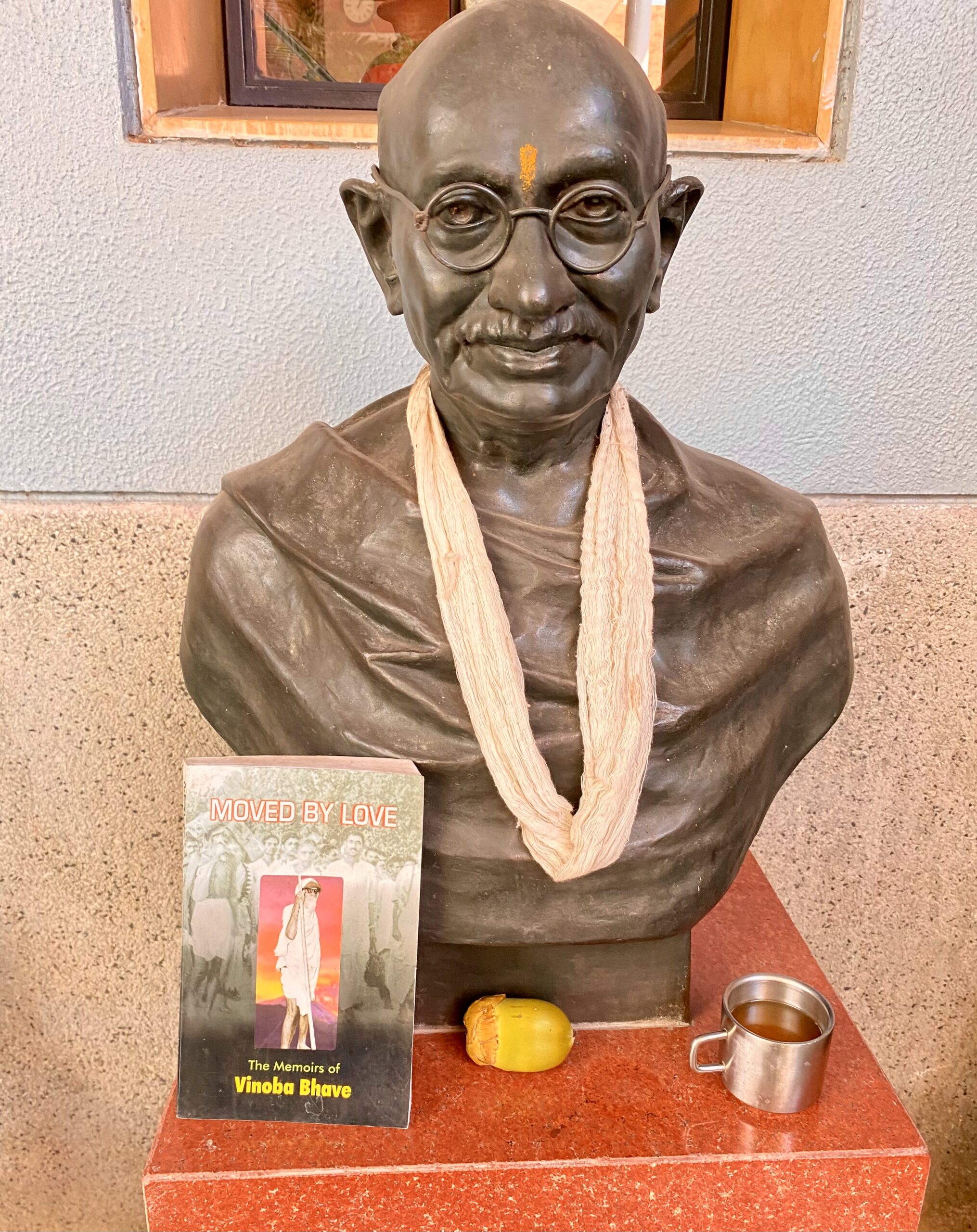
Gandhi at ESI, Ahmedabad. A photograph I took during my visit in Dec 2025.
I still remember crying as I watched Richard Attenborough’s film Gandhi in a cinema in Leicester Square.
We had made a special trip to London, just days after the film’s release. Watching it became a defining moment in my life, and I have returned to it many times since.
Gandhi had been one of my heroes from a young age. My father collected a huge library of his teachings, and his enthusiasm helped spark my own interest.
I wish we could talk about it together now.
In 2009, on Gandhi’s 140th birthday, I wrote an article sharing six lessons I had drawn from his life and teachings. My father had already passed away, but I remember thinking how much he would have loved it.
The 157th anniversary of Gandhi’s birth, on 2 October 2026, prompted me to return to those six lessons.
Seventeen years! So much has happened since then. People I love have died. Friendships have deepened, others have faded, and new people have arrived in my life. My work has evolved, along with my understanding of what I want to contribute.
Yet the question at the heart of that old article still speaks to me:
Is your life the message you want to give the world?
Reading it now, I recognise so much of what I still believe. I also find myself asking how I could live those beliefs more fully in this next chapter of my life.
Six Lessons Worth Returning ToIn my original article, I shared six lessons I drew from Gandhi’s life and teachings:
Be the change you wish to see. Put your beliefs into practice through your own actions.Reduce, reuse and recycle. Remember that how we consume affects the world we share.Live simply. Make room for what matters by letting go of some of what doesn’t.Be willing to walk alone. Begin the journey you believe in, even when others have yet to join you.Find strength through humility. Be clear about what you stand for while remaining willing to listen and learn.Start today. Trust that you already have something worthwhile to contribute.As I make plans for the coming months, three of these lessons feel especially personal.
Have the Courage to BeginMost of us know what it is to have an idea that matters to us before we can explain it properly to anyone else. We feel drawn towards a different way of working, a creative project, a cause or a new chapter in our lives.
Then the questions begin. Who am I to do this? What if nobody is interested? What if I put my heart into it and it doesn’t work?
I recognise those questions. They can keep us waiting a very long time for reassurance that nobody else can give us.
The Connection Revolution grows out of something I care about deeply: helping people feel more connected to themselves, to one another and to the lives they want to live.
Giving that work a name was one step. Committing to it means starting conversations and sharing ideas before I know where they will lead. Some people will be interested. Others won’t. I want to keep going with an open heart.
Being willing to walk alone can simply mean being willing to go first. Someone has to suggest the gathering or say, “I think we could do something worthwhile together.”
Once we begin, we may discover that others have been hoping for something similar.
What have you been waiting for someone else to encourage you to do?
Perhaps it is time to take your own longing seriously and give it a chance.
Make Space for the Life You WantSimplicity feels especially relevant as I look ahead.
I want to help more people, grow my business and bring more of my ideas into the world. I also want love, friendship, health, adventure and enormous fun.
There is a lot I want to say yes to! And that means being thoughtful about what already fills my days.
A diary can be full of perfectly reasonable commitments and still leave us with too little time for the people we love and the things we most want to do.
A walk with a friend deserves time. So does looking after my body, being open to love and having an unhurried conversation. These things belong in the life I am creating now.
I know how easily something important becomes something we intend to get round to. We assume there will be another weekend, another invitation, another chance to call.
Losing people I love has made me much more aware that those opportunities are precious.
Who or what would have more space in your life if your diary reflected what matters most to you?
There might be a call to make, an afternoon to protect or a commitment you are ready to reconsider.
Let People Experience What You BelieveThe lesson about being the change brings all of this into daily life.
I can write about human connection every week. What matters is whether someone feels heard when we talk, welcomed at a gathering or supported through a difficult moment.
In a recent article about creating miracles for one another, I shared an encounter on a train that began with helping a woman lift her pram into the carriage. We ended up chatting for forty minutes. There was something useful I could do, and the conversation grew from there.
We already have so much to offer: our attention, experience, encouragement, curiosity and willingness to help. An introduction can bring two people together. An invitation can give someone who feels isolated somewhere to belong.
We can live in ways that make extraordinary possibilities more likely for one another.
There is courage in this everyday practice too. Sometimes love asks us to have an honest conversation. Sometimes integrity asks us to acknowledge a mistake. Sometimes connection begins with listening to someone whose experience differs from our own.
I am learning as I go. There are days when I am distracted, impatient or too caught up in my own concerns. When I notice, I can pause, listen properly and begin again.
That feels like a practice worth continuing for the rest of my life.
What Would You Love Your Life to Express?
My dad whose love of Gandhi’s teachings helped shape my own.
Thinking about my father’s interest in Gandhi, I am struck by how something that mattered to him became part of my own life. He could not have known every way that influence would continue.
People may remember our warmth, our courage or the fact that we believed in them when they were struggling to believe in themselves. Something we do today may stay with another person for years.
As I return to these six lessons, I feel a renewed desire to contribute: to be bolder about my work, make room for the life I want to live and keep bringing love into the way I meet people.
This week, choose one of those lessons and make it personal. Begin something you have been postponing. Create space for someone you love. Offer a little of what you know to someone who could use it.
What would you love your life to say—and how could you begin living that message this week?
I would love to hear your answer in the comments below.
And if you are wondering what comes next in your own life, I would love to offer you a coaching conversation. We can explore what matters to you, what you want to change and what you would love to create from here.
Get in touch, and we can arrange a time to talk.
The post What Is Your Life Saying to the World? appeared first on Arvind Devalia.
September 30, 2026
What If We Are Here to Create Miracles for One Another?

The wonder of life is all around us. What might we make possible for one another?
On a recent Friday afternoon, I was boarding a train when I noticed a woman with a large pram. She had a baby with her, along with her three-year-old son and a friend. I offered to help lift the pram into the carriage.
She thanked me profusely, and we began chatting. Forty minutes later, when I reached my stop, we were still talking.
She was originally from London but now lived in New York with her American husband. She was back for two weeks to visit her mother, and that afternoon she was taking the children to Harry Potter World in Watford.
She worked as a tax consultant at one of the leading consultancy firms. We connected on LinkedIn during our conversation and discovered that we had a friend in common. Such a small world! A few minutes earlier, we had been strangers trying to board the same train.
Before we parted, I gave her a signed copy of my book, Get the Life You Love. We may never meet again, but she has a memento of our encounter, and my afternoon was brighter and richer for having met her.
There was something rather lovely about finding a little magic together while she and her children were on their way to a place of magic.
Truly Connecting versus Motive-filled NetworkingDuring our conversation, she remarked that I clearly liked networking. I told her that, for me, it was about connecting.
The kind of networking I find uncomfortable carries an unspoken agenda. We may appear interested while quietly wondering whether someone could become a client, make an introduction or help us get somewhere.
True connection begins with an interest in the person. I offered to help before I knew what she did for a living. We kept talking because we enjoyed it.
Of course, a connection may eventually lead to friendship, collaboration or business. Those possibilities are welcome. But when we approach someone with warmth, our interest needn’t depend on what we might receive in return.
The conversation already has value. We can leave it grateful, even if nothing else ever comes of it.
A Question That Touched Something Deep in MeEarlier that week, I reread an article I wrote in 2010 about living as though everything is a miracle. As I reflected on it and on the train encounter, a question began to take hold:
What if we are here to create miracles for one another?
Something about those words touched me deeply. I felt it in my body before I could fully explain it. There was a sense of recognition: perhaps this is what life is about. Perhaps this is what I am here to do.
I have spent years writing about love, bringing people together and helping people create lives they love. Yet this question helped me see a thread running through it all.
We have so much capacity to make a difference to one another. We can listen, encourage, introduce, teach, comfort and create. What if we approached each day with the intention of putting those gifts into service?
I thought again about the five miracles in my old article:
The miracle of life. I once waited outside a maternity ward while a friend gave birth. When the baby’s beaming father invited me in, their little boy lay beside his mother, eyes wide open, looking as though he had always been there. An entire life was ahead of him. I remember being filled with wonder simply to be in his presence.The miracle of love. Love reaches far beyond romance. A hug, a kind word or the steady presence of a friend can help us feel less alone. Think of someone whose care has carried you through a difficult time. It is extraordinary how much one human being can mean to another.The miracle of our bodies. My first nephew was born a few weeks prematurely and spent his first month in an incubator. Watching that tiny boy grow stronger, day by day and ounce by ounce, opened my eyes to how hard a body works to sustain life. I have never forgotten it.The miracle of nature. I wrote about looking closely at a flower and appreciating the world from the humble ant to the majestic oak. As a volunteer ranger in Regent’s Park, I still find so much to marvel at. Sometimes the most valuable thing I can do is slow down enough to notice.The miracle of our creativity. An idea can become a book, a gathering, a business or an invention. Something that began in one person’s imagination can eventually touch lives they will never see. The question that interests me is what we choose to create, and how it might serve.Looking at those five gifts together, I find myself asking: having received so much, what can I help make possible for someone else?
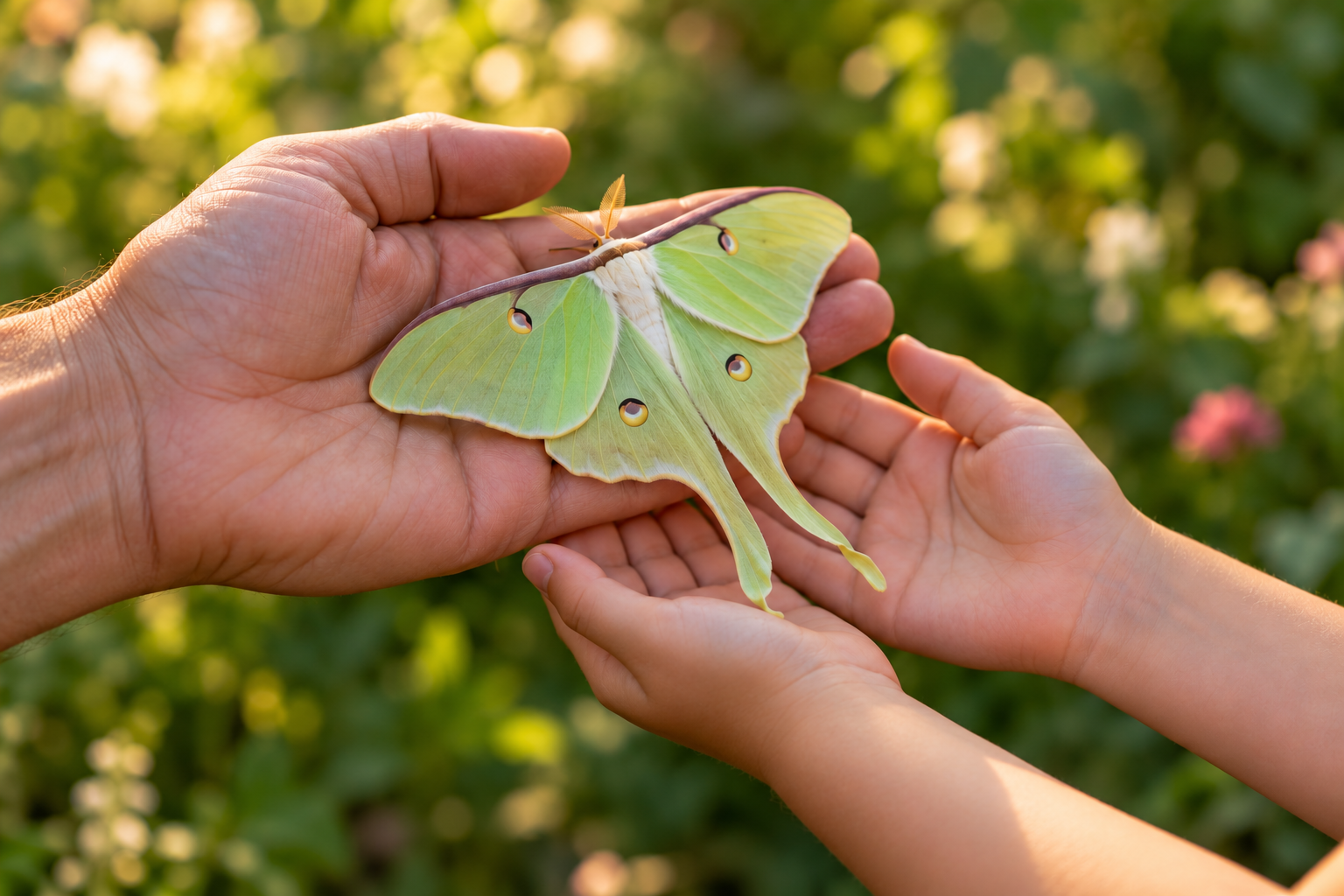
What might become possible through the care we offer?
Making Extraordinary Possibilities More LikelyI don’t know what the woman on the train will find in my book. Perhaps something will speak to her. Perhaps our encounter will simply remain a pleasant memory. I am glad we met either way.
But consider how much can grow from a small human gesture. An introduction may begin a lifelong friendship. Someone’s encouragement may help us attempt something we have almost given up on. Being listened to without judgement may allow us to speak honestly for the first time.
From the outside, these moments can look ordinary. To the person receiving them, they may arrive at exactly the time they are needed.
We cannot arrange a miracle on demand. We can live in ways that make extraordinary possibilities more likely for one another.
That is what I want to help people do through The Connection Revolution and through my work. It is also how I want to live myself.
It begins with a willingness to notice. On that Friday, there was a pram to lift. Another day, it might be a friend who needs encouragement, a colleague whose contribution deserves recognition, or someone standing alone at a gathering.
We can become curious about what would help, without assuming we know. Sometimes a question is the kindest beginning: “Would you like a hand?” or “Would it help to talk?”
Then we can offer what is ours to give. It may be a few minutes of attention, a useful introduction or some practical help. We do our part and allow the other person to decide what they want to do with it.
The more we practise this, the more we give connection a chance to grow. Service becomes part of how we meet the world, woven into the life we are already living.
What Might You Make Possible Today?In my old article, I invited readers to pause and notice the miraculous around them. I still love that invitation. Look closely at a flower. Appreciate your body carrying you through the day. Tell someone you love what they mean to you.
Today, I invite you to take that appreciation a little further.
Before one conversation, one meeting or one ordinary encounter, quietly ask yourself:
What might I make possible for this person today?
You don’t need an impressive answer. Begin with something you can offer freely, and see what happens.
For me, it began with lifting a pram. I came away with a new connection and a reminder of something I want to keep close to my heart: our presence in one another’s lives can matter more than we ever know.
I cannot tell you what you are here to do. But I feel something becoming clearer in me: I want to spend my life helping extraordinary possibilities become more likely for others. And I would love to discover what we could make possible together.
If this question touches something in you too, I would love to hear from you. Share your thoughts in the comments below. What has someone made possible for you—and what would you love to make possible for someone else?
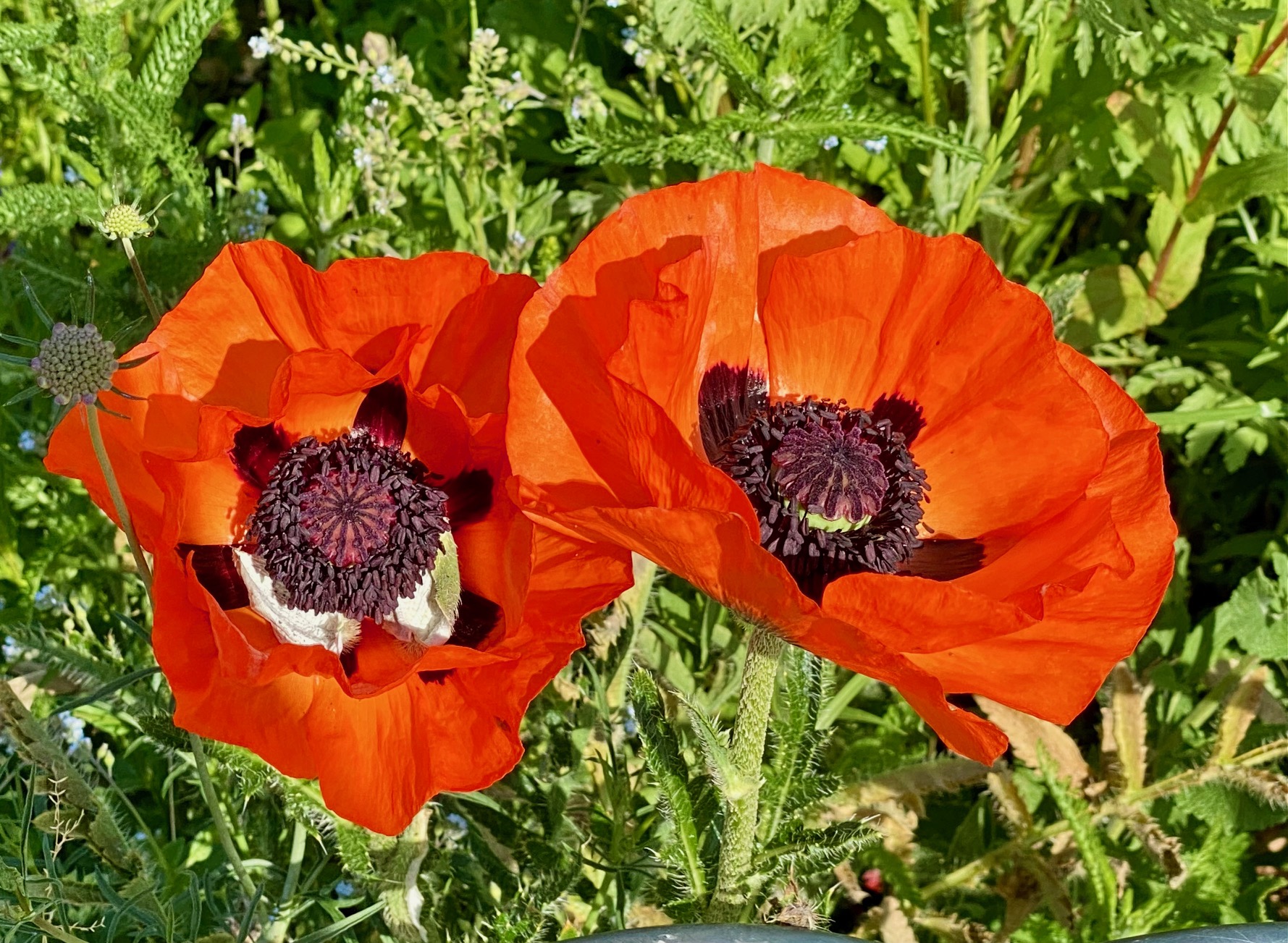
The miracle of flowers
The post What If We Are Here to Create Miracles for One Another? appeared first on Arvind Devalia.
September 21, 2026
Where Is Fear Still Running Your Life?
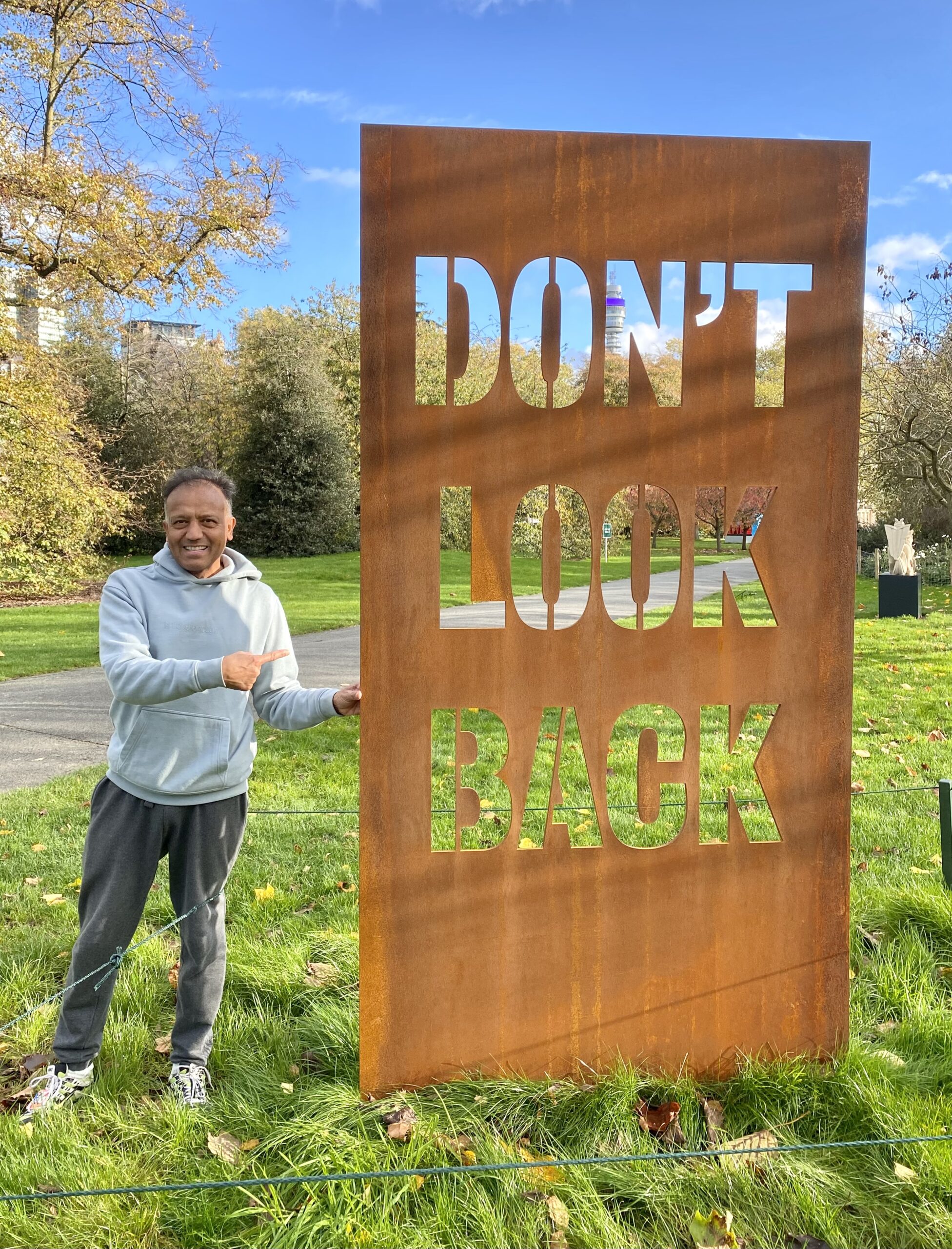
Don’t look back with regret. Look forward with courage.
A friend recently sent me a voice note containing a question I have found surprisingly difficult to put down:
“Where in your life is fear still running you?”
He was not talking only about the obvious fears that make our hearts race. He mentioned the conversations we avoid, the truths we hesitate to speak and the feelings we would rather not examine too closely.
I thought about the question in relation to my work and the people I care about. Then I realised there was a more uncomfortable place to look: at some of the things I had been telling myself I no longer wanted.
For a while, I had almost talked myself out of the possibility of an extraordinary relationship. I could give you thoughtful reasons for that. My life is full. I value my freedom. I have good friends and work that matters to me.
All those things are true. Yet when I gave myself permission to be completely honest, I found another truth underneath them: I do want to love someone deeply and build a joyful life together.
Admitting that felt vulnerable. Wanting something so much means accepting that it may take time, that I may be disappointed and that I cannot control how another person will feel.
It is easier to convince myself that I am content without it.
I have noticed a similar pattern with my work. I want to do extraordinary work with people, and I want my writing and ideas to reach further. Yet I can sometimes make a compelling case for staying with what is familiar. If I keep a dream at a comfortable distance, I never have to discover what happens when I pursue it wholeheartedly.
Perhaps you recognise that little negotiation with fear.
The more I thought about my friend’s question, the more I saw that fear does more than hold us back from achieving a goal. It can quietly separate us from ourselves and from one another.
When I pretend I no longer want love, I lose touch with an honest part of myself. When we avoid a difficult conversation, we may keep our distance from someone we long to be closer to. When we allow assumptions to stand in place of curiosity, we miss the opportunity to know another human being.
To me, this is where The Connection Revolution begins: with the courage to tell ourselves the truth, listen openly and take a step towards another person.
When fear sounds sensibleFear does not always tell us, “Don’t do this.”
Sometimes it sounds like good judgement, patience or gratitude for what we already have. Those are valuable qualities. But when we use them to explain away something that matters deeply to us, it is worth looking a little more closely at whether fear is running our lives.
My friend Gary Mahler recently wrote about a question he asked himself at 40: could he reach 60 and live with the choices he was making?
From the outside, much of his life looked successful. Yet he knew something had to change, even though he could not see the whole path ahead.
His story made me wonder what happens when we allow a sensible reason to wait to become twenty years of waiting.
What might we eventually wish we had dared to say, choose or begin?
The question beneath the storyIn my work as a coach, I often hear thoughtful reasons why an important conversation or decision must wait. My first task is to listen. There may be consequences to consider, people who will be affected and circumstances I cannot see from the outside.
Yet if the same explanation keeps returning while the cost of waiting continues to grow, reassurance may not be the most helpful thing I can offer.
I might gently ask:
“What if the story you are telling yourself is only part of the truth?”
From there, we can become curious together.
What do you actually want?
What response are you afraid of?
What have you already given up to avoid that possibility?
I do not ask these questions to push someone towards a decision I think they should make. A good coaching conversation makes room for both compassion and challenge. It helps someone see their choices more clearly so they can decide for themselves what matters and how they want to act.
My friend’s voice note reminded me that I need to offer myself that same honesty.
I do not have to work everything out today. I can begin by acknowledging what I want rather than finding another elegant reason to dismiss it.
The courage to meet one anotherFear does not affect only our ambitions. It also shapes the way we relate to other people.
It may prevent us from saying, “I miss you”, asking for help or reaching out to someone whose life is very different from our own. Over time, those small hesitations can become a distance we never intended to create.
At the drop-in where I volunteer with families seeking asylum, I spend time in the children’s play area. Some of the mothers have thanked me and told me how welcomed and loved they feel there.
Their words have stayed with me. They remind me how much it matters to meet another person with warmth and dignity, and to make space for them to feel that they belong.
We can practise that wherever we are. We can listen a little longer before making an assumption. We can contact the friend we have been meaning to call. We can say the loving thing that has remained unsaid.
None of this requires us to stop feeling afraid. It asks us to recognise when fear is closing a door we would rather leave open.
One small, loving act of courageSo I invite you to sit with my friend’s question:
Where is fear still running you?
See if one specific answer comes to mind. It might be a conversation you have been postponing, an invitation you want to make or a desire you have been reluctant to admit—even to yourself.
Then ask:
What is one small, loving act of courage I could take this week?
Perhaps it means sending a message, speaking an uncomfortable truth or allowing yourself to name what you really want.
You do not need to see the entire road ahead. You need only enough courage to take the next honest step.
Don’t look back with regret.
Look forward with courage.
A personal invitationSometimes it helps to explore a question like this with someone who will listen carefully and ask what you may not yet have asked yourself.
If fear has been keeping an important conversation, decision or desire on hold, and you would value a one-to-one coaching conversation, contact me and tell me a little about what is on your mind.
I would be glad to have that conversation with you.

The post Where Is Fear Still Running Your Life? appeared first on Arvind Devalia.
September 17, 2026
Twenty-Five Years After 9/11: Peace Begins Between Us
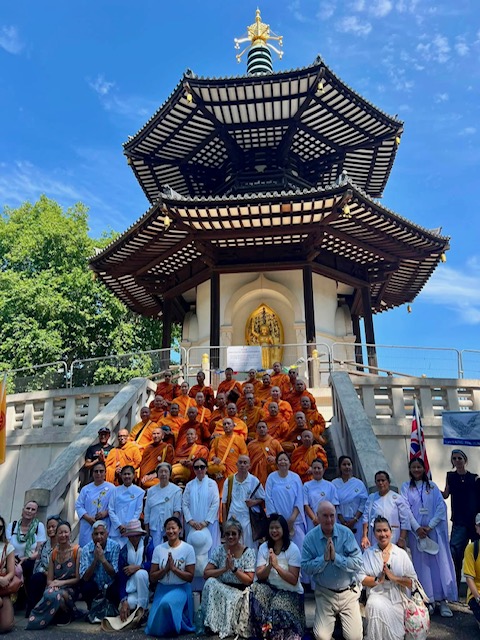
Peace may begin within us, but it changes the world through the way we see, hear and treat one another.
Those of us old enough to remember 11 September 2001 will probably never forget where we were when the world seemed to stop.
I was working in the City of London at the time and had gone to a hairdressing salon when news began to emerge that a plane had crashed into the World Trade Center in New York.
I remember staring at the television screen in stunned silence as the terrible events unfolded. Nobody quite knew what to say or how to comprehend what we were witnessing.
Back at work, we had an American colleague who, only the year before, had worked at the top of one of the towers. As the buildings came down, it slowly dawned on her that some of her friends and former colleagues might have been caught up in the attacks.
The trains were temporarily suspended amid fears of an attack in London, so I found her a taxi and made sure she got home safely.
Later, on my own journey home, I joined a small crowd gathered outside a television shop. We stood together in silence, watching those unbearable images being repeated.
That night, feeling an overwhelming need to reach out and connect, I sent a message of peace, hope and love to my family and closest friends. I was just about to begin the monthly newsletter that would eventually become such a significant part of my life and work.
Looking back, I can see that I was instinctively reaching for the one thing that felt capable of answering such terrible hatred: connection.
Even then, something inside me knew that the only meaningful response was to create more love between us.
Twenty-five years laterOver the years, I have returned to 9/11 several times in my writing.
In 2007, I asked whether its legacy might still become peace in our time.
In 2010, I gathered together eleven articles about peace and healing.
On the tenth anniversary, I wrote that peace begins with you and me.
Twenty-five years after 9/11, I find myself reflecting once again on what we have learnt since that terrible day.
Are we any better at understanding one another? Have we created a world in which more people feel safe, accepted and able to belong?
Sadly, the world does not feel safer or more peaceful.
We may be able to communicate instantly across continents and witness events on the other side of the world as they happen, but greater communication has not necessarily brought greater understanding.
In many ways, we are more connected than ever technologically while becoming increasingly disconnected from one another as human beings.
It is still so easy to fall into the trap of “us and them”, labelling people according to their religion, nationality, background or political beliefs and forgetting the human being beneath the label.
We decide what someone believes before we have spoken to them, and sometimes condemn whole communities for the actions of a few.
Yet multiculturalism does not lead to disintegration. Division does.
In our hearts, people everywhere want many of the same fundamental things: safety, dignity, love, belonging and a hopeful future for their children.
Almost 3,000 people lost their lives on 11 September 2001, but each one was far more than a number. They were someone’s child, parent, partner, sibling, colleague or closest friend, with plans for that evening, hopes for the future and people waiting for them to come home.
Whenever we reduce someone to a label, it becomes easier to stop being curious about who they really are or what they may have lived through.
This does not mean excusing cruelty, tolerating injustice or pretending that profound differences do not exist. It simply means refusing to lose sight of our shared humanity.
Peace begins within usWhen we think about world peace, the challenge can feel so immense that we conclude there is very little an ordinary person can do.
We cannot resolve every conflict or negotiate agreements between nations, but we are not powerless. Nor can we leave the creation of peace entirely to politicians, governments or international organisations.
As Peace Pilgrim once said:
“World peace will never be stable until enough of us find inner peace to stabilise it.”
For many years, I have written that peace must begin within us, and I still believe that.
The anger, fear and resentment we do not address inevitably find their way into our relationships, shaping how we interpret other people and how readily we see a threat where there may simply be a difference.
But I now see another part to this truth:
Peace may begin within us, but it becomes real in the space between us.
It becomes real through the way we speak, listen, disagree, forgive and connect. It is found in our willingness to put ourselves in another person’s shoes and remain curious about someone whose experiences and beliefs may be very different from our own.
This is at the heart of The Connection Revolution.
We cannot outsource human connection, and neither can we outsource the everyday creation of peace. It is built between us, one encounter and one relationship at a time.
Every encounter gives us an opportunity to create a little more understanding.
Peace can begin with an apology, a willingness to forgive, an invitation to someone who feels excluded or one honest conversation between people who have stopped listening to each other.
These actions may seem small, but small acts of connection matter.
Peace as a way of livingThis summer, I joined Buddhist monks, nuns and fellow peace seekers on a walk through London to the Peace Pagoda in Battersea Park.
What stayed with me was not simply the destination, but the experience of walking alongside people from many different backgrounds who shared a common intention.
We were not merely talking about peace; we were practising it together.
I experience something similar when volunteering at the drop-in for people seeking asylum.
Families receive practical support, but they also receive something equally precious: warmth, dignity, safety and a genuine sense of belonging.
The mothers who have thanked me were not asking for grand political declarations. They were grateful that, for a few hours, they and their children felt welcomed, accepted and loved.
These experiences remind me that peace is not simply the absence of war.
Peace is also the presence of belonging—the feeling that there is a place for you in the human family and that, despite our different religions, nationalities, cultures and beliefs, your life matters just as much as mine.
What remembrance asks of usTwenty-five years after 9/11, remembrance must mean more than revisiting the terrible images of that day.
Of course, we should remember those who died and honour the courage of the emergency services and ordinary people who risked—and sometimes gave—their lives to help complete strangers.
But remembrance must also ask something of us.
Perhaps there is someone we could forgive, a judgement we could release or a conversation we have been avoiding.
Perhaps there is someone in our community who is longing to feel welcomed and included.
Or perhaps we can offer one small act of kindness to a stranger, friend or neighbour this week.
The greatest tribute we can pay to everyone whose life was lost or changed forever on 11 September 2001 is to refuse to add to the fear and division in our world, and to create more compassion and connection in the part of it we touch.
Let us listen more deeply, become more curious about those who seem different from us and do what we can to help the people around us feel seen, welcomed and valued.
Peace in our world is not merely a distant ideal. It is an everyday practice.
It may begin within each of us, but it comes alive between us—in our conversations, our relationships and the way we treat the next person we meet.
The post Twenty-Five Years After 9/11: Peace Begins Between Us appeared first on Arvind Devalia.
September 7, 2026
The Friends Who Call Forth the Best in Us
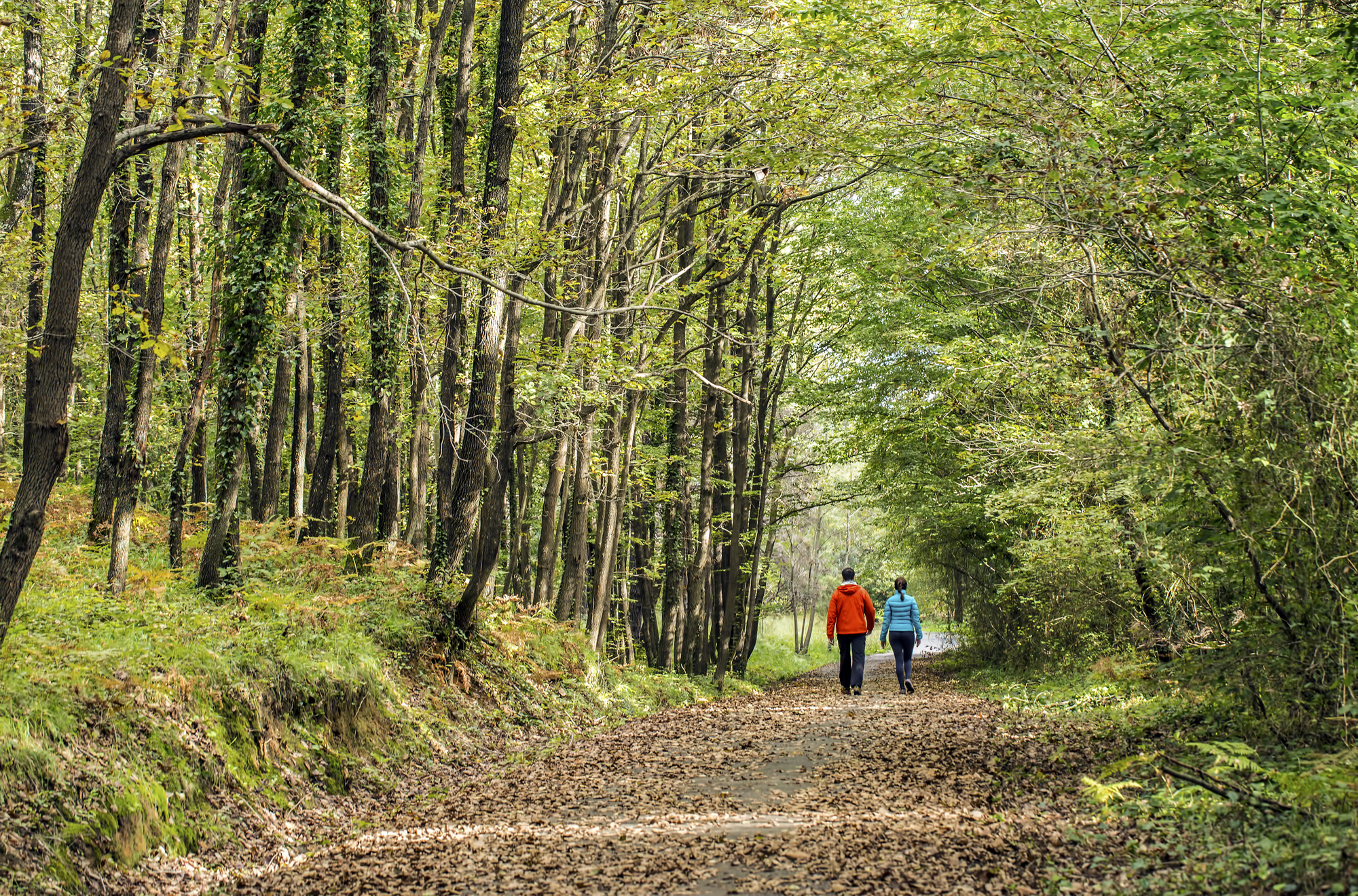
Recently, a dear friend of mine and his wife tragically died in a car crash in Canada.
I had known him for thirty years.
We first met quite by chance at a food exhibition in Paris. He was there with his brother, and their family owned a supermarket business in London.
At the time, we explored the possibility of doing some work together, marketing Asian foods to the mainstream supermarkets. Nothing significant ultimately came of the business idea, and our careers soon took off in different directions.
But something much more enduring came from that chance meeting.
We became good friends.
Looking back now, there is something rather beautiful about that. We met because of business and initially talked about what we might create together commercially. Yet the thing of real value that emerged from that meeting had nothing to do with supermarkets, Asian foods or business.
It was the friendship itself.
He was one of the kindest and most caring people I have ever known. He had a gentleness about him, a generosity of spirit and a genuine concern for other people that was simply part of who he was.
Over the years, I also became friends with his wife, who was herself a lovely and caring person. And through me, my sister got to know them both.
They took her under their wing and supported her deeply over many years. Although my friendship with them continued, during the last few years we didn’t see very much of each other. Life moved on, as it does, and our respective worlds became busy with other things.
My sister’s friendship with them, however, continued to grow and deepen. In time, she became much closer to them than I was.
I was always happy about that. One of the great joys of introducing people is watching a relationship take on a life of its own. Once the introduction has been made, it no longer belongs to the person who made it.
I could never have imagined, walking around that food exhibition in Paris thirty years ago, where that one chance encounter would eventually lead.
And now they are both gone.
Alongside the shock and sadness, I have been left with a deep sense of regret.
I wish I had spent more time with him.
I cared about him and regarded him as a good and longstanding friend. Yet somewhere along the way, seeing each other became something we would do another time.
Perhaps that is one of the dangers of a friendship that has lasted for decades. We assume it will always be there because it always has been. There will be another opportunity to meet, another meal together, another phone call.
Life gets busy, months become years and we reassure ourselves that there will always be more time.
Until, suddenly, there isn’t.
I cannot change that now. But I can pay attention to what the regret is trying to teach me.
And strangely, it has brought me back to something I wrote in my notebook during my Spirit of Service retreat in Ahmedabad last Dedember.
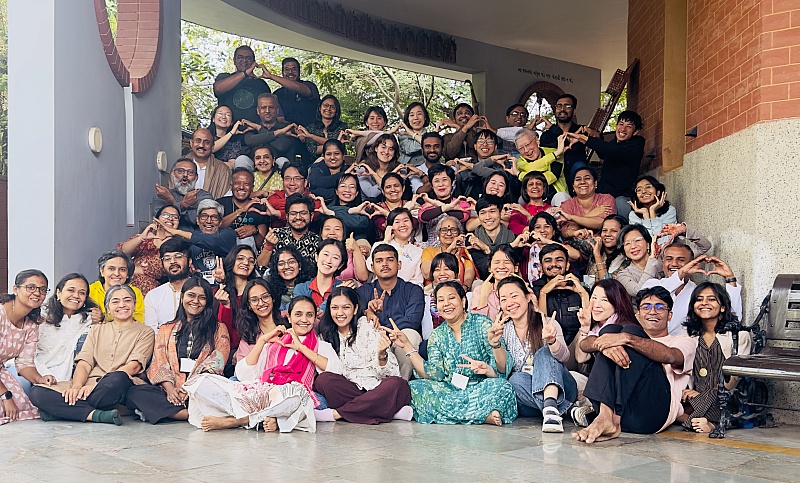
During the retreat, we explored the idea of noble friendship, and one line in particular stayed with me:
“Don’t look out for noble friends, be noble.”
At the time, I loved the sentiment. It has since taken on a much deeper meaning because when I think about my friend, the word noble seems entirely appropriate.
He really was a noble friend.
But as I subsequently reflected on Nipun Mehta’s beautiful exploration of noble friendship, I realised there is an important distinction between a noble friend and noble friendship.
Perhaps the simplest way I can express it is this:
A good friend cares about me and is there for me.
A noble friend embodies qualities that inspire and elevate me.
Noble friendship is the regenerative relationship between us through which our respective virtues call forth, strengthen and amplify one another — and potentially ripple out into the world.
That distinction has made me look at my own friendship differently.
I can say with certainty that he was a noble friend. But his death has left me with a more uncomfortable question:
Was I as present a friend to him as I could have been?
And beyond that, am I creating the kind of friendships in my life today in which we help call forth the very best in one another?
Who Are We Becoming Because of Each Other?One of the ideas in Nipun’s exploration of noble friendship that particularly struck me is the shift away from focusing simply on what somebody does towards paying attention to who they are becoming.
We spend so much of our lives defining ourselves and other people by what we do. Even within friendship, we can focus on what somebody does for us.
Noble friendship invites us to ask something very different:
Who am I becoming because I know you? And who are you becoming because you know me?
When I think about my friend through that lens, I realise that his kindness wasn’t simply something I received from him. His way of being showed me something about how a human being could be.
I saw those same qualities in the way he and his wife embraced my sister and supported her over so many years. Goodness wasn’t something they talked about. They lived it.
Two phrases I wrote down in Ahmedabad capture something of this beautifully:
“My virtue makes your virtue.”
And:
“Can the good in me regenerate the good in you?”
Your courage can awaken some of mine. My generosity might remind you of your own. Somebody’s vulnerability can give another person permission to drop their guard, while another person’s compassion can soften something within us.
We don’t necessarily tell each other to become better people. Something about the relationship itself invites it.
Perhaps that is one of the greatest gifts of friendship: through the way we live and the way we love, we can call forth the best in one another.
That word regenerate feels important.
Noble friendship isn’t simply about one person giving goodness to another. It is about goodness creating more goodness.
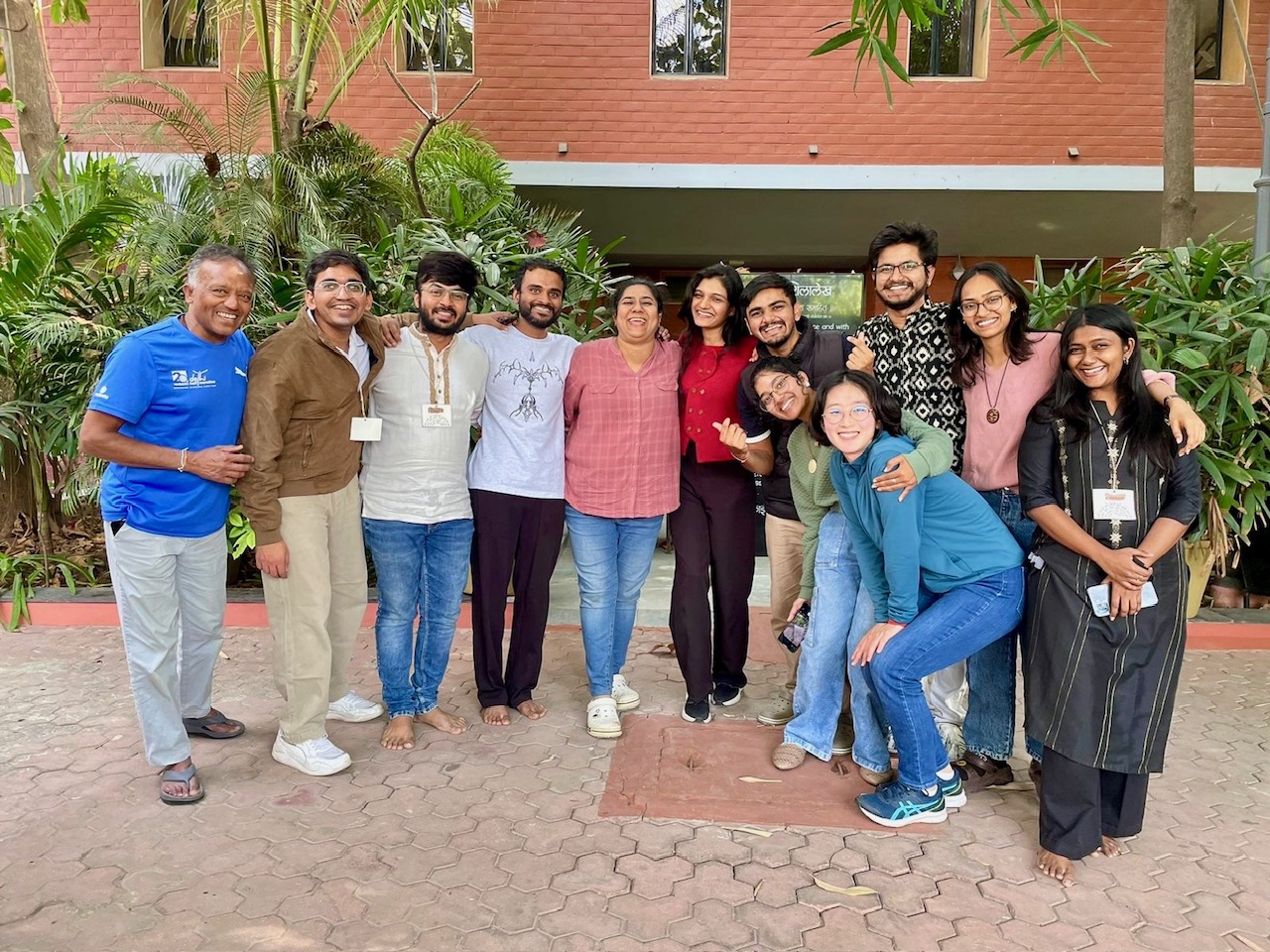
There is a certain irony that my friend and I originally met through business.
Our first conversations were about products, supermarkets and the possibility of working together. In the language we used in Ahmedabad, our relationship began in the world of “market logic” — the world of exchange, value and return.
Yet the business opportunity disappeared and the relationship remained.
What endured for thirty years wasn’t the transaction. It was the connection.
Without realising it, however, market logic can sometimes creep into our personal relationships. We notice who called last, who organised dinner, who remembered the birthday and who seems to be making more effort. We quietly begin keeping an invisible emotional balance sheet.
Nipun uses a wonderful expression in his writing: “serve without pockets.”
I understand this as giving without constantly calculating what might come back to us.
Instead of wondering whose turn it is to call, perhaps we simply call because we care. Instead of asking what somebody can do for us, perhaps we become genuinely interested in them — their hopes, their struggles and who they are becoming.
This doesn’t mean endlessly giving ourselves away or taking responsibility for another person’s happiness. Noble friendship is not about rescuing someone.
It is about creating the conditions in which something good can emerge in both of us.
When Goodness Begins to TravelPerhaps the aspect of noble friendship that most excites me is what happens when the goodness created within a relationship doesn’t remain there.
Nipun writes about the “strength of deep ties.” We often hear about the strength of weak ties and how information, opportunities and introductions can travel through networks.
Through deep ties, something else can travel: compassion.
Someone is generous to me, and I become a little more generous with somebody else. Someone believes in me when I have stopped believing in myself, and years later I find myself offering that same encouragement to another person.
Goodness becomes regenerative. It travels.
As I think about my friend, his wife and my sister, I realise that I witnessed something like this in my own life.
A chance encounter at a food exhibition in Paris created a friendship between two people. Through that friendship, my sister met them both. They took her under their wing, and a friendship developed that eventually became deeper than the one that had originally connected them.
I didn’t engineer any of that. I simply made the connection, and the relationship took on a life of its own.
We cannot possibly know what one conversation, one introduction or one act of kindness might eventually create.
Do I Call Forth the Best in Others?This brings me back to that line from Ahmedabad:
“Don’t look out for noble friends, be noble.”
I initially understood it as an invitation to become the kind of friend I would like to have. I now think it asks something deeper.
Instead of searching for people who can enrich our lives, perhaps we can become the kind of person whose presence calls forth something richer in others — not by trying to change or fix them, but through our own presence, generosity, courage, integrity and love.
The question changes from “Do I have the right people around me?” to:
“What does my presence bring out in the people around me?”
Do people feel more themselves when they are with me? Do they feel heard rather than judged? Does my courage encourage theirs? Does my generosity make generosity feel more possible?
Ultimately, can the good in me regenerate the good in them?
Noble friendship cannot be something I do to another person. It happens between us. If my virtue helps call forth yours and your virtue helps call forth mine, something is created that neither of us could have created alone.
We become more because of each other.
All of this brings me back to my friend.
There is probably someone in your life whom you love and who has been there for you over many years. Perhaps, like me, you have come to take the friendship for granted simply because it has always been there.
Maybe you’ve been meaning to call them or have been saying for months that you really must get together. Perhaps there is something you have always appreciated about them but have never actually put into words.
Don’t wait for the perfect occasion. Call them, arrange to see them and tell them what they mean to you. Most importantly, give them some of your time while you still have that time to give.
I wish I had done more of that with my friend.
I also wish I had spent more time with him and his wife together. I cannot change that now, but I can allow the regret to teach me something about how I want to live from here onwards.
He was a noble friend to me. Whether I was always as good a friend to him as I could have been is a question I will have to sit with.
Perhaps the best way I can honour him now is not simply to remember his kindness, but to allow it to change the way I show up for the people who are still here.
His goodness doesn’t have to end with him. Nor does the goodness that he and his wife brought into my sister’s life.
Their kindness can become kindness we show somebody else. The care they gave can remind us to care more deeply. Their generosity of spirit can travel onwards through people they may never have known.
Thirty years ago, I went to a food exhibition in Paris and happened to meet a man who was there with his brother. We talked about Asian foods, supermarkets and the possibility of working together.
The business opportunity came and went.
The friendship remained.
And today I am left thinking not about the business we might have created, but about the human being he was, the kindness he and his wife brought into my sister’s life, and what their lives are now asking of me.
Perhaps that is the question I want to leave you with too:
Am I merely fortunate enough to have good and noble people in my life, or am I helping to create the kind of friendships in which we call forth the very best in one another?
Because The Connection Revolution isn’t ultimately about collecting more contacts, attending more events or even making more friends.
It is about what becomes possible between us — and who we become because of each other.
Cherish your friends while they are here. Tell them what they mean to you and give them your presence rather than merely your good intentions.
And perhaps, together, we can create friendships in which the goodness in each of us brings forth more goodness in the other — and then allow that goodness to ripple out into the world.
A Personal InvitationMuch of my work as a coach begins with conversations like this — about the things that can easily get lost beneath the busyness of a successful life: our relationships, the people who matter, the choices we are making and the person we are becoming.
If this article has prompted you to reflect on your own life, and you would value a thoughtful conversation about what might need more of your attention now, I’d be delighted to hear from you.
The post The Friends Who Call Forth the Best in Us appeared first on Arvind Devalia.
August 31, 2026
Reclaiming Your Life from Your Success
Recently, I wrote about the life-changing power of one simple introduction.
An introduction matters because it creates the possibility of a conversation. And sometimes, one honest conversation can change the direction of the next six months—or even the rest of our lives.
Six months from now, we will be approaching the end of February 2027.
We all know how quickly that time will disappear. Yet six months is an extraordinary window when lived with clear intention. It is enough time to reshape a business, restore your energy, repair an important relationship or begin an entirely new chapter.
The quiet weight of successMost capable, ambitious people are not struggling with failure. They are carrying the private weight of success.
From the outside, life may look enviable. The business is thriving, the reputation is strong and everyone assumes you have everything under control.
But perhaps you are the person everyone turns to, while very few people ask how you are.
You carry the difficult decisions, conflicts and uncertainty. You may be sitting at Sunday lunch with the people you love, yet part of you is still at work—replaying a conversation or worrying about what comes next.
You may even have built the business to create freedom, only to discover that you have become its single point of failure.
There is no shame in any of this. Indeed, it is often the consequence of being capable, conscientious and deeply committed to what you have created.
But there is a cost: to your peace of mind, your health and your ability to be fully present with the people who matter most.
Perhaps the hardest part is that nothing necessarily looks wrong from the outside. You may be more successful than you have ever been, while privately wondering whether the life you have created still gives you the freedom, meaning and fulfilment you once hoped it would.
At some point, the question is no longer simply, How can I become more successful?
It becomes:
How can I reclaim my life from the success I have created?

For years, running the London Marathon was something I intended to do “one day”.
I watched other people cross the finish line and imagined myself doing the same. But there was always a plausible reason to wait. I was not ready. Life was busy. Next year would be better.
Keeping a dream in the future is seductive because it asks nothing of us today.
We can enjoy the possibility without confronting the discomfort, uncertainty and effort required to make it real.
Eventually, I realised that waiting for the right time was quietly becoming a decision never to begin.
So I entered the race, created a plan and took the next necessary action—on the days I felt enthusiastic and the days I did not.
In 2009, I completed my first London Marathon. This April, I crossed that finish line for the twelfth time.
The distance never became shorter. What changed was that I stopped postponing the decision and became someone capable of completing it.
The marathon taught me that meaningful change rarely begins when we finally feel completely ready. It begins when we decide that something matters enough to start—and then keep moving forward, one necessary action at a time.
What six months can changeOne of my coaching clients recently experienced his own breakthrough.
When we began working together, he was intelligent, ambitious and full of potential. What he needed was greater clarity, the confidence to make difficult choices and consistent action towards the result he wanted.
For six months, our conversations gave him a confidential space to think clearly, cut through distractions and remain accountable to his intentions.
In June, he generated his first-ever £20,000 month.
He created that result. He made the decisions and did the work. But he no longer had to navigate every question alone.
Clear intention gave him direction. Focus created momentum. Consistent action turned possibility into reality.
That is the Connection Revolution at its most personal.
Human connection is not merely something pleasant to fit around our ambitions. The right conversation helps us see what we cannot see alone—and is often the first meaningful action towards change.
There is a particular kind of relief that comes from having somewhere you can be completely honest.
Somewhere you do not have to maintain the appearance that everything is under control, protect other people from your uncertainty or already know the answer before you speak.
Successful people are often surrounded by colleagues, clients, employees, friends and family, yet still have very few places where they can think aloud without judgement or expectation.
That is why the right conversation can be so transformative. It does not make the decisions for us or remove our responsibility. It helps us hear ourselves more clearly, challenge the assumptions we have stopped questioning and find the courage to act on what we already know.
Three questions to considerAs you think about the six months ahead, I invite you to sit quietly with these questions:
Where are you currently the single point of failure in your life or work?What important decision are you keeping safely in the future to avoid the discomfort of acting today?What is it costing your peace of mind—and the people you love—to continue carrying this alone?You do not need to force an immediate answer.
But notice which question stays with you. Notice where you feel resistance, discomfort or even relief at finally acknowledging something you may have known for a long time.
Sometimes the question we would rather avoid is the one most capable of changing our direction.
A personal invitationOver the coming months, I am opening a small number of private advisory spaces for ambitious founders, leaders and other successful people who are ready to make a decisive change by February 2027.
This is not about needing to be fixed. It is about having a trusted, confidential space in which you can be completely honest, clarify what matters most and turn that clarity into focused action.
Perhaps there is an important decision you have been postponing. Perhaps your business has become too dependent on you, or the pace at which you have been living is beginning to affect your health and relationships.
Or perhaps your life looks successful from the outside, but you know that something fundamental needs to change.
If something important in your life or work has been waiting long enough, send me an email with the words:
SIX MONTHS
Then tell me, in one sentence, the decision, change or bottleneck you are tired of carrying alone.
Email me with the words SIX MONTHS →
I will read and reply to every message personally. If a conversation would be helpful, we can arrange a confidential time to talk.
Six months from now will arrive whether we choose our direction or simply drift into it.
Let’s make sure the end of February finds you living and working on very different terms.
As always, I would love to hear your thoughts, so please leave a comment below and let me know what resonated most with you.

Carnival Weekend!
The post Reclaiming Your Life from Your Success appeared first on Arvind Devalia.
August 28, 2026
The Life-Changing Magic of One Simple Introduction

One thoughtful introduction could spark a friendship, a marriage, a livelihood—or an entirely new future.
More than twenty years ago, I introduced two of my friends.
One was a friend from my schooldays, while the other was my regular squash opponent. I knew them both well and had a feeling they might get along, so I brought them together.
I invited them to a play in Hammersmith—and they did rather more than get along.
They fell in love, got married and have now been together for more than twenty years. They also have two grown-up children.
At the time, I had no idea that this simple introduction would help create a marriage, a family and more than two decades of shared life. I merely thought:
“You two should meet.”
Looking back, I can see the life-changing magic of that one simple introduction.
That is the extraordinary thing about introducing people. The act itself may take only a few minutes, but its consequences can unfold over years, decades and even generations.
Creating the possibilityWe tend to think of generosity as giving someone our money, our time or something we own.
Yet sometimes the most valuable thing we can give another person is an introduction to someone else we know.
Several years ago, I met a woman at a friend’s house and invited her to my annual Friends Picnic. She came with her niece and, during a meditation circle, began talking to the man sitting beside her.
There had been no matchmaking plan or carefully arranged introduction. I had simply invited her into a space where new connections could happen.
The two of them have been together ever since and now have four daughters.
I find that astonishing. An invitation to a picnic led to a conversation, which led to a relationship and eventually a family of six.
Sometimes our role is not to make a formal introduction. It is simply to bring good people into the same room and allow life to do the rest.
Introductions that transform working livesIntroductions can also create new livelihoods and entirely different professional futures.
I once introduced a friend and coaching client to a company that supplies coaches to corporate organisations.
The introduction opened a door. He then had to walk through it, create value and do the work required to build his business. He has since developed a thriving coaching practice and recently celebrated his first £20,000 month.
That result belongs to him. But a simple introduction helped create the possibility from which something substantial could grow.
One of my favourite connections began at the traffic lights near my home.
I noticed a man called George with his two young children, who were on their bicycles. One of them appeared ready to cross before the pedestrian light had turned green, and I instinctively reached out to stop them.
George and I got talking, and that chance encounter eventually led to me coaching him.
When I learnt that his family was preparing to move to Sydney, I introduced him to family members and friends who lived there. What began as a fleeting encounter between strangers on a London street became a network of support waiting for a family on the other side of the world.
Successful people do not always need more contactsMany successful founders and leaders already know hundreds—sometimes thousands—of people.
What they may not have is someone with whom they can be completely honest.
They have lawyers, accountants, investors, colleagues and advisers for different parts of their businesses. Yet they may have nobody independent with whom they can explore the questions that cross the boundaries between business and life.
Should I sell the company?
Why has success not given me the freedom I expected?
What is happening to my marriage, health or relationship with my children?
Who will I be when I am no longer running the business?
What do I want the next chapter of my life to be about?
The more successful someone becomes, the harder it can be to admit uncertainty. Their team looks to them for confidence. Their family may already be affected by the pressure. Friends may assume that everything is going wonderfully.
Sometimes the most valuable introduction we can offer is not to another investor, prospect or business opportunity.
It is to a trusted person who will listen without judgement, ask the difficult questions and help someone see what they cannot see alone.
One confidential conversation can release months of uncertainty and change the direction of an important decision.
An expression of abundanceA thoughtful introduction is much more than placing two names into an email.
It says:
“I have listened to you. I see who you are. I understand something about what you need—and I know someone whose life may connect meaningfully with yours.”
It is also an expression of abundance.
Instead of guarding our contacts and treating our relationships as personal possessions, we allow the good people in our lives to discover one another.
Of course, not every introduction will lead to a marriage, a family, a new career or a £20,000 month. Nor does it need to.
Some people will enjoy a single conversation, exchange a useful idea or offer one another a little encouragement. Other introductions may lead nowhere at all.
The generosity lies in creating the possibility without trying to control the outcome.
Who should meet?We live in a world where it has never been easier to collect contacts, followers and online connections. Yet many people still feel lonely, unsupported or unsure where they belong.
An algorithm may recommend someone for us to follow. But it cannot replace the warmth of a trusted person saying:
“I know someone you really ought to meet.”
This is at the heart of the Connection Revolution.
Creating a more connected world does not always require a grand initiative. It can begin with one person thinking carefully about two people they care about and opening a door between them.
So pause for a moment and ask yourself:
Who are two people in my life who would genuinely benefit from knowing each other?
Ask their permission. Tell each person why you believe they should meet. Make the introduction—and then let go of the outcome.
And if you know a successful founder or leader who has achieved a great deal but is privately navigating an important decision, transition or next chapter, I would be grateful for a thoughtful introduction.
If the person who comes to mind is you, I would be delighted to begin with an honest, confidential conversation.
Start a confidential conversation with Arvind
You cannot know where one introduction will lead.
Your role is simply to open the door.
The post The Life-Changing Magic of One Simple Introduction appeared first on Arvind Devalia.
August 17, 2026
What Happens When You Create the Space?
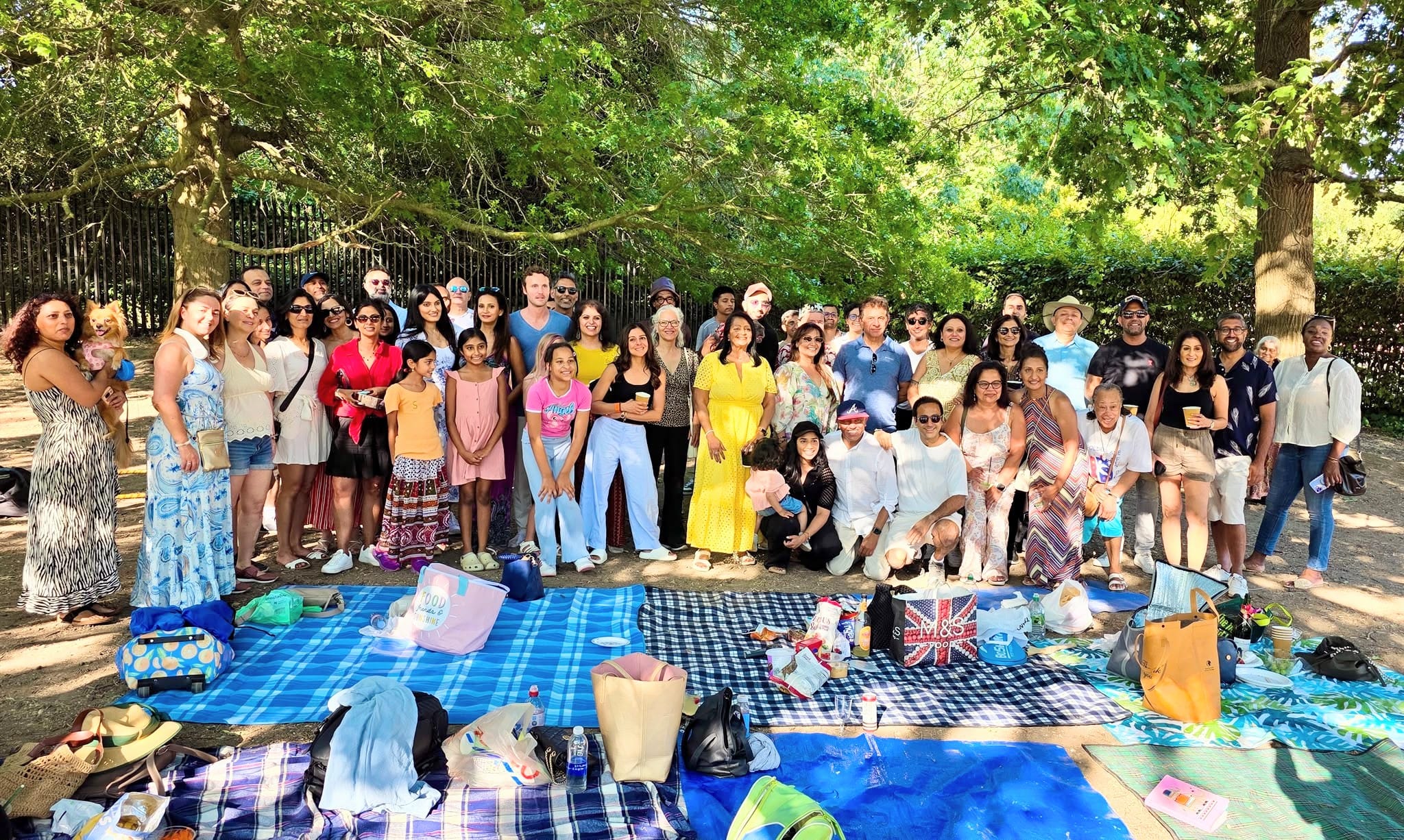
What becomes possible when one invitation creates the space for strangers, old friends and entire communities to find one another?
Last Sunday, a corner of Regent’s Park became a meeting place for friendships spanning decades, families, neighbours, old colleagues and recent strangers.
There were drums, hula hoops, food, bubbles, laughter yoga and conversations beneath the trees.
It was the 24th annual Friends & Friend’s Friends Picnic, born in 2002 from a simple idea: invite friends, encourage them to bring others and see what happens.
Twenty-four picnics later, I am beginning to understand the answer.
People who might never otherwise meet become part of one another’s stories.
But first, someone has to create the space.
The connection began before I arrivedThe picnic began before I left home.
I had booked an Uber to transport me and all the equipment to Regent’s Park: African drums, giant hula hoops, games, bags and everything else required for the day.
The first driver arrived, looked at the mountain of picnic gear—and promptly drove away!
Fortunately, the second driver could not have been more different. He immediately began helping me load everything, and as we talked, we discovered that we were both originally from Kenya.
What might have been an ordinary journey became a wonderful conversation about life, community and The Connection Revolution. He could not join us because he was working, but we exchanged details and are now connected. He also left inspired to carry the message into his own community.
Two drivers encountered the same scene. One saw an inconvenience and drove away. The other saw a human being who could use some help—and opened the door to connection.
Yet another encounter was unfolding as I waited outside my home.
A woman and her daughter walked past. I smiled and invited the daughter to try a drum. That tiny invitation started a conversation.
They had moved from Dubai to London only a few months earlier and lived just down the road from me. I told them about the picnic and invited them along.
An hour later, they arrived in Regent’s Park. They had a fabulous time, met new people and instantly became part of a community that had existed just beyond their doorstep.
If the first Uber driver had not driven away, our paths might never have crossed at precisely that moment.
Sometimes an apparent inconvenience is simply life rearranging the timing.
Some connections take yearsOne of the joys of the picnic is that time seems to fold in on itself.
A friend and former work colleague who now lives in the United States came along. We had not seen each other in person for 26 years. So much life had happened, yet the picnic brought us face to face again.
Another reunion had been waiting ten years.
The day before one of my picnics a decade ago, I met someone in a Paperchase store. We spoke for perhaps five minutes, connected on Facebook and stayed loosely in touch. I invited him to the picnic the next day, but he was already committed to a family event.
Every year since our meeting, the picnic invitation went out, but for one reason or another, he could never make it. Until last Sunday.
Ten years after a five-minute conversation between two strangers in a stationery shop, we finally met again in Regent’s Park.
It made me wonder how many relationships are not lost, but simply waiting for the right moment and the right space to come alive again.
A gathering can hold a lifetimeLooking around the picnic, I could see different chapters of my life gathered together.
A friend from my school days was there, having attended almost all 24 picnics. She also met the man who became her husband through me.
Another couple first met at the picnic 13 years ago. Today, they have four daughters.
There were people I see regularly and others I see only once a year, when the blankets appear on the grass and our paths cross again beneath the same trees.
One neighbour surprised me by turning up. I had thought the couple were still in Canada, but they had returned—and that day happened to be their 18th wedding anniversary. They brought some bubbles, and we raised a glass to them. I hardly ever drink alcohol, but celebrating 18 years of marriage seemed a worthy exception!
A friend’s mother came laden with gifts for me. She visits from India for a few weeks each summer, and the picnic is always part of her London schedule. Although she had been unwell and was exhausted, she especially wanted to be there.
People may not remember every conversation, but they remember being welcomed, seeing familiar faces and belonging somewhere.
A community is not simply a collection of people who know one another. It is a place people feel drawn back to.
Making room for joy—and griefMy friend and master drummer Alex Dayo arrived with his drums and kept us in rhythm throughout the afternoon. The sound drew people together and gave the gathering its heartbeat.
Then my friend Kalpana Doshi, the UK’s leading Laughter Yoga practitioner, led us through a hilarious session of spontaneous laughter.
Any remaining dignity disappeared as grown adults became gloriously silly. Before long, we were in stitches because laughter itself had become contagious.
For a few precious minutes, nobody needed to be productive or impressive. We were simply playing and laughing together.
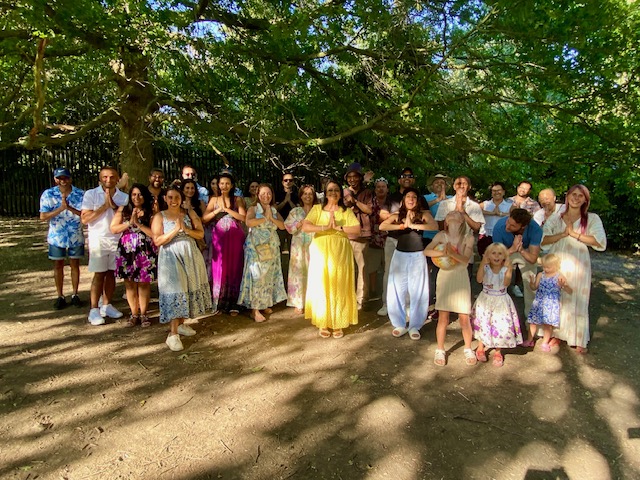
But a meaningful community must have room for more than happiness. It must also be able to hold love, loss and remembrance.
Two years ago, in July 2024, I lost my dear friend Aditi. She had been a regular at the picnic, and her absence is still deeply felt.
This year, her mother, husband and young daughter joined us to create more joyful memories in a place that had held so many happy memories of Aditi.
Watching her wonderfully precocious daughter having such fun with the hula hoops was one of the most heartwarming sights of the day.
Grief and joy stood beside each other on the grass. We remembered someone we loved while watching the next generation laugh and play.
Perhaps that is what genuine community allows us to do. It creates room for both.
See the joy, laughter and connections from the picnic in the full photo and video album →
Somebody has to create the spaceBy the end of the afternoon, countless stories of connection were unfolding. People were exchanging numbers, renewing friendships, meeting neighbours and discovering unexpected things in common.
Some had travelled a long way to attend. Others had walked a few hundred yards and found a community waiting for them.
And it all began with an invitation.
Community can look spontaneous, but it rarely happens by accident. Someone has to choose the date, send the invitation, bring the drums, welcome the person who arrives alone and introduce people who might enjoy knowing one another.
Someone has to be willing to create the space.
That person does not create all the connection, only the conditions in which it becomes possible. Everyone else brings the magic: their stories, generosity, curiosity and willingness to participate.
That is the deeper lesson I carried home from our 24th picnic:
You do not need to know exactly what will happen before you bring people together. You only need to care enough to begin.
The space need not be a gathering of 100 people. It could be dinner around your kitchen table, a monthly walk, two friends who need to meet, or tea with a neighbour whose name you still do not know.
You may never see every consequence of your invitation. A friendship may begin. Someone may meet a future partner. A person who felt alone may discover that they belong. Two people separated by decades may finally find their way back to each other.
The Connection Revolution is not merely an idea or a message.
It happens whenever we stop waiting for connection to appear and take responsibility for creating it.
So perhaps the question for each of us is:
What could become possible if you created the space for people to find one another?
If these stories have inspired you to create more connection in your own life, I invite you to take my free Inner Transformation Scorecard. In just a few minutes, it will help you see where you feel supported and connected—and where one small, ed action could open the door to something new.
Take the Inner Transformation Scorecard
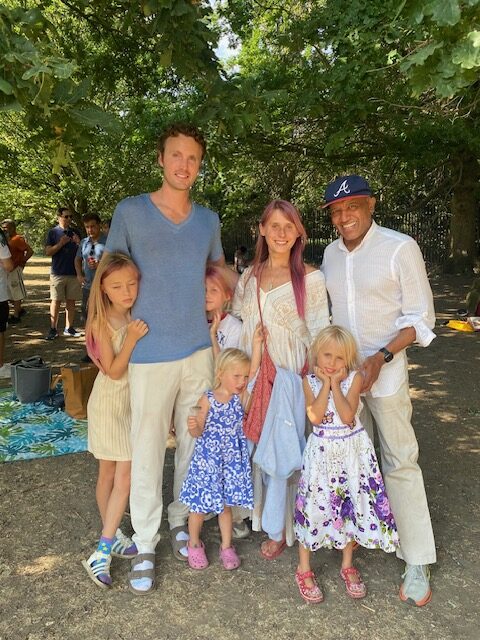
The post What Happens When You Create the Space? appeared first on Arvind Devalia.

