Margaret Floyd's Blog
October 6, 2022
Recent Podcasts: Don’t miss these
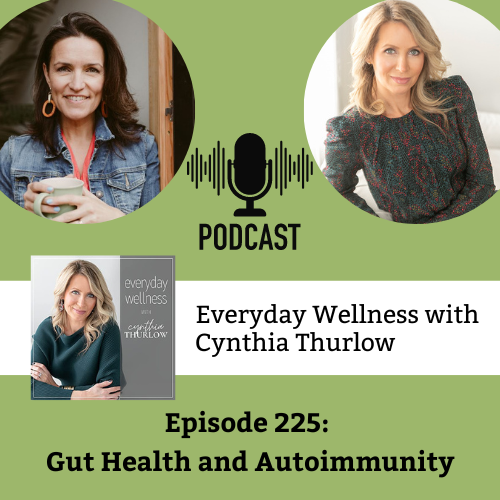
I have been honored to be interviewed on several new podcasts where I explore and discuss topics such as autoimmune remission, gut health, and exploring an alternate reality where health and thriving wellness are the norms.
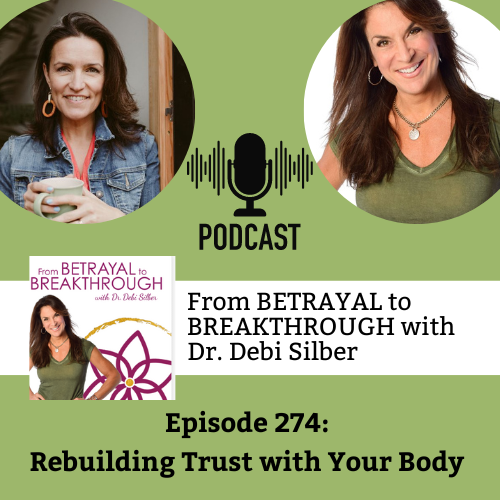
My most recent podcast with Dr. Debi from the PBT (Post Betrayal Transformation) Institute is another must-listen episode. We dove into the betrayal of the body and how physical symptoms can sometimes uncover something more profound.
I have organized my four most recent podcasts here for you to explore. These interviews ask some powerful questions and these discussions might help you gain insight into the world of functional nutrition and your own personal health.
Click on the image for each to be taken to the podcast website, and any additional platforms are linked below each image.
Give each a listen and let me know if they resonate with you or helped shed light on any current struggles you might be experiencing with your health. Follow me on Instagram @margaretfloydbarry to stay up to date on future podcast interviews.
Enjoy!


The post Recent Podcasts: Don’t miss these appeared first on Eat Naked Kitchen.


September 28, 2022
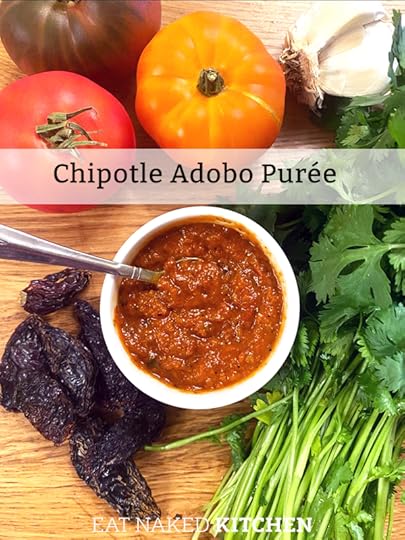
Chipotle Adobo Purée
A few weeks ago, I was looking for ingredients for a delicious salad a friend had made that I wanted to reproduce. One of the ingredients she’d used in the dressing was “Chipotles in Adobo Sauce”. I remember this well from my vegetarian days and hadn’t purchased these smokey peppers in the classic red sauce for years. At the grocery store, I found a couple of different brands and turned them over to read the ingredients. To my horror, they were chock full of corn syrup and industrial seed oils. No thank you.
This is where it comes in SUPER handy to be married to a chef. I came home and shared my chipotle woes with my hubby, Chef James. He generously agreed to come up with an alternative for me, and since I can’t be the only one who doesn’t want seed oils and corn syrup in my dinner, here it is for you, too.
This recipe makes about 1.5 cups of Chipotle adobo purée – which is far more than you will need for a single recipe. I knew it would go off faster than I could use it, so I put the leftovers in a silicone muffin tray and froze them in individual servings. Now I’ve got a bag in the freezer with these frozen chunks of chipotle goodness I can use whenever the mood strikes.
Since this ingredient may not be something you’re familiar with, I am also sharing a spin on one of my old favorites – I turned an old Three Sisters Burrito recipe I used to make as a vegetarian (now loaded with things that I don’t eat any longer) into a delicious Three Sisters Turkey Hash. It was a huge hit among all family members and the kids gobbled it down two days in a row with delight. The recipe for this can be found here.
Enjoy!
Chipotle Adobo Purée
Makes 1.5-2 cups
Ingredients:
Let me know if you try this recipe in the comments below.
The post Chipotle Adobo Purée appeared first on Eat Naked Kitchen.
Three Sisters Turkey Hash
Back in my vegetarian days, one of my favorite recipes was the Three Sisters Burrito. The three sisters are three crops traditionally grown together by the Iroquois and Cherokee because of their beautifully symbiotic nature: corn, squash, and beans. The corn provided the stalks for the beans to climb, and the big leaves from the squash provided the ground coverage between the stalks of corn, helping to prevent the ground from drying out and weeds from taking over. The beans absorb nitrogen from the air and convert it to nitrates in the soil, creating fertile soil for squash and corn. It is a beautiful example of three plants supporting the growth of each other. And the combination happens to be mighty yummy.
Now, I’m no longer a vegetarian and there are many things in the original recipe I used that I don’t tolerate any longer. But I do love that Three Sisters concept and the combination of the smokey chipotles in adobo sauce with lime that the recipe had used. So, I whipped up a version that’s a little closer to my current diet, and to my delight, it was a total hit! Even the kids gobbled it up (twice in two days!) and declared it absolutely delicious. And let me tell you – they’d let me know loud and clear if this recipe didn’t work!
This recipe makes use of the homemade Chipotle Adobo Purée – the recipe for which you can find here.
Three Sisters Turkey Hash
Makes 4 servings
Please share in the comments below if you give this recipe a try and what you thought!

The post Three Sisters Turkey Hash appeared first on Eat Naked Kitchen.
August 31, 2022
Considering a career in nutrition? Start here.
“You’re healthier than anyone I know, you’re skinnier than anyone I know, and you know more about food than anyone I know. Tell me what to do and I’ll do it.”
This was coming from a friend who’d struggled with weight and health issues for years, about 6 months before I went back to school to study nutrition.
I was stunned and delighted simultaneously. Talk about validating! The only problem was that beyond “eat more vegetables” I actually had no idea what to tell her. She had a sluggish thyroid, she was on multiple supplements I’d never heard of before, and – sensing bio-individuality before I had a name for it – I suspected that what worked for me wouldn’t necessarily work for her.
At the time I was a full-time business coach and looking for a change. I’ve always loved food, I was well aware that it was foundational to health, and I’d had a powerful healing experience a few years earlier by changing my diet. I started to wonder if this could be more than a hobby.
I did my research and found a school that looked absolutely ideal. I’d be studying with the biggest names in the field, it was in New York (and who doesn’t want to spend time there?), it wove marketing ideas into the program, and overall it looked incredible. I called them up to register and they were completely full… they already had over 200 people on their wait list! Boo. So I immediately registered for the following year and looked for something to do in the meantime while I was waiting for the “real” program to start.
And that’s when the Universe took over on my behalf. (It always knows best.)
While I was begging and pleading the NY school to let me in, a friend of a friend suggested I check out a local program through the Nutritional Therapy Association (NTA). I attended an information session and liked what I heard. “Nutrient-dense whole foods properly prepared” was their platform and sounded bang-on to me. I figured it would be interesting at the very least, and something to keep me busy while I eagerly and impatiently awaited the NY program to begin.
What a happy happy accident that was!
I was on the edge of my seat throughout the entire class. By the end of the first weekend, my eyes had been opened wide to the many (well-intentioned) mistakes I’d made by following mainstream nutrition advice. I ran the tests we’d use on clients on myself and was delighted to see that so many annoying symptoms I’d come to consider “normal” were actually not the body’s optimal state, and that ending them was not only doable, but delicious in the process!
I learned how the body actually works and how it uses food to function. It sounds simple, but the experience was profound. I’d never considered myself inclined to science before, but hearing the compelling scientific basis that underlies the principles we learned absolutely thrilled me. I learned theory, but I also learned a solid portfolio of clinical tools and methodologies to help myself and clients achieve real, lasting change in their health.
Was this training the endpoint? Not at all. It awakened an endless thirst for knowledge and further skills that I’m still indulging. Ultimately, the NTA program laid the foundation for every subsequent training I’ve done since – it is the “home” that nourished, inspired, and trained me and to which I return to time and time again. More importantly: I had profound changes in my own health by implementing what I learned into my own diet, and I have the same results with clients.
When I went to the long-awaited “real” program in New York, I was utterly disappointed and deeply relieved that fate had delivered me into the capable hands of NTA first.
If you’re considering a career in nutrition, I strongly recommend you start here.
As a member of the NTA alumni, the NTA has graciously provided a (limited-time: now through September 12, 2022) discount code for me to share with you. When you checkout, use the code rws500 to get $500 off your tuition. So if you have been considering a career in nutrition, now is the time. The world needs more NTA graduates continuing the mission of “harnessing the power of real food and empowering people to reconnect with the innate wisdom and unique needs of their bodies, thereby supporting lasting wellness“.
The post Considering a career in nutrition? Start here. appeared first on Eat Naked Kitchen.
August 24, 2022
To supplement or not? The ins and outs of dietary supplementation
Important Disclaimer: I am not a doctor and the information presented here is for your information only, not for the purposes of diagnosing, treating or curing any ailment. It is your responsibility to seek appropriate medical advice from a qualified health care practitioner. I strongly advise you to consult a qualified health professional before embarking on any significant changes to your diet, lifestyle, or supplement regime. Please read my full disclaimer here.
As a nutritional therapy practitioner, I get asked about supplements all the time. Do we really need to supplement? Can’t we get everything we need from our food? If we do need to supplement, what are the best supplements? And there are so many options… how can you know what’s right for you and your body?
These are great and important questions.
It will be no surprise to you that I am a BIG believer in getting as many of your nutrients a day through real, whole food, not through (as my husband calls them) pills, potions or lotions. The most bio-available nutrients are those found in nature’s best multivitamin: a diverse, nutrient-dense real food diet, homemade and from local organic sources.
That’s our holy grail. For some, it’s just that – a goal to strive for. If you’re not eating a diverse nutrient-dense diet, mostly home-prepped, from local organic sources, then there’s a good chance that you need a little boost from supplements. And sadly, even if you ARE eating this way, you probably still need a little extra support. It’s just part of modern life – we’re not outside enough to get sufficient vitamin D, we’re not working the earth with our hands to get soil-based probiotics, and it’s hard to get the full complement of fatty acids and vitamins/minerals we need to truly feel our best. Add soil depletion, lifestyles chock full of chronic stress, and massive toxic exposure to the list, and even if you’re eating the most pristine diet, there’s a good chance your body could still use a little extra love.
So the short answer is yes: we all need to supplement. How much and to what extent depends on your lifestyle, your diet and what’s currently going on in your body.
Before we dive into the specifics, let me take a step back and share how I think about supplements. In my mind, there are two broad categories:
1) Dietary supplements – these are supplements in the way most people think of them. Can’t get enough vitamin D through sunshine or diet? Then you need to supplement. Need a vitamin C boost through cold and flu season? Time to reach for a supplement. [Get the Ultimate Immune Boosting Gummy ebook here]
Dietary supplements provide nutrients that are missing from your diet.
2) Therapeutic supplements – this category of supplements is a little more complex. Perhaps you’re getting enough of a given nutrient in your diet, but your body isn’t able to absorb it or use it properly. This suggests some kind of functional imbalance and this is where therapeutic supplements come in. Let me explain by example:
Let’s say you have those little red bumps on the backs of your upper arms. A lot of people have them, so you probably know what I’m talking about even if you haven’t experienced it yourself. That’s a classic sign of vitamin A deficiency. But here’s the catch: are you deficient in vitamin A, or are you not digesting and absorbing your fatty acids – important co-factors for vitamin A assimilation – properly? Vitamin A is a fat-soluble vitamin and so even if you’re getting enough of it in your diet, if you’re not digesting fats properly, you won’t be able to properly access and use the vitamin A that you are getting.
What’s the solution? Well, in this example, if you were my client and if I’d seen on your food journal that you’re likely getting enough vitamin A, I’d probably try a supplement that supported fat digestion (a functional issue) before just giving you more vitamin A (a dietary issue). 9 times out of 10, I’ve seen those little bumps go away when we get the client digesting fat properly.
This is a great example of a therapeutic supplement. We aren’t supplementing a specific nutrient that is missing from your diet, we’re supporting a function in your body that might need a little extra love (your fat digestion in this example) so that you can access the nutrients from the food you’re already eating. Therapeutic supplementation tends to be shorter term and is designed to bring your body back into balance so that it can do what it is designed to do.
Therapeutic supplements support a function in your body that might need some extra love so that you can access and best use nutrients from the food you’re already eating.
As a practitioner, this is where I like to start with clients. The catch is that you really need to work with a practitioner who specializes in functional nutrition in order to determine what support you need – it’s a very individual thing and is based on many factors.
If you’re not ready to work with a practitioner, but want some good basic supports, here’s a list of products I use frequently and some basic indicators for whether you could benefit from them.
But wait… Not all supplements are created equal.
I strongly encourage you to do your homework here. If you’re going to invest in supplements, for goodness sake don’t skimp and get the cheapest you can find. Here’s a sobering fact: supplement companies are not regulated with the same kind of rigor by the FDA as pharmaceuticals. This means there’s no quality control testing from pill to pill, or bottle to bottle. It also means you’re often getting loads of fillers and binders, sometimes accounting for as much as 40% of the supplement itself!
Most supplements I recommend to clients are professional lines that are pharmaceutical grade and regulated by the FDA with the same rigor as their pharmaceuticals. For example, this means that a maximum of 2% of the content can be fillers or binding agents. It also means that there’s strict quality control testing from bottle to bottle, and pill to pill. If the supplements are not from professional lines, then the ones I recommend are those I have researched and have the highest standards of quality. I only ever recommend product lines in which I have the utmost confidence.
ANOTHER CRITICALLY IMPORTANT NOTE:
Supplements are powerful and can interact with medications you’re currently taking. If you are taking any prescription medication, it’s a good idea to take any new supplements to your pharmacist and have them double-check to ensure you’re not inadvertently taking something that is contra-indicated.
Now that we’ve gotten the disclaimers and caveats in place, here’s my list:
Fish oilYou’ve probably seen all sorts of food labels raving about their product’s Omega 3 content. Omega 3s are very important essential fatty acids (“essential” meaning that the body cannot make them from other fatty acids, and thus they must be obtained through the diet directly). Both Omega 3s and Omega 6s are considered essential to our diet. There’s a lot of focus on Omega 3s because our diet is grossly imbalanced in favor of the 6s. The optimal ratio of Omega 3s to Omega 6s is anywhere from 1:1 to 1:4; the modern diet is closer to 1:20 or even 1:40!! What makes matters worse is that the Omega 6s we are eating are usually highly over-processed and thus highly inflammatory. There are lots of things to do to address this issue (eliminating processed vegetable and seed oils from your diet is an excellent starting point) but from a supplement perspective, a basic and easy step is to add fish oil to your diet.
Now as with whole fish, quality is paramount when it comes to supplementing with fish oil that you’re getting high quality. I like Biomega-1000 because it is a potent source of omega-3 essential fatty acids (EFAs) that are sourced from a strategically-placed facility in the far South Pacific Ocean off the coast of Chile, guaranteeing the freshest raw material available, full traceability of the product and unparalleled purity. Biomega-1000 capsules deliver an impressive 1,000 mg of omega-3 oils, making it the ideal choice for therapeutic dosing of the essential fatty acids, EPA and DHA (the vitally important essential fatty acids found in fish.
Could you benefit from it? This supplement is great for people struggling with inflammation, immune issues, or who don’t eat a good source of wild fish 2-4 times a week. It’s also excellent for pre-conception and as a prenatal and is one of my “musts” for kids since it’s so critical for immune and brain development
ProbioticsUnless you’re eating a lot of fermented foods (as in something fermented at every meal with a wide variety of fermented foods and beverages) then supplementing with a quality probiotic is an excellent idea. Even when you ARE eating a lot of fermented foods, I like to supplement occasionally (every 3-4 months) with a month of probiotics to boost my body’s population of the “gut good guys”.
My favorite one by far is a soil-based probiotic which means it has a completely different family of probiotics in it than you’ll find in any fermented food – this means it complements fermented food really well and provides strains of probiotics many of us are deficient in.
[Get the Ultimate Immune Boosting Gummy ebook here]
Could you benefit from it? If you have ever taken antibiotics and didn’t supplement with a soil-based probiotic afterward, then you could benefit from this supplement even if you have supplemented with other probiotics. I take it twice daily (one first thing in the morning, one before bed) for 3 months, and then do a 1 month round twice a year for maintenance.
Desiccated liverEwwwww, liver? Yes, liver. And it’s for this very “yuck factor” that I recommend it. You see, organs are actually some of the most nutrient-dense parts of the animals we eat and were a key staple of traditional diets. Growing up we had liver for dinner at least once every other week. It wasn’t my favorite dish, but I ate it, and now, as a nutritionist, can appreciate my mothers’ intuition around this one. Liver is high in B-vitamins, especially B12, the important fat soluble vitamins A, D, E and K, folic acid, and important minerals. And don’t just take it from me – here’s an article from leading health expert Chris Kresser LAc, who calls liver nature’s most perfect super food. Check out the cool table comparing the nutrient profile of beef liver to some of the common vegetable superfoods. Liver is the clear winner.
Now, I’d far prefer you to eat the liver itself (and other organ meat! let’s not discriminate), but if that’s just not going to happen, then a desiccated liver supplement is your next best bet.
Now, if you’re starting to tune out and feel like preparing beef liver is outside your comfort zone, we’ve got you covered. If you haven’t heard, our very own Chef James Barry has created a new food product that is one of the easiest and yummiest ways to get the health benefits of organ meats without having to wrap your mind or your cooking skills around preparing it. PLUCK, is an organ-based seasoning that gives you all the benefits of organ meat without having to learn new culinary skills. Pluck contains beef liver, kidney, heart, spleen and pancreas…many organs that you’d be hard-pressed to find available in your local store or even online.
How does Pluck taste? Well, it doesn’t taste like organs. It has umami or savory taste to it; slightly smoky (from the smoked paprika) and slightly salty. What I love is that I can put it on anything from fish and vegetables, to movie night popcorn and m family gets the nutrients and vitamins from organ meats without having to talk my kids into eating liver. Plus, it actually makes food taste better. I notice when I make a meal that is good, all I need to do is add some Pluck and the meal becomes great.
Could you benefit from it? Are you eating organ meat from healthy pastured animals twice a week on a regular basis? If yes, then you can skip this one. If not, then this is the next best thing.
GreensDo you eat your greens? I love greens, but even loving them I don’t always get enough of them. When I travel, I always take extra greens to offset the dietary damage incurred by not being in full control of my food.
One of my favorite greens supplementation is called Daily Greens Plus. This unique greens powder formula combines the highest-quality sources of green nutrition with adaptogens that support a healthy stress response and adrenal function, as well as an antioxidant blend that boosts the body’s defenses against oxidative damage and a mushroom blend that promotes optimal immune function.
Could you benefit from it? If you don’t get enough greens (I strive for 3 full cups a day of dark leafy greens raw or cooked) if you’re traveling a lot, or if you could use a little additional detoxification support (who couldn’t?) then drinking some daily greens could be your new best friend.
GelatinI’ve written a little bit about the health benefits of gelatin (here and here), and I think of this as one of the unsung superfood heroes. When we think of gelatin, most people think of the gnarly, over-sugared jello they used to eat as kids. While I’d never recommend that over-processed dessert, it actually had healthy origins. Traditionally it was made from the gelatin from cartilage of healthy, pastured animals. In this form, it’s an amazing source of collagen and as such, is terrific for any connective tissue in your body. Think: hair, skin, nails, joints. It’s also a great source of amino acids that are in short supply in our diet and helps to heal and soothe the digestive tract. I’m a big fan. Here’s a great book on the topic, with fun recipes and creative ways to include it in your diet.
Could you benefit from it? Are you drinking 1-2 cups of gelatinous homemade bone broth a day? If not, then gelatin could be a great addition to your diet. It’s such an easy thing to add in – just add a heaping spoonful of Vital Proteins Collagen to your drinks – hot or cold – a couple of times a day. Strive for 2 Tbsps a day and watch the results with your hair, skin, and nails. You’re welcome. (Note: the Vital Proteins beef gelatin is also great, but is used for making gummies and other gelatinous treats. You can certainly use it, but it doesn’t dissolve as easily in water. For great gummy recipes with supplement formulas for both kids and adults, get the Ultimate Immune Boosting Gummy ebook
MagnesiumAs you’ll see from this list, I’m not a big fan of supplementing with single nutrient supplements. I typically prefer whole foods supplements that include not only the nutrients I’m looking for but other co-factors and nutrients (some of which we likely don’t even know exist yet). The big exception to this list is magnesium. Why? For several reasons: it’s the first mineral to be depleted by stress, and in our stress-ruled world, pretty much all of us need it. It’s also depleted by sugar consumption, which is another chronic issue. There are many more reasons for supplementing with magnesium: it’s helpful for sleep, alleviating headaches, muscle cramps, anxiety, blood pressure, bone health… you get the idea.
Magnesium can also inspire loose bowels – I always bring magnesium when traveling, for example, which tends to constipate me (change in diet, dehydration from long plane rides, etc) and over-stimulate me.
Could you benefit from it? If you struggle with sleep, stress, anxiety, or find it hard to relax mentally (or physically – like muscle cramps). If you’ve got headaches, especially migraines, magnesium can make a huge difference. If you struggle with occasional constipation due to travel or other life interference, then an oral magnesium supplement can help keep things moving (but please don’t use it long-term or for chronic constipation – that’s actually a serious issue that needs to be addressed).
If you are interested in trying these supplements, I put together a bundle of my favorites. Click on the image below to purchase your Eat Naked Kitchen Basics Bundle today.
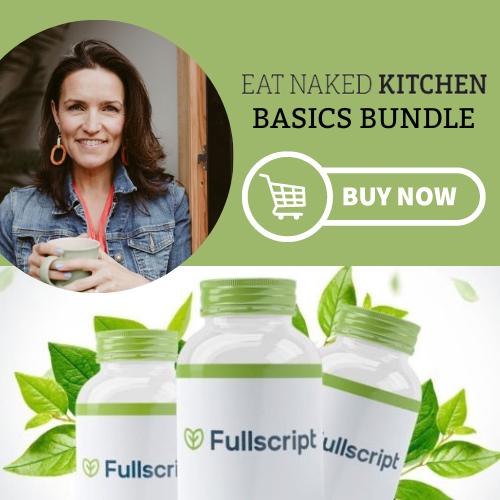
*if you are not a Fullscript member, you will need to create your FREE account first.
What are your go-to supplements? Do you have any that you’ve found to be particularly helpful? Please share in the comments below.
The post To supplement or not? The ins and outs of dietary supplementation appeared first on Eat Naked Kitchen.
July 20, 2022
Whole Earth, Whole Body: Next Level Wellness
I was recently interviewed on a new podcast – Creating A Parallel Society with Sarah Climenhaga – where we explored an alternate reality where health and thriving wellness are the norm. I don’t often get to talk big picture like this, and it was a delight to dig into some of the broader questions that influence all of our health on a daily basis.
Sarah asked me some powerful questions and we got very rooted in what’s not working, but I realized after the fact that I didn’t spend enough time on a vision for what could be.
Here is that vision:
(I recommend listening to the podcast here first!)
I see a world where the quality of the soil and thus the quality of our food supply is steadily increasing, not depleting. Where the government subsidizes regenerative agriculture and family farms, not monocrop industrial agriculture and feedlots.
I see a world where access to real, whole food is a basic human right and protected fiercely as such.
I see a world where the cost of a food is relative to the processing it has undergone: the most processed, least nutrient-dense foods are the most expensive and hardest to get; the least processed, most nutrient-dense foods are the least expensive and most widely available.
I see a world where the first question asked and explored by all health professionals is “why?” A world where looking for the root cause of any kind of health issue is regular practice and the first course of action, not the last.
I see a world where individuals are empowered to make the healthier choice: it’s the easier, more convenient, less expensive choice. I see a world where making this healthier choice is celebrated and rewarded, not mocked.
I see a world where we work together to create an environment in which the human body can truly thrive. A world where clean air, clean water, and lots of time outdoors in nature are the norm.
I see a world where businesses create work schedules that honor the body’s biorhythms and needs, not override them.
I see a world where medication, surgery and other more intrusive medical procedures are used sparingly and strategically in cases of acute care and when no other option is sufficient.
In this podcast, we discuss how we can start moving towards this vision through our own individual actions.
What do you see? I’d love to hear your thoughts – let’s crowdsource this vision together! Please share your vision in the comments below.

The post Whole Earth, Whole Body: Next Level Wellness appeared first on Eat Naked Kitchen.
July 7, 2022
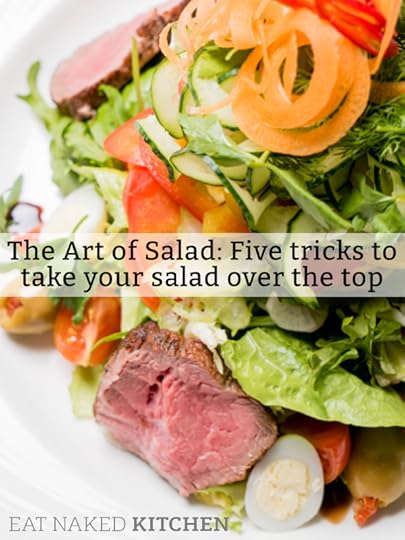
The Art of Salad: Five tricks to take your salad over the top

Written by Chef James
Salads have come far from the iceberg lettuce, tomato and vinaigrette days of yesteryear. As a child, I wouldn’t have anything to do with salads. My “salad” was eating a carrot. Now ask me my favorite item to make, and I’ll say salad dressings. I love a good salad.
By definition, salad is a cold, usually raw mix of vegetables with a dressing that are eaten as just one part of a larger meal. In more recent times, salads have become complicated, stand alone meals.
As a salad connoisseur there are certain considerations that I believe can make or break a salad. Follow these five criteria and step into salad mastery:
1) Quality, seasonal produce.Since most salads are raw, you want flavorful vegetables that are grown using no synthetic pesticides, herbicides, or fertilizers. If they are locally grown and seasonal, all the better as they’ll be harvested when ripe. Eating seasonally will automatically add variety into your salads as you use different ingredients based on what’s available that time of year. This will also help you out of the rut we all get into using the same old ingredients every time.
2) Variety and color.When eating a salad as your main meal, variety and color are your friends. Who wants to eat a boring, neutral looking salad? Colors like red, yellow and purple will make your salad pop! When shopping, let you eyes lead you in the right direction. Choose vegetables of different colors.
3) Texture.A salad without a crunch is just a soggy mess. Look for varied textures as you prepare your salad. Wash and spin your lettuce to revive it and bring out its crispness. Add some nuts or seeds for some extra crunch, add cheese for something salty and soft, and add cultured vegetables or olives for something a little sour.
4) Size matters.I’m a big believer that no one should need a knife to eat a salad. Small bite size cuts are ideal. A chiffonade or julienne cut where you cut the lettuce into thin bite size strips makes for a salad that can be a) eaten without a knife and b) can absorb and be easily coated by the dressing.
5) Dressing.If you’re using bottle dressing on your salad, then please stop. As a salad nazi – I mean connoisseur – I require that all dressings are made from scratch. (For easy to make dressings that take only 5-10 minutes to make and can be used repeatedly, check out The Naked Foods Cookbook here). Bottled salad dressings use cheap oils, are preservative filled, and use over-processed ingredients. They’re also a main source of added sugar and salt. Just don’t use them. Make your own dressings and control the quality of the ingredients. It can be as simple as cold-pressed extra virgin olive oil, with fresh herbs and lemon or lime juice. Use real ingredients and your body will love you for it.
Margaret’s note: Some people skip the dressing or look for ‘fat free’ dressings to skimp on calories. This is a big no-no with salads. You need the fats in the oil in order to absorb the nutrients in the vegetables, and if it’s a good quality oil, you don’t have to worry about a negative impact on your body. Furthermore the fats make the salad taste so much better, they fill you up and they give you long lasting energy that will help you stay full until the next meal. So don’t be shy – dress your salad!!
Here’s a simple guideline to use when making your next salad:
Market SaladIngredients:
2 cups lettuce or light, leafy greens like romaine, red lettuce, spinach or arugula2 oz of a homemade dressing (see The Naked Foods Cookbook for ideas)3 oz protein of choice like grassfed beef or smoked salmon (this is a great use of leftovers from dinner). If vegan, choose beans or lentils over tofu.1/2 cup medley of vegetable toppings like diakon radish, carrots, beets, cucumber or tomatoes1 tablespoon of a nut or seed like pumpkin seeds or sesame seeds1 tablespoon of choice cheese like shaved parmesan, raw milk cheddar or goats cheese (If not eating dairy, use capers, olives or other similar product)1 teaspoon garnish of fresh chopped herbs like chives, parsley, thyme or basilThere you have it. Try your best to bust loose of adding processed ingredients to your salad. That includes no croutons, bacon bits, pita, or crispy noodles. Seaweed, nuts, and seeds can add the right crunch to a salad so you don’t feel like you’re missing out.
The post The Art of Salad: Five tricks to take your salad over the top appeared first on Eat Naked Kitchen.
June 7, 2022
How to handle social events when your child has food restrictions
“Oh yes we’d love to come to Johnnie’s birthday party!”
You force a smile as your insides fill with dread. Gluten- and sugar-filled desserts, allergen-filled snacks… social events are a veritable minefield for kids with food restrictions.
Having dealt with this myself and coached many clients through similar situations, I’ve learned some very important lessons of what works and what doesn’t work when it comes to handling social events and complex food restrictions.
The great news is this:
Social engagements don’t have to be a nightmare with a little pre-planning and a certain mindset.With some thought, consideration and a little advanced planning, you and your child will soar through social engagements rather than fear them. Here are six strategies we use with great results.
1. Bring something special for your child.Going to a birthday party? If your child won’t be able to eat the birthday cake, bring a special cake for him to enjoy and share with the other kids. He won’t feel as left out if he’s got something special of his own. In our experience, everyone wants to try the “special cake” our daughter has – so it actually makes her feel special, not isolated.
2. Involve your child in preparing the “something special”There’s no better way to get your child’s buy in to what they’re eating (in social situations or otherwise) than to involve them in its preparation. Sia was invited to a party recently and she and papa spent a lovely afternoon making her special cake. She was so proud of it, she couldn’t wait to bring it to the party. She didn’t even notice the cupcakes she couldn’t have because she was so excited about what she brought.
3. Warn your host ahead of time.You always want to respect your hosts and give them a little heads up of the situation. Explain why you’re showing up with your own “special food.” Most hosts are more than accommodating and appreciate both the advanced warning about your child’s dietary needs, AND the fact that you’re taking the responsibility for them.
Ask your host what she’s planning on serving for food so that you can make sure your child has things to eat. Don’t make assumptions – you want to make sure your child has yummy options that work for him.
4. Explain to your child that there will be things she can’t eat and things she can.Kids aren’t stupid – they know when something’s up. So rather than try to hide the situation and make it all easy for your child (which normally backfires in amazing ways), sit her down and explain what’s going on. It doesn’t have to be complex. It can simply be: “We’re going to Johnnie’s birthday party and the cake they have will hurt your tummy. I don’t want your tummy to hurt so we’re going to make our own special cake. Won’t that be fun? Would you be willing to share it with the other kids, too?”
I’ve found the more we involve Sia in the process and explain in simple terms what we’re doing and why, the more she cooperates because she understands what’s going on and doesn’t feel like we’re trying to pull one over on her.
5. Don’t make a big deal about it.Your child picks up on energy, and if you’re fretting about what he can or can’t eat or worrying that he’s going to feel deprived or left out, then you’re setting him up for failure. He’ll sense that something’s off and quite likely start acting out. If, on the other hand, you don’t make a big deal about it and are very matter of fact – “this is the way it is”- without emotional attachment one way or the other, it becomes a non-issue. Even if he struggles for a little bit, the less emotionally riled up you are, the quicker he’ll calm down.
When we’re at the party and it’s time to eat, instead of focusing on the foods Sia can’t eat, we focus on the ones she can. Obviously, we need to make sure she doesn’t eat something she’ll react to, but we put most of our energy on the things she can do to keep it as positive as possible.
6. Be your child’s partner.If your child can’t eat gluten and you bring a special cake, then by all means don’t eat the regular cake in front of her. Show her you’re on her team and eating the same way she does. This will help her feel included.
7. Don’t make the party about the food.Parties are about so much more than just the food, but we tend to make the food the central point of things. How about you help your child to focus on the other aspects of the party – the activities, the people, the games, the joy of celebration? The food can be secondary if you let it be.
Do you have a child with food restrictions? How have you handled social engagements? I’d love to hear your tips and tricks in the comments below.

The post How to handle social events when your child has food restrictions appeared first on Eat Naked Kitchen.
June 1, 2022
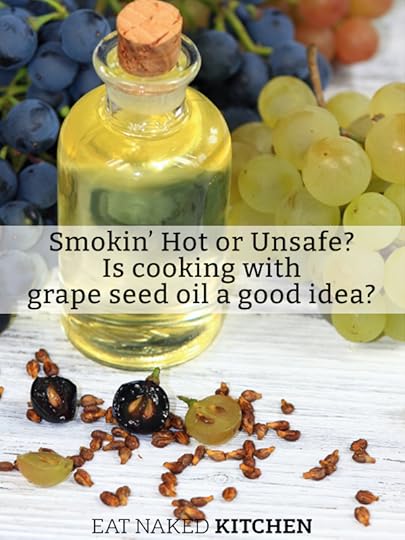
Smokin’ Hot or Unsafe? Is cooking with grape seed oil a good idea?
I (Margaret) get asked all the time about whether grape seed oil is safe for cooking. There’s lots of confusion and misinformation on the topic of fats generally, and cooking is no exception. Grapeseed oil is advertised as appropriate for high heat because of its high smoke point. But is it? Caroline Barringer NTP CHFS FES, owner of Immunitrition and lead instructor for the Nutritional Therapy Association gives a thoughtful answer here. This is an excerpt from her article “Cooking with Grape Seed Oil or Rice Bran Oil: Is it safe?”.
A professional chef recently contacted me with a question about the smoke points of oils, as well as the safety of cooking with rice bran oil and grape seed oils in particular. She explained to me that the smoke point of an oil or fat is considered important to culinary professionals because they want to be able to cook certain foods quickly at high temperatures without the food burning or having an “off” flavor, which is a strong indication that the oil has gone rancid. Oils with higher smoke points may be important to a modern chef, but what they fail to understand is that the smoke point of an oil or fat has nothing to do with its health benefits or its safety for cooking at higher temperatures. Fats and oils are made up of all fatty acid types (mono-unsaturated, poly-unsaturated, and saturated), so we must first investigate to see what the predominant type of fatty acid a specific oil or fat contains to determine whether or not it should be exposed to heat, oxygen, light, or moisture.
As a rule of thumb, if the predominant classification of an oil or fat is polyunsaturated, then we should never cook with it – regardless of its smoke point. Grapeseed oil is predominantly classified as a polyunsaturated fatty acid, and is thus highly reactive. Lipid (per)oxidation and free-radical production quickly take place when these types of fatty acids are exposed to any degree of heat – even very low heat. This is a big red flag for producing inflammation and irritation within our bodies.
Here are the fatty acid profiles for grape seed oil and rice bran oil.
Grape Seed OilRice Bran Oil71% POLYunsaturated36% polyunsaturated17% monounsaturated48% MONOunsaturated12% saturated17% saturated(485º smoke point)(490º smoke point)As you can see, grape seed oil is mostly a polyunsaturated fat and should never be exposed to any degree of heat. It should be stored in the refrigerator and used sparingly. Rice bran oil, on the other hand, is predominantly a monounsaturated fatty acid. It is a bit more stable than grape seed oil, and can be used for very low-heat applications, but rice bran oil still has a hefty polyunsaturated content (36%), so it’s best to store it in the fridge and use in moderate amounts. Rice bran oil’s 17% saturated fatty acid content protects the delicate polyunsaturated fatty acids when exposed to low-heat cooking. Rice bran oil shares a similar profile to sesame oil (43 poly, 42 mono, and 15 sat), so it’s best to follow the same rules for cooking with both rice bran and sesame oils, although sesame oil has a higher antioxidant profile for added protection. I always add a bit of a saturated fat to any monounsaturated fat I use for cooking a light stir-fry or low-simmer dish to protect the polyunsaturated content that particular fat may have.
For comparison, let’s take a look at the fatty acid profiles of other commonly used monounsaturated oils: avocado, macadamia nut, and olive oils.
AvocadoMacadamiaOlive10% polyunsaturated10% polyunsaturated12% polyunsaturated70% monounsaturated78% monounsaturated75% monounsaturated20% saturated12% saturated13% saturated(485º smoke point)(490º smoke point)As you can clearly see, avocado and macadamia nut oils have a very similar profile with a substantial mono-unsaturated fatty acid content and a fairly low poly-unsaturated fatty acid content (especially macadamia oil), along with a fair amount of saturated fatty acid content to help protect the more delicate poly and mono fats when exposed to heat. Olive oil has the highest poly-unsaturated fatty acid content of this group, so it may be wise to store it in the refrigerator and then allow it to melt at room temperature for pouring over foods after cooking or to use with a very low heat setting for a short period of time. Peanut oil is another type of monounsaturated dominant oil, but it also has 34% poly fats in its profile, so very limited use, especially where heat exposure is involved, is advised.
Corn, safflower, sunflower, flax (linseed), walnut, hazelnut, hemp, pine nut, pumpkin, and wheat germ oils should only be used raw and in small amounts. Never cook with these nut and seed oils as they are polyunsaturated dominant. They are delicate and easily damaged by heat, light, oxygen, and moisture, so refrigeration in a tightly sealed, opaque bottle is a must. Look for cold-pressed, unrefined versions only.
Additionally, accessory oils such as cod liver, fish liver, borage, black currant oil, and evening primrose should NEVER be used for cooking. These therapeutic fatty acids are mostly found in nutritional supplements, but there are some free-flowing versions now available. If you plan on using a free-flowing version, keep it cold at all times, stored in an opaque bottle, and take it as a supplement – right off the spoon – as directed by your health care practitioner.
Cottonseed oil, canola oil, and any hydrogenated oils should always be avoided. These fats are anti-nutritive, denatured, highly processed, pesticide and solvent laden, rancid, and refined. Of course, we all now know about the dangers of trans fats so avoid all fats that have hydrogenation listed on the label. NO AMOUNT OF TRANS FATS is safe to consume.
For more on cooking with vegetable oils, check out these articles:
The Complete Guide to Fats and Oils – What to Cook With (or not), What to Avoid and Why
Why vegetable oil is NOT healthy
The real dangers of vegetable oils
And for all of you asking WHAT to cook with if not grapeseed or vegetable oils, here’s a great article on the 6 healthiest cooking oils.
The post Smokin’ Hot or Unsafe? Is cooking with grape seed oil a good idea? appeared first on Eat Naked Kitchen.
May 24, 2022
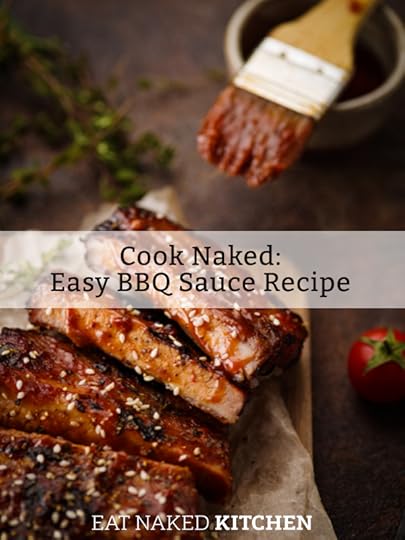
Cook Naked: Easy BBQ Sauce Recipe
Summer is right around the corner. Time to clean the grill and get your sauce on. Nothing sings of summer more than the laughter of children playing outside and the smell of a barbecue.
I grew up eating BBQ and must admit one of my favorite comfort foods is BBQ pork ribs. I don’t eat them much these days, (let’s face it, all that charcoal tastes good but it’s carcinogenic) but on the special occasions where I do indulge, the adult who cares about what he puts in his body steps into focus.
Sugar is the main ingredient in BBQ sauce and provides the caramelized, crispy goodness to that on which you spread it. Store-bought sauces and dressings are some of the least naked foods you can purchase due to the poor ingredients, additives and preservatives. I love me some BBQ, but not at the expense of my health.
Here’s a tasty BBQ sauce recipe that limits the amount of sugar while upping the flavor content. The liquid smoke is available at most grocery and health food stores. If you can’t find it, you can always add a dried chipotle pepper, which will also infuse a smoky flavor to the sauce. The more you reduce the sauce the more flavor you’ll get. Adjust the reducing time accordingly.
NAKED Barbeque SauceYield: 6 cups
Ingredients:
1 Tbsp ghee or butter1 onion, small dice2 cloves garlic, minced1 28-oz-can diced tomatoes1 6-oz can tomato paste2 Tbsp coconut sugar, rapadura or maple syrup2 Tbsp molasses3 Tbsp apple cider vinegar1 tsp hickory seasoning-liquid smoke1/2 tsp red pepper flakes (optional, for spicier sauce)1/8 tsp (pinch) cayenne pepperSea salt to tasteProcedure:
Sauté onions with a little salt until they turn translucent in a pot over medium heat. Add garlic. Cook for about 1 min. Add the tomatoes with juice, paste, syrup, molasses, vinegar, and liquid smoke (or chipotle pepper) into the pot, cover, and bring to a boil. Once boiling, remove the cover, adjust the temperature to a rolling boil, and allow the sauce to reduce. The longer amount of time, the more flavorful the sauce. Mix occasionally to ensure the bottom does not stick or burn
Once reduced (about 1 1/2 – 2 hours), remove chipotle pepper if using (unless you want the sauce to be VERY spicy), then add the mix to a blender and thoroughly mix until smooth. Add salt to taste.
For a spicier sauce, add a pinch of cayenne and 1/2 tsp of red pepper flakes. Blend briefly (10 seconds) and you’re done. Fully cool the sauce before sealing it in a jar/container.
Will store for about two weeks in the refrigerator or up to 3 months in the freezer.
Enjoy!
The post Cook Naked: Easy BBQ Sauce Recipe appeared first on Eat Naked Kitchen.