Sangay Glass's Blog - Posts Tagged "funding"
Conservation and Cash: Not All Green Means Give
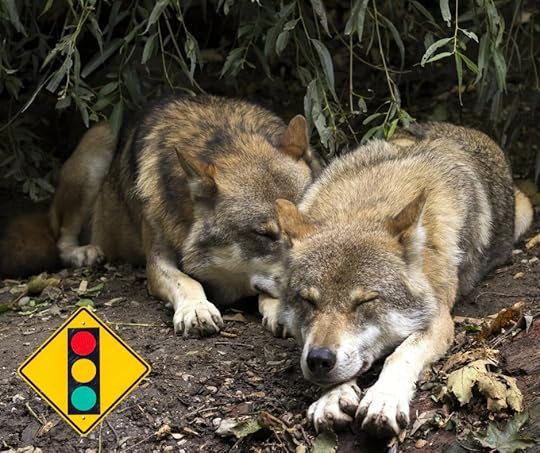 You learn early in my line of work that wolves don’t lie. They snarl when they mean it. They run when they’re scared. They don’t slap a “Save the Ecosystem” sticker on a truck full of traps.
People? Whole different story.
I’ve spent enough time with “green” organizations to know that the color doesn’t always mean go, grow, or good.
Sometimes, it means money. Sometimes, it means control. And sometimes, for organizations, like the fictional Northern Apex Initiative (NAI), it means camouflage.
See, you get these slick operations that throw words like “conservation,” “balance,” and “public trust” around like seed bombs. But look a little closer and you’ll find those seeds don’t sprout because they're weighed down by politics, corporate ties, and a quiet hatred of wild things that refuse to be managed.
NAI claims to support wolf recovery. They fund habitat mapping, population monitoring, and public education campaigns. Sounds great, right?
Until you realize they’re also lobbying for sterilization over relocation, quiet lethal management, fencing off migration corridors, and selling fear as science. I should know. I took their money. I used their collars. And for a while, I believed the story they were selling: that we were restoring balance.
But balance isn’t sterile. It’s chaos, reactive, and alive. Wolves aren’t numbers in a model. They’re individuals with roles, instincts, and consequences.
You can’t tame wildness and call it stewardship.
So here’s the truth: just because a group says they’re green doesn’t mean they aren’t built on gray intentions.
Ask who benefits. Follow the funding. Watch how they talk about predators—do they sound like allies, or like landlords annoyed that the tenants bite?
And if someone tells you they’re protecting wolves by controlling them, remember this: Sometimes management is just a slow kill with better PR.
If you’re laying your money down, pick your side with your eyes wide open. The wolves don’t get second chances.
—Jess Taylor, Wildlife Biologist
Set in the remote Adirondacks, where wolves have returned after a century-long absence, The Wolfer's Daughter is a chilling and darkly humorous story rooted in real-world conservation, identity, and the blurry lines between what we love and what we fear.


Wolves Don’t Hook Up. They Lock In.
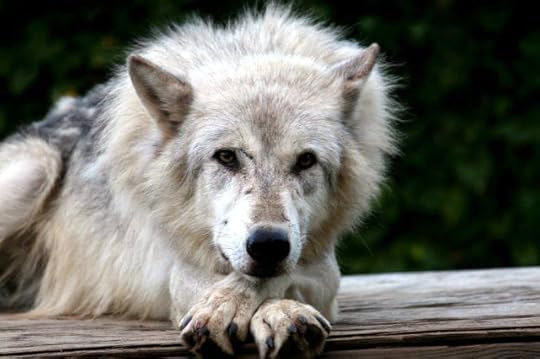 When wolves mate, it’s not casual. It’s primal, hormonal, and strategic. They don’t just breed, they bond.
First comes the chase. She tests him, makes him prove his worth with play, patience, and persistence. If he’s too eager? She puts him in his place. Too lazy? He’s out.
But if he respects her timing and reads her right, she lets him closer. And when they finally lock up—yes, literally—they’re tied together, back to back, until it’s done.
It’s awkward. It’s intense. And it works.
Because for wolves, sex isn’t just about pleasure. It’s about partnership, territory, and survival.
So next time someone calls themselves your “alpha,” ask if they’ve ever earned it the wolf way. Through restraint, respect… and a little well-timed growl.
— Jess Taylor
(The Wolfer’s Daughter)
Coming July 25th. Set in the remote Adirondacks, where wolves have returned after a century-long absence, The Wolfer's Daughter is a chilling and darkly humorous story rooted in real-world conservation, identity, and the blurry lines between what we love and what we fear.
Here's Where Thing Get Wild
 Let's talk wildlife coexistence. It’s the holy grail of conservation, and the one I keep chasing, even when it feels just out of reach.
We talk a lot about “saving wolves,” but honestly? What I want is space. For all of it. The wolves. The prey. The rivers. The people. That delicate tension where everything gets to exist, not perfectly, but enough.
And here’s the wild part: sometimes, it’s not the apex predators that show us the biggest shifts. It’s the little ones, like rodents and dam-builders.
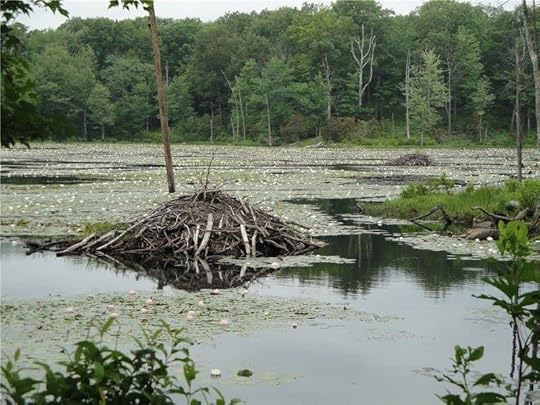
Last week, I checked our data and nearly cried. Out of necessity, our small, fictional pack had to shift its diet. Fewer moose and deer. More beaver.
That may sound minor, but it’s everything. It means they’re adapting. Just like the wolves in Voyageurs.
And if they keep choosing beaver? That could mean fewer livestock complaints. More deer and moose left for sustenance hunters, the kind who live here, not fly in.
It’s a glimpse of longer-term balance. It’s proof that wolves don’t have to be painted as villains to survive.
And beavers? They go both ways, ecologically, I mean.
So, calm down and open your mind.
Beavers reshape land one stick at a time. They slow streams. Create ponds. Invite frogs and birds and all the things we forget we’re losing.
And when they move out? Open meadows return, hosting a whole new cast of plants and animals. They’re ecosystem drivers in both directions.
But here’s the part I love most: Beaver shifts don’t spark lawsuits or headlines. No panic. No propaganda. Just quiet resilience that ripples out like water behind a dam.
This kind of shift is rare. It’s hopeful. It’s proof that when we step back and let nature do its thing, sometimes, it figures out how to live alongside us.
~ Jess Taylor~ The Wolfer's Daughter
The Wolfer's Daughter is available for free on digital in preview, starting 7/24 for the weekend.
The paperback on coming July 25
Set in the remote Adirondacks, where wolves have returned after a century-long absence, "The Wolfer's Daughter" is a chilling and darkly humorous story rooted in real-world conservation, identity, and the blurry lines between what we love and what we fear.