Colleen Anderson's Blog
August 17, 2026
AI and the Witch Hunt Era
AI s a hot button topic and I will preface the post by saying all comments are monitored. Any hate language, any abuse, or threats will be blocked and deleted. I hate having to say this up front but you’ll see why. Also I do not support nor use AI to create my works. I don’t use it as a freelance editor. Like almost every writer I know, why have it write for me when this is why I write? To express myself, perhaps as a form of therapy, and to fill the world with my weird visions. Not to have a robot do it.
Most people who know me, know that I’m ethical to a fault. I try to understand the other side. This is not an academic essay as I have not done research into every sentence. Also I can say that posting this has caused me some dread, because of the witch hunting going on.
 These images are mine and posted to break up the very long post, and maybe because this is a dark subject.
 So, let’s launch into AI. For those who may not know, AI is artificial intelligence as we know it right now. It has developed rapidly in the last few years and is in everything. I’m not going into all the issues with AI, such as the environmental ones, or about its varying uses. This article indicates some areas where AI is making a difference.
There are different forms of AI, including generative AI, which creates new content such as art, text, video, or audio. There is also AI LLM (Large Language Models), which use large datasets to train AI to sound and think human. LLMs deal with text and are a subset of generative AI. Fiverr has a good article on the difference.
I’m going to talk about generative AI and LLMs as it affects the writing industry. You can insert an idea prompt into an AI app and it will write your story. Companies creating AI tech scraped the internet for art and written works and basically stole work that was copyrighted without permission. If you ask gen AI to create a piece (image or story) in the style of X, where do you think it gets the data to do so? From the stolen works. There are numerous lawsuits over this unscrupulous data mining. Creators and publishers have raised a hue and cry against these companies. Think of Avatar where the Earth company rapes the land for unobtanium.
Note that some companies are trying to use AI ethically (environmental issues aside). Canva, which provides templates for creating posters, cards, etc. for free, as well as paid templates, has stated that artists can opt in to have their works used for AI. Adobe has said similar. I’m presuming the artist gets a cut if their work is used. If any artists have done this, I’d love to hear your viewpoint in the comments. Other companies aren’t ethical and don’t seem to care, building on the backs of creators.
Now, let’s get to the brass tacks of writing. Almost every agency, writing organization, magazine, publisher, and news outlet will not accept anything created or manipulated by gen AI. The policies vary but the tone is the same: don’t do it. Overall, we don’t want AI when it comes to creativity. We want works generated by human beings with all their flaws and foibles. When I say we, I mean creatives and their supporters.
Here’s the thing though: there have always been unscrupulous people and those willing to make a quick buck. Why they’re trying it in writing, and speculative writing, I’m not sure. The money’s not that grand. (speculative here means works of fantasy, science fiction, horror, and its subgenres). So yes, people are using AI and they’ve flooded some markets. In some situations, stories have been published, only for editors/publishers to find out afterward that AI wrote them. AI’s getting very good at emulating people, though there are still some tells. For one, em dashes— Many writers use these, especially in poetry. So now writers writing their own work are panicking. But here’s the other side: hacks and people wanting to make a quick buck on Amazon continue to use AI. Do they care what writers’ organizations think? I’m betting they don’t.
 Not a gate, but a gateway. Evora, Portugal
On top of that, there are AI detectors. You can put a piece of writing through the detector and it will tell you whether it’s AI-written and towhat percentage. But guess what? It’s AI. And in some cases, you can get that AI detector to “humanize” your content. In other words, AI tells you it’s AI and then uses AI to rewrite your piece. Irony, much? I put one of my pieces through that I wrote over 20 years ago and never sold, and I was told it was 68% AI.
All of the above has brought about the current frenzy, the rabid haters, the pitchforks against anything AI, and the fear that you might be shunned for having used AI even if you haven’t, or for saying anything good about it. How is this like a witch hunt? Like the witch trials of old, people outed neighbors, friends, family to save their skins, or steal property, or for revenge. At that time, it was mostly women who were targeted, but we’re seeing a disproportionate number of people of color being accused of AI use. This article from 2024 discusses the issue, and there are other cases. All you have to do is point and say, I think they’re using AI, and suspicion rises. Everyone is terrified their writing will be taken for AI writing. I’ve even heard of a writer refusing to use the spellchecker on Microsoft Word, a platform that’s been there for over 20 years before AI was a blip in someone’s corporate eye.
Recently, as part of the Horror Writers Association, a trustee posted a poorly written opinion piece that has caused a tsunami of backlash on both sides. In the following information, I am using no one’s names because I don’t feel they deserve to have more hate directed their way. If you’re not part of the HWA, you might still have heard of it. I’m not quoting the full piece because I don’t want to be accused of copyright infringement from HWA’s newsletter. However, people decried the writer and decided the piece was pro-AI. If the writing had been clearer, using italics and quotation marks, perhaps it wouldn’t have been taken the wrong way. But what I’m seeing is people so willing to have something fit an agenda that they have glossed over the actual message. I’ve seen this before in a writers’ organization and while there were valid points, any man who made a comment was pretty much ostracized, as well as anyone who tried to state a cooler-headed viewpoint, being labeled everything from racist to gaslighter.
“Oh, how I tire of the horror writer community and the gatekeeping that goes on. Perhaps things were better before we all got online…”
This HWA newsletter piece was titled Gatekeepers: At this point, she probably got the hackles up on people stating it as the full community of gatekeepers. She mentioned her initial resistance to technology, fearing that computers would give her radiation poisoning, and coming late to getting a cell phone. She mentions luddites, but used this way, she was saying she too was one at one point. And luddites were originally destroying technology that was replacing their jobs. Now it means someone afraid of technological advancement.
 Do people take statements and wash away their original intent? Cesky Krumlov, Czech Republic-exhibit
Technology keeps changing, oh-so-rapidly these days. We went from screaming about having to pump our own gas to screaming about self-checkouts. Back in the day, film studios were upset at the invention of home television sets, musicians were upset about electric guitars and synthesizers, filmmakers were upset about YouTube, visual artists were upset about photography, photographers were upset about Photoshop, and now writers are screaming about AI.
While this is the author’s own experiences, she’s not wrong. I have a degree in photography, and met the “photographs aren’t real art” mentality, where a graphic artist thought it was okay to steal my image, or airbrush isn’t real art, etc. People often fear new technologies before they know what they do. They might see or read a couple of things and take that as verbatim forevermore. Microwaves were once thought to irradiate food, and some people still feel this way. We worry about losing our livelihoods financially and creatively to changes. It’s happened and will continue to happen as the world changes. And other jobs will be created. But (lest someone thinks this is AI support) that doesn’t always make it the right thing to do.
“Meanwhile, the invisible oligarchs who control everyone are having a field day. Everyone is falling into their traps. The real enemy isn’t your buddy who is using AI to make a book cover; the enemy is the Powers-That-Be who thrive on dividing everyone, especially in the United States.”
I think this might be where people thought she said AI was good: She doesn’t say AI is good, though you can read it different ways. She’s talking about the companies that create AI. She’s not saying “your buddy” is right but that it’s a smokescreen for a bigger issue: AI use and politics.
A whole lot of attitude in the piece and a certain level of condescension probably didn’t help matters. For another viewpoint, you can check out Chuck Wendig’s comments, though I don’t see how he proves the piece is pro-AI. He says it is, but talks more about the clarity of the piece. The newsletter piece brings up AI in Facebook or on phones, or Alexa and how gatekeepers might use one form but decry another form. The following should have had quotations as she seemed to be expressing other points of view.
“...that’s not the point. The evil is GENERATIVE AI, not all the other AI!
Sure, sure. Let’s somehow separate one form from another.”
 Is technology inherently good or bad? Porto, Portugal
And in fact, this is the point. There is a difference. In the many recent discussions about this on Facebook, I said AI is here to stay. I believe a couple of people have unfriended me over that statement. It is here to stay, as is electricity, indoor heating, cars, war, and people. Just saying this doesn’t condone it. It doesn’t mean I like it. There are good and bad to many technologies. There are a hundred things that are here to stay and when I said it, I meant the AI technologies as in the article linked above. I did not say gen AI is here to stay and that it’s wonderful. But people read into this because it fits their agenda. They sometimes hear and read only what they are concerned about. This is how witch hunting starts.
AI is here. It’s been coming since I was typing on a manual typewriter. You can let the robots win by becoming less human by cutting out all your friends, fans, family, and readers because they dared to try out AI, or you can be a human being and let people explore and figure things out for themselves.
 Wouldn’t it be great if we could all get along? Valencia, Spain
Again, this statement doesn’t say AI is good, but to not “burn” those who are trying it. She even mentions that you can let the robots win by being less human. That doesn’t sound like being on the side of the robots to me. This might have been the paragraph that people saw as pro-AI, yet many of us have tried it, especially when it first came out. I remember discussing this when I was on an AI panel at Stokercon 2-3 years ago but oh, has it changed since then. One of the people most vehemently against AI has tried the AI detectors. Should they be banned for doing so? This is what she’s saying: don’t condemn someone because they dared to try it. She should probably have added something about continual use. She then mentioned that AI is using up resources, but so are cars. Her examples were to indicate that sometimes we accept the bad with the good. That’s still not saying she’s pro-AI.
“All the drama and arguments in the horror writing field would be less prevalent if people could have conversations and educate each other.”
The last part is the crux of what she’s saying, which unfortunately was overshadowed by her tone. People are unfriending, blocking, pointing fingers when a sane conversation on what is wrong with gen AI might be better. She mentions that not everyone may even know they’re using it, and that’s true too.
 Tell me how asking people to lift each other up can be misconstrued as pro-AI? Florence, Italy
“Instead of blocking people and then telling others to block those people because those people DARED to explore AI potential for their own careers, why not be human and educate each other? Watch out for each other. Help each other. RAISE EACH OTHER UP.
We’re a writers’ organization, and we should be exploring ways to be more cohesive, not more divisive.
If you are confused about AI, ask for help.“
While there is a bit more to her piece, this is mostly how it ends. Nowhere in the article did she say she was pro-AI. She suggested that people should stop going after each other, educate, and try to help. Yet, there were many who decided the piece was lauding AI. She was summarily removed as a trustee of the HWA. I have seen this happen at various jobs over the years. A person makes a mistake or doesn’t live up to expectations. They are fired, and not given a chance to improve or make right. They’re not given a chance to apologize. Sometimes it’s the company’s fault because they haven’t trained the employee correctly. With both the trustee and the newsletter editor (who stepped down) being in their positions for less than a year, what sort of training or mentoring happened? Members were calling for her head, yet others were saying she spoke the truth. Should the HWA have fired her and, as one person said to me, “publicly humiliated her”? Did anyone talk to her first? It does feel like she was the sacrificial lamb.
She has confirmed to me that she’s not pro-AI. She’s supports writing by humans and has not used AI for her stories because, like me, what would be the point of writing then? But people aren’t believing her. Why is her word not good enough but others are? I write because I want people to like my writing and find it interesting. I feel the same way about awards. I don’t want my friends nominating/voting for me because they’re my friends. I want people to do so because they like my work. If it was written by AI, I wouldn’t get the satisfaction of knowing my writing excelled.
This writer also created an app as a writing resource. People are saying it’s AI, but have they tried it to find out, or are they presuming? She programmed it herself. When I look at the stie, it says: This app guides you through the writing process with expert instruction and proven editorial strategies. Each week, you’ll complete focused writing sessions, craft exercises, and step-by-step story-building challenges—helping you finish short stories and novels with confidence and discipline.
That doesn’t sound like AI writing my story to me. It sounds like a resource. There are so many AI writing apps already. Why would she create another? I haven’t tried this app either, so I can’t say for certain. This reminds me of The Last Temptation of Christ movie, which came out years ago with some guy named Willem Dafoe in it. People didn’t see it, but lordy, the film was depicting Jesus and had temptation in the title. They just knew it must be bad or evil. So those saying her app is AI, can they prove it? Did anyone test it or ask her, or did they leap to conclusions?
 Dangerous Thoughts. Barcelona, Spain
I realize there is an American mindset to some of these reactions, where people are so afraid of being sued that they scrub their hands first and ask questions later. I didn’t believe one way or the other until I read the opinion piece and decided for myself. I have had several people contact me since this all came out, saying how they were publicly ostracized in the past by the HWA when people in positions of power (not within the HWA) were in the wrong. Yet the individuals were made to apologize with no investigation taking place. I can’t verify this but it’s an indication of the social media furor where you’re protected behind a screen, and power as always, can be the deciding factor. There is also some knee-jerk reactionism from fear of libel, of hate, of being branded. And yet, it backfires.
Others have stated that they dared to experiment with AI and have been branded as pro-AI when they’re not. People have received death threats. Has anyone ever asked them what they’re doing and why, and if they are pro-AI or are these presumptions?
This bears repeating. This writer of many years’ experience and volunteer work with the organization has confirmed she doesn’t use AI in her writing and supports human creations. She just wanted people to be more civil, and attack each other less. She thought it would generate a discussion. It certainly did that. The irony is, the gatekeepers came for her.


July 23, 2026
New Poetry Collection: To the Last Ion

I can finally release the cover of my new poetry collection, To the Last Ion, which will be published by Lycan Valley Press this October. Preorders are now available: https://payhip.com/b/LPVoB and if you’re so inclined, you can also pick up my first poetry collection: I Dreamed a World.
The cover is by award-winning writer and artist Greg Chapman. The cover embodies the strangeness within. This collection contains mostly SF poems that wade through the darkness. I’ve separated the poems into two sections: In Our Nature (what we do to ourselves & each other), and Outer Limits (what is done to us).
Not all is darkness and some of the poems are based on truths in our history, and yes, humanity has a dark history. Consider these cautionary tales, if you will.
Here are a few quotes from other writers in the speculative world.
“Colleen Anderson’s latest speculative poetry collection, To The Last Ion, takes us through realms of fantastical monsters, scientific prophets/musicians, time travelers by dissecting human frailties and desires down to the atomic level, then uses her master storyteller skills to create darkly entertaining format-ions, short & long, that don’t judge, but rather present the many wicked ways we humans deconstruct the universe.” ~ Linda D. Addison, award-winning author, HWA Lifetime Achievement Award recipient and SFPA Grand Master
“TO THE LAST ION is simply brilliant! Colleen Anderson takes us on journeys through a complex universe and informs, entertains, and enchants! Highly recommended!” ~ Jonathan Maberry, NY Times bestselling author of Bewilderness and Ghosts of the Void
“Colleen Anderson’s To the Last Ion is smart, sharp, darkly funny, and wonderfully unsettling. These poems look straight into all the strange little ways humanity keeps inventing new problems for itself. Anderson can make me laugh at a cyberpumpkin one minute and then quietly devastate me with a poem about survival, exploitation, or the end of the world in the next. This is speculative poetry with a wicked sense of humor and beneath all the darkness, a hidden moral compass asking us to wake up, pay attention, and maybe do better before we run out of ions. ~Angela Yuriko Smith, Two-time Bram Stoker Winner and Publisher of Space & Time magazine
“Utilizing history, horror, and science fiction, Colleen Anderson has woven a tapestry of monsters, dinosaurs, aliens, and robots in a collection that seeks to explore our world and the human condition. To the Last Ion is a profound and intelligent work of poetry that reads like nothing that’s come before. You’ll want to read this many times over.” ~ Pedro Iniguez, Bram Stoker and Elgin Award-winning writer of Mexicans on the Moon
“In the stunning poetry collection To the Last Ion, Anderson deftly traces her finger along the pulsing vein between where we have been and where we are going… and asks, does anyone care? From passionate introspection of the human condition to our future termination and replacement at the hands of aliens, this one hits deep, dark, and hard—yet there are gems of humor and pop culture intermixed. Dive in!” ~ Carol Gyzander, Bram Stoker Award recipient, World Fantasy Award and Rhysling Award finalist
“Ready or not, time marches on. Or does it? Colleen Anderson provides thought-provoking images with words. Creating tales. Horror is all around us. You don’t have to look far. Concerns for climate. Survival. Have we all but destroyed the chance for generations that may come? Or not… The dance of sex. Impregnation. Castration. Dissolving chemists. The living dead. Poison. Grief. Innocence shattered. Hope remains, as does love. Anderson’s visions paint an unforgettable picture in this science fiction/horror poetry collection.” ~ Cindy O’Quinn, Bram Stoker Award-winning author
“If Dr. Frankenstein created an angel from the future darks and present wounds of humanity’s deepest soul, we would get some semblance of the powerful vision that is Colleen Anderson’s To the Last Ion. Here, science change, climate change, human change, and visionary first encounters are presented through rhythmic poetic truths that invigorate the heart with second chances.” ~ Jamal Hodge, Bram Stoker Award for Everything Endless
More news is coming. If you have any questions about my work, feel free to drop me a line. But please, no AI spammers with their elite readers groups that don’t exist. And yes, I still have much to do in updating my site. 
June 30, 2026
Call for Submission: Slapshots in Space & Magical Marathons

Get your inkpots ready. Starting July 1, Lisa Timpf, Paula Johanson and I will be editing this anthology.
Cyborg curlers and centaur goal celebrations. Tennis teams traveling by stagecoach. Kayaking on Europa. Playoff magic that really is magic.
This anthology invites contributors to re-examine sports through space opera, near- or far-future science fiction, alternative worlds, time travel, magical realism, fantasy, or other lenses that fall under the umbrella of speculative fiction. Steampunk, hopepunk, science gone bad, social commentary, or just plain laugh-out-loud fun—all of these and more are fair game.
Writers can (but are not required to) explore questions such as: Will future athletes be forced to accept invasive technologies in the name of better performance? In a dystopian world, how might sport be a beacon of hope? How might fantasy elements change the way we engage in, and with, sport?
Sports can be recreational or competitive, solo or teams, but for the purposes of this anthology we aren’t looking for stories and poems about board games, video games, etc. Any perspective (fan, athlete, coach, game official, broadcaster, etc.) is welcome. We welcome pieces that explore diverse perspectives, challenge the status quo, or have new takes on old tropes.
Humour is a bonus. Light or psychological horror will be an easier sell than blood-and-gore or outright violence. We will not accept pieces that promote or support racism, sexism, homophobia, or other forms of intolerance.
Length: Short stories: 1,000 to 5,000 words. Poetry: 60 lines maximum, or, in the case of prose poems, 1,000 words max.
Multiple submissions: Each author may submit one short story, OR a maximum of three poems, submitted in one file. In the event of multiple poetry submissions, we will publish only one poem from any given author.
Format: Standard manuscript format: .doc, .docx, or .rtf. Author’s name and contact information (email), as well as country of residence (Canadian or other) should appear in top left-hand corner of the first page. Fiction should be double-spaced using a standard font. Poetry submissions should be single-spaced, with number of lines listed on the page. Spaces between stanzas do not count.
Canadian spelling preferred.
Reprints: Not accepted.
Payment: Minimum $50/story, flat rate. $20 per poem. Each author will also receive one print copy of the book. A Kickstarter will be used to support the publication of this book. If the Kickstarter reaches specific stretch goals, these amounts may increase.
Publisher: Tyche Books
Editors: Colleen Anderson is a multiple award winner and nominee. A Canada Council and BC Arts Council recipient, hundreds of her stories and poems have been published in eight countries and multiple venues, such as Flame Tree’s Moon Falling, Weird Tales, and Cemetery Dance. She is author of two fiction collections and four poetry collections, with To the Last Ion, coming in 2026. Her mosaic novella, Awaking Pandora, will be released in spring of 2027. She has edited three anthologies and freelances as an editor. She lives in Vancouver, BC and searches for mermaids.
Paula Johanson is the author of 42 books for educational publishers, including Supercharged Sports, and 16 books from Doublejoy Books, including King Kwong, a bio of hockey hero Larry Kwong. She’s been a contributor to multiple Aurora award-winning issues of magazines and anthologies, written scores of book reviews and a stack of poetry. As a community fellow in the Electronic Textual Cultures Lab, she manages Kashallan Press which releases books by celebrated author Celu Amberstone.
Lisa Timpf is a retired HR and communications professional whose poetry has appeared in Eye to the Telescope, Star*Line, Triangulation: Seven-Day Weekend, and other venues. A former sports participant and current sports fan, Lisa has written a number of speculative poems and short stories revolving around athletic endeavours. Lisa’s speculative poetry collection Cats and Dogs in Space is available from Hiraeth Publishing. You can find out more about Lisa’s writing projects at http://lisatimpf.blogspot.com/. Lisa is also on Bluesky, @lisatimpf.bsky.social
AI: AI-generated works are not accepted. We value art and stories created by humans. Stories developed, written, or assisted by AI generative tools such as ChatGPT will be rejected. Any accepted piece found to be AI-written will result in a breach of contract.
Other notes: Preference may be given to Canadian authors, though submissions are welcome from anywhere in the world.
Submission method: via Duosuma. Also posted on Submission Grinder.
June 26, 2026
Cancun, Mexico: Part 2
 La Coyota
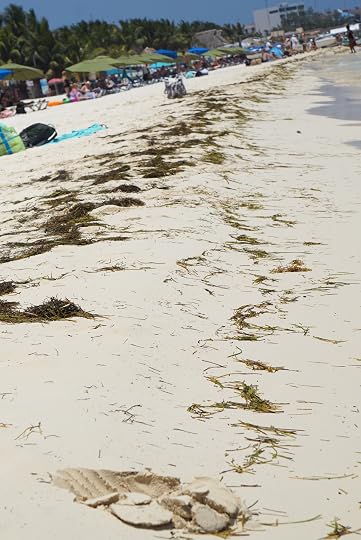
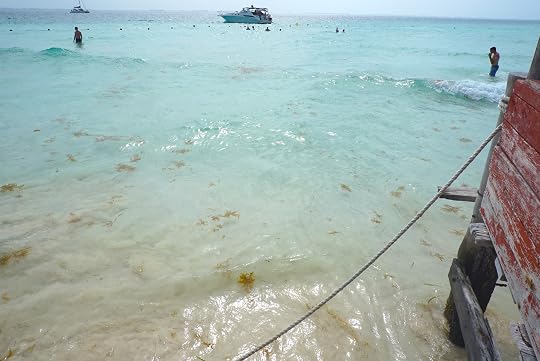
Cancun is Janus-faced. In the hotel zone, there are many huge hotels facing pristine white beaches and serious turquoise and azure waters. They create a lot of Cancun’s wealth and probably some of the pollution affecting the algae blooms that come this time of year. Sidewalks as smooth as a model’s face, a swath of green boulevards in a climate suited to more barren areas, and palm trees. The city proper has broken and uneven sidewalks, buildings that might be pristine and whitewashed, while others haven’t seen paint in a long time. Little lizards skitter up and down walls and songbirds lighten the air. Dogs are medium-sized and often look exhausted. Cats are slim and scarce. There is some litter in areas, and others are very clean.
 Litter fish–a great idea
The police drive around in cars and trucks, lights always flashing. I looked up why and whereas Canada and the US have police hiding in dark corridors to catch criminals in the act, Mexico (or at least Cancun) practices the deterrent method. The flashing blue and red lights make tourists feel safer and criminals not. (Remember, for any pictures, you can click on them to enlarge and read any captions.)
Everything sweats: the drinks, our bodies, the sky. There are few to no coasters, so there’s a constant mopping up in restaurants where massive 1-2 liter drinking vessels can be used. This post will go more into the tourist side of Cancun. It’s actually against the law to include a tip in the bill, and many will have a note saying: propina no incluida. I started thinking of Cancun as little Vegas because of the constant sell sell sell attitude and wanting tips for everything. When I tried to use Trip Advisor to find reviews and the top things to do in Cancun, it was quite sad to see it’s turned into an advertising platform for various companies. I couldn’t trust reviews as being true because they were about selling packages. (My review of Trip Advisor only gives it three stars because of this.) This is what Cancun wants, a hundred ways for you to give them your money. I get it. There’s a depressed economy judging by the empty merchant stalls and the dilapidated buildings and streets, but pushing the sell just pushed me away.
I tried looking online for what locals do, since I was not staying at a resort. It was hard to find. I visited Mercado 28, another massive tourist market where everyone has the same items that are mass-produced in Asia. Mayan calendars, Mayan temples, mugs that say Cancun or are shaped like breasts, T-shirts, etc. Nothing made by artisans. The only genuine items made in Mexico is the silver jewellery, and it was outrageously expensive. Mercado 23 is where the locals shop so it has more day-to-day items and food. There are some crafts, no silver, and the prices are more reasonable. The few things I bought, I bought there.
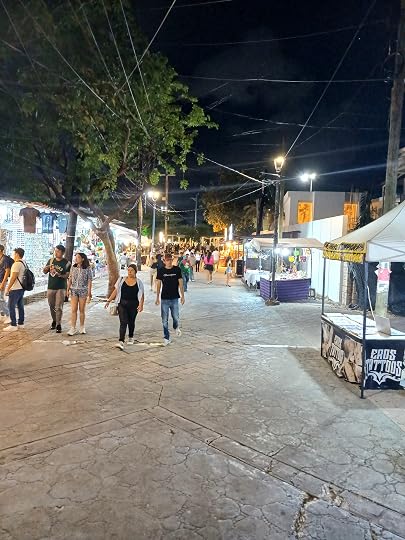
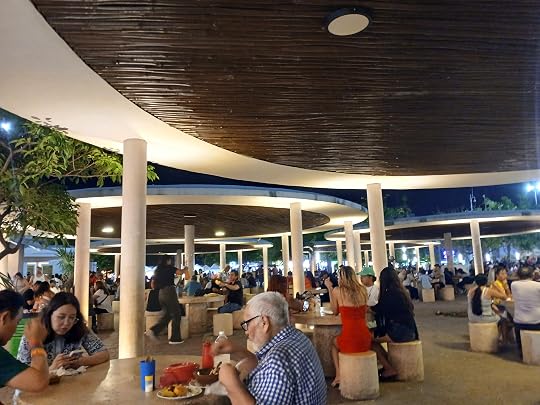
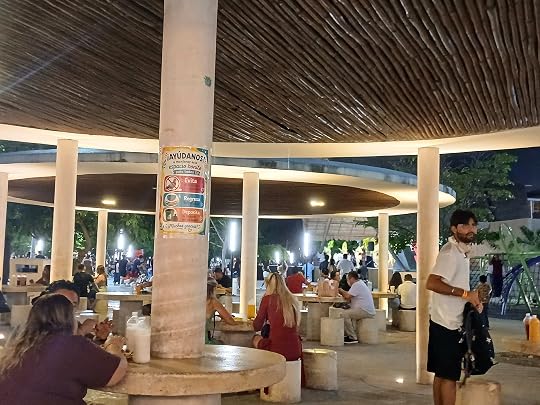
Parque de las Palapas is large open-air rotunda with food stalls around the perimeter, a few merchants and a large stage with free events (Pride was on while I was there). There are a few restaurants and the ony time I could taste alcohol in my drink was at one of these. Prices for margaritas (cheaper), mojitos, daiquiris, and the like start around 80 pesos and can go up to 200, the latter being a tourist ripoff.
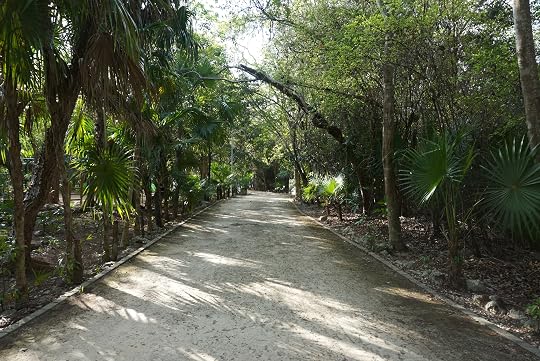

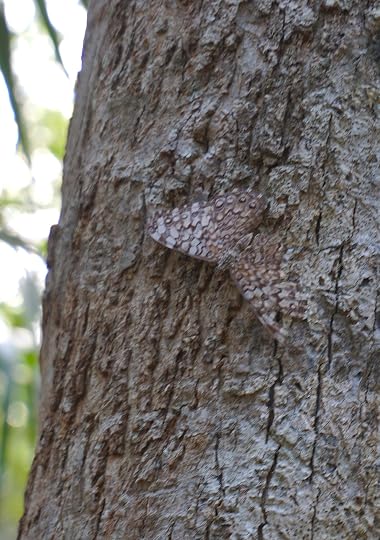
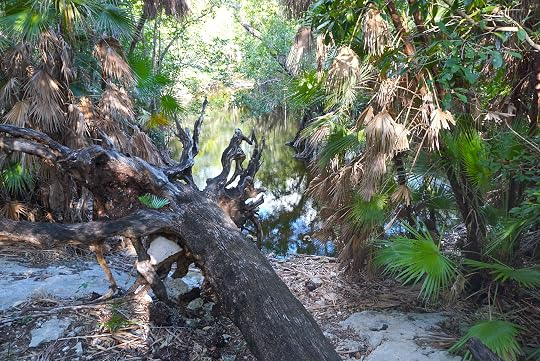
I also found Parque Ecologico Kabah. I thought I could walk there, it was only an hour after all, but the heat and humidity did me in. I ducked into a restaurant with AC, had a drink then took a taxi the rest of the way. It’s a natural habitat. I did see a coati mundi and many mosquitoes that thought I was their sacrifice. I’d arrived too late and while it looks like people use the park as a jogging trail I had to leave.
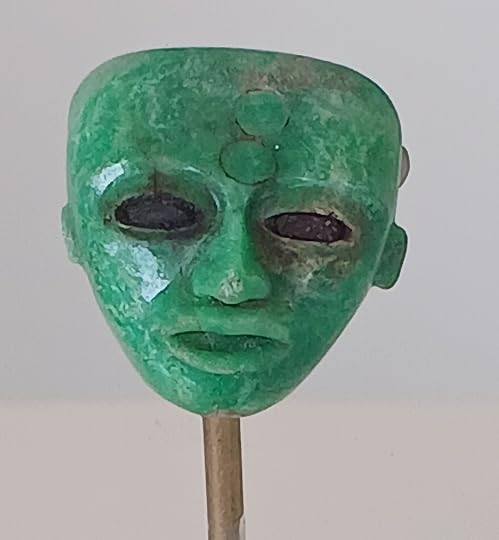
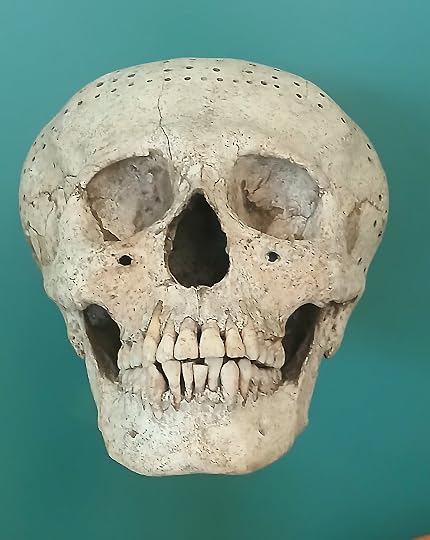
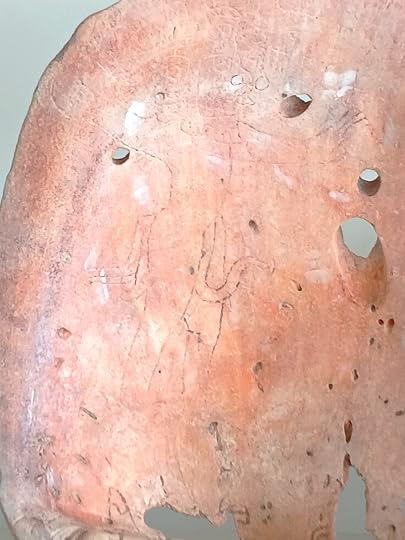
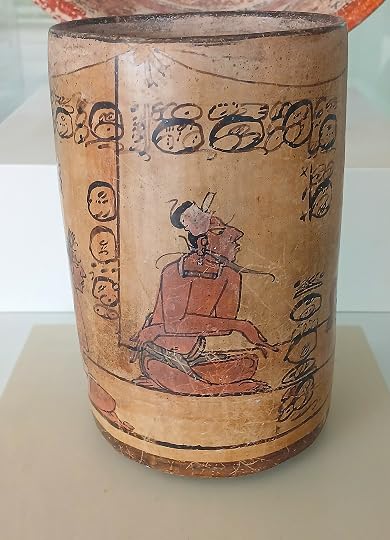
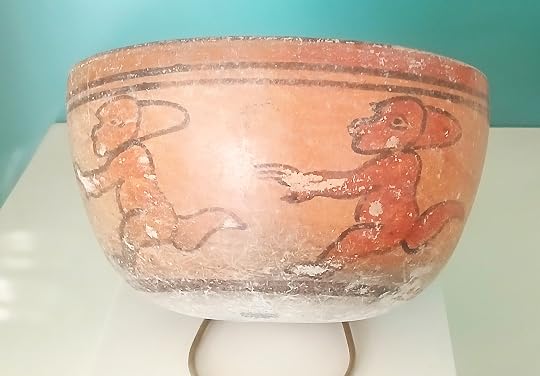
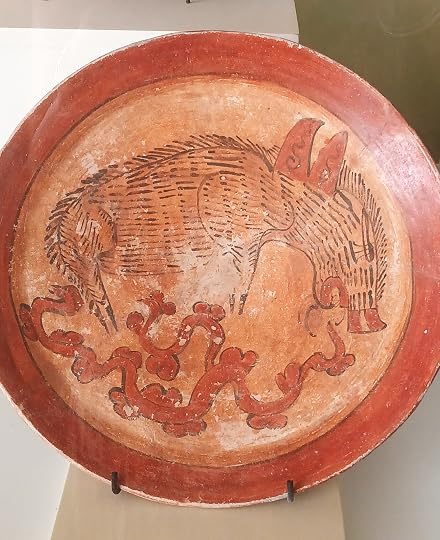
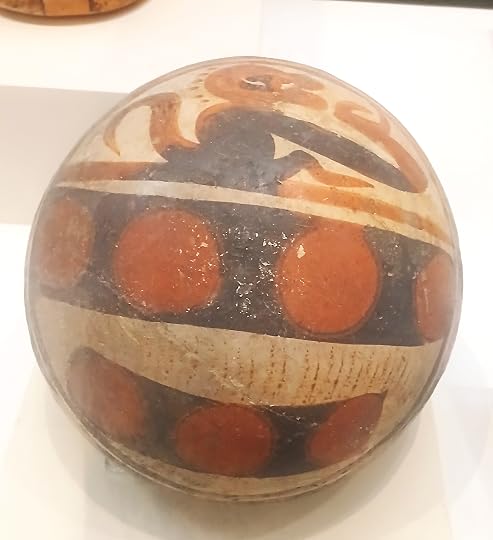
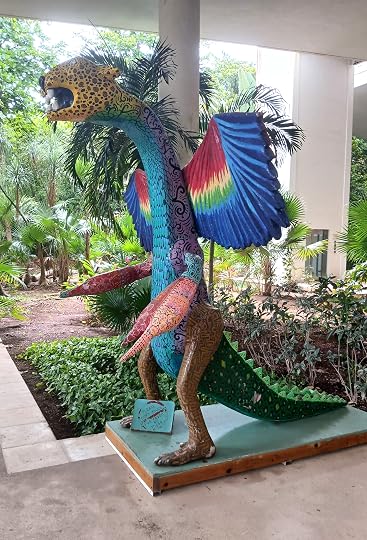
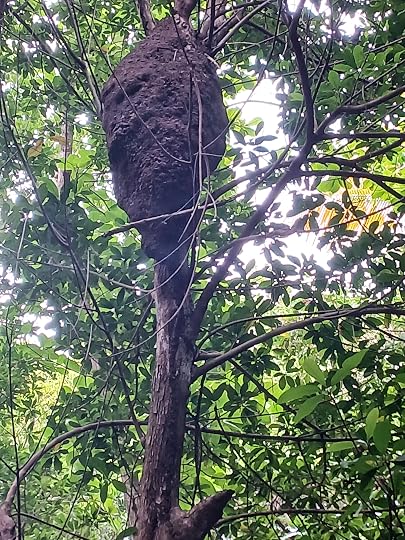
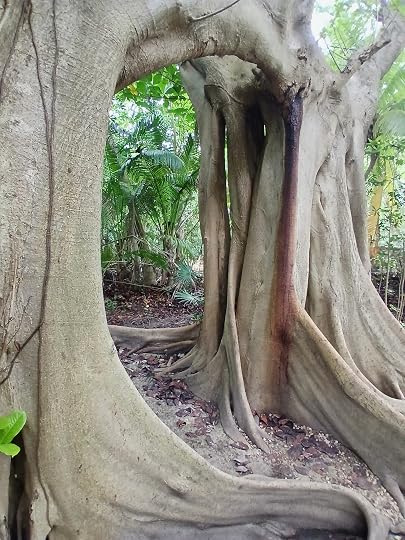
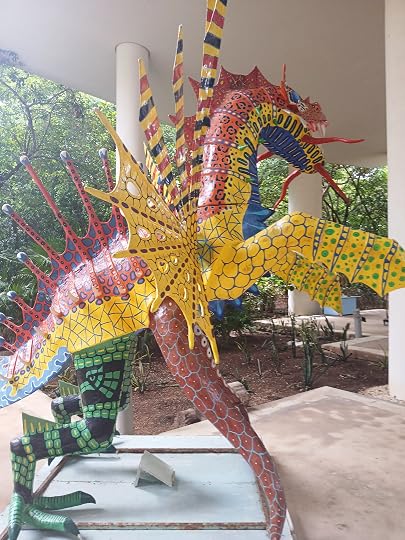
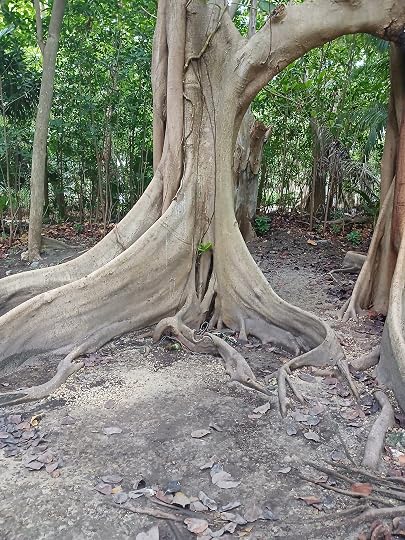
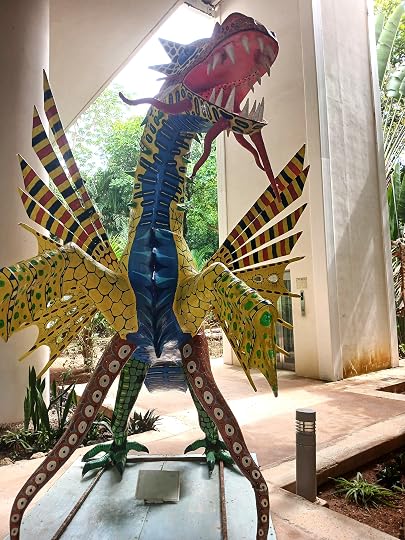
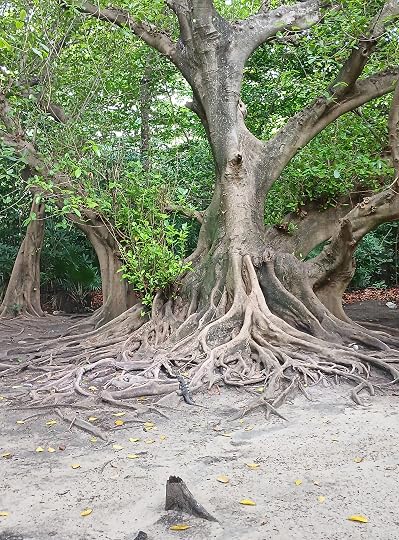
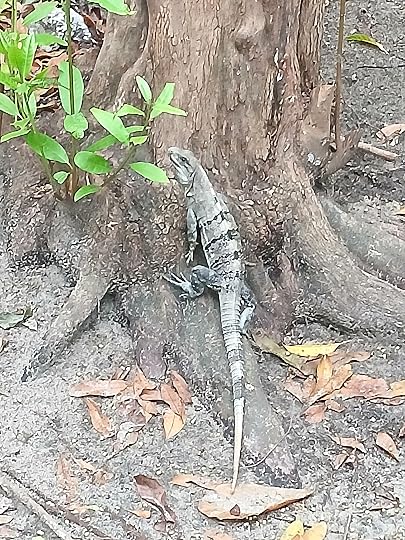
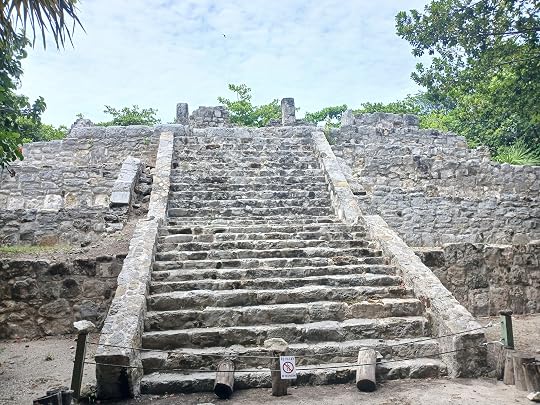
There is less of seeing the natural wonders of Cancun and more of buying tours and excursions. I went to the Mayan Museum, in the hotel zone. It’s good, somewhat small. I couldn’t figure out why it was four stories tall but only the top floor was open. There’s also an archeological park with some ruins, iguanas, and a shaded area to walk.
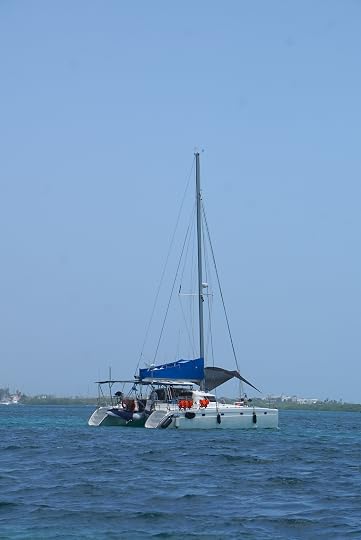
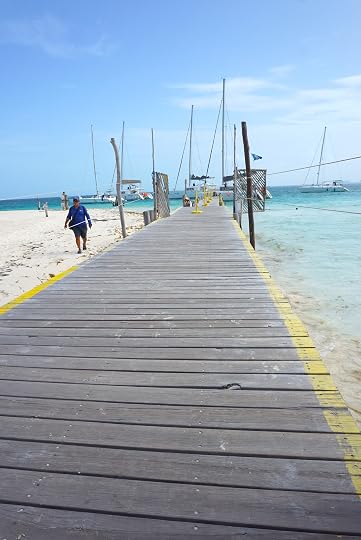
My Airbnb host was super helpful and recommended someone to help me book tours so I wouldn’t get ripped off. He recommended a few areas with artisans, but they were outside of Cancun and would have been easier to get to with a car. I never did find local artists, except for the overpriced silver jewellery. I did the catamaran tour to Isla Mujeres, named for the female gods and women’s rites once carried out there. I don’t swim but I have snorkeled with a lifejacket before. Unfortunately, I was the only English speaker on the boat of people from Mexico, Brazil, and Paraquay. I do know some Spanish but it failed here. They included cheap beer, overly sweet Palomas, and some other form of fruity alcohol drink. Instead of wearing the lifejacket like a jacket, they tied them around people’s waists and didn’t provide flippers. I spent my 10 minutes in the water, flailing and drinking the ocean. On Isla Mujeres, they try to get you to rent golf carts to beetle around the island, and of course, there are more merchants with silver or mass-produced items. I just wandered a bit, walked in the ocean, and had a couple of drinks. One place was off the beach and regularly priced, whereas the beach restaurant didn’t have a menu and charged 200 pesos, a rip-off. The guide on the catamaran neglected to tell me we were leaving from a different dock so they had to come hunting me, though I was waiting where we’d disembarked. This was a waste of money, and later I found out there is a ferry that travels daily to the island without the overpriced tour aspect. I’d do this next time.




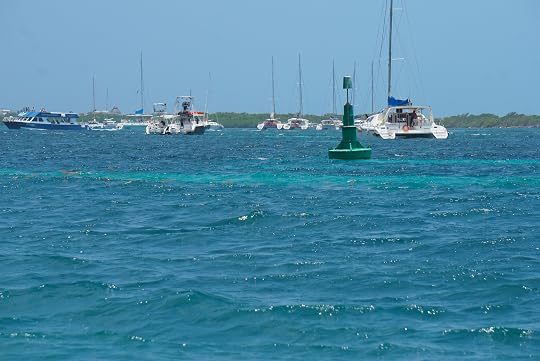

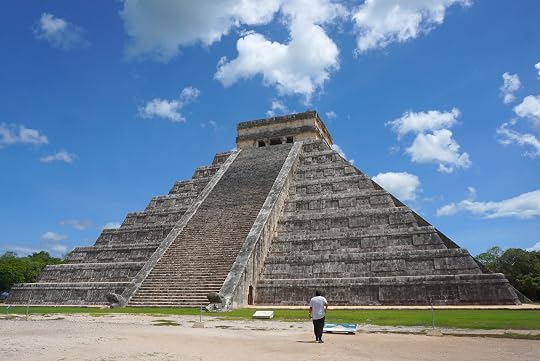
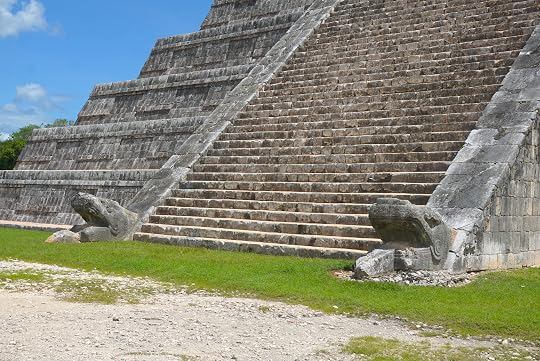
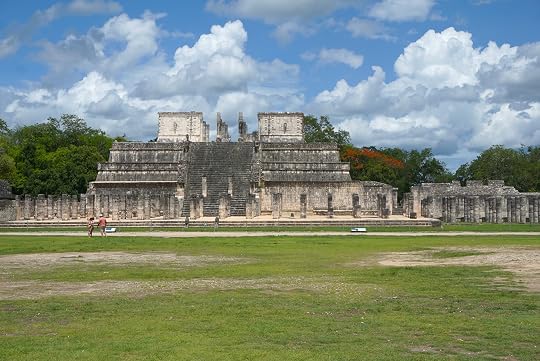
Chichen Itza can be done without a tour bus or by car but the package deal seemed easier, with air conditioning, and umbrellas for walking around the site. They pick you up and take you to the large bus, then the guide talked about Mayan culture, history, and their numbering system, which only used three “numbers,” much fewer than the Roman or Arabic numbering systems. He was good and friendly. When we arrived at the site, an archeological guide took us around to the main temple, describing the calendar and number of sacrifices done quarterly (13), as well as the ball court, where two teams could play for days and only one score through the high stone ring was required. It’s about 12 feet up a wall and Mayans were not much taller than 4-5′. The one who scored the goal was sacrificed; a great honor. The heat at Chichen Itza reached 40 degrees (Celsius) and it was crowded with the same vendors selling goods made in Asia. I only saw one person actually carving wood. If anything turned me off, it was the constant selling and trying to lure people into spending.
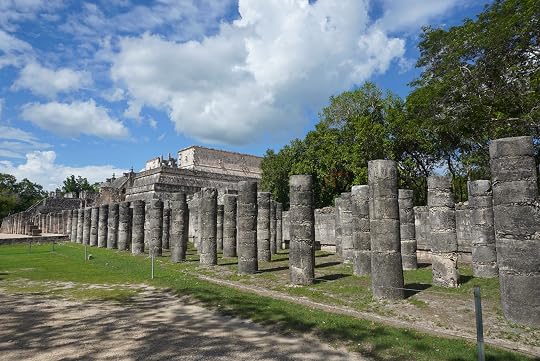
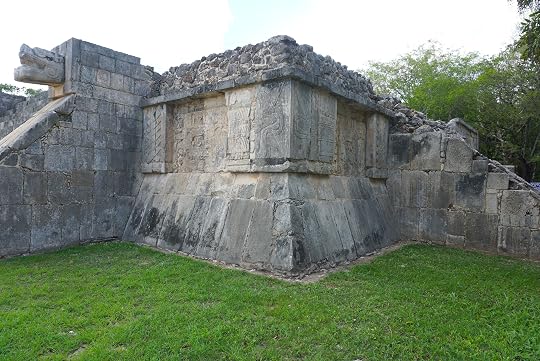
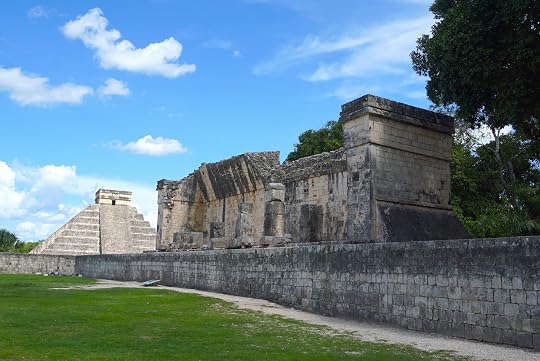
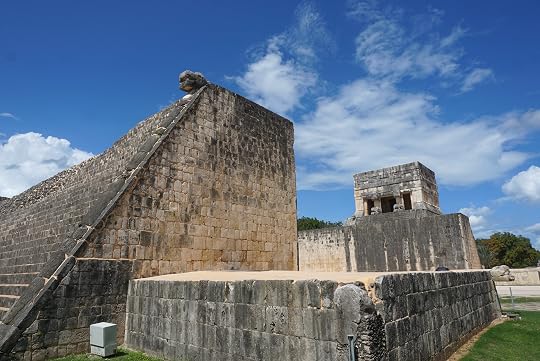
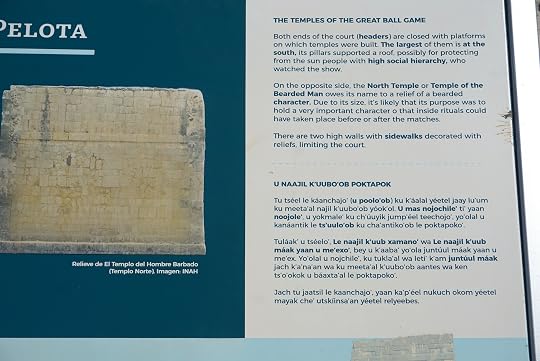
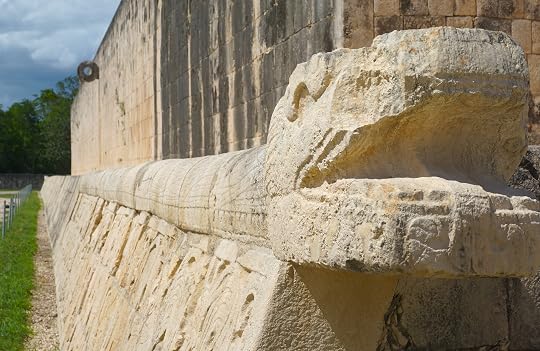
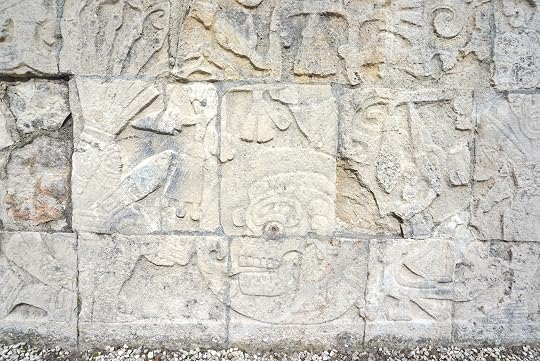
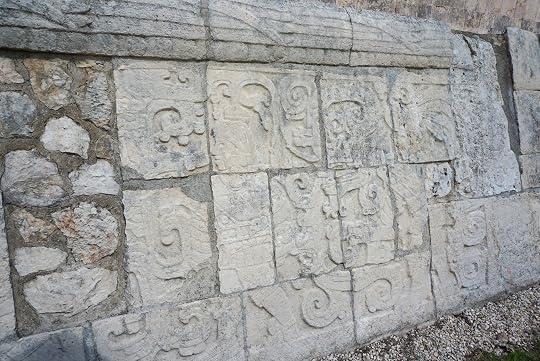
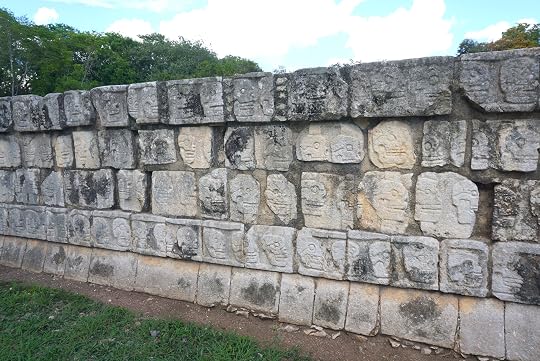
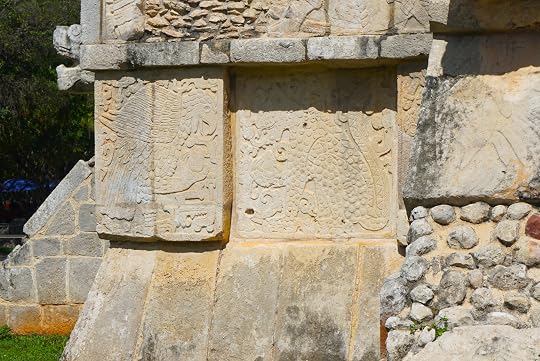
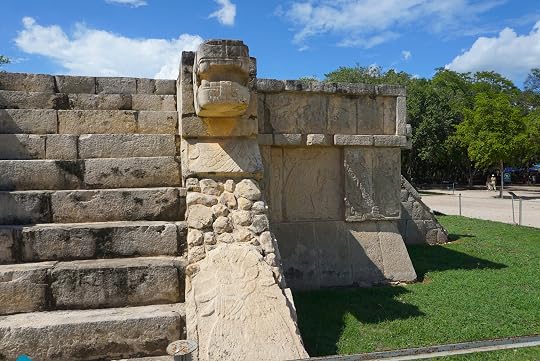
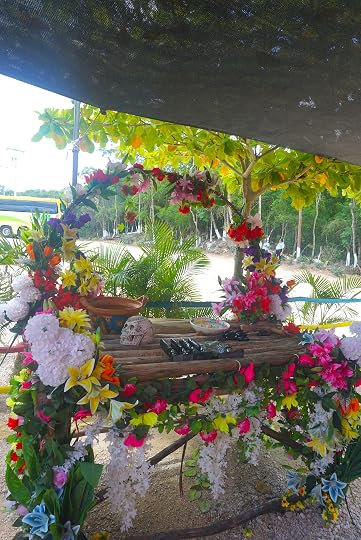
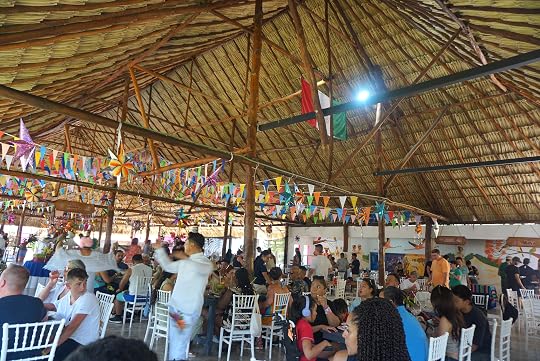
Part of the Chichen Itza tour included lunch, which was fairly good in variety and flavors. But before that, we were blessed by a Mayan priest, who chose 5 special ones. I was one of them, so we held small obsidian sculptures as he chanted in Maya and spritzed everyone with tree branches dipped in water. Then the special ones were taken one by one to get a personal blessing. This involved trying to sell a small sculpture for personal health and a larger one for your home. And then of course there was the giant room of handicrafts, some maybe made in Mexico.Of those of us specially chosen, three were white and obviously not from Mexico, one was from Honduras, and a couple may have been Mexican. After this, on the way to lunch (less than a few minutes walk) were three guys dressed in Mayan warrior outfits, who pulled me in and took my camera to take a picture and then wanted me to pay. I’d rather have a choice than be forced into the endless tipping. My host mentioned that the government has removed the artisans and left the cheap crap. I don’t quite understand this mentality.
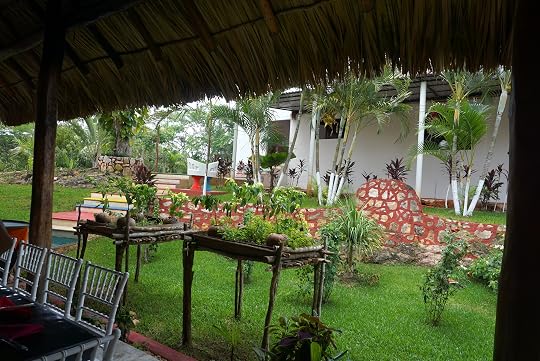
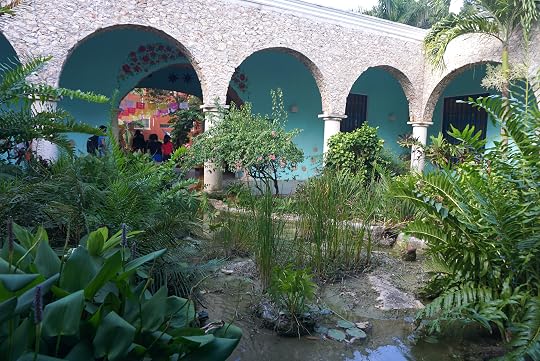
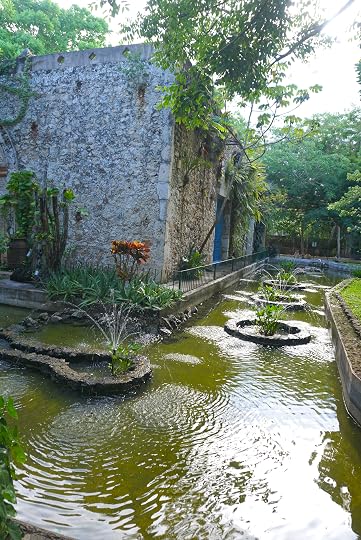
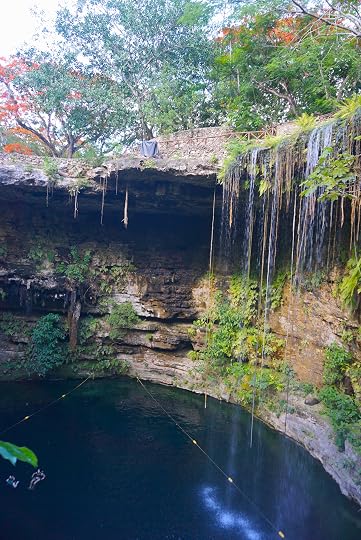
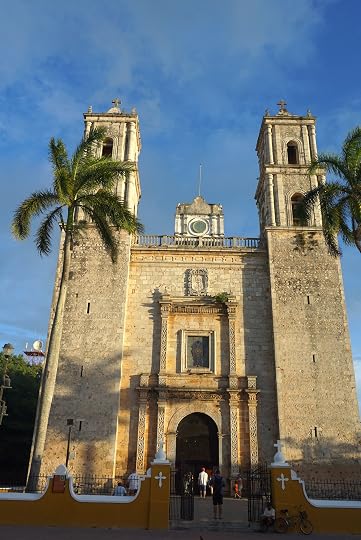
We then went to a Cenote, with a smaller tourist showroom of very expensive goods, and then a half hour stop in Vallodolid. This could have been dropped. There was no time to explore anything but the city square and the church, which I didn’t bother going in. People came back munching on snacks. It really was one more way to squeeze a few more pesos out of people as the sun went down.
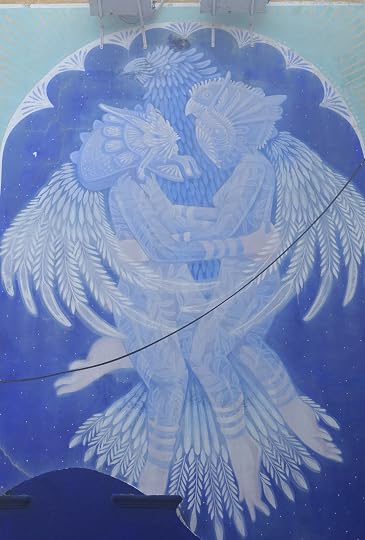
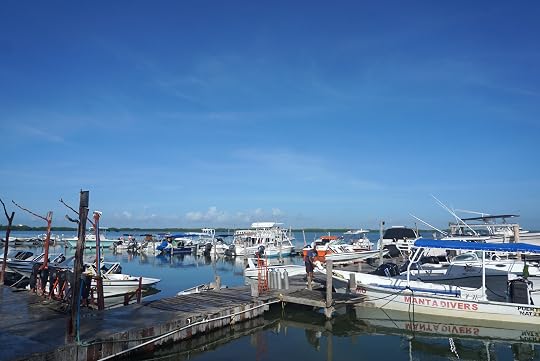
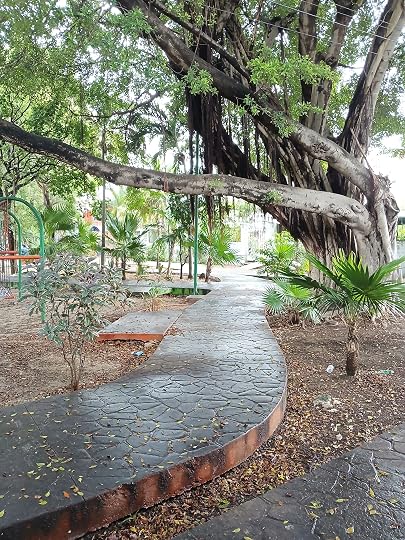
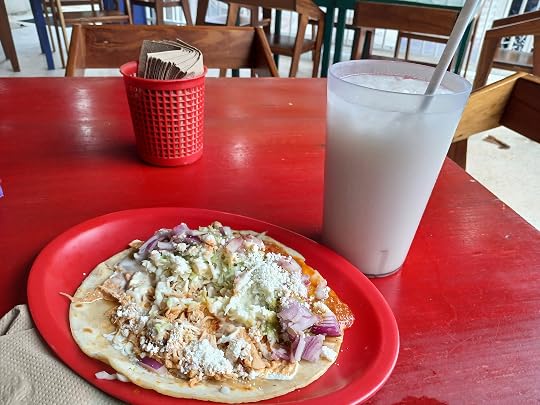
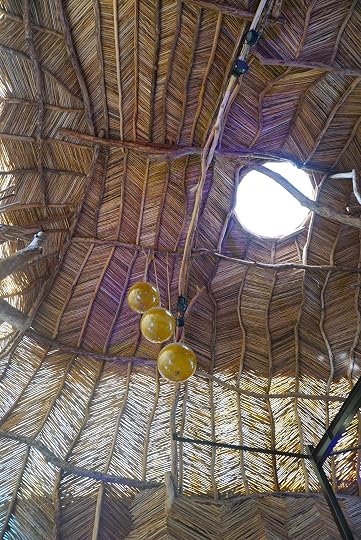
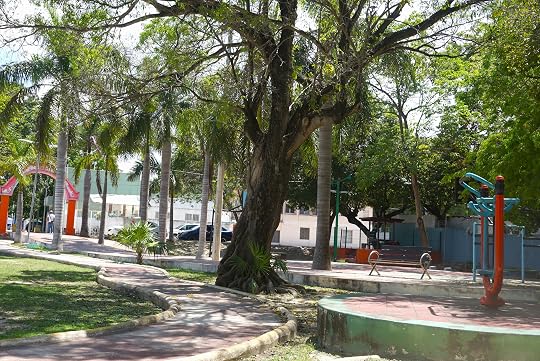
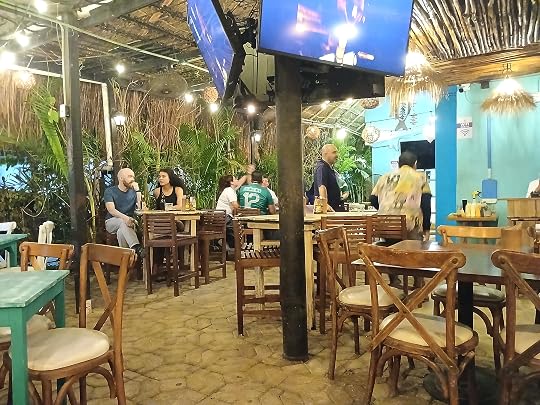
I was in Cancun for almost two weeks, and sampled food at different restaurants and most of it was good, lots of seafood. I’ve highlighted most of what I could find to do but there wasn’t a lot, and I never could find local artists at all. Use this as a guide, or not. People’s tastes vary.
June 16, 2026
Cancun, Mexico: Tourism and Dentistry

The last time I visited Mexico I was about 24 years old. It was a different world of tourism, and I was sweet, beautiful, and naive. I went to Mexico for a one-week trip, so cheap I couldn’t resist on a bookstore employee’s wage. I fit in a lot of adventure, going to Cuernavaca, Taxco, and of course, Mexico City. I was hit on, I was robbed (unknowingly and it was fast) and I saw a lot, with only a tiny Spanish phrasebook.
Zoom through the time machine to this year. I required a dental implant due to bad genetics and not bad hygiene. It’s a front tooth, so I either need an implant or a denture for a spot that’s problematic. I have no benefits that cover implants and it’s a minimum of $5,000 CDN. For people in the US, yes, we have healthcare here, but it doesn’t cover much in dental and even benefit plans do not cover implants. I have had every form of dental care, from dental school, crowns, fillings, root canals, implants, braces, veneers, and Invisalign to out-of-pocket expenses. And I’ve had to have several surgeries. There is at least $30k in my mouth and probably more.

So I decided to try dental tourism and asked around for recommendations. A Mexican friend suggested Cancun Dental Specialists. I booked most of the dates through email. They pick you up from the airport and take you to your appointments, and back to the airport when you leave. I booked my flight and a BnB. I’m not a resort person. I like to see what a city is really like for people, culture, food, and lifestyle, not a pasteurized version of our dreams of a foreign country. However, there is absolutely nothing wrong for those who want this. My older brother always liked cruises where he could just unwind and not think of anything. I get it, but it’s not my style. Plus, I can’t swim and can’t stand sitting/lying in the sun for more than 20 minutes or I overheat. I like heat, but not hot hot hot.

So yes, I came to Cancun for dental and to write. I’m writing, but not what I should be. With the dental for the curious, I required an extraction (horrible infection) and a bone graft in Vancouver, readying it for a less-than-half-the-price implant. And yes, even with needing a second trip for the crown, it was going to work out to cheaper or at least the same price, with a vacation. But…genetics.
It turns out that they discovered a part of a root in my gum, which would necessitate a 3-hour surgery, more extraction and grafting, and a setback on the implant. This now meant more money, time, and waiting to get a tooth. I contacted my Vancouver surgeon and asked why he hadn’t removed the root. He did reply, saying it didn’t look like a root but a mutant baby tooth that had never grown out and had probably caused the two infections (root canals, 3-hour surgery, and extraction). He did agree that he should have caught it and that it would have affected an implant, so has agreed to do the extraction for free, with reduced implant cost. So it will be back to Vancouver for me. He thought the company might use inferior implant materials but they use the same company as he does. My mouth is trauma and this tooth/untooth is the greatest part. I might return to Cancun for the crown after I figure out all the costs.
The following pictures are of food and daily life. Clicking on the images will give you the full picture without the captions.
 La Coyota has a DJ and dance floor and like most Cancun restaurants are open-air
 La Coyota’s tacos de mariscos included large tasty, prawns, lightly battered and an incredibly hot habanero sauce.
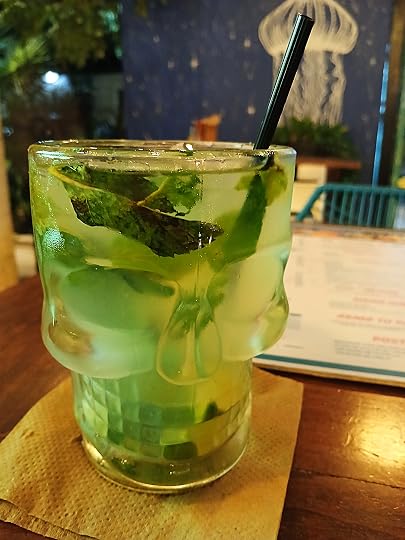
 Pesca Nader’s Mojito. It’s fairly common to get drinks in skull glasses. Lots of liquid, light on liquor.
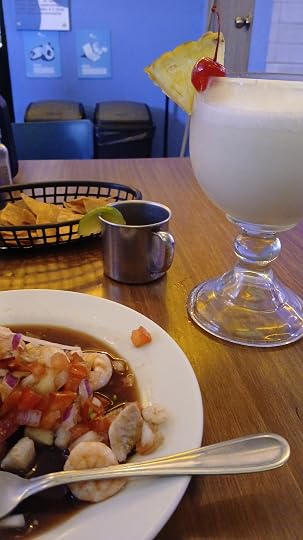
 Pesca Nader’s torre de mariscos included shrimp, tuna and a bit of octopus. Great the first time I was there, but the second time, the tostadas were not crisp.
 Coapenito’s began a regular stop for writing. Never disappointed. This is queso fundido with chorizo.
 This cantina was where the locals eat. Often plain and plastic plates. A quesadilla con pollo made the traditional way, and a horchata. I couldn’t finish either but they were very good.
 Many of the drinks come in these massive margarita glasses. It’s hard to get drunk when consuming so much liquid. A pina colada made with real ingredients at La Palapita
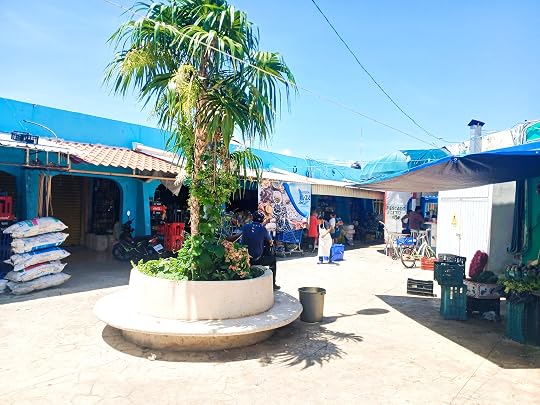
 Parque de las Palapas is where the locals go. It has food stalls and a stage in an outdoor park.
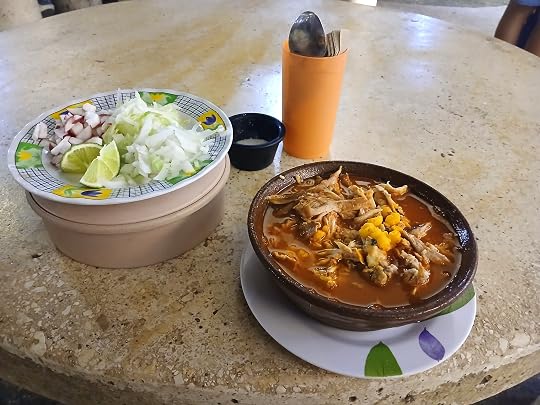
 Pozole is a stewish soup with corn and chicken. This one didn’t have a lot of flavor.
 In the background is the stage. There are a few merchant stalls as well.
 At this place I watched a Mayan waiter, little over 4 feet tall, balance 4 of these on his head.
 One of the many buildings in Cancun, painted white to reflect the heat. Many buildings were one made of stone and are now made of cinderblocks.
 In the meantime, I explore Cancun and write. I’m a moderate heat person. I love it in the 23-26 degrees (Celsius) range, and I need to walk. In Vancouver, we have a bit of humidity (enough that when I first moved there, everything felt damp and sticky and my shoes mildewed), but it’s nothing like Cancun. It is like Toronto, or parts of Louisiana, Pennsylvania, and Singapore, where I’ve experienced that hot, wet wool blanket. I hate it. I don’t know how people can do anything. I’m coated in a slippery sheen and the mosquitoes love me so much. The ancient Mayan and Aztec cultures actually gave small blood sacrifices every day; a pinprick here, a tiny poke there. I have given my sacrifice to the mosquito gods.
May 24, 2026
Fluevog Part 2: The Funky, the Stylish, and the Suspect Materials
A good many years ago, I wrote about Fluevog shoes; what worked, what didn’t, and of course, what I liked. (It’s not all about writing here.) Well, I continue to judiciously buy Fluevogs, but I’m not religious about it. I’ve known people with 30 or even 100 pairs of Vogs. My wallet could never handle this, nor the space in which I live. Plus Vogs (yes, there’s a whole terminology for Fluevoggers) come in such a variety of styles and colors that not all appeal to me. It’s extremely rare that I buy Vogs at full price. They are…pricey. Very, so they’re special beasts. But with waiting, I’ve also lost out on ones I wanted.

I also seem to have a bit of a boot fetish. When I count the 12 pairs that I’ve owned, 9 of those are boots from the lace-up-to-the-knee Zachary winter boots, to the ankle-high blue brocade Ohbai‘s. My first Vogs were bought secondhand and were from the early days: thin soles and a bit too big for me. I loved them but passed them on and have regretted it, though they weren’t that comfortable. My second pair of Monday boots, I wore to death. I recently sold the Nerfertiti shoes, which I wore for many years but my feet no longer love them. Elegant with braided leather ankle straps and heels like a clawfoot table. This was one pair of shoes that I had no problems with materials. For comfort, style, and durability they get an 8 out of 10.
That’s three gone, and I still have two pairs of shoes and seven pairs of boots. But over the years of buying footwear, I have found the styles wonderful, the colors intriguing, and the materials frustrating. My oldest pair of shoes, the Wonders Ayers, split along the edges not long after I bought them. I won’t rate these because they were in my previous post.
The Cubist Cupcakes I bought in the stressed gold and burgundy velvet. The thing about velvet, when it’s not true silk or cotton velvet (even when it is) is that if you don’t serge or double stitch the edges, the fabric will unravel, even if it’s sewn to leather. I loved the heel on these and the very pointed toe. My first pair frayed along the seams and the zipper so badly that even though it was past the warranty date, they replaced them. The second pair is better but I wear them judiciously and never in bad weather. But it also means anytime Fluevog creates shoes with textiles, I’m very hesitant to try them again. Even this new pair shows fraying along the seams, a section where the seam parted, and the leather pealing away from the heel at the top, not the bottom, which I’d expect if there was wear from walking. These are showy but not great for long wear, and because of the inferior material (though I love the look), they get 6 out of 10.
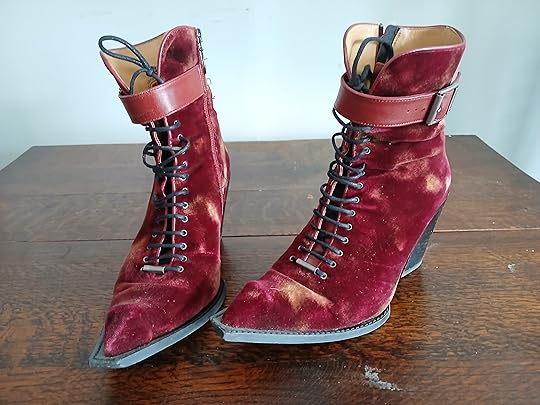
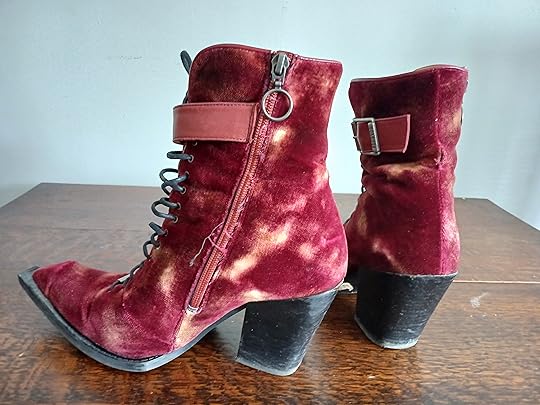
Fluevog shoes are made in Portugal, Peru, Brazil, Mexico, Vietnam and China. It’s sometimes hard to say if you have a bad pair, or they were made more inferior in one country, or if the style itself is flawed. However, after the few pairs I’ve had, I can say some of the materials, or more that the extra pieces like buckles, heel lifts, soles, zippers, and laces, are of inferior quality in general and it’s extremely frustrating.

The Maiers are a shoe that I quite love for the intense color. They fit well and are comfortable. I’ve never had any issues with them and while I don’t wear them often, they’re still bright and fun. They get a 10 out of 10.

The Gladstones are a very popular style that Fluevog has created in numerous colors and materials. A fairly comfortable boot, the heel lifts wore out after about ten wears, so yes their materials are often of low durability. I had the lifts redone at a cobbler’s. Recently I had Fluevog redo them, forgetting about the material and hoping it’s better. I only wore them twice before one lift fell off, but that’s more the cobbler than the shoe design, and they fixed it promptly. I give these a 7 out of 10 for style, comfort, and durability.

My favorite boot might be the Empress. I missed out on the turquoise (my favorite color) and would buy them again in a heartbeat. I wore these for long walks, and the platform kept me out of the rain. These were my winter boots and lasted many years. While I still have them, the leather did eventually split across the toe on one and even having it fixed didn’t last. I can’t bear to get rid of them though. These get a 10 out of 10 for style, comfort, and durability.

Fluevog brought back an old style, the Luana, and I like these a lot as walking boots. But the wrap-around lace was of a very rough piece of leather (rawhide?) and it broke in less than a year. Considering that I probably wore these for only four months, it should have lasted longer. I bought new laces from a cobbler and that’s lasted three times the sad one provided with the boot. I also had issues with the sole wearing out very quickly as well. These get an 8 out of 10.

The Ohbai‘s I mentioned above. They’re fairly recent, and yes they have fabric. It’s not over as many seams so I took a chance. So far, they’re hanging in there. Super narrow; I had to go up a full size but I love these for their Baroque influence, and the buckle is heavy duty, good quality. They get 9 out of 10.

The Vagabond was my replacement boot for the Empress. Something sturdy and comfortable for long walks and will not let the rain through. This is a heavy boot, which I found out when taking them to Portugal last year, but definitely comfortable. But…again with the inferior parts. I only wear them in winter because the leather is too thick for warmer weather. And I often buy my footwear on sale so I’m buying them out of season. I had worn them for only about three months, when I noticed one of the nylon zippers pulling away from the fabric of the zipper, and only on one boot. This isn’t anything I could cause. I took them to Fluevog and again this should not happen for boots that cost hundreds of dollars. I have a pair of cheap ass boots I bought over ten years ago and the zipper has never failed. I showed Fluevog the zipper and asked for a break on the replacement. They couldn’t match the color and wanted me to do both zippers for $120. That’s almost half the cost of what I paid for the boots. I chose to try sewing the nylon teeth down because I was about to go on my trip. Well, the zipper irreparably fell apart while in Porto. I managed to find a cobbler (repairing shoes for 50 years), and while he couldn’t match the color either, I chose a a bright green and for about $20, it was fixed. For the stress and poor materials, this gets a 7 out of 10.
Obviously, because I bought the shoes shown here, I like the style. Most of the point loss is on comfort and the durability, and Fluevogs continue to rate lowest in the last category. The average score works out to around 8 I have just bought a new pair of shoes but they haven’t arrived yet. We’ll see how they hold up. Fluevogs are really some of the most eclectic footwear being created. People become hardcore fans for a reason. I just hope they’ll start to pay more attention the the supplementary materials that go into making boots and shoes.
May 18, 2026
New Publications
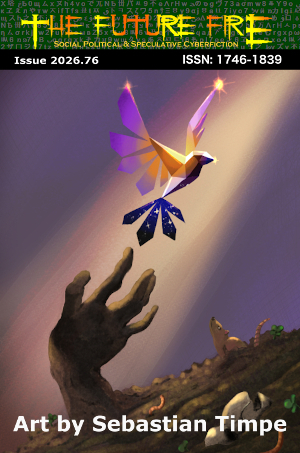
Today saw the publication of my poem “In Our Nature” at The Future Fire. This poem will be in my SF poetry collection, To the Last Ion, coming this fall from Lycan Valley Press. My collection explores the many sides of science and science fiction. Some poems look at aliens encountering humans, or humans encountering aliens. Some are darkly humorous, some are dark. Some look at what we do to ourselves and each other. In fact, the two sections within the collection: In Our Nature, and Outer Limits.

At Gavagai, my story, “An Iterminable Liminal Space” was published. This was inspired by a really terrible hotel where Stokercon was held last year. There were mattresses in the hallways on a weekend, a weird, creepy parking lot, elevator doors that either snapped closed erratically or wouldn’t close. Goo dripped from the ceilings in spots, there were no restaurants within walking distance and the one in the hotel was not open during the day. The carpet was indeed old and creepily spotted, and dust covered the tops of cabinets. We made the best of it, and it became a topic of conversation because it was definitely a hotel out of time, in all senses of the phrase.
Have fun reading these (for free) and tell me what you think.
May 16, 2026
Stark Reflections Interview

Mark Leslie Lefebvre recently interviewed me. We talk about writing, horror, poetry and speculative work in general. Check it out at Stark Reflections.
Mark’s a very talented and knowledgeable fellow. He’s published many stories, and speaks about publishing and how to market your works. Instead of me telling you all that he’s done, check out his site.
Come back tomorrow when I’ll be linking a newly published story that’s about strange, liminal hotels, based off of my experience at last year’s Stokercon in Pittsburgh.
May 9, 2026
Spring and What’s Springing
There are so many things happening that I meant to do an update in April, and well, it’s May already. I’m the editor for the HWA Poetry Showcase XIII this year, where HWA members are featured with poems. Submissions just closed and judges Erik Hofstatter, Jamal Hodge, and Kyla Lee Ward and I have been reading away. From the submissions, we will select 50 poems to be published. Artist Jenn Brisson is working on the cover art and by this fall, the book will be released. The image here is a mockup of the cover in progress.


In April I had two fiction pieces published: “The Last Hope” looks at a very different version of dragon in Dirty Magick Magazine. And, what if you were only a worm in the Big Apple and no matter where you escape, you can never be free? “Ensnared” is in Cosmic Horror Monthly.
Polar Starlight #22 published “Cannibal Playlist” and SpecPoVerse Vol. 2 #1, published the haibun “Molt,” and “Blue Blood.” These are free to read so check them out. The magazines look great and are full of great writing. I also have a haiku [lunar odyssey] up at Three-Line Poetry. You’ll have to search by my name to find it.
As well, coming this fall from Lycan Valley Press, who published my first poetry collection, I Dreamed a World, is my newest SF horror poetry collection, To the Last Ion. Stay tuned for the cover reveal that’s coming soon. Also Undertaker Books will publish my weird, eco-horror, mosaic novella, Awaking Pandora, in April 2027. I’m very excited to see these publications coming out. That’s my fifth poetry collection and my third fiction collection.

Oh, and if you’d love bigger images, or even any of the same size, well, this is how WordPress chooses to make them work. So I don’t have much say in it. And while there are great features, it was so much easier to work in the good ole days.
April 1, 2026
First Quarter Updates
Some months can be slow in the publishing world, and then others, it snowballs. I started the new year with “In the Weaving” published in Humans From Earth. This story is part of an anthology where humans are the horror, the invaders, the nasties. Likewise, in February, “Fresh Picked” came out in If Memory Serves. This poem is about food and memory, and unlike most of my writing, there is nothing speculative about it.
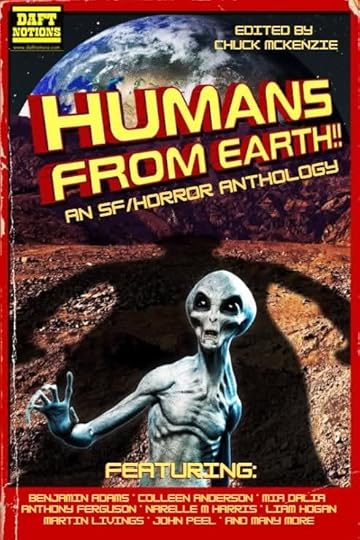 https://www.amazon.com/dp/B0GLWW3H6L
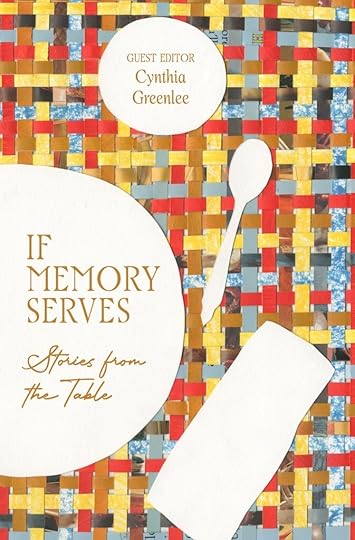 https://goodprintedthings.com/products/if-memory-serves
March definitely became bumper crop month for dwarf poems (poems of 10 lines or less). This included the haibun “Awakening” in Scifaikuest, horrorku [acid] in Crytpic Frog Quarterly #2, a cinquain “Captive” in Polar Starlight #21, and a scifaiku “finally happy” in Amazing Stories: Best of 2025. And while technically Polar Starlight #22 has a cover date of Apr. it came out on the last day of March with my poem “Cannibal Playlist.”
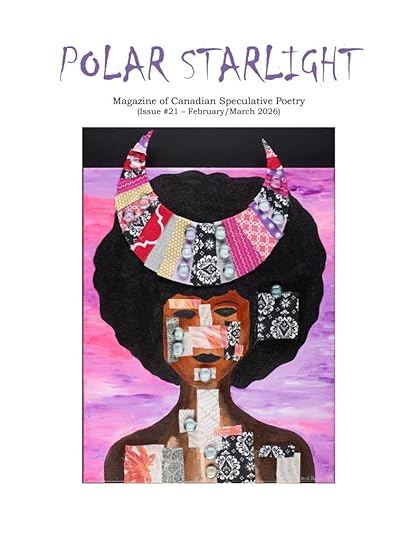
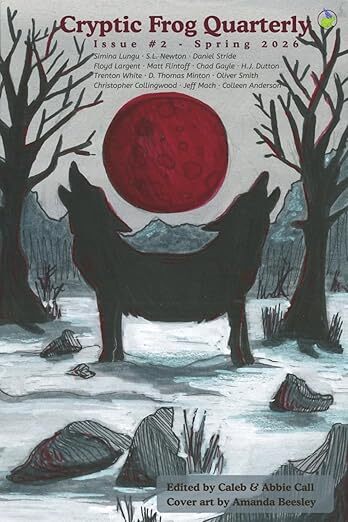


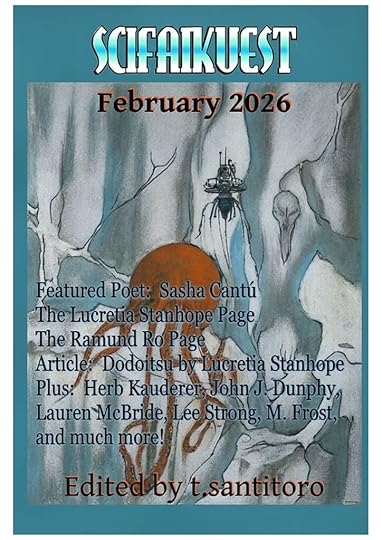

A few other things to look forward to. In April, “The Last Hope” comes out in Dirty Magick. Also, since this is now April, I’m the editor for the HWA Poetry Showcase XIII, which has just opened to subs for National Poetry Month. Poets may submit one poem and it will be read by jurors Jamal Hodge, Erik Hofstatter, Kyla Lee Ward and me. The top fifty poems by HWA (Horror Writers Association) members will be in the Showcase, a paid venue of the HWA. For more information, check out the HWA’s Facebook page, or the website. It’s always fun and interesting to see what writers create. If you’re submitting, make sure you’ve read the rules. Poems are submitted single spaced, and it’s best to list the number of lines in your document. Also, I’m reminding poets that the book size is 6×9. Overly long lines will have to be broken and this is often important in poetry, since it’s not just an oral tradition but a visual one.
And fellow writer and Tom Johnstone and I can announce as of today that our story “Snow as Soft as Feathers” will be in Flame Tree Press’s Christmas Horror Short Stories. Their books are lush hard covers packed full of stories from contemporary authors as well as myths and legends. We’re very excited about this.