Chris Pepple's Blog
October 9, 2021
Devotional: Heart of God's Word
Here I am…publishing another book. I’ve been working on this book for a few years. It has been harder for me to write than my poetry books even though I’m not sure I can put into words why that’s true. Writing this book has taken me on a very personal journey through faith and friendship, through failing and rising back up again.
I have struggled not with my actual faith but with how my faith connects me to others and how I am seen by God. As I began this devotional, I had to ask myself what I believed about faith communities…what I believed about church…what I believed about myself. Church for me has been both a source of joy and a source of sorrow throughout my life.
At points in my life, I tried to “measure up” to the expectations of those sitting in the pews with me. Then everything changed for me when I realized I was reading Scripture only through their eyes—through the lens of people whose church narratives were limited by their own personal faith narratives. They were telling the story of God as interpreted solely by what they had experienced and what fit their mores. My life story didn’t match up with what they understood and were comfortable with. Often, I was hearing the voices of people who wanted uniformity rather than diversity…people who wanted to feel comfortable in church and have their own thoughts and wishes validated rather than be challenged by Scripture to love others (all others) or to bring true healing to a hurting world.
That’s when I began to seek out the heart of God’s Word. My faith has always been important to me…I believe that God exists and that God loves us. If I believe God speaks to us through written word, what is God saying? I had to search for what the Bible revealed as the heart of the message—the overall themes, messages, and reminders that run through the entire book.
The Bible has many different roles and is written in many different styles. The Bible gives us glimpses of who God is and tells us a bit about the history of God’s people. It is written by poets and historians and storytellers and theologians and letter writers and doctors and tentmakers and rulers and fishermen.
The Bible is meant to be a beginning…a place to start…words to study. The Bible teaches us about community and how to join together to keep the story going. It teaches us how to grow and how to love. The Bible is an introduction to the wonders of creation and the amazing people that God loves. The words remind us that we all get some things wrong in life. We mess up, but who we are is not wrong. We are God’s beloved…we are loved. That is clear throughout the Bible. God loves me. God loves you.
God created a colorful and diverse world. God created people with different gifts and talents. God draws us together in community so we can bring love, healing, and hope to this world. That’s the heart of the word.
Yes, there are six “clobber” verses that people will pull out to try to deny the beauty of the LGBTQ+ community. Yes, in the past (and unfortunately still today in some areas), white Christians pulled out verses to justify both slavery and segregation. Yes, some people justify their desire to control other people or silence their wives or keep women out of the church by quoting only select verses while ignoring others. (I do not deny those verses they use are in the Bible. I just read those verses as part of the whole book that has a heart to the message that they overlook.) When they pick and choose what to declare as “literal” and what verses to use to justify their actions, they are taking verses out of the whole…away from the heart of the word. We don’t do that with any other books we read. People fight in Romeo and Juliet, but we call it a love story instead of a guide to sword fighting. The characters travel in Frankenstein, but we don’t call the book a travel guide. If you take sections away from the whole, you miss the overall message…the heart of the word.
You can read other books that talk about the “clobber” verses and how they are misinterpreted. Several authors do a great job analyzing that topic. I’m sticking to the messages that are clear throughout every book of the Bible…the concepts we are introduced to that turn the world upside down…the “radical” beliefs that bring love and hope and healing to all of us seeking. I am sharing verses in this book that I think reflect the heart of the Bible—the truth of Jesus—the intent of God. I started this reflection while earning my Master of Divinity degree at Emory University. It has taken me 28 years to put these reflections into a devotional book. It took a lot of prayer, a lot of in-depth studying, and a lot of courage to walk away from a church and from people that never wanted me to see this truth.
I am a Christian. I will not deny that others who use that name have caused great harm. For that I am truly sorry. But I am also an ally. I am a Mama Bear. I am part of your community. I give Free Mom Hugs. I love you. I am not trying to change your beliefs or convert you to a specific religion or denomination with this book. I am not judging you for any of your beliefs. I just want you to know that God wrote you a love letter that some people are trying to steal away from you.
God loves you. God walks with us at Pride parades and at Black Lives Matter marches and women’s rights marches. God weeps over the hurt people cause others. The heart of God’s word is clear. God is love. God is hope. God is healing. Jesus showed us how to live by walking with all of the people that the society of Jesus’s time tried to silence and judge. Jesus said we were loved. We also have the beauty of the Holy Spirit to help us build up each other and grow into the people we were created to be.
This devotional is for anyone who needs to discover or rediscover the heart of the word of God…the beauty of the message…the love flowing through the words…the hope and healing offered for all. In this book, I combine a theological reflection on the verses selected along with fictional stories or poetry to deepen our interaction with the Bible. I also end the book with a historical and theological view of the people (including Jesus) who were voices for change. I hope this devotional opens doors to new conversations about our faith and how we live out the words we read when we study the heart of God’s word.
I have struggled not with my actual faith but with how my faith connects me to others and how I am seen by God. As I began this devotional, I had to ask myself what I believed about faith communities…what I believed about church…what I believed about myself. Church for me has been both a source of joy and a source of sorrow throughout my life.
At points in my life, I tried to “measure up” to the expectations of those sitting in the pews with me. Then everything changed for me when I realized I was reading Scripture only through their eyes—through the lens of people whose church narratives were limited by their own personal faith narratives. They were telling the story of God as interpreted solely by what they had experienced and what fit their mores. My life story didn’t match up with what they understood and were comfortable with. Often, I was hearing the voices of people who wanted uniformity rather than diversity…people who wanted to feel comfortable in church and have their own thoughts and wishes validated rather than be challenged by Scripture to love others (all others) or to bring true healing to a hurting world.
That’s when I began to seek out the heart of God’s Word. My faith has always been important to me…I believe that God exists and that God loves us. If I believe God speaks to us through written word, what is God saying? I had to search for what the Bible revealed as the heart of the message—the overall themes, messages, and reminders that run through the entire book.
The Bible has many different roles and is written in many different styles. The Bible gives us glimpses of who God is and tells us a bit about the history of God’s people. It is written by poets and historians and storytellers and theologians and letter writers and doctors and tentmakers and rulers and fishermen.
The Bible is meant to be a beginning…a place to start…words to study. The Bible teaches us about community and how to join together to keep the story going. It teaches us how to grow and how to love. The Bible is an introduction to the wonders of creation and the amazing people that God loves. The words remind us that we all get some things wrong in life. We mess up, but who we are is not wrong. We are God’s beloved…we are loved. That is clear throughout the Bible. God loves me. God loves you.
God created a colorful and diverse world. God created people with different gifts and talents. God draws us together in community so we can bring love, healing, and hope to this world. That’s the heart of the word.
Yes, there are six “clobber” verses that people will pull out to try to deny the beauty of the LGBTQ+ community. Yes, in the past (and unfortunately still today in some areas), white Christians pulled out verses to justify both slavery and segregation. Yes, some people justify their desire to control other people or silence their wives or keep women out of the church by quoting only select verses while ignoring others. (I do not deny those verses they use are in the Bible. I just read those verses as part of the whole book that has a heart to the message that they overlook.) When they pick and choose what to declare as “literal” and what verses to use to justify their actions, they are taking verses out of the whole…away from the heart of the word. We don’t do that with any other books we read. People fight in Romeo and Juliet, but we call it a love story instead of a guide to sword fighting. The characters travel in Frankenstein, but we don’t call the book a travel guide. If you take sections away from the whole, you miss the overall message…the heart of the word.
You can read other books that talk about the “clobber” verses and how they are misinterpreted. Several authors do a great job analyzing that topic. I’m sticking to the messages that are clear throughout every book of the Bible…the concepts we are introduced to that turn the world upside down…the “radical” beliefs that bring love and hope and healing to all of us seeking. I am sharing verses in this book that I think reflect the heart of the Bible—the truth of Jesus—the intent of God. I started this reflection while earning my Master of Divinity degree at Emory University. It has taken me 28 years to put these reflections into a devotional book. It took a lot of prayer, a lot of in-depth studying, and a lot of courage to walk away from a church and from people that never wanted me to see this truth.
I am a Christian. I will not deny that others who use that name have caused great harm. For that I am truly sorry. But I am also an ally. I am a Mama Bear. I am part of your community. I give Free Mom Hugs. I love you. I am not trying to change your beliefs or convert you to a specific religion or denomination with this book. I am not judging you for any of your beliefs. I just want you to know that God wrote you a love letter that some people are trying to steal away from you.
God loves you. God walks with us at Pride parades and at Black Lives Matter marches and women’s rights marches. God weeps over the hurt people cause others. The heart of God’s word is clear. God is love. God is hope. God is healing. Jesus showed us how to live by walking with all of the people that the society of Jesus’s time tried to silence and judge. Jesus said we were loved. We also have the beauty of the Holy Spirit to help us build up each other and grow into the people we were created to be.
This devotional is for anyone who needs to discover or rediscover the heart of the word of God…the beauty of the message…the love flowing through the words…the hope and healing offered for all. In this book, I combine a theological reflection on the verses selected along with fictional stories or poetry to deepen our interaction with the Bible. I also end the book with a historical and theological view of the people (including Jesus) who were voices for change. I hope this devotional opens doors to new conversations about our faith and how we live out the words we read when we study the heart of God’s word.


March 9, 2018
Never stop looking...
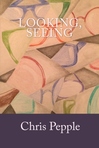
Looking, Seeing
Finally, I am publishing as a poet. The first time I discovered my passion for writing, I wrote a poem. Somehow, though, I didn't feel like a poet (whatever that means), so I hid the poem away for years. I didn't know anyone who read poetry often, much less anyone who claimed to be a poet. I was scared of being judged. Don't we all fear that at times?
During my teen years, however, I still struggled to find my voice, to share with people what I was seeing on my journey through life. I didn't own a camera (well, eventually I owned a Polaroid), so I tried to capture what I saw and felt using my words to create the images. I saw farm workers and city employees, grandparents and aging aunts and uncles, young cousins, and new friends. I was a listener, so I heard them share their life stories. I saw them in their unique environments. And I heard gossip and rumors and jokes more than I wish to acknowledge.
As I moved around in Atlanta, in Memphis, and in Nashville, I remained a listener…I heard the stories of people from many faiths, from many walks of life, from many career fields, from many economic levels, and from many political groups. I never settled neatly into one place or with one single denomination or political party. I was just me, wandering through many perspectives and still listening.
I hope you discover and enjoy all of my quirks and complexities in this collection of poetry. I have tried to live my life in a way that allows me to truly see a wide diversity of the people who populate this wonderful world we all call home. I have also tried to listen and learn and grow along the way, hopefully bringing love along on the journey. As I grow, I have tried to honestly admit and learn from my own failures and weaknesses. I don't claim to be perfect (or even close to it).
Some of you who think you know me may be shocked at some of the poems. If you tried to neatly place me in your faith category or your political party or your social group, you may have assumed that in all areas of life I agreed with you. However, I hope you keep reading. I am a sum of all my parts, a student of all who opened their hearts and mentored me, a family member to all who accepted me, and a listener to all who trusted me with their stories. I am whole, yet I am also unique and complex like the pieces of stained glass that come together to form one window.
I can be a child of God and one who embraces diversity. I can be faithful and one who fights for social justice. I can be a quiet listener and a loud advocate. It's who I am as the whole, not fitting neatly into any predefined role that someone may wish me to fill. So here I am as the poet… enjoy the journey with me.
And, Readers, find your own voice in here. Bring your own images and stories to these readings. Ask what my words mean to me, but then claim them and make them your own. Let's join our voices together as we interpret and re-interpret the words and stories shared. Ask hard questions. Seek challenging answers. Move out of your comfort zone with some of these poems and find a shared familiar image through others.
Looking, SeeingWe are uniquely created, but our lives are woven together in the fabric of our world that we call home. Our love and hopes and fears can be a place to start conversations that bring us closer together. Our scars can teach others about pain that comes from not being seen, not being heard, or not being believed-pain that comes through deep grief, and pain that comes from abuse from others. We are all scarred, yet we are all beautifully and wonderfully made. Let's all look to see the beauty in each life, the strengths of each person, the soul of the person you might have normally walked past. When we look, let's put aside our taught prejudices, set down our beliefs based on partial truths and rumors, and let go of our fears so we can truly see the gifts of the people we meet along our journeys.
I would like to end this post with two of my favorite quotes about poetry:
"… poetry is not a luxury. It is a vital necessity of our existence. It forms the quality of the light within which we predicate our hopes and dreams toward survival and change, first made into language, then into idea, then into more tangible action. Poetry is the way we help give name to the nameless so it can be thought." -Audre Lorde, Sister Outsider
"We don't read and write poetry because it's cute. We read and write poetry because we are members of the human race. And the human race is filled with passion. And medicine, law, business, engineering, these are noble pursuits and necessary to sustain life. But poetry, beauty, romance, love, these are what we stay alive for." ¬¬-Dead Poet Society
Finally, I am publishing as a poet. The first time I discovered my passion for writing, I wrote a poem. Somehow, though, I didn't feel like a poet (whatever that means), so I hid the poem away for years. I didn't know anyone who read poetry often, much less anyone who claimed to be a poet. I was scared of being judged. Don't we all fear that at times?
During my teen years, however, I still struggled to find my voice, to share with people what I was seeing on my journey through life. I didn't own a camera (well, eventually I owned a Polaroid), so I tried to capture what I saw and felt using my words to create the images. I saw farm workers and city employees, grandparents and aging aunts and uncles, young cousins, and new friends. I was a listener, so I heard them share their life stories. I saw them in their unique environments. And I heard gossip and rumors and jokes more than I wish to acknowledge.
As I moved around in Atlanta, in Memphis, and in Nashville, I remained a listener…I heard the stories of people from many faiths, from many walks of life, from many career fields, from many economic levels, and from many political groups. I never settled neatly into one place or with one single denomination or political party. I was just me, wandering through many perspectives and still listening.
I hope you discover and enjoy all of my quirks and complexities in this collection of poetry. I have tried to live my life in a way that allows me to truly see a wide diversity of the people who populate this wonderful world we all call home. I have also tried to listen and learn and grow along the way, hopefully bringing love along on the journey. As I grow, I have tried to honestly admit and learn from my own failures and weaknesses. I don't claim to be perfect (or even close to it).
Some of you who think you know me may be shocked at some of the poems. If you tried to neatly place me in your faith category or your political party or your social group, you may have assumed that in all areas of life I agreed with you. However, I hope you keep reading. I am a sum of all my parts, a student of all who opened their hearts and mentored me, a family member to all who accepted me, and a listener to all who trusted me with their stories. I am whole, yet I am also unique and complex like the pieces of stained glass that come together to form one window.
I can be a child of God and one who embraces diversity. I can be faithful and one who fights for social justice. I can be a quiet listener and a loud advocate. It's who I am as the whole, not fitting neatly into any predefined role that someone may wish me to fill. So here I am as the poet… enjoy the journey with me.
And, Readers, find your own voice in here. Bring your own images and stories to these readings. Ask what my words mean to me, but then claim them and make them your own. Let's join our voices together as we interpret and re-interpret the words and stories shared. Ask hard questions. Seek challenging answers. Move out of your comfort zone with some of these poems and find a shared familiar image through others.
Looking, SeeingWe are uniquely created, but our lives are woven together in the fabric of our world that we call home. Our love and hopes and fears can be a place to start conversations that bring us closer together. Our scars can teach others about pain that comes from not being seen, not being heard, or not being believed-pain that comes through deep grief, and pain that comes from abuse from others. We are all scarred, yet we are all beautifully and wonderfully made. Let's all look to see the beauty in each life, the strengths of each person, the soul of the person you might have normally walked past. When we look, let's put aside our taught prejudices, set down our beliefs based on partial truths and rumors, and let go of our fears so we can truly see the gifts of the people we meet along our journeys.
I would like to end this post with two of my favorite quotes about poetry:
"… poetry is not a luxury. It is a vital necessity of our existence. It forms the quality of the light within which we predicate our hopes and dreams toward survival and change, first made into language, then into idea, then into more tangible action. Poetry is the way we help give name to the nameless so it can be thought." -Audre Lorde, Sister Outsider
"We don't read and write poetry because it's cute. We read and write poetry because we are members of the human race. And the human race is filled with passion. And medicine, law, business, engineering, these are noble pursuits and necessary to sustain life. But poetry, beauty, romance, love, these are what we stay alive for." ¬¬-Dead Poet Society
June 8, 2017
Tell Your Story
Someone asked me once why I liked to write in first person. It’s because the story belongs to the person who lived it. The truth about a life should first be told by the one whose truth it is. Then we may share the story to bring it into the global conversation—to weave it into our communal history. I, as the writer, merely empower the characters to tell their own truths.
Without a Voice
Without a Voice
June 6, 2017
Redefining Family
The word “family” can stir up wonderful memories for many people. Thoughts of holidays with loved ones, family photos to celebrate one member’s milestones in life, or simple summer afternoons sharing a picnic or a game. That same word, however, brings up a longing in others—a hope to one day reunite with a loved one. A hope that a family member may change and become more loving. A hope to feel loved and connected to others. Some of us often grieve over the word family—grieve for members who have died, grieve for those who face hardships or illnesses, grieve for those who left, grieve for those who hurt us rather than love us.
When “family” is something we lost or must leave, how do move forward? Do we toss out the idea of ever being a part of a family again? Can we redefine what family means to us or redefine who we consider our family?
The characters in Without a Voice faced these questions as they struggled with the emotional challenges of losing family members and leaving family members. Some quotes from the characters give you a glimpse of how they redefined family as they journeyed forward:
“The images of my mother and father seemed like ghosts that I could see but not grasp. I realized that my parents were now just memories. The people before me were my family now. Together we had redefined home with each place we stopped along our way. We never said aloud that we loved each other, but, somehow, we knew the feeling was there.”
“Uncertainty still loomed ahead, but facing the unknown with loved ones seemed more hopeful. Love eases so many fears. Jane reached out and squeezed my hand as if she could read my thoughts. Together would be much better than alone.”
“I smiled at the thought of being a part of this group that had bonded like family. We were strangers thrown together by the sheer coincidence of location on our separate journeys—different needs on the same road.”
If you are part of a book club reading Without a Voice, discuss the theme of family and how the theme evolves throughout the book. If you journal, write down your thoughts of how we redefine family as we face the changes life brings us.
When “family” is something we lost or must leave, how do move forward? Do we toss out the idea of ever being a part of a family again? Can we redefine what family means to us or redefine who we consider our family?
The characters in Without a Voice faced these questions as they struggled with the emotional challenges of losing family members and leaving family members. Some quotes from the characters give you a glimpse of how they redefined family as they journeyed forward:
“The images of my mother and father seemed like ghosts that I could see but not grasp. I realized that my parents were now just memories. The people before me were my family now. Together we had redefined home with each place we stopped along our way. We never said aloud that we loved each other, but, somehow, we knew the feeling was there.”
“Uncertainty still loomed ahead, but facing the unknown with loved ones seemed more hopeful. Love eases so many fears. Jane reached out and squeezed my hand as if she could read my thoughts. Together would be much better than alone.”
“I smiled at the thought of being a part of this group that had bonded like family. We were strangers thrown together by the sheer coincidence of location on our separate journeys—different needs on the same road.”
If you are part of a book club reading Without a Voice, discuss the theme of family and how the theme evolves throughout the book. If you journal, write down your thoughts of how we redefine family as we face the changes life brings us.
April 27, 2017
Love Heals
Thistle Farms in Nashville has a quote that they use a lot. "Love heals." That is such a powerful statement even though it seems so simple. What does that mean? For me, yesterday brought two perfect examples.
First, my best friend in Nashville sent me a beautiful picture for my wall. She became my best friend because we loved each other enough to listen to the life story of the other. We are nothing alike and many times she confesses that my story is so hard for her to understand. She's happily married-I was married to an abuser who still creates problems in my life. She lives comfortably. I struggle financially because of the past and because of current medical bills for my daughters. The list of our differences goes on. But when I am struggling the most, her "love heals" because she never gives up on me.
Second, when I sent out an announcement about my book, I had someone email back saying she had lost contact with me because she knew of some of the challenges in my life but had no idea what to say. It was awkward for her. But now the conversation is started. She told me what she knew, and I told her what would have helped. Silence hurt. Love heals.
I hope the characters in my novel, Without a Voice, help paint that picture of how love does heal. That includes loving ourselves enough to take the first steps to healing!
First, my best friend in Nashville sent me a beautiful picture for my wall. She became my best friend because we loved each other enough to listen to the life story of the other. We are nothing alike and many times she confesses that my story is so hard for her to understand. She's happily married-I was married to an abuser who still creates problems in my life. She lives comfortably. I struggle financially because of the past and because of current medical bills for my daughters. The list of our differences goes on. But when I am struggling the most, her "love heals" because she never gives up on me.
Second, when I sent out an announcement about my book, I had someone email back saying she had lost contact with me because she knew of some of the challenges in my life but had no idea what to say. It was awkward for her. But now the conversation is started. She told me what she knew, and I told her what would have helped. Silence hurt. Love heals.
I hope the characters in my novel, Without a Voice, help paint that picture of how love does heal. That includes loving ourselves enough to take the first steps to healing!
April 13, 2017
Make a Change: Let’s Talk about Domestic Violence
I’m using my voice as an author and a parent to continue conversations that often start because of a news report. Without a Voice, a novel set in the 1840s, tells the story of Sarah, a young wife leaving domestic violence. She travels across three states with her young daughters as they learn about their own strengths and abilities, and as they discover a new life with family and friends. I encourage you to use some of the thoughts in this book to start or continue conversations concerning domestic violence in our communities.
Who are the people affected by domestic abuse?
We are …
Musicians and Videographers
Teachers and Parents
Writers and Artists
Executives and Reporters
Retail Employees
Accountants and Chefs
Among many other titles …
We are from…
Small towns
Large cities
From Collierville and Byhalia and Chicago and L.A. and Paducah and Jackson
From Texas and Wyoming and Vermont and D.C.
From the middle class, the working class and the wealthy
From universities where we earned our master’s degrees
And from colleges where we got a two-year degree…
And from high schools where we barely got by…
Our families look a lot like yours with…
With kids
Or now empty nesters
With 4 bedrooms and 3.5 baths
With a two-bedroom fixer-upper
In the suburbs
Or downtown
With a garage
Or on the bus route
Or in a biking community…
Our faith shapes us … We are …
Christian, Jews, Muslims…
The person who walks in to worship weekly
The person who hasn’t been in a while
The person you know well
The person who just says hello and walks on
The person you prayed with or prayed for
The person who leads worship
Or teaches a class
Or reads the Scripture
But we face abuse…daily, weekly, whenever our abuser lashes out at us…
We stay because…
We are scared…
We are weary…
We don’t have access to any resources…
We can’t afford a lawyer…
We wonder what you will think of us…
We believe the lies…
We don’t have a place to live…
Our abuser has befriended our family and friends…you like him…
Our church expects me to carry this cross…
My children will have a broken home…
My abuser controls the money and the car and the house…
My abuser knows where I am every minute of every day….
I think it’s my fault…If I was a better person…
You tell me all couples fight…
My abusers apologizes…
I don’t know how to leave…
CAN YOU HEAR US?
Will you believe us?
Will you help us find safe places to tell our stories?
Will you listen without judgement?
Will you locate and support community resources for victims of domestic violence?
Will you keep brochures in your church or your office or your community center?
Will you stand by us as we journey through courts and through applications and relocations, as we journey to safety and healing?
We you tell us we are strong enough and wise enough and courageous enough to do what is necessary to be free from abuse?
Understand that…
….the court process can be lengthy and challenging…
…our abusers are controlling and don’t want to lose control…
…our abusers may lie, even in court…
…our attorneys may not understand domestic abuse…
…judges may not listen at times…
Our abusers may …
Manipulate our children
Steal our resources
Draw out the process so we run out of funds
Manipulate family and friends
Lie about everything
Apologize and beg for forgiveness
Bring gifts and flowers
Claim a need for mercy due to an illness or condition
Blame everyone else for the problem
How can families and friends become more aware of what domestic abuse looks like and what steps can be taken to help a victim leave the abuse? Check local resources to see what may already be available in your community. Find a local support group. Also tap into national resources.
Churches and nonprofit groups—do your part. Post small signs in bathrooms (beside sinks or on the back of stall doors) to let people know that help is available for victims of any type of abuse. Post numbers of local agencies that can provide help or information. If those agencies have small brochures, keep them handy with your other information on grief, depression, etc.
Be a voice to end abuse!
www.chrispepple.com
Who are the people affected by domestic abuse?
We are …
Musicians and Videographers
Teachers and Parents
Writers and Artists
Executives and Reporters
Retail Employees
Accountants and Chefs
Among many other titles …
We are from…
Small towns
Large cities
From Collierville and Byhalia and Chicago and L.A. and Paducah and Jackson
From Texas and Wyoming and Vermont and D.C.
From the middle class, the working class and the wealthy
From universities where we earned our master’s degrees
And from colleges where we got a two-year degree…
And from high schools where we barely got by…
Our families look a lot like yours with…
With kids
Or now empty nesters
With 4 bedrooms and 3.5 baths
With a two-bedroom fixer-upper
In the suburbs
Or downtown
With a garage
Or on the bus route
Or in a biking community…
Our faith shapes us … We are …
Christian, Jews, Muslims…
The person who walks in to worship weekly
The person who hasn’t been in a while
The person you know well
The person who just says hello and walks on
The person you prayed with or prayed for
The person who leads worship
Or teaches a class
Or reads the Scripture
But we face abuse…daily, weekly, whenever our abuser lashes out at us…
We stay because…
We are scared…
We are weary…
We don’t have access to any resources…
We can’t afford a lawyer…
We wonder what you will think of us…
We believe the lies…
We don’t have a place to live…
Our abuser has befriended our family and friends…you like him…
Our church expects me to carry this cross…
My children will have a broken home…
My abuser controls the money and the car and the house…
My abuser knows where I am every minute of every day….
I think it’s my fault…If I was a better person…
You tell me all couples fight…
My abusers apologizes…
I don’t know how to leave…
CAN YOU HEAR US?
Will you believe us?
Will you help us find safe places to tell our stories?
Will you listen without judgement?
Will you locate and support community resources for victims of domestic violence?
Will you keep brochures in your church or your office or your community center?
Will you stand by us as we journey through courts and through applications and relocations, as we journey to safety and healing?
We you tell us we are strong enough and wise enough and courageous enough to do what is necessary to be free from abuse?
Understand that…
….the court process can be lengthy and challenging…
…our abusers are controlling and don’t want to lose control…
…our abusers may lie, even in court…
…our attorneys may not understand domestic abuse…
…judges may not listen at times…
Our abusers may …
Manipulate our children
Steal our resources
Draw out the process so we run out of funds
Manipulate family and friends
Lie about everything
Apologize and beg for forgiveness
Bring gifts and flowers
Claim a need for mercy due to an illness or condition
Blame everyone else for the problem
How can families and friends become more aware of what domestic abuse looks like and what steps can be taken to help a victim leave the abuse? Check local resources to see what may already be available in your community. Find a local support group. Also tap into national resources.
Churches and nonprofit groups—do your part. Post small signs in bathrooms (beside sinks or on the back of stall doors) to let people know that help is available for victims of any type of abuse. Post numbers of local agencies that can provide help or information. If those agencies have small brochures, keep them handy with your other information on grief, depression, etc.
Be a voice to end abuse!
www.chrispepple.com
April 5, 2017
Coming soon: Without a Voice
I’m excited to be releasing my next novel in April 2017. WITHOUT A VOICE takes you on a journey across three states in the 1840s, traveling with Sarah and her daughters as they learn about their own strengths and abilities, and as they discover a new life with family and friends.
Sarah's younger brother knows that she hides a secret, and he wants to help her break free from the pain she is hiding from others. Sarah wonders, though, if she is courageous enough to break the chains that tie her to a life of suffering and sorrow. She fears that she is not strong enough to care for her two young daughters alone.
“There are moments in life that define us, set us on a new course that we had never even dreamed of. Sometimes those moments begin when an unexpected person finds their voice. Sometimes it begins when we decide to listen.” (Chapter 1)
Writing this book has been a very meaningful experience for me. I was honored to have these characters share their voices with me and allow me to write them down for you. These voices are unique to each character, but they are also part of a larger story that many people face—the hurts and fears that are hidden behind closed doors. There are so many hardships that people never know how to discuss. I hope this book opens the door for some healing conversations to take place.
Sarah's younger brother knows that she hides a secret, and he wants to help her break free from the pain she is hiding from others. Sarah wonders, though, if she is courageous enough to break the chains that tie her to a life of suffering and sorrow. She fears that she is not strong enough to care for her two young daughters alone.
“There are moments in life that define us, set us on a new course that we had never even dreamed of. Sometimes those moments begin when an unexpected person finds their voice. Sometimes it begins when we decide to listen.” (Chapter 1)
Writing this book has been a very meaningful experience for me. I was honored to have these characters share their voices with me and allow me to write them down for you. These voices are unique to each character, but they are also part of a larger story that many people face—the hurts and fears that are hidden behind closed doors. There are so many hardships that people never know how to discuss. I hope this book opens the door for some healing conversations to take place.
August 1, 2016
Bible study encourages readers to leave a written faith legacy
Author Chris Pepple’s fourth book, Writing Your Faith Journey, challenges readers to put their faith into words. This resource encourages Christians to leave behind a faith legacy for children and grandchildren or family members and friends that will include thoughts on various faith topics that have been important on their faith journey. The resource can also be used to start community conversations that explore our faith foundations.
“We spend a lot of hours making wills and other legal documents to ensure that our personal and business assets are passed along to those we intend. I was once asked by a preacher if we took as much time to leave documents that passed along our faith legacy,” says Pepple. “Writing your faith means leaving notes, books, letters or journals that talk about what you believe about hope—what you believe about the comfort and guidance promised to us through the Holy Spirit—what you believe about church attendance—what you believe about forgiveness—and why do you believe these things—where do you get your beliefs…I’m sure mostly from Scripture, but maybe there are hymns or books or poems that deepened your beliefs about these topics.”
Guided questions are included in the back of the book. This study can be used by individuals or church groups/classes. Chris Pepple is available to lead seminars on this topic. Visit www.chrispepple.com for contact information.
“As a Christian Mom, I know how important it is to talk to my children daily about Scriptures and prayer and faith. We share Bible study time and incorporate our faith into our daily lessons. But I know that I won’t always be with my daughters. Whether my time on earth is short or long, I have no way of knowing. But for all of us, physical death will come. When I am not with my daughters or grandchildren, will they have faith questions that they wish we could talk about together? Will they wonder what I believed about a topic or wonder how I chose the church I chose for us to attend? Will they know my thoughts and feelings about my favorite hymns I sing?
“I have been journaling and writing letters for my daughters since they were very young. But recently I realized that I had not written down any of my thoughts about my decisions about which church we attend or about what I believe about baptism (among other faith topics). We have talked about my decisions as a single mother many times, but they may have questions later in life when they are raising their own children. I may not be available for them when the questions arise. I don’t want them guessing about what my words would be. I want to leave behind a faith legacy for my children and grandchildren and great-grandchildren that will include my thoughts on various faith topics that have been important to me on my journey. I am reminded in Scripture of why Paul left us letters: ‘This is why I write these things when I am absent…’ (2 Corinthians 13:10).”
“We spend a lot of hours making wills and other legal documents to ensure that our personal and business assets are passed along to those we intend. I was once asked by a preacher if we took as much time to leave documents that passed along our faith legacy,” says Pepple. “Writing your faith means leaving notes, books, letters or journals that talk about what you believe about hope—what you believe about the comfort and guidance promised to us through the Holy Spirit—what you believe about church attendance—what you believe about forgiveness—and why do you believe these things—where do you get your beliefs…I’m sure mostly from Scripture, but maybe there are hymns or books or poems that deepened your beliefs about these topics.”
Guided questions are included in the back of the book. This study can be used by individuals or church groups/classes. Chris Pepple is available to lead seminars on this topic. Visit www.chrispepple.com for contact information.
“As a Christian Mom, I know how important it is to talk to my children daily about Scriptures and prayer and faith. We share Bible study time and incorporate our faith into our daily lessons. But I know that I won’t always be with my daughters. Whether my time on earth is short or long, I have no way of knowing. But for all of us, physical death will come. When I am not with my daughters or grandchildren, will they have faith questions that they wish we could talk about together? Will they wonder what I believed about a topic or wonder how I chose the church I chose for us to attend? Will they know my thoughts and feelings about my favorite hymns I sing?
“I have been journaling and writing letters for my daughters since they were very young. But recently I realized that I had not written down any of my thoughts about my decisions about which church we attend or about what I believe about baptism (among other faith topics). We have talked about my decisions as a single mother many times, but they may have questions later in life when they are raising their own children. I may not be available for them when the questions arise. I don’t want them guessing about what my words would be. I want to leave behind a faith legacy for my children and grandchildren and great-grandchildren that will include my thoughts on various faith topics that have been important to me on my journey. I am reminded in Scripture of why Paul left us letters: ‘This is why I write these things when I am absent…’ (2 Corinthians 13:10).”
May 3, 2016
Are your characters alive?
OK, writers, here’s a key question for you—are your characters alive? I’m not asking if you are writing about nonfictional characters. I’m asking if your readers can feel the life you breathed into your characters.
If you want your readers to keep turning pages, they need to be able to identify with your main characters in some way. The readers need to care about whether your characters live until the end of the book. It’s your job as the author to breathe life into your characters through your descriptions, but also through how well your characters interact with their environment. Physical descriptions of characters alone don’t bring life to your pages. In the long run, unless the information is somehow tied to the plot, most readers don’t care what color your character’s hair is. That information does not carry a reader’s attachment to a character throughout the book.
So how do you make characters come to life in a setting? Think about what makes you feel alive in a new setting. Think about walking into your kitchen close to time for a meal. What senses awaken in you? Do you smell the food cooking? Do you feel the heat from the oven or the steam from a boiling pot on the stove? Do you smile at the remembrance of a similar meal? Do you hear the metal spoons clanking against pans? Do you spot your favorite dessert on the counter?
What about the senses that become heightened during tense moments? Do you hear the grating change in a person’s voice? Can you see the shadows fall against the wall? Do you smell a foul or unusual odor? Do you feel something warm or thick on the door handle?
You process all of the information sent to your brain through your senses as you change settings. Your senses bring back memories of joy or alert you to danger and make you sense fear. These senses should all be alive in all of your key characters. When they change settings, let your readers know what your characters are seeing, hearing, feeling, tasting and smelling. You don’t have to have every sense mentioned in each scene, but if your characters walk through different settings without several senses being involved, your readers are going to have a hard time staying interested in their lives (your book). When you bring the senses into play for your characters, you are stirring up memories for your readers to relate to.
Let the readers smell the food cooking. Let the readers sense the fear with the noises and shadowy images. Let the readers hear the twigs snap and the leaves crunch as your characters hike their favorite trail. Breathe life into your characters through all five senses.
www.chrispepple.com
If you want your readers to keep turning pages, they need to be able to identify with your main characters in some way. The readers need to care about whether your characters live until the end of the book. It’s your job as the author to breathe life into your characters through your descriptions, but also through how well your characters interact with their environment. Physical descriptions of characters alone don’t bring life to your pages. In the long run, unless the information is somehow tied to the plot, most readers don’t care what color your character’s hair is. That information does not carry a reader’s attachment to a character throughout the book.
So how do you make characters come to life in a setting? Think about what makes you feel alive in a new setting. Think about walking into your kitchen close to time for a meal. What senses awaken in you? Do you smell the food cooking? Do you feel the heat from the oven or the steam from a boiling pot on the stove? Do you smile at the remembrance of a similar meal? Do you hear the metal spoons clanking against pans? Do you spot your favorite dessert on the counter?
What about the senses that become heightened during tense moments? Do you hear the grating change in a person’s voice? Can you see the shadows fall against the wall? Do you smell a foul or unusual odor? Do you feel something warm or thick on the door handle?
You process all of the information sent to your brain through your senses as you change settings. Your senses bring back memories of joy or alert you to danger and make you sense fear. These senses should all be alive in all of your key characters. When they change settings, let your readers know what your characters are seeing, hearing, feeling, tasting and smelling. You don’t have to have every sense mentioned in each scene, but if your characters walk through different settings without several senses being involved, your readers are going to have a hard time staying interested in their lives (your book). When you bring the senses into play for your characters, you are stirring up memories for your readers to relate to.
Let the readers smell the food cooking. Let the readers sense the fear with the noises and shadowy images. Let the readers hear the twigs snap and the leaves crunch as your characters hike their favorite trail. Breathe life into your characters through all five senses.
www.chrispepple.com
April 19, 2016
Words and Buckets and Blocks
Writing Challenge: Baskets, Buckets and Boxes
In our house, we have always sorted things by categories so my children know where they go when it is time to clean. For example, when the girls were younger we had an art bucket for art supplies, a Barbie box for all Barbie related items, a bucket for toy cars (and anything else with wheels), and so on. I picked up this idea from a parenting book when my first child was starting to accumulate toys. We stuck with it through the years. Now we have a box for electronic chargers, headphones, random socks, keepsakes, etc.
A couple of years ago, my youngest daughter wanted to fill one of our large buckets with water so she could sit in it and pretend we had a pool. She dumped the contents out on the floor and headed outside to begin her swimming adventure. Later, of course, we had to refill the buckets with the toys. We decided to look at each toy and decide if we still used it (or if we needed to donate it). It was fun to watch my daughter rediscover some fun items she had forgotten about.
Challenge: Write about a basket, a box or a bucket in your home that holds treasured items or accumulated odds and ends. In 600 words or less, describe the container and its contents without describing a person looking at them. See if you think of the items in a new way or if you rediscover your fondness for a forgotten item.
In our house, we have always sorted things by categories so my children know where they go when it is time to clean. For example, when the girls were younger we had an art bucket for art supplies, a Barbie box for all Barbie related items, a bucket for toy cars (and anything else with wheels), and so on. I picked up this idea from a parenting book when my first child was starting to accumulate toys. We stuck with it through the years. Now we have a box for electronic chargers, headphones, random socks, keepsakes, etc.
A couple of years ago, my youngest daughter wanted to fill one of our large buckets with water so she could sit in it and pretend we had a pool. She dumped the contents out on the floor and headed outside to begin her swimming adventure. Later, of course, we had to refill the buckets with the toys. We decided to look at each toy and decide if we still used it (or if we needed to donate it). It was fun to watch my daughter rediscover some fun items she had forgotten about.
Challenge: Write about a basket, a box or a bucket in your home that holds treasured items or accumulated odds and ends. In 600 words or less, describe the container and its contents without describing a person looking at them. See if you think of the items in a new way or if you rediscover your fondness for a forgotten item.