
Mark Sisson's Blog
September 21, 2026
Exercise Tech to Really Get You Moving
People ask me all the time about exercise tech. Do I have any tools, gadgets, gizmos, or devices I’m using or would recommend? After all, the world of fitness tech has exploded. There are things you can strap on, attach to your body, loop around your wrist, or wear on your finger that all claim to make getting fit easier and more enjoyable (and more trackable).
I don’t see the point. If I ever need a device to tell me if I had a great workout or if I’m sleepy or not, it’s time to throw in the towel.
You can spend $1000 on a smartwatch with a $30 a month subscription fee plus Strava, plus Peloton workout subscription, plus the new model every year, plus the smart ring, plus the heart rate variability monitor, plus the meditation app subscription to help you get that HRV back up… or you could spend good money on a high-quality piece of equipment that will last forever and make training enjoyable again.
These are my picks.
 Get a good watercraft.
Maybe it’s a kayak. Maybe it’s a standup paddle board. Maybe it’s a surfboard or windsurfing rig. Most people reading this will have some level of water access—and I urge you all to avail yourselves of it. There’s nothing quite so Primal and human as traversing a natural body of water. Spend as much as you’re comfortable, and don’t be afraid to buy used.
My personal recommendation is a standup paddleboard from Starboard. Hard board, if you have the storage for it.
Get a good adventure bike.I say “adventure bike” because while you can take a mountain or fat tire bike out on the road, you can’t take a road bike on the trails or sand. I know, I know, riding a mountain bike or fat tire bike on the road isn’t “optimal” or “efficient,” but this is all about fun, and having a bike that can go almost everywhere is far more conducive to fun than a bike designed for only one specific type of environment.
I’m partial to Trek for both mountain and fat tire bikes. I have a Trek Farley I use twice a week minimum on Miami Beach, and it’s probably my favorite bike I’ve ever owned. And yes, it works on the street.
Get a good weight vest or rucksack.For as long as hominids have been bipeds, we’ve been supporting heavy loads and walking for miles underneath them. A million years ago, it was the haunch of an antelope we successfully stole from a larger predator thrown over the shoulder. 2000 years ago, it was 50 pounds of armor, weapons, and personal affects piled on our backs on some campaign in the Mediterranean. Whether you were a farmer, explorer, naturalist, prospector, soldier, or parent, you were carrying heavy things while walking across the environment.
Some call this rucking, some call it loaded carries. The point is that we are designed to carry heavy loads and walk. It’s the entire reason why we have opposable thumbs (for grabbing) and bipedalism (to free up our hands and give us an upright posture that can better support a load).
I recommend GoRuck if you want to ruck and Aduro if you want a weight vest. They go up to 30 pounds, so if you want heavier, I’d go with Rogue.
A gym membership.For the price of a high end fitness watch, Peloton bike, fancy treadmill, indoor rower, and all the other doodads you want, with monthly subscriptions for all of them, you could find a great gym with a sauna, pool, cold plunge, extensive free and machine weight collection and cardio equipment and, most importantly, a pool of interesting members you can socialize with. I’ve met many great friends and business partners at the gym, and they’re often what kept me coming back day in and day out.
Get good footwear.Footwear is everything. It’s how we interact with the world and how we generate force—by pushing off to start the battle against gravity. No matter what exercise or sport or activity you’re doing, your kinetic chain starts with the feet. If you’re starting with suboptimal footwear, you’re short-changing yourself.
I recommend Peluva, of course—my own footwear brand that I built from the ground up to be the closest approximation to actually going barefoot. I’d love it if we could go barefoot everywhere, but the modern world we’ve built simply doesn’t allow it. Most of the surfaces we walk, run, and move across aren’t meant for bare feet.
What would you add to the list?
Thanks for reading! Subscribe for free.
Mark’s Daily Apple is still under construction. My team and I are actively working to repost the archives. Check back regularly to find posts that are new to you and revisit old favorites. Looking for a specific post? Let us know here.
You can help more people find us by spreading the word:
* This blog reflects my personal views and opinions and isn’t intended as medical advice, but I hope it will be informative and inspiring as you pursue a healthy, fulfilling life.


September 14, 2026
Is Keto Dead?
Yes and no.
Keto dieting’s popularity rose and peaked in the late 20-teens, declined for a few years, and has more or less held steady since 2023. So says Google Trends anyway. During the keto heyday, it felt like every time I went to the grocery store there were a dozen new products proclaiming “KETO” on the label. Most of the reader questions sent my way had to do with troubleshooting their keto diets. For a while, it was the topic I covered most frequently on the blog—what to eat and avoid, how to supplement, how to make it work for specific populations.
Not so much anymore.
But don’t be fooled. Although keto is no longer front and center in most diet and weight loss conversations—that distinction goes to GLP-1s—people are still discovering keto diets and trying them for themselves. Plenty of folks, including friends of mine, have been keto for many years, some even predating the keto boom. New books are still being written. Bloggers are still putting out keto recipe guides.
Keto is here to stay. It just looks a little different, as I say in the video.
Remember, the liver starts producing ketones when insulin is low and liver glycogen becomes depleted. Many roads lead to this outcome. Any way of eating that restricts daily carb intake below about 50 grams per day will trigger ketosis. Intermittent fasting paired with a Primal-style diet could do it. Carnivore diets can do it. Even a moderately low-carb diet paired with long or intense training sessions can do it. I’d wager that a fair number of you reading this are in ketosis at least some of the time, whether or not you’re intentionally following a keto diet. I’m sure I am too, although I don’t measure my ketone levels.
I still believe that keto is one of the best tools any of us have in our metabolic toolboxes for losing weight, tackling insulin resistance, and building that all-important metabolic flexibility.
I don’t really care how someone chooses to label their way of eating as long as it works for them.
In some ways, it is good that keto flies more under the radar now. At the height of its popularity, keto attracted a lot of negative press. (Paleo got the same treatment when it became popular 20 years ago. People love to bash anything that flouts conventional wisdom and asks them to give up their morning donuts and 500 calorie latte treats.) Now folks are free to try it without hearing every day about how it keto is a dangerous fad diet (it’s not) that will make their heart or kidneys explode (it won’t).
If you’re interested in exploring keto and trying a Keto Reset, the Primal method of approaching a keto diet, start here:
How Does the Keto Reset Fit Into the Primal Blueprint?
Where I Part Ways with the Popular Keto Movement
Is Constant Ketosis Necessary—or Even Desirable?
Let me know, have you tried keto in the past? Are you still doing it? Why or why not?
Thanks for reading! Subscribe for free.
Mark’s Daily Apple is still under construction. My team and I are actively working to repost the archives. Check back regularly to find posts that are new to you and revisit old favorites. Looking for a specific post? Let us know here.
You can help more people find us by spreading the word:
* This blog reflects my personal views and opinions and isn’t intended as medical advice, but I hope it will be informative and inspiring as you pursue a healthy, fulfilling life.
September 11, 2026
A New Strike Against High Protein?
A recent paper is fueling the plant-based crowd. In it, the authors found that protein restriction turned off many genetic and molecular signals of aging.
It was a synthesis of over 350 existing studies, a mix of in vitro research, animal research, and human trials, and the overall finding was that restricting protein elicited favorable levels and changes to mTOR, FGF21, oxidative stress, and other things associated with or contributory to aging.
Now, the study had some interesting things, right? There was some nuance there. They readily admitted that protein restriction acts differently in sedentary versus active individuals. Those who are actively training have a higher supposedly “safe” window of protein consumption. Maybe they have a higher tolerance for protein. But overall, the thrust of the paper, and what most people will take away from it, and what your vegan friends are no doubt bragging to you about, is that less protein is better for longevity.
I don’t think it’s as simple as that. Let me explain.
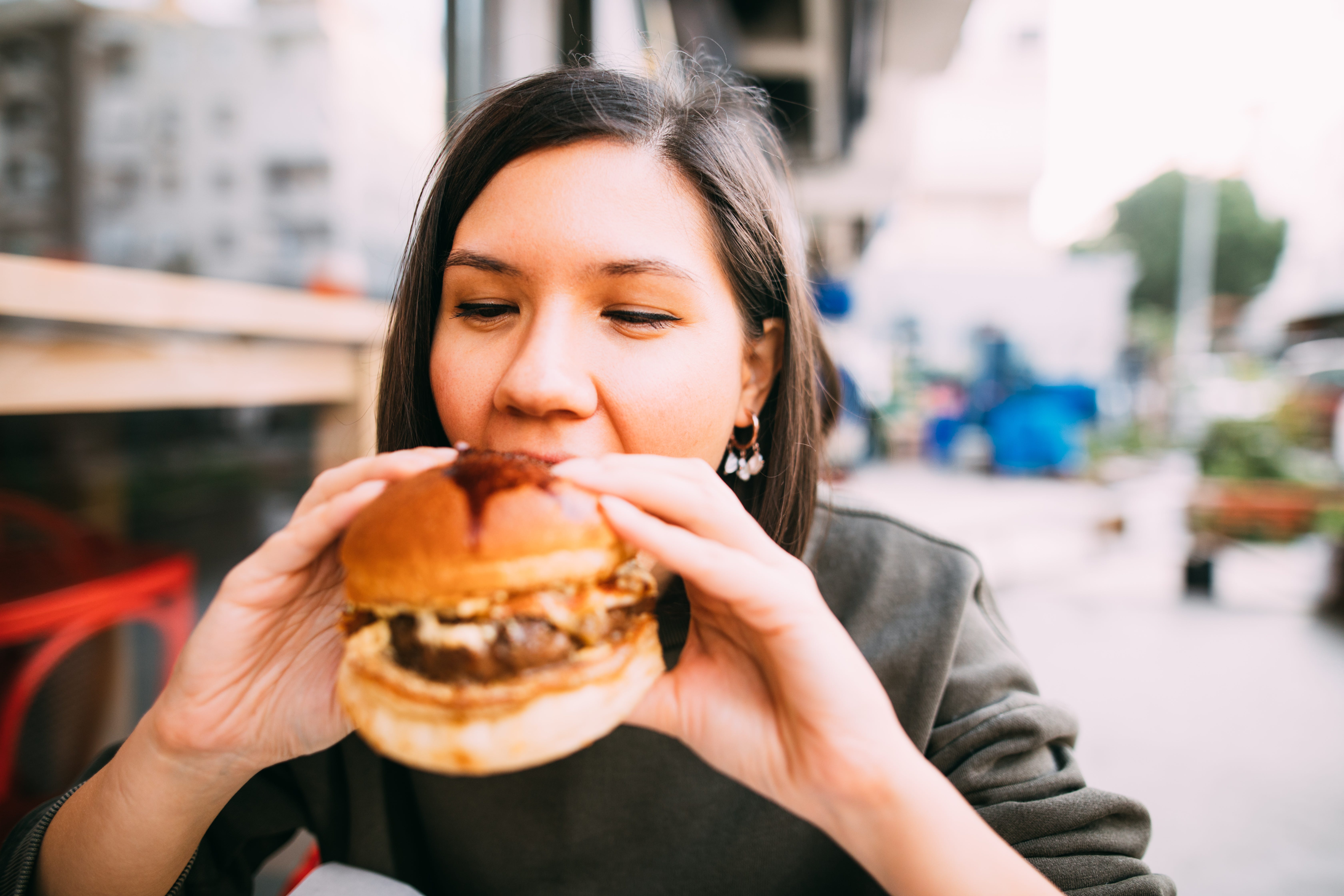 Does Eating Meat Reduce Longevity?
Much of the research rests on the assumption that specific amino acids in excess promote aging. The one they say most is methionine. It’s found in dairy, muscle meat, eggs, and other animal products, and absolutely, excessive amounts of it can promote aging in animal models, and likely humans. No argument there.
But what these studies never explore is the reality that methionine is balanced by another amino acid: glycine. Glycine is almost entirely absent from the classic animal protein products like meat or eggs or dairy, and it’s found almost exclusively in connective tissue, bones, and skin.
There is a classic study where they put rodents on a high-methionine diet, and sure enough, those rats died pretty young. But they took another group and gave them glycine, same amount of methionine, just with extra glycine, and those guys lived long, healthy lives, just as long as the rodents who lived on a restricted-methionine diet.1-2
We see echoes of this in the human literature. Tons of research finds that low glycine levels in the serum predict type 2 diabetes, heart disease, and many of the other diseases classically linked to meat consumption.
Now let’s look at Hong Kong, which is one of the longest-living populations on Earth, who also happen to eat the most meat of anyone on Earth. But the meat they’re eating is not just steaks and burgers and roasts. They’re also eating skin, snouts, feet, and other animal foods that are high in glycine.
This is why collagen is so essential for the modern meat eater who doesn’t want to eat the obscure stuff like skin and bones. Thirty to 40 grams of collagen a day provides enough glycine to balance out all the muscle meat and other animal protein you eat. And although we don’t have direct human trials of balancing out methionine with glycine and looking at lifespan, the circumstantial evidence is pretty strong that it’s going to have good effects.
Except that in the real world, when you see people who actually practice this, these are people who live this lifestyle, they’ve read the studies, they’ve convinced themselves that protein restriction is key to living long. They are generally pretty unwell. They’re frail, always cold, have low energy, and generally aren’t the picture of health we are imagining for ourselves.
Now, they may be better off and look better than the general population in some ways. They tend to be thinner, at least, and, you know, even their biomarkers look pretty good. But I refuse to believe that this is the path to optimal health. You may limp by a bit longer. You may slowly walk into old age, but can you still run hills? Can you play? Are you strong?
And that’s where the study loses me.
Nothing against the authors themselves. It’s pretty impossible to cover every angle, and as I said before, they did a pretty fair job of noting that active exercisers have a higher tolerance of protein. But the true path to health is on the teeter-totter, the seesaw, the waxing and the waning.
It’s a big steak after a workout and then maybe skipping breakfast the next day and just having some fish with salad for lunch. It’s periods of abundance and periods of restriction. It is high-protein days and lower-protein days. We see this everywhere. We see it in wild animals, predators who eat and gorge themselves for a day or two and then go for several days without eating anything. You see this in the fasting habits of monks and other religious men. Christianity even has protein fasting built into it.
No, I’m not saying that you should fast for three days after you eat a big steak like a tiger or wolf, or eliminate protein for a 14-day period. I’m just saying that the world is cyclical. That seems embedded in our environment and also our biology.
This is why, over the years, I have settled on not daily protein targets, but four- to five-day protein targets, even weekly protein targets. I want to eat an average of 120 grams of protein a day over the course of a week. Some days it’ll be 180, other days it’ll be 70. It doesn’t matter so much day-to-day as it does across the week.
Do studies like this give you pause, or do you remain confident—as I do—in the healthfulness of an “high” (read, “sufficient”) protein omnivorous diet? Let me know in the comments.
https://journals.physiology.org/doi/a...
https://pubmed.ncbi.nlm.nih.gov/3668700/
Thanks for reading! Subscribe for free.
Mark’s Daily Apple is still under construction. My team and I are actively working to repost the archives. Check back regularly to find posts that are new to you and revisit old favorites. Looking for a specific post? Let us know here.
You can help more people find us by spreading the word:
* This blog reflects my personal views and opinions and isn’t intended as medical advice, but I hope it will be informative and inspiring as you pursue a healthy, fulfilling life.
August 4, 2026
Protein Intake Vs. Intermittent Fasting | VIDEO
Getting enough protein is imperative. Protein is also the most satiating macronutrient, and some people struggle to hit their daily targets. Ask anyone on a GLP-1 drug.
Intermittent fasting is beneficial and for many people, myself included, it’s the most natural eating pattern. But a compressed eating window adds another layer of complexity when you’re trying to get 100 or more grams of protein a day. Not everyone wants to eat 40-50 grams of protein in a single meal.
If you have a hard time doing both, which wins? Is it better to eat slightly less protein or expand your eating window, giving up some of the benefits of intermittent fasting?
June 18, 2026
Welcome (Back) to MDA! Start Here.
If you’re new here, a little backstory is probably in order: I started the Mark’s Daily Apple blog way back in 2006 as a way of sharing the information I was learning and synthesizing as a part of my personal health transformation. That whole story is here if you’re interested.
For many years, I wrote just about every day on anything and everything related to how to be a healthy, happy, productive, fulfilled, and long-lived human. Along the way, I wrote books, developed digital programs, started an institute to train health coaches, and founded a company dedicated to making the best sauces, condiments, and pantry staples with the real ingredients I believed in.
At the end of 2023, we took down the Mark’s Daily Apple blog. The idea was to do some updates behind the scenes and get it back online in a matter of weeks. What’s that saying about the best laid plans? Yeah, ours went awry.
But now we’re back with a new home on Substack. MDA will live on as an archive of the two decades of work we did at Mark’s Daily Apple and as a place to post some new content as well. For long-time members of the Mark’s Daily Apple community, this is a day we’ve all been waiting for and a cause for celebration.
I’m sure you also have some questions, which I’ll do my best to answer below. This has been a long time coming. I hope you’re as pleased as I am to see MDA revived.
Now on to your questions.
 Where has MDA been?
The short answer is that after we took the blog down, we discovered that it wasn’t feasible to simply restore the blog on the scaffolding we’d built previously. A 20-year-old blog is downright elderly in technology years, not to mention that blogging as a creative and educational outlet changed dramatically during that time.
Given that, we started looking at alternatives from rebuilding from scratch to relaunching on a different platform. Each plan had pros and cons, but we are very happy where we landed here on Substack. This allows us to restore the archives and, hopefully, to also reach new people who can benefit from learning about all things Primal.
As I said, we thought a lot about the best way to bring MDA back online. Ultimately we decided to start with the core content and most popular and most recent posts, then work back through the archives.
Fun fact: MDA comprises more than 6,000 posts and pages all told, and we are reviewing every one.
Check the Archive tab and use the search function to see everything that’s here. If there’s a particular post you’d like to see republished, you can let me know here. My team and I will do our best to restore the most requested posts in a timely manner.
Are the recipes coming back?Yes, just like the posts, we will be rolling (at least some of) them back out. You can request your favorites at that same link.
Am I going to have to pay for MDA now that it’s on Substack?No! MDA is going to stay free and accessible to everyone as always.
Are you going to keep writing? Will we be getting new posts?I definitely still have a lot of thoughts to share — whether that’s here, on my social media, or via newsletter — so make sure you’re subscribed.
I still send my (mostly) weekly Sunday with Sisson emails with my observations and musings, reactions to recent scientific studies, and the like. That’s a great way to stay up-to-date in addition to reading here. Join the list here.
Let me reiterate my thanks for your patience as we figured this all out. I hope this is the beginning of a great new chapter for Mark’s Daily Apple.
And now an ask: I need your help getting the word out.
Follow Mark’s Daily Apple on Instagram or Facebook and share our posts so people know where to find us on our new home here on Substack.
Subscribe and comment on the posts.
Share them on Notes.
And join the newsletter list to become and MDA insider stay up on all things Primal.
Thanks, everyone. Glad to be back.
Excited that Mark’s Daily Apple is back? Spread the word so more people find us.
NEW TO MARK’S DAILY APPLE? NEED A REFRESH ON THE KEY PRINCIPLES OF PRIMAL LIVING? START HERE.Definitive Guide: The Primal Blueprint
How to Move and Get Fit the Primal Way
How to Embody a Primal Lifestyle
Thank you for reading!
Mark’s Daily Apple is still under construction. My team and I are actively working to repost the archives. Check back regularly to find posts that are new to you and revisit old favorites. Looking for a specific post? Let us know here.
You can help more people find us by spreading the word:
* This blog reflects my personal views and opinions and isn’t intended as medical advice, but I hope it will be informative and inspiring as you pursue a healthy, fulfilling life.
April 27, 2026
Definitive Guide: The Primal Blueprint
I get emails every day from people who are changing their lives for the better by following the guidelines I outline on Mark’s Daily Apple. Many are looking for more of what the Primal Blueprint has to offer. That is to say, they want a comprehensive breakdown of the elements that make up the Blueprint—a Primal primer, if you will.
In this extended article, you will find the basic building blocks needed to discover the Primal side of your life.
What does this mean?
It means learning and understanding what it means to be human.
It means using this knowledge to help you make important lifestyle choices.
It means modeling your life after your ancestors in order to promote optimal health and wellness.
And, most importantly, it means taking control of your body and mind.
It is my hope that you will use this information as a jumping-off point to build the healthiest possible body with the Primal Blueprint. Then share it with friends and loved ones who have yet to discover how they can use the Primal Blueprint to live awesome.
What Is the Primal Blueprint?My basic premise is this:
The Primal Blueprint is a set of simple instructions that allows you to control how your genes express themselves in order to build the strongest, healthiest body possible, taking clues from evolutionary biology.
Sometimes we get so lost in the science of human biology that we just can’t see the forest for the trees. We overlook the simplicity and ease with which we could all be achieving exceptional health and fitness.
Living in modern society is extremely complex. With daily mind-boggling achievements in science, technology, and medicine, it’s no wonder that we often look for complicated scientific solutions to problems that really only require simple answers.
Of course, we should all be profoundly grateful for the advances that allow us to recover and heal from treatable infectious disease and trauma. Yet the fact remains that most of life is really much simpler than modern medicine and science would like to have you believe.
You can have a tremendous impact on how your genes express themselves simply by providing your cells with the right environments.
All you need is:
A basic understanding of how your body works
A simple philosophical roadmap to guide your health and fitness decisions
Primal Blueprint Origins and the Rules of Living TodayYou may already have a fair understanding of how the human genome evolved to where it is today based on the environmental and behavioral factors that shaped our ancestors’ lives.
Anthropologists, evolutionary biologists, paleontologists, geneticists, and others have worked for over 100 years to piece together a detailed picture of the elements that influenced our development as a species.
Ironically, when we examine all these influences, we arrive at a very simple list of general behaviors our early ancestors followed.
This list is essentially the original Primal Blueprint—the behaviors that enabled them to become healthy, robust, and resilient human beings, and to pass those traits down to us.
The 10 Primal Blueprint LawsThe goal of the modern Primal Blueprint is not to revert to a caveman lifestyle.
Instead, it asks:
How can we learn from our past to shape a healthier future?
These 10 laws form the foundation of optimal health and longevity.
1. Eat lots of animals, insects, and plantsFocus on:
Quality protein (meat, poultry, fish)
Colorful vegetables
Some fruits (mostly berries)
Healthy fats (avocado, olive oil, nuts, full-fat dairy if tolerated)
Observe portion control over time rather than meal by meal.
2. Avoid poisonous thingsLimit exposure to:
Chemical toxins (pesticides, herbicides, fungicides)
Processed foods
Sugar and grains
Trans and hydrogenated fats
Mercury in certain fish
3. Move around a lot (mostly at a slow pace)Walk as much as possible every day.
Aim for 2 to 5 hours per week of low-level aerobic activity:
Walking
Hiking
Easy cycling
Swimming
4. Lift heavy thingsSpend 30–45 minutes, 2–3 times per week lifting weights or resistance.
Focus on full-body movements:
Pushing
Pulling
Carrying
Climbing
5. Run really fast every once in a whileDo occasional high-intensity sprint bursts, such as:
Short hill sprints
Beach sprints
Intense cycling intervals
6. Get lots of sleepSleep is critical for:
Energy
Immune function
Overall health
Prioritize it.
7. PlayEngage in active play regularly.
Play helps:
Reduce stress
Improve creativity
Apply fitness in real life
8. Get some sunlight every dayModerate sun exposure helps:
Produce vitamin D
Improve mood
Avoid burning, but don’t avoid the sun completely.
9. Avoid stupid mistakesEliminate obvious risks:
Wear seat belts
Avoid drugs and smoking
Stay aware of your surroundings
10. Use your mindKeep your brain active:
Read
Write
Create
Socialize
Why Follow the Primal Blueprint?Let’s simplify the goal.
We all want to be:
Healthy — free from illness
Energetic — able to enjoy life fully
Happy — motivated and positive
Lean — metabolically balanced
Strong — physically capable
Bright — mentally sharp
Productive — contributing to life and society
Our ancestors naturally embodied these traits—not as goals, but as a result of how they lived.
Now, understanding that everything we do affects our biology, we can apply these principles to modern life and create the same outcomes.
Thank you for reading!
Mark’s Daily Apple is still under construction. My team and I are actively working to repost the archives. Check back regularly to find posts that are new to you and revisit old favorites. Looking for a specific post? Let us know here.
You can help more people find us by spreading the word:
And make sure you’re subscribed!
* This blog reflects my personal views and opinions and isn’t intended as medical advice, but I hope it will be informative and inspiring as you pursue a healthy, fulfilling life.
May 15, 2024
Zone Fun Training
There’s lots of talk about Zone 1, 2, 3, and 4 cardio, with each “zone” based on the level of aerobic or anaerobic energy you’re utilizing. The lower the zone, the more aerobic you are and the more fat you’re burning as percentage of total energy. The higher the zone, the more anaerobic you are the more glucose and glycogen you’re burning. Lower zones are easier and slower. Higher zones are harder and faster.
This is a sound way to think about “cardio,” but it doesn’t cover every zone. There’s one big training zone missing from the conversation: Zone Fun.
In Zone Fun, intensity doesn’t matter. It can be high or low. You can go fast or slow. Intense or easy. Zone Fun oscillates across all the heart rate zones. Because the prime concern and determinant is whether or not you’re having fun, the other stuff melts away. Not in importance—all the aerobic zones still matter, intensity still matters—but in what you have to consciously pay attention to.
You can just keep going as long as you’re having fun and moving your body.
I’d go so far as to say that hitting Zone Fun is the most important metric for your cardiovascular training. If you reach Zone Fun, if you’re moving fast and slow and medium and moving with intensity and then slowing things down, you are doing the right thing. You are improving your health and fitness. Having fun is a good barometer for doing the right thing health wise. Your body intrinsically “knows” when you’re improving skills, increasing VO2max, building an aerobic base and your ability to tolerate anaerobic discomfort, strengthening muscle—fun is the tell.

We have evidence that Zone Fun training is even more effective than other kinds. When you subject rodents in the lab to forced exercise—sticking them on a rodent wheel, making them tread water, tying weights to their tails and making them drag them and climb ladders—you see moderately beneficial effects, but sometimes negative effects. When you give rodents the opportunity to engage in voluntary exercise like free access to a wheel, and they choose to do it, the benefits are greater. For instance, one study found that mice doing a ten week voluntary running program had more favorable shifts in muscle tissue fiber development than mice doing ten weeks of forced running.1 Another even found that mice with colitis had higher mortality and inflammation when they were forced to exercise and lower inflammation and mortality when they chose to exercise.2
Okay, so what are some ways to practice Zone Fun training?
Ultimate FrisbeeMy favorite way to get into Zone Fun is with the greatest sport of all time: Ultimate Frisbee. Sadly, I don’t get to do this as often as I’d like to. But when I lived in Malibu, I had a weekly game set aside with the same group of guys. It was a mix of running, jumping, throwing, jostling for positioning, sprinting, and jogging. Most importantly, it was fun. It was a game. It was a game requiring strategy, planning, and intense concentration. Because when you’re concentrating or when you’re thinking ahead and thinking in the moment, you’re having fun. You’re not thinking about the hard work that you’re doing. You don’t even realize that you’re breathing hard, that you’re starting to get sore. You don’t notice the burning. And therein lies the beauty of Zone Fun.
Fat tire bikingI’ve taken fitness influencers out on the sand that are half my age and they always tell me it’s the hardest workout of their lives and can barely keep up. No joke. But the thing is, you keep going because riding through sand next to the beautiful water, seeing all the lovely sights that one sees, invigorates and makes the work worth it.
Standup paddlingPaddling is my other method of Zone Fun training. Up on the paddleboard, I get into my rhythm and flow, and the hours just melt away. I'm never quite breathing hard. My serratus anterior muscles are getting an incredible workout (there's no better ab exercise). My heart is working, the blood is flowing, and the fat is burning. This is a gentle form of training.
Play sportsThe perfect way to access Zone Fun training is to play sports.
Pick a sport that you used to really enjoy when you were younger. The trick to training is that it shouldn’t feel like work. You also shouldn’t feel like you’re learning to play. You should come into it fairly naturally. So, if you’re playing basketball, you should be able to dribble the ball, make a layup, and generally feel comfortable with the flow of the game. If you’re trying to pick up a game of soccer, make sure that you’re comfortable handling the ball, passing, shooting, and generally move with the way the game moves. And that’s true for anything. You don’t want to be learning the fundamentals when you’re trying to engage in Zone Fun. You don’t have to be an all-star, but you shouldn’t be a total beginner.
Make the boring interestingAnother way to use Zone Fun training is to take what might normally be a boring form of movement and make it more interesting and fun. For example, instead of running on a treadmill, go for a trail run. Changing topography, textural shifts, rising and climbing the trail, plus all the plants and animals and beautiful smells around you, will make what’s normally a boring plod around the track much more interesting and fun. Deep into the endurance world, I did most of my training on trails and mountain passes just because it was so much more interesting than just running around the track or on a treadmill. It was the only way I could make the incredibly uncomfortable training bearable.
Another substitution might be mountain biking instead of road biking. Insead of zoning out on a road, you have to constantly stay alert for roots, rocks, jumps, drops, and trees. You have to stay immersed in the moment—you can’t just bear down and suffer like you can on the road. This gives you just as good a workout without feeling like it.
Rock scramblingRock scrambling is my absolute favorite way to traverse the wild. I grew up in a small fishing town in Maine, scrambling all over the rocks that lined the coast. I think this was how I got most of my movement and training foundation. There's something so satisfying about scrambling on all fours up extremely steep rock faces. It’s just pure fun and I think it triggers something primordial within us.
Loaded partner carriesHere's what I mean by loaded partner carries:
Get a group of at least two people together. Choose a walking path, ideally with an incline. Up a mountain is best. Then, pick a heavy object, at least one per person. If you have two people, choose 1-2 objects. If you're a group of three, choose 2-3 objects. And then you go on the walk while carrying the objects and switching off with each other.
A kettlebell and a weighted sandbag. A big log and a heavy rock. A pair of dumbbells. A barbell and a rucksack. You get the idea. Just go on the walk with a friend or friends, taking turns carrying the objects you brought. This is very hard work, but because you're working together, it's fun. You have each other to lean on and nobody wants to let the other people down. Turns out that camaraderie is extremely motivating.
Those are my favorite ways to train Zone Fun. What about yours? How will you incorporate more Zone Fun training into your regimen?
Referenceshttps://pubmed.ncbi.nlm.nih.gov/33118... ↩
https://pubmed.ncbi.nlm.nih.gov/23707... ↩
Thanks for reading! Subscribe for free.
Mark’s Daily Apple is still under construction. My team and I are actively working to repost the archives. Check back regularly to find posts that are new to you and revisit old favorites. Looking for a specific post? Let us know here.
You can help more people find us by spreading the word:
* This blog reflects my personal views and opinions and isn’t intended as medical advice, but I hope it will be informative and inspiring as you pursue a healthy, fulfilling life.
March 28, 2024
Definitive Guide to Primal Macronutrients
The foundation of a Primal diet is choosing the healthiest, most nutritious, freshest, highest-quality foods possible—the meat, fish, fowl, eggs, produce, nuts, seeds, and optional dairy that are the basis of a species-appropriate human diet. Then, because we are sensory creatures with a bit of a hedonistic streak, we add sensible indulgences like coffee and dark chocolate, good wine if that’s your thing, and the occasional non-Primal splurge.
What you eat takes precedence over everything else. If that’s all you ever focused on, you’d be doing better than most of the population.
Once you broke free of carb dependency and developed metabolic flexibility, you could trust your body to tell you what it needs. Over time, you would naturally fall into a pattern of eating that suited your lifestyle.
However, I find that most people, when they make a commitment to following the Primal Blueprint, want to see how far they can take it. Once they discover how good they feel just from choosing Primal foods, it’s natural to ask whether there are additional levels of health and vitality waiting to be unlocked. This is where practices like intermittent fasting and experimenting with macronutrients come in.
Although the Primal Blueprint doesn’t prescribe specific macronutrient ratios, there are some best practices to consider here. Let’s dive in.
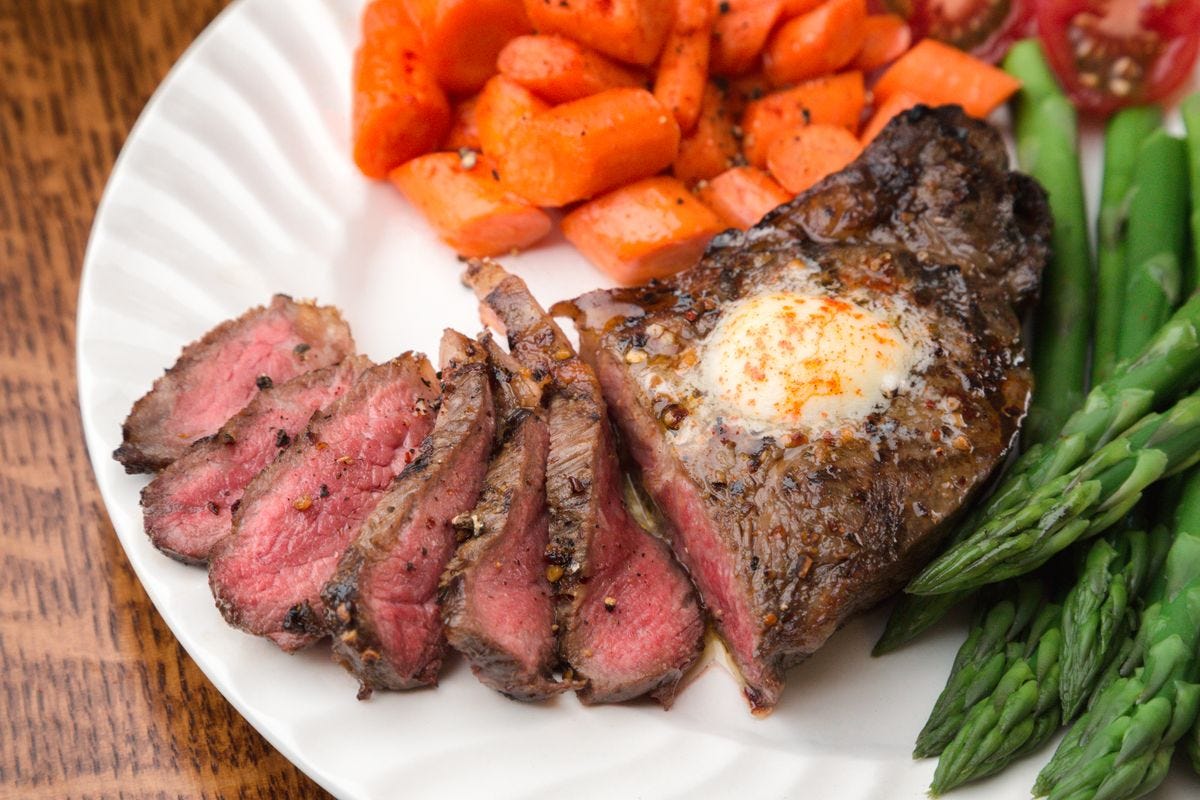 What Are Macronutrients?
 First, some basic terminology. Macronutrients, or “macros,” are the protein, carbohydrates, and fats in the foods you eat. These are the building blocks and energy substrates, separate from the water, vitamins, minerals, antioxidants, and other compounds, including artificial ingredients, present in food.
The calories in your food come from the macronutrients, with protein and carbohydrates each providing 4 calories per gram and fat providing 9 calories per gram.
Now I have a real problem with this. The body wants to burn fat and glucose (from carbs) for energy, but protein will always go first towards muscle protein synthesis and repair, or building cells, hormones, and enzymes. In that context, it hardly seems fair to assign it a “burn rate” of 4 calories per gram. It’s like saying the 2×4 studs that support the walls of your house can burn nicely if you run out of firewood. They will, but that’s hardly the point.
Nevertheless, that’s how the math is done.
So let’s say you’re interested in conducting some sort of n=1 nutritional experiment. Maybe you want to up your protein intake during a hypertrophy cycle or drop your carbs to go keto. To determine how many grams of protein, carbs, and fat you’re consuming—and, therefore, how many calories you’re taking in—you’ll need to input all of your food into a tracker like Cronometer or My Fitness Pal. Tracking your food is tedious if you do it right, but the data can be eye opening. Most people don’t have a clue how much they’re actually eating.
Once you’ve established a baseline, you can proceed to adjust your intake of certain macros up or down. As I said, the Primal Blueprint doesn’t specify exact macros to aim for, but here are some things to consider.
Macronutrients in the Primal Diet1. Start with proteinOf the three macronutrients, protein takes priority in my book. So much of the work I do comes down to one goal: maximizing healthspan. In other words, staying fit, healthy, and cognitively sharp for as long as possible. A cornerstone of that is maintaining mobility and strength and staving off age-related muscle loss and frailty. To do that, you need two things: building blocks (amino acids from protein) and stimuli that tell your body to invest in bone and muscle (exercise).
For the average person, 0.7-1.0 grams of protein per pound of body weight (1.6-2.2 g/kg) is a good target.
You can go higher than that if you want, and there may be some benefit, but this is a good starting point. Taking in a lot more than that isn’t dangerous, but you’ll soon start to see diminishing returns.
Whenever I write about protein, I always get a bunch of follow-up questions: Should I use current body weight, lean body mass, or ideal body weight? How do age and gender factor in?
I’ve written extensively in other posts about how much protein you should be eating if you’re an athlete or a person trying to lose weight, for example. The numbers vary somewhat, but if you’re in the range of 1 gram per pound of body weight, you’ll be fine. Likewise, if you do your calculations based on lean body mass instead of total body mass, you’ll fall in a similar range, especially if you’re already on the leaner side. Take a 180-pound individual who carries 20 percent body fat. The math works out to 126-180 grams per day based on total body weight or 100-144 grams per day based on lean body mass. Not terribly different.
Also, don’t stress about getting the exact same amount of protein every day. Look at your protein intake across the past three to five days. Are you averaging around 1 gram per pound per day? Then you’re in good shape.
What about collagen?I’ve said many times that collagen should be classified as a macronutrient all its own. Collagen is a protein, being composed of amino acids, but it’s not a complete protein since it lacks tryptophan. As a general rule, you’re not supposed to count collagen toward your total protein intake when tracking your food, but I don’t fully agree with that. Collagen is protein. The amino acids are the same amino acids you’d get from a steak, though in different proportions.
I doubt too many people are using collagen peptides as a primary source of protein in their diets, but it’s probably worth stating: most of your protein needs should be met using complete protein from whole food sources.
2. Set your carbohydrate intakeThe Primal diet falls naturally on the lower-carbohydrate end of the spectrum compared to a typical modern diet. A person consuming a Standard American Diet can easily top 300 or 400 grams of carbs by dinnertime thanks to grains, sugar-sweetened beverages, and processed snack foods. In contrast, it’s tough to exceed 100 grams of carbs eating Primal foods, even with tons of colorful above-ground vegetables. Even if you eat a fair amount of fruit or starchy vegetables, you’ll be hard-pressed to exceed 150 grams of carbs on average per day.
I’ve found that under 150 grams of carbs per day is most folks’ sweet spot for easily maintaining body composition and having plenty of energy.
However, if you specifically want to get into ketosis, you’ll need to drop below 50 grams per day, and you’ll need to be strict about it.
On the other hand, endurance athletes who consistently burn a lot of calories and dip into glycogen stores on a regular basis might benefit from eating more carbs from additional fruits, tubers, and root vegetables, perhaps even some rice or oats. This isn’t mandatory, mind you. Plenty of athletes feel and perform great on moderate-carb or ketogenic diets. But super-active folks are also “earning” their carbs and shouldn’t be afraid to experiment with higher intakes, especially around tough workouts and competitions.
Do you need to concern yourself with net versus total carbs?I don’t. Net carbs are just the total carbs in your food minus the fiber. The great thing about eating Primally is that you don’t have to fuss about these kinds of details.
Net carbs are really only relevant within the context of a keto diet, where you might want to distinguish between digestible carbohydrates, which are converted into glucose, and fiber, which does not impact insulin levels. In The Keto Reset Diet, I suggested that you don’t have to count carbs from above-ground non-starchy vegetables and avocados since their glucose/insulin impact is minimal thanks to their fiber content. Even that is optional, though. For tracking purposes, it’s easier to just cap your total daily carb intake at 50 grams per day and be done with it.
3. Leverage fatOnce you’ve established your protein and carbohydrate intake, fat becomes the macro you leverage to increase or decrease energy (caloric) intake.
Let’s say you typically eat 150 grams of protein a day and 100 grams of carbs. Each provides 4 calories per gram, so that’s 1,000 calories per day so far from those two macronutrients. The rest will come from fat at 9 calories per gram.
A primary goal of the Primal Blueprint is to turn you into a fat-burning machine, meaning that your cells are highly efficient at using fat for energy instead of relying heavily on glucose. That fat can come from your plate or your own adipose tissue. If you’re a smaller, moderately active woman who is trying to burn through some excess body fat, you might aim for an additional 500-800 calories per day, or 55-90 grams of fat, roughly. But if you’re a larger man who is aiming for a caloric excess during a bulking phase, you might need an additional 2,000 calories. Perhaps you bump your protein up by 50 grams, but that’s only 200 calories, and remember, protein isn’t the most efficient fuel anyway. In any case, this guy will need to consume closer to 200 grams of fat per day to hit his goal.
Putting It All TogetherYou never have to bother with macros on a Primal diet, particularly not if you are happy with your current body composition, performance in the gym, and general health. But, if you’re struggling to reduce those stubborn fat stores, you’re having a hard time gaining muscle, or you otherwise feel that your health could be better, AND you’re already eating Primally, playing around with the macronutrient composition of your diet could be a worthwhile endeavor.
That last caveat is important. For folks coming from a standard modern diet, ditching grains, sugars, and sketchy oils is going to move the needle more than ratcheting fat intake up or down by 20 grams or whatever. Now, if your blood sugar is through the roof and you’re on a litany of meds for type 2 diabetes, getting carb intake down is also going to be a top priority. (In that case, make sure your doctor knows that you’re changing your diet, as you’ll likely need to adjust your medications concurrently.)
In short, you’ll get more bang for your buck by getting the major Primal pillars of nutrition, movement, and lifestyle dialed in first before experimenting with meal timing, fasting, macros, etc. Lay the right foundation first, and then these details can turn your results from great to outstanding.
Thank you for reading!
Mark’s Daily Apple is still under construction. My team and I are actively working to repost the archives. Check back regularly to find posts that are new to you and revisit old favorites. Looking for a specific post? Let us know here.
You can help more people find us by spreading the word:
And make sure you’re subscribed!
* This blog reflects my personal views and opinions and isn’t intended as medical advice, but I hope it will be informative and inspiring as you pursue a healthy, fulfilling life.
March 27, 2024
How to Embody a Primal Lifestyle
If I stopped you on the street today and offered you a million dollars to improve your health or fitness, you’d probably immediately think diet and exercise. Of course you’d be right—but only to a degree. Those two factors are fundamental to health, fitness, vitality, and longevity. However, if you only focused on diet and exercise, you wouldn’t reach your full potential. Not by a long shot.
As important as food and movement are, they are only two of the inputs that affect gene expression. There is a bigger picture to consider, another pillar encompassed within the Primal Blueprint—one that is often overlooked even by individuals who have made a sincere commitment to building healthy habits and taking care of their bodies for the long haul. These are the Primal Blueprint Lifestyle Laws.
 The Primal Blueprint Lifestyle LawsPrimal Law #6: Get Plenty of Sleep

If I had to nominate the Primal Blueprint Law that is most neglected in the modern world—and it would be hard to pick just one—it would probably be sleep. At least with diet and exercise, most people pay lip service to how important they are, recognizing that they should care about them even if their day-to-day choices say otherwise. Yet how many times have you seen uber-successful people boasting about how little sleep they get on a nightly basis?
Too many folks glorify an “I’ll sleep when I’m dead” mentality, ignoring the fact that too sleep is, ironically, pushing them toward an early grave.
Our genes expect and need consistent, restful sleep, and plenty of it. Our ancestors got lots of sleep. Even after the discovery of fire, it wasn’t as if they stayed up all night partying. From sunset to sunrise it was safer to huddle together and rest. Long days of hunting and gathering and otherwise working hard for every bite of food also required sufficient time to repair and recover. Studies of modern hunter-gatherers suggest it wasn’t necessarily always an uninterrupted nine or ten hours, either. It’s likely that they slept together as families or as small tribes, keeping a watch out for predators, breastfeeding the baby or just dozing in and out throughout the night.
Of course, a restorative afternoon nap was also available when the urge hit, with no guilt about what else they really should have been doing. Our modern tendency toward poor quality, insufficient sleep has catastrophic consequences for physical, cognitive, and emotional health. Yet better sleep is almost always within reach with some simple (and sometimes not-so-easy) behavior modifications.
Primal Law #8: Get Plenty of SunlightRead more about Primal Law #6.

(Primal Law #7 is Play. You can read about it in the Primal Movement post.)
Cavemen weren’t really men (or women) who lived their lives in caves all the time. Most of the day, they were in the great outdoors pursuing their various survival tasks. Regular exposure to sun provided lots of vitamin D, an all-important vitamin (really more like a hormone) which they could not easily obtain from food and which their bodies could not manufacture without direct sunlight.
Fast forward to today, and most people spend almost all their time inside—at home, at work, in the car or subway, at the grocery store, mall, movie theaters, bowling alleys, and on and on. Even most of exercise is now done inside gyms, dance studios, or garages. The net result is that an alarming proportion of the population does not get enough sun exposure. Couple that with widespread public health messages about avoiding the sun and using sunscreen every time you go out, and vitamin D deficiency is now widespread.
Not to mention, we are missing out on the other benefits of being in nature. While it’s never a good idea to burn, I think the far greater danger to most people is too little sun, not too much. Respect basic sun safety practices, but embrace the sun as the life-giving force that it is.
Primal Law #9: Avoid Stupid MistakesRead more about Primal Law #8.

You’re doing all these other things to live a long, healthy life—eating right, exercising, getting plenty of sleep, nurturing your social relationships—but it can all be cut short in the blink of an eye with one silly, preventable misstep. That’s why Primal Law #9 reminds you to exercise appropriate caution when navigating this dangerous world.
In our ancestors’ time, this mostly meant avoiding trauma that could lead to immediate death or serious injury that would prevent them from being active, participating members of their hunter-gatherer clan. Today it still means essentially the same thing, except the dangers we face are a far cry from the rogue tiger or poisonous mushroom that might have taken out Grok.
This doesn’t mean wrap yourself in bubble wrap and never take any risks whatsoever. Rather, this law exhorts you to use that highly evolved human brain of yours to calculate risk and take wise precautions as needed.
Primal Law #10: Use Your BrainRead more about Primal Law #9.
Speaking of your big brain, the final Primal Law reminds you to use it. Use it to problem solve. Use it to create. Use it to imagine. Use it to dream big dreams and make them come true. Use it to reminisce about the past. Use it to learn from past mistakes. Use it to create the wild and wonderful life that is your birthright as a human.
Read more about Primal Law #10.
Thanks for reading! Subscribe for free.
Mark’s Daily Apple is still under construction. My team and I are actively working to repost the archives. Check back regularly to find posts that are new to you and revisit old favorites. Looking for a specific post? Let us know here.
You can help more people find us by spreading the word:
* This blog reflects my personal views and opinions and isn’t intended as medical advice, but I hope it will be informative and inspiring as you pursue a healthy, fulfilling life.
December 20, 2023
What is the Meat and Fruit Diet?

Many carnivores have begun adding fruit into their animal-based diets, transitioning from a carnivore diet to a meat and fruit diet. This is one of the most common diets I get asked about, in fact—is the meat and fruit diet a good idea? Does it make sense to add fruit to your meat? Is there anything absent from the strict carnivore diet that adding some fruit can help?
I actually think it’s a good idea for a lot of people. Here’s why adding the meat and fruit diet might make sense for you:
Fruit “wants” to be eaten.The most common reason why people switch to carnivore is to avoid chemical anti-nutrients that plants expressly produce to dissuade animals and insects from eating and digesting them. Seeds and grains employ lectins and other allergenic proteins that impair digestion and cause gastric distress and mineral imbalances so that the herbivore that eats them is less likely to actually digest it or come back for more. They can’t run or fight back with claws and teeth so they go the chemical warfare route.
Animals can run, hide, fight, bite, and struggle. They don’t need the chemical defenses. Once you get past those claws, teeth, hide, and foot speed they’re incredibly nutritious and easy to digest. Meat doesn’t “want” to be eaten, but it’s neutral on the matter once the presiding central nervous system has been nullified and silenced.
Fruit, meanwhile, wants to be eaten. If an animal eats fruit to get the sugar and nutrients and tosses or poops out the seeds, the fruit wins. The seeds have a chance to germinate and grow into another plant—to keep the genes flowing through time. There’s no reason for the flesh of the fruit to have a robust arsenal of anti-nutrient compounds. And sure enough, fruit is quite low in these compounds.
Fruit is easy to digest. Some of the more fibrous varieties can cause issues if you have preexisting issue with fiber. Some of the FODMAPs found in certain fruits can also mess with digestion in susceptible FODMAP-sensitive people.
Fruit has polyphenolsOne of my biggest criticisms of pure carnivore has always been the lack of polyphenols—of the plant compounds found in fruits, vegetables, coffee, wine, chocolate, and pretty much every plant on earth. Polyphenols are defense chemicals that plants employ to ward off disease, fungal infections, and other microbes. For instance, when a plant is stressed, it will often produce more polyphenols. Cut a purple sweet potato on the vine and it will up regulate anthocyanin content. This is a common feature and it’s meant to fight against pathogens that could invade.
But when an animal like a human eats these polyphenols, good things happen. They are minor stressors that induce a hormetic response—we adapt to the stressor and get stronger, healthier, fitter, and more robust in the process. On the cellular level, a polyphenol like blueberry anthocyanin can appear stressful in the acute time frame. It “damages” the cell, but then the cell recovers. On the organism level, blueberries create a rebound effect that leaves us healthier. The organism and all the cells within grow more robust. Pure carnivore diets almost never contain these compounds and thus suffer from their lack.
Some of these compounds, like quercetin (found in apples and onions) may even show efficacy against many of the autoimmune issues that bring people to carnivore in the first place.https://www.ncbi.nlm.nih.gov/pmc/arti... Berries and pomegranates also show potential against rheumatoid arthritis.https://pubmed.ncbi.nlm.nih.gov/29227...
Fruit may improve digestive healthNow, many people get into carnivore because they have issues with fiber. Either it constipates them, gives them diarrhea, or both. It can even exacerbate certain patients with digestive disorders like IBS. But fruit fiber may be different than grain fiber. Now, some people will have different reactions, but by and large fruit fiber is easier to digest than grain or vegetable fiber. Some of the more fibrous varieties can cause issues if you have preexisting issue with fiber. Some of the FODMAPs found in certain fruits can also mess with digestion in susceptible FODMAP-sensitive people.
Take constipation. Carnivore often fixes constipation, but in a sizable minority it seems to worsen or even cause it. Some would say that you’re not actually constipated, that there’s just “less waste.” Very possible. But what if you truly are constipated on carnivore?
Kiwis may help. Two kiwis a day have been shown to reduce constipation.https://pubmed.ncbi.nlm.nih.gov/36537... A review of kiwis for gastric disorders found that kiwifruits have the potential to improve GI function via many different mechanisms.https://pubmed.ncbi.nlm.nih.gov/28557...
Studies in large populations find that fruit fiber is even linked to lower levels of diverticulitis, while vegetable fiber is linked to higher levels.https://pubmed.ncbi.nlm.nih.gov/31397... This suggests that fruit fiber may be gentler on the gut. The bulk of the evidence suggests that fruit is more helpful than not for constipation.https://www.ncbi.nlm.nih.gov/pmc/arti...
It’s true that none of these studies are looking at people on carnivore diets. They’re using regular people on standard diets—results may not apply. But if carnivore doesn’t seem to helping your gut issues, or they could at least be better, you might consider incorporating some fruit.
Fruit may reduce carcinogen formation and inflammation when eaten with meatWe’ve known for awhile that consuming polyphenol-rich plants—like cruciferous vegetables, leafy greens, and red wine—with your meals reduces the inflammatory response upon eating, even lowering postprandial lipid oxidation and the formation of carcinogenic compounds in the gut. That’s true for fruits, too. One found that adding fruit solids to meat sausages reduced the oxidation of lipids in the meal upon consumption and during storage.https://pubmed.ncbi.nlm.nih.gov/36890... I don’t recommend blending fruits into your meat, but eating an orange with your steak will have much the same effect.
Speaking of oranges, concentrated sources of orange—orange juice—reduce the inflammatory effects of a junk food meal. They reduce lipid oxidation and make an otherwise unhealthy meal healthier.https://pubmed.ncbi.nlm.nih.gov/29068... Imagine if you added an orange to your healthy steak dinner.
Fruit may provide nutrients your carnivore diet is missingIf you’re not eating many shellfish, your carnivore diet could be a little low in manganese. Eating blueberries or pineapple will top you off.
If you’re not eating your meat rare with all the juices, your carnivore diet might be low in potassium. Eating almost any fruit will provide ample amounts of potassium.
Fruits also provide vitamin C, which is often lacking on carnivore diets. The vitamin C requirements are also lower when you’re carnivore, but just in case it wouldn’t hurt to have a bit more.
Fruits are rich in carbohydrates, which can be useful if you’re engaged in a ton of intense physical activity that burns through glycogen. Fruit is a great way to top off your glycogen stores.
Fruit provides variety to your meat-based dietFruit is more than you think. Tomatoes are a fruit. Squash are fruits. Avocados are fruits. Anything with a seed surrounded by edible flesh is a fruit, even if we normally treat it more like a vegetable.
That means you can have tomato and avocado salad. You can have mashed butternut squash or roasted kabocha squash. You can eat pickles or fresh cucumbers. You can grill zucchini. You can have peppers of all kinds.
Allowing fruit into your carnivore diet provides the opportunity for far more variety than you’d think. It’s not just eating mangos and pineapples and berries. If you find the carnivore diet boring or difficult to maintain despite health benefits, incorporating a little fruit may be just the thing you need to make it more sustainable.
Let’s go through a definitive comprehensive list of fruits that qualify for the meat and fruit diet:
Stone fruits—nectarines, peaches, cherries, apricotsTropical fruits—mangos, pineapple, breadfruit, papaya, bananaApplesPearsMelons—cantaloupe, watermelon, honeydew, TuscanCitrus—oranges, tangerines, grapefruits, lemons, limesFigs and datesBerries—strawberries, blackberries, blueberries, raspberriesWinter squash—delicata, butternut, kabocha, pumpkin, acorn, honey nutSummer squash, zucchiniCucumbers, picklesAvocadosTomatosPeppers—hot and sweet and in betweenThe meat and fruit diet is anything but restrictive. You can really diversify your diet by including fruit. And if you’re worried about the sugar content, you can eat low sugar fruits like berries, avocado, tomatoes, peppers, cucumbers, and squash.
Do you eat the meat and fruit diet? If so, what fruits do you include? If you don’t, what fruits do you miss (if any)?
Thanks for reading everyone.
(function($) { $("#dfr9eXt").load("https://www.marksdailyapple.com/wp-ad..." ); })( jQuery ); References https://www.ncbi.nlm.nih.gov/pmc/articles/PMC8260830/https://pubmed.ncbi.nlm.nih.gov/29227497/https://pubmed.ncbi.nlm.nih.gov/36537785/https://pubmed.ncbi.nlm.nih.gov/28557573/https://pubmed.ncbi.nlm.nih.gov/31397679/https://www.ncbi.nlm.nih.gov/pmc/articles/PMC9583540/https://pubmed.ncbi.nlm.nih.gov/36890873/https://pubmed.ncbi.nlm.nih.gov/29068453/
The post What is the Meat and Fruit Diet? appeared first on Mark's Daily Apple.
Mark Sisson's Blog

- Mark Sisson's profile
- 203 followers
