Megan Hunter's Blog
August 6, 2018
Domestic Violence and Dating
© 2018 Bill Eddy, LCSW, Esq,
Domestic violence is a problem throughout the world in 20-50% of partner relationships, depending on your location and source of information. Sometimes it is called Intimate Partner Violence (IPV), to distinguish it from child abuse, since both occur within the family often behind closed doors. I will use the term domestic violence (DV) in this article, making it clear that I am focusing on two people in an adult intimate relationship.
Four Types of Domestic ViolenceIt helps to understand four different types of domestic violence:
COERCIVE CONTROLLING VIOLENCEExtreme violence, bruises and sometimes broken bones. The purpose is to control the partner’s life to give the abusive person a sense of security, dominance or superiority. The victim feels an ongoing sense of fear. This will be discussed in more depth below.
SITUATIONAL COUPLE VIOLENCEThis type of violence is more likely to be started by either partner (about 50-50, both male and female) by shoving or slapping, rather than extreme one-sided violence. Neither has a sense of fear about the other or feels controlled by the other. But they lack good conflict resolution skills. They often feel remorse for their behavior and will admit what occurred.
SEPARATION-INSTIGATED VIOLENCEThis occurs with one or two incidents when a couple separates. There is no history of violence, but the tension of separating may trigger an incident of misunderstanding or momentary anger. When this happens, it usually shocks both partners and they learn to avoid future such encounters.
VIOLENT RESISTANCEThis is defensive violence, usually by a victim of Coercive Controlling Violence. It can be quite dangerous, as it may trigger the partner’s extreme violence which may escalate into physical harm or death. It’s better to find a way to get away from a Coercive Controlling partner—or avoid this type of relationship from the start.
The rest of this article will focus primarily on Coercive Controlling Violence and how to avoid getting into this type of relationship.
Coercive Controlling ViolenceThis is the type of situation in which one partner (maybe 80% male; 20% female) is trying to control the other partner, which includes violence but often many other means as well: controlling finances, cutting off the partner from family and friends, controlling freedom of movement, abusive sex, verbal abuse, etc. Violence may actually not occur that often, so long as the abuser feels in control. The victim/survivor feels fear and changes their behavior because of that fear, usually becoming depressed and self-doubting.
This type of violence is what people usually think of with domestic violence: power and control, bruises and possibly broken bones, intense moments of rage, trips to the hospital, calls to the police, etc. It’s also known as spousal abuse and sometimes known as intimate terrorism. The person engaging in this abusive behavior usually denies it to one and all, or justifies it as necessary to “protect” the victim from herself, or to teach her some kind of lesson.
Personality Disorders and Coercive Controlling ViolenceFrom my experience working with some victims and some perpetrators, in counseling or representing them in divorce, the most common personality types engaging in Coercive Controlling Violence tend to have personality disorders: either borderline, antisocial or narcissistic. Signs of these personality disorders are extreme possessiveness and jealousy, impulsiveness, all-or-nothing thinking, difficulty managing their emotions and/or a sense of superiority to their partners.
BORDERLINEThose with borderline personalities tend to have “hot anger,” in that they are very reactive to feeling abandoned and go into a rage. This may be triggered by something innocent that their partner said, which was misinterpreted, or may be triggered simply by a thought the abuser had, which was a distortion of reality. (“She’s quiet today. I wonder if that means she’s having an affair and thinking about it.”) The victim’s efforts to be more independent of their control may especially trigger this feeling of abandonment that the person fears. Their behavior may be based on an insecure attachment in childhood or other factors going into their personality development, including being born with these tendencies.
ANTISOCIALThose with antisocial personalities want to have power and control over someone in order to dominate them. Bullying someone else, in and of itself, seems to give the person a sense of security and satisfaction. They may engage in “cold anger,” in which they plan to do an abusive behavior when the person is least suspecting it. In a sense they have predatory behavior that is planned rather than reactive (although they may have that too). Their partner’s desire to be more independent of their control may trigger more dominating behavior, as they can’t tolerate losing control. In many cases, antisocial personalities were born that way, although in some situations they arise out of a very abusive childhood. (Someone with this personality is also known as a sociopath.)
NARCISSISTICThose with narcissistic personalities want to be seen as superior to everyone else. Their drive is to get their partner to look up to them, give them lots of admiration, and respect their directions. They like to be in control to have someone to reinforce their sense of superiority. They’re usually quite insecure inside and try hard to keep up an image of superiority that can’t be maintained—because no one is that superior. They also want partners who will make them look good and give them increased status. Some narcissists have hot anger like borderlines (the “vulnerable” narcissists) and others have cold anger like antisocials (the “grandiose” narcissists).
All of these personalities put a lot of energy into covering up their violent tendencies while they are dating. They usually do that by pouring on the charm and attention, telling you how wonderful you are and how wonderful they are, and trying to make you feel special. If you’re not used to this type of attention, you may be swept off your feet. You might think: “Finally, someone is treating me the way I always wanted to be treated.” Watch out!
Warning Signs
In 2017, Megan Hunter and I wrote a book titled Dating Radar: Why Your Brain Says Yes to
“The One” Who Will Make Your Life Hell. In it we described patterns of behavior of the above personality types and more. We encouraged readers who are dating to see if they saw potential signs of:
These are four warning signs in general, as well as the specific types of behavior associated with each personality above. Here’s a few brief examples of what else to look for in these three personalities:
BORDERLINEUnusually wide mood swings. Sudden and intense anger. Lots of blame for you seeming to “abandon” them in very minor situations. Very possessive. Concerned about who you spend time with.
NARCISSISTICSuperior attitude. Put-downs for your normal behavior. Always comparing people to each other, including saying some are losers. Insulting or embarrassing you in public, to impress other people.
ANTISOCIALLaughing at other people’s distress. Complaining that you’re trying to control them. Disappearing for days at a time without a credible explanation. Wants to control everything.
Jamming Your RadarIn our book, we also added two other areas of warning signs: Their attempts to “jam” your radar and your need to know your own “blind spots.” Things they often do to jam your radar are:
EXCESSIVE CHARMPouring on the compliments, treating you to special events, lots of special attention.
PROTECTIVENESSThey often unrealistically say they will take care of you and protect you from all difficult situations. However, they often end up doing the opposite and want you to take care of them.
EXCESSIVE COMPATIBILITYThey often will figure out what your interests are and try to appear interested in the same things. Then, after they think they have you, they lose interest in those things.
RUSH TO SEXUALITYThey often want to have sex sooner than you do. You may feel rushed or pressured and tempted to just go along. They may want to do things you don’t want to. These are warning signs.
Know Your Own Blind SpotsYour blinds spots are reasons you might be more vulnerable to falling for someone who could potentially be difficult or even abusive toward you. These can include:
LOW SELF-ESTEEMYou may be feeling down and out for a variety of reasons. People with the above personality disorders are often attracted to those with low self-esteem, because they are easier to deceive and manipulate. They are good at spotting who feels vulnerable.
LONELY OR GRIEVINGYou may be going through a hard time, such as after a break-up or other loss. Again, people with the above personalities can often spot this vulnerability and act super supportive.
NAÏVE BELIEFSThese are the beliefs that you can change the person or that “time and love” will cure all of their bad behaviors. Forget about it! What you see is what you will always get, and more!
If you have some or all of these blind spots, you are encouraged to talk to friends or a counselor to build your self-esteem back up and to deal with any loneliness or grieving before you start dating again.
ConclusionPeople who engage in Coercive Controlling Violence often have personality disorders which are not obvious at first. On the surface, they can appear extremely appealing, through the attention they pay and the things that they say. However, sooner or later, their abusive behavior comes out. Responses to the survey that we did for our Dating Radar book revealed that many abusers were very nice until their partner made a commitment to the relationship, like getting engaged, getting married or having a child. Then, their personality seemed to change and their possessive, cruel and/or superior side came out, including physical abuse. Yet they often denied doing anything wrong and slowly wore down the person.
From our experience with hundreds of separation and divorce cases, the violent side usually shows up within the first year. Therefore, we strongly recommend that anyone who is dating wait at least a year before making a major commitment to a new partner, such as getting married, having a child or buying a house together. During that year, it also helps to get other people’s input to see if you’re missing any warning signs. Don’t try to figure this out alone. You should feel comfortable AND have your eyes wide open.
Bill Eddy is the co-author with Megan Hunter of Dating Radar: Why Your Brain Says “Yes” to the One Who Will Make Your Life Hell. He is a lawyer, therapist, mediator and the President of the High Conflict Institute.
Photo by Alisa Mulder on Unsplash


February 14, 2018
The Newest Online Dating Minefield: Did You Vote for Trump?
Re-posted from The Press Enterprise article by Jeff Horseman
Photo courtesy of Photo by Anthony Garand on Unsplash
How’s Bill Maher for a relationship test?
Julie Spira of Marina del Rey wanted to watch Maher’s cable political talk show. Her boyfriend “didn’t want to watch anything with a liberal slant,” she said.
Politics went from being rarely discussed to causing a major schism between the liberal Spira and her partner, who wished President Donald Trump a happy birthday on social media. The couple –who had fallen in love at first sight, spent seven years together, broken up and then re-connected — went their separate ways shortly after Inauguration Day.
The Trump era’s effect on romance is something Spira, a dating expert, has seen in her professional capacity. Today, wearing a “Make America Great Again” hat at a bar might get you a free drink – or get one thrown in your face.
Trump’s election “has polarized the nation in general. Naturally it’s spilled over into the dating world,” said Jonathan Alpert, a Manhattan-based psychotherapist and author of a Huffington Post column on how to keep politics from ruining your relationship.
“(Trump) is a word that just brings out so many emotions in people,” he said.
President Donald Trump speaks during a meeting with state and local officials about infrastructure in the State Dining Room of the White House in Washington, Monday, Feb. 12,
How you feel about President Donald Trump may affect who’s willing to go out with you, data from dating websites suggest.
Once well behind other attributes, politics is now a more important factor in choosing someone to date. Since July 2016, women’s interest in politics rose more than 43 percent, according to the matchmaking site eHarmony, and men who mention politics in their profile get 12.9 percent of their matches to start talking as opposed to 4.9 percent for those who don’t.
After Election Day 2016 and Inauguration Day last year, eHarmony saw a 35 percent increase in membership.
“People are reacting to the Trump presidency with the same intensity as they did after 9/11,” eHarmony CEO Grant Langston said in a company report. “We all just want human connection, especially during difficult times.”
Political profilesMany singles with strong feelings on politics are up front about it on their online profiles.
“More often than not, I’m seeing people saying, ‘Swipe left if you voted for Trump,’” Spiria said, referring to the practice on the mobile dating app Tinder of rejecting a potential match.
The influence of the #MeToo movement, which calls attention to sexual harassment and assault, cannot be ignored, Spira said. For many women, Trump — who was recorded boasting about groping women and employed a White House aide who recently resigned after allegations surfaced that he beat two former wives — represents everything misogynistic about modern culture.
There are even dating sites catering to Trump supporters or haters.
“Making Dating Great Again” is the motto of trumpsingles.com, which seeks to connect supporters of America’s 45th president.
“If people are being demonized for their views and having a hard time on their dates, we wanted to take that whole part of it out,” founder David Goss told the New York Daily News.
For Trump haters, the app “Dating, Eh?” promises to help Americans “find the perfect Canadian partner to save them from the horror of a Trump presidency,” according to its website.
‘Us-against-them thinking’Partisan antipathy reached new heights leading to Trump’s election. A 2016 Pew Research Center study found that 55 percent of Democrats said the GOP makes them “afraid” while 49 percent of Republicans said the same thing about the Democratic Party.
Narrowed to those who vote regularly or donate or volunteer for political campaigns, 70 percent of Democrats and 62 percent of Republicans expressed fear of the other party, according to Pew.
That division carries over into the dating world, said Bill Eddy, a mediator and president of the San Diego-based High Conflict Institute.
“The Trump era has increased us-against-them thinking, bragging, being angry and creating your own reality,” he said. “It’s made people more narrow in who they will date. (They say) ‘I’ll never date a Democrat!’ or ‘I’ll never date a Trump Republican!’”
Dating across party linesRecent data from the dating site Match.com, however, offer hope that love conquers all, including the partisan divide.
Roughly seven in 10 singles in Match.com's “Singles in America” study said they would cross party lines to date, and singles were more apathetic about a partner’s voting habits last year compared to 2015.
In 2017, 45 percent of singles said they would try to understand the other person’s perspective, 41 percent would tell their date politely that they disagreed while 5 percent would leave the date immediately, Match.com reported.
“Fifty-four percent of singles think the current political climate makes it more important to find out about a potential partner’s overall political views,” Match.com's survey found. “But when it comes to the first date … 23 percent are willing to ask.”
As for Spira, she’s found someone she’s politically compatible with.
And yes, they watch Bill Maher together.
Roses are red, she voted blueIn a relationship with a political opposite? Dating expert Julie Spira has some advice.
Set a timer. Establish a certain period – say, 15 minutes – to talk politics and keep track with a timer. When time’s up, shift to another topic or activity you both enjoy.
Avoid social media. Limit posting your political opinions online. “It will upset your partner by seeing your opinion publicly,” Spira said.
Don’t ignore it. Pretending like you don’t have different political views is not the answer. “Take the time for a healthy debate,” Spira said. “Have a healthy debate on a particular subject because that one particular subject, you might actually agree on. If not, then you need to agree to disagree and move on.”
Jeff Horseman got into journalism because he liked to write and stunk at math. He grew up in Vermont and he honed his interviewing skills as a supermarket cashier by asking Bernie Sanders “Paper or plastic?” After graduating from Syracuse University in 1999, Jeff began his journalistic odyssey at The Watertown Daily Times in upstate New York, where he impressed then-U.S. Senate candidate Hillary Clinton so much she called him “John” at the end of an interview. From there, he went to Annapolis, Maryland, where he covered city, county and state government at The Capital newspaper before love and the quest for snowless winters took him in 2007 to Southern California, where he started out covering Temecula for The Press-Enterprise. Today, Jeff writes about Riverside County government and regional politics. Along the way, Jeff has covered wildfires, a tropical storm, 9/11 and the Dec. 2 terror attack in San Bernardino. If you have a question or story idea about politics or the inner workings of government, please let Jeff know. He’ll do his best to answer, even if it involves a little math.
December 7, 2017
What Did Mrs. Weinstein Miss?
© 2017 Megan Hunter, Bill Eddy
2017 will go down in history as the year that changed the culture for women in the workplace. One-by-one, in rapid succession, high-profile male actors, producers, directors, politicians, athletes, coaches, media broadcasters, and others have fallen from grace after sexual abuse and assault allegations were made by female subordinates and others. Serious allegations that ended careers and forever changed their families, including some headed for divorce.

Photo by Nicole Mason on Unsplash
News reports have coined a term for those around Harvey Weinstein, Charlie Rose, Matt Lauer and other powerful men--those who kept their mouths shut: the "complicity machine". Some knew what was going on and others didn't.
Which leads us to wonder whether the alleged offenders' spouses or partners knew what was going on from 9-5 in their romantic partner's work life. We will never know. If they did, was it because they were in vulnerable financial positions? Wanted to keep their families intact? Or perhaps they turned a blind eye in favor of a posh lifestyle.
Were the women in vulnerable financial positions?More than likely, they didn't know. People with such aggressive and remorseless behavior often have high-conflict personalities which allow them to harm, manipulate and deceive those around them—even their closest family and friends. They live a lie every day. They tend to see all relationships as inherently adversarial and up for manipulation. We saw this with Bernie Madoff and his wife, Ruth, who denied knowing about the multi-billion dollar Wall Street scheme of her husband. While we can’t be certain, it seems quite likely that she really didn’t know, like many of the former spouses tell us in high-conflict divorces. Their life partner turns out to be a stranger.
Of course, Mrs. Weinstein (Georgina Chapman, who is now separated from Harvey) may have known something, but not the extent of the egregious behavior. This type of behavior certainly wasn't on the dating bucket list when they fell in love long ago. So, how did Mrs. Weinstein miss the signs, if there were any, before they walked down the aisle? Were the signs there? We may not know until she pens a tell-all book.
In the meantime, women everywhere are discovering a new-found empowerment, a right to stand up for themselves and to stop accepting abuse and bad behavior by their male counterparts. But that's in the workplace. Will they know how to make the same assessments in their romantic life?
Here's a list of a few things every woman (and man) should watch for during the recommended year-long waiting period we describe in our book Dating Radar. We included the results of an online survey we did to get the opinions and stories of several hundred people who later realized they had dated or married a very different person than the image they fell in love with.
Here’s some of the warning signs we found and Mrs. Weinstein may have missed:
1. Overly charmingHigh-conflict people (HCPs) can pour on the sugar when they want to. When starting a new relationship, they are masters of charm, which can distract their dating partner from the little negativities that may start popping up now and then. This sugar can be so overwhelming that you think the person is almost too good to be true. Well, that’s a warning sign right there. As one of our survey respondents essentially said: Avoid the person who’s a 10+ on a scale of 1-10; look for the 7’s and 8’s, because they’re more real.
2. LyingThis is a common trait of most HCPs, because they are trying hard to bend their reality, which needs bending because it isn’t all that great. Lies are necessary to keep up their false image that they want you to fall in love with. And if you’re not careful, you’ll eagerly believe their lies. Surprisingly, they also come to believe their own lies much of the time, because they feel so desperate to get what they want.
3. Exaggerated stories about other peopleHigh-conflict people are always telling stories about other people. Often, they’re saying how terrible other people are and how awfully they have treated them. But sometimes they will tell you about all the high-status people they know, to impress you with the idea that they must be high status too.
4. Putting people downIn order to keep up their own image as a superior person, HCPs are constantly putting other people down. You may notice this in private conversations, but they also may do this in public, in order to humiliate someone. You can often tell that they enjoy other’s pain, because it makes them feel so superior. This is a warning sign for sure.
5. ManipulatingBy now, you should be able to see the pattern of how HCPs try to bend reality so that you will have a wonderful impression of them. While they will manipulate their public (and private) image as much as possible, they also will manipulate their partners. They will get them to cover up for their misdeeds. They will get them to feel inferior, unless they do what the HCP tells them to do. Sometimes they are con artists, and can really fool everyone, including their partners. And if you challenge them, they will manipulate you into thinking that there’s something wrong with you.
Overall, Harvey Weinstein may have done all of the above. After all, he is a powerful and persuasive person in one of the biggest industries in the world; an industry that many people want to be part of. When the future Mrs. Weinstein was dating him did she experience and these things and did she know they were warning signs? We don’t know and it’s possible that she overlooked or dismissed all of this. But nowadays, we should all learn from her experience and beware the charm, the little lies, and all the rest.
Anyone can be fooled. Think about it. The leading men who are falling today were masters of image-making at the top of the industries of image-making: entertainment, news and politics.
Bill Eddy and Megan Hunter are co-authors of Dating Radar: Why Your Brain Says “Yes” to the One Who Will Make Your Life Hell and co-founders of the High Conflict Institute. Bill is a lawyer, therapist, and mediator. Megan is a publisher, author and speaker.
October 3, 2017
Why We Fall for High-Conflict Partners
High-conflict partners have a repeated pattern of increasing conflicts in their intimate relationships. This includes lots of all-or-nothing thinking (such as “my way or the highway”), unmanaged emotions (such as frequent yelling), extreme behaviors (such as throwing things in an argument) and preoccupation with blaming others (such as “it’s all your fault”). You would think that no one would want a partner like that in a romantic relationship. But people fall for them every day. Why?
Most people are not yet aware that such “high-conflict” people are out there in great numbers. We believe that they are 10-15% of the general population, and research suggests that they are a higher percentage of young adults (20’s and 30’s), which is prime dating age. If you’re in that age group, you especially need to be aware of three things we talk about in our book Dating Radar:
First, learn the patterns of high-conflict personalities: Narcissistic, Borderline, Antisocial and Histrionic, as we describe them in the book. In the extreme, these become personality disorders, which means that they are dysfunctional in interpersonal relationships, but lack self-awareness of their dysfunction and don’t try to change. And you can’t point out their self-defeating behavior or they will attack you verbally, or otherwise. In other words, they lack insight into their own behavior problems and no one can give them that insight. Just Forgetaboudit! But there are many more people with traits of these disorders who don’t have personality disorders, but are still difficult in relationships. Beware!
Second, they “jam your radar.” High-conflict people often come with a sugar coated personality, with lots of charm, good deeds and constant talk about their positive traits, so that you won’t notice that they can be very negative some of the time. We did a survey of people who had been in a relationship with a high-conflict person, and they told us that four of the most common early characteristics that jammed their radar were: charm, extreme (but fake) compatibility, overt sexuality/sensuality, and protectiveness. These behaviors threw them off and covered up the warning signs that became clearer later on.
Third, our own blind spots make us miss or over-ride the warning signs we may have seen. These include low self-esteem, loneliness or grieving, and naïve beliefs we learned growing up about relationships (such as “time and love” will change him or her, or “I” can change him or her—again, we say Forgetaboudit!). At times when we are so desperate for love, these blind spots we carry with us can sabotage ourselves and make us fall for high-conflict partners.
There’s nothing “wrong” with you if you fall for a high-conflict partner. It happens all the time these days. Our parents or grandparents didn’t need as much radar as we need nowadays. People come without a history into all aspects of our lives and it’s easier to be deceptive, so we need to be more aware than ever before. But now that we have told you, it’s up to you to become informed and develop your own dating radar. It’s not hard and you’ll be glad you did.
September 15, 2017
DATING RADAR AFTER DIVORCE
A majority of people who get divorced will remarry. Yet a majority of second (and third) marriages end in divorce. According to www.divorcestatistics.info: “The marriage breakup rate in America for first marriage is 41% to 50%; the rate after second marriage is from 60% to 67% and the rate in America for 3rd marriage are from 73% to 74%.” With this in mind, when we wrote our book Dating Radar, we wanted to help people returning to the dating game, as well as those who have never been married before.
One of the three main areas of difficulty in spotting high-conflict partners is blind spots. In our book, Dating Radar, we identified 3 Types of blind spots: 1) loneliness or grieving a loss (such as the end of a prior marriage); 2) low self-esteem (such as doubting your value in finding a new partner); and 3) naïve beliefs.
With the first two in mind, we strongly encourage people to get a few months of counseling after a divorce. This can help for several reasons:
- to re-build your self-esteem;
- to help you understand why your prior relationship ended: what was your part, what was your partner's part;
- to examine whether there were warning signs that you missed or overlooked before; and
- to help you become aware of whether your blind spots are interfering in new dating experiences.
The third blind spot we identified was "naive beliefs," such as "time and love will change my partner" or "I can change my partner." We find that after people get divorced they are MORE aware that these are naive beliefs and less likely to fall for them in the future. This awareness should help your self-esteem and confidence. The "wisdom" of experience.
In short, save yourself from becoming another divorce statistic. Take your time to gain confidence in yourself and heal the loss of your prior marriage. And learn what to look out for (high-conflict partners) and how to overcome their “jamming” of your radar, and how to overcome your own blind spots. Now is the perfect time to build on your wisdom from the divorce and avoid the problems of the past with enough distance to get a clear perspective.
August 29, 2017
Why Wait a Year to Get Married?
© 2017 Bill Eddy
In our book, Dating Radar, which I co-authored with Megan Hunter, we recommend that people date for at least a year before getting married. Yet people ask us why, when they know people (like parents or grandparents) who got married after knowing each other for only a month or two—and their relationships worked out just fine.
Things may have worked out for two reasons: First, there seems to be more people with high-conflict personalities now than there were 20, 40 or 60 years ago. Second, they got lucky! There has always been some people with high-conflict personalities out there finding unwitting partners and making their lives hell. We know, because we have helped some of them get divorced—even after 20 or 40 years.
The reality today is that about 15% of the United States population has a personality disorder (meaning they are stuck in dysfunctional behavior, lack self-awareness and rarely change), and a similar percentage may have high-conflict personalities (meaning they have a lot of: all-or-nothing thinking, unmanaged emotions, extreme behaviors and a preoccupation with blaming others). Of course, not everyone with a personality disorder is a high-conflict person (HCP) and not everyone who is an HCP has a personality disorder—although there’s a lot of overlap.
Over the years working with people getting divorced, we have learned that many were born this way or learned high-conflict behaviors from an abusive or indulged childhood, so we have a lot of empathy for them. But regardless, these behaviors don’t go well with a happy marriage.
So how do you steer clear of a HCP partner? Shouldn’t it be obvious: Don’t date people with these characteristics? The problem is: these characteristics aren’t obvious! That’s why we wrote Dating Radar. HCPs often jam your radar for weeks or months. But they usually can’t avoid showing their full patterns of behavior for a whole a year. That’s why we recommend waiting.
One of the things we learned from our online survey (________) was that many people saw a switch in behavior once they made a commitment to the relationship. Whether it was getting engaged, getting married or having a child (with or without marriage), many of our survey respondents said there was an immediate change. Their partner became hostile, abusive (physically or otherwise) and a very different person. Was this a personality change? Not really. This was another side of the person which was kept well-hidden while they were dating.
How can you figure this out in less than a year? Watch for the signs we discuss in Dating Radar. Some of the early warning signs are excessive charm; trying to appear like a knight in shining armor or the life of the party; and fake compatibility (figuring out your interests and pretending that they always had the same interests). Also, watch for all-or-nothing thinking, unmanaged emotions, extreme behaviors and a preoccupation with blaming others. Some of this leaks out in their comments about other people. Keep in mind that what they say about other people may be the same things they will say about you when they show their full personality.
If you still don’t want to wait a year, we encourage you to read our book. You might be one of the lucky ones and all of this advice may be unnecessary. But are you willing to take the chance—for 20 or 40 or 60 years?
Bill Eddy is co-author with Megan Hunter of Dating Radar: Why Your Brain Says “Yes” to the One Who Will Make Your Life Hell and co-founder of the High Conflict Institute. Bill is a lawyer, therapist, and mediator.
Why Wait a Year to Get Married? By: Bill Eddy
In our book, Dating Radar, which I co-authored with Megan Hunter, we recommend that people date for at least a year before getting married. Yet people ask us why, when they know people (like parents or grandparents) who got married after knowing each other for only a month or two—and their relationships worked out just fine.
Things may have worked out for two reasons: First, there seems to be more people with high-conflict personalities now than there were 20, 40 or 60 years ago. Second, they got lucky! There has always been some people with high-conflict personalities out there finding unwitting partners and making their lives hell. We know, because we have helped some of them get divorced—even after 20 or 40 years.
The reality today is that about 15% of the United States population has a personality disorder (meaning they are stuck in dysfunctional behavior, lack self-awareness and rarely change), and a similar percentage may have high-conflict personalities (meaning they have a lot of: all-or-nothing thinking, unmanaged emotions, extreme behaviors and a preoccupation with blaming others). Of course, not everyone with a personality disorder is a high-conflict person (HCP) and not everyone who is an HCP has a personality disorder—although there’s a lot of overlap.
Over the years working with people getting divorced, we have learned that many were born this way or learned high-conflict behaviors from an abusive or indulged childhood, so we have a lot of empathy for them. But regardless, these behaviors don’t go well with a happy marriage.
So how do you steer clear of a HCP partner? Shouldn’t it be obvious: Don’t date people with these characteristics? The problem is: these characteristics aren’t obvious! That’s why we wrote Dating Radar. HCPs often jam your radar for weeks or months. But they usually can’t avoid showing their full patterns of behavior for a whole a year. That’s why we recommend waiting.
One of the things we learned from our online survey (________) was that many people saw a switch in behavior once they made a commitment to the relationship. Whether it was getting engaged, getting married or having a child (with or without marriage), many of our survey respondents said there was an immediate change. Their partner became hostile, abusive (physically or otherwise) and a very different person. Was this a personality change? Not really. This was another side of the person which was kept well-hidden while they were dating.
How can you figure this out in less than a year? Watch for the signs we discuss in Dating Radar. Some of the early warning signs are excessive charm; trying to appear like a knight in shining armor or the life of the party; and fake compatibility (figuring out your interests and pretending that they always had the same interests). Also, watch for all-or-nothing thinking, unmanaged emotions, extreme behaviors and a preoccupation with blaming others. Some of this leaks out in their comments about other people. Keep in mind that what they say about other people may be the same things they will say about you when they show their full personality.
If you still don’t want to wait a year, we encourage you to read our book. You might be one of the lucky ones and all of this advice may be unnecessary. But are you willing to take the chance—for 20 or 40 or 60 years?
August 21, 2017
4 Tips When Your New Partner Has a High-Conflict Ex
This doesn’t mean that your partner has done anything wrong. There are many people who unwittingly made a bad choice in their first marriage or co-parenting relationship. (That’s why we wrote Dating Radar—to give people a heads up before making this mistake.)

Anyway, what should you do now? Here's a few pointers:
1. Don't tell your partner what to do
Many people, out of frustration, try to take over their partner’s situation and fix it for them. This won’t work. Your partner needs to deal with their own Ex in their own way. You can offer suggestions in private (“Would you like a suggestion?”), but if you try to take over, it will frustrate both of you. Likewise, if he or she has children with the Ex, avoid the urge to take over parenting of them. You may be or become their step-parent, but you must always respect your partner’s (and the Ex’s) primary role in parenting. You can be supportive and play an important secondary role, but the kids and your partner need to know that you respect their relationship(s) and will work with them, not against them. Children do a lot better with consistency, so find a way to assist without challenging his or her whole style of parenting. This will make your life a lot less stressful.
2. Do find out why they split upWhat happened in this prior relationship could happen in your relationship too, if you don’t understand it. Does the Ex actually have a high-conflict personality, or is your new partner just blaming them for everything? In a high-conflict relationship, you must consider three possibilities:
1) The Ex is a high-conflict person and your partner is not.
2) Your partner is a high-conflict person and preoccupied with blaming the Ex, who is not a high-conflict person.
3) Both are high-conflict people.
On the surface, these situations all look alike, because there is so much blaming going on. Learn the patterns of high-conflict people (they are spelled out in our book Dating Radar), so you can tell which person is high-conflict (lots of all-or-nothing thinking, unmanaged emotions, extreme behaviors and preoccupied with blaming others). It’s quite possible that your new partner is a reasonable person and not high-conflict, but sometimes it can take up to a year to be certain.
3. Don't let the conflict with the Ex take over your livesAs a family lawyer, I’ve had many clients with high-conflict divorces that took several years to resolve, especially when there were children involved. It’s not unusual that they found new reasonable partners while this legal process was still happening. It was important for them to set limits on discussing the Ex and the legal case. So have fun! Have Ex-free time! Pace yourself and get out of the way when there are issues that don’t need to involve you, either regarding the Ex or the kids. Have your own support system, so that you are not solely relying on your new partner for time, attention and positive activities. If your partner and the Ex have been separated or divorced for a while, use a Mediator or family counselor for future issues involving the Ex, so they don’t take over your lives. (“We’ll talk about that with the Mediator next week,” can help you both avoid a lot of angry phone calls with an Ex.)
4. Do learn together how to deal with a high-conflict personThere are more high-conflict people around than ever before, it seems. Take this opportunity to learn together how to communicate, negotiate and set limits with a high-conflict person. It will help you both deal with the Ex, as well as giving you some tools to do well with each other. I have seen many new couples who learned from their prior relationship to make their next relationship much more successful and balanced. You could take a class together, read books together or see a therapist together. After all, a healthy, meaningful, primary relationship is what everyone wants. It is possible and takes finding someone who is willing to learn and grow with you. Good luck!
Bill Eddy is the co-author with Megan Hunter of Dating Radar: Why Your Brain Says “Yes” to the One Who Will Make Your Life Hell. He is a lawyer, therapist, mediator and the President of the High Conflict Institute.
Image courtesy of: Photo by Kristina Flour on Unsplash
August 19, 2017
Interview with Dating Radar Authors
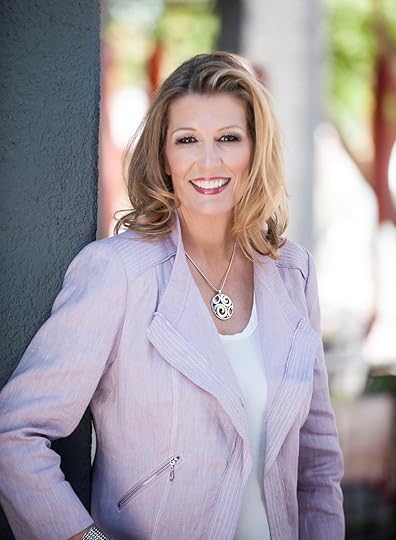
What prompted you to write Dating Radar?
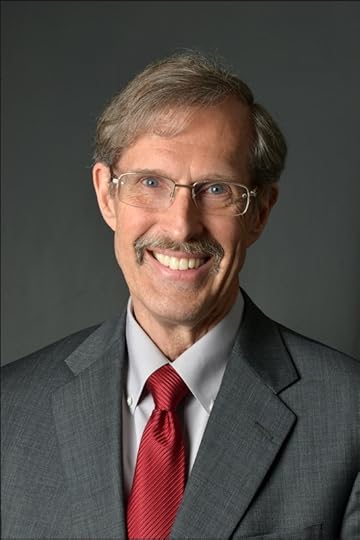
BILL: We have seen so many people blind-sided by a high-conflict partner, that we wanted to warn people of what to look for from the start. As we worked together over the past ten years with High Conflict Institute, we learned more and more about high conflict personality warning signs. We wanted to let people know in advance, before they made the big commitments. Megan wrote her book about “Bait and Switch,” and that is what catches people so much by surprise. The person turns out to be almost the opposite of the wonderful person they dated. We wanted to help them out earlier in the process.
MEGAN: Standing idly by, watching people suffer when we knew we had the knowledge and experience to help people identify and avoid toxic relationships, wasn't an option. These relationships are harmful emotionally on the lighter end of the spectrum and violent or even fatal on the opposite end. Bill and I have worked in family law for many years, watching an endless stream of people go through high-conflict divorce and custody battles, heavily damaging their children in the process. We've trained tens of thousands of professionals on methods for managing high-conflict cases but we knew we had to one day help people before they get pregnant, move in or marry a high-conflict partner.
How is this different from dating advice books?MEGAN: There are many good, even great, dating advice books on the market that are helpful in choosing a partner, telling us what to do when they cheat, and a myriad of relationship issues. Dating Radar is quite different in that we explicitly say that some people who look good on the surface are going to be harmful to you. And the very inviting and alluring things that make your heart go "wow!" are likely red flags that should make you run. For example, the spark felt at the beginning of a lot of high-conflict relationships is taken as a sign that you've found "the one", when it's actually a flashing neon sign saying, "beware!". Dating Radar digs beneath surface issues and hits on points that other books likely don't dare.
BILL: Most dating books don’t talk about personality disorders. This is really a hidden part of our society. We focus on what to watch out for to avoid getting into a high-conflict relationship. I think most dating books help you look for the person who is “compatible” with you. But what we learned—especially from the survey we did—was that so many high-conflict people show a fake compatibility. This is now one of the key warning signs we tell people to watch out for.
What is the most important concept you hope people take away from reading Dating Radar?BILL: Three parts: First, Learn the key patterns of high-conflict personalities—what your radar is looking out for. Then, learn the ways HCPs jam your radar—how they mislead you. Finally, learn your own blind spots and how to overcome them.
MEGAN: Ditto on what Bill said. And I hope that people, especially millennials, will grasp the opportunity to make intelligent romance decisions so they can avoid making the mistakes their parents made. Having good dating radar isn't rocket science, but you have to want the best for yourself and choose it. The formula is in the book. I look at it like the identity protection software, Life Lock. It protects your identifying information and alerts you when it's been compromised. Dating Radar protects your heart by identifying people who may be harmful to you.
Why don’t more people spot a potentially toxic soulmate from a mile away?BILL: Because they often jam people’s radar by seeming incredibly charming (that’s a warning sign now); seeming to be a “knight in shining armor” or “the life of the party;” seeming to have incredible compatibility (which may be fake); and people often want to be swept away because they are lonely, grieving a loss or have low self-esteem (these are blindspots).
MEGAN: People are so naive as a species. We take people at face value for what they tell us rather than watching their behaviors over time, and even then we go into denial about those less than stellar behaviors. We're often so desperate to be in a relationship that we're willing to compromise our safety and our children's future health and well-being. Like Bill said, we're drawn in by their charm and that charm tricks our brain into thinking that we've found "the one". Unfortunately, you're not "the one" to help them or fix them. High-conflict personalities are people who have long-standing patterns of negative relationship behavior. You may think you're "the one" who can help them or fix them, but you're really not. They need a different kind of help by someone skilled in that area.
Is there a quick way to figure out who will turn out to be an HCP and who won’t?BILL: Not really. That’s why we say wait a year before making any big commitments, like getting married or having a child. But some signs may turn up earlier for those who read the book.
MEGAN: I agree with Bill. It takes time; however, I've learned to watch for little hints that give people away quickly. For example, people who demand to be respected will use the word "respect" or "disrespect" a lot. They will eventually spend a lot of time putting you down. Another example is people who are overly sexual in the beginning--the outside the norm type that makes you go "hmmmmmmm.....that seemed off, odd, or excessive. They may eventually turn your incredible romance into exhausting chaos.
If you want to see if you're possibly dating or married to someone like this, you can take a quick test here.
How come we get roped into these relationships, sometimes repeatedly?BILL: I think this is often where the blind spots come in—especially if its repeatedly a problem. We found that many people saw warning signs, but ignored them for various reasons. Then they regretted that later on.
MEGAN: Blind spots—exactly! In most cases, as we experienced in our work and was validated in our online Dating Radar survey, most people overlook the warning signs even when they saw them. It's hard! Who doesn't like to be charmed and flattered? Wined and dined? Or told yo'u're the most beautiful, ravishing woman in the world? We desperately want to be in love, to be loved. So desperate that we downright stomp on the warning signs and proceed along fantasy boulevard thinking it'll all magically turn out alright. Rarely does that happen. Be strong! If you're tempted to be treated badly, go get some counseling to find out why you don't give yourself the same luxurious gift of a wonderful relationship when you know that you'd want that for your best friend. In fact, ask your best friend and others about your relationship, but you have to listen to them. Try it.
What do I do if I’ve already become caught up in one of the red-flag relationships?BILL: First of all, read Dating Radar. Then talk with a therapist or good friends about how to get out of the relationship, unless you choose to stay for some reason. Some people stay because of the kids, or the lifestyle, or out of guilt. But most who took our survey decided to get out. You just have to do it carefully. That’s why planning with a therapist or other good adviser can help.
MEGAN: I couldn't say it any better. I'd add that Bill and I have both been on the end of hundreds of phone calls, emails and personal conversations with people who stayed as long as they could. The conversation usually starts like this, "I've been doing it. I've tried everything. But I'm in a deep dark hole that has no escape and I just.......can't.......do.......it.......anymore." Depending on the risk of violence or any kind of abuse or harm, please take Bill's advice to seek a therapist or good friends about how to get out of the relationship.
P.S. If you don't believe us, read the survey results for yourself. You can see them here.
Please use your dating radar!
Bill Eddy, LCSW, Esq., and Megan Hunter, MBA are co-authors of Dating Radar: Why Your Brain Says Yes to "The One" Who Will Make Your Life Hell (Unhooked Books, 2017).
Interview with the Authors
1. What prompted you to write Dating Radar?
Bill: We have seen so many people blind-sided by a high-conflict partner, that we wanted to warn people of what to look for from the start. As we worked together over the past ten years with High Conflict Institute, we learned more and more about high conflict personality warning signs. We wanted to let people know in advance, before they made the big commitments. Megan wrote her book about “Bait and Switch,” and that is what catches people so much by surprise. The person turns out to be almost the opposite of the wonderful person they dated. We wanted to help them out earlier in the process.
2. How is this different from dating advice books?
Bill: Most dating books don’t talk about personality disorders. This is really a hidden part of our society. We focus on what to watch out for to avoid getting into a high-conflict relationship. I think most dating books help you look for the person who is “compatible” with you. But what we learned—especially from the survey we did—was that so many high-conflict people show a fake compatibility. This is now one of the key warning signs we tell people to watch out for.
3. What is the most important concept you hope people take away from reading Dating Radar?
Bill: Three parts: First, Learn the key patterns of high-conflict personalities—what your radar is looking out for. Then, learn the ways HCPs jam your radar—how they mislead you. Finally, learn your own blind spots and how to overcome them.
4. Why don’t more people spot a potentially toxic soulmate from a mile away?
Bill: Because they often jam people’s radar by seeming incredibly charming (that’s a warning sign now); seeming to be a “knight in shining armor” or “the life of the party;” seeming to have incredible compatibility (which may be fake); and people often want to be swept away because they are lonely, grieving a loss or have low self-esteem (these are blindspots).
5. Is there a quick way to figure out who will turn out to be an HCP and who won’t?
Bill: Not really. That’s why we say wait a year before making any big commitments, like getting married or having a child. But some signs may turn up earlier for those who read the book.
6. How come we get roped into these relationships, sometimes repeatedly?
Bill: I think this is often where the blind spots come in—especially if its repeatedly a problem. We found that many people saw warning signs, but ignored them for various reasons. Then they regretted that later on.
7. What do I do if I’ve already become caught up in one of the red-flag relationships?
Bill: First of all, read Dating Radar. Then talk with a therapist or good friends about how to get out of the relationship, unless you choose to stay for some reason. Some people stay because of the kids, or the lifestyle, or out of guilt. But most who took our survey decided to get out. You just have to do it carefully. That’s why planning with a therapist or other good adviser can help.