Writing Empathy
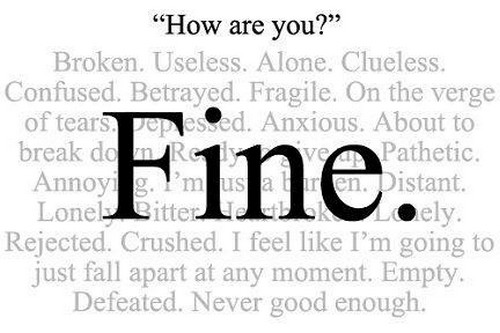
A long time ago, my friend tried to kill herself, and I was the last person to realize it. Later, someone once told me I was "robot" when it came to sympathy. My best friend's family was torn in two, and I wasn't there for her. Another friend biked 30 miles just to come home, and I was a sarcastic dick to him. My most bubbly, optimistic friend was so sad she stopped eating, and I didn't even see it. Recently, a boyfriend--one that I really cared about--told me, "I don't know what you're feeling, or even if you feel at all."
A hard truth; I suck at real feelings.
Able to give life to the full spectrum of human emotion, a writer is supposed to be sagacious of every feeling. Except, we put it in our writing so we don't feel bad about sucking at empathy. Or, at least, I did.
I wanted to show the people that I loved, friends and family, how much I really did care, that I was listening, and that I wanted to help. Truthfully, I cared so much it hurt, and I put it into my writing instead of into myself, because that was all I knew how to do. So, recently, I set out to learn a few things, express myself better, pay more attention and, above all, FEEL more. And, i think I really have learned something. For all of the other emotionally challenged writers out there, I've put down what I've learned from a lifetime of being "the last person to know";
It’s about THEM. When you’re trying to think of what you should say next or what you should do, or what they want to hear—stop. It’s not about you or your feelings or your validation of being a good friend, lover, spouse, family member. It’s about them. Focus on what they are feeling. What are they saying? What are they feeling? What is their face saying to you? What are their words saying to you? Be in the moment, be in their words. Be with their problems, where they need you to be; not in your own head.
There is no magic word. Our lives are not a Lifetime movie. There is no slogan or phrase that is suddenly going to make your friend feel better when their husband cheats on them. It’s a long, healing process that is filled with silent moments where you don’t know what to say. It’s ok. You don’t have to say anything. Listen.
Feel what they feel.
If you have smart friends, like I do, they've already thought of all the things they could do, or should’ve done, or will do from now on, just like you have. They don’t want a solution. Don’t offer one. They’ve told you how they feel and, more than likely, you’ve been in a similar situation before. It’s frustrating. It’s disappointing. It’s world-crushing. Say that you see how they feel, if they’re sad or angry or frustrated. And if you don’t, it’s ok—ask.
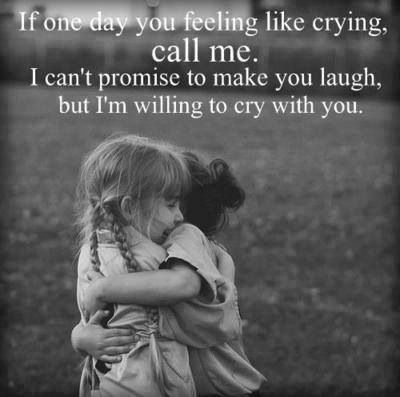
If you don’t know, ask.
There are some situations where you will never really know what your friend is feeling. When my friend, who was never depressed in her life, was suddenly not talking or even eating, I didn’t know what to do. But I was there. And if I could go back, I would’ve said; “ I can’t imagine what you are going through right now. But I want you to know that I am here for you, no matter what you need. Anything, you can count on me.”
For me, emotional writing scenes illustrated the way I always wanted to react towards friends or family in peril. Just once, I want to have the emotional intelligence that my characters have, and show to the real people in my life the same level of sympathy, care, consideration and strength my characters give. Maybe there isn't a magic word to say, but
I just want them to know that I care.
Whew. Glad I got that off my chest. On a side note, Soldier Sons Book 4: Son of the The Cull is coming soon. Events in Portland and Lansing, MI are schedule in August and I'm excited to present the finished books to fans! Come and see me at either event or email me (samstemler@gmail.com) to find out when the new books are coming out.


No comments have been added yet.