
Ten Ways To Have Fun Learning Mindfulness For Kids
Adults are often told to practice mindfulness when they are feeling that something in their lives is out of control. And while parents are told time and time again to practice mindfulness, it is often forgotten or put on the back burner when it comes to our children.
Teaching mindfulness for kids entails showing them the necessary skills needed in order for them to get important things out of all of their life experiences, which will ultimately help develop their overall awareness.
Mindfulness also gives children the tools to help them understand their thoughts, and how their emotions affect their bodies and behaviors. In other words, mindfulness for kids teaches them how to calm down after being upset, as well as how to make decisions easier and more independently, and it also helps them to pay attention.
Mindfulness for kids teaches children to be in the present. Now, let's take a look at 10 ways to teach mindfulness for kids in ways that are fun!
1. Teach Mindfulness To Kids By Using A Bell

The objective here is to teach kids what is happening in their surroundings. One of the best way to do this is by having a bell, wind chimes, or even an app on the smartphone with bell sounds.
As an activity, try ringing the bell for thirty seconds to a minute. The idea here is for your child to listen to the bell until they can no longer hear it.
The act of them being so in their body, and in their environment will cause them to really pay close attention to what they are listening to for once. The act of concentration here has a fantastic calming effect on them.
2. Body Scans For Bedtime Are Fun
Another great mindfulness activity to try out with your kids is body scanning!
Try this: right before bedtime, tell your kids to close their eyes and visualize their bodies from their heads to their toes, without looking, and no peeking!
Studies have shown that this act of mental visualization in children is a great meditation tactic that will teach mindfulness to kids as well as adults!
If this sounds like something you'd be interested to try, then make sure that you check out the free parents & carers body scanning instructions download at the following link: download is accessible
3. Stuffed Animals Make Great Breathing Buddies

Another great tip to try is mindful breathing!
Often, kids need to be taught breathing techniques in order for them to learn mindfulness, and a great way to do that is for them to have a breathing buddy which can be a stuffed animal.
The kids will be instructed to lie on the floor, and have their favorite stuffed animal placed on top of their stomachs. As the kids breathe in and out, they can watch their plushie go up and down with their inner body rhythms.
Parents can try this one too - get your kid to choose a cuddly toy breathing buddy for you as well!
4. Mindful Walks
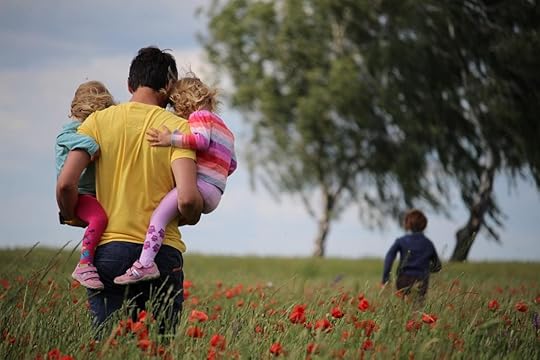
Another great task to try out is simply taking in nature with your kids.
Try this: Take walks with your kids and stay silent while they are encouraged to listen to what is happening in the environment around them.
Some ideas for your walks involve letting them hear the birds and crickets chirping, cars driving on the neighborhood roads, or if the walk is happening on mild winter days, they can listen to the ice dripping.
You'll be amazed at how much your kids will notice that they don't normally pay attention to. You may well find that your kids can pick up on more sounds than you - their hearing will be better after all!
5. Gratitude Goes A Long Way
Another great tip is to simply remind your kids to be thankful, not all children are as fortunate as they are.
Kids are usually always looking forward to the next treat or toy. However, having them focus on what they have and showing gratitude for it can be an effective tool for mindfulness.
Try this: Kids should be encouraged to list 3 things to be thankful for before they go to bed each night. This is something that you can do with them - what 3 things would you say that you are most thankful for?
6. Check Their Inner Weather

And now we're onto the concept of our 'inner weather...
Kids are great at imagining things and introducing the idea that they have their own inner weather can be a great tool to help them visualize their different thoughts and feelings. Kids must get to know their emotions and feelings and learn to respect them.
Try this: encourage your kids to describe their feelings as if they were a weather report. If they are happy, then the sun is shining. If they are sad, then it's raining and overcast.
This way, kids can understand their emotions and realize that they cannot control how they feel, in the same way that the weather outside cannot be controlled.
This is another great task that all you parents can try as well - you'll be surprised how helpful it can be!
7. Mindful Eating Is Helpful

This point we cannot stress enough! They say you are what you eat, and it's true for your body as well as your mind.
Even though healthy eating should be taught to kids from day one, mindful eating is rarely ever talked about.
Teaching mindful eating to kids encourages them to savor each bite of delicious food they take in so they appreciate it. Again, very much teaching them to be in their body, in the present, and in the moment.
For example, if they are eating ice cream, they should be encouraged to savor each bite instead of wolfing it down at once!
8. Create A Meditation Routine

A great idea for learning any new practice is to try to get into some sort of regular routine with it.
With this in mind, one great way to help you practice what you are preaching to the kids is by meditating and practicing mindfulness yourself. And let's be honest here, most parents could use a bit of mindfulness at times!
Why not do an exercise together such as meditating all at once as a family? Add meditation time with the kids into your daily schedule, and it will soon be an enjoyable experience and part of your normal routine.
9. A Mind Jar Is A Great Comparison Tool

Mind jars are a fantastic idea for kids, and look - so pretty!
A mind jar is just like a snow globe, where you shake it and the storm inside is created. Again, such a great visual metaphor for kids.
Try this: allow your kids to watch the jar calm down inside as time elapses. They can compare the mind jar to the stuff they are feeling in their minds - such as things that are either upsetting them or exciting them.
Eventually, it calms down like the snow globe!
10. Keep It Simple

Lastly, one of the most important things to hold onto when practicing mindfulness (whatever your age) is to just keep it nice and simple.
The best way to effectively teach mindfulness for kids is by using simple words, such as 'notice' and 'being aware', and 'awareness'. This may not necessarily be 'fun' at first, but it is the easiest way for kids to grasp it.
Remember that it is never too early to teach mindfulness for kids!
The earlier they learn to live in the present and be in touch with their emotions and their bodies, the better off they will be in the long run. They will have an easier time being successful and will be well-adjusted people.
Good luck parents!
Teaching mindfulness for kids entails showing them the necessary skills needed in order for them to get important things out of all of their life experiences, which will ultimately help develop their overall awareness.
Mindfulness also gives children the tools to help them understand their thoughts, and how their emotions affect their bodies and behaviors. In other words, mindfulness for kids teaches them how to calm down after being upset, as well as how to make decisions easier and more independently, and it also helps them to pay attention.
Mindfulness for kids teaches children to be in the present. Now, let's take a look at 10 ways to teach mindfulness for kids in ways that are fun!
1. Teach Mindfulness To Kids By Using A Bell
The objective here is to teach kids what is happening in their surroundings. One of the best way to do this is by having a bell, wind chimes, or even an app on the smartphone with bell sounds.
As an activity, try ringing the bell for thirty seconds to a minute. The idea here is for your child to listen to the bell until they can no longer hear it.
The act of them being so in their body, and in their environment will cause them to really pay close attention to what they are listening to for once. The act of concentration here has a fantastic calming effect on them.
2. Body Scans For Bedtime Are Fun
Another great mindfulness activity to try out with your kids is body scanning!
Try this: right before bedtime, tell your kids to close their eyes and visualize their bodies from their heads to their toes, without looking, and no peeking!
Studies have shown that this act of mental visualization in children is a great meditation tactic that will teach mindfulness to kids as well as adults!
If this sounds like something you'd be interested to try, then make sure that you check out the free parents & carers body scanning instructions download at the following link: download is accessible
3. Stuffed Animals Make Great Breathing Buddies
Another great tip to try is mindful breathing!
Often, kids need to be taught breathing techniques in order for them to learn mindfulness, and a great way to do that is for them to have a breathing buddy which can be a stuffed animal.
The kids will be instructed to lie on the floor, and have their favorite stuffed animal placed on top of their stomachs. As the kids breathe in and out, they can watch their plushie go up and down with their inner body rhythms.
Parents can try this one too - get your kid to choose a cuddly toy breathing buddy for you as well!
4. Mindful Walks
Another great task to try out is simply taking in nature with your kids.
Try this: Take walks with your kids and stay silent while they are encouraged to listen to what is happening in the environment around them.
Some ideas for your walks involve letting them hear the birds and crickets chirping, cars driving on the neighborhood roads, or if the walk is happening on mild winter days, they can listen to the ice dripping.
You'll be amazed at how much your kids will notice that they don't normally pay attention to. You may well find that your kids can pick up on more sounds than you - their hearing will be better after all!
5. Gratitude Goes A Long Way
Another great tip is to simply remind your kids to be thankful, not all children are as fortunate as they are.
Kids are usually always looking forward to the next treat or toy. However, having them focus on what they have and showing gratitude for it can be an effective tool for mindfulness.
Try this: Kids should be encouraged to list 3 things to be thankful for before they go to bed each night. This is something that you can do with them - what 3 things would you say that you are most thankful for?
6. Check Their Inner Weather
And now we're onto the concept of our 'inner weather...
Kids are great at imagining things and introducing the idea that they have their own inner weather can be a great tool to help them visualize their different thoughts and feelings. Kids must get to know their emotions and feelings and learn to respect them.
Try this: encourage your kids to describe their feelings as if they were a weather report. If they are happy, then the sun is shining. If they are sad, then it's raining and overcast.
This way, kids can understand their emotions and realize that they cannot control how they feel, in the same way that the weather outside cannot be controlled.
This is another great task that all you parents can try as well - you'll be surprised how helpful it can be!
7. Mindful Eating Is Helpful
This point we cannot stress enough! They say you are what you eat, and it's true for your body as well as your mind.
Even though healthy eating should be taught to kids from day one, mindful eating is rarely ever talked about.
Teaching mindful eating to kids encourages them to savor each bite of delicious food they take in so they appreciate it. Again, very much teaching them to be in their body, in the present, and in the moment.
For example, if they are eating ice cream, they should be encouraged to savor each bite instead of wolfing it down at once!
8. Create A Meditation Routine
A great idea for learning any new practice is to try to get into some sort of regular routine with it.
With this in mind, one great way to help you practice what you are preaching to the kids is by meditating and practicing mindfulness yourself. And let's be honest here, most parents could use a bit of mindfulness at times!
Why not do an exercise together such as meditating all at once as a family? Add meditation time with the kids into your daily schedule, and it will soon be an enjoyable experience and part of your normal routine.
9. A Mind Jar Is A Great Comparison Tool
Mind jars are a fantastic idea for kids, and look - so pretty!
A mind jar is just like a snow globe, where you shake it and the storm inside is created. Again, such a great visual metaphor for kids.
Try this: allow your kids to watch the jar calm down inside as time elapses. They can compare the mind jar to the stuff they are feeling in their minds - such as things that are either upsetting them or exciting them.
Eventually, it calms down like the snow globe!
10. Keep It Simple
Lastly, one of the most important things to hold onto when practicing mindfulness (whatever your age) is to just keep it nice and simple.
The best way to effectively teach mindfulness for kids is by using simple words, such as 'notice' and 'being aware', and 'awareness'. This may not necessarily be 'fun' at first, but it is the easiest way for kids to grasp it.
Remember that it is never too early to teach mindfulness for kids!
The earlier they learn to live in the present and be in touch with their emotions and their bodies, the better off they will be in the long run. They will have an easier time being successful and will be well-adjusted people.
Good luck parents!


No comments have been added yet.
Good Children's Stories

Having grown up in Brooklyn, US, Olivia Spring, herself being a mother of two toddlers, realizes how crucial it is in a child's upbringing to make sure that they know how to tackle the challenges life
...more
- Olivia Spring's profile
- 6 followers

