
Seven Great Lessons You Can Learn From Kids Books
As many adults will already know, some of the best life lessons we ever learn come from the books that we read or are read to as children. The stories we read as children have a tendency to stick with us all the way into adulthood.
In this way, we come to realize that kid's books are not only great for kids, but they also have value for adults. For us adults, the value of children's books goes beyond the many excellent life lessons that they provide. There is something even more magical that kid's books offer us - they remind us to stop being so serious, they encourage us to widen our imagination as we used to do as children, and they allow us, for just a few moments, to be kids again.
If you are unsure of what kind of value, life lessons or mindfulness that you can experience from reading the odd kids book now and then, then you're in the right place. Here are our top seven invaluable lessons that we can learn from children's books, even as adults...
1. Embrace Your Individuality

First up on our list of valuable things we can learn from reading children's books, we have a pretty important life lesson that so many of us continue to struggle with throughout adulthood...
Embrace your individuality. This may sound fairly simple, but the reality is that as adults, we are trained to suppress much of our creative and unique traits. We are taught by society that we should all fit into the same box, the same beauty standers, and to conform to the same social rules and norms.
However, luckily for us adults, there are so many kids' books out there that share the value of not suppressing your own individuality for the sake of conforming. Sure, you have to conform to certain rules. Especially those that we would like to teach to our children. However, never suppress your own uniqueness.
If you feel like you need a refresher course in embracing all of your weirdness & individuality, then we'd recommend checking out The Giver written by Lois Lowry. The main character of the book, Jonas, has had to learn this lesson in the book. I think we'd all agree that he isn't alone.
2. Paying It Forward
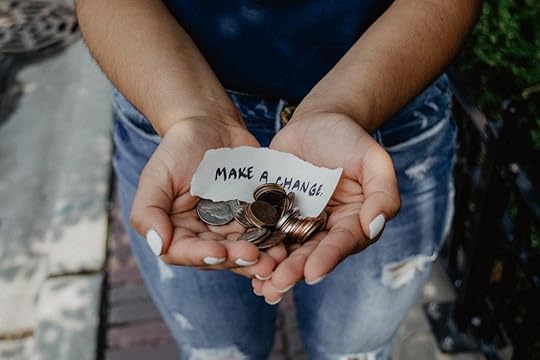
The second great lesson that we adults can learn from reading children's books is to remember our privilege. As much as we may think we're 'woke' or socially aware of how good we have it in comparison to the rest of the world, it's a different thing entirely to actually do something about it.
You know that you get a lot out of life when you give to others which is what paying good deeds forward is about. As adults, we could all stand to do more with the power that we have. Instead of just talking about what's wrong with the world, let's pay it forward more. Whether it's just buying a cup of coffee for a homeless person, or volunteering at a soup kitchen - every little bit makes a difference.
In Charlotte's Web written by E.B. White, this lesson is highlighted with how generous and kind the spider really was - going beyond simply eating flies to keep them away.
3. Never Let Anyone Tell You That You Cannot Do It

The third life lesson that is so often taught in kid's books that adults could all do with remembering is that you can do anything that you put your mind to, and if anyone tells you that you can't, then you don't need them in your life.
Unfortunately, as adults, the reality is that all too many of us have been victim to listening to naysayers who don't believe in our abilities. There comes a certain point in life however, usually the older that you get, where you need to cut these people out. Toxic friendships or relationships where the other person just fuels your hopes & dreams with negativity, constantly bringing you down is something that you don't need to put up with.
For example, in The Secret Garden by Frances Hodgson, the main character Mary helps her disabled cousin Colin to walk again. This is a sign that with work and perseverance, you can do anything. And with strength, you will learn not to allow others to take that away from you.
4. Knowledge Is Power

Lesson four is as straightforward as they come. It's that age-old toss-up of brains vs brawn. Unfortunately for many of us, as children in the schoolyard, brawn wins over brains 99% of the time. However, as we move into adulthood, the game begins to change.
For example, in Matilda written by Roald Dahl, the character Matilda is very witty and knowledgable. However, even though she is constantly bullied and picked on, she uses her knowledge to give her a different perspective than those who pick on her do.
5. Appreciate The Moments Given To You

This one is pretty important, and something that we should always try to hold in the back of our minds, no matter how tough things seem to get. At the end of the day, no matter what's going on in our personal lives, and no matter how bad things are at work, life is short and you want to make the most of every moment that you have.
In several kids' books, such as The Phantom Tollbooth written by Norton Juster, this example is set by sharing how not a single moment should ever be taken for granted. The main character Milo did not appreciate the moments he had when he was in his magical land, and when he could not return there, he regretted this.
6. Helps Those In Need Who Are Not As Fortunate As You
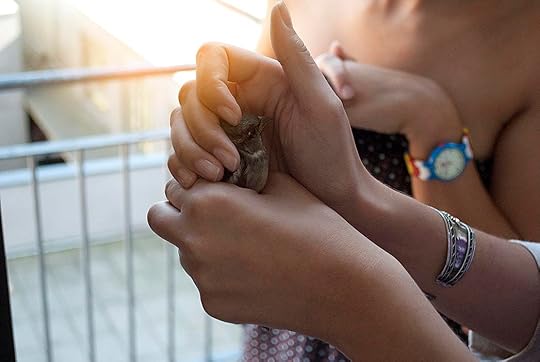
Lesson number six on our list of life lessons to learn from kid's books is something that we should all do more to achieve. The simple act of kindness can go such a long way. Particularly as adults, we need to keep in mind not to judge others when you don't know what's going on for them. Any of us can end up in a tough situation.
It is easy to pity those who are less fortunate than you but compassion brings it to a new level. In Dr. Suess' Horton Hears A Who! Horton is the main character who finds out how much meaning a piece of dust can have when he meets the critters of Whoville that are microscopic. In other words, a person is a person no matter how small or insignificant they seem to be.
7. Speak And Live Your Truth
Lastly, it's so, so important to be true to yourself. This is something that we are taught as children, but that we have to unlearn as adults in order to 'conform' to society's expectations of us.
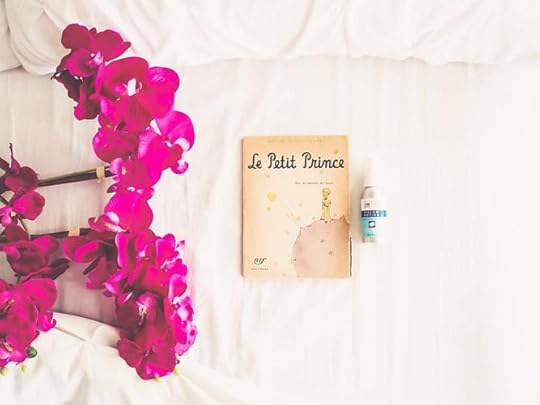
The fact of the matter is, you cannot live a life that is not true to you or use words that are not fitting to your own truth. The Little Prince by Antoine de Saint Exupery. The main character had a love for this rose but doubted this when he saw others just like the rose. A wise fox had told him that the love he had for the rose is what made her unique to him and for him to go back to the rose because that was his truth.
So there you have it - seven invaluable life lessons from children's books that we adults would do well to remember, to re-learn and to embrace.
When it comes to kids' books, not only will children learn these lessons but so will their parents. It's so important to be reminded of the things in life that seem so small, but in reality, they are really, really big.
In this way, we come to realize that kid's books are not only great for kids, but they also have value for adults. For us adults, the value of children's books goes beyond the many excellent life lessons that they provide. There is something even more magical that kid's books offer us - they remind us to stop being so serious, they encourage us to widen our imagination as we used to do as children, and they allow us, for just a few moments, to be kids again.
If you are unsure of what kind of value, life lessons or mindfulness that you can experience from reading the odd kids book now and then, then you're in the right place. Here are our top seven invaluable lessons that we can learn from children's books, even as adults...
1. Embrace Your Individuality
First up on our list of valuable things we can learn from reading children's books, we have a pretty important life lesson that so many of us continue to struggle with throughout adulthood...
Embrace your individuality. This may sound fairly simple, but the reality is that as adults, we are trained to suppress much of our creative and unique traits. We are taught by society that we should all fit into the same box, the same beauty standers, and to conform to the same social rules and norms.
However, luckily for us adults, there are so many kids' books out there that share the value of not suppressing your own individuality for the sake of conforming. Sure, you have to conform to certain rules. Especially those that we would like to teach to our children. However, never suppress your own uniqueness.
If you feel like you need a refresher course in embracing all of your weirdness & individuality, then we'd recommend checking out The Giver written by Lois Lowry. The main character of the book, Jonas, has had to learn this lesson in the book. I think we'd all agree that he isn't alone.
2. Paying It Forward
The second great lesson that we adults can learn from reading children's books is to remember our privilege. As much as we may think we're 'woke' or socially aware of how good we have it in comparison to the rest of the world, it's a different thing entirely to actually do something about it.
You know that you get a lot out of life when you give to others which is what paying good deeds forward is about. As adults, we could all stand to do more with the power that we have. Instead of just talking about what's wrong with the world, let's pay it forward more. Whether it's just buying a cup of coffee for a homeless person, or volunteering at a soup kitchen - every little bit makes a difference.
In Charlotte's Web written by E.B. White, this lesson is highlighted with how generous and kind the spider really was - going beyond simply eating flies to keep them away.
3. Never Let Anyone Tell You That You Cannot Do It
The third life lesson that is so often taught in kid's books that adults could all do with remembering is that you can do anything that you put your mind to, and if anyone tells you that you can't, then you don't need them in your life.
Unfortunately, as adults, the reality is that all too many of us have been victim to listening to naysayers who don't believe in our abilities. There comes a certain point in life however, usually the older that you get, where you need to cut these people out. Toxic friendships or relationships where the other person just fuels your hopes & dreams with negativity, constantly bringing you down is something that you don't need to put up with.
For example, in The Secret Garden by Frances Hodgson, the main character Mary helps her disabled cousin Colin to walk again. This is a sign that with work and perseverance, you can do anything. And with strength, you will learn not to allow others to take that away from you.
4. Knowledge Is Power
Lesson four is as straightforward as they come. It's that age-old toss-up of brains vs brawn. Unfortunately for many of us, as children in the schoolyard, brawn wins over brains 99% of the time. However, as we move into adulthood, the game begins to change.
For example, in Matilda written by Roald Dahl, the character Matilda is very witty and knowledgable. However, even though she is constantly bullied and picked on, she uses her knowledge to give her a different perspective than those who pick on her do.
5. Appreciate The Moments Given To You
This one is pretty important, and something that we should always try to hold in the back of our minds, no matter how tough things seem to get. At the end of the day, no matter what's going on in our personal lives, and no matter how bad things are at work, life is short and you want to make the most of every moment that you have.
In several kids' books, such as The Phantom Tollbooth written by Norton Juster, this example is set by sharing how not a single moment should ever be taken for granted. The main character Milo did not appreciate the moments he had when he was in his magical land, and when he could not return there, he regretted this.
6. Helps Those In Need Who Are Not As Fortunate As You
Lesson number six on our list of life lessons to learn from kid's books is something that we should all do more to achieve. The simple act of kindness can go such a long way. Particularly as adults, we need to keep in mind not to judge others when you don't know what's going on for them. Any of us can end up in a tough situation.
It is easy to pity those who are less fortunate than you but compassion brings it to a new level. In Dr. Suess' Horton Hears A Who! Horton is the main character who finds out how much meaning a piece of dust can have when he meets the critters of Whoville that are microscopic. In other words, a person is a person no matter how small or insignificant they seem to be.
7. Speak And Live Your Truth
Lastly, it's so, so important to be true to yourself. This is something that we are taught as children, but that we have to unlearn as adults in order to 'conform' to society's expectations of us.
The fact of the matter is, you cannot live a life that is not true to you or use words that are not fitting to your own truth. The Little Prince by Antoine de Saint Exupery. The main character had a love for this rose but doubted this when he saw others just like the rose. A wise fox had told him that the love he had for the rose is what made her unique to him and for him to go back to the rose because that was his truth.
So there you have it - seven invaluable life lessons from children's books that we adults would do well to remember, to re-learn and to embrace.
When it comes to kids' books, not only will children learn these lessons but so will their parents. It's so important to be reminded of the things in life that seem so small, but in reality, they are really, really big.


No comments have been added yet.
Good Children's Stories

Having grown up in Brooklyn, US, Olivia Spring, herself being a mother of two toddlers, realizes how crucial it is in a child's upbringing to make sure that they know how to tackle the challenges life
...more
- Olivia Spring's profile
- 6 followers

