The blurbs are in for Hot, Hot Chicken, and y'all ...
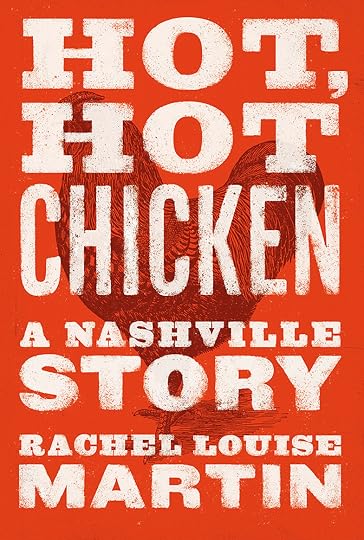 When my publisher asked me who I wanted to have write blurbs for
Hot, Hot Chicken
, I never dared dream as high as they did.
When my publisher asked me who I wanted to have write blurbs for
Hot, Hot Chicken
, I never dared dream as high as they did. I'm so thankful they did not pay attention to my recommendations.
Because Carla Hall, Maneet Chauhan and Psyche Williams-Forson?
All three of them had something good to say about my soon-to-be book?
I'm blown away.
Just check it out:
“Focusing on a single dish and the branches of the Prince family who created it, Rachel Louise Martin uses Nashville's signature, world-famous hot chicken to guide us through the history of a quintessential southern American town. This book serves as a comprehensive guide to a great city and to the people who were positively influenced by the very African American culture it sought, so often, to undermine. The delicacy of hot chicken is a thread between two cultures and gives historical perspective to this culinary craze.”
—Carla Hall, chef and author of Carla Hall's Soul Food: Everyday and Celebration
“Nashville hot chicken is what best represents the soul of the city, and Rachel Martin describes its storied history. With a crunchy, spicy exterior, and a warm, melting center, it embodies what Nashville is all about.”
—Maneet Chauhan, James Beard Award–winning chef, TV personality, restaurateur, and author of Chaat
“Historically, when we have heard about chicken and African American communities, it is from the perspective of stereotypes and offenses. Rachel Louise Martin has joined the voices that are turning the tide on recognizing the many contributions made by African Americans to cooking ‘the gospel bird.’ From their migration to Nashville to the present, Martin has shared the story of the Prince family and their place in history as the primary creators of the hot chicken phenomena. This is exciting reading filled with nuggets of African American histories of food, taste, labor, economics, race, gender, place, region, community, and so much more. It is at the same time a gastronomic study, memoir, and illumination of perseverance as much as it is about the ways culinary landscapes can be contentious and even triumphant. It can and should be taught in courses on entrepreneurship, labor, storytelling, material culture, and regionalism, among so many others. And, it absolutely is a food history that should be read by all!”
—Psyche Williams-Forson, author of Building Houses out of Chicken Legs: Black Women, Food, and Power
All I can say to that is hot diggety dog (or should that be hot diggety chicken?)


No comments have been added yet.