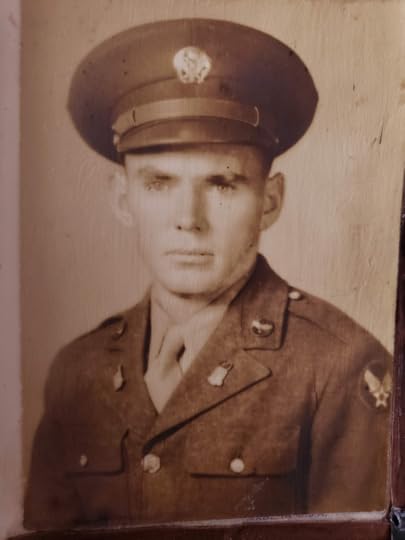
U.S. Army basic training
Tens of thousands of young men and women were recruited and drafted into the ranks of the US military services during America's extended engagement in the Vietnam conflict, which lasted from 1965 to 1973. They were sent overseas to fight in battle or provide support in various ways. Regardless of whether you were involuntarily conscripted or signed up to choose your own professional path, you had to go through training, which was a harrowing and unforgettable experience.
During the Vietnam War, the basic training program required 352 total hours of instruction, or 44 hours per week for eight weeks. However, trainees who completed the program noted that the education, physical and emotional obstacles, and courses took significantly longer than was technically required. After that, trainees went through the next eight weeks of advanced training before being sent to the front lines or to whatever position they were eventually assigned. Here's a glimpse at what it was like to go through basic training during Vietnam, from hand-to-hand combat and bayonet training to running miles every day in full gear and hitting the firing range, based on the recollections and stories of soldiers who really went through the experience.
Recruits wore their gear nearly every time they went out to jog, march, camp, or do any other drill. This included a gun, a uniform, boots, and a rucksack. They would sometimes bring rain gear and helmets with them. Soldiers were trained for real-world conditions on the front lines, thus this added a layer of difficulty to already demanding tasks.
Waking up early may have been one of the most difficult learning curves and life changes for recruits who were not acclimated to the tough physical demands of basic training. They had no choice but to become accustomed to it, and it frequently occurred before morning. Trainees appeared to be expected to wake up at 5 a.m. every day, rain or shine. When recruits awoke, the first thing on their minds wasn't food from the mess hall or a cup of coffee. Instead, they had no choice but to lace up their boots and run an average of 5 to 6 miles before being able to eat breakfast. Running wasn’t the only required exercise recruits had to endure before getting to eat. In some training camps, before each meal, trainees were required to regularly cross the horizontal ladder, often known as monkey bars. It was a difficult task, and one that may have put a strain on your hands.
New recruits were also given the basic lessons they'd need to serve in the American armed forces in between hours upon hours of physical training, referred to as PT for short. Lessons on conduct, behavior, basic medical knowledge, and other non-physical lessons were included in this training.
Recruits would also have to march out to the firing range almost every day, which was often located far away from the rest of the training grounds or barracks at some forts. The ranges were occasionally on the beach, and recruits were sometimes obliged to camp there, which meant they had to bring all of their belongings.
Hand-to-hand combat was taught to recruits for eight hours throughout basic training, with the goal of instilling confidence in their ability when they were confronted with a close-quarters fighting situation. Grappling, pugil stick workouts, and bayonet training were all part of the regimen. While calisthenics and other types of physical fitness regimens have largely replaced bayonet training in modern basic training, it was a key element of the drills for recruits during Vietnam. Although the last time the US military led a bayonet charge was during the Korean War in 1951, bayonets were still utilized in interpersonal combat scenarios. While they all trained and practiced with their bayonets, the drill instructors drove home the need of being good, efficient soldiers.
For recruits, the true amount of physical training, or PT, was astonishing, and among the most challenging components of that training were confidence and obstacle courses. Overhead bars, wall climbs, jumping jacks, and rope climbing were among the tasks, which were often done in excruciatingly uncomfortable circumstances with temps approaching 100 degrees or plunging below freezing. To advance to Advanced Individual Training, the last task was to complete all of the obstacle courses in a certain amount of time.
During the Vietnam War, the general objective of basic training was to turn citizens into soldiers in a short length of time so they could be transported off to help in the battle, whether or not they were truly ready. This entailed hardening the recruits and exposing them to what they could face in the field.
Recruits didn't have it any easier when it came to eating than they had throughout training. To even go inside the mess hall, they had to follow a very particular procedure and routine, and drill instructors would scream at them to eat quicker - or eat less for recruits who needed to lose weight. The trainees who cooked the meals and cleaned up afterward - whether in the mess hall or out in the woods after bivouac training sessions - had it even worse because such jobs were among the most despised. It was known as KP duty (kitchen police duty) and it was a job that everyone in basic training had to complete. The obligation was rotated among the different recruits. It was, however, also employed as a form of punishment for trainees who didn't perform as well as they should, misbehaved, or complained to superiors and instructors.
Despite the fact that basic training and the eight weeks of advanced training were frantic, tough, and physically demanding, many trainees still had some free time at the end of the day. They kept loneliness and homesickness at bay by connecting over mail, gifts, and tales from home during these hours.