Bowen Basin Barrier: Discovering the barrier of the Bowen Basin.

The Bowen Basin Barrier, located in Queensland, Australia, is a significant geological feature that serves not only as a natural division in the landscape but also plays a crucial role in the region’s mining and environmental dynamics. It represents an important area for both ecological balance and resource extraction. The barrier derives its name from the underlying Bowen Basin, which is known for its vast coal deposits and rich biodiversity. In this article, we will explore the characteristics, significance, and implications of the Bowen Basin Barrier on the surrounding ecosystems and local economies.
Understanding the Bowen Basin Barrier

The Bowen Basin Barrier is characterized by its distinct geological formations that influence the local climate and biodiversity. This barrier is not merely a physical obstruction; it plays a multifaceted role in shaping the environment. Its elevation and elevation gradient impact local weather patterns, altering rainfall distribution and temperature variations. Additionally, the unique flora and fauna found in this region contribute to a diverse ecosystem, essential for maintaining ecological balance. The barrier also serves as a critical watershed area, providing water resources to both local communities and surrounding agricultural regions.
The Geological Formation of the Barrier
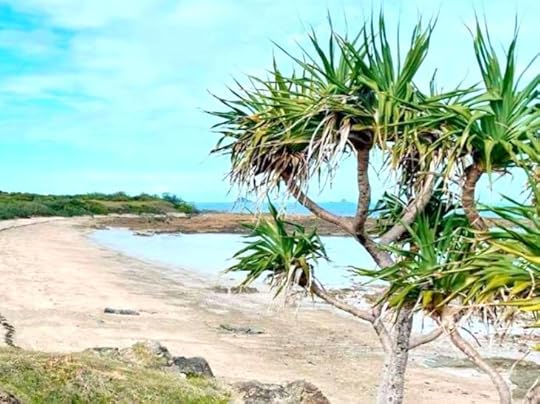
The Bowen Basin itself is a significant sedimentary basin formed during the Permian period, consisting of various rock types that display the history of the region’s geological evolution. The Bowen Basin Barrier arises from ancient tectonic movements that created a series of uplifts, giving rise to its rugged terrain. This geological history is essential not only for understanding the formation of coal deposits but also for recognizing the barrier’s role in the region’s water catchment systems. Each layer of rock reveals intricate details about the earth’s past, providing insights into ancient climatic conditions and biodiversity. Over millions of years, erosion has sculpted the landscape, creating the high ridges and deep valleys we see today. The interplay between geological processes and environmental factors makes the Bowen Basin Barrier a fascinating subject of study for geologists and ecologists alike.
Ecological Importance of the Bowen Basin Barrier
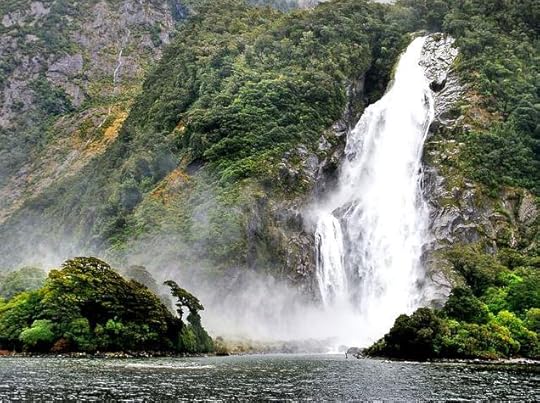
The ecological importance of the Bowen Basin Barrier cannot be overstated. It serves as a vital habitat for numerous species, some of which are endemic to the region. The diverse vegetation types found here range from grasslands to dense forest, supporting a variety of wildlife, including birds, mammals, and reptiles. Conservation efforts are crucial in this area, as the ecological integrity of the barrier is threatened by mining activities and land clearing. The barrier also acts as a refuge for species displaced by habitat loss in surrounding areas, helping to sustain biodiversity. Furthermore, the natural processes occurring within the barrier contribute to soil health and water filtration, ultimately supporting agricultural productivity in nearby regions. Without thoughtful management, the balance between resource extraction and ecological preservation could be severely disrupted.
Socioeconomic Impacts of the BarrierThe Bowen Basin Barrier holds significant socioeconomic implications for the local communities. Its proximity to rich coal deposits has spurred extensive mining activities, leading to both opportunities and challenges. On one hand, mining provides jobs and economic growth, bolstering local industries and infrastructure development. On the other hand, it raises concerns about environmental degradation, air quality, and water resources. Balancing economic development with environmental stewardship is a continuous challenge for policymakers. A comprehensive approach that involves community engagement and sustainable practices can help mitigate negative impacts while maximizing economic benefits. Moreover, the barrier’s role in providing ecosystem services, such as water regulation and carbon storage, is increasingly being recognized as invaluable to the long-term viability of the region’s communities and industries.
Future Considerations for the Bowen Basin BarrierAs the landscape of the Bowen Basin continues to evolve, it is essential to consider future strategies for managing and preserving the Bowen Basin Barrier. Ongoing monitoring of environmental impacts, coupled with adaptive land-use planning, is vital to safeguard this unique geologic and ecological asset. The integration of green technologies and sustainable practices in mining operations can reduce environmental footprints while still meeting energy demands. Additionally, fostering partnerships between stakeholders, including government agencies, local communities, and conservation organizations, can help promote an integrated approach to resource management. By implementing conservation measures and promoting public awareness, the legacy of the Bowen Basin Barrier can be preserved for future generations to appreciate and benefit from. Ongoing research will also play a crucial role in understanding the long-term effects of climate change on this sensitive ecosystem.
ConclusionIn summary, the Bowen Basin Barrier is more than just a physical landmark; it is a vital component of the ecosystem with profound implications for both the environment and the economy. Understanding its geology, ecology, and socioeconomic impact is essential for ensuring its preservation and responsible management. As we face the challenge of balancing resource extraction with ecological integrity, community involvement and innovative solutions will be key to maintaining the health of this diverse and important region.
FAQsThe Bowen Basin Barrier is a geological and ecological feature in Queensland, Australia, serving as a natural division in the landscape and supporting rich biodiversity and significant coal deposits.
2. Why is the Bowen Basin Barrier important for the ecosystem?It provides habitat for various species, helps maintain biodiversity, acts as a crucial watershed, and contributes to soil health and water filtration, benefiting both the environment and local agriculture.
3. How does mining affect the Bowen Basin Barrier?Mining activities can lead to habitat destruction and environmental degradation, impacting local ecosystems and the quality of air and water, making balancing resource extraction and conservation imperative.
4. What strategies are being considered for the future of the Bowen Basin Barrier?Future strategies may include sustainable mining practices, enhanced conservation efforts, community engagement, and ongoing research to monitor environmental changes and impacts.
5. What role does the Bowen Basin Barrier play in local communities?It supports local economies through job creation in mining while also providing essential ecosystem services that sustain agriculture and community well-being.
The post Bowen Basin Barrier: Discovering the barrier of the Bowen Basin. appeared first on .