Ryan S. Kennedy's Blog
May 31, 2025
What Should I Buy for My First Ski Trip?
First ski trip, hey? Giddy-up! Whether you’re eyeing Mt Buller, Perisher, or planning to cross the ditch for a crack at Queenstown, I reckon you’re in for a ripper time. But before you can carve up the slopes, there’s the all-important ski gear and packing list to sort. And let me tell you from experience – you don’t want to be that poor sod trying to strap into a pair of boots that feel like medieval torture devices.
I still remember my first mount Buller trip. Took off from Melbourne with a boot-sized suitcase, my cousin’s puffy jacket, and a borrowed pair of ski gloves that looked warm but soaked through by lunchtime. Rookie error. So if you’re wondering “what should I buy for my first ski trip?” – pull up a chair and let’s run through the essentials with the kind of no-BS advice I wish someone had given me.
Warm, Dry and Not Miserable1. Base Layers That Actually Work
Don’t mess around here. Cotton is a bad idea. It soaks up sweat and leaves you colder than a politician’s handshake. Look for:
Merino wool or thermal synthetic tops and leggingsAt least two sets so you’ve got a dry backupMoisture-wicking, quick-drying fabrics (check the tag!)2. Mid Layers for Versatility
You want to be warm, but not feel like a burrito. A fleece jumper or a lightweight insulated jacket is perfect.
Microfleece or down fill (packable is great)Avoid bulky fashion jumpers that don’t breathe3. Outer Layers: Waterproof Jacket & Ski Pants
If you’re only buying one thing new, make it these. Rental ski clothing is hit-and-miss and a good snow jacket will last years.
10,000mm waterproof rating minimumSealed seams and vents are a bonusAdjustable cuffs, powder skirt, and pockets for snacks (non-negotiable)4. Decent Ski Gloves or Mittens
Frostbitten fingers will ruin your day faster than a snapped ski. Spend a bit here.
Waterproof, insulated glovesMittens are warmer but less dexterousWrist leashes are handy (less chance of losing one off the chairlift!)5. Goggles (Not Sunnies)
Yes, you look cool in your Ray-Bans. But on a whiteout day? You’ll see bugger all.
UV protection is a mustChangeable lenses or low-light lenses for foggy daysAnti-fog coating helps, but don’t wipe the inside unless you want to ruin it6. Snow Socks (Not Your Everyday Cotton)
Your $2 Kmart socks won’t cut it. Trust me.
Merino or ski-specific synthetic blendsOver-the-calf fit with cushioning in the right spotsOne pair per day (they will get damp)7. Neck Gaiter or Balaclava
Wind chill on a lift can be brutal. Keep your face and neck covered.
Buffs, fleece gaiters or merino tubesBalaclavas if you want full coverage without fiddling around8. Helmet (Buy or Rent?)
I always rent helmets unless I’m going often. But hygiene and fit can be a deal-breaker.
Check for adjustable sizing and comfort liningIf you buy, make sure it pairs well with your goggles (no gaper gap!)Optional but HandyHand warmers: Cheap and lifesavingSnow boots: For off-slope wanderings (your runners will get soaked)Ski pass lanyard: Keep it handy, especially at Aussie ski resortsWaterproof backpack or dry bag: Carry spare gloves, snacks, and waterLip balm with SPF + sunscreen: Aussie sun bounces off snow and burns quicklyThermal flask: Hot choccy or tea on the goPacking list: Print one out and check it twice to avoid leaving key ski equipment behindWhat NOT to Buy (Yet)Skis, Snowboards & Ski BootsFirst time skiing? Rent them. It’s cheaper, and you’ll likely change your mind about your preferences. Plus, ski boots are notoriously hard to fit.
High-Fashion Snow GearSave the Instagram outfits for the lodge. Function over fashion or you’ll be soaked, cold and cranky.
Cheap No-Name Gear Off eBayYou’ll spend more replacing it. Get quality where it counts: jacket, pants, gloves, goggles.
Where to Book Lessons & MoreIf you’re skiing for beginners, invest in ski lessons – preferably private lessons if your budget allows. Most beginner slopes offer packages. Planning a ski trip Melbourne? Book lessons early, as weekend spots fill fast.
My Top Aussie Retail Picks for First-TimersAnaconda or Macpac: Solid for budget-friendly base and mid layersKathmandu: Reliable for outerwear and thermals (watch for sales)Snowcentral / Snowys: Good ski-specific rangesFacebook Marketplace: Great for quality second-hand gearNearby Tour DestinationsIf you’re headed on a family ski trip, consider extending your time skiing with nearby getaways:
Lake Eildon detour on your way back from Mt BullerBright and Harrietville if you’re Perisher-boundFalls Creek’s scenic drive from Mt BeautyAutopia Tours offers solid winter add-ons and snow packages. I’ve also seen Wildlife Tours and Wayoutback Tours offering winter detours from Melbourne.
Final ThoughtsDon’t overthink it, but do go prepared. Your first ski trip should be about learning, laughing, and maybe a few spectacular stack-ups in the snow – not freezing your bits off because you skimped on gloves.
Start with the basics, borrow what you can, and buy where it matters. And remember, if you’re keen to take the guesswork out, we run snow-prep workshops every June (complete with gear try-ons and thermos tea). You’ll also get insights on how to stretch a chalet package and which chalet company gives families the best bang for their buck.
Got questions about a specific resort or snow conditions? Drop me a line. Planning a mount buller trip or your first family holiday to the slopes? I’m happy to share my packing list, rental tips, and the best beginner slopes for building adult body confidence.
Happy sliding with Autopia Tours (they’re one of my winter go-tos)!
FAQShould I buy or rent ski gear on my first trip?Buy ski clothing layers and rent the skis/board, ski boots, and poles. That way you’ll stay comfy while testing if skiing’s your thing.
How many layers do I need for skiing?Three: base (thermals), mid (fleece or light jacket), outer (jacket and snow pants).
Are ski jackets and snow pants worth buying?Yes. You’ll be warmer, drier, and they last years. Plus, you’ll feel less like a walking marshmallow.
Do I need snow boots for walking around?They’re not essential, but regular runners won’t cope with snow slush. Gumboots won’t cut it either.
What’s the biggest rookie mistake with snow gear?Wearing cotton and skipping waterproof gloves. Wet = cold. Cold = misery.
The post What Should I Buy for My First Ski Trip? appeared first on destination-venise.


September 26, 2024
Bowen Basin Barrier: Discovering the barrier of the Bowen Basin.
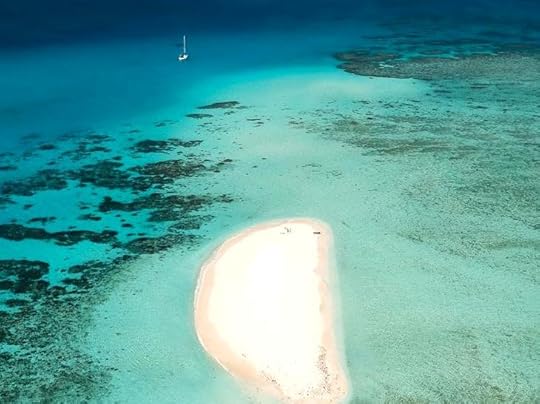
The Bowen Basin Barrier, located in Queensland, Australia, is a significant geological feature that serves not only as a natural division in the landscape but also plays a crucial role in the region’s mining and environmental dynamics. It represents an important area for both ecological balance and resource extraction. The barrier derives its name from the underlying Bowen Basin, which is known for its vast coal deposits and rich biodiversity. In this article, we will explore the characteristics, significance, and implications of the Bowen Basin Barrier on the surrounding ecosystems and local economies.
Understanding the Bowen Basin Barrier

The Bowen Basin Barrier is characterized by its distinct geological formations that influence the local climate and biodiversity. This barrier is not merely a physical obstruction; it plays a multifaceted role in shaping the environment. Its elevation and elevation gradient impact local weather patterns, altering rainfall distribution and temperature variations. Additionally, the unique flora and fauna found in this region contribute to a diverse ecosystem, essential for maintaining ecological balance. The barrier also serves as a critical watershed area, providing water resources to both local communities and surrounding agricultural regions.
The Geological Formation of the Barrier
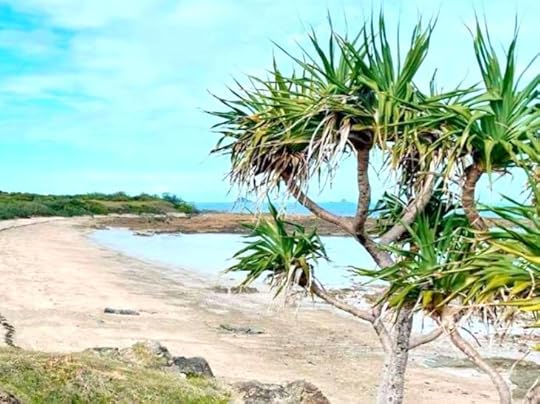
The Bowen Basin itself is a significant sedimentary basin formed during the Permian period, consisting of various rock types that display the history of the region’s geological evolution. The Bowen Basin Barrier arises from ancient tectonic movements that created a series of uplifts, giving rise to its rugged terrain. This geological history is essential not only for understanding the formation of coal deposits but also for recognizing the barrier’s role in the region’s water catchment systems. Each layer of rock reveals intricate details about the earth’s past, providing insights into ancient climatic conditions and biodiversity. Over millions of years, erosion has sculpted the landscape, creating the high ridges and deep valleys we see today. The interplay between geological processes and environmental factors makes the Bowen Basin Barrier a fascinating subject of study for geologists and ecologists alike.
Ecological Importance of the Bowen Basin Barrier
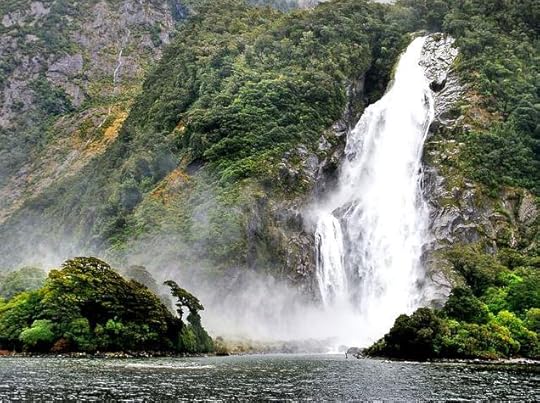
The ecological importance of the Bowen Basin Barrier cannot be overstated. It serves as a vital habitat for numerous species, some of which are endemic to the region. The diverse vegetation types found here range from grasslands to dense forest, supporting a variety of wildlife, including birds, mammals, and reptiles. Conservation efforts are crucial in this area, as the ecological integrity of the barrier is threatened by mining activities and land clearing. The barrier also acts as a refuge for species displaced by habitat loss in surrounding areas, helping to sustain biodiversity. Furthermore, the natural processes occurring within the barrier contribute to soil health and water filtration, ultimately supporting agricultural productivity in nearby regions. Without thoughtful management, the balance between resource extraction and ecological preservation could be severely disrupted.
Socioeconomic Impacts of the BarrierThe Bowen Basin Barrier holds significant socioeconomic implications for the local communities. Its proximity to rich coal deposits has spurred extensive mining activities, leading to both opportunities and challenges. On one hand, mining provides jobs and economic growth, bolstering local industries and infrastructure development. On the other hand, it raises concerns about environmental degradation, air quality, and water resources. Balancing economic development with environmental stewardship is a continuous challenge for policymakers. A comprehensive approach that involves community engagement and sustainable practices can help mitigate negative impacts while maximizing economic benefits. Moreover, the barrier’s role in providing ecosystem services, such as water regulation and carbon storage, is increasingly being recognized as invaluable to the long-term viability of the region’s communities and industries.
Future Considerations for the Bowen Basin BarrierAs the landscape of the Bowen Basin continues to evolve, it is essential to consider future strategies for managing and preserving the Bowen Basin Barrier. Ongoing monitoring of environmental impacts, coupled with adaptive land-use planning, is vital to safeguard this unique geologic and ecological asset. The integration of green technologies and sustainable practices in mining operations can reduce environmental footprints while still meeting energy demands. Additionally, fostering partnerships between stakeholders, including government agencies, local communities, and conservation organizations, can help promote an integrated approach to resource management. By implementing conservation measures and promoting public awareness, the legacy of the Bowen Basin Barrier can be preserved for future generations to appreciate and benefit from. Ongoing research will also play a crucial role in understanding the long-term effects of climate change on this sensitive ecosystem.
ConclusionIn summary, the Bowen Basin Barrier is more than just a physical landmark; it is a vital component of the ecosystem with profound implications for both the environment and the economy. Understanding its geology, ecology, and socioeconomic impact is essential for ensuring its preservation and responsible management. As we face the challenge of balancing resource extraction with ecological integrity, community involvement and innovative solutions will be key to maintaining the health of this diverse and important region.
FAQsThe Bowen Basin Barrier is a geological and ecological feature in Queensland, Australia, serving as a natural division in the landscape and supporting rich biodiversity and significant coal deposits.
2. Why is the Bowen Basin Barrier important for the ecosystem?It provides habitat for various species, helps maintain biodiversity, acts as a crucial watershed, and contributes to soil health and water filtration, benefiting both the environment and local agriculture.
3. How does mining affect the Bowen Basin Barrier?Mining activities can lead to habitat destruction and environmental degradation, impacting local ecosystems and the quality of air and water, making balancing resource extraction and conservation imperative.
4. What strategies are being considered for the future of the Bowen Basin Barrier?Future strategies may include sustainable mining practices, enhanced conservation efforts, community engagement, and ongoing research to monitor environmental changes and impacts.
5. What role does the Bowen Basin Barrier play in local communities?It supports local economies through job creation in mining while also providing essential ecosystem services that sustain agriculture and community well-being.
The post Bowen Basin Barrier: Discovering the barrier of the Bowen Basin. appeared first on .
Relax at the Spas of the Bellarine Peninsula: Wellness Retreat
The Bellarine Peninsula is a beautiful place known for its amazing views and peacefulness. This lovely area is not only pleasing to the eye but also a sanctuary for those who need some peace and relaxation. If you are in need of self-care, the spas in this region provide an excellent opportunity for rest and wellness. You can surround yourself with tranquility by choosing from various treatments that calm both body and mind. By taking time off to visit these serene places, you will gain focus and clarity which will help you deal with life’s demands better. So let go of your stress and see how Relax at the Spas of the Bellarine Peninsula can lead to a more balanced self.
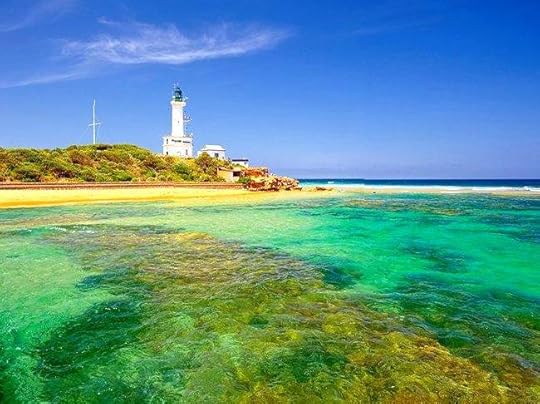
Serenity Spa at Delatite offers a unique combination of luxury and comfort that has made it popular among locals as well as tourists. There are many different types of treatments available such as deep tissue massage, rejuvenating facial or revitalizing body wrap among others. The spa uses local organic products which are believed to make their treatments more effective according to holistic wellness philosophy they follow through with each service provided there. Past visitors’ reviews always mention about calming atmosphere within this establishment along with gentle hands of experienced therapists working there too! Moreover, sometimes Serenity Spa holds wellness workshops so guests could continue caring about themselves even after leaving this place physically relaxed already! It’s definitely worth visiting during your journey towards wellbeing.
The Spa at The Vue GrandThe Vue Grand Hotel is an iconic building that combines history with modern luxury including its spa facilities – The Spa at The Vue Grand Hotel where visitors can choose from wide range services like aromatherapy or reflexology etcetera while having customized skin treatment done if desired so too! Victorian architecture used throughout this establishment creates inviting space which helps people relax better due to more homely feeling provided by such design elements used here. For those who want something special there are seasonal packages available which include personalized treatments aimed at rejuvenation and revitalization. Customers’ feedback always mentions staff’s attentiveness towards them as well as peacefulness felt within environment itself! Every effort is made so that each person leaves feeling balanced anew contributing greatly into their overall sense of wellbeing.
The Bellarine Day SpaComprehensive wellness is what The Bellarine Day Spa is all about. This spa has a team of professionals who provide various treatments depending on individual needs. From soothing massages to refreshing skin treatments, everything here is designed to promote good health and general wellbeing among guests. In addition, they work together with local wellness experts thus incorporating knowledge and practices that enhance visitor experience even further still! There are also regular wellness programs available which teach long term healthy living habits through lifestyle practices applicable at home too! When you walk into The Bellarine Day Spa it feels like entering sanctuary where peace abounds and everyone gets rejuvenated!
Benefits of Spa Treatments
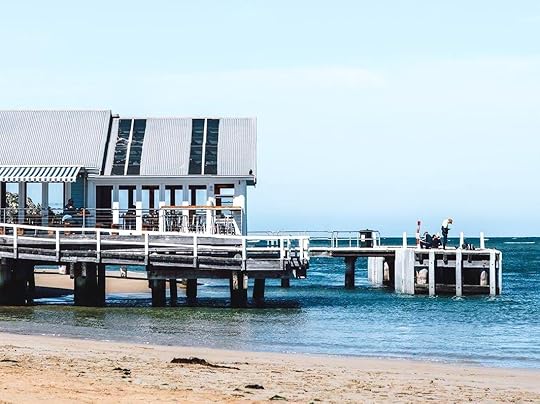
One of the main reasons why people go for spa treatments is because they offer great physical relief. Regular visits can help reduce stress levels significantly thereby enabling one’s body to let go of accumulated tension easily. Apart from relaxation alone, hydrotherapy or massage among other things improves blood flow throughout entire system ensuring that nutrients reach different parts effectively leading to less muscle soreness after workouts as well as faster recovery periods following intense physical activities too!
According to many visitors, their skin looks and feels better after nourishing treatments that moisturize and revitalize the skin. Spa treatments not only provide immediate relaxation but also contribute to long-term physical health.
Benefits for Mental HealthPhysical relaxation is closely related to mental clarity. Spa treatments help people find emotional balance, which enables them to cope with stress and anxiety more effectively. The serene atmosphere often allows for self-reflection, thus improving mental clarity and concentration. Mindfulness is frequently incorporated into treatment techniques so that clients can stay present-minded without being preoccupied by daily worries. As a result of these services, individuals usually depart feeling relaxed as well as emotionally fulfilled and carry this positivity into their everyday lives. Mental health benefits are an important part of overall well-being that tends to be overlooked in our busy world.
Whole Body WellnessApproaches to holistic wellness recognize that complete health involves physical, mental, and emotional aspects. Some spas on the Bellarine Peninsula reflect this integrated approach through offering treatments targeting all three areas. Different therapies promote self-care which empowers people to take responsibility for their own well-being. Guests are encouraged by this holistic philosophy not only to see wellness as an ongoing process but also as something they should strive towards continuously throughout life rather than viewing it solely as a destination or goal achieved once certain conditions have been met. When traditional practices are combined with modern methods used in promoting wellbeing, it creates an experience that is unique and resonates with many who visit such places. Embracing holistic wellness has transformative potential because it equips one with tools and insights applicable beyond just what happens during spa visits.
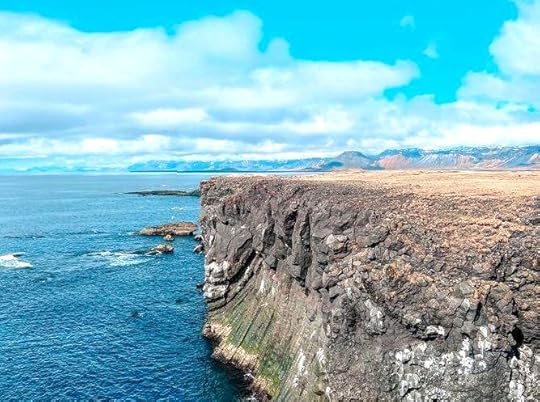
You can enjoy spas at any time of year; however, there are certain periods when you can get the most out of your visit to the Bellarine Peninsula. The shoulder seasons, especially early spring and late autumn, usually have mild weather conditions and fewer people around which makes it perfect for relaxation. Also, consider booking on weekdays as weekends tend to fill up quickly with many visitors coming in. It is important to plan ahead; most spas recommend making reservations at least a few weeks prior especially during peak times. By choosing the right time for your visit, you will enhance overall experience and ensure that you have a peaceful rejuvenating session. Allow yourself to be pampered and make wellness an integral part of well thought-out retreat.
Combining Local Attractions with Spa VisitsThe Bellarine Peninsula boasts a wide range of attractions so it is easy and fun to combine your spa retreat with local outings. You can spend a day at the spa then go for vineyard tours or take beach walks or even explore nearby quaint towns such as Queenscliff or Portarlington. Consider creating an all-round itinerary that will enable you make the most out of your stay in this region. For instance:
Begin your day with an energizing morning spa session.Have lunch at one of the local cafes or vineyards.Visit art galleries within the area or check out charming coastal spots.
Intertwining spa treatments with what happens locally allows for rejuvenation not only of body but also spirit.
Testimonials from VisitorsPersonal StoriesA lot of people who go on spa retreats in Bellarine Peninsula come back home having experienced something truly life-changing during their time there. Many have shared touching statements about how being in a spa has completely altered their perception of what it means to be healthy.
One guest said, “It was so peaceful there. I could finally breathe.” Another said, “The therapists were amazing. They really listened to what I needed.” These stories show how deeply people connect with their spa practitioners and the healing power of the treatments. It is clear from these accounts that these visits are not indulgences but necessities on many individuals’ paths to well-being.
Insights from ProfessionalsFeedback from therapists and those working in the industry points to some wellness trends that are gaining popularity in spas. Many practitioners stress the importance of tailoring treatments so they meet each guest’s unique needs. Echoing visitors’ comments, one therapist said, “It’s great when clients leave smiling because they often come in carrying a lot.” Sustainability is also increasingly important; lots of spas now use eco-friendly products and incorporate sustainable practices into their offerings. Such observations hint at how spa treatments are changing over time to better align with what visitors want while still being grounded in professional wellness goals.
In ConclusionTo sum up, taking time out for yourself at a Bellarine Peninsula spa can do wonders for your health overall. Whether it’s through luxurious treatments that ease physical pain or methods that help mental stress fade away or even just looking at health holistically – all these benefits are life-changing experiences which will stay with you forever! There is something for everyone here so make sure you try everything out as much as possible – who knows when next we shall return? So go ahead and include regular visits into your self-care routine because this way you get to put yourself first always especially in such demanding times like ours where everybody wants everything done immediately without considering other people around them. Whether local or international traveler let relaxation become part of your journey throughout Bellarine Peninsula’s various spas.
Frequently Asked Questions (FAQs)FAQ 1: What types of treatments are typically offered at spas on the Bellarine Peninsula?Answer: Spas on the Bellarine Peninsula offer a range of treatments including massages, facials, body scrubs, wraps and holistic therapies designed to enhance relaxation and rejuvenation.
FAQ 2: Are spa services suitable for first-time visitors?Answer: Yes! Most spas have introductory packages specifically for first-time visitors, and staff are usually very welcoming and happy to guide new clients through their options.
FAQ 3: Can I book a spa treatment online?Answer: Yes, many spas on the Bellarine Peninsula offer online booking through their websites which makes it easy to secure your preferred treatments and times in advance.
FAQ 4: What should I wear to a spa?Answer: You will typically be provided with a gown and slippers at the spa. Comfortable clothing is recommended for after treatments; also consider bringing swimwear if you plan to use hydrotherapy facilities.
FAQ 5: How can I make the most of my spa retreat experience?Answer: Arrive early to relax, take advantage of any available amenities, communicate your preferences to your therapist, and stay hydrated before and after treatments in order to get maximum benefits from your retreat.
The post Relax at the Spas of the Bellarine Peninsula: Wellness Retreat appeared first on .
Lady Musgrave Island Influence: Exploring the influence of Lady Musgrave Island.
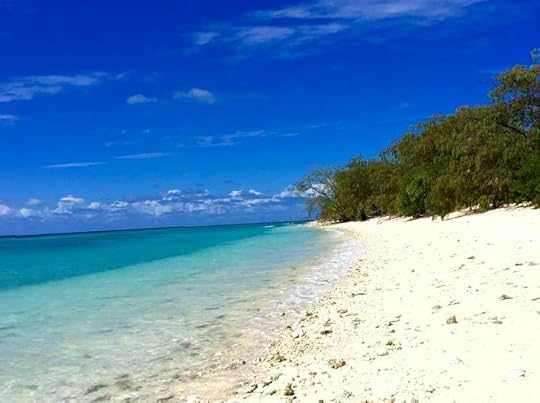
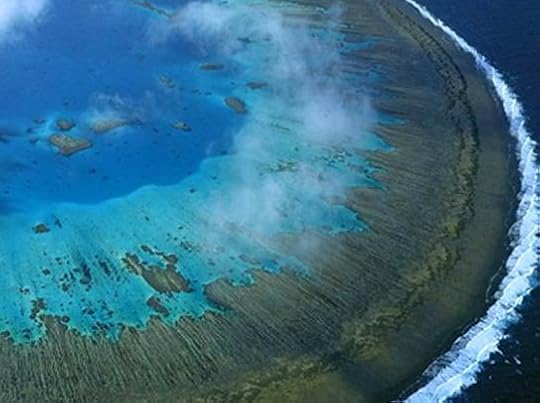
Lady Musgrave Island, a stunning coral cay located within the southern Great Barrier Reef Marine Park, has a profound influence on biodiversity, tourism, and cultural heritage. This isolated paradise is not just visually captivating but plays a crucial role in environmental conservation and ecological studies. It attracts marine life enthusiasts and nature lovers alike, showcasing the importance of preserving such unique ecosystems. Understanding its influence expands our knowledge of marine ecosystems and the significance of conservation efforts. This article explores the ecological, recreational, and cultural dimensions of Lady Musgrave Island, shedding light on its broader impacts.
The Ecological Importance of Lady Musgrave Island

Lady Musgrave Island is surrounded by a vibrant coral reef ecosystem that is home to a diverse range of marine species. The island serves as a critical habitat for various nesting sea turtles, migratory birds, and an abundance of fish species. This rich biodiversity not only contributes to the health of the Great Barrier Reef but also plays a significant role in marine research and conservation efforts. Scientists frequently study the area to monitor coral health and marine populations, gaining insights that are essential for global conservation strategies. Conservationists advocate for the protection of such havens, emphasizing their role in supporting sustainable fishing and tourism practices. Through these efforts, Lady Musgrave Island exemplifies a model for ecological preservation that benefits local communities and the larger environment.
Tourism and Economic Influence
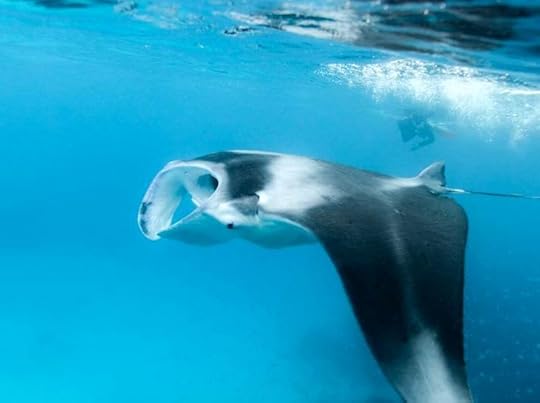
The influence of Lady Musgrave Island extends into the realm of tourism, generating economic benefits for local communities. Tour operators offer a range of activities, including snorkeling, diving, and eco-tours, that educate visitors on the importance of marine ecosystems. These experiences not only contribute to the local economy but also foster a greater appreciation for environmental conservation and sustainability among tourists. Visitors leave with unforgettable memories and a sense of responsibility towards protecting the natural environment. Additionally, the income generated by tourism can support conservation initiatives, creating a sustainable model that balances economic growth with environmental stewardship. As more people become aware of the island’s beauty and ecological significance, the demand for responsible tourism continues to rise, positively affecting both the economy and conservation efforts.
The Cultural Heritage of Lady Musgrave IslandLady Musgrave Island is steeped in cultural significance, particularly for the Indigenous Australians whose heritage is intertwined with the land and sea. The island serves as a reminder of the deep connections between Indigenous peoples and their environment, highlighting traditional knowledge of marine ecosystems. Local communities engage in storytelling and cultural practices that emphasize the importance of the natural world, providing visitors with a richer understanding of the island’s heritage. Moreover, collaborations between Indigenous groups and conservation initiatives enhance the preservation of cultural traditions and ecological practices. Recognizing these cultural dimensions enriches the visitor experience and promotes a holistic approach to environmental conservation, fostering respect and understanding among all who visit.
Challenges Facing Lady Musgrave IslandDespite its idyllic nature, Lady Musgrave Island faces several environmental challenges that threaten its delicate ecosystems. Climate change, particularly rising sea temperatures and ocean acidification, poses a significant risk to coral reefs worldwide, and Lady Musgrave is no exception. Additionally, human activities, such as over-tourism and pollution, can impact the health of marine life and the integrity of the island’s environment. Mitigating these challenges requires collaborative efforts from governments, conservation organizations, and local communities. Even small changes in public behavior and awareness can lead to substantial impacts in preserving the island’s natural beauty. Promoting responsible tourism practices and supporting conservation projects is essential in safeguarding the ecological and cultural integrity of Lady Musgrave Island.
ConclusionLady Musgrave Island is a treasure within the Great Barrier Reef, influencing ecological conservation, tourism, and cultural appreciation. Its pristine environment is a powerful reminder of the importance of protecting marine ecosystems, while also offering valuable lessons in cultural heritage. As we face growing environmental challenges, the island stands as a beacon for sustainable tourism and conservation practices. Collective efforts from individuals, communities, and organizations can help ensure that Lady Musgrave Island and its unique influences continue to thrive for generations to come. By visiting and advocating for the island, we foster a deeper connection to our natural world and act as stewards of its preservation.
FAQsVisitors can engage in activities such as snorkeling, diving, kayaking, and eco-tours around the reef. These activities allow guests to explore the vibrant marine life and learn about conservation efforts.
How does Lady Musgrave Island contribute to marine research?Scientists utilize Lady Musgrave Island as a natural laboratory to study coral health, marine biodiversity, and the impacts of climate change, providing crucial data for global conservation strategies.
Is Lady Musgrave Island accessible year-round?While the island is generally accessible year-round, weather conditions can affect travel plans, particularly during the cyclone season from November to April.
What are the environmental threats facing Lady Musgrave Island?Major threats include climate change, sea temperature rise, ocean acidification, pollution, and over-tourism, all of which can negatively impact the island’s ecosystems.
How can visitors support conservation efforts during their visit?Visitors can support conservation by adhering to responsible tourism guidelines, choosing eco-friendly tours, and participating in local conservation initiatives organized by tour operators.
The post Lady Musgrave Island Influence: Exploring the influence of Lady Musgrave Island. appeared first on .
Vlassof Cay Vicinity: Discovering the vicinity of Vlassof Cay.

The Vlassof Cay vicinity is a hidden gem in the Caribbean, offering stunning landscapes, rich marine life, and a tranquil environment perfect for relaxation and adventure. This secluded location is nestled in the beautiful waters of the Bahamas, making it an ideal destination for nature lovers and those seeking to escape the hustle and bustle of everyday life. In this article, we will explore the unique features of Vlassof Cay and its surroundings, providing insights into what makes this area special and worth visiting.
Natural Beauty of Vlassof CayThe natural beauty of Vlassof Cay is nothing short of breathtaking. Surrounded by pristine waters, the island is known for its powdery white sand beaches that stretch along the coastline, providing visitors with an idyllic setting for sunbathing and relaxation. The crystal-clear waters invite snorkeling and diving enthusiasts to explore the vibrant coral reefs teeming with marine life. The lush greenery on the island offers a contrast to the turquoise seas, creating a picturesque backdrop that is perfect for photography lovers looking to capture the essence of the Caribbean.
In addition to its stunning beaches, Vlassof Cay is also home to unique fauna and flora. Nature trails meander through tropical vegetation, allowing visitors to discover native birds, colorful butterflies, and various plant species. The overall tranquility of the space, away from crowded tourist spots, allows for a full immersion in nature, making it a perfect retreat for those seeking solitude and relaxation.

The scenic surroundings of Vlassof Cay provide countless opportunities for adventure seekers. From water sports to land-based explorations, there is something for everyone. Here are some popular activities:
Snorkeling and Diving: Explore the rich underwater world with an array of colorful fish and stunning coral formations. Guided tours are available for both beginners and experienced divers.


Each of these activities allows visitors to engage with the stunning environment while experiencing the thrill of adventure. Whether you are looking to relax on the beach or seek a rush of adrenaline, the vicinity of Vlassof Cay has it all.
Cultural Insights and Local LoreBeyond its natural beauty and adventure opportunities, the Vlassof Cay vicinity holds a rich cultural heritage. The people who inhabit the surrounding islands are known for their warm hospitality and vibrant traditions, which are often woven into the local community events and festivities. Visitors can experience traditional Bahamian music, dance, and cuisine, providing a deeper understanding of the local culture.
The stories of the island’s history also add a layer of intrigue. Many local legends speak of shipwrecks, explorations, and the intriguing tales of pirates who once roamed these waters. Such narratives not only enrich your visit but also foster a connection to the place that goes beyond mere sightseeing. Engaging with locals and learning about their stories can enhance your appreciation of this beautiful area.
Practical Information for VisitorsWhen planning a trip to Vlassof Cay, there are several practical details to keep in mind. Depending on your starting point, various travel options to the Bahamas are available, such as direct flights to major islands like Nassau or Exuma, followed by a boat transfer to Vlassof Cay. Accommodations range from luxurious resorts to charming guesthouses, offering a variety of experiences to suit different preferences and budgets.
Considering the region’s tropical climate, visitors should be prepared for warmer temperatures throughout the year. The best time to visit is typically during the winter months when the weather is mild and dry. Ensure you pack essentials such as swimwear, sunscreen, insect repellent, and casual clothing to make the most of your trip.
ConclusionIn conclusion, Vlassof Cay and its vicinity offer a fulfilling experience filled with natural beauty, adventure activities, cultural insights, and relaxation opportunities. Whether you seek thrill or tranquility, this little-known Caribbean paradise is worth exploring. The unique blend of stunning landscapes, rich marine life, and local lore creates a memorable getaway that captures the heart of every traveler who visits.
FAQsYou can reach Vlassof Cay by flying into a major island in the Bahamas, such as Nassau or Exuma, and then taking a boat transfer to the cay.
2. What activities can I do on Vlassof Cay?Popular activities include snorkeling, diving, kayaking, fishing, beachcombing, and island hopping to explore nearby areas.
3. Is there accommodation available on or near Vlassof Cay?Yes, there are different accommodation options ranging from luxurious resorts to quaint guesthouses close to Vlassof Cay.
4. What is the best time to visit Vlassof Cay?The best time to visit is during the winter months, from December to April, when temperatures are milder and there is less rainfall.
5. Can I interact with local culture while visiting?Yes, visitors are encouraged to engage with the locals, learn about their traditions, and experience local events and cuisine for a deeper cultural appreciation.
The post Vlassof Cay Vicinity: Discovering the vicinity of Vlassof Cay. appeared first on .
Turtle Bay Terrain: Exploring the terrain of Turtle Bay.

Turtle Bay, located on the North Shore of Oahu, Hawaii, is renowned for its stunning landscapes and diverse ecosystems. From lush green cliffs to sandy beaches, the terrain of Turtle Bay offers an array of natural wonders. In this article, we will explore the geographical features, biodiversity, recreational activities, and how the terrain contributes to the uniqueness of Turtle Bay. We’ll uncover what makes this destination a must-visit for nature lovers and adventure seekers alike.

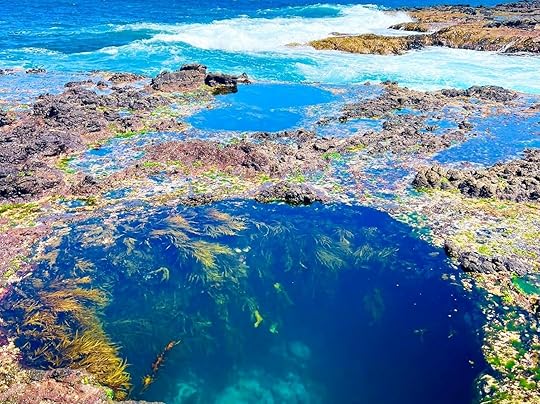
The geographical features of Turtle Bay are as varied as they are striking, making it a geographic marvel in the Hawaiian archipelago. The area is characterized by its dramatic cliffs, pristine beaches, and verdant valleys that rise sharply from the Pacific Ocean. Notably, the coastal region presents a series of tidal pools that are teeming with marine life, providing ideal spots for snorkeling and exploration. The presence of lush rainforests provides habitats for various bird species and endemic plants. The mix of coastal and inland ecosystems creates a unique biodiversity hotspot that captures the attention of scientists and conservationists alike.
Additionally, Turtle Bay is home to some of the most picturesque lagoons and estuaries in Hawaii. These bodies of water serve not only as tranquil retreats for visitors but also play a key role in the local ecology. The interaction between freshwater and saltwater creates a dynamic environment that nurtures marine habitats. The combination of cliffs, beaches, and wetlands makes Turtle Bay a perfect site for both environmental preservation and recreation.
Biodiversity at Turtle BayThe biodiversity found within the Turtle Bay terrain is noteworthy, offering insights into the complex ecosystems that thrive in this coastal region. A wide variety of seabirds, including the endangered Hawaiian monk seal, can often be spotted in this home away from modern civilization. The rich marine life, including colorful corals and fish species, is a testament to the health of the ocean surrounding Turtle Bay, hence making it an excellent spot for snorkeling and diving.


Furthermore, the preservation efforts in and around Turtle Bay have been crucial in maintaining this biodiversity. Conservation programs focus on protecting native species and restoring habitats, which enhances the natural beauty and ecological integrity of the area. Visitors to Turtle Bay are often awed by the diversity of wildlife they encounter, as it truly reflects the Hawaiian spirit of ‘Aloha’ towards nature.
Recreational Activities in Turtle BayTurtle Bay’s terrain offers a myriad of recreational opportunities. The scenic beaches invite sunbathers and swimmers to enjoy the azure waters, while the varied terrain is perfect for hiking, biking, and horseback riding. Trails winding through the rainforest and along cliff edges provide breathtaking views of the coastline and outlying islands. For those seeking water sports, the bay is ideal for surfing, paddleboarding, and kayaking, with rental facilities available for visitors.
The unique combination of land and sea activities makes Turtle Bay a favored destination for adventure tourism. Kayaking through the lagoons offers an up-close encounter with wildlife, while surf lessons cater to all skill levels, making the waves of Turtle Bay accessible to anyone looking to ride the surf. Evening walking tours of the beach highlight the starry night skies and provide an opportunity to learn more about the local culture and history surrounding Turtle Bay.
Conservation Efforts and Ecological ImportanceConservation efforts in Turtle Bay aim to protect and preserve its diverse ecosystems. Organizations work tirelessly to ensure that the delicate balance between tourism and ecological health is maintained. These efforts include cleaning beach areas, monitoring wildlife populations, and promoting responsible tourism practices. Education programs targeting visitors focus on the importance of sustainability and conservation, providing insights into how they can play a role in protecting this fragile environment.
Additionally, the restoration of native flora is critical in combatting the invasive species that threaten local ecosystems. Projects that involve community participation not only enhance the natural landscape but also foster a deeper connection between visitors and the local community. The engagement with the land helps instill a sense of responsibility for its protection. These conservation initiatives underscore Turtle Bay’s ecological importance as a vital area for biodiversity while ensuring its beauty remains pristine for future generations.
ConclusionIn summary, the terrain of Turtle Bay is a captivating blend of stunning geographical features, rich biodiversity, and recreational opportunities. Its combination of cliffs, beaches, and ecological systems offers unique experiences for adventurers and nature enthusiasts alike. The ongoing conservation efforts play a vital role in preserving this iconic destination, ensuring that its natural beauty is cherished and maintained. Turtle Bay is not just a place to visit; it is a sanctuary that fosters respect for our environment and the diverse life it supports. As you explore Turtle Bay, you will undoubtedly appreciate its enchanting landscape and the importance of preserving its environment.
FAQsAt Turtle Bay, visitors can spot various seabirds, Hawaiian monk seals, and several marine species, including green sea turtles and colorful fish.
2. Are there hiking trails in Turtle Bay?Yes, Turtle Bay offers numerous hiking trails winding through lush forests and along scenic cliffs, providing stunning views of the coastline.
3. What outdoor activities are available in Turtle Bay?Outdoor activities include swimming, snorkeling, surfing, paddleboarding, kayaking, hiking, and horseback riding, catering to varying interests.
4. Is there an entrance fee to access Turtle Bay?While Turtle Bay Resort may have specific facilities with fees, access to public beaches and hiking trails is generally free of charge.
5. How can I support conservation efforts at Turtle Bay?You can support conservation efforts by participating in local clean-ups, respecting wildlife habitats, and following leave-no-trace principles while visiting.
The post Turtle Bay Terrain: Exploring the terrain of Turtle Bay. appeared first on .
Bramble Reef Boundary: Discovering the boundary of Bramble Reef.
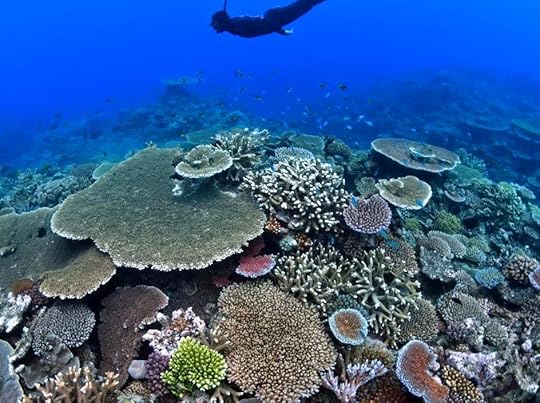
The Bramble Reef boundary is a critical geographic feature located off the coast of Australia. This boundary defines the limits of a vibrant marine ecosystem, providing a unique habitat for various species while also playing an essential role in local fisheries and tourism. Understanding the Bramble Reef’s boundary is fundamental to marine conservation efforts and can help in sustainable management practices. In this article, we will explore the significance of the boundary, the biodiversity it harbors, and the conservation challenges it faces.
Understanding the Boundary of Bramble Reef
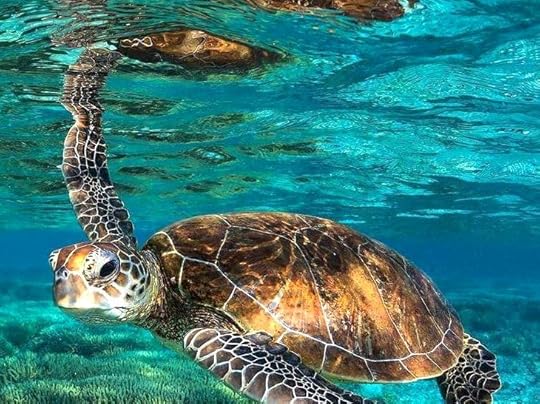
The Bramble Reef boundary is not just an arbitrary line; it is determined by various environmental factors including water temperature, salinity, and depth. These elements create a distinctive habitat that supports diverse marine life, from colorful coral species to vital fish populations. The boundary is often characterized by a transition zone where different water types meet, leading to rich biodiversity. Fish species like snapper and barramundi are drawn to this area, making it an attractive destination for fishers and divers alike. Furthermore, the boundary often serves as a protective zone, helping to shield delicate ecosystems from harmful human activities.
Biodiversity within the Bramble Reef BoundaryThe Bramble Reef boundary is a treasure trove of biodiversity, featuring a variety of marine organisms. Below is a list representing some key inhabitants of this ecosystem:
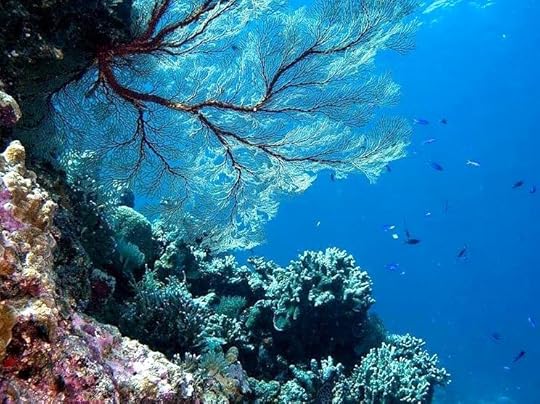 Coral species, including stony and soft corals that provide essential habitat.Over 200 species of fish, ranging from larger predatory fish to small reef dwellers.Numerous invertebrates, including sea cucumbers and sponges that are crucial for maintaining the reef’s health.Marine mammals, like dolphins and sharks, that thrive in the area.
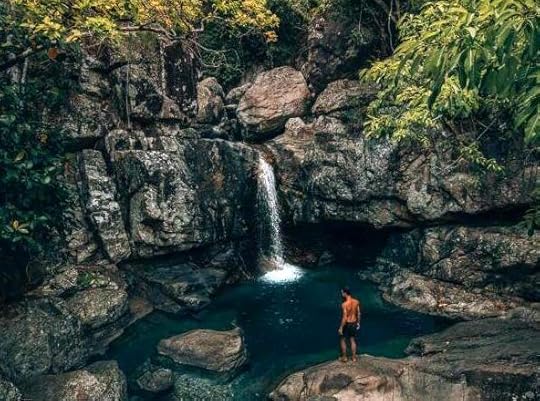
This rich array of life showcases the importance of Bramble Reef as a critical ecological zone. Each species plays a specific role in maintaining the balance of the ecosystem, whether through their feeding habits or by contributing to the complex reproductive cycles of the reef. Research has shown that areas within the boundary also function as nursery grounds for juvenile fish, providing them with shelter and food sources. Thus, the health of the Bramble Reef boundary directly impacts the larger marine landscape.
Threats to the Bramble Reef BoundaryDespite its ecological richness, the Bramble Reef boundary faces several threats. Climate change is one of the most pressing issues, leading to coral bleaching and the degradation of marine habitats. Increased water temperatures and ocean acidification can severely affect coral reefs’ health, which serves as the foundation of this vibrant ecosystem. Additionally, human activities such as overfishing, pollution, and coastal development pose significant risks. These impacts not only harm marine life but can also disrupt the livelihoods of local communities reliant on healthy fishing grounds. Conservation efforts are essential in mitigating these risks and ensuring the long-term health of the Bramble Reef ecosystem.
Conservation Efforts and Future DirectionsConservation initiatives are critical for protecting the Bramble Reef boundary and its unique marine biodiversity. Many organizations are focusing on sustainable fisheries management to ensure that fish populations remain robust while minimizing environmental impacts. Educational programs aimed at raising awareness about the importance of the reef are also pivotal in fostering a culture of conservation among local communities. Additionally, marine protected areas are being established to limit human impact in critical habitats. These efforts, when combined with scientific research and community engagement, can contribute significantly to the restoration and preservation of the Bramble Reef boundary.
ConclusionThe Bramble Reef boundary is more than just a line on a map; it is an intricate ecological zone teeming with life and vital to the health of our oceans. Understanding its significance and the challenges it faces is crucial in informing conservation strategies. With continued efforts, we can preserve this unique marine paradise for generations to come. Protecting the boundary of Bramble Reef not only sustains the environment but also supports local economies and enhances biodiversity—an invaluable investment in our planet’s future.
FAQsThe Bramble Reef boundary is a defined area off the coast of Australia that marks a diverse marine ecosystem, significant for its biodiversity and ecological importance.
2. Why is the biodiversity at Bramble Reef important?Biodiversity is essential for maintaining the health of marine ecosystems. It ensures stability, resilience, and provides various ecosystem services that benefit both the environment and local communities.
3. What are the main threats to the Bramble Reef?The primary threats include climate change, overfishing, pollution, and habitat destruction due to coastal development.
4. What conservation efforts are underway for Bramble Reef?Conservation efforts include establishing marine protected areas, implementing sustainable fishing practices, and conducting educational programs to raise public awareness.
5. How can individuals help in the conservation of Bramble Reef?Individuals can support conservation efforts by practicing responsible fishing, reducing plastic use, participating in local cleanups, and supporting organizations focused on marine restoration.
The post Bramble Reef Boundary: Discovering the boundary of Bramble Reef. appeared first on .
Sudbury Reef Space: Exploring the space around Sudbury Reef.

Sudbury Reef, known for its stunning underwater landscapes and vibrant marine life, presents a unique ecological zone that warrants exploration. This article delves into the characteristics of the Sudbury Reef’s environment, its marine inhabitants, and the conservation efforts necessary to protect this vital space. With a diverse range of species and ecosystems, the Sudbury Reef embodies the richness of marine biodiversity.
Understanding Sudbury Reef

Sudbury Reef is located off the coast of Australia, known for its rich coral reefs and marine biodiversity. This aquatic space is not only a hotspot for marine life but also an important area for research and conservation due to its fragile ecosystem. The physical composition of the reef, primarily made up of hard and soft corals, provides a structured environment for various species. Factors like water temperature, salinity, and nutrient levels play a pivotal role in shaping the ecosystem of Sudbury Reef. Interestingly, the reef’s beauty attracts both scientists and recreational divers, further highlighting its importance in marine studies. Understanding the unique aspects of Sudbury Reef is crucial for both conservation and tourism purposes.
Marine Life Richness
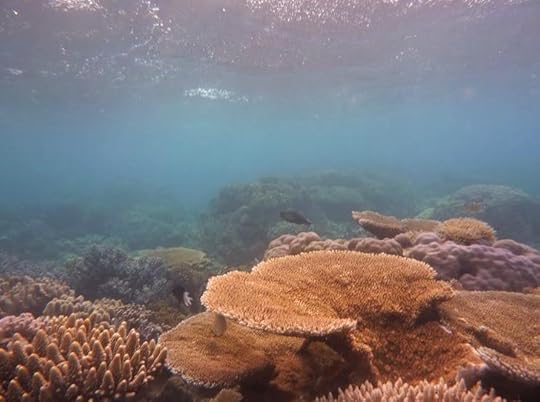
One of the most striking features of Sudbury Reef is its vast array of marine life, making it a prime location for biodiversity. The reef hosts an extensive collection of fish species, invertebrates, and other marine organisms. Some of the most notable inhabitants include various types of corals, sponges, and algae. Additionally, the reef is home to numerous fish species, including both tropical and temperate varieties. Among these, you can find colorful parrotfish, clownfish, and even larger species such as reef sharks. The interplay of different species creates a dynamic ecosystem that thrives in the environmental conditions present at the Sudbury Reef.
The Role of Conservation
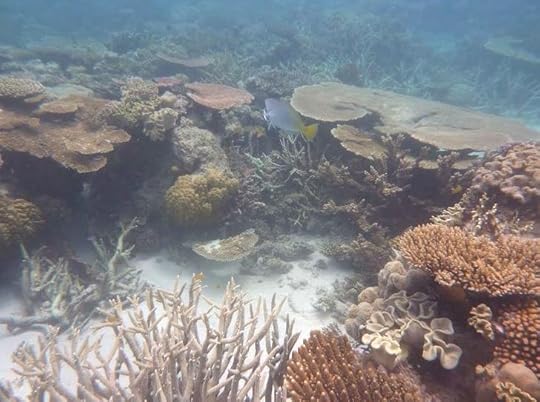
Conservation is a significant aspect of maintaining the ecological balance within the Sudbury Reef. Efforts to protect this area include establishing marine protected areas, which aim to limit human impact on the ecosystem. The initiatives focus on reducing pollution, overfishing, and habitat destruction. Local communities and organizations are increasingly participating in conservation activities, such as coral restoration and monitoring of fish populations. Public awareness campaigns are also essential in educating tourists and locals about the importance of preserving this vital space. Through these combined efforts, it’s possible to foster a sustainable relationship between humans and marine environments.
Impact of Climate ChangeClimate change poses one of the most significant threats to the ecosystems surrounding Sudbury Reef. Rising sea temperatures have been linked to coral bleaching, which compromises the health and resilience of coral formations. Additionally, increased carbon emissions lead to ocean acidification, which negatively affects marine life, particularly organisms with calcium carbonate structures like corals and mollusks. The changes in weather patterns also impact the overall health of fish populations and their habitats. Monitoring and studying these impacts can guide effective responses to mitigate the damage caused by climate change. Addressing climate change is crucial for the continued health of the Sudbury Reef’s ecosystems.
Visitor Experience and ActivitiesVisitors to Sudbury Reef can engage in a variety of activities, making it a popular destination for eco-tourism. Snorkeling and scuba diving offer unique opportunities to explore the vibrant underwater ecosystems. The experience of swimming alongside colorful fish and intricate coral formations creates unforgettable memories for many. Eco-friendly tours that include boat trips and guided dives also promote understanding and appreciation of the reef’s biodiversity. Furthermore, photography excursions allow enthusiasts to capture the stunning visuals of marine life in its natural habitat. Engaging in these activities helps raise awareness of the importance of reef conservation.
ConclusionThe space around Sudbury Reef is a treasure trove of biodiversity and ecological significance, requiring ongoing exploration and conservation efforts. With its diverse marine life, the impact of climate change, and the importance of conservation, Sudbury Reef represents both the beauty and vulnerability of marine ecosystems. As visitors experience the wonders of this reef, it becomes paramount to instill an ethos of protection and respect for such natural environments. Collectively, we can ensure that the Sudbury Reef continues to thrive for future generations to enjoy and learn from.
FAQsSudbury Reef is known for its diverse marine life, stunning coral formations, and its significance as a vital marine ecosystem.
2. What types of activities can visitors do at Sudbury Reef?Visitors can enjoy snorkeling, scuba diving, eco-friendly boat tours, and photography excursions to experience the reef’s beauty.
3. How does climate change affect Sudbury Reef?Climate change results in rising sea temperatures and ocean acidification, leading to coral bleaching and adverse effects on marine life.
4. What conservation efforts are being made for Sudbury Reef?Conservation efforts include establishing marine protected areas, public awareness campaigns, and local community engagement in restoration activities.
5. Why is biodiversity important in Sudbury Reef?Biodiversity is essential for maintaining ecological balance, ensuring resilience against environmental changes, and supporting marine life sustainability.
The post Sudbury Reef Space: Exploring the space around Sudbury Reef. appeared first on .
Gloucester Island Grounds: Discovering the grounds of Gloucester Island.

Gloucester Island, located in the Whitsunday Region of Queensland, Australia, offers a breathtaking combination of natural beauty and historical significance. Known for its rich biodiversity, crystal-clear waters, and stunning landscapes, the grounds of Gloucester Island provide an ideal setting for exploration and relaxation. In this article, we will delve deep into the unique features of Gloucester Island Grounds, highlighting its attractions, activities, and why it’s a must-visit destination for nature lovers and adventurers alike.
The Natural Wonders of Gloucester IslandOne of the standout features of Gloucester Island is its diverse ecosystem, which boasts a variety of flora and fauna. The island is covered in lush rainforests, rocky landscapes, and offers scenic beach vistas. The unique blend of habitats provides refuge for endangered species, making it a paradise for wildlife enthusiasts. Additionally, the surrounding waters are part of the Great Barrier Reef, adding another layer of ecological richness to the island. Visitors often engage in birdwatching, spotting species like the rare Gouldian Finch and various seabirds. Exploring the island’s natural wonders is a rejuvenating experience, connecting visitors with nature in its purest form.

At Gloucester Island, activities abound for every type of explorer. Here are some popular attractions and things to do while visiting:
Hiking Trails: The island features several well-maintained hiking trails that lead you through stunning landscapes, offering panoramic views of the ocean and neighboring islands.
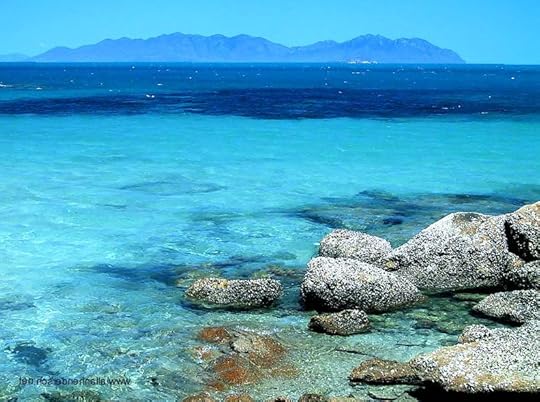
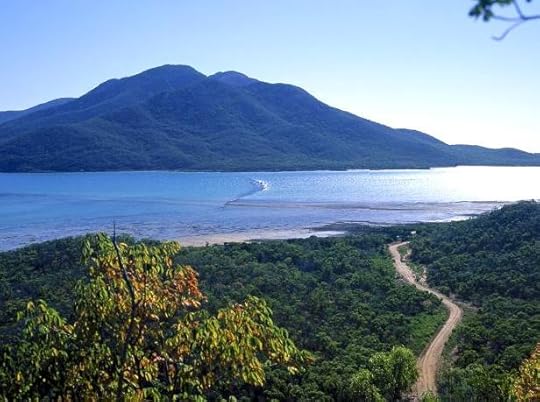
Each of these activities allows visitors to create memorable experiences that will last a lifetime, complemented by the stunning backdrop of Gloucester Island.
Getting to Gloucester IslandAccessing Gloucester Island is straightforward, although it requires some prior planning. Most visitors begin their journey from Airlie Beach or the mainland communities that offer tours and boat transfers. The ride takes approximately 30 minutes, during which guests can enjoy the scenic vista of the Whitsunday Islands. Once on the island, there are minimal infrastructure developments, ensuring that the natural environment remains the focal point of the experience. It’s advisable to check ferry schedules and availability in advance, especially during peak tourist seasons. For those who prefer a more adventurous approach, private charters are also an option for getting to this serene destination.
Preserving Gloucester Island’s BeautyAs tourism grows, so does the need for responsible practices to preserve Gloucester Island’s pristine environment. Various organizations and park services are dedicated to maintaining the ecological balance while promoting sustainable tourism. Visitors are encouraged to follow “leave no trace” principles, ensuring that their adventures do not disturb the natural setting. Education about local flora and fauna is vital in fostering respect and appreciation for the island. Involvement in conservation efforts or participating in local clean-up initiatives can also enhance the experience and allow travelers to contribute positively to this beautiful locale. Thus, everyone plays a part in safeguarding the charm and biodiversity of Gloucester Island for future generations.
ConclusionGloucester Island Grounds encompass a captivating mix of natural beauty, adventure, and ecological significance. From its stunning landscapes and vibrant marine life to the numerous activities available, the island offers an unparalleled experience for visitors seeking both relaxation and thrill. Whether you’re hiking through lush rainforests, snorkeling in pristine waters, or simply soaking up the sun on secluded beaches, Gloucester Island serves as a reminder of the beauty of Australia’s natural wonders. For anyone looking to deepen their connection with nature and enjoy an unforgettable getaway, Gloucester Island is undoubtedly worth a visit, promising an array of enriching experiences surrounded by breathtaking views.
FAQsThe best time to visit Gloucester Island is during the dry season, which runs from May to October. This period typically offers optimal weather conditions, allowing visitors to fully enjoy outdoor activities.
2. Are there accommodation options available on Gloucester Island?While Gloucester Island is largely undeveloped, visitors can camp at designated areas. It’s essential to bring all necessary supplies, as there are no on-site accommodations or amenities.
3. Can I bring my own food and drinks to Gloucester Island?Yes, visitors are encouraged to bring their own food and drinks, especially if camping. Remember to adhere to local guidelines regarding waste disposal to help maintain the island’s cleanliness.
4. Is fishing allowed around Gloucester Island?Fishing is permitted in the waters surrounding Gloucester Island, but visitors should check local regulations to ensure compliance and respect the environment.
5. Are there guided tours available on Gloucester Island?Yes, guided tours are offered on Gloucester Island, focusing on various activities like wildlife spotting, hiking, and snorkeling. It’s a great way to learn more about the island’s ecology while having fun.
The post Gloucester Island Grounds: Discovering the grounds of Gloucester Island. appeared first on .
Coral Sea Shelf: Exploring the shelf of the Coral Sea.

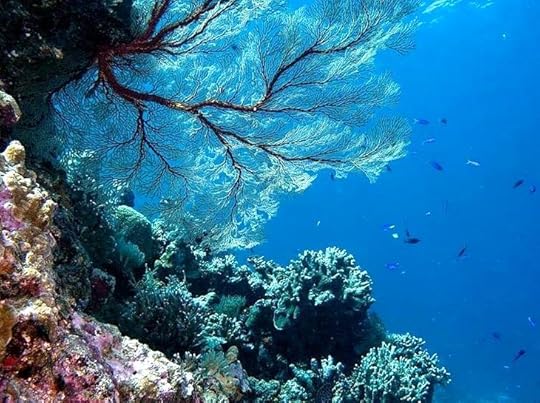
The Coral Sea Shelf is a vital ecological zone that plays an essential role in maintaining marine biodiversity and supporting various marine life forms. Spanning the northeastern coast of Australia, this continental shelf is characterized by its vibrant coral reefs, stunning marine habitats, and diverse species that thrive in its waters. Understanding the significance of the Coral Sea Shelf goes beyond just appreciating its beauty; it involves recognizing its critical role in global ecological health and its challenges in the face of human activity. In this article, we will delve into the unique characteristics of the Coral Sea Shelf, its ecological importance, threats, and conservation efforts.
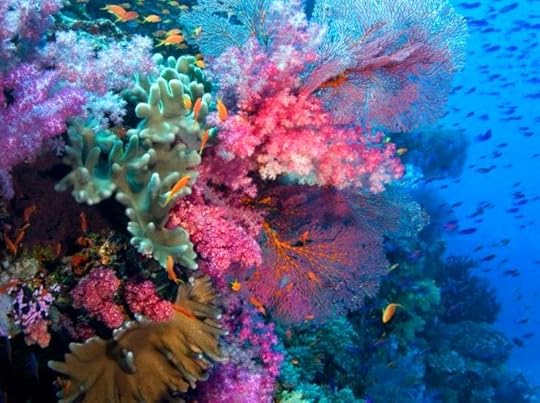
The Coral Sea Shelf features a diverse array of marine environments, including coral reefs, sandy seabeds, and sea grass meadows, all of which contribute to its ecological richness. Stretching approximately 700 km from the Great Barrier Reef towards New Caledonia, the shelf supports numerous ecosystems that host various marine life. The vibrant coral reefs serve as essential habitats for fish, mollusks, and crustaceans, while the sea grass beds provide spawning grounds and nurseries for young fish. The unique geological formations found on the shelf, including underwater mountains and ridges, create microhabitats that promote biodiversity. Additionally, the shelf’s waters are warm and nutrient-rich, further enhancing the potential for varied marine life. Its position in the South Pacific Ocean allows it to receive influences from different ocean currents, making it a dynamic and thriving environment.
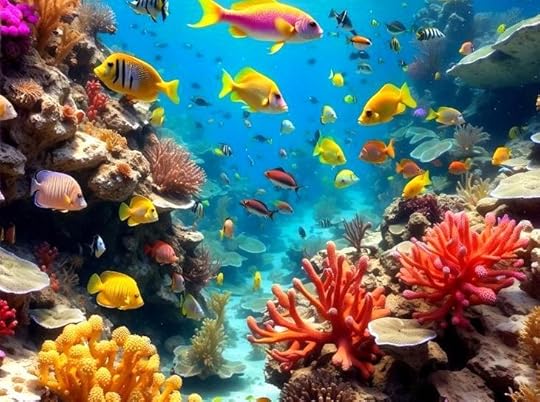
The Coral Sea Shelf is vital not just for the marine species that inhabit it, but also for human populations that depend on its resources. It supports commercial fisheries, providing a livelihood for many communities along the Australian coast. The shelf is home to a wealth of marine species, including a variety of fish, seabirds, and marine mammals. In particular, the coral reefs serve as critical breeding grounds, playing a significant role in the reproductive cycles of many sea creatures. The ecosystem also contributes to global carbon cycles, as healthy coral reefs absorb carbon dioxide and help mitigate climate change. Furthermore, the Coral Sea Shelf enhances ecosystem resilience, enabling marine life to adapt to changing environmental conditions. The presence of diverse species ensures that the ecosystem remains balanced and capable of enduring shifts brought on by both natural processes and human impact.
Threats to the Coral Sea ShelfDespite its ecological importance, the Coral Sea Shelf faces numerous threats that jeopardize its health and sustainability. Climate change poses a significant risk, leading to coral bleaching and altered ocean chemistry, which can severely affect marine biodiversity. Overfishing and unsustainable fishing practices are also detrimental, diminishing fish populations and degrading the marine ecosystem. Pollution from land-based sources, including runoff containing chemicals and plastics, negatively impacts water quality and marine life. Moreover, increasing maritime traffic and potential oil exploration raise concerns about oil spills and habitat destruction. Additionally, invasive species can disrupt the ecological balance, outcompeting native species and altering habitats. To preserve the Coral Sea Shelf, awareness and proactive measures are essential to mitigate these threats and protect its unique marine environments.
Conservation EffortsRecognizing the importance of the Coral Sea Shelf has led to various conservation efforts aimed at safeguarding its biodiversity and ecological integrity. Protected marine reserves have been established to create safe havens for wildlife, allowing ecosystems to regenerate while prohibiting destructive activities like overfishing and mining. Organizations and governments are increasingly working together to conduct research and monitor the health of marine ecosystems, aiming to address the impacts of climate change and human activity effectively. Community-based initiatives encourage local populations to engage in sustainable fishing practices and become stewards of their marine environment. Education and outreach programs play a vital role in raising awareness about the significance of preserving marine ecosystems and fostering responsible tourism. Through these combined efforts, stakeholders are striving to ensure the Coral Sea Shelf remains a vibrant and thriving part of the global marine landscape.
ConclusionThe Coral Sea Shelf is an ecological treasure that hosts immense biodiversity and is crucial for the health of the marine environment. Its vibrant coral reefs and diverse marine life contribute not only to local economies but also to the global ecosystem. However, ongoing threats from climate change, pollution, and unsustainable practices necessitate immediate action and cooperation among stakeholders to preserve this valuable habitat. By promoting conservation efforts and adopting sustainable practices, we can ensure that the Coral Sea Shelf remains a thriving marine environment for generations to come.
FAQsThe Coral Sea Shelf is a shallow marine area located off the northeastern coast of Australia, characterized by diverse ecosystems including coral reefs, sea grass beds, and sandy seabeds.
2. Why is the Coral Sea Shelf important?The Coral Sea Shelf is vital for marine biodiversity, supporting numerous species and contributing to local economies through fishing and tourism, as well as playing a role in global ecological health.
3. What are the major threats to the Coral Sea Shelf?Major threats include climate change, overfishing, pollution from land-based sources, invasive species, and increased maritime traffic, all of which impact the health and sustainability of the marine ecosystem.
4. What conservation efforts are in place for the Coral Sea Shelf?Conservation efforts include the establishment of protected marine reserves, research initiatives, community-based sustainable practices, and educational outreach programs aimed at raising awareness and promoting stewardship.
5. How can individuals help protect the Coral Sea Shelf?Individuals can help protect the Coral Sea Shelf by practicing sustainable fishing, reducing plastic use, supporting conservation organizations, and participating in beach clean-up efforts, thereby fostering awareness and responsible behavior.
The post Coral Sea Shelf: Exploring the shelf of the Coral Sea. appeared first on .