Can I Imitate a Poet's Work?
"Before we can be poets," Mary Oliver said, "we must practice; imitation is a very good way of investigating the real thing."
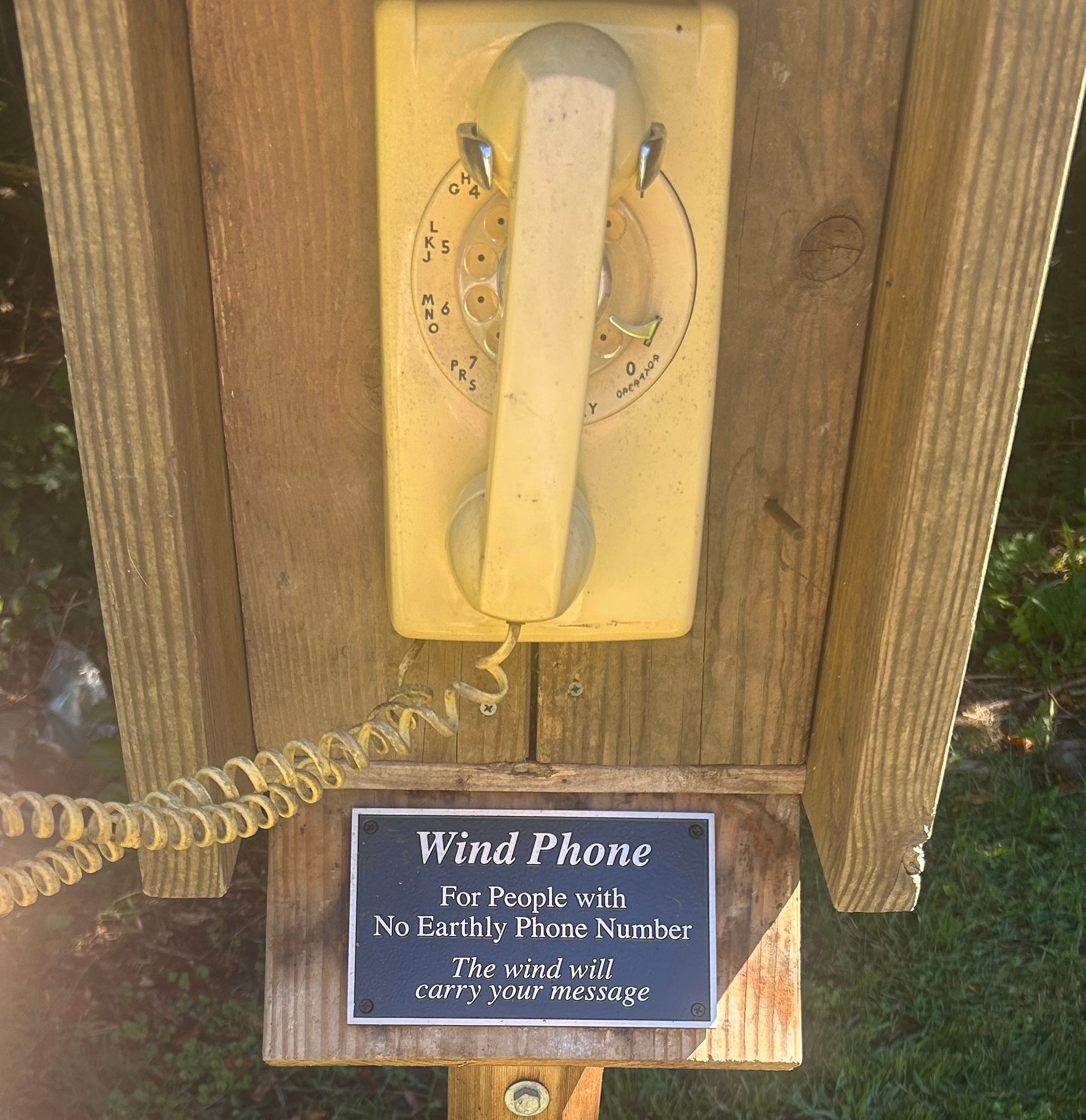 Found Poetry in Bayshore, Long Island 2024
 Don't copy poems, but don't be shy about imitating, either; even the Welsh poet Dylan Thomas considered one of his finest poems, "Do Not Go Gentle IntoThat Good Night," an imitation of William Butler Yeats's style. But that doesn't make his poem any less lovely and moving. (It's a poem you should read, along with Thomas's other fine poems.) By imitating other poets' styles, you learn more about how poems are written, and through imitation, you begin to develop your unique style.
While reading and studying poems helps you become a better writer, the main reason for reading is that poems are "Medicine for the soul." They teach and entertain. They move you and make you think. They won't give you the latest reports on international affairs or results of the local elections— no sports scores, either. But they give you just what you need, even when you don't know you need it. The American poet William Carlos Williams, one of my favorites, said it best in his poem "Asphodel, That Greeny Flower":
Text within this block will maintain its original spacing when publishedIt is difficultto get the news from poems yet men die miserably every day for lackof what is found thereWhen you find a poem that you especially enjoy, or several poems by the same poet, read them thoroughly, attentively, and sit down for a practice session:
How to Imitate the Unique Style of a PoetI’ve tried this a few ways—but my favorite and perhaps the most accessible way to mimic the master is to open a word document as paste the poem you like into the document.
Note the line breaks and spaces, if they are relevant. Then, beneath the original poem, begin writing your piece, following these steps:
Analyze the structure: Pay attention to the number of lines, stanzas, and any specific form the poet uses (e.g., sonnet, haiku, free verse).
Observe the rhythm and meter: Try to match the cadence and flow of the original poem in your work.
Note the use of literary devices: Identify and incorporate similar metaphors, similes, alliteration, or other poetic techniques the original poet employs.
Mimic the tone and voice: Try to capture the emotional resonance and perspective of the original piece.
Use similar themes or subject matter: While not copying the content directly, explore related topics or ideas that fit the style.
Pay attention to word choice: Notice any unique vocabulary or phrasing the poet uses and try incorporating similar language in your work.
Experiment with line breaks and enjambment: If the original poet uses these techniques, try to replicate their effect in your imitation.
Read your imitation aloud: Compare how it sounds to the original poem and make adjustments as needed.
Remember, the goal is not to plagiarize but to learn from the techniques and styles of accomplished poets. This exercise can help you develop your poetic voice by understanding how others craft their work.
What did you come up with? Share in the comments if you are feeling brave!