
Duking it out!
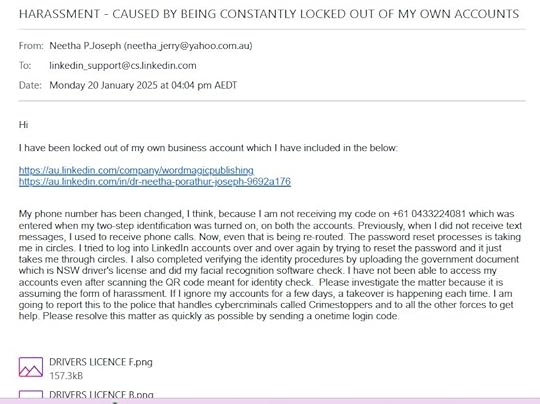
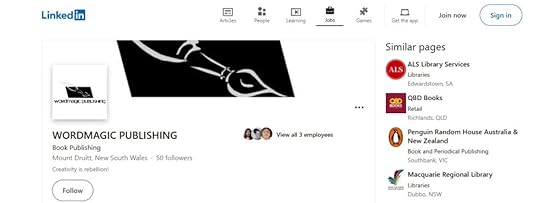
Following the hijack of my LinkedIn profile, which was in someone else’s control, for beyond doubt, a LinkedIn account holder in Uganda seized both my profile and company page which failed my login details and the two-step identification in place. My desperate efforts to establish contact with the LinkedIn support team had me crawling the walls as it required a sign in. It was ridiculous that LinkedIn forced me to create a new account just to complain about account access issues when the usual process was to submit an online enquiry/complaint form with my LinkedIn profile’s address and the email I used for log in purposes. If you think my miseries ended there, more was in store for me, especially since several hours of attaching images of qualifications, sharing links such as that of My eQuals Australia, Coursera, adding skills and description to the different profile sections went down the drain when my new account also fell into the hands of cybercriminals.
On second thoughts, my hunch that it could be the handiwork of petty identity thieves grew stronger than ever when I researched about the former’s motivations. Most reliable sources confirmed that identity thieves committed the said crime for financial gains, revenge, or to hide another crime or a stealing disorder called Kleptomania influenced the deed. My infuriation knew no bounds when I stumbled upon resources, especially those closely tied to Psychology, which labelled identity thieves as attention seekers who committed crimes so that others would notice them. If you were to listen to the speaker in the video talk about the ordeals victims of identity theft continue to face, you would transform yourself into an executioner involuntarily.
While pulling my hair about how to manage the said crisis, to make matters worse, I came across an article published on LinkedIn by Neal Han titled as ‘How hackers are using fake LinkedIn profiles to steal your information. According to this article, a security company discovered that identity thieves created LinkedIn profiles to launch “spear phishing” attacks against people who have high profile social media presence. I could not dispense the feeling that they victimised me. The fact that the hackers of my account could be suffering from Antisocial Personality disorder, which made them disregard social norms or the rights of others; Bipolar disorders, which increased their risk-taking behaviours motivating them to steal without taking the consequences into consideration; and alcohol or drug addiction which could persuade them to find new ways to generate income for supplies of substances and spirits, was not reassuring to me in any way.
I fought back and recovered my main profile which has the company page linked to it because I cannot afford to lose my personality, dreams, and aspirations to an undeserving individual or group. That is not all. I will continue to wage a war against those who use technology to exploit me psychologically.


