Five pieces of writing advice I ignored
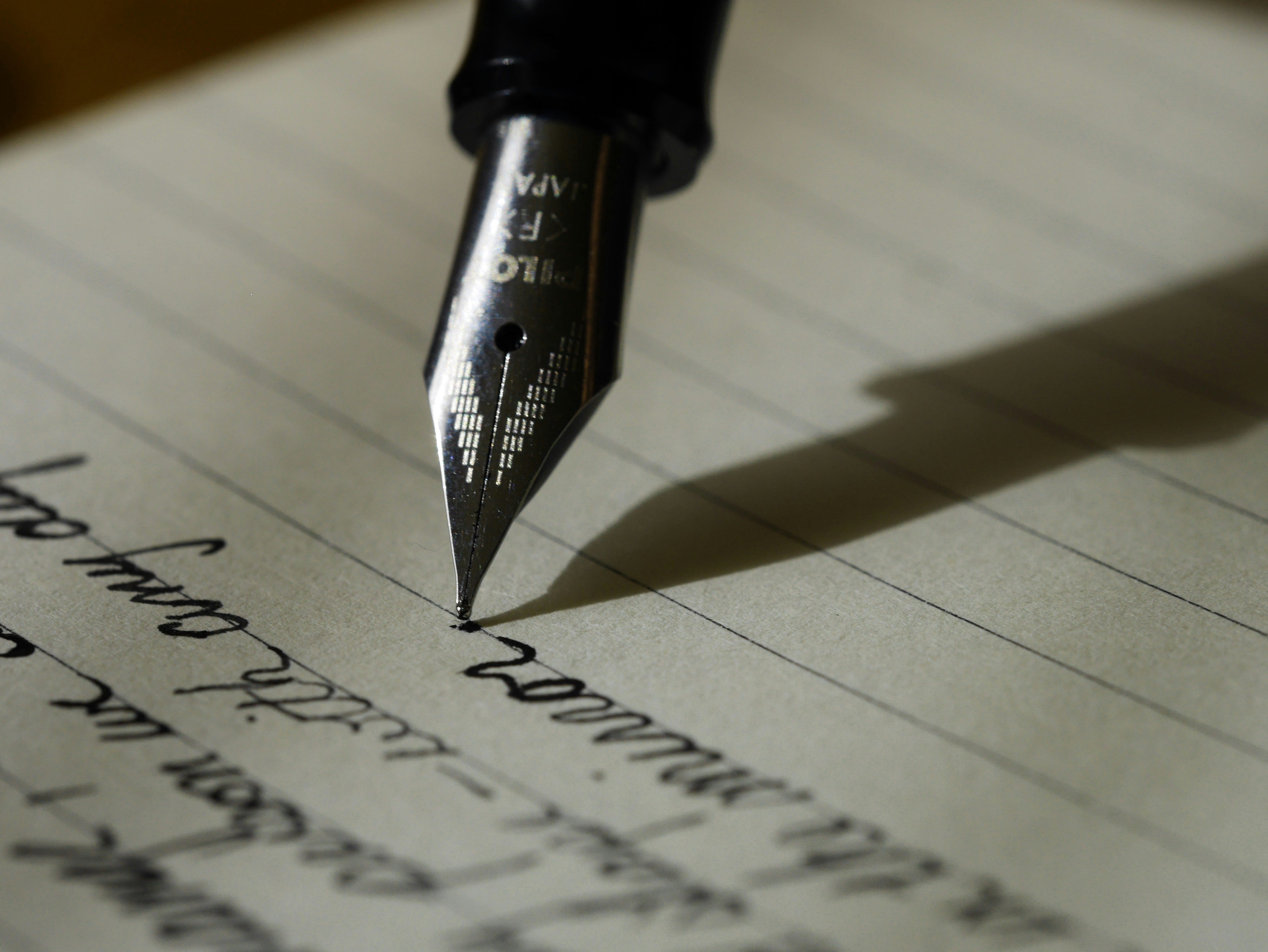 Photo by Aaron Burden on Unsplash
In my writing journey, I have jumped through hoops to fit the industry standard many times. I have also thought ‘Sod the industry, I'm doing it my way!’ each time I have self-published a book. As creatives craving validation, we will do well to remember that sometimes feedback from peers or professionals is super helpful, but sometimes it is really okay to ignore it.
1. ‘You can’t have dystopia with magic realism’
Miners is a reader-supported publication. To receive new posts and support my work, consider becoming a free or paid subscriber.
I had three manuscript appraisals for Murmuration, my YA dystopia - one when it was at the first draft stage, one after a year of submitting, and a final one before my third rewrite.
When the feedback came through for the last one, my mentee said it was not dystopian enough and that I couldn't have magic realism in a dystopian book. I could kind of see her point with the first one, but with the magic realism, I internally screamed, ‘Whaaat? That's literally the book.’ I might be in the minority, but I’d rather write the book I have in my mind to write than a watered-down version to suit the market. The whole point is that my brain is a crazy place to live sometimes, and I want to get the vision that I have down on paper.
2. ‘That scene doesn’t belong here’
When you get your line edits back from your editor, remember (especially when self-publishing) that it is still your book. Sure, you can take on some of the suggestions, but at the end of the day, the decisions are yours. A line editor suggested I remove the opening scene from Murmuration about the boys on the boat on the lake. Again, I thought ‘But that's the heart of the novel and where the whole story grew from. There’s no way I am removing that scene!’ It’s okay to be stubborn; it is our creative vision, after all.
3. ‘It should be two separate novels’
I entered a novel prize and was told that they loved the human-interest story between the dad and the son but lost interest as soon as the birds were introduced. It should be two separate books, they said. (At this point I started to bang my head against a brick wall…)
And then a few months later, after I finally trusted the story that I had dreamed up, it was picked out of 4000 to be shortlisted for the Kindle Storyteller Award. Can you imagine how bizarre it was after being rejected 100 times, and being told all the ways in which my book was wrong, to be then standing in a room full of people who were saying how much they loved my book and how original it was?
A.MAZ.ING. That’s how! (And very confusing!)
And since then, I've heard that magic realism in YA is really big (eye roll), so do you know what I think?
Write (make, draw, paint) what you want to and see what happens.
Virginia Woolf famously said;
“So long as you write what you wish to write, that is all that matters, and whether it matters for ages or only for hours, nobody can say. But to sacrifice a hair of the head of your vision, a shade of its colour, […] is the most abject treachery.”
― Virginia Woolf, A Room of One’s Own
4. ‘They’re too simple’
For years, I have tried to get my poems published but have had feedback such as 'They're too simple...' and 'I like them but not quite enough' but I have also had many people who have told me that my poetry has touched them or made them cry or spoken truth to them, and for me that is more important. I put my poems out anyway because I know they speak truth to people. The connection to my readers is more important to me than being accepted by the industry.
5. ‘You should start something else’
On my MA in Creative and Life Writing (which I did from 2006-2008), I showed my early writings about the Fens to my tutor. He was quite unenthusiastic about my work and said ‘I think you give up on this and start something new.’ I felt like I had been punched in the gut. What he didn’t realise was that writing about the Fens was to become an obsession that I wouldn’t give up on. Thankfully, I didn't listen to him, and I carried on, digging with my pen, as Seamus Heaney described it, digging up my past to find the true story that was buried in my subconscious.
In The Artist’s Way, Julia Cameron talks about the necessity of protecting our creative projects in their infancy. Those early writings turned into a novel, which I will be self-releasing this year. (Watch this space for updates…) It has taken 17 years for me to give it the time and dedication it needed to turn it into something that I am now immensely proud of. Who knows how long my tutor’s discouragement delayed me, but I’m doing it now, and that is what matters.
So, what have I learned from this?
People will criticize you. Perhaps they are jealous or have nothing better to do.
Perhaps there is truth in their words. Perhaps not. You get to be the judge of that.
Trust yourself. It is your creation.
By all means, seek the advice of others, but in the en,d go with your heart.
Have you been stopped in your tracks in your creativity? Is there advice that you listened to that you wish you had not? Can you take a step forward on your creative journey today? I’d love to hear about how words of advice have helped or hindered you on your creative path.
Thanks so much for reading Miners,
Elisabeth x
Miners is a reader-supported publication. To receive new posts and support my work, consider becoming a free or paid subscriber.