Why Are Adirondack Trails So Gnarly?
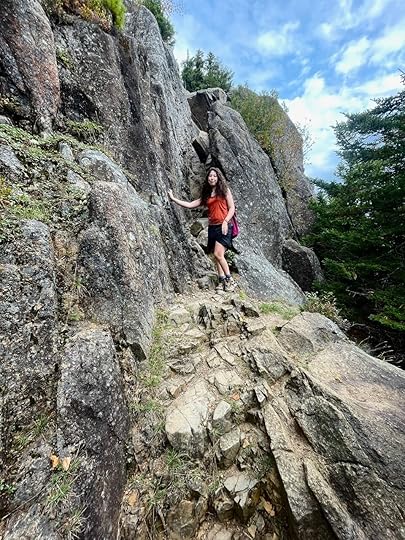
Not that long ago—just over a century—these woods were stripped bare. The trees here built cities like New York, Albany, and Buffalo. What’s wilderness now was once cleared to the stone. Only the least accessible places stayed untouched. The rest? Clearcut, churned, and eroded to bedrock.
When the country began waking up to the value of wild spaces—when science and health movements pushed for cleaner air, protected land, and something like ecological harmony—the Adirondacks were a wreck. But people came anyway, drawn by the scars and the silence.
Early hikers followed rock. Trails formed not by design but by necessity—stone ridgelines, logging scars, deer paths. Over time, dirt settled. Trees returned. But with bedrock so close to the surface, their roots had no choice but to grow outward—across trails, over rock, twisted like veins.
That’s why Adirondack trails are brutal. No switchbacks. No smoothing for comfort. Just roots, stone, and mud that shift beneath your boots. Hiking here isn’t easy. But it’s honest.
This place rebuilt itself with time and breath. And if you pay attention, the trails will show you exactly what that kind of recovery looks like.
You're not walking a trail. You're walking through recovery.
- Jess Taylor We Were Meant to be Wolves, an Adirondack eco-thriller coming this summer.


No comments have been added yet.