Sangay Glass's Blog - Posts Tagged "adirondacks"
The Question of Trust: Candice, Bluebeard, and the Price of Knowing Too Much
image: 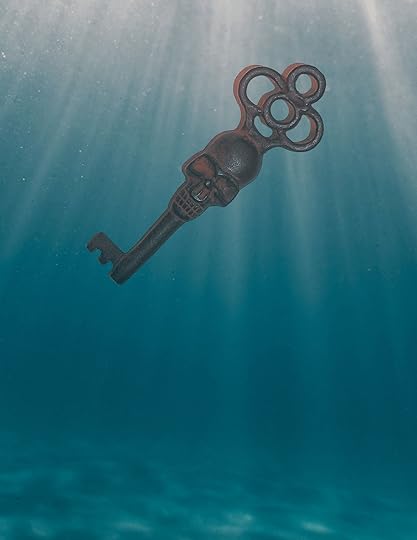 Trust. It’s the glue holding human relationships together, but in Candice’s world, it’s a loaded weapon.
Trust can be a lifeline—or a noose. It can offer safety, or it can lure you into a trap with no way out.
At the heart of this story lies an age-old question: How much do we really want to know about the people we let in?
Enter the Bluebeard twist.
For those unfamiliar, Bluebeard is an old fairy tale about a man who offers his new bride, all his riches without restraint and the keys to his castle—but warns her never to open one specific door. Of course, she does. Inside, she finds the bodies of his murdered wives. Her curiosity nearly costs her life. The story is a cautionary tale about disobedience, about trust, about how sometimes the truth is far worse than the lie we tell ourselves.
Now, think about Candice.
She isn’t a naive fairy tale wife. She knows monsters exist—she’s faced them her entire life. But she holds the key this time. And she has to decide: does she open the door? Does she ask the hard questions? Does she push to truly know the man walking beside her in the dark?
Randal. The unreliable ally. The one with secrets of his own offers her his loyalty and protection. She needs him, but she doesn’t fully trust him. And how could she? She’s learned that trust is dangerous. Fatal, even. But without it, she’s alone.
That’s the tension that carries through her version of Bluebeard. She is both the woman with the key and the one behind the locked door. She knows what happens to girls who ask the wrong questions—but she also knows what happens to girls who don’t.
So, the real question is: If you were Candice, would you turn the key?
And if you did… would you be prepared to face what’s inside?Trust. It’s the glue holding human relationships together, but in Candice’s world, it’s a loaded weapon.
Trust. It’s the glue holding human relationships together, but in Candice’s world, it’s a loaded weapon. Trust can be a lifeline—or a noose. It can offer safety, or it can lure you into a trap with no way out.
At the heart of this story lies an age-old question: How much do we really want to know about the people we let in?
Enter the Bluebeard twist.
For those unfamiliar, Bluebeard is an old fairy tale about a man who offers his new bride, all his riches without restraint and the keys to his castle—but warns her never to open one specific door. Of course, she does. Inside, she finds the bodies of his murdered wives. Her curiosity nearly costs her life. The story is a cautionary tale about disobedience, about trust, about how sometimes the truth is far worse than the lie we tell ourselves.
Now, think about Candice.
She isn’t a naive fairy tale wife. She knows monsters exist—she’s faced them her entire life. But she holds the key this time. And she has to decide: does she open the door? Does she ask the hard questions? Does she push to truly know the man walking beside her in the dark?
Randal. The unreliable ally. The one with secrets of his own offers her his loyalty and protection. She needs him, but she doesn’t fully trust him. And how could she? She’s learned that trust is dangerous. Fatal, even. But without it, she’s alone.
That’s the tension that carries through her version of Bluebeard. She is both the woman with the key and the one behind the locked door. She knows what happens to girls who ask the wrong questions—but she also knows what happens to girls who don’t.
So, the real question is: If you were Candice, would you turn the key?
And if you did… would you be prepared to face what’s inside?Trust. It’s the glue holding human relationships together, but in Candice’s world, it’s a loaded weapon.


Why Are Adirondack Trails So Gnarly?
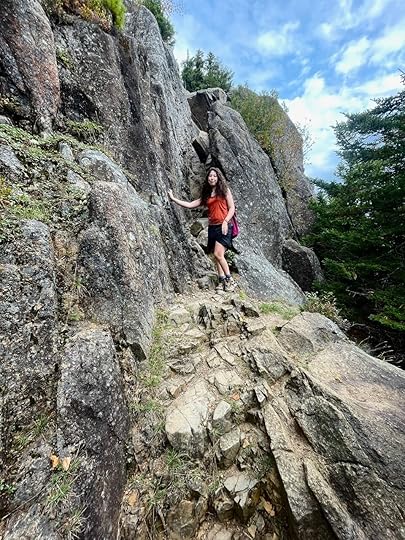
Not that long ago—just over a century—these woods were stripped bare. The trees here built cities like New York, Albany, and Buffalo. What’s wilderness now was once cleared to the stone. Only the least accessible places stayed untouched. The rest? Clearcut, churned, and eroded to bedrock.
When the country began waking up to the value of wild spaces—when science and health movements pushed for cleaner air, protected land, and something like ecological harmony—the Adirondacks were a wreck. But people came anyway, drawn by the scars and the silence.
Early hikers followed rock. Trails formed not by design but by necessity—stone ridgelines, logging scars, deer paths. Over time, dirt settled. Trees returned. But with bedrock so close to the surface, their roots had no choice but to grow outward—across trails, over rock, twisted like veins.
That’s why Adirondack trails are brutal. No switchbacks. No smoothing for comfort. Just roots, stone, and mud that shift beneath your boots. Hiking here isn’t easy. But it’s honest.
This place rebuilt itself with time and breath. And if you pay attention, the trails will show you exactly what that kind of recovery looks like.
You're not walking a trail. You're walking through recovery.
- Jess Taylor We Were Meant to be Wolves, an Adirondack eco-thriller coming this summer.
Don't Pity The Forest
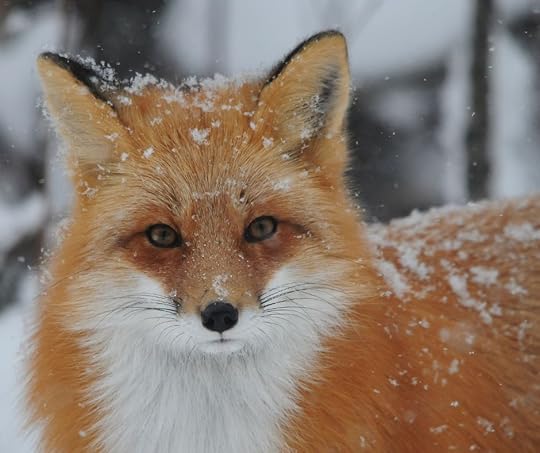 That tree growing out of stone? The fox shivering through a snowstorm?
They don’t need our sympathy.
They’re not suffering. They’re adapting. Thriving, even.
Life out here isn’t a guarantee. It’s a negotiation. A battle. A gift you earn with every breath.
No one out here expects to be saved.
But if you’re lucky, you learn to respect the will it takes to keep going.
The struggle. The silence. The glory of staying alive.
That’s not weakness. That’s the wild.
Jess Taylor, We Were Meant to Be Wolves, an eco-thriller coming this summer.
Conservation Isn’t Cute: The Uncomfortable Truth About Wolves
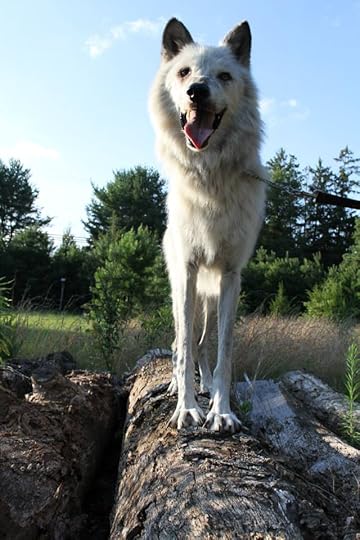 We love wolves when they’re printed on T-shirts or howling at the moon in pixel-perfect documentaries. But real conservation is messy. It’s blood in the snow and lawsuits in the courts. It’s science colliding with politics, tradition, and fear.
Wolves aren’t just apex predators. They’re flashpoints. Talk about bringing them back, and you’ll hear cheers, threats, and sighs of exhaustion, all from people who love the land.
In the U.S., wolf conservation isn’t about saving a species. It’s about deciding who gets to define balance: ranchers trying to protect their livelihood, activists chasing rewilding dreams, scientists crunching data, and Indigenous communities whose voices often get pushed aside despite sometimes having ancestral knowledge of ecosystem balance.
We Weren’t Meant to Be Wolves lives in that discomfort. The wolves in the novel aren’t just animals, they’re symbols of everything we want to control, fix, or pretend we understand. And Jess Taylor, like many in the real world, is caught between love, guilt, and the need to do something.
Because that’s the truth no one wants to admit about conservation. Sometimes you do the right thing, and it still feels wrong.
Set in the remote Adirondacks, where wolves have returned after a century-long absence, We Weren’t Meant to Be Wolves is a chilling and darkly humorous story rooted in real-world conservation, identity, and the blurry lines between what we love and what we fear.
We Weren’t Meant to Be Wolves coming July 25th Follow me for updates and giveaways.
Today’s Topic: "Can You Love the Land and Still Kill What Lives On It?
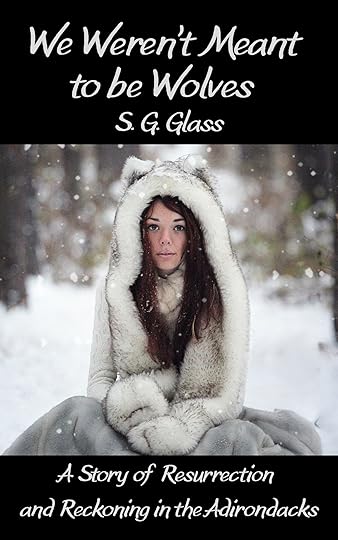 Jess Taylor grew up wild running traplines with her dad, setting snares, handling “nuisance” animals, and selling parts and pelts, sometimes under the table, sometimes outright illegally. But somewhere along the line, something shifted.
She was done with killing.
So she took a different path. Jess became a wildlife biologist, chasing the holy grail she once believed impossible: coexistence in the wilderness she still called home.
Let’s talk about the uncomfortable truth behind predator control, cultural inheritance, and what it means to grow up in a world where killing animals is a way of life—and then choose to protect them instead. Jess’s story isn’t just fiction. It echoes countless real-world stories of trappers turned trackers, hunters turned healers. Can both be true? Can both be right?
Set in the remote Adirondacks, where wolves have returned after a century-long absence, We Weren’t Meant to Be Wolves is a chilling and darkly humorous story rooted in real-world conservation, identity, and the blurry lines between what we love and what we fear.
Field Notes from Jess Taylor: Why I Threw Up for a Pup
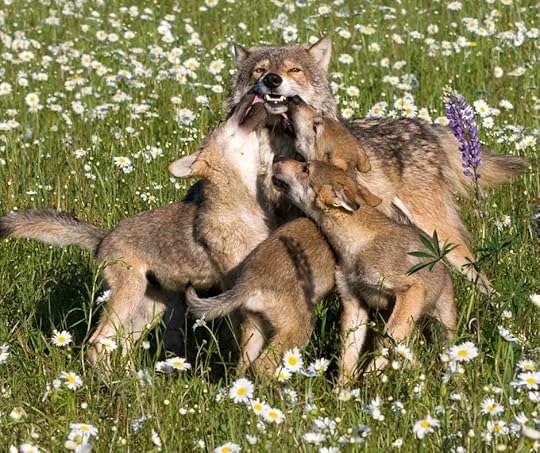 Yes, I regurgitated food for a wolf pup.
It wasn’t glamorous. It wasn’t pretty. It was instinct.
If you’re grossed out, congratulations. You’re human. But if you’re a wolf pup? It’s just another post-hunt ritual.
Here’s why this wild, ancient behavior exists, and why doing it felt more like biology than parenting.
Why do Wolves Regurgitate for Pups?
~Survival~
Around 3 to 4 weeks old, pups are weaned off milk—but they’re not ready to hunt. So adults step in. They bring back partially digested food and offer it up the natural way: by throwing it up. This gives the pups soft, warm meat they can digest easily.
~Trust~
The pup has to lick and nuzzle an adult’s mouth to trigger the regurgitation reflex. It’s tactile, intimate, and complexly involuntary. Though some humans and animals, like birds do it voluntarily to feed their young.
~Everyone Participates~
It’s not just the mom or dad. Aunts, uncles, even unrelated packmates will feed the pups. Cooperative care like this is rare in the animal world, but wolves wrote the book on it.
~It Teaches~
This is how pups learn what meat tastes like. One day it’s beaver. Next, it’s deer. By the time they’re old enough to trail a scent or join a chase, they already know what they’re chasing, and how it should feel in their bellies.
~It’s Literally Gut Instinct~
Shared food helps pups develop the right gut bacteria to digest meat. It’s nature’s gross little probiotic handshake.
So yes, I did it.
I felt the pressure rise, bent forward, and fed the pup with what I had. Not because I was told to because I had to.
And in that moment, feral, raw, maternal, I realized something: I wasn’t just studying wolves anymore. I was becoming more and more like one.
Set in the remote Adirondacks, where wolves have returned after a century-long absence, We Weren’t Meant to Be Wolves is a chilling and darkly humorous story rooted in real-world conservation, identity, and the blurry lines between what we love and what we fear.
Spin vs. Science: Colorado Wolves in the Crosshairs
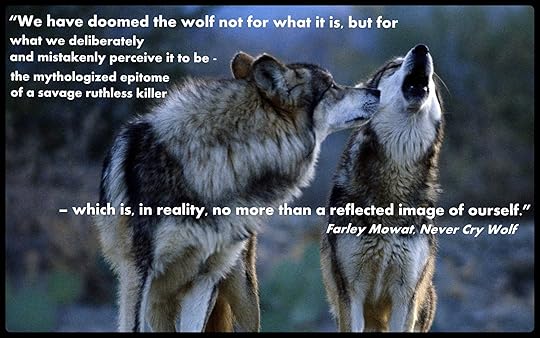 Here’s how media spin works:
Colorado reintroduces wolves, a huge win for restoration and ecological balance. The goal? Let them do what they’ve done for thousands of years: regulate prey, restore landscapes, bring back the balance.
But what makes headlines? Not “Wolves Released, Ecosystems Begin to Heal.”
Instead:
“Wolves Killed After Release.”
“Cattle Losses Blamed on Wolves.”
“Program Under Fire.”
They skip the part where it’s one or two wolves.
They skip the fact that some die because that’s how wild works.
They skip the dozens still thriving, hunting elk, avoiding humans.
Because fear sells. Because outrage clicks. Because “balance” doesn’t make front page.
Wolves aren’t political. But people sure are.
~Jess Taylor~Check out my story July 25th in paperback and Kindle
Set in the remote Adirondacks, where wolves have returned after a century-long absence, We Weren’t Meant to Be Wolves is a chilling and darkly humorous story rooted in real-world conservation, identity, and the blurry lines between what we love and what we fear.
Don’t let someone else’s headline rewrite what’s actually happening on the ground.
This goes for everything you see in the media today. Always take a second look.
How Anthropomorphism Helps and Hurts Conservation
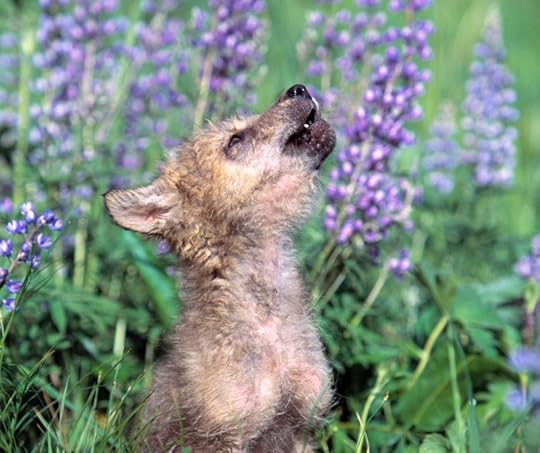 From Jess’s Journal: Wolves with Bows
People love to slap human emotions onto wild animals.
Wolves get it the worst. One minute they’re soulmates howling at the moon. The next, they’re bloodthirsty demons dragging children into the dark.
Pick a fairy tale. Either way, they’re not allowed to just be wolves.
Here’s the thing; the stories somewhat help.
The cute wolf cub with the tragic eyes gets donations. The noble pack leader who sacrifices himself for the good of the group? He gets a documentary. And maybe, just maybe, someone votes to protect their habitat.
But there’s a cost.
When we make wolves too human, we stop seeing what they are. They don’t live by morals. They don’t have revenge plots. They’re not here to teach us life lessons. They’re just trying to survive, like they’ve always done, through teeth, timing, and terrain.
And when they get too familiar, people start expecting them to behave.
To stay where they’re told.
To not eat the calf someone left unguarded.
To act grateful for being allowed to exist.
Wolves don’t do gratitude. They do balance.
And they’re damn good at it, if we’d just get out of the way.
So yeah, anthropomorphism gets people to care.
But if we’re not careful, it also gets wolves killed.
Let them be wolves.
Want to know what happens when science and story collide in the woods? Read We Were Meant to Be Wolves. Coming July 25th! Follow me for updates and free books.