Field Notes and Fun Facts from Jess Taylor
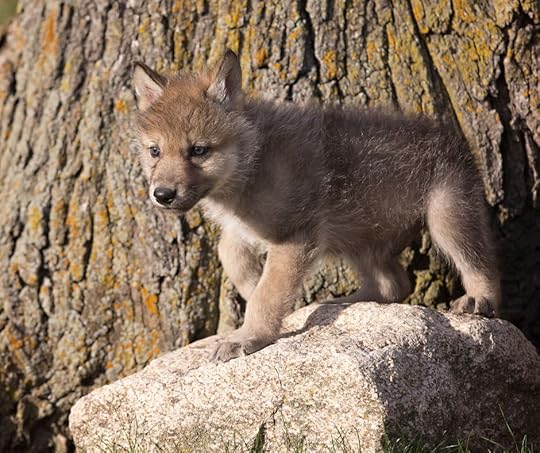 People think field biology is majestic.
Today I sifted through poop, labeled it "Sample 12B," and called it "significant."
I am majestic.
Fun Facts
Scat is a social message board.
Wolves use poop like a group text to mark trails, territory, and letting other wolves know they’ve passed through. It's often placed right in the middle of trails on purpose to be seen and smelled.
You can tell what they've eaten, no lab required.
Wolf scat often contains hair, bone fragments, and even teeth from prey. During winter, it’s extra hairy (think: deer season); in summer, it might show signs of smaller prey or even berries.
It’s one of the best non-invasive tools for field research.
Researchers can gather DNA, hormone levels (stress, reproductive status), and diet information all from scat, no need to trap or collar a single wolf.
Size and shape give away more than you’d think.
Wolf scat is usually 1 to 1.5 inches in diameter and twisted at the ends, distinct from coyotes, which tend to be smaller and more segmented. If it’s full of hair and smells like death, it’s a good find.
Freshness matters.
If it’s still warm or shiny, you're too close. But fresh scat is gold for researchers. It's when DNA and hormone markers are most intact.
Sometimes they poop where they sleep.
A surprise to some, wolves may defecate near or even in their dens when they're sick, stressed, or marking close-range territory, especially if a den is abandoned or being defended.
Set in the remote Adirondacks, where wolves have returned after a century-long absence, We Weren’t Meant to Be Wolves is a chilling and darkly humorous story rooted in real-world conservation, identity, and the blurry lines between what we love and what we fear.


No comments have been added yet.