Fear in Wolves
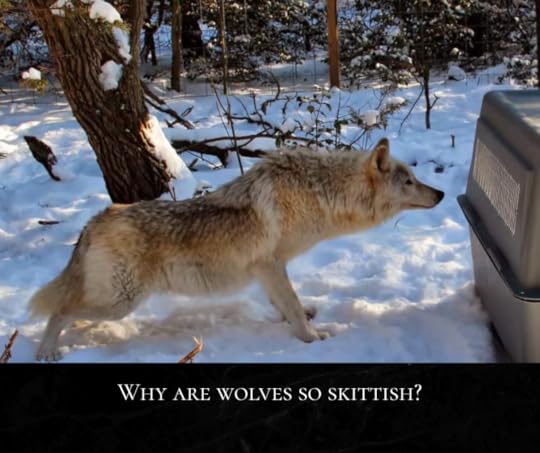 When Your Amygdala acts like it’s the size of a grapefruit and someone sneezes 200 yards away... you might be a wolf.
You ever wonder why wolves seem to disappear before you even spot them?
It’s not magic. It’s biology. Specifically, a little almond-shaped part of the brain called the amygdala. The amygdala’s job is simple: detect danger, trigger fear, keep you alive.
In wolves? It might be the loudest voice in the room.
Unlike domestic dogs, wolves haven’t been bred for trust. They’ve been hunted, trapped, shot from helicopters, poisoned, demonized for centuries.
So what survives? The wolf with a hyper-tuned fear response. The one who flinches fast and doesn’t stop to second-guess.
We don’t have full scans of wild wolf brains, but studies on dogs and foxes show this pattern: domestication softens the amygdala.
Wildness sharpens it. That means wolves likely carry generations of neurological vigilance, and they’re still learning from every trap, bullet, and betrayal we offer. It’s not cowardice. It’s survival. A wolf that bolts at the crack of a branch is a wolf that lives to warn the others.
So the next time someone calls a wolf “skittish,” maybe remember this: It’s not a flaw. It’s an ancestral alarm bell, still ringing.
And honestly? I think they’re smart to listen.
— Jess Taylor
(The Wolfer’s Daughter)
Coming July 25th. Set in the remote Adirondacks, where wolves have returned after a century-long absence, "The Wolfer's Daughter" is a chilling and darkly humorous story rooted in real-world conservation, identity, and the blurry lines between what we
love and what we fear.


No comments have been added yet.