Prep for the Olympics

It’s time—the Winter Olympics are only six months away and while athletes are finalizing their plans, routines, and their mental readiness, the host cities are also going into high gear to welcome them and the millions of visitors who will come to be part of the exciting Olympic experience.
In 2026, the Winter Olympics will be hosted by two Italian cities, Milan and Cortina. The last time the Olympics were held in Cortina was in 1956, when Tenley Albright made history, becoming the first American woman to win gold in figure skating.
Her story was incredible.
She overcame childhood polio at a time when the crippling disease was at its height, learning not only how to walk again but to dominate on the ice and drive towards her Olympic dream.
Then she followed another dream – to become a doctor.
This year, women’s figure skating will once again be one of the most anticipated events at the winter games. They will be held not in Cortina, though, but at Milan’s Ice-Skating arena.
When twenty-year-old Tenley Albright arrived a few weeks before the 1956 games, she was ready. She just wanted a little more practice and time to adjust to the altitude. Instead, she faced a new challenge.
That year the ice-skating arena was outdoors, and subject to random pockets of ice water, pooling from the bright sun, uneven surfaces whipped up by the wind, and bumpy ice in the shade.
Just two weeks before the games were due to begin, Tenley tripped on a divot in the ice and fell. Her sharp left skate cut into her right leg, slicing the leather of the boot, and into her skin, through the muscles, down to the bone.
Her father, a surgeon, flew in from the U.S. the next day and performed a miraculous operation.
It still seemed to be an impossible dream that she could compete. Tenley missed the opening ceremonies. A week later, she managed to make it through the compulsory figures but knew she had to be perfect for the free skate event, scheduled near the end of the games.
And she was. Tenley was brilliant.
There was no indication of pain in her face, no twinge as she landed on that right foot. She soared joyfully and triumphantly through the air, and the crowd hummed along with her music, inspiring her further, she recalled.
.stk-0c10848 {margin-bottom:0px !important;}.stk-0449242 {background-color:var(u002du002dstk-global-color-14950, #273891) !important;}.stk-0449242:before{background-color:var(u002du002dstk-global-color-14950, #273891) !important;}.stk-2e540c3 {margin-bottom:0px !important;}.stk-2e540c3 .stk-img-wrapper{width:512px !important;}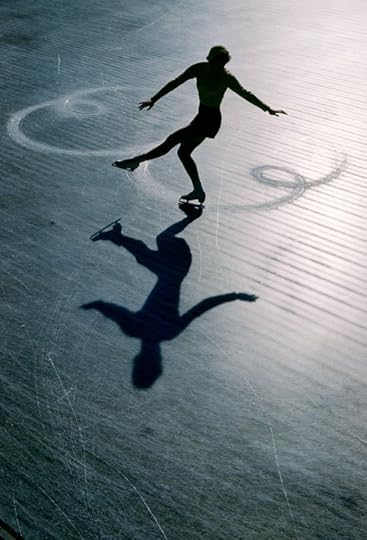
It was magical. Now the magic beckons again.
For twelve days in February 2026, the world will be watching. Figure skating is more precise now than it was in 1956, with a greater emphasis on complex moves and jumps, with athletes and their coaches scrutinizing minute elements of their performances while working on mental conditioning and focusing on preventing injuries.
Approximately 2,900 athletes will compete in the games, nearly evenly split between women and men. While the U.S. can send approximately two hundred athletes, Team USA can send up to eighteen figure skaters:
.stk-290ab61 {--stk-icon-list-icon-size:7px !important;padding-top:16px !important;padding-right:16px !important;padding-bottom:16px !important;padding-left:16px !important;margin-bottom:2px !important;}3 women’s singles3 men’s singles3 pairs teams (6 athletes)3 ice dance teams (6 athletes)The spirit that Tenley Albright displayed in 1956 is certain to be in play, with any number of contenders showcasing that same elegance, tenacity, and strength while in pursuit of their own brand of absolute perfection.
The competition will take place under LED lights with precision judging and that intense Olympic pressure which so often results in the participants reaching farther, higher, more determined than ever to do even better than their previous best.
One of Tenley Albright’s most often quoted sentiments goes as follows: “If you aren’t falling down, you aren’t trying hard enough.”
.stk-54c9259 {margin-bottom:0px !important;}.stk-aaa21c4 {background-color:var(u002du002dstk-global-color-14950, #273891) !important;}.stk-aaa21c4:before{background-color:var(u002du002dstk-global-color-14950, #273891) !important;}.stk-3f0423d .stk-img-figcaption{text-align:center !important;color:var(u002du002dstk-global-color-14743, #ffd700) !important;}.stk-3f0423d .stk-img-wrapper{width:600px !important;height:468px !important;}.stk-3f0423d .stk-img-wrapper img{transform:scale(1.06) !important;object-fit:contain !important;}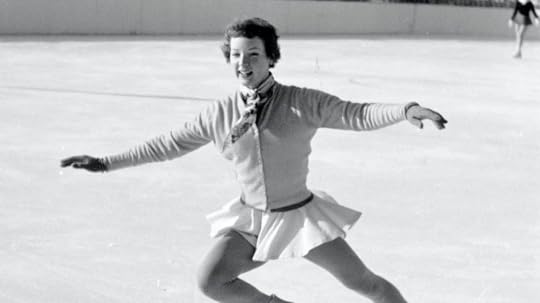
In just six months, all of those contenders who have been seeking this opportunity for much of their lives will be out to prove they have tried, fallen, and persevered in pursuit of Olympic Gold.
Tenley Albright’s story will be featured in the upcoming book The Girls Who Beat the Odds. To be released in 2026.
Enjoyed this post? Get my newsletter delivered to your inbox so you don’t miss the next one! I send out one mailing a month most months and promise zero spam.
The post Prep for the Olympics appeared first on Benson's ReView.