
12 Critical Factors for Negotiating
Prospecting and negotiating often make salespeople uncomfortable. But negotiating isn’t something to run from. It’s something to embrace when you do it the right way.
Negotiation isn’t about fear—it’s about strategy.
Here are 12 critical factors to help you negotiate with confidence and win.
1. Sell First, Negotiate SecondToo many salespeople race straight into negotiation. That’s a mistake. Sell first. Sell the value; sell the outcome. When you do a great job of selling, negotiation becomes less of an issue because the customer already sees the value you bring.
2. Knowing When to NegotiateNegotiation doesn’t happen until after you’ve put your proposal on the table—and only after the customer pushes back. Don’t negotiate prematurely. Make sure you know why they’re rejecting your offer before you begin.
3. Knowing Who the Decision Maker IsNever negotiate with someone who doesn’t have the authority to decide. Ask early: How do you make decisions like this? What’s your process? You need to be at the table with the person who can actually say yes.
 4. Knowing Their Real Needs
Surface-level needs aren’t enough. Dig deeper. Understand the true pain points, the real drivers behind their decision. When you know their critical needs, you can present a value proposition that truly resonates.
5. Knowing Their TimelineCustomers buy on their timeline, not yours. If you push your timing, you’ll end up discounting.
Instead, understand what’s driving their urgency—or what happens if they don’t make a decision. Then align your strategy with their timing.
→ Read: Creating Momentum with Your Prospecting
6. Knowing Their Value of MoneyMoney means different things to different people. For some, cash flow is critical. For others, it’s about long-term value. Just like choosing Starbucks coffee over McDonald’s coffee, people will pay more when they see more value. Understand their perspective.
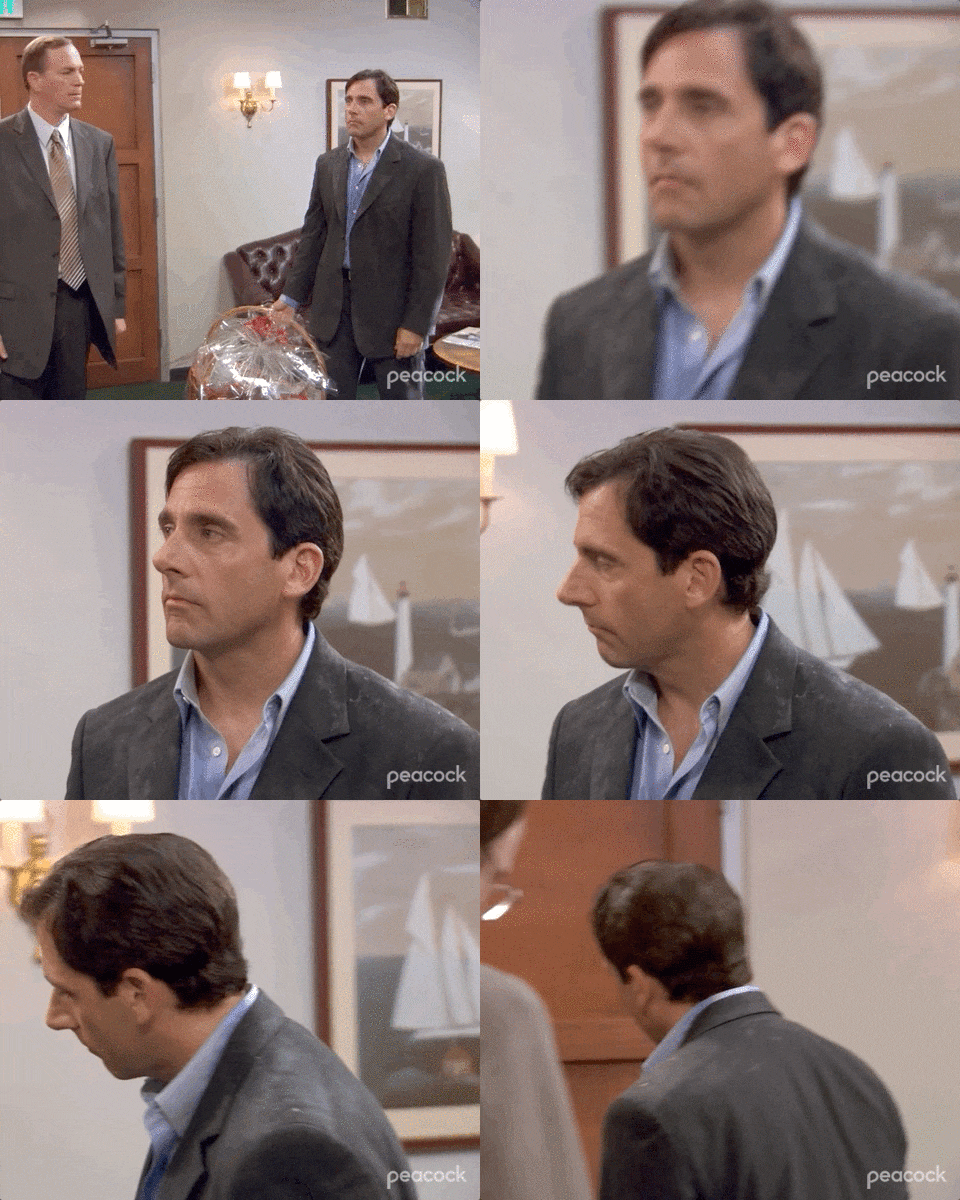
7. Being Willing to Walk AwayIf you’re not willing to walk away, the customer will drag you down to the lowest possible price. Sometimes the best deal you’ll ever make is the one you don’t make. Know your limits—and stick to them.
 8. Never Ask, Only Tell
Don’t ask, “Is this price okay?” That invites the customer to push back. Tell them.
State your price with confidence, backed by the value you deliver. When you believe in it, they will too.
9. Leverage TimeTime works on both sides. Sometimes dragging things out benefits you. Other times, urgency plays in your favor. Know how time impacts the customer’s decisions and use it strategically.
10. Use SilenceSilence is powerful. Say your price, then stop talking. Let the customer sit with it. Silence also applies to your responses—don’t rush to counter every objection. Wait. Let them process.
 11. When Not to Write
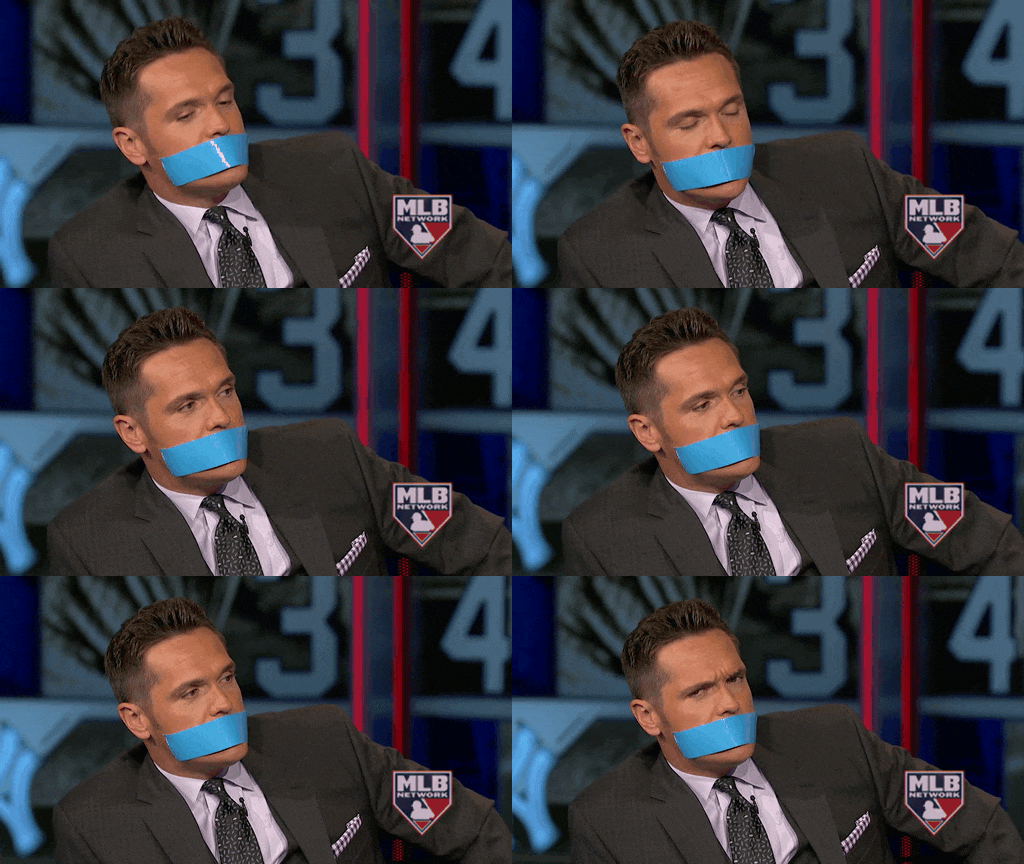
Don’t put anything in writing until you’re confident the deal is firm. If you document too early, you lose flexibility and negotiating power. Keep it verbal until the details are solid.
12. Your ConfidenceNegotiation is won or lost in your mindset.
Be confident that your offer creates value. A low price can signal low quality, so don’t cave. Stand firm, knowing you’re serving the customer’s best interests.
 Leadership in Sales: 10 Letters that Change Everything.
L-E-A-D-E-R-S-H-I-P: Dissect what it truly means to be a leader in the sales world
Find episode #347 wherever you download podcasts!
How to Run a Discovery Call that Builds Trust and Wins Clients w/ Brad PearseDiscovery Calls, LinkedIn, Sales Navigator, and the Future of Sales
Episode #348 is out now!

Copyright 2025, Mark Hunter “The Sales Hunter” Sales Motivation Blog. Mark Hunter is the author of A Mind for Sales and High-Profit Prospecting: Powerful Strategies to Find the Best Leads and Drive Breakthrough Sales Results.


Mark Hunter's Blog

- Mark Hunter's profile
- 25 followers

