3 Reasons to Grow Vertically: Plants, People, and Productivity
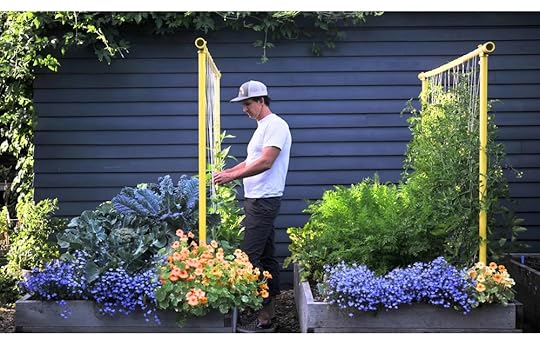
We’re all about vertical gardening. Why? Because space in the home garden is almost always a limiting factor. How many times have you said “I wish I had room for a few more basil plants!”. Well, if you take full advantage of your vertical space, by training your vining plants straight up, you might just have enough room next season to make all of your pesto dreams come true.
Growing upward instead of outward might just be one of the simplest ways to grow smarter. Vertical gardening—encouraging your plants to climb instead of sprawl—saves space, reduces pests, and makes gardening (and harvesting) a whole lot easier.
Whether you’re training tomatoes up a string trellis or letting sweet peas climb a net, growing vertically helps both your garden and your back.
Vertical gardening simply means giving your plants something to climb. Most crops grow upward naturally, but vining plants—like tomatoes, cucumbers, and beans—need extra support to stay off the ground.
A trellis is the structure that provides this support. When vines are lifted onto a trellis, they’re healthier, easier to harvest, and far more space-efficient.
Pro tip: Set up your trellis before planting. Moving supports later can damage tender stems and roots.
Growing up instead of out brings benefits to your plants, your garden design, and your own comfort. Here’s how trellising helps in three big ways:
1. Plants: Healthier, Stronger, HappierBetter airflow = fewer diseases.
When vines sprawl across soil, leaves stay damp after rain or morning dew, which encourages fungal diseases like powdery mildew. Lifting plants off of the ground up increases air circulation so foliage dries faster and stays healthier!
More sunlight, more growth.
Trellising opens up the plant’s canopy so every leaf gets its share of sunshine, improving photosynthesis and overall plant vigor.
Easier pest management.
Tangled vines make it harder to spot and manage pests. A trellised plant helps you easily monitor, prune, and remove pests and any affected parts of the plant.
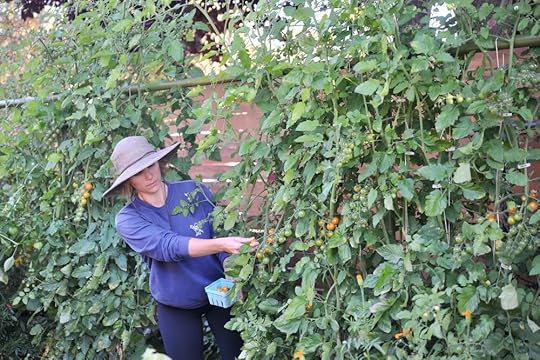 2. People: Easier Gardening, Easier Harvests
No more garden gymnastics.
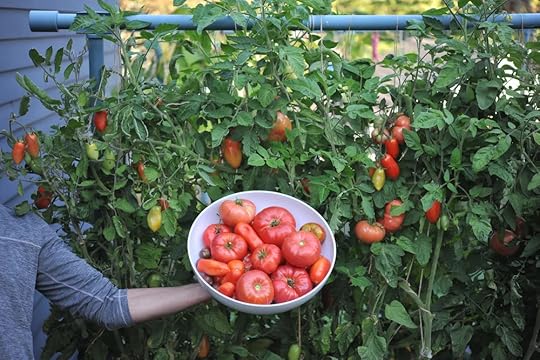
Vertical gardening means less bending, crouching, and crawling to find ripe fruit. Everything's closer to eye level—tomatoes, cucumbers, and beans practically hand themselves to you.
Simpler training and pruning.
Guiding plants up their supports lets you see and manage growth patterns clearly. Redirect an errant branch or clip a stray vine—no more guesswork under a canopy of tangled leaves.
A prettier garden (and proud gardener).
A tidy trellised row not only functions better, it looks better. Visitors will ask how you keep your garden so organized, and you can smile modestly while saying, “Oh, I just grow vertically.”
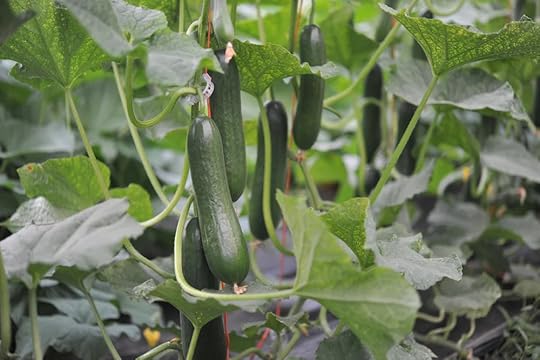 3. Productivity: More Food, Less Fuss
Protect your harvest.
Keeping fruit off the ground reduces rot and deters pests like slugs, rodents, and insects that love a ground-level buffet.
Prevent breakage.
Trellised plants are less likely to snap under the weight of heavy fruit or strong winds. No more heartbreak from a loaded tomato branch breaking before harvest.
Grow more in less space.
Vertical gardening doubles your growing potential by using both horizontal and vertical space. In small urban gardens or raised beds, this is a game-changer—more yield, same footprint.
Not every plant needs a trellis—but most benefit from one. Here are a few that thrive when lifted skyward:
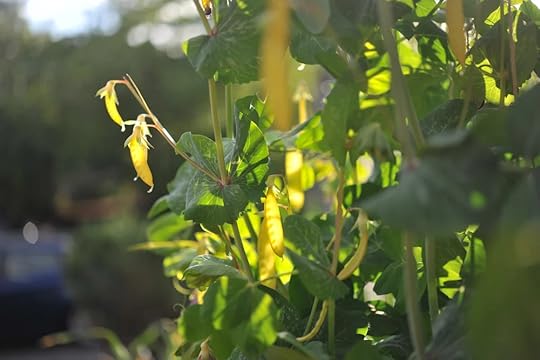
Vining Crops
Tomatoes
Cucumbers
Pole beans
Peas
Melons
Summer squash
Winter squash
Top-Heavy Crops
Peppers
Eggplant
Fava beans
Bush beans
Climbing Flowers
Sweet peas
Dahlias
Runner beans
Nasturtiums (climbing varieties)
Install supports before planting. Avoid damaging roots later.
Train early. Check plants weekly and guide them toward the trellis.
Use clips or twine as needed. Some vines (like cucumbers) climb naturally, while others (like peppers) need a gentle tie for support.
Mix and match systems. Combine string trellising for tomatoes with garden netting for peas—it’s a beautiful and efficient combo.
Growing vertically is about working with your plants, not against them. You’ll grow healthier crops, make harvesting easier, and transform a cluttered garden into a productive and beautiful space.
Whether you’re working with a single raised bed or a backyard full of vines, a few well-placed trellises can make your garden more bountiful—for your plants, for you, and for your productivity.
Shop vertical growing supplies