The Cask of Amontillado
Today, I’m again doing some brief thoughts on a few horror stories I’ve enjoyed over the years and which deserved inclusion on this reader’s guide to Halloween. You could probably pick 31 stories by Poe to read this season, but here are two of my very favorites, as well as two highly influential gothic novels.
The Cask of Amontillado by Edgar Allan Poe (1846)
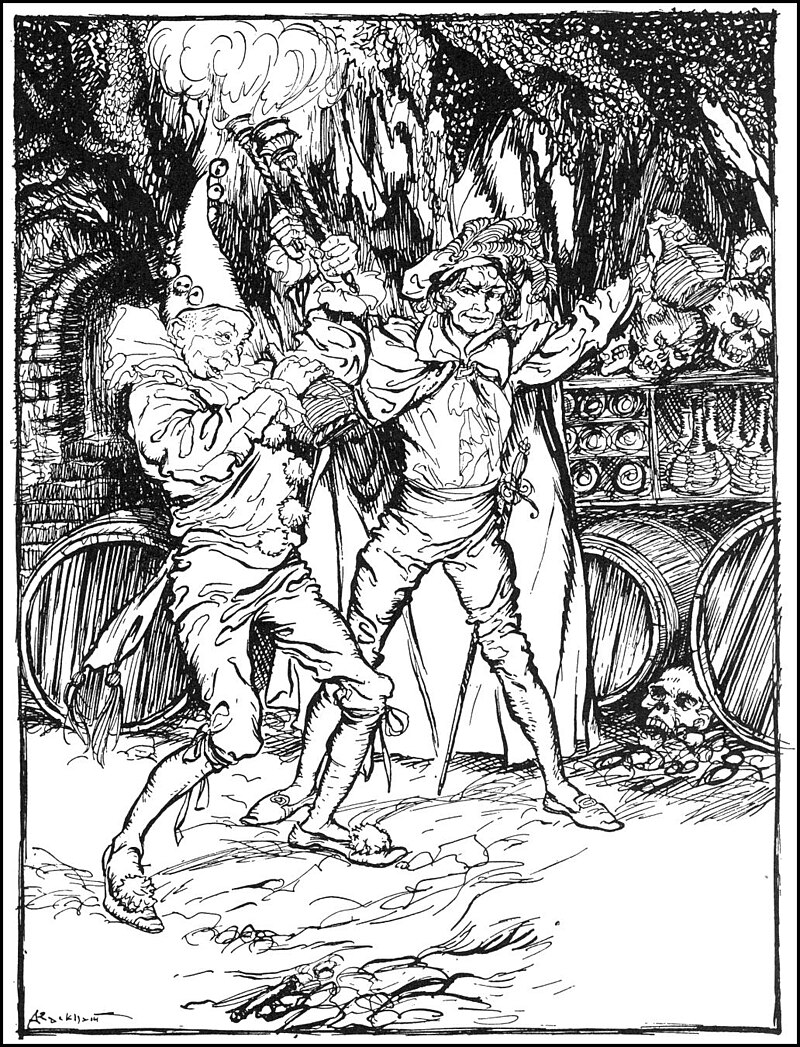 1935 Illustration by Arthur Rackham
“The thousand injuries of Fortunato I had borne as I best could, but when he ventured upon insult, I vowed revenge. You, who so well know the nature of my soul, will not suppose, however, that I gave utterance to a threat. At length I would be avenged; this was a point definitely settled—but the very definitiveness with which it was resolved, precluded the idea of risk. I must not only punish, but punish with impunity. A wrong is unredressed when retribution overtakes its redresser. It is equally unredressed when the avenger fails to make himself felt as such to him who has done the wrong.”
One of the most widely read and anthologized stories of Mr. Poe, who was perhaps the greatest writer of Gothic tales, the Cask of Amontillado has long been a favorite of mine, as I’m sure it has for many others. The first time I read it, I couldn’t quite believe what I was reading. This was supposed to be old, boring literature, and here we were amid one of the most horrible things my young brain had ever contemplated. For the first time, I realized that these old tales were perhaps better than whatever slasher stuff was at my local multiplex.
The Fall of the House of Usher by Edgar Allan Poe (1839)
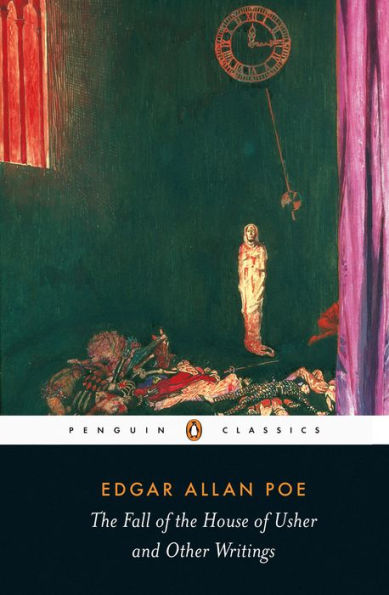
“DURING the whole of a dull, dark, and soundless day in the autumn of the year, when the clouds hung oppressively low in the heavens, I had been passing alone, on horseback, through a singularly dreary tract of country; and at length found myself, as the shades of the evening drew on, within view of the melancholy House of Usher.”
This tale gave me the chills when I first read it as a lad, and it still has that effect now. It gets weirder and weirder as it progresses; a bizarre, supernatural and disturbing story of a reclusive man, his ghostlike sister, and their creepy ancestral home. One of the greatest horror tales ever written.
I also highly recommend a trip to the Poe Cottage in the Bronx, where he lived for a time. It’s such a neat piece of local history–a lot of places want to claim Poe as their own, but he did live in New York for the last few years of his life, with his ailing wife and her mother, and the small museum there is well worth a visit for New Yorkers.
Dracula by Bram Stoker (1897)
The Mysteries of Udolpho by Anne Radcliffe (1794)
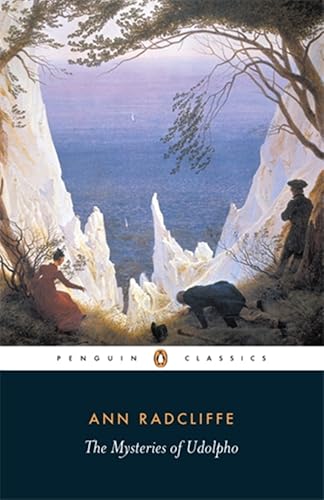
“A well-informed mind is the best security against the contagion of folly and vice. The vacant mind is ever on the watch for relief, and ready to plunge into error, to escape from the languor of idleness. Store it with ideas, teach it the pleasure of thinking; and the temptations of the world without, will be counteracted by the gratifications derived from the world within.”
― The Mysteries of Udolpho by Anne Radcliffe
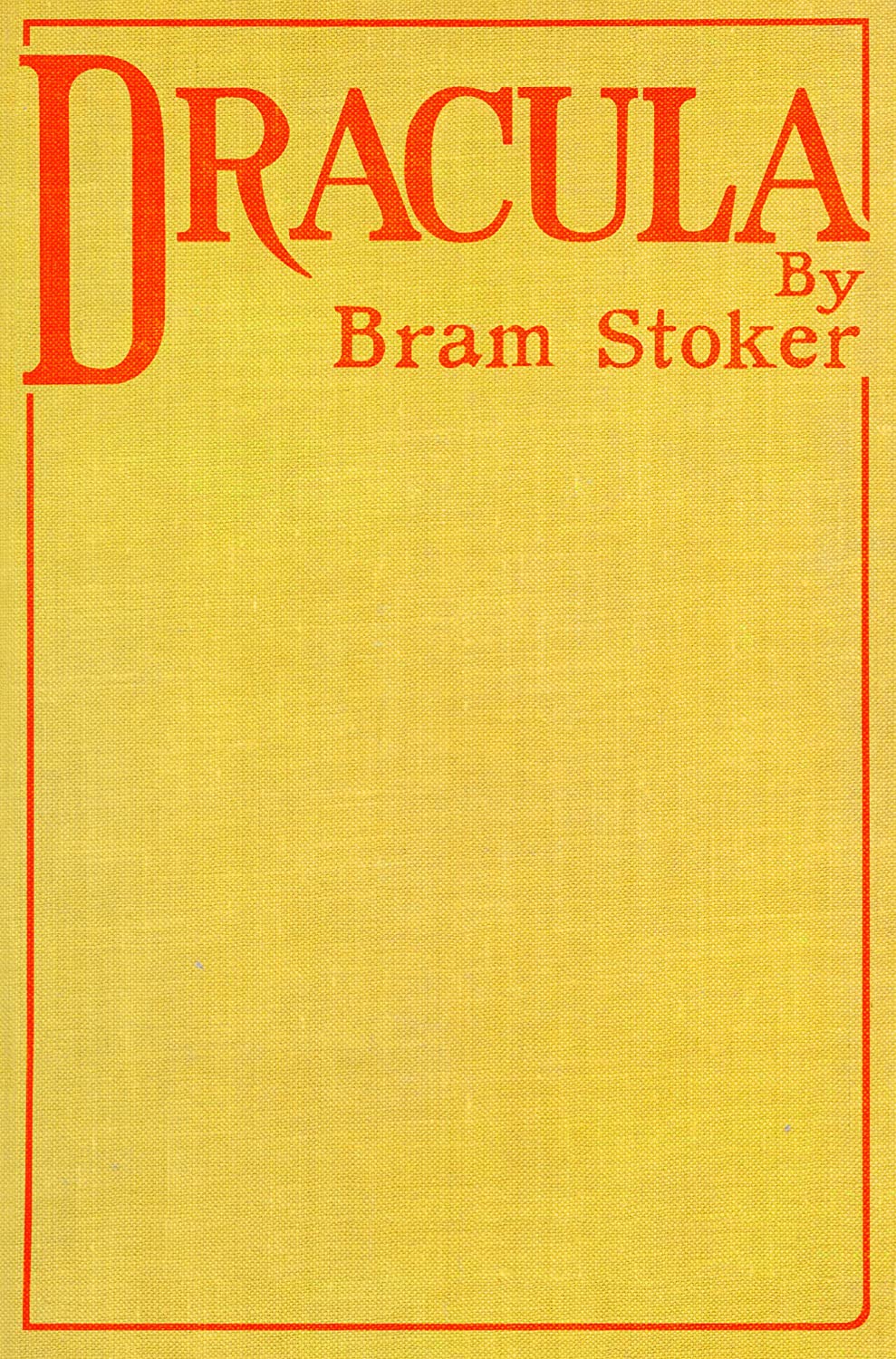
“How blessed are some people, whose lives have no fears, no dreads; to whom sleep is a blessing that comes nightly, and brings nothing but sweet dreams.” Dracula by Bram Stoker
No list of Halloween reading would be complete without Dracula, one of the first novels of its kind. An epistolary novel that moves much slower than most of the film versions with which people may be more familiar, it inspired many dozens of similar books. Stoker borrowed heavily from folklore to write this tale, which many critics have noted bore similarities to Anne Radcliffe’s The Mysteries of Udolpho, which is also well worth reading. Those interested in literary history and gothic tales should read both of these. Udolpho was published in 1794 and is considered by many to be the first gothic novel. The tragic story of a young woman’s misfortunes and strange occurrences at a castle where she lives, Udolpho has been praised by literary critics who have written on how this groundbreaking work influenced many later writers, including Poe, Stoker, Henry James, and Jane Austen, to name just a few.